Andy 4.5E LTE - Smartphone YEZZ - Free user manual and instructions
Find the device manual for free Andy 4.5E LTE YEZZ in PDF.



User questions about Andy 4.5E LTE YEZZ
0 question about this device. Answer the ones you know or ask your own.
Ask a new question about this device
Download the instructions for your Smartphone in PDF format for free! Find your manual Andy 4.5E LTE - YEZZ and take your electronic device back in hand. On this page are published all the documents necessary for the use of your device. Andy 4.5E LTE by YEZZ.
USER MANUAL Andy 4.5E LTE YEZZ
Please remember to obey relevant rules and regulations whenever use your phone. This will prevent bad effect from you and the environment.
v.2016-09-15-ES
General security
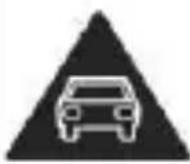 | When driving, riding your bike or walking, do not use headphones or earphones. Your attention could be diverted, which may cause an accident and be against the law in certain geographical areas. For safety precautions do not use your phone while driving, always stay aware of your surroundings. Follow all safety instructions and regulations relating to the use of your device when you are driving a vehicle. |
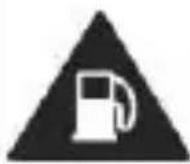 | Don’t use at petrol stations. |
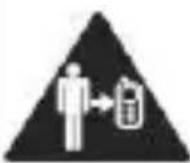 | Keep your phone at least 15 mm away from your ear or body while making calls. |
 | Your phone may produce a bright or flashing light. |
 | Small parts may cause a choking. |
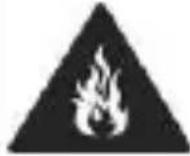 | Don’t dispose of your phone in fire. |
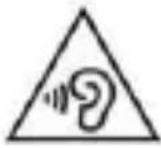 | To avoid any hearing damage, do not listen to high volume levels for an extended. Excessive sound pressure from earphones and headphones can cause hearing loss. |
 | Avoid contact with anything magnetic. |
 | Keep away from pacemakers and other electronic medical devices. |
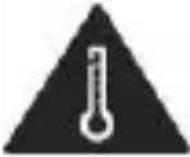 | Avoid extreme temperatures. |
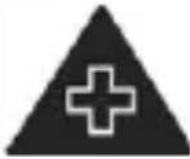 | Switch off when asked to in hospitals and medical facilities. |
 | Avoid contact with liquids. Keep your phone dry. |
 | Switch off when told to in aircrafts and airports. |
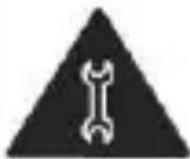 | Don’t take your phone apart. |
 | Switch off when near explosive materials or liquids. |
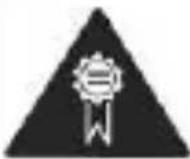 | Only use approved accessories. |
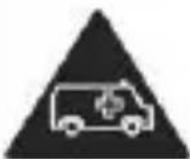 | Don’t rely on your phone for emergency communications. |
Look at the adapter regularly, specifically at the plug and the layer to detect any damages. If the adapter is damaged, you can't use it until it's fixed.
Plug in the adapter to a power outlet which is easily accessible. Always unplug the adapter after using it.
Use only the adapter provided with the device.
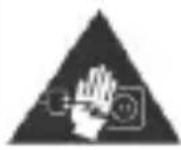
Warning electrical hazard
To avoid serious injury, do not touch the plug of the charger!
Disconnect the charger when you do not use it.
To disconnect a charger or an accessory, pull the plug, not the power cable.
The power module is the element that allows you to disconnect the product.
The power plug must stay easily accessible.
Do not expose your device to direct sunlight, like on your car's dashboard, for example.
In case of overheating do not use the device.
Be careful when using the device while walking.
Do not subject the device to severe impact or drop it from high position, it could cause damages or malfunctions.
Do not disassemble, modify or fix the device by yourself.
To clean the device use a clean and soft rag. Do not use any chemical product or detergent.
INTRODUCING YOUR MOBILE PHONE
Learn about your mobile phone's layout, keys, display and icons.
Phone layout
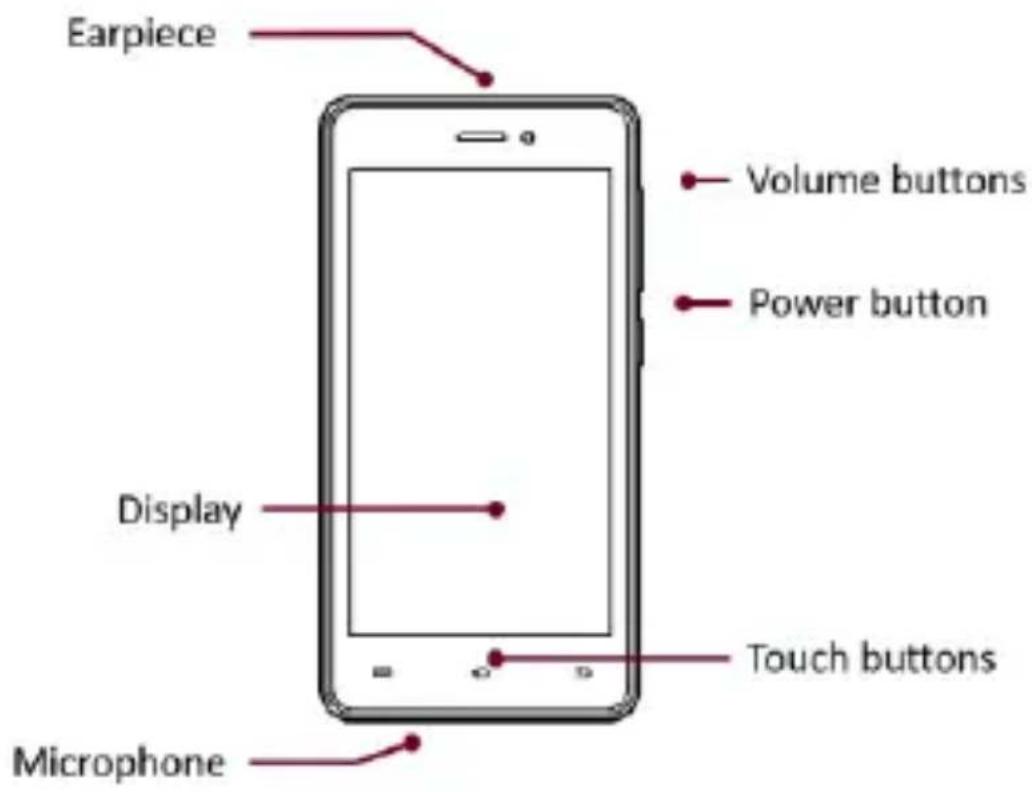
From the front view of your phone you will observe the following elements:
text_image
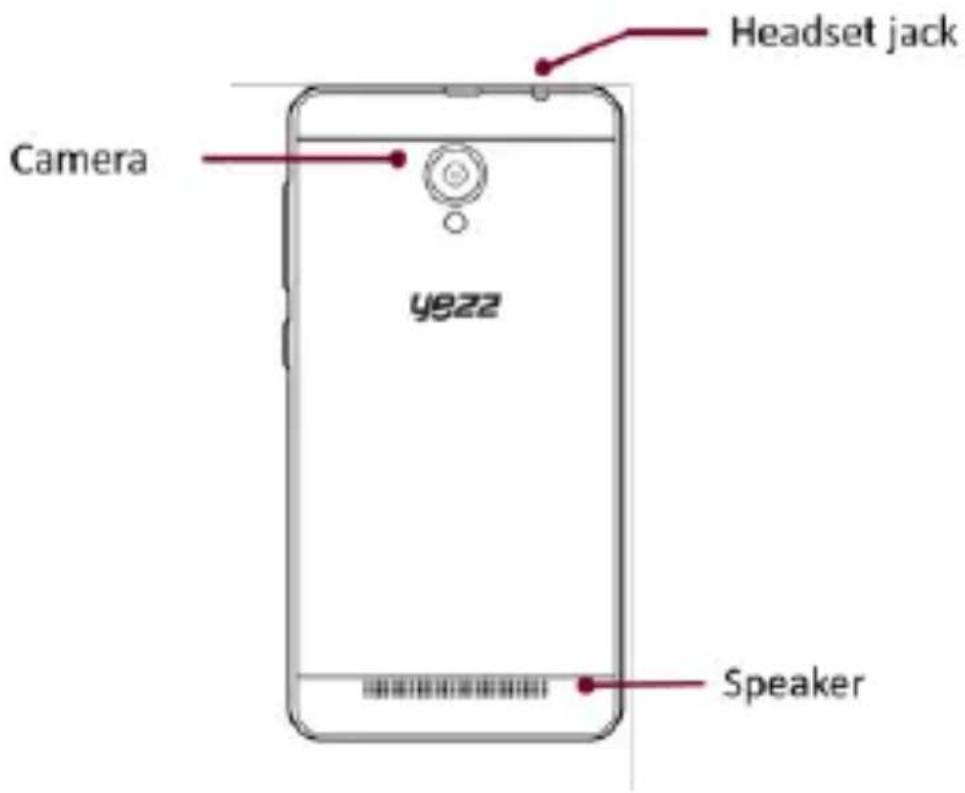
Earpiece Volume buttons Power button Display Touch buttons MicrophoneFrom the back view of your phone you will observe the following elements:
text_image
Headset jack Camera yezz SpeakerKeys
The following table offers you a quick description about the phone's keys:
| Key | Function |
| Power button | Allow you to turn on/off the device and to lock the screen. |
| Volume | Allow you to adjust the volume of ringing and notifications. Also allows you to adjust the volume of multimedia content playback. |
| Back | Allow you to return to the previous menu or screen. Also allow you to close some applications. |
| Home | It takes you directly to the home screen, leaving any application open. |
| Menu | Allow you to access to the functions menu of the application or screen you are. |
Screen
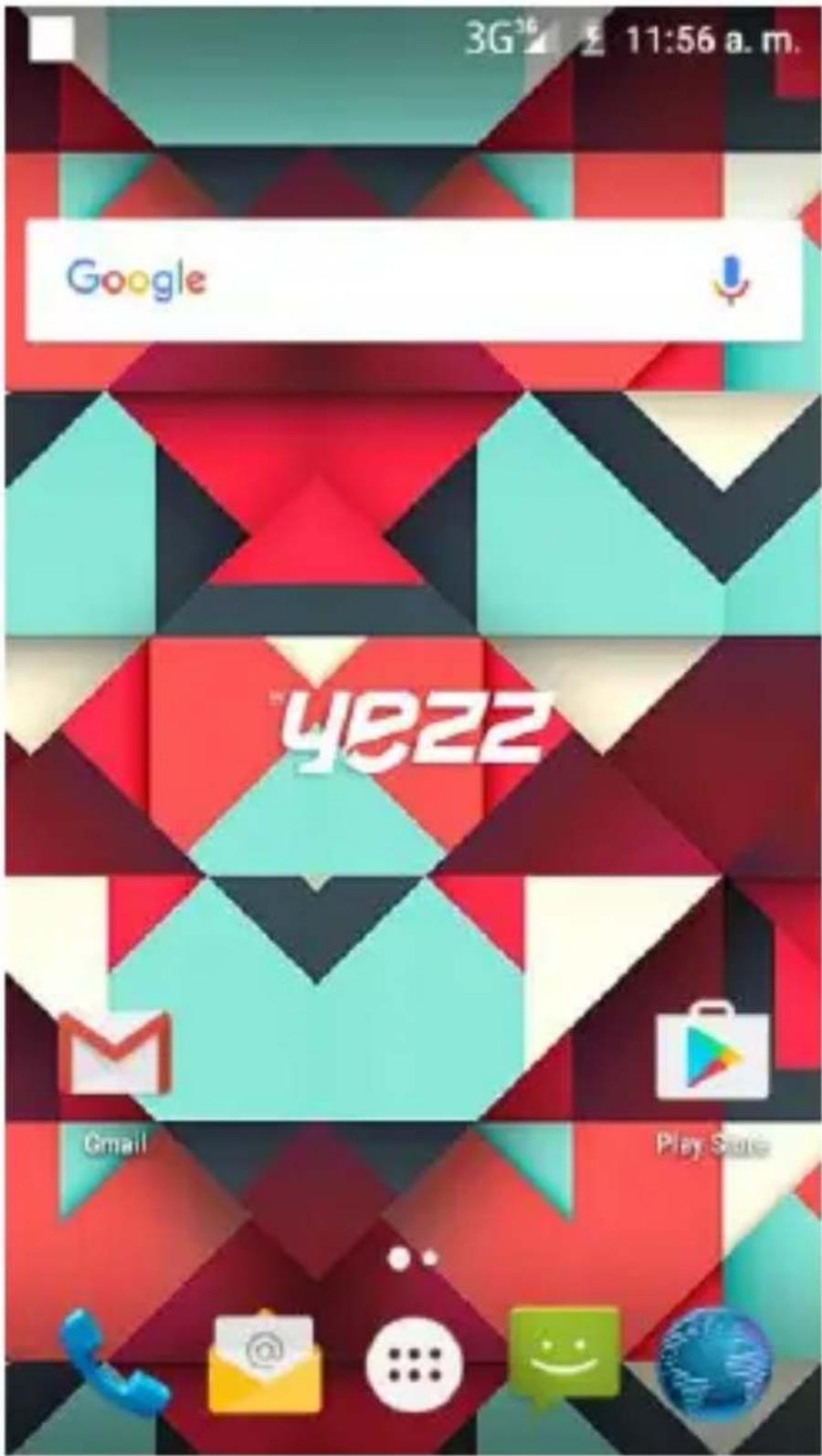
The screen of your mobile phone is designed as follows:
text_image
3G 11:56 a. m. Google 4822 Email Play StateIcons
Learn about the icons that are displayed on the top of the screen, indicating the status of the phone:
 | Signal strength |  | Wi-Fi connection |
 | Bluetooth On |  | EDGE connected |
 | USB connected |  | HSPA connected |
 | Battery meter |  | New message |
 | Vibration profile |  | New email |
 | Roaming indicator |  | Alarm active |
 | Headset connected |  | Silent profile |
PREPARING YOUR MOBILE PHONE
Get started setting up your mobile phone for its first use.
Install the SIM card and battery
When you subscribe to a cellular service, you will receive a Subscriber Identity Module (SIM) card, with subscription details, such as your personal identification number (PIN) and optional services.
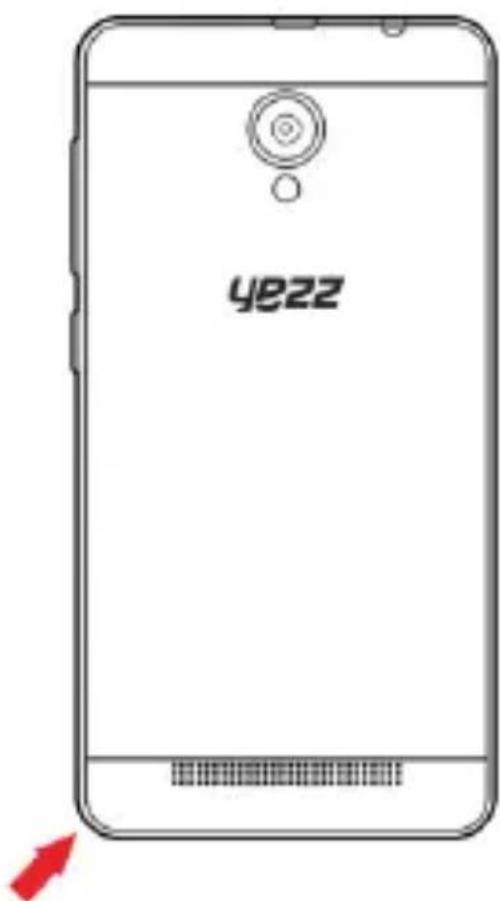
To install the SIM card and battery,
- Remove the battery cover.
text_image
yezzZ
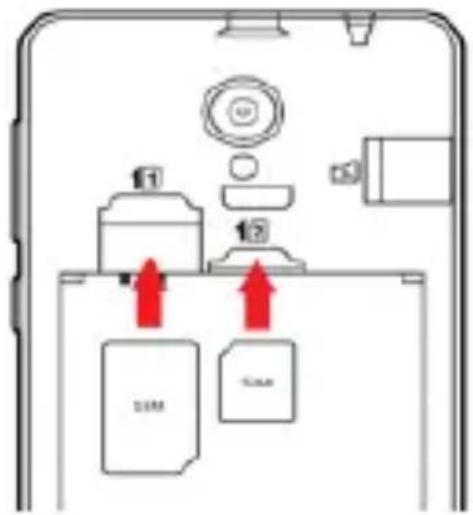
- Insert the SIM card.
Your phone has 2 SIM card slots to allow you use 2 SIM cards and switch between them.
text_image
Diagram showing a device control panel with labeled components and red directional arrows indicating movement or flow.- Place the SIM card in the phone with the gold-colored contacts facing down.
-
Without inserting a SIM card, you can use your phone's non-network services and some menus.
-
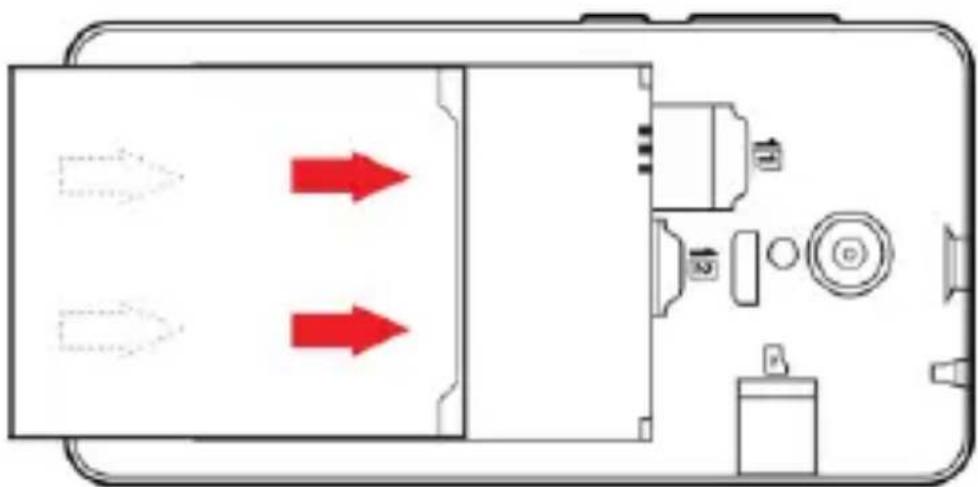
Insert the battery.
natural_image
Top-down schematic of a device layout with directional arrows and component labels (no readable text or symbols)- Replace the battery cover.
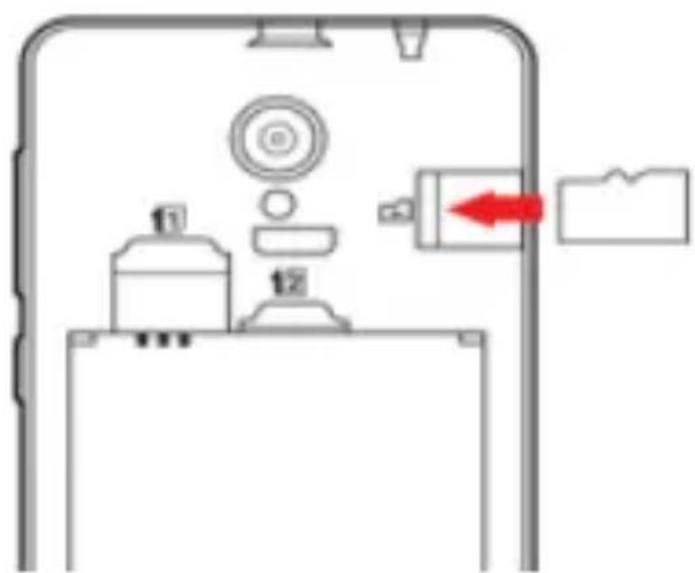
Insert a memory card (optional)
To store additional multimedia files, you must insert a memory card.
- Formatting the memory card on a PC may cause incompatibility with your phone. Format the memory card only on the phone.
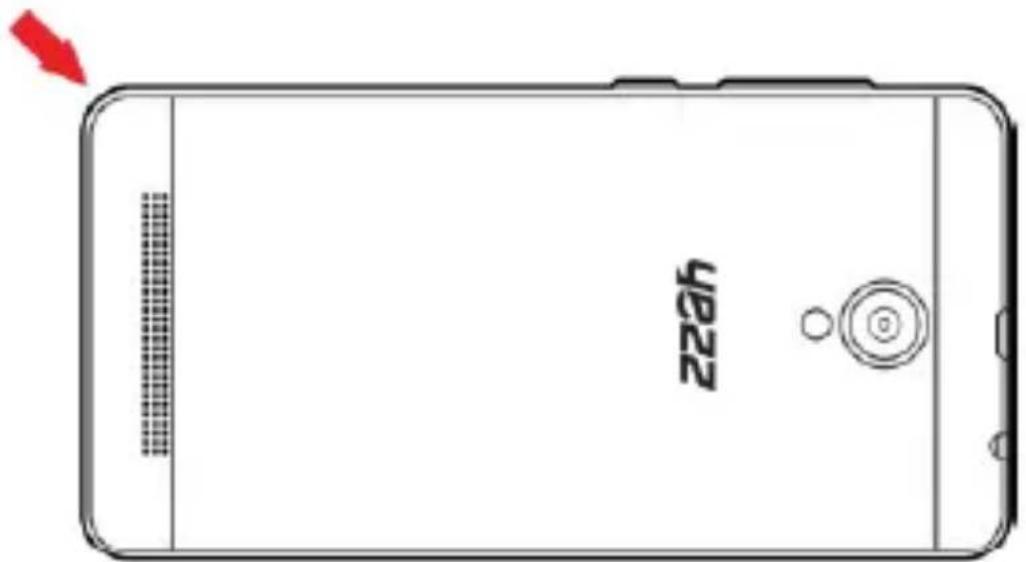
- Remove the battery cover.
text_image
zzahZ
- Insert a memory holder with the label side facing up.
text_image
Diagram showing a device with labeled components and a red arrow indicating direction, likely illustrating a process or system.USING BASIC FUNCTIONS
Learn how to perform basic operations of your mobile phone.
Turn your phone on and off
To turn your phone on,
- Long press the power button.
- Type in your PIN number and press OK (if it is needed).
To shut down your phone, go to step 1 above.
Access menus and applications
To get access to the Menu and Applications,
- At the home screen, touch the button on the screen to pop up the list of Installed Applications in your phone.
- Slide your finger to the right or left to access other pages of apps.
- Touch any icon to enter to the application.
- To exit the application, press Back or Home at the bottom of the screen.
Use basic call functions
Learn to make or answer calls in this section.
Make a call:
- At the home screen or applications menu, touch the Phone icon
-
Dial the area code and phone number.
-
Touch to start the call.
-
To end a call, touch

To answer a call:
- When you receive a call, slide the phone icon to the right to
answer it or slide it to the left to reject it
Z
- To end the call, touch

Send and view messages
In this section, learn how to send and receive:
- Text Messages (SMS).
- Multimedia Message (MMS).
Steps to send Text and Multimedia Messages:
- Touch Messages at the application list, then touch the corner.

- Type in the phone number or contact name on the field or touch to access to Contacts.
- Type in your message.
To send as text message go to step 5.
To attach a multimedia object (audio, image, etc.) continue to step 4.
- Touch on the top right corner, choose the item.

select the attach type then
- Touch to send the message.
Add contacts
Learn the basics of using the phonebook feature.
Add a new contact:
- In the application list touch Contacts, then touch on the bottom to add a new contact.
- Fill the contact information (Name, Last name and phone number). You can add more fields such as, email, address.
- Touch on the top of the screen to save.

Search for a contact
-
In the application list touch Contacts.
-
Slide your finger from bottom to top to scroll the list or touch the search button and type in the first letters of the name or last name.
-
To see the contact details touch the name or the picture of the contact.
If you want to call a contact touch the phone number.
Listen to music
Learn how to listen to music via the music player or FM radio.
Listen to the FM radio:
-
Plug in the earphones in your phone.
-
In the application list touch FM Radio.
-
Use the tool bar at the bottom to change of station.
Listen to music files:
Z
First, copy the music files into your phone internal memory or a MicroSD card.
-
In the application list, touch Music.
-
Select an order at the top of the screen and touch the song that you want to listen to.
-
You can Pause, Loop, or change of song using the tool bar at the bottom.
Browse the web
Learn how to access to your favorites Web Sites.
-
In the application list, touch Browser.
-
Touch the address bar and type in the address of the web site you want to go.
Learn the basics to capture and view photos.
Capture pictures
-
In the applications list, touch Camera.
-
Adjusts the lens at the photo target and make the desired
adjustments by touching the settings button

- Touch the shot button on the screen to capture the picture.
It will be saved automatically.
See the captured pictures
In the applications list, touch Gallery and then select the
Camera folder 📷 3 to access and visualize all the pictures captured by your phone.
CONNECTING TO INTERNET
Learn the basics to configure your phone and connect to Internet.
Add a new connection

- In the applications list, touch device configuration.
Settings to access to the - Touch the option "More...", then touch Mobile networks and touch Access Point Names. Now select the SIM Card that you want to configure.
- Touch the Menu key and select New APN then, type in the parameters according with your Carrier.
The basic parameters are:
- Name
- APN
- Username
- Password
Some carriers use Proxy Servers, refer to your carrier configuration for more information.
- When you finish typing in the parameters needed, touch Menu then Save.
If you have multiples APN Configurations for the same SIM card, choose which one you want to use touching the radio button at
the right side of the name.
To add another connection, repeat from step 3.
Switch between carriers (SIM cards)
If you use multiple SIM cards and want to switch to another one, follow these steps:
- In the applications list, touch device configuration.

Settings to access to the
- Touch

SIM cards
- Choose the option Data connection and select the SIM Card that you want to use.
USING THE Wi-Fi
Learn to use the phone's wireless capabilities to connect to any wireless local area network compatible.
Connect to a wireless network
- In the applications list, touch Settings to access to the device configuration.
- Touch the Wi-Fi option . Wi-Fi
- To turn the On the Wi-Fi touching the button on the right top corner.
- Choose a wireless network and enter the security password if it is needed.
Disconnect from a wireless network
- In the applications list, touch Settings to access to the device configuration.
- Touch the Wi-Fi option . Wi-Fi
- To turn the Wi-Fi off touch the button on the right top corner.
View the technical details of a wireless network
- In the applications list, touch device configuration.

Settings to access to the
- Touch the Wi-Fi option.

Wi-Fi
- Touch the active wireless network to see details such as Link Speed, Signal strength and more.
SAR
Please take time to read this important section.
RADIO WAVES
Proof of compliance whit international standards (ICNIRP) or with European Directive 1999/5/EC (R&TTE) is required of all mobile phone models before they can be put on the market. The protection of the health and safety for the user any other person is an essential requirement of these standards or this directive.
THIS DEVICE MEETS INTERNATIONAL GUIDELINES FOR EXPOSURE TO RADIO WAVES
Your mobile device is a radio transmitter and receiver. It is designed not to exceed the limits for exposure to radio waves (radio frequency electromagnetic fields) recommended by international guidelines. The guidelines were developed by an independent scientific organization (ICNIRP) and include a substantial safety margin designed to assure the safety of all persons, regardless of age and health.
The radio wave exposure guidelines use a unit of measurement known as the Specific Absorption Rate, or SAR. The SAR limit for mobile devices is 2 W/kg.
Tests for SAR are conducted using standard operating positions with the device transmitting at its highest certified power level in all tested frequency bands.
Body-worn SAR testing has been carried out at a separation distance of 1.0 cm. to meet RF exposure guidelines during body-
worn operation, the device should be positioned at least this distance away from the body. If you are not using an approved accessory ensure that whatever product is used is free of any metal and that it positions the phone the indicated distance away from the body.
For more information you can go to www.sayyezz.com
Additional information about electromagnetic fields and public health are available on the following site. http://www.who.int/peh-emf.
Your telephone is equipped whit a built-in antenna. For optimal operation, you should avoid touching it or degrading it.
As mobile devices offer a range of functions, they can be used in positions other that against your ear. In such circumstances the device will be compliant whit the guidelines when used with headset or USB data cable. If you are using another accessory ensure that whatever product is used is free of any metal and that it positions the phone at least 1.0 cm away from the body.
Z
®4822 C€1313
CERTIFICATE OF CONFORMITY
ANDY 4.5EL LTE
We, DDM BRANDS LLC
(1616 NW, 84 ^TH Ave. Miami, Florida U.S.A. 33126)
Hereby declares that:
YEZZ complies with the standards and provisions of the directives. The certificate of conformity procedure defined in article IV of directive 1999/5/EC has been under the control of the following organization:
BAY AREA COMPLIANCE LABORATORIES CORP.
1274 Anvilwood Ave. Sunnyvale, CA 94089. USA
www.baclcorp.com
Phone: +1 408 732 9162 Fax: +1 408 732 9164
The full text of the certificate of conformity of the device is available upon request by mail at the following address: DDM BRANDS LLC – 1616 NW 84 ^TH Ave. Miami, Florida U.S.A. 33126.
2016/10/21
(Date)
Luis Sosa / CEO
(Name and signature of authorized person)
| Maximum SAR for this model and conditions under which it was recorded: | |
| EGSM 900 | 0.263 W/kg 10g Head SAR | 0.572 W/kg 10g Body SAR |
| DCS 1800 | 0.121 W/kg 10g Head SAR | 0.485 W/kg 10g Body SAR |
| WCDMA 900 | 0.205 W/kg 10g Head SAR | 0.637 W/kg 10g Body SAR |
| WCDMA 2100 | 0.311 W/kg 10g Head SAR | 0.580 W/kg 10g Body SAR |
| LTE Band 3 | 0.402 W/kg 10g Head SAR | 0.614 W/kg 10g Body SAR |
| LTE Band 7 | 0.187 W/kg 10g Head SAR | 0.239 W/kg 10g Body SAR |
| LTE Band 20 | 0.378 W/kg 10g Head SAR | 0.506 W/kg 10g Body SAR |
During use, the actual SAR values for this device are usually well below the values stated above. This is because, for purposes of system efficiency and to minimize interference on the network, the operating power of your mobile device is automatically decreased when full power is not needed for the call. The lower the power output of the device, the lower its SAR value.
FCC Caution
Any Changes or modifications not expressly approved by the party responsible for compliance could void the user's authority to operate the equipment.
Before a new model phone is available for sale to the public, it must be tested and certified to the FCC that it does not exceed the exposure limit established by the FCC, Tests for each phone are performed in positions and locations (e.g. at the ear and worn on the body) as required by the FCC.
This device complies with part 15 of the FCC Rules. Operation is subject to the following two conditions: (1) This device may not cause harmful interference, and (2) this device must accept any interference received, including interference that may cause undesired operation.
Note: This equipment has been tested and found to comply with the limits for a Class B digital device, pursuant to part 15 of the FCC Rules. These limits are designed to provide reasonable protection against harmful interference in a residential installation.
This equipment generates, uses and can radiate radio frequency energy and, if not installed and used in accordance with the instructions, may cause harmful interference to radio communications. However, there is no guarantee that interference will not occur in a particular installation. If this equipment does cause harmful interference to radio or television reception, which
can be determined by turning the equipment off and on, the user is encouraged to try to correct the interference by one or more of the following measures:
- Reorient or relocate the receiving antenna.
- Increase the separation between the equipment and receiver.
- Connect the equipment into an outlet on a circuit different from that to which the receiver is connected.
- Consult the dealer or an experienced radio/TV technician for help.

INFORMATIONS RELATIVES À LA SÉCURITÉ
natural_image
Diagram of a device interior with directional arrows and labeled components (no readable text or symbols)text_image
Diagram showing a device with labeled components and a red arrow indicating direction, possibly illustrating a process or operation.L'UTILISATION DES FONCTIONNALITÉS DE BASE
Directive 1999/5/EC. of Directive 1999/5/EC.
BAY AREA COMPLIANCE LABORATORIES CORP.
1274 Anvilwood Ave. Sunnyvale, CA 94089. USA
Phone: +1 408 732 9162 Fax: +1 408 732 9164 www.baclcorp.com
natural_image
Top-down schematic of a device layout with directional arrows and components (no text or symbols)text_image
Diagram showing a device with labeled components and a red arrow indicating direction, likely illustrating a process or system.UTILIZAR AS FUNÇÕES PRINCIPAIS
BAY AREA COMPLIANCE LABORATORIES CORP.
1274 Anvilwood Ave. Sunnyvale, CA 94089. USA
www.baclcorp.com
Phone: +1 408 732 9162 Fax: +1 408 732 9164