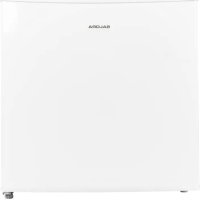
FRB3200WH - Freezer SALORA - Free user manual and instructions
Find the device manual for free FRB3200WH SALORA in PDF.



| Product Type | Chest Freezer |
| Brand | Salora |
| Model | FRB3200WH |
| Total Volume | 320 L |
| Dimensions (H x W x D) | Approximately 85 x 100 x 65 cm |
| Net Weight | Approximately 35 kg |
| Power Supply | 220-240 V ~ 50 Hz |
| Rated Current | 0.8 A |
| Climate Class | SN-N-ST-T (10 °C to 43 °C) |
| Recommended Ambient Temperature | 16 °C to 38 °C |
| Thermostat Setting | MIN / NOR / MAX / OFF |
| Freezing Capacity | 16 kg/24h |
| Storage Time in Case of Failure | Approximately 15 hours |
| Annual Energy Consumption | Approximately 280 kWh/year |
| Energy Efficiency Class | E (according to new EU label) |
| Defrost Type | Manual |
| Acoustic Noise Emissions | 42 dB (A) |
| Refrigerant | R600a (flammable) |
| Spare Parts | Available (contact after-sales service) |
| Repairability | Repairability index: 6.8/10 |
Frequently Asked Questions - FRB3200WH SALORA
User questions about FRB3200WH SALORA
0 question about this device. Answer the ones you know or ask your own.
Ask a new question about this device
Download the instructions for your Freezer in PDF format for free! Find your manual FRB3200WH - SALORA and take your electronic device back in hand. On this page are published all the documents necessary for the use of your device. FRB3200WH by SALORA.
USER MANUAL FRB3200WH SALORA
The appliance is not intended for use by young children without supervision or persons with reduced physical, sensory or mental capabilities or lack of experience and knowledge if they have been given supervision or instruction concerning use of the appliance in a safe way and understand the hazards involved.
Young children should be supervised to ensure that they do not play with the appliance
Dear customer:
Thank you for buying this upright freezer. In order to obtain the best performance of your appliance, we recommend that you read the instructions in this manual carefully.
Please ensure that the packing material is disposed of in accordance with the current environmental requirements, as old refrigerator equipment may contain CFC's which will damage the ozone layer.
When disposing of any refrigerator equipment please contact your local waste disposal department for advice on safe disposal.
This appliance must only be used for its intended purpose.
Warning:
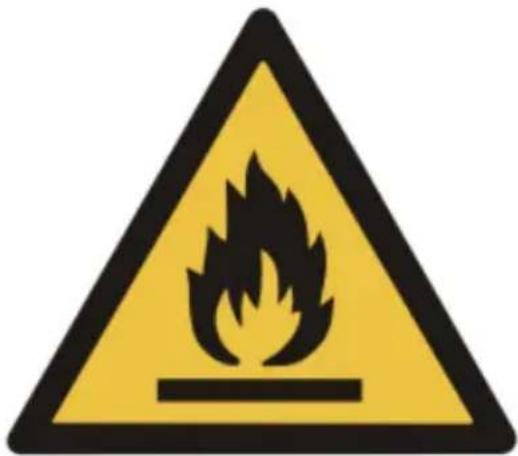
WARNING: flammabale materials/ fire risk
RECOMMENDATIONS
This appliance is intended to be used in household and similar applications such as staff kitchen areas in shops, offices and other working environments; farm houses and by clients in hotels, motels and other residential type environments; bed and breakfast type environments; catering and similar non-retail applications.
Children should be supervised to ensure that they do not play with the appliance.
If the supply cord is damaged, it must be replaced by the manufacturer, its service agent or similarly qualified persons in order to avoid a hazard.
Do not store explosive substances such as aerosol cans with a flammable propellant in this appliance.
The appliance has to be unplugged after use and before carrying out user maintenance on the appliance.
WARNING: Risk of fire / flammable materials.
WARNING: Keep ventilation openings, in the appliance
enclosure or in the built-in structure, clear of obstruction.
WARNING: Do not use mechanical devices or other means to accelerate the defrosting process, other than those recommended by the manufacturer.
WARNING: Do not damage the refrigerant circuit.
WARNING: Do not use electrical appliances inside the food storage compartments of the appliance, unless they are of the type recommended by the manufacturer.
WARNING: Please dispose of the refrigerator according to local regulators for it contains flammable blowing agents and refrigerant.
WARNING: When positioning the appliance, ensure the supply cord is not trapped or damaged.
WARNING: Do not locate multiple portable socket-outlets or portable power supplies at the rear of the appliance.
Do not use extension cords or ungrounded (two prong) adapters.
DANGER: Risk of child entrapment. Before you throw away your old refrigerator or freezer:
-Take off the doors.
-Leave the shelves in place so that children may not easily climb inside.
The refrigerator must be disconnected from the source of electrical supply before attempting the installation of accessory.
Refrigerant and cyclopentane foaming material used for the refrigerator are flammable. Therefore, when the refrigerator is scraped, it shall be kept away from any fire source and be recovered by a special recovering company with
corresponding qualification other than be disposed by combustion, so as to prevent damage to the environment or any other harm.
For EN standard: This appliance can be used by children aged from 8 years and above and persons with reduce physical sensory or mental capabilities or lack of experience and knowledge if they have been given supervision or instruction concerning use of the appliance in a safe way and understand the hazards involved. Children shall not play with the appliance. Cleaning and user maintenance shall not be made by children without supervision.
For IEC standard: This appliance is not intended for use by persons (including children) with reduced physical, sensory or mental capabilities, or lack of experience and knowledge, unless they have been given supervision or instruction concerning use of the appliance by a person responsible for their safety.
INSTALLATION
Installation of the appliance
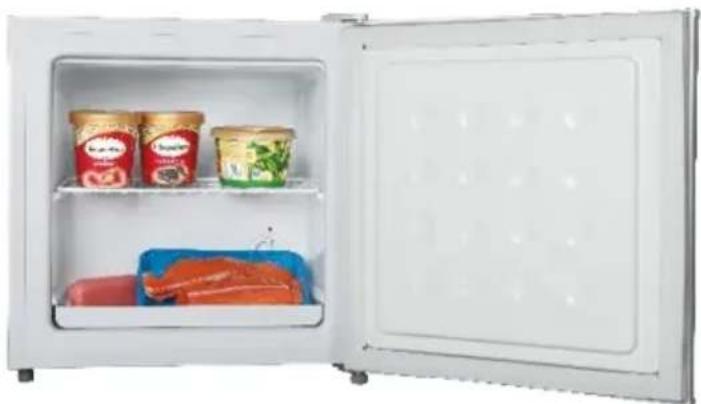
Place the fridge in a location with a firm base. In order to prevent vibration and noise, the freezer must be leveled by adjusting the front feet.
Choose a well ventilated location with no less than 10cm clearance around the freezer.
Do not position the freezer in direct sunlight and heat sources such as an oven or boiler.
USE OF THE APPLIANCE
Before plugging in your freezer for the first time remove all packing materials, clean the freezer with lukewarm water and bicarbonate of soda. Wipe dry with soft cloth.
Temperature Control
The temperature in the freezer is controlled by the thermostat control knob inside the freezer. Turn the thermostat control knob up or down to regulate the temperature inside the freezer. The markings on control knob indicated the "MIN, NOR, MAX and OFF" for the different temperature grades. The temperature decreases with position MIN being the warmest and position MAX being the coldest.
Set the control to position NOR for normal use, but you may set the control to other positions of you find NOR is too cold or too warm.
Store Frozen Food
When using the freezer for the first time or after defrosting, turn the temperature control to set MAX for at least two hours before placing the food to be stored.
All commercially frozen food products should be placed in the freezer as soon as possible to avoid defrosting of the frozen food.
Storage recommendation printed on the packaging of frozen food by the manufacturers should always be followed.
Freezing Fresh Food
Ensure that your freeze the food under the most hygienic conditions as freezing alone does not sterilize the food. It is recommendable to freeze the food by packing it into separate meal portions and not in bulk form. Never put hot or even warm food into the freezer. Prior to storing the frozen food, pack it in plastic bags, aluminum sheets or freezing containers and place it into the freezer.
Defrosting
Remove the mains plug from the wall socket, open the door and remove all the food to a cool place. Defrost using a plastic scraper, or let the temperature rise naturally until the frost melts. Then wipe away the remaining ice and water, after this plug the freezer back into the mains supply.
Cleaning your freezer
Before you start to clean your freezer remove the mains plug from the power supply.
Use lukewarm water and bicarbonate of soda.
Clean with a cloth soaked in this solution and then dry with a soft cloth.
Before calling for service
Please check the following points:
- The freezer is not working
- Check the plug is inserted correctly into the wall socket
- Check there is power to the wall socket by plugging in another appliance.
The freezer is noisy when running
- Check the freezer is level and it is not in contact with another appliance or kitchen furniture.
The freezer does not cool sufficiently
- If the door has been opened too often, or it has been left open for a while it will take time for the freezer to reach its set temperature.
- Check if the airflow at the rear of the freezer has not been reduced due to insufficient clearance.
The following characteristics should not be looked upon as a problem.
- A gentle ticking sound caused by refrigerant flowing through the pipe.
- Compressor operating at high temperature.
IF THE FREEZER IS NOT GOING TO BE USED FOR A LONG PERIOD OF TIME.
If the freezer is not in use for a long period of time, proceed as follows:
Disconnect the freezer from the main supply by removing the plug from the wall socket.
Clean and dry the inside as instructed under the heading of cleaning the fridge.
Leave the door ajar to prevent any unpleasant smells from building up while the freezer is not in use.
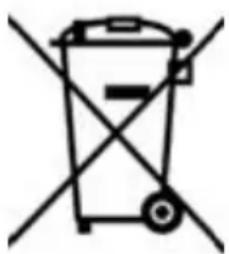
Correct Disposal of this product
This marking indicates that this product should not be disposed with other household wastes throughout the EU. To prevent possible harm to the environment or human health from uncontrolled waste disposal, recycle it responsibly to promote the sustainable reuse of material resources. To return your used device, please use the return and collection systems or contact the retailer where the product was purchased. They can take this product for environmental safe recycling.
For household refrigerating appliances
Try not to open the door too often, especially when the weather is wet and hot. Once you open the door, mind to close it as soon as possible.
Every now and then check if the appliance is sufficiently ventilated (adequate air circulation at the rear of the appliance).
For household refrigerating appliances, in normal temperature conditions, please arrange the thermostat at the middle setting.
Before loading the appliance with portions of fresh foods, make sure they are cooled to ambient temperature.
Ice and frost layer increase energy consumption, so do clean the appliance as soon as the layer is 3-5 mm thick.
Ensure the condenser at the rear of the appliance is free from any dust or impurities.
Always consider instructions stated in sections Installation and Energy Saving Tips, otherwise the energy consumption is substantially higher.
Energy Saving Tips
- The appliance should be located in the coolest area of the room, away from heat producing appliances or heating ducts, and out of the direct sunlight.
- Let hot food cool to room temperature before placing it in the appliance. Overloading the appliance forces the compressor to run longer. Foods that freeze too slowly may lose quality, or spoil.
- Be sure to wrap food properly, and wipe containers dry before placing them in the appliance. This cuts down on frost build-up inside the appliance.
- Appliance storage bin should not be lined with aluminum foil, wax paper, or paper toweling. Liners interfere with cold air circulation, making the appliance less efficient.
- Organize and label food to reduce door openings and extended searches. Remove as many items as needed at one time, and close the door as soon as possible.
| Model | |
| Fresh Food Storage Compartment Volume | |
| Frozen Food Storage Volume | |
| Storage Temperature | |
| Energy Consumption | |
| Energy consumption ... kWh per year, based on standard test results for ... hours | |
| Household Appliances Category | |
| Energy Grading | |
| EU Ecolabel | |
| Defrosting Type | |
| Climate Class | |
| This appliance is intended to be used at an ambient temperature between +16°C and +38°C | |
| Airborne Acoustical Noise | |
| Temperature Rise Time | |
| Freezing Capacity | |
| Rated Voltage | |
| Rated Current | |
| Overall Dimensions (H x W x D) | |
| Total Gross Volume (L) | |
| Total Storage Volume (L) | |
| Net Weight (kg) | |
| Class | Ambient temperature range °C |
| SN +10 to +32 | |
| N +16 to +32 | |
| ST +16 to +38 | |
| T +16 to 43 |
SALORA
GUIDE D'UTILISATION
FRB3200WH
ATTENTION
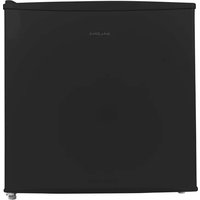
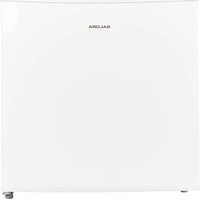
Brand : SALORA
Model : FRB3200WH
Category : Freezer