ManualGo.com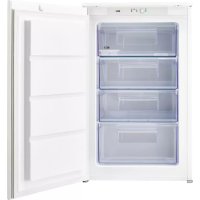
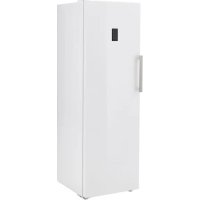
DJUPFRYSA - Fridge IKEA - Free user manual and instructions
Find the device manual for free DJUPFRYSA IKEA in PDF.



Frequently Asked Questions - DJUPFRYSA IKEA
Download the instructions for your Fridge in PDF format for free! Find your manual DJUPFRYSA - IKEA and take your electronic device back in hand. On this page are published all the documents necessary for the use of your device. DJUPFRYSA by IKEA.
USER MANUAL DJUPFRYSA IKEA
ITENGLISH 4 DEUTSCH 20 FRANÇAIS 39 ITALIANO 63Contents Safety information 4 Safety instructions 5 Installation 7 Product description 8 Operation 8 First use 10 Daily use 10 Hints and tips 11 Care and cleaning 12 Troubleshooting 13 Technical information 16 IKEA GUARANTEE 17 Subject to change without notice. Safety information Before the installation and use of the appliance, carefully read the supplied instructions. The manufacturer is not responsible if an incorrect installation and use causes injuries and damages. Always keep the instructions with the appliance for future reference. Children and vulnerable people safety
- This appliance can be used by children aged from 8 years and above and persons with reduced physical, sensory or mental capabilities or lack of experience and knowledge if they have been given supervision or instruction concerning use of the appliance in a safe way and understand the hazards involved.
- Do not let children play with the appliance.
- Cleaning and user maintenance shall not be made by children without supervision.
- Keep all packaging away from children. General Safety
- This appliance is intended to be used in household and similar applications such as: – Farm houses; staff kitchen areas in shops, offices and other working environments ENGLISH 4– By clients in hotels, motels, bed and breakfast and other residential type environments
- Keep ventilation openings, in the appliance enclosure or in the built-in structure, clear of obstruction.
- Do not use mechanical devices or other means to accelerate the defrosting process, other than those recommended by the manufacturer.
- Do not damage the refrigerant circuit.
- Do not use electrical appliances inside the food storage compartments of the appliance, unless they are of the type recommended by the manufacturer.
- Do not use water spray and steam to clean the appliance.
- Clean the appliance with a moist soft cloth. Only use neutral detergents. Do not use abrasive products, abrasive cleaning pads, solvents or metal objects.
- Do not store explosive substances such as aerosol cans with a flammable propellant in this appliance.
- If the supply cord is damaged, it must be replaced by the manufacturer, its service agent or similarly qualified persons in order to avoid a hazard. Safety instructions Installation Warning! Only a qualified person must install this appliance.
- Remove all the packaging.
- Do not install or use a damaged appliance.
- Obey the installation instruction supplied with the appliance.
- Always be careful when you move the appliance because it is heavy. Always wear safety gloves.
- Make sure the air can circulate around the appliance.
- Wait at least 4 hours before connecting the appliance to the power supply. This is to allow the oil to flow back in the compressor.
- Do not install the appliance close to radiators or cookers, oven or hobs.
- The rear of the appliance must stand against the wall.
- Do not install the appliance where there is direct sunlight.
- Do not install this appliance in areas that are too humid or too colds, such as the construction appendices, garages or wine cellars.
- When you move the appliance, lift it by the front edge to avoid scratching the floor. ENGLISH 5Electrical connection Warning! Risk of fire and electrical shock.
- The appliance must be earthed.
- All electrical connections should be made by a qualified electrician.
- Make sure that the electrical information on the rating plate agrees with the power supply. If not contact an electrician.
- Always use a correctly installed shockproof socket.
- Do not use multi-plug adapters and extension cables.
- Make sure not to cause damage to the electrical components (e.g. mains plug, mains cable, compressor). Contact the Service or an electrician to change the electrical components.
- The mains cable must stay below the level of the mains plug.
- Connect the mains plug to the mains socket only at the end of the installation. Make sure that there is access to the mains plug after the installation.
- Do not pull the mains cable to disconnect the appliance. Always pull the mains plug. Use Warning! Risk of injury, burns, electrical shock or fire.
- Do not change the specification of this appliance.
- Do not put electrical appliances (e.g. ice cream makers) in the appliance unless they are stated applicable by the manufacturer.
- Be careful not to cause damage to the refrigerant circuit. It contains isobutane (R600a), a natural gas with a high level of environmental compatibility. This gas is flammable.
- If damage occurs to the refrigerant circuit, make sure that there are no flames and sources of ignition in the room. Ventilate the room.
- Do not let hot items to touch the plastic parts of the appliance.
- Do not put soft drinks in the freezer compartment. This will create pressure on the drink container.
- Do not store flammable gas and liquid in the appliance.
- Do not put flammable products or items that are wet with flammable products in, near or on the appliance.
- Do not touch the compressor or the condenser. They are hot.
- Do not remove or touch items from the freezer compartment if your hands are wet or damp.
- Do not freeze again food that has been thawed.
- Obey the storage instructions on the packaging of frozen food. Care and cleaning Warning! Risk of injury or damage to the appliance.
- Before maintenance, deactivate the appliance and disconnect the mains plug from the mains socket.
- This appliance contains hydrocarbons in the cooling unit. Only a qualified person must do the maintenance and the recharging of the unit.
- Regularly examine the drain of the appliance and if necessary, clean it. If the drain is blocked, defrosted water collects in the bottom of the appliance. Disposal Warning! Risk of injury or suffocation.
- Disconnect the appliance from the mains supply.
- Cut off the mains cable and discard it.
- Remove the door to prevent children and pets to be closed inside of the appliance. ENGLISH 6• The refrigerant circuit and the insulation materials of this appliance are ozone- friendly.
- The insulation foam contains flammable gas. Contact your municipal authority for information on how to discard the appliance correctly.
- Do not cause damage to the part of the cooling unit that is near the heat exchanger. Installation Warning! Refer to Safety chapters. Location Refer to the assembly instructions for the installation. To ensure best performance, install the appliance well away from sources of heat such as radiators, boilers, direct sunlight etc. Make sure that air can circulate freely around the back of the cabinet. Positioning This appliance should be installed in a dry, well ventilated indoor (garage or cellar) also, but for optimum performance install this appliance at a location where the ambient temperature corresponds to the climate class indicated on the rating plate of the appliance: Climate class Ambient temperature SN +10°C to + 32°C Climate class Ambient temperature N +16°C to + 32°C ST +16°C to + 38°C T +16°C to + 43°C Electrical connection Before plugging in, ensure that the voltage and frequency shown on the rating plate correspond to your domestic power supply. The appliance must be earthed. The power supply cable plug is provided with a contact for this purpose. If the domestic power supply socket is not earthed, connect the appliance to a separate earth in compliance with current regulations, consulting a qualified electrician. The manufacturer declines all responsibility if the above safety precautions are not observed. This appliance complies with the E.E.C. Directives. ENGLISH 7Product description Product overview
Defrost water drain Coldest zone Operation Control panel
Temperature regulator
Alarm light Switching on Insert the plug into the wall socket. The pilot light will light up and you will hear the buzzer. If the temperature inside the appliance is too high the Alarm light will blink. Active the Fast Freezing function. ENGLISH 8Switching off To turn off the appliance, turn the Temperature regulator to the "O" position. The pilot light will switch off and you will hear the buzzer. Temperature regulation The temperature is regulated automatically. A medium setting is generally the most suitable. However, the exact setting should be chosen keeping in mind that the temperature inside the appliance depends on:
- how often the door is opened,
- the quantity of food stored,
- the location of the appliance.
1. Turn the Temperature regulator toward
lower settings to obtain the minimum coldness.
2. Turn the Temperature regulator toward
higher settings to obtain the maximum coldness. Caution! If the ambient temperature is high or the appliance is fully loaded, and the appliance is set to the lowest temperatures, it may run continuously causing frost to form on the rear wall. In this case the dial must be set to a higher temperature to allow automatic defrosting and therefore reduced energy consumption. Fast Freezing function
1. Press the Fast Freezing switch to
activate the Fast Freezing function. The Fast Freezing light will light up.
2. Press the Fast Freezing switch to
deactivate the function at any time. The Fast Freezing light will switch off. This function stops automatically after 52 hours. High temperature alarm An increase in the temperature in a compartment (for example due to an power failure) is indicated by flashing of the Alarm light. When normal conditions are restored the Alarm light will switch off automatically. Acoustic alarm An acoustic alarm will sound when the temperature inside the freezer has risen to a point where the safe storage of frozen food is no longer ensured. When normal conditions are restored, the acoustic alarm will stop. In any case, press the Alarm reset switch to deactivate the acoustic alarm. Door open alarm An acoustic alarm will sound when the door is left open for around 80 seconds. When normal conditions are restored (door closed), the acoustic alarm will stop. In any case, press the Alarm reset switch to deactivate the acoustic alarm. ENGLISH 9First use Cleaning the interior
1. Before using the appliance for the first
time, wash the interior and all internal accessories with lukewarm water and some neutral soap so as to remove the typical smell of a brand-new product.
Do not use detergents or abrasive powders, as these will damage the finish. Daily use Warning! Refer to Safety chapters. Accessories Ice tray
Freezing fresh food The freezer compartment is suitable for freezing fresh food and storing frozen and deep-frozen food for a long time. To freeze fresh food activate the Fast Freezing function at least 24 hours before placing the food to be frozen in the freezer compartment. Place the fresh food to be frozen in the two top compartments. The maximum amount of food that can be frozen in 24 hours is specified on the rating plate, a label located on the inside of the appliance. The freezing process lasts 24 hours: during this period do not add other food to be frozen. After 24 hours, when the freezing process is completed, return to the required temperature (see "Temperature regulation"). Storage of frozen food When first starting-up or after a period out of use, before putting the products in the compartment let the appliance run at least 12 hours on the Fast Freezing setting. If large quantities of food are to be stored, remove all drawers from appliance and place food on glass shelf to obtain the best performance. ENGLISH 10In the event of accidental defrosting, for example due to a power failure, if the power has been off for longer that the value shown in the technical characteristics chart under "rising time", the defrosted food must be consumed quickly or cooked immediately and then re-frozen (after cooling). Thawing Deep-frozen or frozen food, prior to being used, can be thawed in the refrigerator compartment or at room temperature, depending on the time available for this operation. Small pieces may even be cooked still frozen, directly from the freezer: in this case, cooking will take longer. Ice-cube production This appliance is equipped with two trays for the production of ice-cubes.
1. Fill the trays with water.
2. Put the trays in the freezer compartment
Caution! Do not use metallic instruments to remove the tray from the freezer. Hints and tips Normal operating sounds The following sounds are normal during operation:
- A faint gurgling and bubbling sound from coils sound when refrigerant is pumped.
- A whirring and pulsating sound from the compressor when refrigerant is pumped.
- A sudden cracking noise from inside appliance caused by thermic dilatation (a natural and not dangerous physical phenomenon).
- A faint click noise from the temperature regulator when the compressor switches on or off. Hints for energy saving
- Do not open the door frequently or leave it open longer than absolutely necessary.
- If the ambient temperature is high and the Temperature Regulator is set to low temperature and the appliance is fully loaded, the compressor may run continuously, causing frost or ice on the evaporator. If this happens, set the Temperature Regulator toward warmer settings to allow automatic defrosting and so a saving in electricity consumption. Hints for freezing To help you make the most of the freezing process, here are some important hints:
- the maximum quantity of food which can be frozen in 24 hrs. is shown on the rating plate;
- the freezing process takes 24 hours. No further food to be frozen should be added during this period;
- freeze only top quality, fresh and thoroughly cleaned, foodstuffs;
- prepare food in small portions to enable it to be rapidly and completely frozen and to make it possible subsequently to thaw only the quantity required;
- wrap up the food in aluminium foil or polythene and make sure that the packages are airtight;
- do not allow fresh, unfrozen food to touch food which is already frozen, thus avoiding a rise in temperature of the latter; ENGLISH 11• lean foods store better and longer than fatty ones; salt reduces the storage life of food;
- water ices, if consumed immediately after removal from the freezer compartment, can possibly cause the skin to be freeze burnt;
- it is advisable to show the freezing in date on each individual pack to enable you to keep tab of the storage time. Hints for storage of frozen food To obtain the best performance from this appliance, you should:
- make sure that the commercially frozen foodstuffs were adequately stored by the retailer;
- be sure that frozen foodstuffs are transferred from the foodstore to the freezer in the shortest possible time;
- not open the door frequently or leave it open longer than absolutely necessary;
- once defrosted, food deteriorates rapidly and cannot be refrozen;
- do not exceed the storage period indicated by the food manufacturer. Care and cleaning Warning! Refer to Safety chapters. General warnings Caution! Unplug the appliance before carrying out any maintenance operation. This appliance contains hydrocarbons in its cooling unit; maintenance and recharging must therefore only be carried out by authorized technicians. The accessories and parts of the appliance are not suitable for washing in a dishwasher. Periodic cleaning Caution! Do not pull, move or damage any pipes and/or cables inside the cabinet. Caution! Take care of not to damage the cooling system. Caution! When moving the cabinet, lift it by the front edge to avoid scratching the floor. The equipment has to be cleaned regularly:
1. Clean the inside and accessories with
lukewarm water and some neutral soap.
2. Regularly check the door seals and wipe
clean to ensure they are clean and free from debris.
3. Rinse and dry thoroughly.
4. If accessible, clean the condenser and
the compressor at the back of the appliance with a brush. This operation will improve the performance of the appliance and save electricity consumption. ENGLISH 12Defrosting the freezer Caution! Never use sharp metal tools to scrape off frost from the evaporator as you could damage it. Do not use a mechanical device or any artificial means to speed up the thawing process other than those recommended by the manufacturer. A temperature rise of the frozen food packs, during defrosting, may shorten their safe storage life. About 12 hours prior to defrosting, set a lower temperature, in order to build up sufficient chill reserve for the interruption in operation. A certain amount of frost will always form on the freezer shelves and around the top compartment. Defrost the freezer when the frost layer reaches a thickness of about 3-5 mm.
1. Switch off the appliance, or pull out
electrical plug from the wall socket.
2. Remove any stored food, wrap it in
several layers of newspaper and put it in a cool place. Warning! Do not touch frozen goods with wet hands. Hands can freeze to the goods.
3. Leave the door open and insert the ice
scraper in the appropriate seating at the bottom centre, placing a basin underneath to collect the defrost water. In order to speed up the defrosting process, place a pot of warm water in the freezer compartment. In addition, remove pieces of ice that break away before defrosting is complete.
4. When defrosting is completed, dry the
interior thoroughly and keep the ice scraper for future use.
5. Switch on the appliance.
After three hours reload the previously removed food into the freezer compartment. Periods of non-operation When the appliance is not in use for long periods, take the following precautions:
1. Disconnect the appliance from electricity
3. Leave the door/doors open to prevent
unpleasant smells. Warning! If the cabinet will be kept on, ask somebody to check it once in a while to prevent the food inside from spoiling in case of a power failure. Troubleshooting Warning! Refer to Safety chapters. ENGLISH 13What to do if... Problem Possible cause Solution The appliance does not op- erate. The appliance is switched off. Switch on the appliance. The mains plug is not con- nected to the mains socket correctly. Connect the mains plug to the mains socket correctly. There is no voltage in the mains socket. Connect a different electrical appliance to the mains socket. Contact a qualified electrician. The appliance is noisy. The appliance is not sup- ported properly. Check if the appliance stands stable. Audible or visual alarm is on. The cabinet has been re- cently switched on or the temperature is still too high. Refer to "Door Open Alarm". Audible or visual alarm is on. The cabinet has been re- cently switched on or the temperature is still too high. Refer to "High Temperature Alarm". The door is left open. Close the door. The temperature in the ap- pliance is too high. Contact a qualified electrician or contact the nearest After Sales Service. The compressor operates continually. Temperature is set incor- rectly. Refer to "Operation" chapter. Many food products were put in at the same time. Wait some hours and then check the temperature again. The room temperature is too high. Refer to climate class chart on the rating plate. Food products placed in the appliance were too warm. Allow food products to cool to room temperature before stor- ing. The door is not closed cor- rectly. Refer to "Closing the door". ENGLISH 14Problem Possible cause Solution The Fast Freezing function is switched on. Refer to "Fast Freezing func- tion". There is too much frost and ice. The door is not closed cor- rectly or the gasket is de- formed/dirty. Refer to "Closing the door". Food products are not wrapped properly. Wrap the food products bet- ter. Temperature is set incor- rectly. Refer to "Operation" chapter. The compressor does not start immediately after pressing the Fast Freezing, or after changing the tem- perature. This is normal, no error has occurred. The compressor starts after a period of time. Temperature cannot be set. The Fast Freezing function is switched on. Switch off Fast Freezing man- ually, or wait until the function resets automatically to set the temperature. Refer to "Fast Freezing function". The temperature in the ap- pliance is too low/too high. The temperature regulator is not set correctly. Set a higher/lower tempera- ture. The food products' tem- perature is too high. Let the food products temper- ature decrease to room tem- perature before storage. The thickness of the frost is greater than 4-5 mm. Defrost the appliance. The door has been opened often. Open the door only if necessa- ry. The Fast Freezing function is switched on. Refer to "Fast Freezing func- tion". There is no cold air circula- tion in the appliance. Make sure that there is cold air circulation in the appliance. ENGLISH 15If your appliance still is not working properly after making the above checks, contact the After Sales Service. You can find the list at the end of this manual. Closing the door
1. Clean the door gaskets.
2. If necessary, adjust the door. Refer to
gaskets. Contact the After Sales Service. Technical information Technical data Product dimensions Height 873 mm Width 540 mm Depth 549 mm Net volume Freezer 94 Litre Defrost system Freezer manual Star rating Rising time 20 hours Freezing capacity 16 kg/24h Energy consumption 0,540 kWh/24h Noise level 36 dB (A) Energy class A+ Voltage 230 - 240 V Frequency 50 Hz The technical information are situated in the rating plate on the internal left side of the appliance and in the energy label.
ENGLISH 16IKEA GUARANTEE
How long is the IKEA guarantee valid? This guarantee is valid for five (5) years from the original date of purchase of Your appliance at IKEA, unless the appliance is named LAGAN in which case two (2) years of guarantee apply. The original sales receipt is required as proof of purchase. If service work is carried out under guarantee, this will not extend the guarantee period for the appliance, Which appliances are not covered by the IKEA five (5) years guarantee? The range of appliances named LAGAN and all appliances purchased in IKEA before 1st of August 2007 Who will execute the service? IKEA service provider will provide the service through its own service operations or authorized service partner network. What does this guarantee cover? The guarantee covers faults of the appliance, which have been caused by faulty construction or material faults from the date of purchase from IKEA. This guarantee applies to domestic use only. The exceptions are specified under the headline “What is not covered under this guarantee?” Within the guarantee period, the costs to remedy the fault e.g. repairs, parts, labour and travel will be covered, provided that the appliance is accessible for repair without special expenditure. On these conditions the EU guidelines (Nr. 99/44/EG) and the respective local regulations are applicable. Replaced parts become the property of IKEA. What will IKEA do to correct the problem? IKEA appointed service provider will examine the product and decide, at its sole discretion, if it is covered under this guarantee. If considered covered, IKEA service provider or its authorized service partner through its own service operations, will then, at its sole discretion, either repair the defective product or replace it with the same or a comparable product. What is not covered under this guarantee?
- Normal wear and tear.
- Deliberate or negligent damage, damage caused by failure to observe operating instructions, incorrect installation or by connection to the wrong voltage, damage caused by chemical or electro-chemical reaction, rust, corrosion or water damage including but not limited to damage ENGLISH 17caused by excessive lime in the water supply, damage caused by abnormal environmental conditions.
- Consumable parts including batteries and lamps.
- Non-functional and decorative parts which do not affect normal use of the appliance, including any scratches and possible color differences.
- Accidental damage caused by foreign objects or substances and cleaning or unblocking of filters, drainage systems or soap drawers.
- Damage to the following parts: ceramic glass, accessories, crockery and cutlery baskets, feed and drainage pipes, seals, lamps and lamp covers, screens, knobs, casings and parts of casings. Unless such damages can be proved to have been caused by production faults.
- Cases where no fault could be found during a technician’s visit.
- Repairs not carried out by our appointed service providers and/or an authorized service contractual partner or where non-original parts have been used.
- Repairs caused by installation which is faulty or not according to specification.
- The use of the appliance in a non- domestic environment i.e. professional use.
- Transportation damages. If a customer transports the product to their home or other address, IKEA is not liable for any damage that may occur during transport. However, if IKEA delivers the product to the customer's delivery address, then damage to the product that occurs during this delivery will be covered by this guarantee.
- Cost for carrying out the initial installation of the IKEA appliance. However, if an IKEA service provider or its authorized service partner repairs or replaces the appliance under the terms of this guarantee, the service provider or its authorized service partner will re- install the repaired appliance or install the replacement, if necessary. This restriction do not apply to fault-free work carried out by a qualified specialist using our original parts in order to adapt the appliance to the technical safety specifications of another EU country. How country law applies The IKEA guarantee gives You specific legal rights, which covers or exceed local demands. However these conditions do not limit in any way consumer rights described in the local legislation Area of validity For appliances which are purchased in one EU country and taken to another EU country, the services will be provided in the framework of the guarantee conditions normal in the new country. An obligation to carry out services in the framework of the guarantee exists only if the appliance complies and is installed in accordance with:
- the technical specifications of the country in which the guarantee claim is made;
- the Assembly Instructions and User Manual Safety Information; The dedicated After Sales Service for IKEA appliances: Please do not hesitate to contact IKEA After Sales Service to:
1. make a service request under this
2. ask for clarification on installation of the
IKEA appliance in the dedicated IKEA kitchen furniture. The service won’t provide clarifications related to:
- the overall IKEA kitchen installation;
- connections to electricity (if machine comes without plug and cable), to water and to gas since they have to ENGLISH 18be executed by an authorized service engineer.