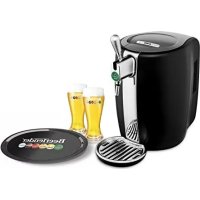
YY2796FD - Beer dispenser SEB - Free user manual and instructions
Find the device manual for free YY2796FD SEB in PDF.


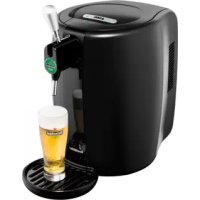
| Product type | Domestic beer dispenser |
| Brand | SEB |
| Model | YY2796FD |
| Dimensions (L x W x H) without drip tray | 419 mm (length); width and height not specified |
| Weight | 5.5 kg (5.3 kg without drip tray) |
| Power cord length | 1.1 m |
| Power supply | See rating plate under the device (rated voltage and power) |
| Insulation class | II |
| Cooling class | SN |
| Operating ambient temperature | 12 °C to 30 °C |
| Maximum relative humidity | 80% |
| Compatible keg types | "Compatible BeerTender" kegs (Heineken) |
| Capacity | 1 BeerTender keg (content not specified) |
| Housing material | Thermoplastic |
| Keg cooling time (at 20 °C ambient) | Approximately 15 hours in the appliance, 12 hours in the refrigerator |
| Ideal serving temperature | 4 °C in the keg, 4-6 °C in the glass |
| Cleaning | Drip tray and grid dishwasher safe; tap nozzle dishwasher safe; do not immerse the appliance; no harsh detergents |
| Safety | Operation only with compatible kegs; do not freeze the keg; do not use without drip tray; child lock by removing the handle |
| Light indicators | Green power indicator; green temperature reached indicator |
| Included accessories | Service tube (5 in the box), drip tray, grid |
| Warranty | Valid for domestic use only; repairs by authorized centers |
Frequently Asked Questions - YY2796FD SEB
User questions about YY2796FD SEB
0 question about this device. Answer the ones you know or ask your own.
Ask a new question about this device
Download the instructions for your Beer dispenser in PDF format for free! Find your manual YY2796FD - SEB and take your electronic device back in hand. On this page are published all the documents necessary for the use of your device. YY2796FD by SEB.
USER MANUAL YY2796FD SEB
This appliance is not intended for use by persons (including children) with reduced physical, sensory or mental capabilities, or lack of experience and knowledge, unless they have been given supervision or instruction concerning use of the appliance by a person responsible for their safety.
Children must be supervised to ensure that they do not play with the appliance.
This appliance is intended to be used only in the household.
It is not intended to be used in the following applications, and the guarantee will not apply for:
- Staff kitchen areas in stores, offices and other working environments;
- farms and client use of hotels, motels and other residential environments;
- Bed and breakfast type environments.
- restaurants and other similar venues, except where retail sales are involved
Do not store explosive substances such as aerosol cans with a flammable propellant in this appliance.
If the power cord is damaged, do not use the appliance. The Power cord must necessarily be replaced by the manufacturer, by its after-sales service or by similarly qualified persons in order to avoid all risks.
This appliance can be used by children over 8 years old and by persons with reduced physical, sensory or mental capacities, or lacking experience or knowledge, only if they are properly supervised or if they have received instructions as to how to use of appliance safely and they understand the implicit risks.
Children must not play with the appliance.
Children should not clean or perform maintenance procedures on the appliance
unless they are supervised by a responsible adult.
Only connect the machine to a mains voltage supply that coincides with the voltage indicated on the sign plate of your appliance. The connection to an incorrect supply voltage will invalidate the guarantee and could be dangerous.
In case of inappropriate use or failure to follow the instructions, the manufacturer guarantee is declared void. Use only “Beer Tender Compatible” barrels.
Always use the machine on a flat, stable, heat-resistant surface which is protected from other heat sources or water splashes.
In order to protect people against fire, electric shocks and wounds, avoid immersing the power cord or plug in water or any other liquid. Never unplug the appliance with wet hands. In case of an emergency, unplug the the appliance immediately.
Do not use the appliance without its draining tray and grill.
After use, empty and clean the draining tray every day.
Unplug the machine from the mains whenever you are not using it.
Unplug the machine from the mains before cleaning. Never clean the machine with running water and do not immerse it in any liquid. Never use detergents to clean the machine. Clean the machine using only soft sponges and brushes.
In case of a prolonged period without use (vacations, storage, etc.), unplug, empty and clean the machine.
Any functioning, cleaning or maintenance which is outside the limits of normal use should be reserved to the staff at the local authorized service centres. Do not disassemble the appliance or place any objects in any of its openings.
The use of accessories not recommended by the manufacturer could cause fires, electric shocks or wounds.
Do not let the power cord hang from the edge of a table or work top, nor come into contact with hot surfaces or sharp edges.
Do not let the electric cord hang (to avoid the risk of stumbling). Never touch the cord with wet hands.
Do not place the machine on a gas or electric stove, nor near such heat sources, nor inside a hot oven.
Before unplugging the appliance, make sure the ON/OFF button is set to OFF, then remove the plug from the outlet. Do not unplug the machine by pulling on the cord.
In case you need to use the machine with an extension cord, respect the corresponding load recommendations for the extension.
If the wall outlet does not correspond to the machine plug, have the plug replaced by the after-sales service or by similarly qualified persons in order to avoid all risks.
The wrapping is made up of recyclable materials. Contact the local authorities for more information on recycling programs. Your machine contains materials that can be recovered or recycled.
IMPORTANT: Always leave the beer engine on if you have a barrel inside the machine.
1 - Safety rules 3
2- General information 6
Guidelines for reading these instructions
Using these operating instructions
3 - Technical specifications 7
4 - Cautionary Notes 8
Using the BeerTender system
Using the keg
5 - Getting the BeerTender ready 10
Cooling the BeerTender keg
Installing the BeerTender appliance
Connecting to the power supply
6 - Using the BeerTender 12
Inserting a BeerTender keg
Control panel
Sound emitted by the Beertender
7 - Dispensing beer 14
Step 1: Preparing a glass
Step 2: Dispensing beer
Step 3: Beer in the glass
Step 4: The quality of a glass of beer
8 - Cleaning 16
Cleaning after daily use
Cleaning after installation of a new
BeerTender keg
Routine cleaning
9 - Children's safety 17
10 - Legal information 17
11 - Disposal 18
12 - Troubleshooting 19
2 General information
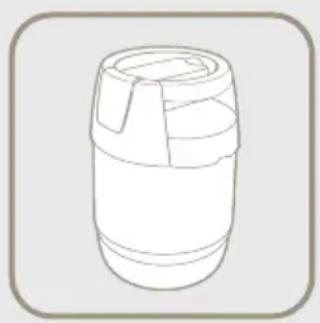
The BeerTender is designed to dispense cool beer from a special container (BeerTender Keg) fitted inside the appliance itself.
This elegantly designed machine has been engineered for indoor domestic use and is not suitable for continuous professional use.
Warning: The manufacturer will accept no liability for damage caused as a result of:
* Improper use and use for purposes other than those envisaged;
* Repairs not performed at authorised service centres;
* Tampering with the power cord;
* Tampering with any BeerTender appliance component;
* Use of spare parts and accessories other than those supplied by the manufacturer;
* Attempts to access internal parts of the appliance.
The warranty will be invalidated in such cases.
Guidelines for reading these instructions
The warning triangle indicates instructions that are important for the user's safety.
Please adhere strictly to these directions to ensure proper use and avoid serious injury!
This symbol highlights information that is especially important for getting the best out of the machine.
Using these operating instructions
Keep these operating instructions in a safe place and make them available to any other person who uses the appliance.
If you have any problems or queries please contact our Customer Relations Team first for expert help and advice.
(see details at the end of this manual)
natural_image
Line drawing of a portable water dispenser with a side panel (no text or symbols)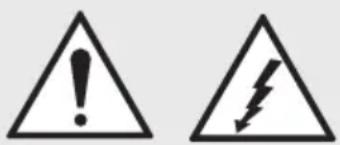
natural_image
Simple line drawing of a cylindrical container with lid and side slots (no text or symbols)3 Technical specifications
| Rated voltage: See plate on bottom of appliance |
| Rated power: See plate on bottom of appliance |
| Power supply: See plate on bottom of appliance |
| Insulation class: II |
| Cooling class: SN |
| Casing material: Thermoplastic |
| Size (w x h x d) 274 x 452 x 505(mm) (490 without drip tray) |
| Weight: 5.5 kg. (5.3 kg. without drip tray) |
| Cord length: 1.1 m |
| Beer container: BeerTender Keg |
| Control panel: Top |
| Operating conditions With 80% R.H.min 12°C max 30°C |
The manufacturer reserves the right to make constructive and engineering changes as warranted by technological advances.
Appliance complying with European Directive 89/336/EEC (Legislative Decree 476 of 04/12/92) concerning electromagnetic compatibility.
Never place powered components in contact with water. There is a danger that this may cause a short circuit.
Intended use
This appliance has been manufactured exclusively for dispensing beer in a domestic setting.
Only original BeerTender Kegs mentioning “Compatible BeerTender” can be used with the appliance; you should not use any other commercially available beer containers. Before using a keg, check the “best before end” date shown at the bottom of the keg. Do not insert or use BeerTender Kegs after the date shown.
You should not use the appliance for purposes or with containers other than those specified above.
You should not introduce any materials other than BeerTender Kegs inside the appliance.
You should not make technical changes or use the appliance in any manner other than as directed, due to the risks involved!
Do not store explosive substances such as aerosol cans with a flammable propellant in this appliance.
Cleaning
Before cleaning the appliance, it is essential to turn off the main switch and then pull the plug out of the socket. Never immerse the appliance in water!
You should never attempt to access internal parts of the appliance.
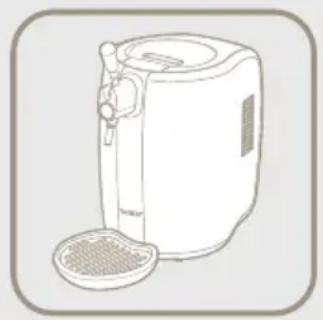
Machine Components
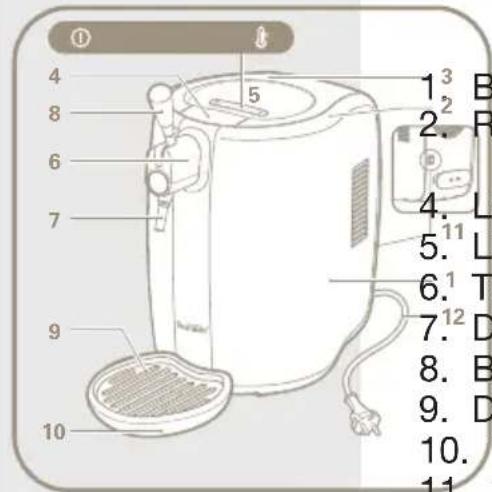
BeerTender
1, BeerTender dispensing system
2. Refrigerating chamber
3. Lid
4. Lid opening handle
5. LED control panel
6.1 Tap cover
7. ^12 Dispensing spout
8. Beer tap handle
9. Drip grate
10. Drip tray
11. Main switch
12. Power cord with plug
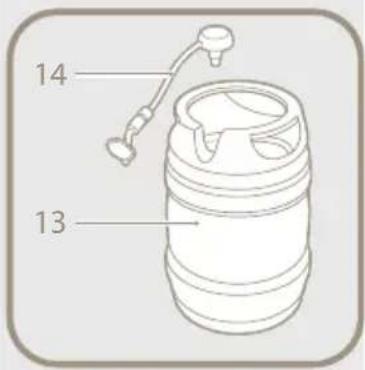
BeerTender Keg
-
BeerTender Keg
-
Beer tube
4 Cautionary Notes
Using the BeerTender system
To obtain draft beer of optimal quality you should keep two basic factors in mind, the temperature of the beer and hygienic conditions.
- Pre-chill the beer keg to prevent excess foam.
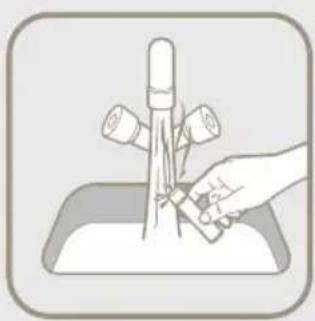
Always use a chilled keg. If you fail to chill the keg sufficiently too much foam will be produced when you start to pour your beer. - Always clean the appliance after use. Beer is a natural product that can spoil. Therefore, you should always keep the appliance clean to maintain the quality of the beer dispensed and prevent unpleasant odours (see “Cleaning”). The dispensing spout should be cleaned before a new keg is installed and the drip tray and grate should be emptied after every use.
natural_image
Illustration of a hand washing a faucet with three tubes (no text or symbols)
▲seB
You should also follow these other rules when using the BeerTender system:
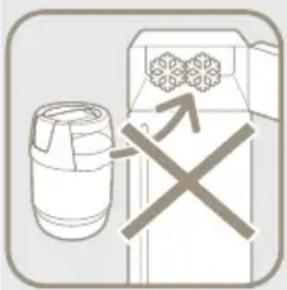
- Do not attempt to chill a BeerTender Keg in your freezer. Just like glass bottles, a keg may burst when placed in the freezer. Moreover, freezing diminishes the quality of the beer;
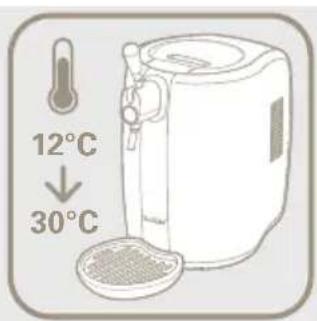
- Use your BeerTender in a place where the temperature is between 12^ C and 30^ C . At colder temperatures the appliance cooling system could be damaged, whereas at warmer temperatures the system will not be able to reach the ideal beer dispensing temperature. Store the beer keg at room temperature.
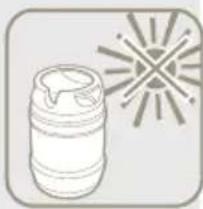
Warning! To avoid overheating, keep the BeerTender Keg out of direct sunlight.
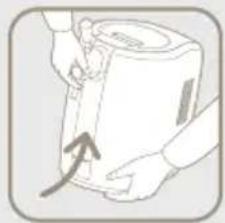
- Always hold the appliance by the bottom edge when lifting it.
Warning! Do not use the handle or power cord to lift the BeerTender.
Using the Keg
Make sure that you chill the keg before using it. If you fail to chill the keg sufficiently too much foam will be produced when you start to pour beer.
Please also be aware that the first glass that you pour from every new keg will contain mostly foam. Draught beer in a bar behaves in exactly the same way!
The BeerTender Keg “Compatible BeerTender” features a patented system for storing and dispensing beer. It guarantees beer of higher, long-lasting quality and a BeerTender system that is very easy and pleasant to use.
Important: Before installing a keg inside the appliance, check the "best before end" date shown at the bottom of the keg. This date is a reliable indication if the keg has been stored at room temperature.
The use of kegs “Compatible BeerTender” in the BeerTender system necessitate the use of beer tubes. A bag of 5 tubes is delivered with the BeerTender appliance. To receive additional tubes, please contact our customer service or go to BeerTender Internet site. (See details at the end of this manual)


Fix a beer tube at the top of the keg by simply pressing firmly on the push button.
Warning: Contents under pressure. Do not shake or drop. Do not expose to sunlight or temperatures above 30^ C. Even when the keg is empty, do not force it open and do not expose to flame or fire.
5 Getting the BeerTender ready
For your own and others' safety, please keep meticulously to the "Safety rules" described in section 3.
Cooling the BeerTender Keg
BeerTender kegs must be chilled before use. Using a BeerTender keg that is too warm will result in too much foam.
There are two ways to chill the BeerTender Keg:
- inside the BeerTender (see "Using the BeerTender"). It will take about 15 hours to cool the keg down to 4°C if the BeerTender Keg and the appliance are stabilized at a room temperature of 20°C.
- in a refrigerator. This will take about 12 hours depending on the cooling capacity of your refrigerator.
Tip: we recommend that you always keep an extra BeerTender Keg in the refrigerator. That way you will always have a chilled keg available.
We also recommend that you switch the appliance on at least one hour before intended use to get full benefit from the pre-cooling of the keg.
Warning! Do not attempt to chill the keg in a freezer.
Just like glass bottles, a keg may burst when placed in the freezer. Moreover, freezing diminishes the quality of the beer.
Installing the BeerTender appliance
The original packing is designed and made to protect the appliance.
It is recommended that you keep it for future transport. Remove the BeerTender appliance from the packaging and place it on a dry, clean, level, stable surface that is sufficiently large to accommodate it.
The temperature of the room must be between 12^ C and 30^ C.

natural_image
Illustration of a hand pressing down on a vertical pipe fitting (no text or symbols)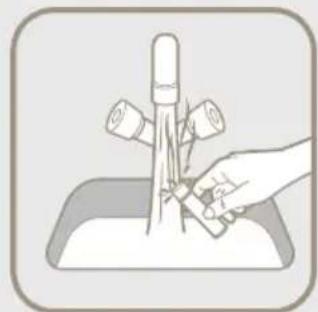
natural_image
Illustration of a hand washing a faucet with three tubes (no text or symbols)
Set the drip tray and grate in place at the front of the appliance. Make sure the drip tray is properly fitted and positioned.
Do not install the appliance near sources of heat or in places exposed to direct sunlight.
Note: keep in mind that during use the drip tray will have to be emptied and rinsed regularly. When the BeerTender system is not in use, you can remove the drip tray and place it elsewhere to save space.
Warning! The drip tray must be positioned on a level surface and must not jut out from the surface it is resting on.
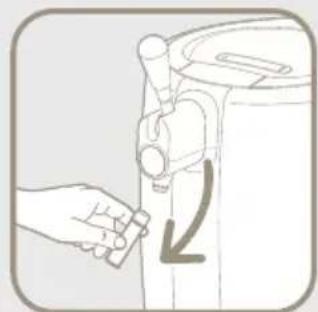
After installing the BeerTender appliance you must clean the dispensing spout; this is the only part of the appliance that will come into contact with the beer.
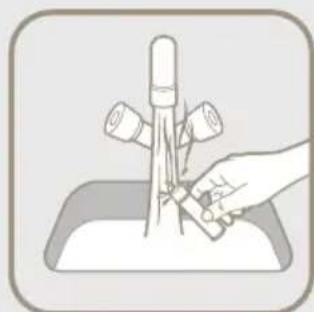
It is essential that you wash the dispensing spout before using the appliance for the first time and at least every time a new keg is connected inside the BeerTender system. This part can also be washed in a dishwasher.
To clean the spout, remove it from its housing by turning it clockwise.
After washing the spout, screw it back into place.
Connecting to the power supply
Electricity can be dangerous! Therefore you must always scrupulously abide by the safety rules.
The appliance must be plugged into a suitable, properly installed electric socket.
The voltage of the appliance has been set in the factory. Check that the mains voltage matches the voltage indicated on the rating plate on the rear of the appliance.
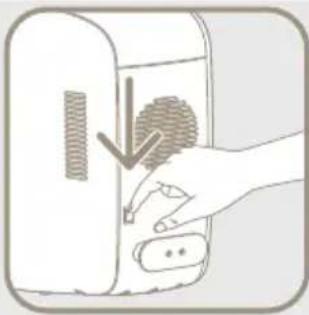
Make sure the main switch on the rear of the machine is set to "0" before connecting the BeerTender to the mains.
Insert the plug into a socket with the correct voltage and turn on the appliance by moving the main switch to "I".
natural_image
Illustration of a hand pressing down on a device with a circular button and arrow (no text or symbols)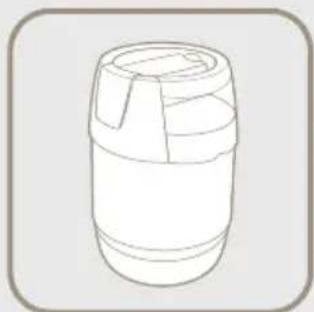
natural_image
Simple line drawing of a cylindrical container with a handle and spout (no text or symbols)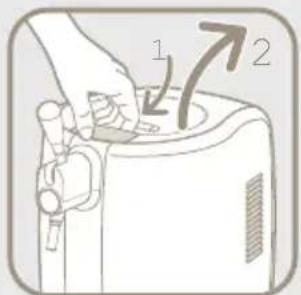
natural_image
Diagram of a robotic arm with a hand inserting a spiral component (no text or symbols)
natural_image
Illustration of a hand holding a mechanical component with a downward arrow indicating a process (no text or symbols present)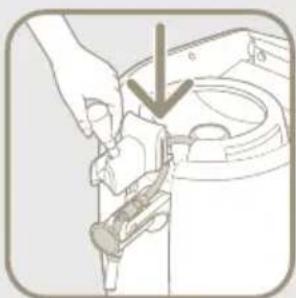
natural_image
Illustration of a hand using a tool to adjust or install a mechanical component, with no visible text or symbols.The appliance will immediately start cooling the inner chamber as soon as the main switch is set to "I".
6 Using the BeerTender system
Inserting a BeerTender Keg
Note: the BeerTender may only be used with BeerTender Kegs "Compatible BeerTender" containing beer sold by the Heineken group. The appliance can only be used if it contains a BeerTender Keg and only if the main switch is set to "I".
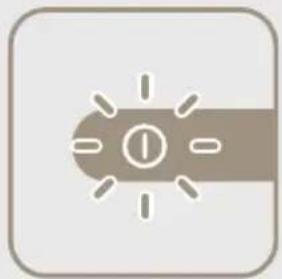
The LED on the left side of the control panel, when illuminated, tells you that the appliance is switched on.
You can open the appliance by pressing the handle on top of the lid. When the handle is released, you can lift the lid up.
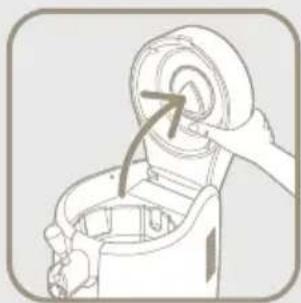
Note: do not force the lid beyond the set opening position as this could damage it.
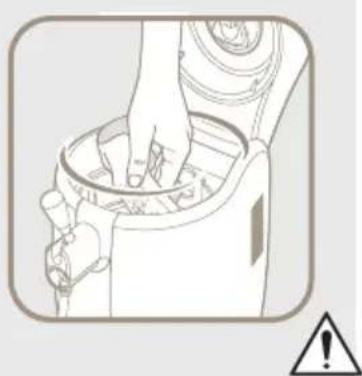
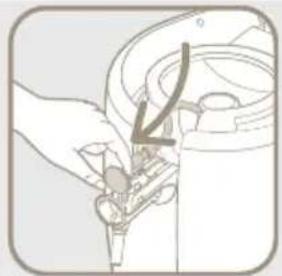
When the lid is completely open, insert a BeerTender Keg as shown in the figure.
Remove the tap cover by pulling it upward as shown on the drawing.
Note: this cover can be removed for cleaning.
Take the tap of the BeerTender Keg "Compatible BeerTender" and fit it into place.
natural_image
Illustration of a hand operating a mechanical device with a numbered arrow indicating motion (no text or symbols present)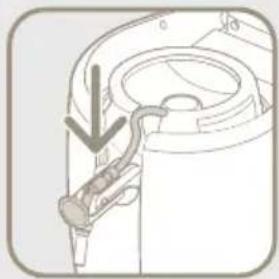
natural_image
Diagram of a mechanical device with a lever and handle, showing internal components without any text or symbols.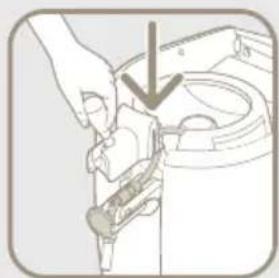
natural_image
Illustration of a hand using a tool to adjust or install a mechanical component, with no visible text or symbols.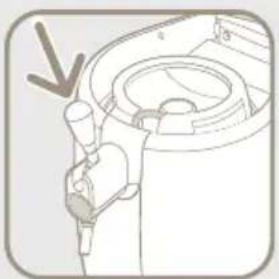
natural_image
Mechanical component diagram showing a valve assembly with a downward arrow indicating direction (no text or symbols)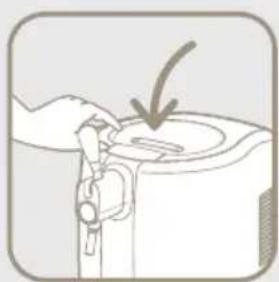
natural_image
Illustration of a hand holding a device with a circular component and a downward arrow indicating action (no text or symbols)Note: Do not try to actuate the tap of the BeerTender Keg by hand.
Position the beer tube as shown on drawing.
Put the tap cover back in place.
Note: the tap cover cannot be closed if the BeerTender Keg tap is not fitted properly.
Make sure the tap handle is positioned in the tapping mechanism before the lid is closed.
Make sure that the handle is positioned as shown on the drawing to avoid damaging the beer tube.
Carefully close the appliance lid.
natural_image
Simple icon of a lightning bolt with a number 1, no text or symbols present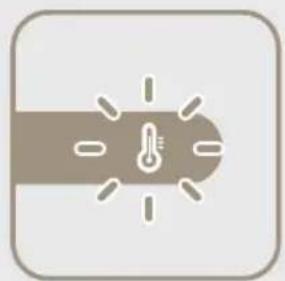
natural_image
Simple icon of a thermometer inside a rounded square frame (no text or symbols)
natural_image
Line drawing of a white water dispenser with a side panel and handle (no text or symbols)
natural_image
Illustration of a hand holding a syringe above a surface, with no visible text or symbolsControl panel
Two LEDs on the top of the lid provide important indications:
Green ON LED on the left of the panel: when lit, it indicates that the appliance is operating.
Green beer-temperature LED on the right side of the panel: when the BeerTender Keg has reached the ideal temperature the LED switches on and the appliance goes into “stand-by” cooling mode.
Sound emitted by the BeerTender appliance
The cooling function of the BeerTender produces sound. The BeerTender features a cooling system which controls the temperature of the BeerTender Keg. There are two cooling modes:
- Stand-by cooling corresponds to the main operating conditions. In this mode the cooling fan produces a barely audible noise;
- Active cooling is triggered when temperature inside the cooling chamber is too high. As soon as the beer keg reaches the right temperature, the appliance will switch back to stand-by cooling mode.
7 Dispensing beer
Note: always check the "best before end" date shown on the bottom of the BeerTender Keg. Do not use the BeerTender Keg beyond this date.
Note: the beer must be dispensed into suitable containers; the dispensing function is started and stopped manually by the user.
Step 1 – Preparing a glass
In order to obtain perfect draft beer, it is essential to start with a clean, cool glass.
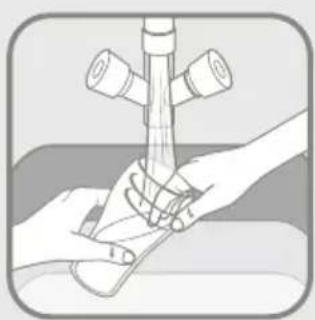
Rinse the glass in cold water before dispensing beer (the colder the glass the better).
Tip: we recommend that you use your beer glasses for drinking beer alone. Some beverages, like milk, leave a small residue in the glass which will reduce the head on your beer.
Step 2 – Dispensing beer
Tip: Look at the control panel to check that the beer has reached the right drinking temperature.
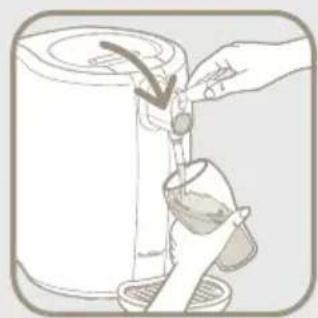
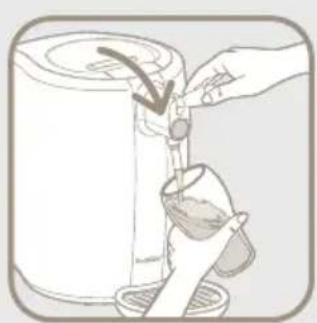
Position a glass beneath the tap, holding it at an angle of 45 degrees (see picture).
natural_image
Illustration of a hand pouring liquid from a cylindrical container into a glass with a small bowl (no text or symbols)Firmly and quickly pull the handle down as far as it will go. Let the beer run into the glass.
Avoid contact between the dispensing spout, the glass and the beer already in the glass. This could cause excessive foaming.

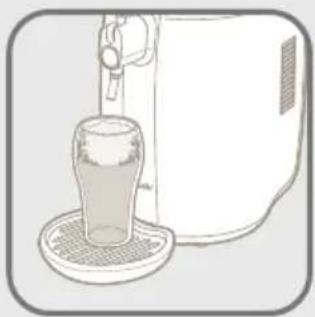
Note: Every time you install a new keg in the BeerTender, the first glass of beer will fill up with too much foam. When this occurs, allow the glass to stand on the drip tray. As soon as the foam has settled, continue filling the glass.
Note: Too much foam will also be generated if the tap handle is opened just slightly or slowly; several beers can be dispensed in sequence when the tap handle is open. The beer will flow out more slowly after the first glass has been filled.
natural_image
Line drawing of a hand mixer with a glass on a stand (no text or symbols)Step 3 – Beer in the glass
Place the glass of beer on the drip tray and wait for the foam to settle.
Step 4 – The quality of a glass of beer
An excellent draft beer has the following characteristics:
- A head of about 3 cms;
- A head evenly distributed around the wall of the glass that adheres to the surface of the beer;
- A crystal clear colour, with bubbles of carbon dioxide escaping from the sides and bottom of the glass;
- A temperature of 4^ C to 6^ C (in the glass).
Note: to prevent excessive foam from forming, always use a pre-chilled BeerTender Keg and a clean glass rinsed in cold water.
8 Cleaning
In addition to routine cleaning, the BeerTender should be cleaned after daily use and when you install a new BeerTender Keg.
Warning! Do not dry the appliance and/or its components in a microwave and/or conventional oven.
Cleaning after daily use
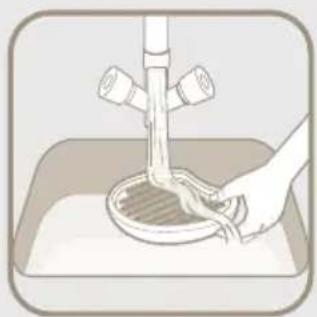
The drip tray and grate should be cleaned after every use.
Remove the grate before emptying out the drip tray. The grate must be set back in place during normal use of the BeerTender.
Note: You can wash the drip tray with warm water and a mild detergent. The drip tray is also dishwasher safe.
Warning! Never use aggressive cleaning agents such as vinegar, acids, solvents or petrol.
Cleaning after installation of a new BeerTender Keg.
When you install a new BeerTender Keg you must clean the dispensing spout. The spout is the only part of the appliance that comes into contact with the beer.
It is essential to wash the spout either normally by hand or in a dishwasher.
Note: the dispensing spout comprises plastic and metal parts that are permanently joined together and do not pose any problems of hygiene. Do not attempt to separate these parts.
The beer dispensing mechanism must be cleaned using a damp cloth and a mild detergent.
Note: use a piece of cotton to thoroughly clean all the parts.
Warning! Do not attempt to clean the mechanism using hard and/or sharp objects: it is a precision component and you will risk damaging it.
natural_image
Illustration of a hand cleaning a sink with a pipe (no text or symbols)


natural_image
Illustration of a hand using a tool to clean or wash water from a sink (no text or symbols)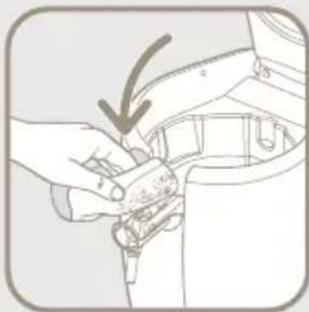
natural_image
Illustration of a hand adjusting a mechanical component with a curved arrow indicating motion (no text or symbols)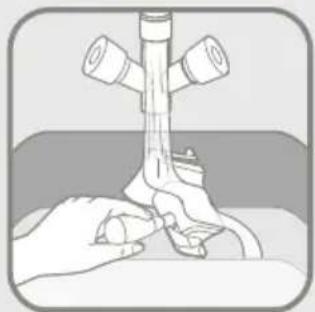
natural_image
Illustration of a hand holding a medical or laboratory instrument with tubing and a vertical tube (no text or symbols visible)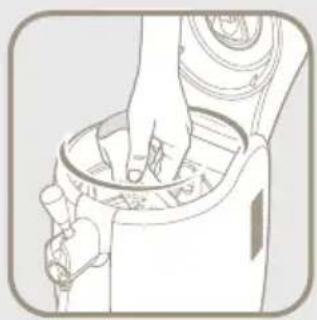
natural_image
Line drawing of a hand placing a component into a container with a handle (no text or symbols)
natural_image
Illustration of a hand using a tool to adjust or install a pipe fitting into a tank (no text or symbols)Routine cleaning
Clean the appliance cooling chamber on a regular basis using a damp cloth and mild detergent.
Warning! Do not fill the cooling chamber with water as this may result in permanent damage. Never use aggressive agents such as vinegar, acids, solvents or petrol.
The tap cover can be removed.
Clean it with warm water and a mild detergent.
Warning! Do not wash the tap cover in a dishwasher, as it could be damaged and lose its shine. Never use aggressive agents such as vinegar, acids, solvents or petrol.
9 Children's safety
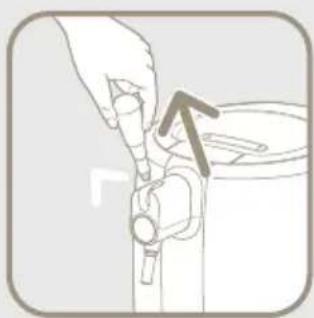
To prevent children from using the appliance, you can remove the tap handle.
To remove the handle, make sure it is in an upright position and pull it upwards.
10 Legal information
- These operating instructions contain the necessary information for the proper use and upkeep of the appliance.
- It is essential to read this information and comply with these instructions in order to use and maintain the appliance in complete safety.
Please note, moreover, that the contents of these operating instructions do not form part of a previous or already existing legal agreement or contract, hence they do not affect the terms of the latter. - The manufacturer's obligations are based solely on the contract of sale, which also contains complete an exclusive terms pertaining to the warranty service provided.
- The warranty conditions as set forth in the contract are neither limited nor extended on the basis of the explanations herein.
• These operating instructions contain information protected by copyright.
- They may not be photocopied or translated into another language without the manufacturer's prior written consent.
11 Disposal
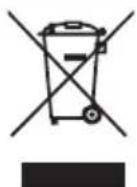
Environment protection first!
① Your appliance contains valuable materials which can be recovered or recycled.
Leave it at a local civic waste collection point.
- Appliances that are no longer used should be rendered unusable.
- Unplug the appliance and cut the power cable.
- Appliances no longer in use must be taken to a suitable waste collection facility so that the special components contained in the appliance may be duly disposed of.
- The “TEM – Module” (or Peltier’s cell) must be disposed of in accordance with the regulations currently in force in the user’s country.
12 Troubleshooting
| Problem Possible causes Remedies | ||
| The appliance does not come on. | The appliance is not connected to the mains power supply. | Connect the appliance to the power supply. |
| The BeerTender Keg tap has been activated by hand. | Put the BeerTender Keg tap back in its original position. | |
| You cannot position the tap cover correctly. | The BeerTender Keg tap or tube is not inserted correctly. | Remove the BeerTender Keg tap from the appliance and fit it again following section 6: Using the BeerTender. |
| No beer is being dispensed. | The BeerTender Keg is empty. | Replace the BeerTender Keg with a new one. |
| There is no keg inside the BeerTender appliance. | Install a keg inside the BeerTender appliance. | |
| The BeerTender appliance tap handle is not correctly installed/positioned. | Install/position the tap cover correctly. | |
| You cannot close the lid. | The tap cover has not been positioned correctly. | Position the tap cover correctly. |
| The BeerTender appliance produces too much foam when dispensing beer (see also section 7: Dispensing beer). | The BeerTender Keg has not reached the right dispensing temperature. | Allow the BeerTender Keg to cool to the right temperature. You can rely on the temperature indicator on the control panel of your BeerTender appliance. |
| The BeerTender Keg has been shaken. | Wait 4 hours before dispensing beer. | |
| The tap handle is being moved too slowly. | Firmly and quickly pull the handle down and forward as far as it will go. | |
| Beer flows out too slowly. | The tap handle is not open all the way. | Open the tap completely. |
| The BeerTender appliance is dispensing warm beer. | The BeerTender Keg has not been chilled for long enough and is thus not at the right serving temperature. | Allow the BeerTender Keg to cool long enough in the appliance. |
| The temperature indicator on the control panel lights up. | The BeerTender appliance is exposed to too hot a temperature or direct sunlight (see also section 5: Cooling the keg and Installing the BeerTender). | Use the appliance indoors and move it to a room where the ambient temperature does not exceed 30°C. |
If you have any problems or queries please contact our Customer Relations Team first for expert help and advice.
(see details at the end of this manual)
1 CONSIGNES DE SÉCURITÉ
2 Généralités
natural_image
Line drawing of a water dispenser with a side dish (no text or symbols)natural_image
Simple line drawing of a cylindrical container with lid and side slots (no text or symbols)Emploi prévu
natural_image
Illustration of a hand using a tool to clean or wash liquid from a sink (no text or symbols)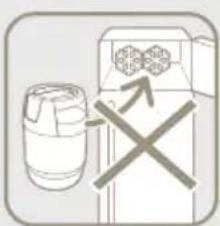
natural_image
Simple line drawing of a barrel and a refrigerator with a crossed-out arrow (no text or symbols)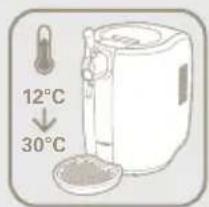
natural_image
Simple line drawing of a cylindrical container with radiating lines and a cross symbol (no text or labels)Fût BeerTender
natural_image
Simple line drawing of a container with an upward arrow and a cross mark, no text or symbols present.
natural_image
Illustration of hands holding a device with an arrow indicating motion (no text or symbols)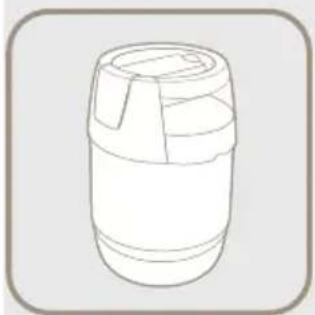
natural_image
Line drawing of a cylindrical object with a lid and segmented body (no text or symbols)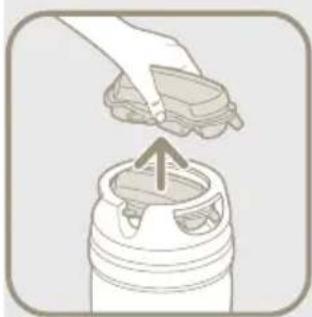
natural_image
Illustration of a hand placing a container into a bottle with an arrow indicating upward motion (no text or symbols)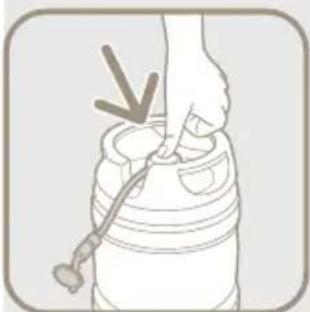
natural_image
Illustration of a hand holding a tool inside a container with a hammer, no text or symbols present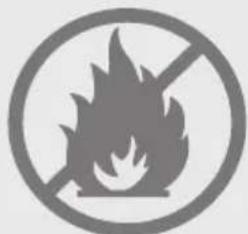
natural_image
Symbol of a fire with a diagonal line crossing through it, enclosed in a circle (no text or numbers present)
natural_image
Illustration of a hand holding a tool next to a vertical pipe or container with a downward arrow indicating a process (no text or symbols present)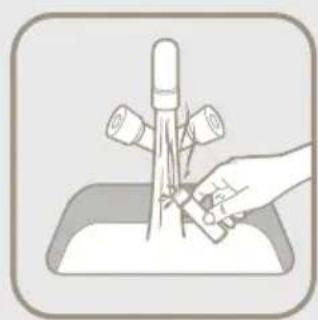
natural_image
Illustration of a hand washing a faucet with three tubes (no text or symbols)
natural_image
Illustration of a hand pressing down on a device with a warning symbol (no text or labels)natural_image
Simple line drawing of a cylindrical container with lid and side ribs (no text or symbols)natural_image
Illustration of a hand turning a circular component into a mechanical housing (no text or symbols)natural_image
Illustration of a hand using a tool to adjust or install a mechanical component, with an upward arrow indicating motion (no text or symbols present)natural_image
Illustration of a mechanical device with a tool and downward arrow indicating a process (no text or symbols)natural_image
Illustration of a hand holding a small object with a curved arrow pointing to it, no text or symbols presentnatural_image
Diagram of a mechanical device with a curved component and a lever mechanism (no text or symbols)natural_image
Illustration of a hand using a tool to adjust or install a mechanical component, with no visible text or symbols.natural_image
Illustration of a hand using a tool to press or install a water dispenser (no text or symbols visible)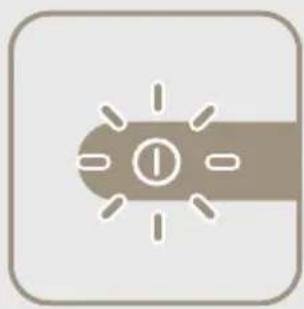
natural_image
Simple icon of a light bulb with a numbered label (1) and radiating lines, enclosed in a rounded square border (no text or symbols beyond the number)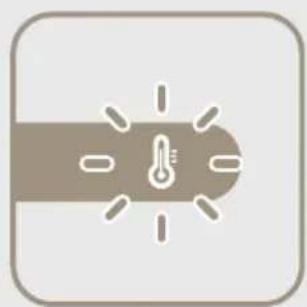
natural_image
Simple icon of a thermometer inside a rounded rectangle (no text or symbols)
natural_image
Line drawing of a water dispenser with a lid and side arm (no text or symbols)natural_image
Illustration of hands performing a medical procedure with a pipette inserted (no text or symbols)
natural_image
Illustration of a hand pouring liquid into a cylindrical container using a stand mixer (no text or symbols)
natural_image
Line drawing of a beverage dispenser pouring liquid into a glass on a stand (no text or symbols)
natural_image
Illustration of a hand cleaning a sink with a pipe and grater (no text or symbols)natural_image
Illustration of a hand washing a tooth with three pins (no text or symbols)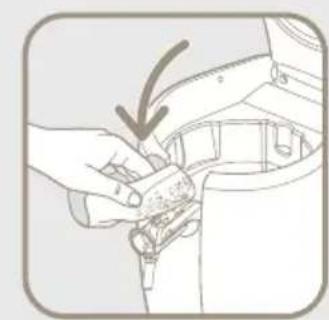
natural_image
Illustration of a hand adjusting a small object on a mechanical component (no text or symbols visible)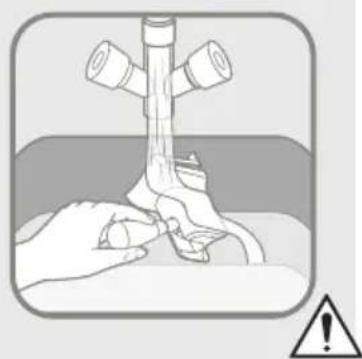
natural_image
Illustration of a hand holding a medical or laboratory instrument with a vertical tube and three protruding tubes, no text or symbols present.