Space Farm - Board game Thames & Kosmos - Free user manual and instructions
Find the device manual for free Space Farm Thames & Kosmos in PDF.


User questions about Space Farm Thames & Kosmos
0 question about this device. Answer the ones you know or ask your own.
Ask a new question about this device
Download the instructions for your Board game in PDF format for free! Find your manual Space Farm - Thames & Kosmos and take your electronic device back in hand. On this page are published all the documents necessary for the use of your device. Space Farm by Thames & Kosmos.
USER MANUAL Space Farm Thames & Kosmos
text_image
GEEK & CO. SCIENCE!
natural_image
Cartoon character with glasses and limbs, smiling (no text or symbols)PROJECT KIT
Ages
8+
SPaCe FARM

natural_image
Illustration of a robotic character in a helmet standing beside a lab with green plants, surrounded by test tubes and a dome-shaped base (no text or symbols)Safety information
WARNINGS:
Not suitable for children under 8 years. For use under adult supervision. Read the instructions before use, follow them and keep them on hand for reference. Keep the packaging and instructions as they contain important information. Not suitable for children under 3 years. Choking hazard — small parts may be swallowed or inhaled.
Advice for parents and supervising adults
With this space farm kit, children 8 years and older will be able to have exciting experiences with the world of plants.
The cress seeds will sprout quickly in the space gel, but the Tiger's Jaw seeds will need a little longer to start growing. Explain to your child that plants need time to grow. Patience will be rewarded with an exciting houseplant that your child will be able to enjoy for a long time if it is taken care of. Remind your child to water the Tiger's Jaw regularly. That will help your child learn responsibility.
Help your child find a well-lit location that can take a little abuse where he or she can experiment without disturbance. Keep a rag or some paper towels handy in case any soil or water gets spilled. The assembled growing station should also be kept in a well-lit location out of the reach of animals and small children. The seeds, plants, and space gel are not intended for consumption.
Read through the descriptions along with your child and study the accompanying pictures together so he or she can perform the experiments unassisted and with a clear understanding of the background information. And if something doesn't come off right the very first time, encourage your child to try again.
We recommend getting all the materials ready before each experiment so there won't be any delays or interruptions. Wash hands thoroughly after each experiment and clean all containers and equipment with water and soap.
Making the "space gel"
The dye used for coloring the space gel (a non-toxic plant-based gel) is quite strong, and it may leave stains on your clothing that can't be washed out. So your child should wear old clothes. There should also be no tablecloths, curtains, or carpets in the experiment area.
Your help will definitely be needed when making the space gel, because the gel will have to be heated.
Carefully read the description and take care of the necessary experiment steps on behalf of your child. Work very cleanly in order to avoid mold formation. Dispose of spoiled or no-longer-needed gel in the household trash.
The experiments with space gel are identified with the following symbol:

We wish you and your child a lot of fun with the space farm!
Hey Galactic Gardeners!
Want to explore what it would take to set up a farm on another planet? With this kit, you can learn about both plants and outer space by growing real plants in a make-believe space farm. Grow garden cress in hydroponic tubes without soil. In a greenhouse dome, grow an alien-like plant called Tiger's Jaw. Find out what plants need in order to grow and how those things might be provided on another world.
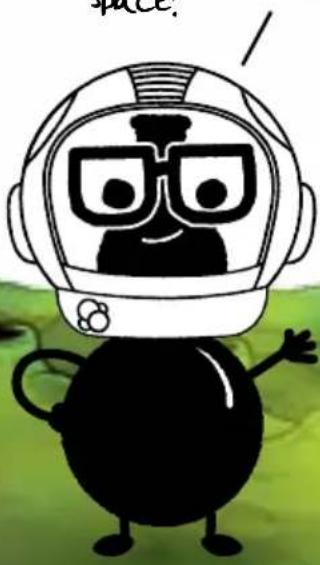
Hi! My name is Cadet, and I live on the space farm with my geeker friends. I will help you grow plants in space!
natural_image
Cartoon character wearing a helmet with glasses and a small figure, set against a green background (no text or symbols)PLANTS IN SPACE
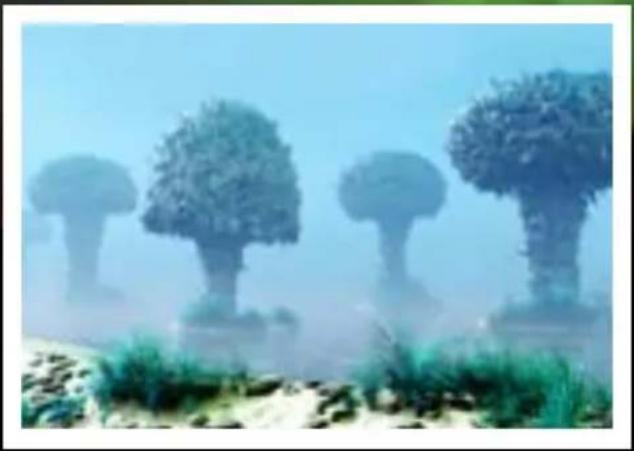
Are there plants in space? None have been found so far. But might there be some bizarre cacti growing in the deserts of alien planets? Maybe crazy aliens cultivating vegetables in tubes of slimy space gel? You never know, all these things and more might be discovered in the distant future... On your space farm, you can sow your own awesome plants right now and watch them grow.
natural_image
Four mushroom-shaped trees in a misty, hazy landscape with green grass at the base (no text or symbols visible)
natural_image
Desert landscape with palm trees reflected in a calm water body under a blue sky (no text or symbols)Can you imagine what alien plants might look like?
KIT CONTENTS

text_image
Labeled educational image showing 17 items including a 3D-printed model, plant materials, and a food product with 'Tiger's Jaw' branding.1 | Die-cut cardboard sheet
2 | Sheet of cutouts
3 | Mounting stands (3)
4 | Growing station
5 | Transparent dome
6 | Plant pots (2)
7 | Special soil
8 Tiger's Jaw (Faucaria tigrina) seeds
9 | Gel tubes with lids (2)
10 Bag: Nutrient solution (a), 2 dye capsules (b), 1 capsule with cress seeds (c)
11 | Wooden spatula
12 | Wooden stick
13 | Measuring cup
14 | Pipette
15 | Funnel
16 | Drinking straw
17 | Paper clip (3)
YOU WILL ALSO NEED:
For growing plants and for the space gel: Scissors, water, thermometer, paper towels, 1 large and 2 smaller glass bowls, 150 mL of bottled water, microwave or cooking pot and stove, oven mitt, jelly jar with lid, cotton wool
For transplanting plants later on: Flat rocks, flower pots (about 10 cm in diameter), old soup spoon, cactus soil, thick wooden stick (about 1 cm in diameter)
For the experiments: Balloon, balloon pump, scissors, glue, adhesive tape, sturdy string, paper towel or paper tissue, ruler, ball, large open area (backyard or park), assistant
NOTE! The additionally required items are highlighted in italic script in the individual experiments. Before starting the experiments, carefully read through everything that will be required and make sure to have all the materials ready.

text_image
PART 1OUT OF THIS WORLD FARMING
Assemble your space farm
You will need:
Growing station, die-cut sheet, transparent dome, mounting stands, adhesive tape (optional)
Here's how:
1 Place the growing station in your experiment area. Remove the background panel and the three geekers from the die-cut sheet.
2 Carefully mount the panel with the background image in the slit at the rear end of the growing station so it sits securely between the prongs.
3 Set the transparent dome onto the large round recess. All done! Your space farm is ready!
4 Pick up the three geekers and fold over the areas under their feet along the pre-marked folds. Now you can mount the geekers on the stands by inserting the folded-over portions into the stands.
1

natural_image
Illustration of a stylized landscape with colorful abstract shapes (no text or symbols)2
natural_image
Illustration of a landscape with mountains and waterfalls, showing a circular pool below (no text or symbols)3

natural_image
Illustration of a medical procedure with a white dome and arrow indicating a step (no text or symbols)4
flowchart
graph TD
    A["User Interaction"] --> B["Laptop"]
    C["User Interaction"] --> D["Laptop"]
    E["User Interaction"] --> F["Laptop"]
TIP!
If the figures don't remain securely in their mounting stands, wrap the lower portion with some transparent tape.
How to plant the Tiger's Jaw seeds
You will need:
Space farm, special soil, two flower pots, Tiger's Jaw seeds, wooden spatula, small measuring cup, pipette, scissors, water, thermometer
Here's how:
1 Cut off one corner of the soil packet with the scissors, and fill the flower pots with special soil using the wooden spatula. Press down carefully to create a smooth surface.
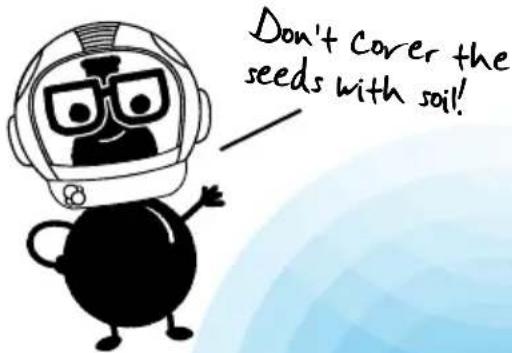
2 Carefully cut open the seed packet and spread the seeds over the two flower pots. Gently press the seeds into the soil. Don't cover them, though, because the Tiger's Jaw needs light to germinate. In other words, it will only start to grow if light is shining on the seed.
3 Place the pots under the dome of your growing station. Set the space farm in a bright location. The plants will grow best in a temperature of about 22 to 25 °C. You will need a thermometer to determine the temperature. Let your parents help!
text_image
Don't cover the seeds with soil!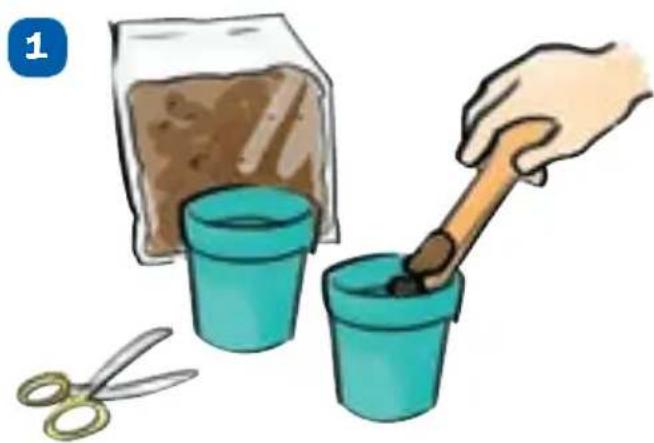
natural_image
Illustration of a hand pouring soil into two green containers with scissors nearby (no text or symbols)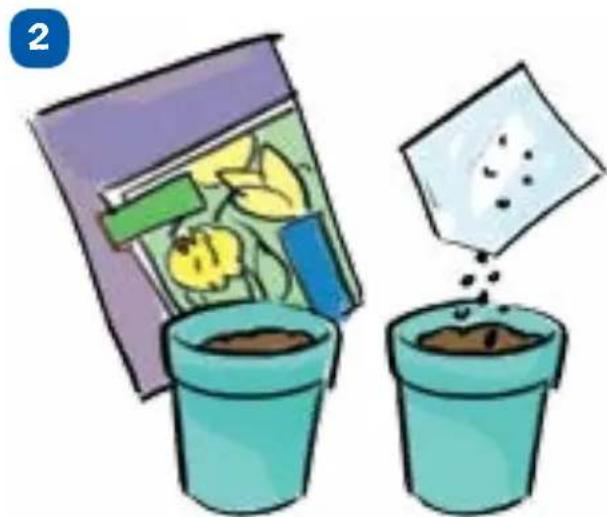
natural_image
Illustration of two potted plants with a box containing flowers and a container pouring contents (no text or symbols)
natural_image
Cartoon character with large eyes and blue hair, wearing a green hat (no text or symbols)
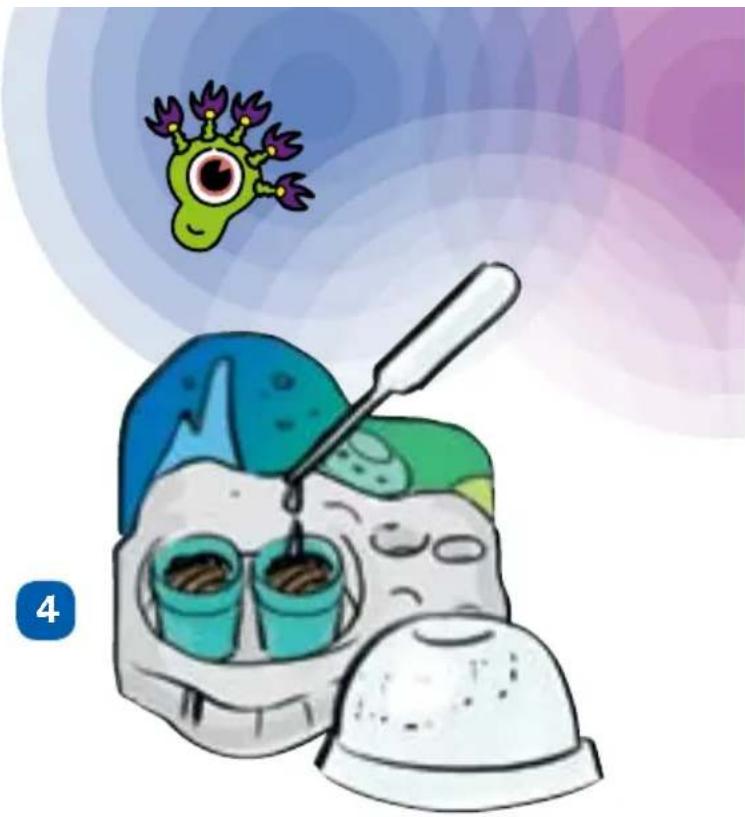
4 Moisten the soil regularly with the pipette. It should always be slightly damp, but never too wet. Be sure that no water collects in the growing station's recess.
5 Open the dome for a few hours every other day in order to let fresh air get to the soil. When the plants are about 1 cm tall, you can completely remove the dome. If you want to leave the dome in place, just be sure to air it out every day so not too much moisture collects beneath it.

text_image
GEEK OUT!WHAT'S HAPPENING?
Moisture and warmth awaken the seeds into life. After a few weeks, you will discover tiny Tiger's Jaw plants. They will be quite round and smooth. After another 2 to 3 weeks, a groove will form in the middle out of which the next pair of thick leaves will emerge. They will be triangular in shape. The plants will continue to require a lot of warmth and light.
natural_image
Illustration of a dental scene with a toothbrush, toothpaste cup, and a mushroom-shaped virus icon above (no text or symbols)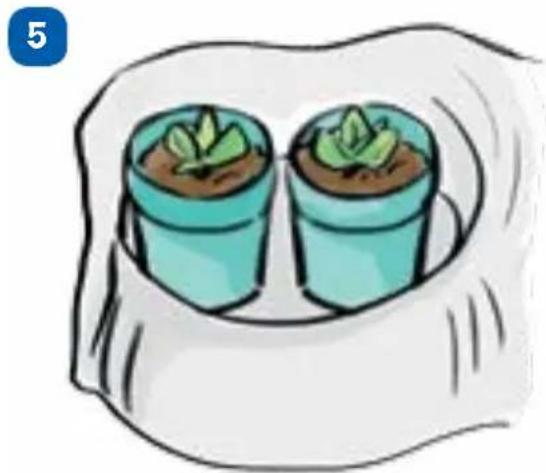
natural_image
Illustration of two potted plants in a tray, no text or symbols presentTIP! How to use the pipette:
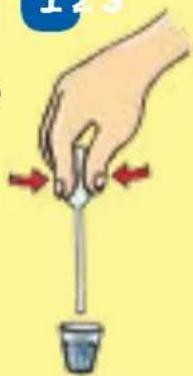
1 Squeeze the upper part of the pipette between your thumb and forefinger and dip the pipette tip into the water.
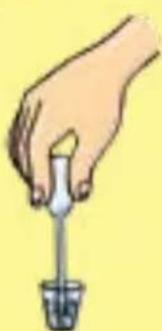
2 As soon as you relax your grip, the water will rise up the pipette.
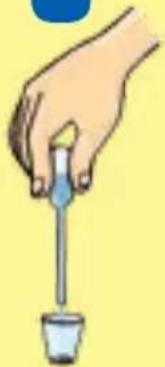
3 When you squeeze the upper part of the pipette again, the water will drip out.
14
natural_image
Hand holding a pen tip with red arrows indicating force direction (no text or symbols)[Non-Text]
natural_image
Hand holding a screwdriver above a small cylindrical component (no text or symbols visible)[Non-Text]
natural_image
Hand holding a small glass pipette with a blue tip, against a yellow background (no text or symbols)Replanting and care
You will need:
Flower pots with the small plants (about 2 to 3 cm tall), small wooden stick, a few pot shards or flat rocks, several flower pots (about 10 cm in diameter, 1 pot for 3 plants), old spoon, cactus soil, thick wooden stick (1 cm in diameter), water
Here's how:
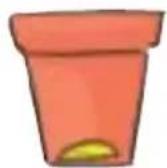
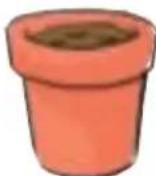
1 Place one pot shard or one flat rock into each of the larger flower pots. Fill each pot with cactus soil up to about 1 cm beneath the rim, and press down the soil. Make three holes in the soil of each pot with the thick wooden stick.
2 Loosen the soil in the small flower pots with the small wooden stick. Carefully remove the plants.
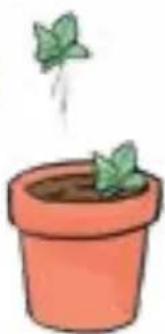
3 Gently place the plants into the prepared holes. Carefully press the soil down around each plant. Water the soil a little.
4 Set the plants in as bright a location as possible. The more light they get, the better they will grow. After about 6 to 8 weeks, you can gradually let them get used to less water. Then, only water them when the soil is completely dry.
TIP!
Your Tiger's Jaws may remain in the little pots as long as they continue to grow well. But sooner or later, the nutrients — the food that the plants get from the soil — will be used up. The plants will run out of room after a while, too. Then it will be time to move the plants into larger pots.
1
3
natural_image
Illustration of a potted plant with two green leaves, one falling from above (no text or symbols)2

natural_image
Illustration of a green leaf emerging from a teal pot with a pink arrow (no text or symbols)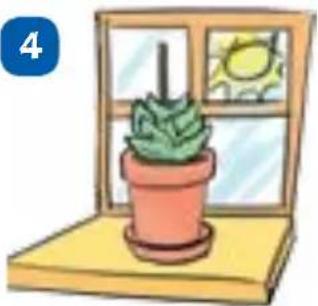
natural_image
Illustration of a potted cactus on a window with a window showing sun and window frame (no text or symbols)
text_image
GEEK OUT!WHAT'S HAPPENING?
In the larger pots, the little plants have more room to grow. The new soil also contains more nutrients — food for the plants.
When your Tiger's Jaws grow larger, they will form spines on the inner side of their leaves that will remind you of the teeth in a tiger's open mouth, or a funny alien!

text_image
PART 2GARDENING WITHOUT SOIL
IMPORTANT!
Before the experiment, wash all of the equipment and your hands with soap and water.
The space gel
You will need:
Gel tubes, nutrient solution, two dye capsules, wooden spatula, measuring cup, funnel, paper towels, scissors, 1 large and 2 smaller glass bowls (microwave-safe), 150 mL of bottled water, microwave, oven mitt, clean empty jelly jar with lid
Here's how:
1 Cut open the packet of nutrient solution and pour the contents into the larger bowl. Add 150 mL (2/3 cup) of bottled water and stir with the spatula until smooth.
2 Heat the mixture in the microwave at 500 W (medium to high). When the liquid begins simmering (when little bubbles start to rise), wait for 20 more seconds, then turn off the microwave and remove the bowl with the oven mitt. Or, the mixture can be heated over low heat in a water bath on the stove.
3 Now divide the hot liquid between the two smaller bowls.
4 Stir the contents of one dye capsule into each bowl. Mix the liquid with the wooden spatula.


text_image
1 2× 5×
natural_image
Illustration of a spoon pouring liquid into a bowl (no text or symbols)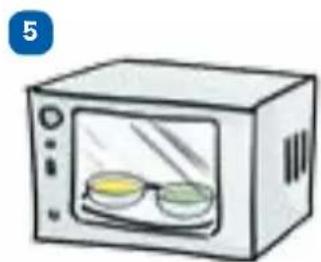
natural_image
Illustration of a microwave oven with two small glasses inside (no text or symbols)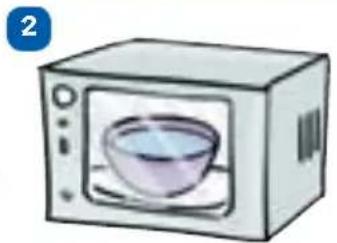
natural_image
Illustration of a microwave oven with a glass bowl inside (no text or symbols)
natural_image
Illustration of a wooden rolling pin pouring liquid into a bowl with a yellow liquid, next to a small bowl (no text or symbols)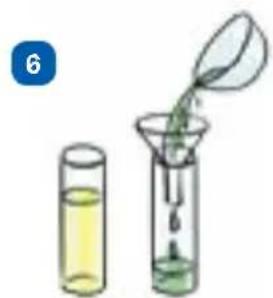
natural_image
Illustration of a test tube being poured into a conical flask with liquid, accompanied by a clear solution (no text or symbols)5 Now the gel has to be simmered again for 20 seconds, as before.
6 Using the funnel, divide the mixture between the two tubes. Fill the tubes up to about 3 cm below the rim. Extra gel can be poured into a container such as a jelly jar. Let the liquid cool completely. Cover the tubes with paper towels as they cool.
WHAT'S HAPPENING?
The gel is made mostly of water. That's why you won't need to water the plants in the gel later on!
Planting seeds in the space gel
You will need:
Prepared gel tube, lids for the tubes, cress seeds, small wooden stick, space farm, some cotton wool
Here's how:
1 Carefully open the capsule with the seeds inside of it and sprinkle a few seeds into each tube to thinly cover the gel's surface. Close the tubes with their lids.
2 Set the tubes into the two round recesses of the space farm.
3 Now you will be able to watch the plants grow day by day. And the best part? You will be able to see how the roots of the plants grow through the clear gel! When you first see leaves, remove the lids. Replace them with some cotton wool to both protect the plants and let in the air they need.

DID YOU KNOW?
Since cress is usually harvested as little seedlings, most people don't know what the mature plants look like. If you like, you can take the plants out of the gel, carefully rinse any gel residue off the roots, and plant them in soil. Then you can learn how a cress plant grows.

text_image
1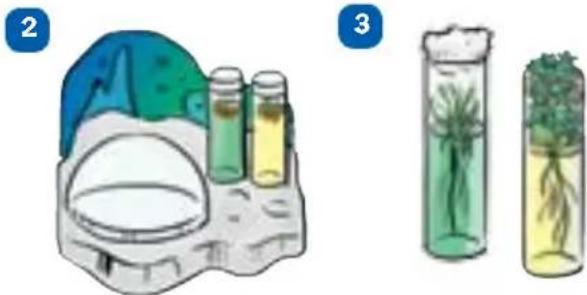
natural_image
Illustration of three lab glassware: a test tube with colored liquids, a magnified view of a dome-shaped container, and two similar green plant samples (no text or labels)TIP!
You can sprinkle extra seeds in your jelly jar and cover the jar with the lid. You can also use seeds from other plants and compare the way the roots and leaves of different species develop.

text_image
GEEK OUT!WHAT'S HAPPENING?
The cress can grow without soil because the gel contains all the nutrients that it needs to grow. See page 16 to find out whether plants can really be grown this way in space!

natural_image
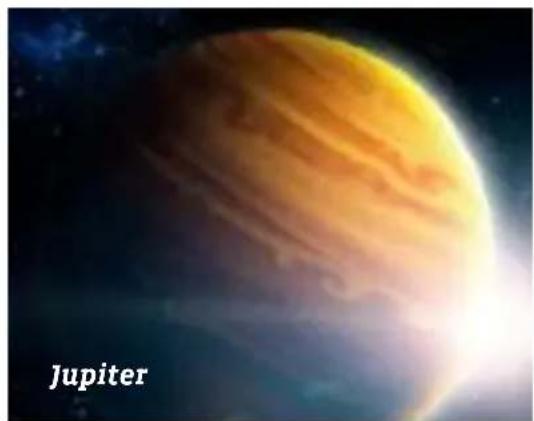
Cartoon character wearing a white astronaut helmet and glasses, waving (no text or symbols)That's a question that interests a lot of scientists. But it is very hard to answer, given the distance to other planets. Comparatively close to Earth is the planet Mars, which has been orbited by space probes for several years.
One such probe is the “Mars Express.” This probe has lots of instruments, such as antennas that scan beneath the surface for water and ice and a special camera for photographing the planet’s surface.
Since the start of its journey, the “Mars Express” has made many interesting discoveries. At the planet’s south pole, for example, large quantities of ice were discovered, and large ravines can be seen in the photographs which may have been created by rivers. Presumably, then — when Mars was warmer — there was liquid water there. And if there was water, there may have been life.
text_image
JupiterToday, Mars is cold and dry, with all the water frozen into ice. Deep in the rocks, though, there might still be simple life forms such as bacteria, although a space probe would not be able to discover them.
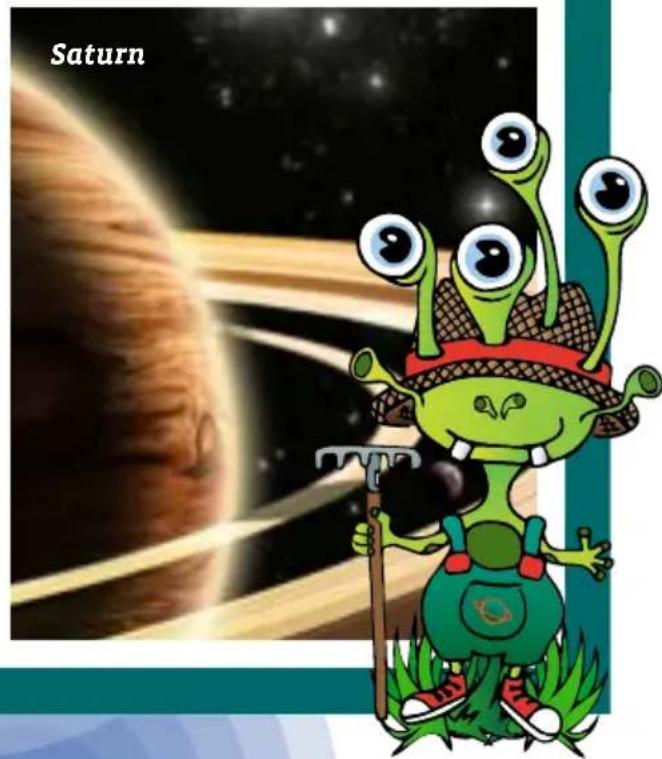
That's why remote-controlled vehicles have been sent to Mars to drive across its surface. At present, there are two robotic Mars rovers on the planet. So far, they have only been able to transmit information back to Earth, but in a few years a vehicle should be able to collect rock samples for later analysis back here. And maybe that's when life really will be discovered beyond Earth!
natural_image
Cartoon illustration of a green alien-like creature holding a tool, standing in front of a planet with stars and a 'Saturn' label (no other text or symbols)EXPERIMENTS IN SPACE TRAVEL!
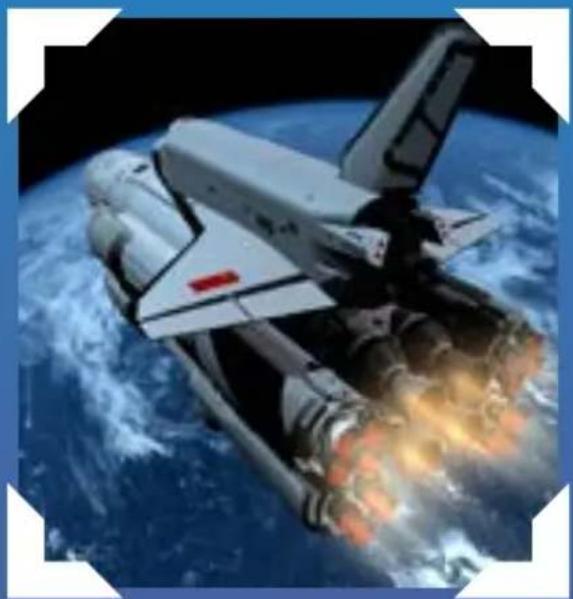
While waiting for your plants to grow, you might want to try a few exciting experiments! Learn how the rocket thrust principle works, which is what makes space shuttles blast off into space. And find out why you'd need a parachute on Mars.
natural_image
Space shuttle in orbit above Earth, with visible exhaust plume and launch structure (no text or symbols)
natural_image
Cartoon illustration of a blue rocket with red nose cone and orange body, emitting smoke or vapor (no text or symbols)
natural_image
Cartoon character wearing a helmet and glasses, standing with one arm raised (no text or symbols)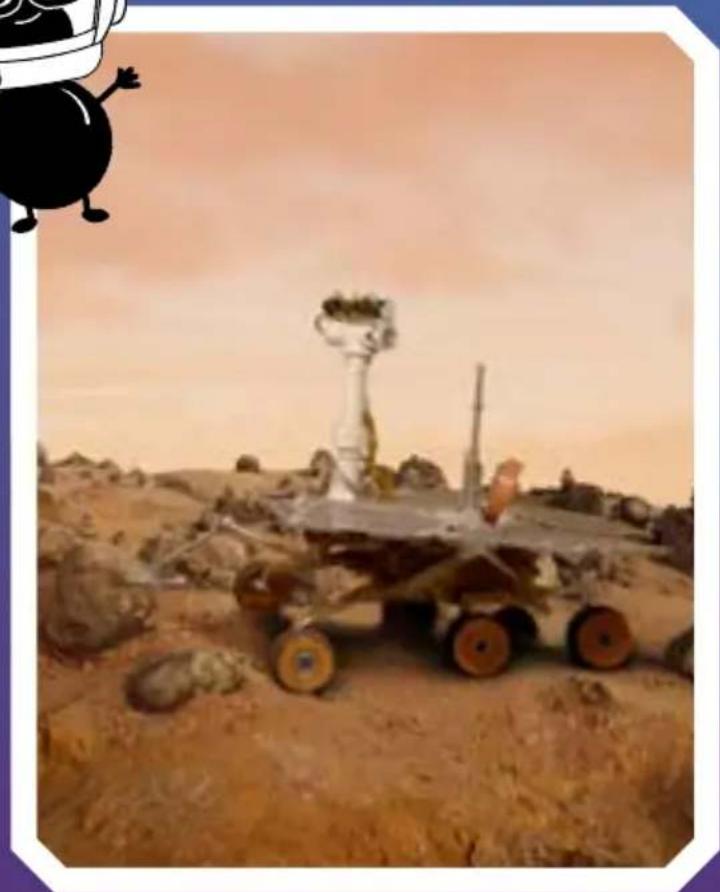
natural_image
Rover on a barren, rocky terrain with a distant monument and a cartoon character in the corner (no visible text or symbols)
text_image
PART 3EXPERIMENTS IN SPACE TRAVEL
Balloon rocket
You will need:
Rocket (sheet of cutouts), drinking straw, balloon, balloon pump, tape, scissors, glue, sturdy string, assistant
Here's how:
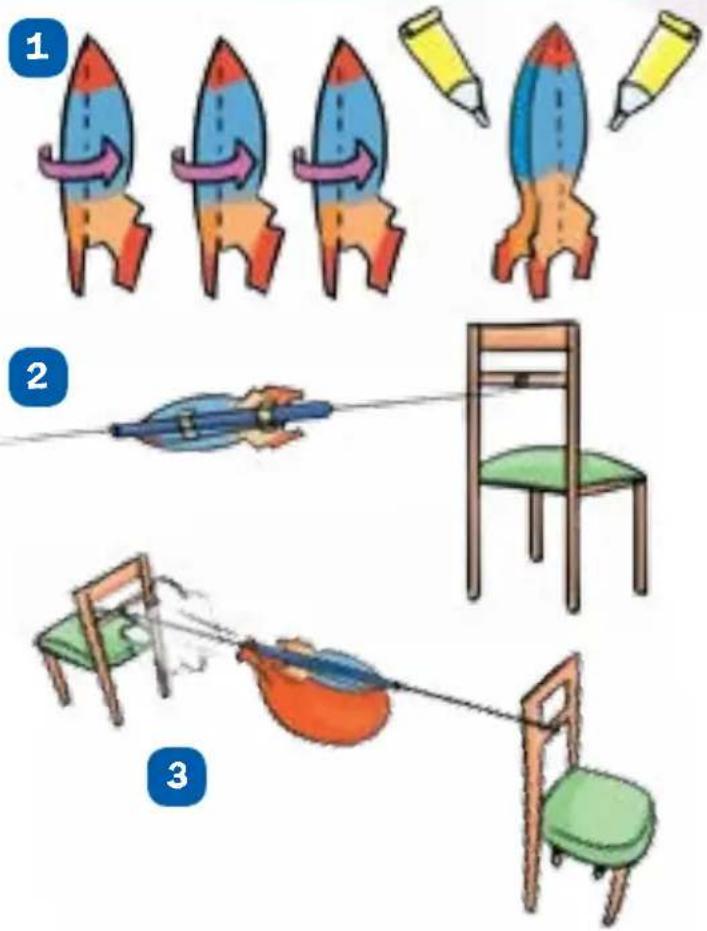
1 First cut the rocket out of the sheet, fold it along the dotted lines, and glue it together.
2 Cut a long piece of string and thread it through the straw. If you have a difficult time with this, you can try shortening the straw a little. Stretch the string between two chairs and secure the rocket to the straw with some tape.
3 Pump up the balloon and pinch the opening tightly closed. Ask your assistant to tape the balloon to the rocket. The rocket's propulsion system has to point toward the neck of the balloon. Before blastoff, slide the neck of the balloon right up next to one of the chairs. Now let go of the balloon and let it fly!
text_image
Illustration showing three stages of a physics experiment: lifting, lifting a pencil, and lifting a pulley system.
text_image
GEEK OUT!WHAT'S HAPPENING?
The air flows out of the balloon's neck at a high speed, producing a force that pushes the balloon in the opposite direction. A rocket's propulsion system operates according to this same principle. Its engine produce large quantities of hot gases ejected at high speeds. This stream of gas creates a thrust that propels the rocket in the opposite direction.
Mars landing
You will need:
Mars vehicle (sheet of cutouts), paper clips, paper towel or paper tissue, ruler, glue, sturdy string, scissors
Here's how:
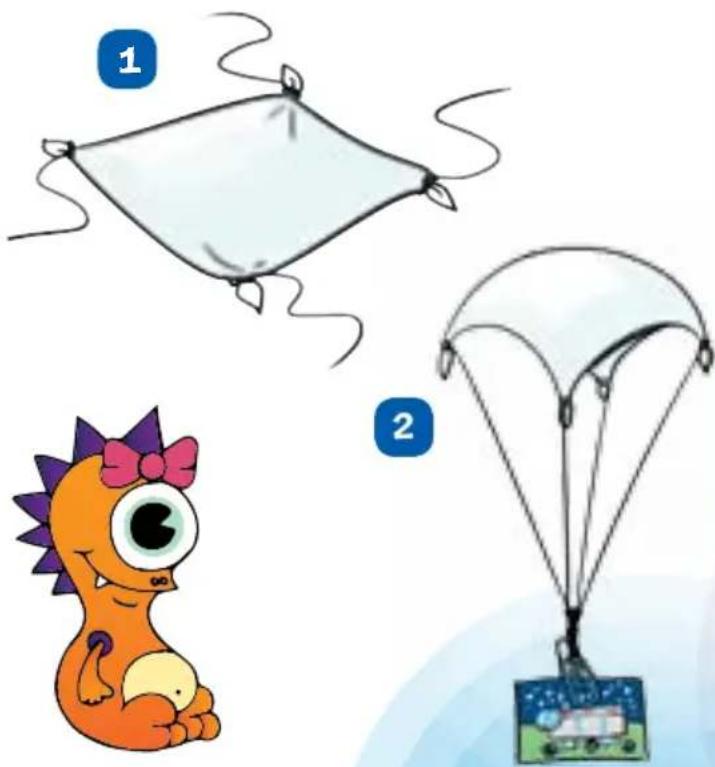
1 Cut off four 25-cm pieces of string and tie them to the corners of the paper towel.
2 Tie the loose ends of the string together and suspend the paper clips to the knot. Cut out the card with the Mars vehicle. Fold it down the middle and glue the two sides together back to back. Hang the card from the lower paper clip.
3 Have your parents help you find the highest possible launch site and drop the parachute from there.
natural_image
Illustration of three cartoon animals: a balloon, a whale, and a parachute (no text or symbols)
text_image
GEEK OUT!WHAT'S HAPPENING?
Under the parachute, there's air. The air consists of individual particles that are so small that you can't see them. As the parachute glides down, air particles are constantly striking the chute from the bottom. Before collision, the air particles are standing still, but now the parachute pushes them along as it moves downward and sets them into motion. Until the point that the air particles are moving as fast as the parachute, they are pushing on the parachute cloth from below.
All the air particles together can generate quite an impressive braking force! And because the parachute keeps hitting new, resting air particles as it travels downward, it keeps getting slowed down. This whole process also works on Mars, even though Mars doesn't have air like the air on Earth. Air is a mixture of various gases surrounding our planet like an envelope. This envelope is called an atmosphere. Mars is also surrounded by an atmosphere, even though it consists of different gases from the ones in ours. But the gas particles in the Martian atmosphere can slow down a parachute's descent too!
A 16-meter parachute with 80 attachment ropes was used for the landing of the Mars rover Curiosity. This slowed the fall of the capsule transporting the vehicle to its landing site on the distant planet.
Why do satellites go around the Earth?
You will need:
Ball, large open area (such as a field), assistant
Here's how:
Our planet is circled by many hundreds of flying objects in space called satellites (see page 16 to read more). With the four simple steps in this experiment, you will be able to see why satellites neither fall to Earth nor fly off into space.
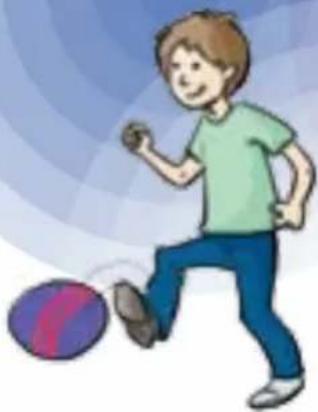
1 Set the ball on the ground. Kick it once with enough force to set it into motion.
2 Have your assistant toss the ball to you and catch it. Pay attention to how the ball feels when it touches your hands.
3 Place the ball on the ground again and give it a light push, just enough to make it roll across the ground a little.
4 Toss the ball straight up and watch it.
1
natural_image
Illustration of a boy kicking a colorful ball (no text or symbols)2

natural_image
Illustration of two children playing with a red ball (no text or symbols)3

natural_image
Illustration of a boy sitting and kicking a ball (no text or symbols)4
What goes up... ...must come down?

natural_image
Illustration of a smiling child waving with arms raised, reaching toward a green ball (no text or symbols)
text_image
GEEK OUT!WHAT'S HAPPENING?
In the first experiment step, you need to use force to set the resting ball into motion. In the second step, though, you also need force to stop the flying ball. You can feel how the ball pushes against your hands as you catch it. This is an important natural law: Every object wants to maintain its state of motion. To change it, you have to apply force. This property is known as inertia.
But why does the ball come to a rest in step 3, even though nobody has stopped it? It has to do with friction. That means that the movement of the ball is stopped simply by contact with the ground as it rolls. But the air through which the ball rolls slows down its movement as well. You already read about this air resistance in the previous experiment.
In the fourth step, you finally get to observe the effects of the Earth's gravity. That's what
natural_image
Cartoon illustration of a green alien flying around Earth with directional arrows (no text or symbols)
natural_image
Cartoon illustration of a green frog flying past a starry planet (no text or symbols)accounts for the fact that all objects fall to the ground rather than simply floating in the air.
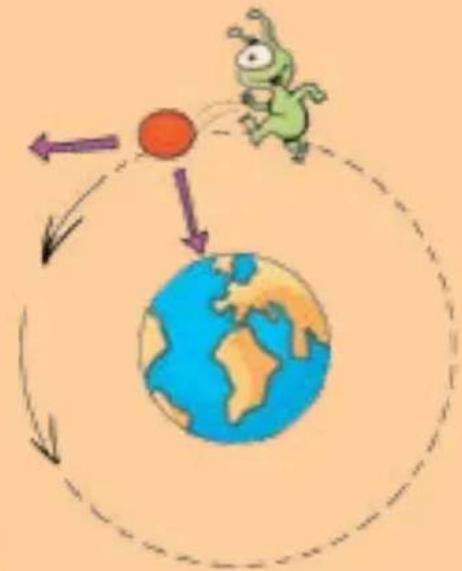
And now for the question we've all been waiting for: What would happen if you rolled or kicked the ball in outer space? Its inertia would keep it rolling and rolling, since in space there's no ground, no air, and therefore no friction either! But it still wouldn't just fly off and disappear, because there's another force acting upon it — namely, gravity.
The combined effect of the two forces is what accounts for the fact that the ball would move in a circular path around the Earth — provided, of course, that you gave it a really powerful shove, so its speed was high enough. Otherwise, the Earth's gravity would sooner or later make it fall back down again. But don't worry. Satellites are carried by rockets and shot into orbit at very high speeds.
So this is why satellites move in a circular path, or orbit, around the Earth! And not just satellites — the Moon, too, moves around the Earth by this same principle, and even the Earth itself travels in its own orbital path around the Sun.

natural_image
Cartoon illustration of a blue monster with large eyes and green tongue (no text or symbols)
text_image
GEEK OUT!CAN PLANTS GROW IN SPACE?

natural_image
Cartoon character wearing a helmet and glasses, standing on a green background (no text or symbols)Plants needs sunlight, nutrients from soil, and water to grow. So how could plants grow in space, where there are no beds of soil and also no water?
Nobody has been able to find any life or plants on other planets yet. But in the future, it might actually be possible to grow plants in special greenhouses on distant planets or in space stations.
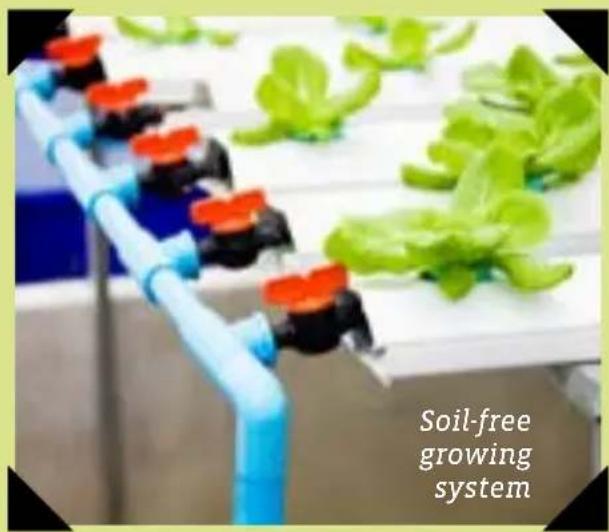
Growing plants without sunlight or soil is easier than you might think. You just have to provide the roots with a nutrient solution. This solution contains water and all the nutrients that the plants need in order to grow — just like your space gel. The plants don't even need natural sunlight, since this can be replaced by special artificial lighting.
In this way, you could actually grow plants in space. Researchers are already working on developing a greenhouse to be used in space. That way, astronauts could grow their own vegetables. It would save a lot of money, because it's expensive to transport food from Earth into space! In the future, astronauts will just have to take a few seeds along with them.
But won't the weightlessness of the space station bother the plants? We know that plants can sense gravity on Earth — they are good at detecting what's up and what's down. That's why their roots always grow into the ground and the rest of the plant grows upward.
Scientists have observed that plants can grow in an uncontrolled manner in all directions if there's no gravity. But that only happens in the dark. If you expose the plant to light, they will use that to orient themselves.
So plants really can grow in space, and there really might be greenhouses in space with lettuce, tomatoes, or cucumbers in a few years.
text_image
Soil-free growing systemDID YOU KNOW?
Satellites are artificially-made flying objects in space that circle around a celestial body. The Earth is accompanied by a lot of satellites too. They can be equipped with a lot of instruments used for making weather predictions, for example, or that let us make phone calls around the world.
Researchers use them to study the Earth over long periods of time, in order to observe slow changes such as the spread of deserts in Africa or the melting of ice caps at the Earth's North and South Poles. The Global Positioning System, or GPS, which is what cars use in their navigation systems, also works with the help of satellites.

text_image
Quality & Safety KOSMOS 100 YEARSKosmos Quality and Safety
More than one hundred years of expertise in publishing science experiment kits stand behind every product that bears the Kosmos name. Kosmos experiment kits are designed by an experienced team of specialists and tested with the utmost care during development and production. With regard to product safety, these experiment kits follow European and US safety standards, as well as our own refined proprietary safety guidelines. By working closely with our manufacturing partners and safety testing labs, we are able to control all stages of production. While the majority of our products are made in Germany, all of our products, regardless of origin, follow the same rigid quality standards.
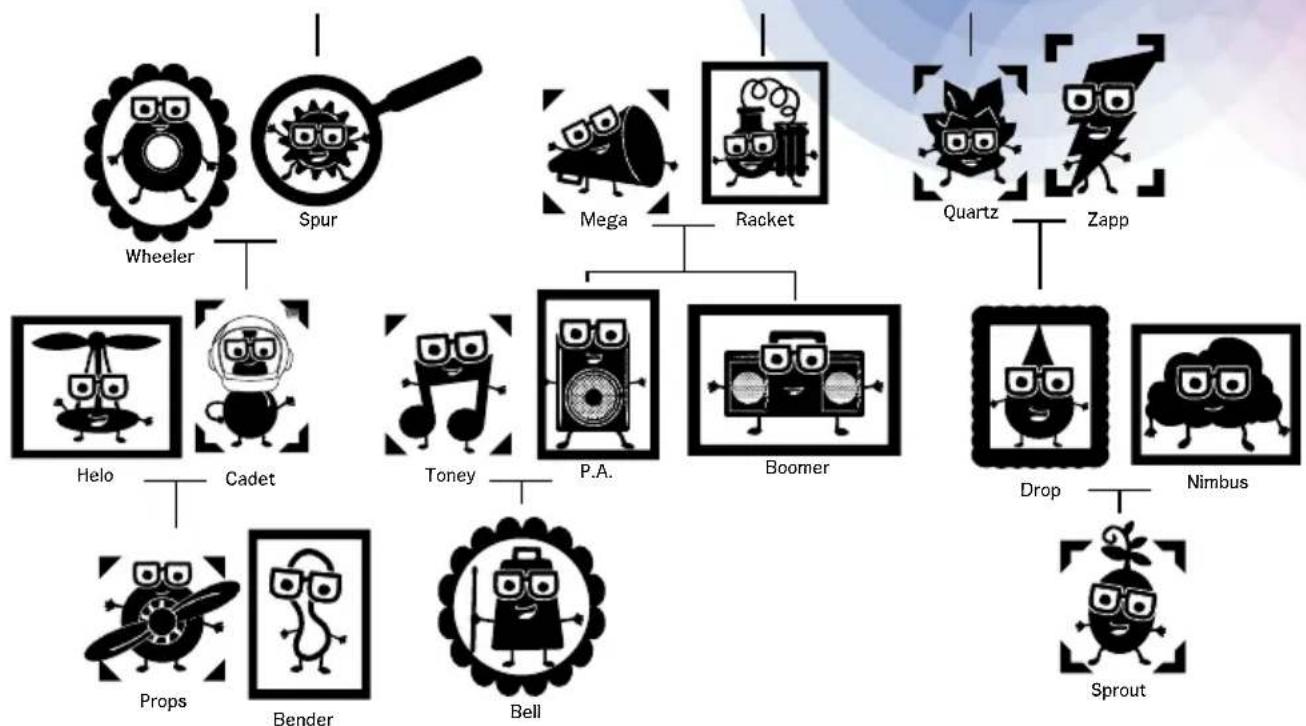
MEET THE NEXT-GEN GEEKERS!
flowchart
graph TD
    A["Wheeler"] --> B["Spur"]
    B --> C["Mega"]
    B --> D["Racket"]
    C --> E["Helo"]
    C --> F["Cadet"]
    C --> G["Toney"]
    C --> H["P.A."]
    C --> I["Boomer"]
    D --> J["Quartz"]
    D --> K["Zapp"]
    H --> L["Props"]
    H --> M["Bender"]
    H --> N["Bell"]
    I --> O["Drop"]
    I --> P["Nimbus"]
    I --> Q["Sprout"]
1st Edition 2015
© 2015 Franckh-Kosmos Verlags-GmbH & Co. KG, Pfizerstrasse 5-7, D-70184 Stuttgart, Germany. Tel. +49 (0)711 2191-343
This work, including all its parts, is copyright protected. Any use outside the specific limits of the copyright law without the consent of the publisher is prohibited and punishable by law. This applies specifically to reproductions, translations, microfilming, and storage and processing in electronic systems and networks. We do not guarantee that all material in this work is free from copyright or other protection.
Space gel plant set manufactured by: TAOS UG, Germany; Project management, concept and text: Kristin Albert; Technical product development: Monika Schall; Manual design: Atelier Bea Klenk, Berlin; Layout of manual, packaging, die-cut sheet, sheet of cutouts, seed card: Aline Martin, 599media, Freiberg; Illustrations for die-cut sheet, sheet of cutouts, inside decorative illustrations: Aline Martin, 599media, Freiberg; Experiment illustration: Andrea Mangold, Munich; Rendering of title image and growing station: Bianca Meier, Hamburg; Manual photos: picsfive (all pushpins); askaja (all paper clips); Jaimie Duplass (all strips of tape) (all previous © fotolia.com); diversepixel, front cover top, back cover top, p. 1 upper left, 3 bottom left; Matthew Cole, front cover bottom, back cover bottom, p. 1 bottom; SergeyDV, p. 3 bottom right; Molodec, p. 10 bottom left; jupeart, p. 10 bottom right; James Steidl, p. 11 bottom right; jajaladdawan, p. 16 top left (all previous © shutterstock.com); 1971yes, p. 11 center right (© istockphoto.com); Michael Flaig, Pro-Studios, Stuttgart, inside front cover top center; Packaging design: Peter Schmidt Group GmbH, Hamburg; Packaging photos and illustrations: Mike Keeling Flickr CC-BY-ND-2.0 (tiger's jaw photo), diversepixel (starry sky with planet), Matthew Cole (planet with craters) (both © shutterstock.com); Bianca Meier, Hamburg (title image and growing station); Aline Martin, 599media, Freiberg (gardener aliens); Michael Flaig, Pro Studios, Stuttgart (overview of contents); Die-cut sheet photos: bblount (desert, © istockphoto.com); diversepixel (temple, cliffs, starry skies); Elena Schweitzer (UFO); Bruce Rolff (planet); Denis_A (Moon); SergeyDV (grassy hill) (all previous © shutterstock.com); Seed card photos: Friedrich Strauß, Special Archive for Plant Photography (front side); Tangopaso (rear side top right, wikipedia.com, public domain); Anna (rear side top left, © wikipedia.com, CC-BY-SA-3.0)
The publisher has made every effort to locate the holders of image rights for all of the photos used. If in any individual cases any holders of image rights have not been acknowledged, they are asked to provide evidence to the publisher of their image rights so that they may be paid an image fee in line with the industry standard.
1st English Edition © 2015 Thames & Kosmos, LLC, Providence, RI, USA
Thames & Kosmos® is a registered trademark of Thames & Kosmos, LLC.
Editing: Ted McGuire; Additional illustrations: Dan Freitas, Ashley Greenleaf, and Ted McGuire; Packaging artwork: Dan Freitas
Distributed in North America by Thames & Kosmos, LLC. Providence, RI 02903
Phone: 800-587-2872; Web: www.thamesandkosmos.com
Distributed in United Kingdom by Thames & Kosmos UK, LP. Goudhurst, Kent TN17 2QZ
Phone: 01580 212000; Web: www.thamesandkosmos.co.uk
We reserve the right to make technical changes.