ST286MAB - TV Hanns.G - Free user manual and instructions
Find the device manual for free ST286MAB Hanns.G in PDF.


User questions about ST286MAB Hanns.G
0 question about this device. Answer the ones you know or ask your own.
Ask a new question about this device
Download the instructions for your TV in PDF format for free! Find your manual ST286MAB - Hanns.G and take your electronic device back in hand. On this page are published all the documents necessary for the use of your device. ST286MAB by Hanns.G.
USER MANUAL ST286MAB Hanns.G
Regulatory Information.... 3
Description of Warning Symbols 3
Safety Notices 4
Preface 6
Warranty and Service.... 6
Getting Started 8
Package Contents....8
Introducing the TV 9
Features....9
Control Panel 10
Input and Output Jacks 10
Remote Control 12
Inserting the Remote Control Batteries 16
Setting up your TV.... 18
Basic Connections 18
Power Connection 18
Connecting an Antenna or Cable TV 18
Connecting External Devices.... 19
Connecting External Earphones.... 19
Connecting to AV Devices 20
Connecting a VCR/ STB/ DVD Player Using Component Video 21
Connecting a PC using VGA 22
Connecting a PC using DVI 22
Connecting HDMI 23
Connecting USB.... 23
Connecting a VCR/ STB/ DVD Player using SCART..24
Using the TV 25
Turning the TV On and Off 25
Switching Source Signals 25
Performing an Automatic Channel Search 25
Selecting Channels 25
Table of Contents
Adjusting the Volume 25
Adjusting On-Screen Display (OSD) Settings 26
OSD Setting Menus 27
Adjusting Picture Settings 27
Adjusting Sound Settings 28
Adjusting Channel Settings 28
Adjusting DTV Settings 30
Adjusting PC Settings 33
Adjusting Setup Settings 34
Troubleshooting.... 36
Support Timing 37
Specifications 38
Dissembling the stand base 39
CE Conformity Statement
This device is in conformity with the requirements of EU Council Directive 2004/108/EC on the approximation of the laws of the Member States relating to electromagnetic compatibility and Directive 2006/95/EC on the harmonization of the laws of Member States relating to electrical equipment for use within certain voltage limits. Hannspree cannot accept responsibility for any failure to satisfy the requirements resulting from a non-recommended modification of the device.
Description of Warning Symbols

WARNING

This symbol is used to alert users to pay attention to important descriptions regarding usage, maintenance (repair), and additional important information related to this TV.
CAUTION

This symbol is used to alert users to the risk of electric shocks due to dangerous and uninsulated components.

Installation Safety Notes
Location
Avoid allowing the TV to get prolonged exposure to sunlight or other strong sources of heat. Leave sufficient distance between the TV and the wall to provide enough space for the emission of heat.

WARNING
To reduce the risk of fire or electric shock, do not expose this apparatus to rain or moisture.
Apparatus shall not be exposed to dripping or splashing and no objects filled with liquids, such as vases, shall be placed on the apparatus.

CAUTION
These servicing instructions are for use by qualified service personnel only. To reduce the risk of electric shock, do not perform any servicing other than that contained in the operating instructions unless you are qualified to do so.
Notes:
- The LCD TV is for entertainment use only and visual display tasks are excluded.
- This device uses a VGA connector to connect to a PC. To reduce the influence of main frequency on the source signal, use a VGA monitor cable with ferrite shield.
Personal Safety
| 1. To avoid overloading the power supply, never plug too many electrical devices into an outlet, power strip, or extension cable. |
| 2. Dangerous high-voltage electric power components are located inside the TV. To avoid electric shock, do not disassemble the casing. |
| 3. Do not place or drop metals, small objects, or flammable materials into the vent of the TV. |
| 4. If the TV is dropped, falls down, or is otherwise damaged, unplug the power cord immediately and contact an authorized service technician. |
| 5. If any fluid is sprayed or dropped into the TV, contact an authorized service technician. |
| 6. The screen of the TV is made of glass. Avoid hitting or scraping it. If the screen is broken, do not touch the broken glass. |
| 7. Do not allow children to use the TV unattended. |
| 8. Be careful when disconnecting the power plug. Hold the plug. Do not attempt to disconnect the plug by pulling on the power cord. |
Installation
| 1. Do not place the TV in locations where there is excessive steam or dust. |
| 2. Avoid blocking the TV's vents, do not place the TV on a bed, sofa, carpet, or in a sealed cabinet. |
| 3. Install the outdoor antenna away from power transmission lines to avoid possible danger. |
Preface
Thank you for purchasing a Hannspree Liquid Crystal Display Television (LCD TV). Your new TV will allow you to enjoy superior audio and video while enriching your lifestyle with advanced technology.
Please carefully read this manual in its entirety before setting up, using or operating your TV. To ensure the safe and correct installation and operations of the TV, it is important that the safety and operation instructions in this manual are followed.
This instruction manual is designed to assist you in setting up and using the TV. The information in this manual has been carefully checked for accuracy; however, no guarantee is given to the correctness of the contents. The information in this manual is subject to change without notice.
To the extent allowed by applicable law, Hannspree, Inc. (“Hannspree”) shall not be liable for direct, indirect, special, exemplary, incidental or consequential damages arising from any defect or omission in this manual, even if advised of the possibility of such damages in advance.
Warranty and Service
For complete warranty service information, please refer to the "Warranty Card" enclosed with your TV.
Copyright
© Copyright 2009 Hannspree, Inc.
All rights reserved. This manual is protected by copyright and distributed under licenses restricting its use, copying and distribution. No part of this manual may be reproduced in any form by any means without the prior written authorization of Hannspree. The TV described in this manual may include copyrighted software of Hannspree (or other third parties). Hannspree (or other third parties) preserves the exclusive rights for copyrighted software, such as the right to distribute or reproduce the copyrighted software. Accordingly, and to the extent allowed by applicable law, any copyrighted software contained in the product described herein shall not be distributed, modified, reverse engineered, or reproduced in any manner without the prior written authorization of Hannspree (or of other third parties).
The Hannspree logos presented herein are trademarks of Hannspree. All other product names, trademarks or logos mentioned herein are used for identification purpose only, and may be the trademarks or registered trademarks of their respective owners.
The purchase of the product described herein shall not be deemed to grant, either directly or by implication, estoppel or otherwise, any license under the copyrights, patents, patent applications or trademarks of Hannspree, except for the normal, non-exclusive use that arises by operation of law in the sale of a product.
Trademark Notice
HDMI
Hannspree products incorporate High-Definition Multimedia Interface (HDMI ^TM ) technology.
HDMI, the HDMI logo and High-Definition Multimedia Interface are trademarks or registered trademarks of HDMI Licensing LLC.
1
Getting Started
1.1 Package Contents
Make sure the following components are included in the box. Please contact Hannspree Customer Service immediately if anything is missing or damaged.
• TV
- User's manual
- Quick start guide
- Warranty card
- Power cord
- Remote control and batteries
- TV cleaning cloth

ME61
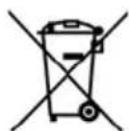

According to WEEE regulation, this TV can't be handled as normal trash in Europe when it is out of usage. Please refer to the recycle information from our website to handle it.
1.2 Introducing the TV
You can watch SECAM/ PAL/ DVB-T broadcast, cable, or digital television channels, and easily connect a VCR, STB or DVD player to the SCART, HDTV (Component), AV(Composite), and HDMI input ports (location of these ports depends on model). You can also use the TV as a monitor for your PC by connecting it through the VGA port.
Convenient control buttons located on the TV and a handy remote control let you change channels, adjust the volume, and change display settings through an easy-to-use on-screen display menu system. The built-in stereo speakers provide full rich sound and a convenient audio output port lets you connect to an external audio system or earphones.
1.3 Features
• TV Tuner: Built-in TV Tuner
• Audio/ Video support:
- SCART inputs
- VGA (PC) input
- HDMI inputs
– HDTV (Component) input - R/L audio inputs
- PC line input
- 3.5 mm stereo earphone output
- AV(Composite) input
- On-Screen Display (OSD) menu system
- Teletext (TV RF+SCART) 1.5v. with 500 pages memory
• Built-in stereo speakers - Image Enhancement Technology
- 3:2/2:2 pull down
- 3D Comb Filter
- HD-ready TV
- Noise Reduction
- Advanced 3D de-interlacing
- Edge Enhancement
Note:
- The supporting devices mentioned in this manual may vary on different models. For more information, please refer to the manufacturer's user manual or the Quick Start Guide of your TV model.
1.4 Control Panel
| Description Button Function | ||
| Power Press to turn the TV on or off. | ||
| Input source | INPUT | Press to select the proper input source. |
| Menu MENU Press to open the OSD menu. | ||
| Program select P▲ | Press to increase the program number or move upward to the previous item on the OSD menu. | |
| Program select P▼ | Press to decrease the program number or move downward to the next item on the OSD menu. | |
| Volume adjust VOL + | Press to increase the volume or move to the right on the OSD menu. | |
| Volume adjust VOL - | Press to decrease the volume or move to the left on the OSD menu. | |
| Remote IR sensor | Receive incoming remote control commands. | |
| Power/ Standby indicator | Indicate power or standby status, power on/off represent to Green/Red light indicators. | |
| Speakers Deliver high-quality sounds. | ||
1.5 Input and Output Jacks
| Description Connector | Function | |
| Cable/Antenna | TV/DTV CABLE / ANTENNA | Connect to an antenna or cable TV. |
| Description Connector Function | ||
| Earphone Output | EARPHONE | Connect to earphones or external speakers with built-in amplifier. |
| Component/CVBS Inputs audio | RI  | Connect to an external device, such as a VCR, STB, or a DVD player. |
| Component Inputs (Video) |  | Connect to an external device, such as a VCR, STB, or a DVD player. |
| PC Audio Input Connect to a PC's line/ audio out port. | ||
| SCART IN/OUT |  SCART IN/OUT SCART IN/OUT | Connect to an external device, such as a VCR, STB, or a DVD player with AV, S-Video, RGB, L/R IN, Analog TV Out, and L/R Out. |
| VGA (PC) Input Conne |  VGA port. VGA port. | |
| Service Service only. Not available for users. | ||
| Video |  VIDEO VIDEO | Connect to an external device, such as a VCR, STB, or a DVD player. |
| CI Connect to a CI device |  | |
| HDMI 1 Input |  HDMI 1 HDMI 1 | Connect a HDMI equipment or an HDMI-DVI adapter cable to devices such as a DVD player or set-top box. |
| HDMI 2 Input |  HDMI 2 HDMI 2 | Connect a HDMI equipment or an HDMI-DVI adapter cable to devices such as a DVD player or set-top box. |
| Description | Connector | Function |
| Power Connector Connect to the included power cord. | ||
1.6 Remote Control
| Description Icon Function | ||
| Power Press to turn the TV on or off. | ||
| Input Signal Type | INPUT | Press to select the input signal type selections: TV, DTV, SCART, AV, HDMI 1, HDMI 2, HDTV, and PC. |
| Keypad | 1 2 34 5 67 8 90 | Use to select a program directly. Press 0-9 to enter the program numbers (press 1 and 0 for program 10). |
| Pro.List Pro.LIST | Press to display the features contained. | |
| Last Press to return to the last channel selected. | ||
| Information INFO | 1. Press to display current channel/program information.2. During DTV menu selection, press to display help information about Channel Organizer, Channel Sorting, Channel Grouping, Time and Parental Rating. | |
| Menu MENU | Press to turn the on-screen display (OSD) menu on/ off. | |
| OK OK Press to confirm selection. | ||
| Arrows | Press up, down, left or right to scroll through the on-screen display menus. | |
| Electronic Program Guide | EPG | Press to display detailed programming information for channels (only for DTV). |
| Teletext mode TEXT | Press to active teletext. | |
| Volume adjust | VOL+VOL - | Press VOL + to increase audio volume. Press VOL - to decrease audio volume. |
| Mute | MUTE | Press to eliminate sound. Press it again or press the volume adjust buttons to restore sound. |
| Dual sound | I-II | Press to change the multi sound selection of the TV channel. |
| Select program | P▲ P▼ | Press P▲ to increase the program number. Press P▼ to decrease the program number. |
| Red, Green, Yellow, Blue | ●●●● | Press the colored buttons to perform specific tasks in the OSD menu or teletext mode. |
| Index | INDEX | Press to display a table of the available teletext subjects. (Programmable in the teletext mode only) |
| Mix | MIX | Press to display the teletext over the program on the screen. (Programmable in the teletext mode only) |
| Adjust size | SIZE | Press to adjust screen size. (Programmable in the teletext mode only) |
| Subtitle | SUBTITLE | With an ATV source, if teletext mode is activated and the teletext has a subtitle page, press to display the subtitle page.With a DTV source, press to display the subtitle OSD, and select the language. |
| Hold | HOLD | Press to inactivate automatic page change which only occurs when more than one teletext page exists.(Programmable in the teletext mode only) |
| Reveal | REVEAL | Press to display the hidden information, such as solutions to puzzles. (Programmable in the teletext mode only) |
| Sound Mode | SOUND | Press continuously to toggle through all the sound setting: Standard, Music, Movie, Speech, or User. |
| Picture Mode | PIC | Press continuously to toggle through all the picture setting: Vivid, Soft, User, Standard. |
| Favorite channel | FAV. | Press to open favorite list menu and press / to select channels. Press OK to go to the selected channel. |
| Freeze | FREEZE | Press to pause a video frame on-screen. (Programmable in the TV source only) |
| Sleep timer | SLEEP | Press repeatedly to set the sleep timer (15, 30, 45, 60, 90 or 120 minutes).Cancel the timer by selecting the Sleep Off option. |
| Aspect ratio | ASPECT | Press to adjust the width-to-height ratio of the image with aspect ratio: AUTO, Full, Normal, Panorama, Zoom, Subtitle and Wide. |
Note:
- For best results, use the remote control within a proper distance from the front of the TV. Do not exceed an angle of 30 degrees when pointing at TV.
- The operational distance may be shortened when the signal sensor is directly exposed to strong light.
- Aim the transmitter on the remote control at the signal sensor and ensure that there are no obstacles between them.
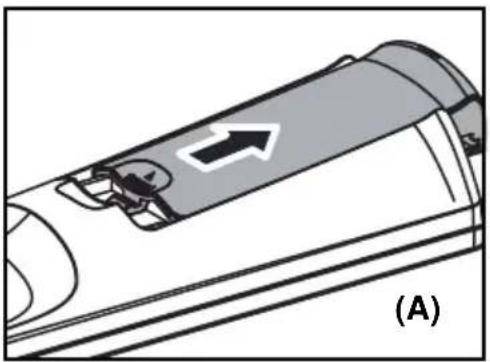
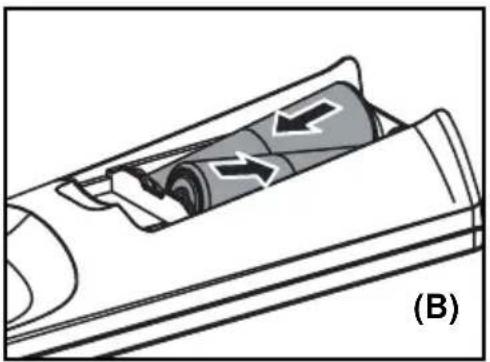
1.7 Inserting the Remote Control Batteries
1 Open the battery compartment cover at the back of the remote control (A).
natural_image
Diagram of a vehicle's internal structure with an arrow indicating direction (no text or symbols present)2 Insert the batteries paying attention to the polarity markings inside the battery compartment (B).
natural_image
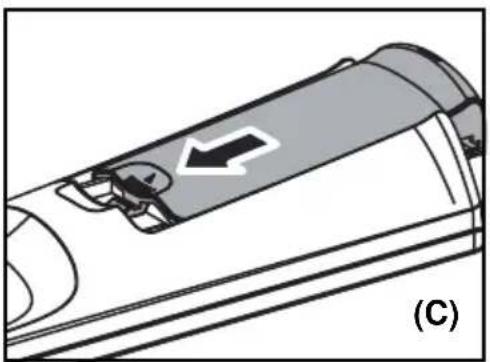
Diagram of a mechanical component with directional arrows indicating movement or flow (no text or symbols)3 Replace the battery compartment cover (C).
natural_image
Diagram of a vehicle's side profile showing a highlighted component with an arrow, labeled (C) (no text or symbols on the diagram itself)
CAUTION
- If the remote control is not used for a long period, remove the batteries and store them properly.
- Handle damaged or leaking batteries carefully, and wash hands with soap if they come in contact with leaked chemical fluids.
- If your remote control has two batteries, do not mix new and old batteries, or the life of the new batteries will be shortened. Chemical fluids may leak from the old batteries.
- Danger of explosion if battery is incorrectly replaced. Replace only with the same or equivalent type recommended by the equipment manufacturer. Discard used batteries according to manufacturer's instructions.
- Refer to your local recycling or waste disposal rules and contact a local waste disposal vendor to dispose of used batteries.
- The remote control cover may have a magnet in it, so do not place magnetic sensitive items such as watches, credit cards, or flash media close to the cover.
- Do not use force when pulling the remote control cover open; you may damage the hinge.
2
Setting up your TV
2.1 Basic Connections
2.1.1 Power Connection
1 Connect the power cord to the AC IN input jack on the rear of the TV.
2 Insert the plug at the other end of the power cord into a power outlet.
2.1.2 Connecting an Antenna or Cable TV
Connect one end of the VHF/UHF (Antenna) or CATV cable to TV/DTV jack on the rear of the TV.
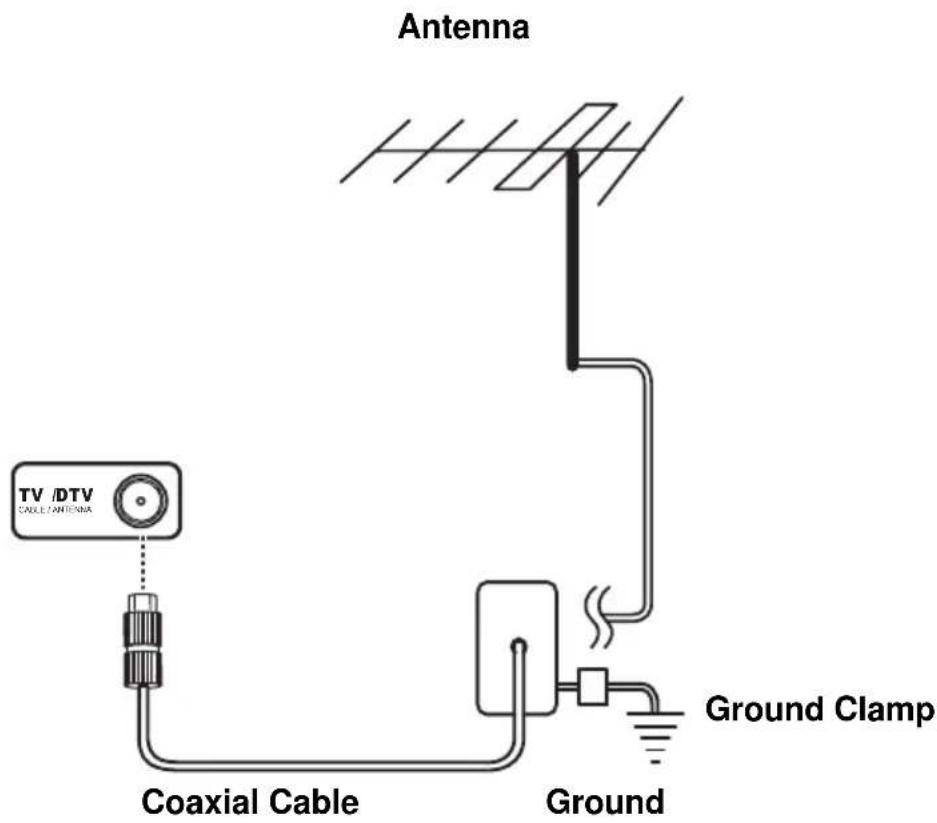
Note:
- Images are for illustration only and may vary by model or region.
- If you cannot receive channels after connecting to an antenna or cable TV line, try scanning for channels.
2.2 Connecting External Devices
Connect external devices such as VCRs, STBs, DVD players, video game consoles, earphones, or a PC to the TV using the appropriate ports on the rear of the TV.
2.2.1 Connecting External Earphones
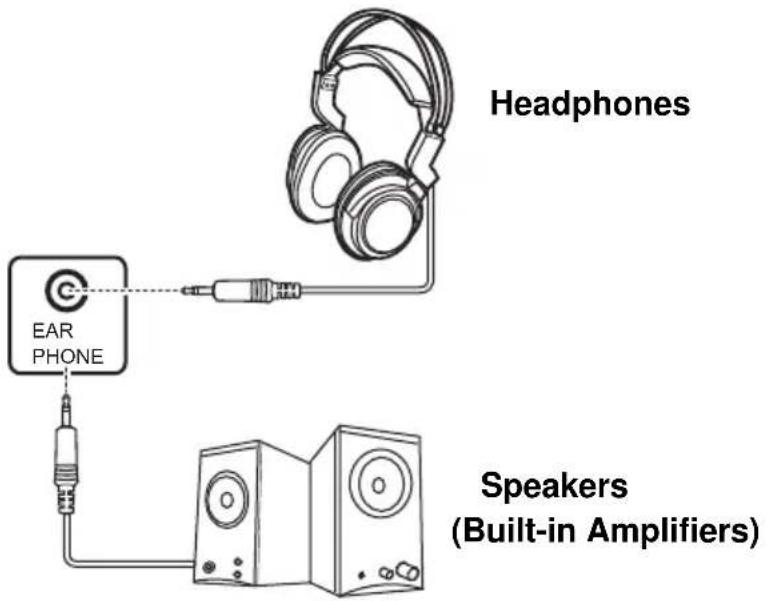
Note:
- External speakers or headphones are not included with the TV.
- The internal TV speakers will not output sound when headphones are plugged in.
- Use external speakers with built-in amplifiers only.
- Only one external device for sound can be connected at a time.
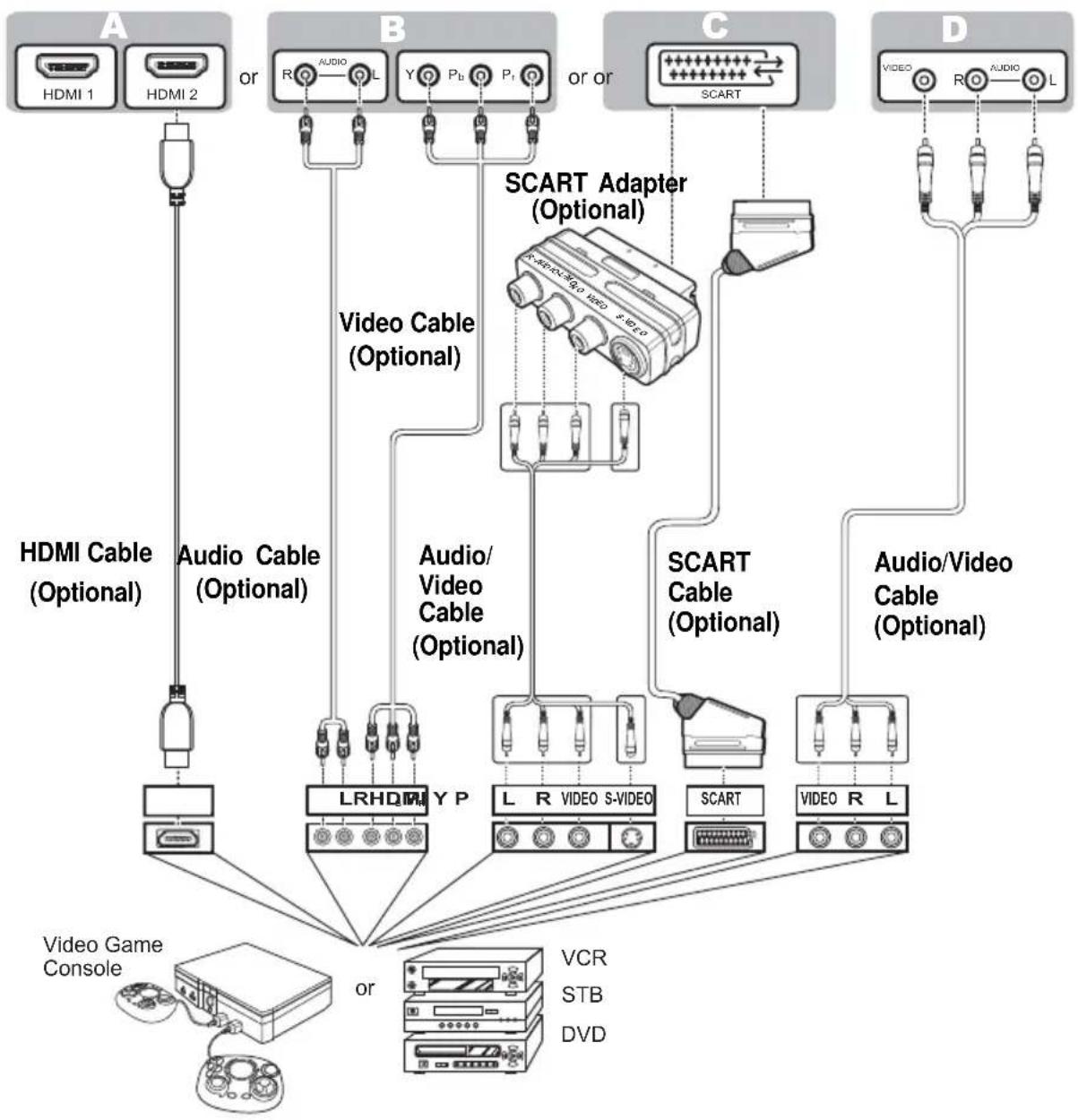
2.2.2 Connecting to AV Devices
The following diagram illustrates how to connect the AV devices to your TV via HDMI (A), Component/AUDIO (B), SCART (C), VIDEO/AUDIO (D) ports.
flowchart
graph TD
    A["HDMI 1"] -->|HDMI Cable (Optional)| B["or"]
    C["HDMI 2"] -->|Audio Cable (Optional)| D["or"]
    E["Video Game Console"] --> F["or"]
    G["SCART Adapter (Optional)"] --> H["or or"]
    I["SCART Cable (Optional)"] --> J["or or"]
    K["SCART Cable (Optional)"] --> L["or or"]
    M["SCART"] --> N["or or"]
    O["SCART"] --> P["or or"]
    Q["SCART"] --> R["or or"]
    S["SCART"] --> T["or or"]
    U["SCART"] --> V["or or"]
    W["SCART"] --> X["or or"]
    Y["SCART"] --> Z["or or"]
    AA["SCART"] --> AB["or or"]
    AC["SCART"] --> AD["or or"]
    AE["SCART"] --> AF["or or"]
    AG["SCART"] --> AH["or or"]
    AI["SCART"] --> AJ["or or"]
    AK["SCART"] --> AL["or or"]
    AM["SCART"] --> AN["or or"]
    AO["SCART"] --> AP["or or"]
    AQ["SCART"] --> AR["or or"]
    AS["SCART"] --> AT["or or"]
    AU["SCART"] --> AV["or or"]
    AW["SCART"] --> AX["or or"]
    AY["HDMI 1"] -->|Audio Cable (Optional)| B
    AZ["HDMI 2"] -->|Audio Cable (Optional)| D
    BA["HDMI 1"] -->|Audio Cable (Optional)| F
    BB["HDMI 2"] -->|Audio Cable (Optional)| D
    BC["HDMI 1"] -->|Audio Cable (Optional)| F
    BD["HDMI 2"] -->|Audio Cable (Optional)| D
    BE["HDMI 1"] -->|Audio Cable (Optional)| F
    BF["HDMI 2"] -->|Audio Cable (Optional)| D
    BG["HDMI 1"] -->|Audio Cable (Optional)| F
    BH["HDMI 2"] -->|Audio Cable (Optional)| D
    BI["HDMI 1"] -->|Audio Cable (Optional)| F
    BJ["HDMI 2"] -->|Audio Cable (Optional)| D
    BK["HDMI 1"] -->|Audio Cable (Optional)| F
    BL["HDMI 2"] -->|Audio Cable (Optional)| D
    BM["HDMI 1"] -->|Audio Cable (Optional)| F
    BN["HDMI 2"] -->|Audio Cable (Optional)| D
    BO["HDMI 1"] -->|Audio Cable (Optional)| F
    BP["HDMI 2"] -->|Audio Cable (Optional)| D
    BQ["HDMI 1"] -->|Audio Cable (Optional)| F
    BR["HDMI 2"] -->|Audio Cable (Optional)| D
    BS["HDMI 1"] -->|Audio Cable (Optional)| F
    BT["HDMI 2"] -->|Audio Cable (Optional)| D
    BU["HDMI 1"] -->|Audio Cable (Optional)| F
    BV["HDMI 2"] -->|Audio Cable (Optional)| D
    BW["HDMI 1"] -->|Audio Cable (Optional)| F
    BX["HDMI 2"] -->|Audio Cable (Optional)| D
    BY["HDMI 1"] -->|Audio Cable (Optional)| F
    CA["HDMI 2"] -->|Audio Cable (Optional)| D
    CB["HDMI 1"] -->|Audio Cable (Optional)| F
    CC["HDMI 2"] -->|Audio Cable (Optional)| D
    DD["HDMI 1"] -->|Audio Cable (Optional)| F
    DJ["HDMI 2"] -->|Audio Cable (Optional)| D
    DK["HDMI 1"] -->|Audio Cable (Optional)| F
    DL["HDMI 2"] -->|Audio Cable (Optional)| D
    DV["HDMI 1"] -->|Audio Cable (Optional)| F
    DW["HDMI 2"] -->|Audio Cable (Optional)| D
    DX["HDMI 1"] -->|Audio Cable (Optional)| F
    DXB["HDMI 2"] -->|Audio Cable (Optional)| D
Note:
The audio ports shown in Component (B) and Video Audio (D) are physically the same ports. Only a set of the audio ports can be selected when connecting AV devices.
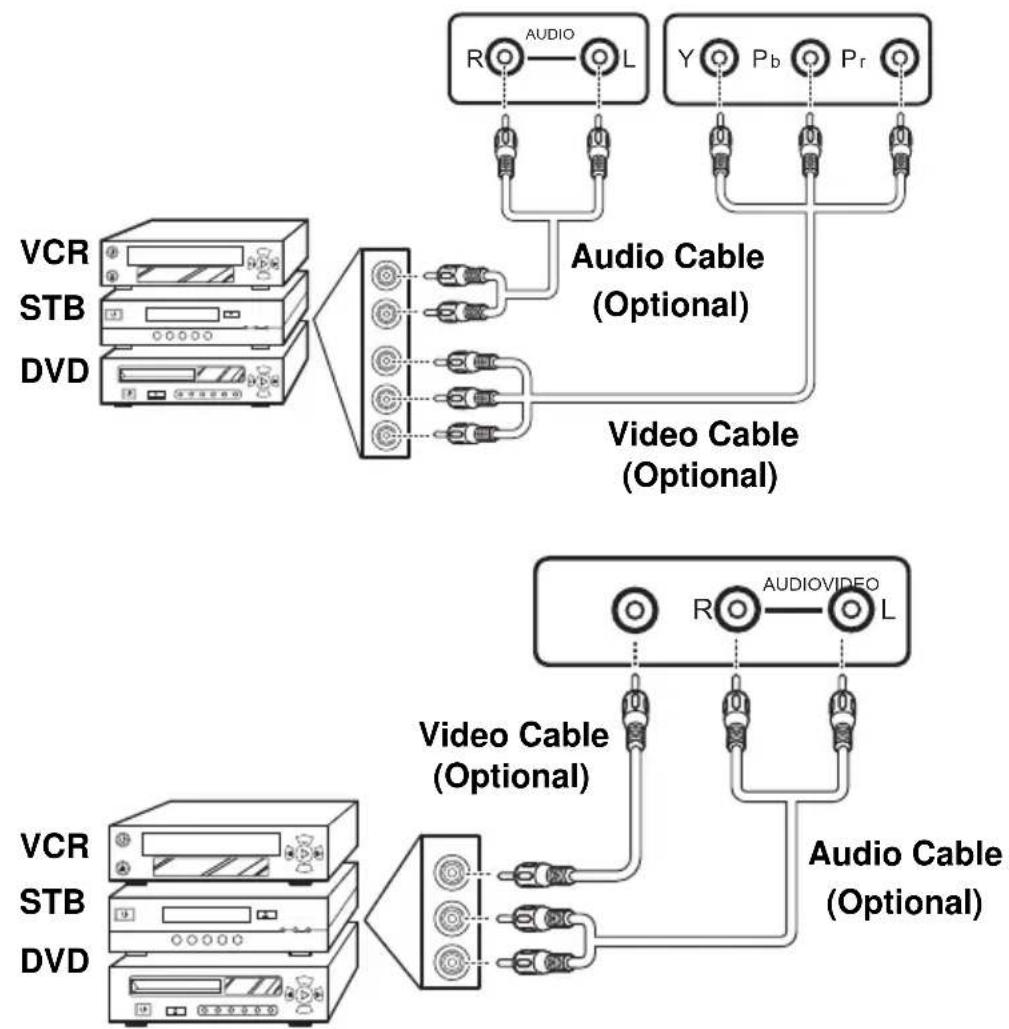
2.2.3 Connecting a VCR/ STB/ DVD Player Using Component Video
Connect the TV to a VCR/ STB/ DVD player using the component video inputs.
2.2.4 Connecting a PC using VGA
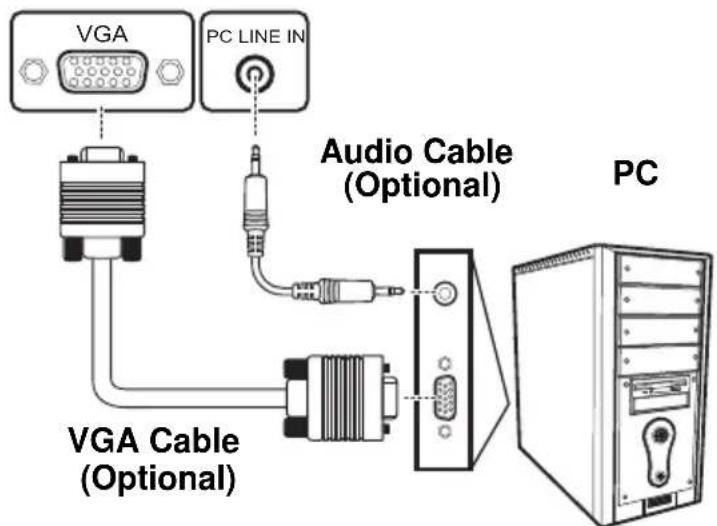
Connect the TV to your PC to use it as the monitor using the VGA port as shown.
1 Connect the VGA port of the TV to the VGA output of the PC.
2 Connect the line out port of the PC to the PC LINE IN port of your TV to listen to audio from the PC.
2.2.5 Connecting a PC using DVI
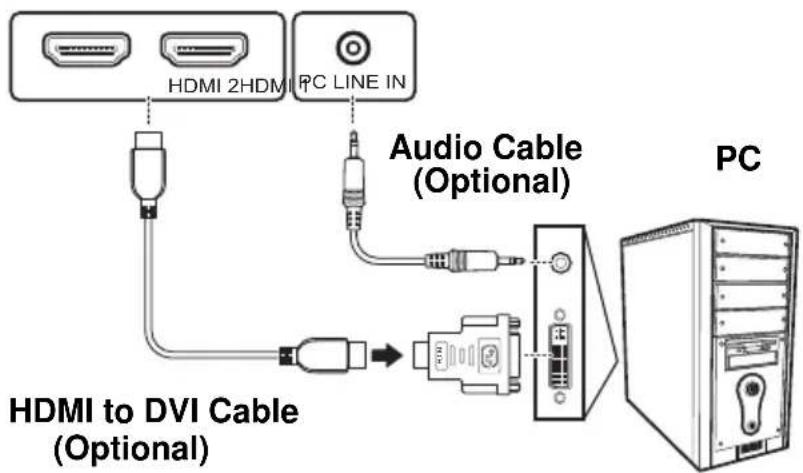
Connect the TV to your PC to use it as the monitor using the DVI port as shown.
1 Connect the HDMI port of the TV to the DVI output of the PC.
2 Connect the line out port of the PC to the PC LINE IN port of your TV to listen to audio from the PC.
flowchart
graph TD
    A["PC"] --> B["Audio Cable (Optional)"]
    B --> C["HDMI to DVI Cable (Optional)"]
    C --> D["PC LINE IN"]
    D --> E["HDMI 2HDMI"]
    E --> F["Output"]
    style A fill:#f9f,stroke:#333
    style B fill:#ccf,stroke:#333
    style C fill:#cfc,stroke:#333
    style D fill:#fcc,stroke:#333
    style E fill:#ffc,stroke:#333
    style F fill:#cff,stroke:#333
2.2.6 Connecting HDMI
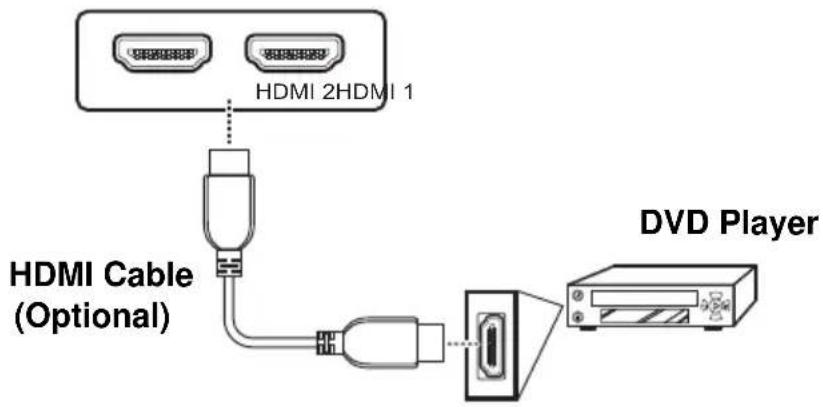
HDMI (High Definition Multimedia Interface) assures that the best video signal is always sent from source to the TV. Refer to the following illustration to connect an HDMI device to the TV.
Note:
When the HDMI cable is connected, connecting the audio cable is not necessary. However, it is necessary to do so if a HDMI to DVI cable is connected.
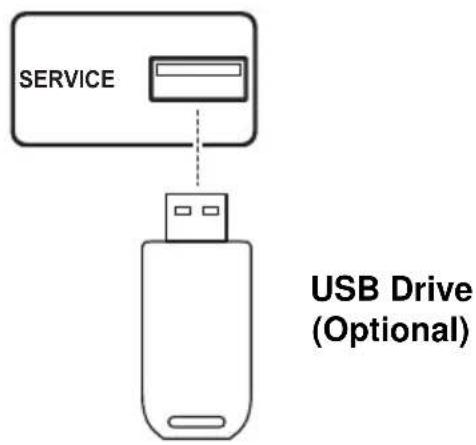
2.2.7 Connecting USB
Service port, for DVT F/W update only.
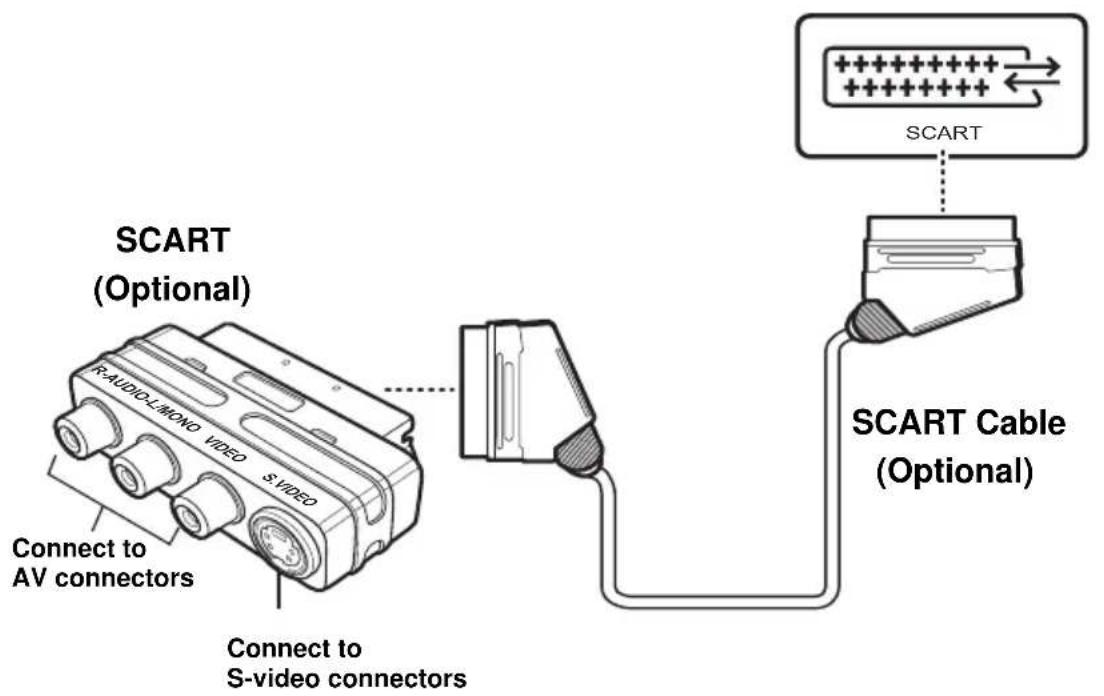
2.2.8 Connecting a VCR/ STB/ DVD Player using SCART
Connect the SCART (optional) to connect a TV, VCR, VCD, DVD player or video game console. You can choose to use a SCART cable or adapter for the connection depending on the ports available on your player.
Note:
- The S-Video connector and AV connectors cannot be connected at the same time, or the wrong signals might be generated.
- The cables are color-coded (black, red, white, and yellow). Connect each color-coded cable to the appropriate connector on your device.
2.3 Using the TV
2.3.1 Turning the TV On and Off
1 Press ⏻ on the control panel or remote control. The power LED indicator on the TV changes from red to green, indicating that the TV is on.
2 Press again. The power LED changes from green to red, indicating that the TV is off.
2.3.2 Switching Source Signals
Press INPUT on the control panel or remote control to select the incoming source signal.
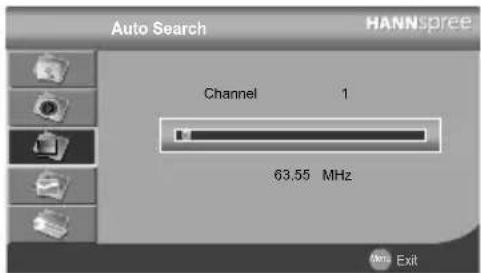
2.3.3 Performing an Automatic Channel Search
Before using the TV to view programs, you need to activate the channel search first.
1 Press MENU on the control panel or remote control, then select to enter the Channel menu.
2 Select Auto Search.
3 Press on the remote control to run the channel search.
2.3.4 Selecting Channels
- Press P▲ on the remote control or control panel to increase the channel number.
- Press P▼ on the remote control or control panel to decrease the channel number.
- Enter the specific channel number by pressing the number buttons on the remote control.
2.3.5 Adjusting the Volume
1 Press VOL+ on the control panel or remote control to increase the volume.
2 Press VOL- on the control panel or remote control to decrease the volume.
3 Press MUTE to eliminate sounds, and press MUTE again or press the volume buttons to restore the original volume.
3 Adjusting On-Screen Display (OSD) Settings
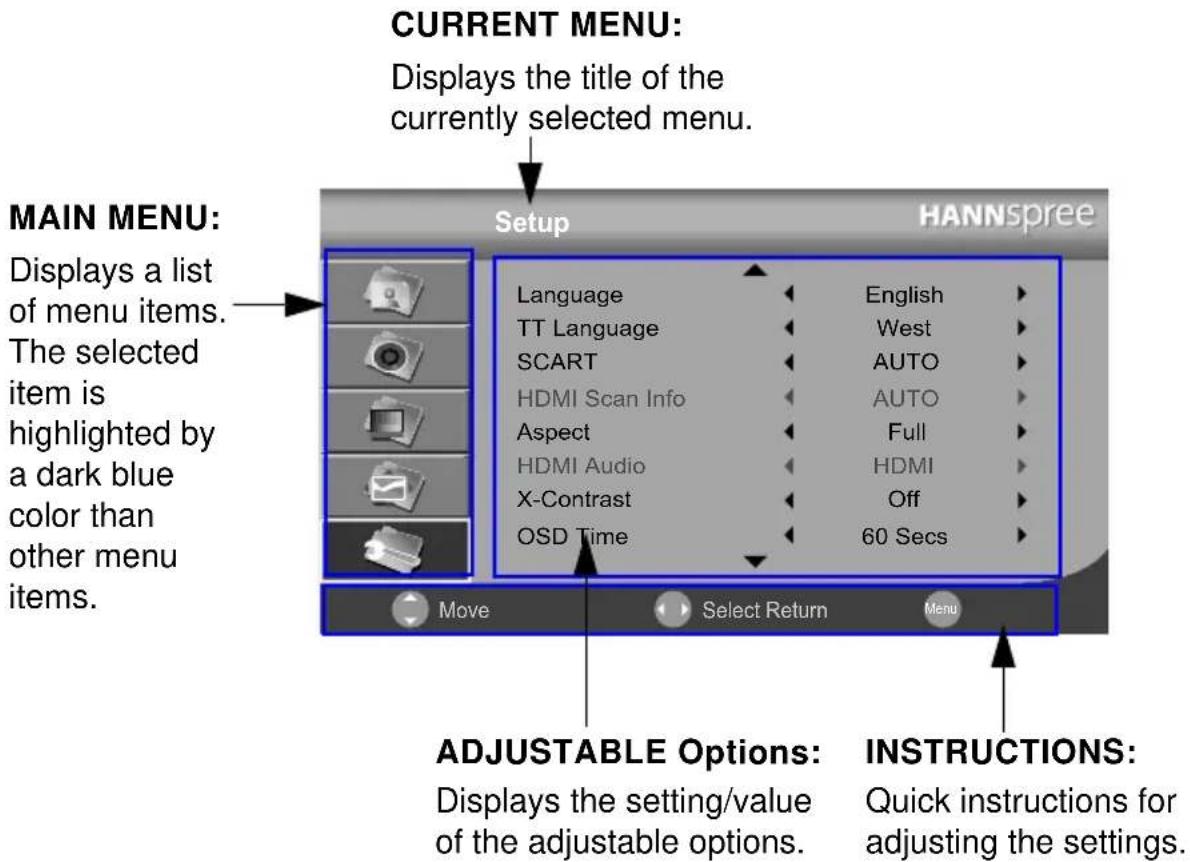
The On-Screen Display (OSD) menu system provides a quick and simple method to adjust the TV settings. The OSD menu can be accessed conveniently through the buttons on the remote control.
Before going into details of each OSD option, you may get acquainted with the placement of the OSD system:.
| Function TV Control Panel Remote Control | ||
| OSD Menu MENU | MENU | |
| Up P▲ | Arrow ^ | |
| Down P▼ | Arrow √ | |
| Select/ Increase | VOL + | Arrow > |
| Select/ Decrease | VOL - | Arrow < |
| Return MENU | MENU | |
3.1 OSD Setting Menus
Follow the instructions indicated on the down side of the OSD Function Menu. Press P▲/P▼on the control panel or ∧ / √ arrow keys to scroll through the menus, VOL + on the control panel or the >arrow key to select an item, or MENU to exit the OSD menu.
The following menus can be set by different adjustment methods.
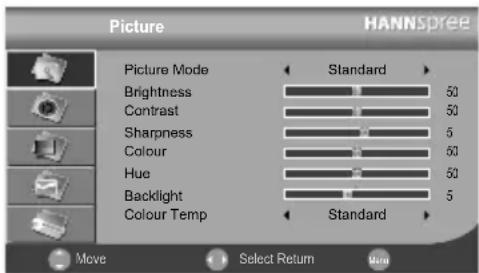
3.2 Adjusting Picture Settings
1 Press MENU to enter the OSD Main Menu screen. The Picture menu is then displayed.
2 Press > to enter the Picture menu.
3 Press ∧ / ∨ to select an item.
4 Press < / > to adjust the scales or options settings.
5 Press MENU to return to the Picture menu.
6 Press MENU to exit the OSD menu.
- The Picture menu can be used to adjust the Picture Mode, Brightness, Contrast, Sharpness, Colour, Hue, Backlight, and Colour Temp settings.
- The Picture Mode can be set to Standard, Vivid, Soft, or User.
- The Brightness, Contrast, Colour, and Hue (NTSC only) can be adjusted by pressing / to move the scales from 0-100.
- The Sharpness can be adjusted by pressing / to move the scales from 0-9.
- The Backlight helps to manually turn down the backlight in dark scenes, generating a deeper black color. Press / to adjust the scales from 1-10.
- The Colour Temp can be set to Standard, Warm, or Cool.
Note: The options available on the OSD may vary depending on the input signal source.
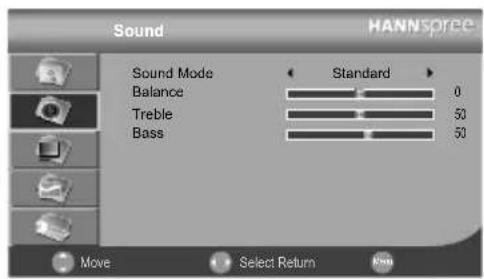
3.3 Adjusting Sound Settings
1 Press MENU to enter the OSD Main Menu screen.
2 Press √ to select the Audio menu.
3 Press > to enter the Audio menu.
4 Press ∧ / ∨ to select an item.
5 Press < / > adjust the scales or options settings.
6 Press MENU to return to the Audio menu.
7 Press MENU to exit the OSD menu the OSD menu.
- The Audio menu can be used to adjust the Sound Mode, Balance, Treble, and Bass settings.
- The Sound Mode can be set to Standard, Music, Movie, Speech, or User.
- The Balance can be adjusted by pressing / to move the scales from -50 to 50.
- The Treble and Bass can be adjusted by pressing < / > to move the scales from 0-100.
Note: The options available on the OSD may vary depending on the input signal source.
3.4 Adjusting Channel Settings
1 Press MENU to enter the OSD Main Menu screen.
2 Press √ to select the Channel menu.
3 Press > to enter the Channel menu.
4 Press ∧ / ∨ to select an item.
5 Press < / > adjust the scales or options settings.
6 Press MENU to return to the Channel menu.
7 Press MENU to exit the OSD menu.
- The Channel menu can be used to adjust the Area, Channel, Colour System, Sound System, Auto Search, Manual Search, Fine Tune, AFC Lock, Channel Edit and Parental Lock settings.
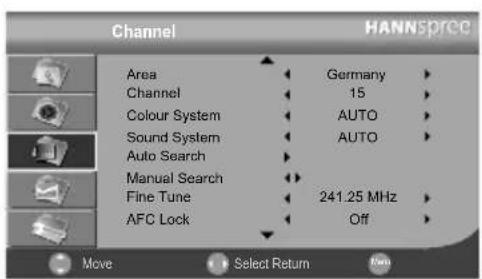
• The Area can be set to Germany, UK, Italy, Spain, Portugal, France, Hungary, Poland, Netherlands, and Other.
- Channel can be used to select channels by pressing < / >.
• The Colour System can be set to AUTO, PAL, and SECAM.
- The Sound System can be set to AUTO, BG, DK, I, L, and L'.
- Select Auto Search to activate the automatic TV channel search. Select Manual Scan to search the TV channels manually.
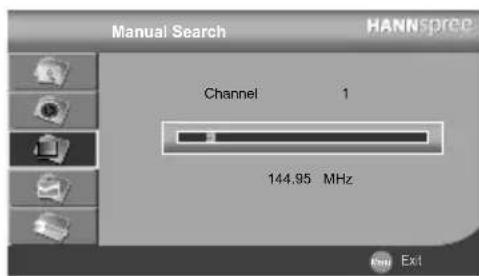
- Press < / > to adjust the channel frequency in Fine Tune.
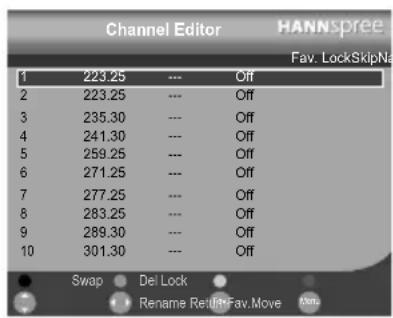
• The AFC Lock can be set to On or Off. - Press > to enter the Channel Edit menu, the Channel Editor allows you to edit the detailed items, including Name, Skip, Fav and Lock for each channel.
- To change the channel name, select the channel and press < / > to open Channel Editor. Input the channel name you prefer using the on screen keys and select Save.
![Channel Editor 0 1 2 3 4 5 6 7 8 9 { } [ ] ~ a b c d e f g h i j < > ( ) ! k l m n o p q r s t | # S % ^ u v w x y z @ ? \ / = + & - Save Caps Del _ : ; ", Move Enter Move Return](/content/2026/06/1184684/images/933f008e0e64813506393b9349a8c9e74f96754eff6a56c26096377549ac5ae8.jpg)
- Press the Red button on the remote control to skip the channels.
- Press the Green button on the remote control to delete the channels.
- Press the Yellow button on the remote control to swap the channels.
- Press the Blue button on the remote control to lock the channels.
- Press the Up / Down button on the remote control to move the channels.
- Press the Left / Right button on the remote control to rename the channels.
- Press the FAV button on the remote control to add favorite channels.
- Press the Menu button on the remote control to exit Channel Editor.
- The Parental Lock allows you to change the password.
- Press the Keypad on the remote control to enter the passwords.
Note: The Channel Settings are only available in TV mode.
3.5 Adjusting DTV Settings
1 Press MENU to enter the OSD Main Menu screen.
2 Press √ to select the DTV menu entry.
3 Press > to enter the DTV menu.
4 Press ∧ / ∨ to select an item.
5 Press < / > to change the scales or options settings.
6 Press MENU to return to the DTV menu entry.
7 Press MENU to exit the OSD menu.
- The DTV menu can be used to adjust the Channel Management, Area, Auto Search, Manual Search, Preferred Audio, Preferred Subtitle, Parental Lock, Subtitle Type, Time, CI and Parental Rating.
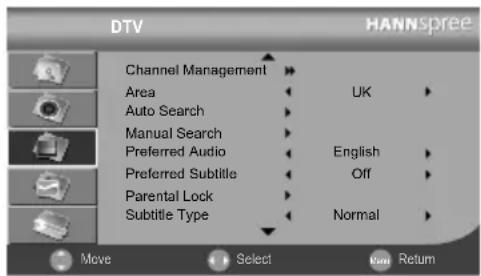
- The Channel Management selections include Channel Organizer, Channel Sorting, Channel Grouping, and Delete All TV Channels.
- The Area can be set to Germany, UK, Italy, Spain, Portugal, France, Hungary, Poland, Netherlands and Other.
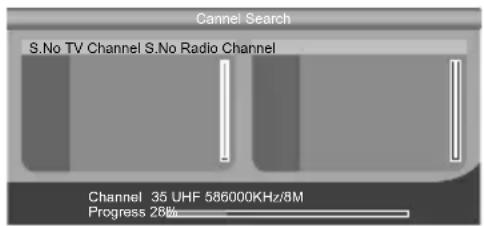
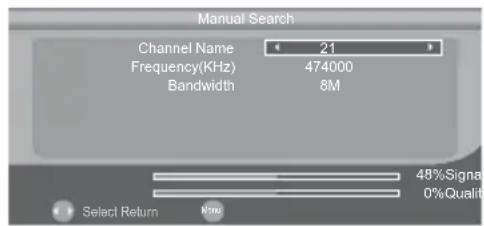
- Select Auto Search to activate the automatic TV channel search. Select Manual Scan to search the TV channels manually.
- Preferred Audio can be set to English, France, Germany, Italy, Spain, Portugal, Denmark, and Czech.
- Preferred Subtitle can be set to Off, English, France, Germany, Italy, Spain, Portugal, Denmark, and Czech.
- The Channel Organizer supports channel swap function. To select one channel that you prefer to exchange, press the Yellow button on the remote control, then press the numeric button on the remote control to input the channel that you want to exchange with, press the OK button on the remote control to complete.
- The Parental Lock allows you to change the password.
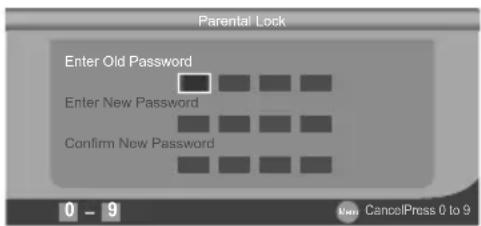
Note: The original password is set to 0000 by default.
- The Subtitle Type can be set to Normal or Hearing Impaired.
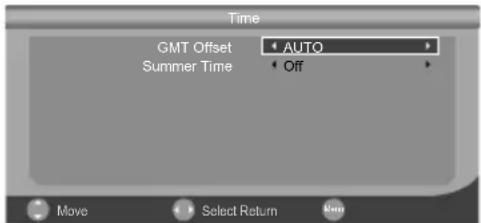
- The Time selection includes GMT Offset and Summer Time.
- Press < / > to adjust the GMT Offset to AUTO, Germany, UK, Italy, France, Spain, Netherlands, Taiwan, China, Norway, Sweden, Finland, Greece, Australia, Russia, Ireland, Denmark, Portugal, Turkey, or Poland.
- Press < / > to adjust Summer Time to On or Off.
- Select CI to access the Common Interface.
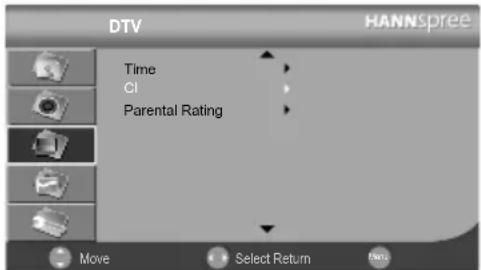
- Press to enter the Common Interface menu.
- The Parental Rating allows you to select Parental Rating.
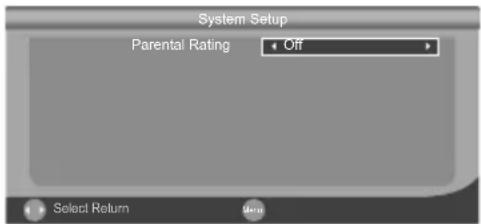
- Press the Keypad on the remote control to enter the passwords.
- Press < / > to adjust the Parental Rating from 4 to 18 or Off.
3.6 Adjusting PC Settings
1 Press INPUT and select PC as the signal type.
2 Press MENU to enter the OSD Main Menu screen.
3 Press √ to select the PC menu.
4 Press > to enter the PC menu.
5 Press ∧ / ∨ to select an item.
6 Press < / > adjust the scales or options settings.
7 Press MENU to return to the PC menu.
8 Press MENU to exit the OSD menu the OSD menu.
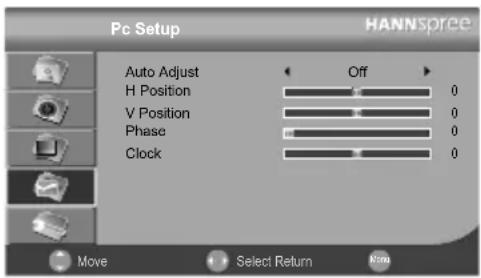
- The PC menu can be used to adjust the Auto Adjust, H Position, V Position, Phase and Clock settings.
- The Auto Adjust can be set to On or Off.
- The H Position and V Position can be adjusted by pressing / to move the scales from -16 to 16.
- The Clock can be adjusted by pressing / to move the scales from -50 to 50.
- Phase can be adjusted by pressing / to move the scales from 0 to 31.
3.7 Adjusting Setup Settings
1 Press MENU to enter the OSD Main Menu screen.
2 Press √ to select the Setting menu entry.
3 Press > to enter the Setting menu.
4 Press ∧ / ∨ to select an item.
5 Press / to change the scales or options settings.
6 Press MENU to return to the Setting menu entry.
7 Press MENU to exit the OSD menu.
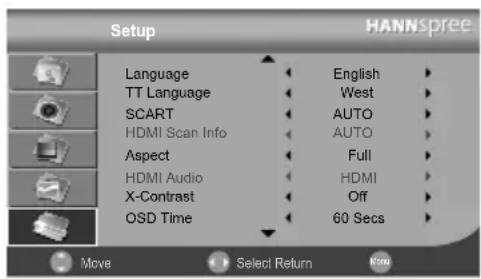
- The Setting menu can be used to adjust the Language, TT Language, SCART, HDMI Scan Info, Aspect, HDMI Audio, X-Contrast, OSD Time, Reset, Background and Initail Setup.
- The available Language selections are English, Italiano, Español, Português, Français, Deutsch, Magyar, Polski, and Nederlands.
- The available TT Language selections are West, East, Hungary, Arabic, and Farsi.
- The SCART selections include AUTO, CVBS, RGB, and S-VIDEO.
- The available selections in HDMI Scan Info are AUTO, Overscan, Underscan. (Available only when signals are provided via a HDMI connection)
- The available Aspect selections include AUTO, Full, Normal, Panorama, Zoom, Subtitle and Wide.
- The available HDMI Audio selections include HDMI and Analog In. (Available only when signals are provided via a HDMI connection)
- The X-Contrast can be set to On or Off.
- OSD Time can be set to 10 Secs, 20 Secs, 30 Secs, and 60 Secs.
- Select Reset Setting to reset settings to the defaults.
- Background can be set to Blue or Off.
- Select Initial Setup to do Channel auto search.
- The Aspect mode selections include Auto, Full, Wide, Normal, Subtitle, Zoom, and Panorama. The following pictures are settings for HDMI/1080P, please see below for details.
| Type 4:3 16:9 | ||
| Content | 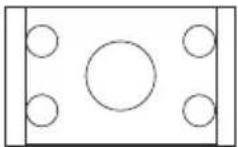 | 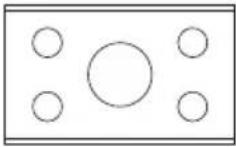 |
| AUTO | 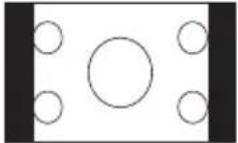 | 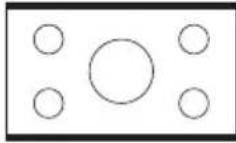 |
| Full | 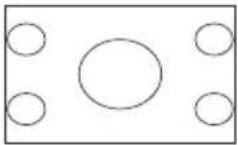 | 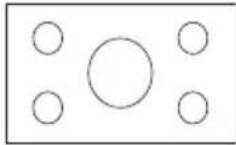 |
| Wide | 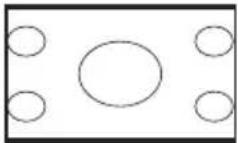 | 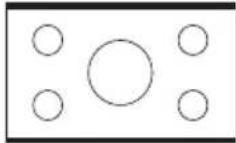 |
| Nomal | 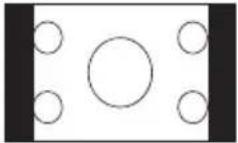 | 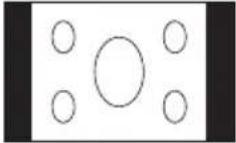 |
| Subtitle | 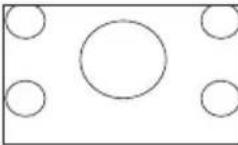 | 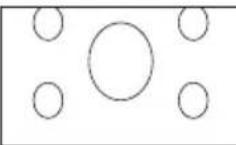 |
| Zoom | 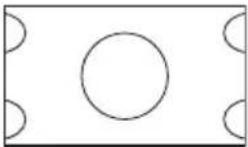 | 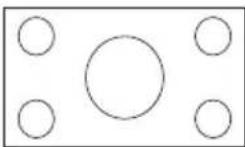 |
| Panorama | 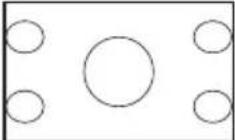 | 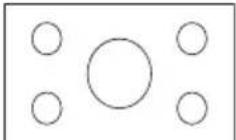 |
Note: The options available on the OSD may vary depending on the input signal source.
Troubleshooting
Situation Solution
| No picture and sound. | Connect the power cord properly.Check if the power LED is on or not.Press on the control panel or remote control.Press Input to cycle through connected video sources.P r P▲ or P▼sto switch to other TV programs.Make sure all cables are connected properly. |
| No picture, or poor picture, sound is OK. | Check the antenna and cable connections.Adjust the brightness in thePicture OSD menu. |
| Picture is not in color. | Adjust thecolouroption in thePicture OSD menu. |
| Picture is OK, no sound. | Make sure the source device is functioning properly.Make sure the audio cable is connected securely.Turn the mute off.P r e s s VOL + on the control panel or remote contro |
| One of the speakers has no sound. | Adjust thebalancein theAudio OSD menu. |
| Cannot receive some TV channels using cable TV. | Try theAuto Searchfunction in theChannel or DTV OSD menu. |
| Want to reset TV settings. | Use theResetfunction in theSetup OSD menu. |
| Cannot operate menus. | If OSD items are colored in gray, the system is in a state such that those settings are not available. |
| Screen image turns over. • Make sure the video signal cable is connected properly. | |
| Snow appears on the screen. | Adjust the location of the antenna, placing it far from roads or sources of interference.Check the antenna and the video signal line connections. |
| Blurred or overlapped images. | Adjust the sharpness setting.Choose programs with high quality signals.Adjust the direction of the antenna or replace the video signal cable. |
| Remote control doesn't work. | Make sure the battery is inserted correctly.Replace the battery with a new one.Make sure the TV power cord is plugged in.Make sure the path between the remote control and the sensor is clear.Try operating the remote control at a closer distance to the TV. |
PC Mode Support Timing
| Mode Resolution | on(active dot) | Horizontal Frequency (KHz) | Vertical Frequency (Hz) | Nominal Pixel Clock (MHz) | PC (VGA) DVI to HDMI | |
| VGA | 640x480@60Hz | 31.469 59.94 | 25.175 V V | |||
| SVGA 800x600 | @60Hz 37.879 60.31 | 40 V V | ||||
| XGA 1024x768 | @60Hz 48.363 60.004 | 65 V V | ||||
| VESA 1280x720 | @60Hz 44.955 59.94 | 74.176 V V | ||||
| VESA 1280x960 | @60Hz 60 | 60 | 108 V V | |||
| SXGA 1280x1024 | @60Hz 63.981 60.02 | 108 V V | ||||
| WXGA+ | 1440x900@60Hz 55.935 | 59.887 106.5 | V V | |||
| VESA | 1920x1080@60Hz Reduced Blanking | 66.587 59.934 | 138.5 V V | |||
| WUXGA | 1920x1200@60Hz 74.083 | 60 | 154 | V | ||
(To achieve the best performance in the PC Mode (1920x1200) connect the HDMI cable to the PC)
Video Mode Support Timing
| Resolution(active dot) | HDMI | HDTV (Component) |
| 640x480p@60Hz | V | |
| 720x480l@60Hz | V | V |
| 720x480p@60Hz | V | V |
| 720x576l@50Hz | V | V |
| 720x576p@50Hz | V | V |
| 1280x720p@60Hz | V | V |
| 1280x720p@50Hz | V | V |
| 1920x1080i@50Hz | V | V |
| 1920x1080i@60Hz | V | V |
| 1920x1080P@24HZ | V | V |
| 1920x1080P@25HZ | V | V |
| 1920x1080P@30HZ | V | V |
| 1920x1080P@50Hz | V | V |
| 1920x1080P@60Hz | V | V |
| Screen Size 70 cm / 27.5" | |
| LCD Panel 1920x1200 | |
| Input Function RF In | |
| SCART | |
| AV | |
| Component | |
| Component Audio RCA in | |
| HDMI x 2 | |
| VGA | |
| VGA PC Line in | |
| CI support 5V | |
| Output Function Earphone | Out |
| Speaker 10W+10W | |
| SCART Out | |
| Feature Full HD | |
| HD Ready | |
| 3D Combo Filter | |
| 3D De Interlacer | |
| Noise Reduction | |
| 3:2/2:2 Pull down | |
| X-Contrast (10000:1) | |
| 24p input | |
7
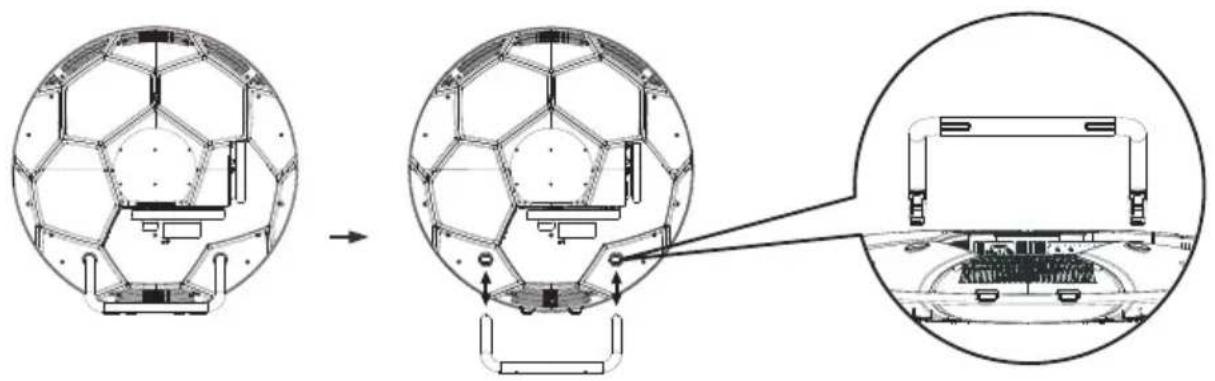
Dissembling the stand base
1 Disconnect all the cables and cords from the TV to prevent breakage.
2 Carefully place the TV face down on a soft and flat surface (blanket, foam, cloth, etc) to prevent any damage to the TV.
3 Press the stand lock on both sides, remove the stand.
natural_image
Diagram showing a spherical container with hexagonal internal structure before and after assembly, then with a close-up view of internal components (no text or symbols)( For reference only )
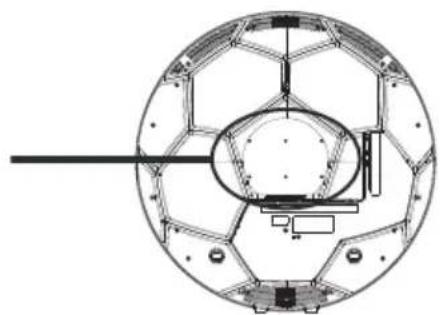
Wall mounting the TV:
1 Purchase a VESA compatible wall bracket: VESA 100 X 200, 6 holes, M4, 14mm, 20 kg.
2 Locate your ideal TV position on the wall.
3 Fix the wall bracket firmly on the wall.
4 Secure the TV to the bracket using the 6 mount holes on the back and center of the TV.
natural_image
Technical diagram of a circular mechanical or architectural component with internal structural elements (no text or symbols)Note:
- Please read the instructions of your specific wall bracket to properly wall mount the TV.
- The pitch of the mounting holes is 100mm horizontally and 100mm vertically.
• The screws type required is metric: M4, 14 mm length. - The 28" TV stand base can be screwed on a table or a hard surface using the hole on the back of the stand base.
- The leaves are meant as designs only, please do not remove.
*Installing the LCD TV requires special skill that should only be performed by qualified service personnel. Customers should not attempt to do the work themselves. Hannspree bears no responsibility for improper mounting or mounting that results in accident or injury. You can ask a qualified service personnel about using an optional bracket to mount the TV to the wall.