
PANDORA26OUT TE - Air conditioner GORENJE - Free user manual and instructions
Find the device manual for free PANDORA26OUT TE GORENJE in PDF.


| Product Type | Air Conditioner Outdoor Unit |
| Model | PANDORA26OUT TE |
| Brand | Gorenje |
| Cooling Capacity | 2.6 kW |
| Refrigerant | R32 (GWP 675) |
| Power Supply | Single phase, 230 V / 50 Hz |
| Rated Current (max) | 15 A (fuse rating T15A 250VAC) |
| Dimensions (approx.) | 800 x 540 x 290 mm |
| Weight (approx.) | 35 kg |
| Max. Pipe Length | 15 m |
| Max. Elevation Difference | 5 m |
| Additional Refrigerant per Meter | 20 g/m (for pipe length >5 m) |
| Operating Modes | Cooling and heating (with compatible indoor unit) |
| Power Connection Cable | H07RN-F 3 x 1.0 mm² |
| Indoor Unit Fuse | T3.15A 250VAC |
| Outdoor Unit Fuse | T15A 250VAC |
| Safety Features | Grounding required; RCD recommended (≤30 mA); flammable refrigerant precautions |
| Installation | Must be performed by authorized personnel per national wiring regulations |
| Maintenance | Regular cleaning of coils; check condensate drain; do not use water near electrical parts |
| Environmental Compliance | WEEE directive 2012/19/EC; recyclable materials |
Frequently Asked Questions - PANDORA26OUT TE GORENJE
- Disconnect all power supplies before servicing.
- Do not use means to accelerate defrosting or cleaning other than recommended.
- Keep ventilation openings clear.
- Store the unit in a room without continuous ignition sources.
- Use a residual current device (RCD) with rated residual current ≤30 mA if leakage current exceeds 10 mA.
1. Remove caps from 2-way and 3-way valves.
2. Connect vacuum pump hose to service valve.
3. Run pump for 10-15 minutes until vacuum reaches 10 mm Hg absolute.
4. Close low-pressure knob, stop pump.
5. Open 2-way valve 1/4 turn for 10 seconds, then close.
6. Check for leaks with soap solution.
7. Fully open both valves.
8. Replace and tighten all caps.
User questions about PANDORA26OUT TE GORENJE
0 question about this device. Answer the ones you know or ask your own.
Ask a new question about this device
Download the instructions for your Air conditioner in PDF format for free! Find your manual PANDORA26OUT TE - GORENJE and take your electronic device back in hand. On this page are published all the documents necessary for the use of your device. PANDORA26OUT TE by GORENJE.
USER MANUAL PANDORA26OUT TE GORENJE
USERS AND INSTALLATION MANUAL – OUTDOOR UNIT R32
NAVODILA ZA UPORABO IN NAMESTITEV - ZUNANJA ENOTA R32
UPUTSTVO ZA UPOTREBU I POSTAVLJANJE – SPOLJAŠNJA JEDINICA R32
UPUTSTVO ZA UPOTREBU I POSTAVLJANJE – SPOLJAŠNJA JEDINICA R32
UPUTSTVO ZA UPOTREBU I POSTAVLJANJE – SPOLJAŠNJA JEDINICA R32
Thank you very much for purchasing this Air Conditioner. Please read this use and installation instructions carefully before installing and using this appliance and keep this manual for future reference.
USERS AND INSTALLATION MANUAL R32 – OUTDOOR UNIT
Thank you very much for purchasing this Air Conditioner. Please read this use and installation instructions carefully before installing and using this appliance and keep this manual for future reference.
Contents
Safety instructions 1
Preparation before use 2
Safety Precautions 3
Installation instruction 12
Installation diagram 12
Select the installation locations 13
Connecting of the cable 14
Wiring diagram....15
Outdoor unit installation 16
Air purging 16

Caution: Risk of fire/flammable materials
WARNING: Servicing shall only be performed as recommended by the equipment manufacturer. Maintenance and repair requiring the assistance of other skilled personnel shall be carried out under the supervision of the person competent in the use of flammable refrigerants.
Safety instructions
- To guarantee the unit work normally, please read the manual carefully before installation, and try to install strictly according to this manual.
- Do not let air enter the refrigeration system or discharge refrigerant when moving the air conditioner.
- Properly ground the air conditioner into the earth.
- Check the connecting cables and pipes carefully, make sure they are correct and firm before connecting the power of the air conditioner.
- There must be an air-break switch.
- After installing, the consumer must operate the air conditioner correctly according to this manual, keep a suitable storage for maintenance and moving of the air conditioner in the future.
- Fuse of indoor unit: T 3.15A 250VAC.
- For 2,6kW\~3,5kW models, fuse of outdoor unit: T 15A 250VAC.
- For 5,3kW models, fuse of outdoor unit: T 20A 250VAC
- The installation instructions for appliances that are intended to be permanently connected to fixed wiring and have a leakage current that may exceed 10 mA, shall state that the installation of a residual current device (RCD) having a rated residual operating current not exceeding 30 mA is advisable.
- Warning: Risk of electric shock can cause injury or death: Disconnect all remote electric power supplies before servicing.
- The maximum length of the connecting pipe between the indoor unit and outdoor unit should be less than 5 meters. It will affect the efficiency of the air conditioner if the distance longer than that length.
- This appliance can be used by children aged from 8 years and above and persons with reduced physical, sensory or mental capabilities or lack of experience and knowledge if they have been given supervision or instruction concerning use of the appliance in a safe way and understand the hazards involved. Children shall not play with the appliance. Cleaning and user maintenance shall not be made by children without supervision.
- The batteries in remote controller must be recycled or disposed of properly. Disposal of Scrap Batteries --- Please discard the batteries as sorted municipal waste at the accessible collection point.
- If the appliance is fixed wiring, the appliance must be fitted with means for disconnection from the supply mains having a contact separation in all poles that provide full disconnection under over voltage category III conditions, and these means must be incorporated in the fixed wiring in accordance with the wiring rules. If the supply cord is damaged, it must be replaced by the manufacturer, its service agent or similarly qualified persons to avoid a hazard.
- The appliance shall be installed in accordance with national wiring regulations. Servicing shall only be performed as recommended by the equipment manufacturer. Maintenance
and repair requiring the assistance of other skilled personnel shall be carried out under the
• supervision of the person competent in the use of flammable refrigerants.
The appliance shall not be installed in the laundry.
Preparation before use
Note
- For the multi system, the refrigerant refers to the multi outdoor unit.
- When charging refrigerant into the system, make sure to charge in liquid state, if the refrigerant of the appliance is R32. Otherwise, chemical composition of refrigerant (R32) inside the system may change and thus affect performance of the air conditioner.
- According to the character of refrigerant (R32, the value of GWP is 675), the pressure of the tube is very high, so be sure to be careful when you install and repair the appliance.
- If the supply cord is damaged, it must be replaced by the manufacturer, its service agent or similarly qualified persons to avoid a hazard.
- Installation of this product must be done by experienced service technicians' professional installers only in accordance with this manual.
- The temperature of refrigerant circuit will be high, please keep the interconnection cable away from the copper tube.
Preset
Before using the air conditioner, be sure to check and preset the following.
- Remote Control presetting
Each time after the remote control is replaced with new batteries or is energized, remote control auto presetting heat pump. If the air conditioner you purchased is a Cooling Only one, heat pump remote controller can also be used.
- Back-light function of Remote Control(optional)
Hold down any button on remote control to activate the back light. It automatically shuts off 10 seconds later.
Note: Back-light is an optional function.
• Auto Restart Presetting
The air conditioner has an Auto-Restart function.
Safeguarding the environment
This appliance is made of recyclable or re-usable material. Scrapping must be carried out in compliance with local waste disposal regulations. Before scrapping it, make sure to cut off the mains cord so that the appliance cannot be re-used.
For more detailed information on handling and recycling this product, contact your local authorities who deal with the separate collection of rubbish or the shop where you bought the appliance.
SCRAPPING OF APPLIANCE
This appliance is marked according to the European Directive 2012/19/EC, Waste Electrical and Electronic Equipment (WEEE).
This marking indicates that this product should not be disposed with other household wastes throughout the EU. To prevent possible harm to the environment or human health from uncontrolled waste disposal, recycle it responsibly to promote the sustainable reuse of material resources. To return your used device, please use the return and collection systems or contact the retailer where the product was purchased. They can take this product for environmentally safe recycling.


Safety precautions
Symbols in this Use and Care Manual are interpreted as shown below.

Be sure not to do.

Pay attention to such a situation.

Grounding is essential.

Warning: Incorrect handling could cause a serious hazard, such as death, serious injury, etc.

Use correct power supply in accordance with the rating plate requirement. Otherwise, serious faults or hazard may occur, or a fire maybe break out.


Keep the power supply circuit breaker or plug from dirt. Connect the power supply cord to it firmly and correctly, lest an electric shock or a fire break out due to insufficient contact.


Do not use the power supply circuit breaker or pull off the plug to turn it off during operation. This may cause a fire due to spark, etc.
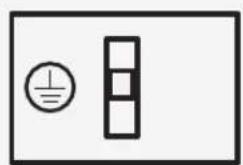

It is the user's responsibility to make the appliance be grounded according to local codes or ordinances by a licenced technician.

It is harmful to your health if the cool air reaches you for a long time. It is advisable to let the air flow be deflected to all the room.


Prevent the air flow from reaching the gas burners and stove.

Do not touch the operation buttons when your hands are wet.
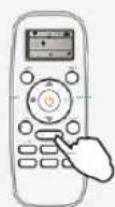

Turn off the appliance by remote control firstly before cutting off power supply if malfunction occurs.
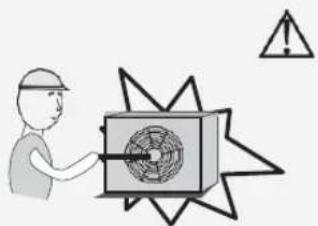
Never insert a stick or similar obstacle to the unit. Since the fan rotates at high speed, this may cause an injury.


Do not repair the appliance by yourself. If this is done incorrectly, it may cause an electric shock, etc.

Do not put any objects on the outdoor unit.
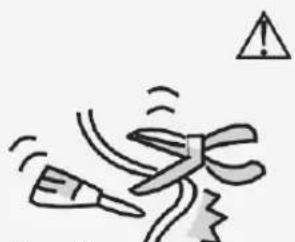
Do not knit, pull or press the power supply cord, lest the power supply cord be broken. An electric shock or fire is probably caused by a broken power supply cord.
Precautions for using R32 refrigerant
The basic installation work procedures are the same as the conventional refrigerant (R410A). However, pay attention to the following points:

CAUTION
- Transport of equipment containing flammable refrigerants
Compliance with the transport regulations
- Marking of equipment using signs
Compliance with local regulations
- Disposal of equipment using flammable refrigerants
Compliance with national regulations
- Storage of equipment/appliances
The storage of equipment should be in accordance with the manufacturer's instructions.
-
Storage of packed (unsold) equipment
-
Storage package protection should be constructed such that mechanical damage to the equipment inside the package will not cause a leak of the refrigerant charge.
-
The maximum number of pieces of equipment permitted to be stored together will be determined by local regulations.
-
Information on servicing
6-1 Checks to the area
Prior to beginning work on systems containing flammable refrigerants, safety checks are necessary to ensure that the risk of ignition is minimized. For repair to the refrigerating system, the following precautions shall be complied with prior to conducting work on the system.
6-2 Work procedure
Work shall be undertaken under a controlled procedure to minimize the risk of flammable gas or vapor being present while the work is being performed.
6-3 General work area
- All maintenance staff and others working in the local area shall be instructed on the nature of work being carried out. Work in confined spaces shall be avoided. The area around the workspace shall be sectioned off. Ensure that the
- conditions within the area have been made safe by control of flammable material.
6-4 Checking for presence of refrigerant
- The area shall be checked with an appropriate refrigerant detector prior to and during work, to ensure the technician is aware of potentially flammable atmospheres. Ensure that the leak detection equipment being used is suitable for use with
- flammable refrigerants, i.e. non-sparking, adequately sealed or intrinsically safe.

CAUTION
6-5 Presence of fire extinguisher
- If any hot work is to be conducted on the refrigeration equipment or any associated parts, appropriate fire extinguishing equipment shall be available to hand.
- Have a dry powder or CO2 fire extinguisher adjacent to the charging area.
6-6 No ignition sources
- No person carrying out work in relation to a refrigeration system which involves exposing any pipe work that contains or has contained flammable refrigerant shall use any sources of ignition in such a manner that it may lead to the risk of fire or explosion.
- All possible ignition sources, including cigarette smoking, should be kept sufficiently far away from the site of installation, repairing, removing and disposal, during which flammable refrigerant can possibly be released to the surrounding space.
- Prior to work taking place, the area around the equipment is to be surveyed to make sure that there are no flammable hazards or ignition risks. “No Smoking” signs shall be displayed.
6-7 Ventilated area
- Ensure that the area is in the open or that it is adequately ventilated before breaking into the system or conducting any hot work.
- A degree of ventilation shall continue during the period that the work is carried out.
- The ventilation should safely disperse any released refrigerant and preferably expel it externally into the atmosphere.
6-8 Checks to the refrigeration equipment
- Where electrical components are being changed, they shall be fit for the purpose and to the correct specification.
- At all times the manufacturer's maintenance and service guidelines shall be followed. If in doubt consult the manufacturer's technical department for assistance.
- The following checks shall be applied to installations using flammable refrigerants:
- The charge size is in accordance with the room size within which the refrigerant containing parts are installed;
- The ventilation machinery and outlets are operating adequately and are not obstructed;
- If an indirect refrigerating circuit is being used, the secondary circuit shall be checked for the presence of refrigerant;
- Marking to the equipment continues to be visible and legible. Markings and signs that are illegible shall be corrected;
- Refrigeration pipe or components are installed in a position where they are unlikely to be exposed to any substance which may corrode refrigerant containing components, unless the components are constructed of materials

CAUTION
which are inherently resistant to being corroded or are suitably protected against being so corroded.
6-9 Checks to electrical devices
- Repair and maintenance to electrical components shall include initial safety checks and component inspection procedures.
- If a fault exists that could compromise safety, then no electrical supply shall be connected to the circuit until it is satisfactorily dealt with.
- If the fault cannot be corrected immediately but it is necessary to continue operation, an adequate temporary solution shall be used.
- This shall be reported to the owner of the equipment, so all parties are advised. Initial
• safety checks shall include: - That capacitors are discharged: this shall be done in a safe manner to avoid possibility of sparking;
- That there no live electrical components and wiring are exposed while charging, recovering or purging the system;
– That there is continuity of earth bonding.
7. Repairs to sealed components
- During repairs to sealed components, all electrical supplies shall be disconnected from the equipment being worked upon prior to any removal of sealed covers, etc. If it is necessary to have an electrical supply to equipment during servicing,
- then a permanently operating form of leak detection shall be located at the most critical point to warn of a potentially hazardous situation.
Attention shall be paid to the following to ensure that by working on electrical - components, the casing is not altered in such a way that the level of protection is affected.
This shall include damage to cables, excessive number of connections, terminals - not made to original specification, damage to seals, incorrect fitting of glands, etc. Ensure that apparatus is mounted securely.
Ensure that seals or sealing materials have not degraded such that they no longer serve the purpose of preventing the ingress of flammable atmospheres.
Replacement parts shall be in accordance with the manufacturer's specifications.
NOTE: - The use of silicon sealant may inhibit the effectiveness of some types of leak detection equipment. Intrinsically safe components do not have to be isolated prior to working on them.
8. Repair to intrinsically safe components
Do not apply any permanent inductive or capacitance loads to the circuit without ensuring that this will not exceed the permissible voltage and current permitted for the equipment in use.
Intrinsically safe components are the only types that can be worked on while

CAUTION
live in the presence of a flammable atmosphere. The test apparatus shall be at the correct rating.
- Replace components only with parts specified by the manufacturer.
- Other parts may result in the ignition of refrigerant in the atmosphere from a leak.
9. Cabling
Check that cabling will not be subject to wear, corrosion, excessive pressure,
• vibration, sharp edges or any other adverse environmental effects.
The check shall also consider the effects of aging or continual vibration
• from sources such as compressors or fans.
10. Detection of flammable refrigerants
Under no circumstances shall potential sources of ignition be used in the
- searching for or detection of refrigerant leaks.
A halide torch (or any other detector using a naked flame) shall not be used.
14. Leak detection methods
The following leak detection methods are deemed acceptable for systems
• containing flammable refrigerants:
- Electronic leak detectors shall be used to detect flammable refrigerants, but the sensitivity may not be adequate, or may need re-calibration. (Detection equipment shall be calibrated in a refrigerant-free area.)
- Ensure that the detector is not a potential source of ignition and is suitable for the refrigerant used.
- Leak detection equipment shall be set at a percentage of the LFL of the refrigerant and shall be calibrated to the refrigerant employed and the appropriate percentage of gas (25 % maximum) is confirmed.
- Leak detection fluids are suitable for use with most refrigerants but the use of detergents containing chlorine shall be avoided as the chlorine may react with the refrigerant and corrode the copper pipe-work.
- If a leak is suspected, all naked flames shall be removed/ extinguished.
- If a leakage of refrigerant is found which requires brazing, all the refrigerant shall be recovered from the system, or isolated (by means of shut off valves) in a part of the system remote from the leak.
- Oxygen free nitrogen (OFN) shall then be purged through the system both before and during the brazing process.
12. Removal and evacuation
When breaking into the refrigerant circuit to make repairs – or for any other purpose – conventional procedures shall be used.
- However, it is important that best practice is followed since flammability is a consideration.
• The following procedure shall be adhered to:
- Remove refrigerant;
- Purge the circuit with inert gas;

CAUTION
- Evacuate;
– Purge again with inert gas; -
Open the circuit by cutting or brazing.
-
The refrigerant charge shall be recovered into the correct recovery cylinders.
- The system shall be "flushed" with OFN to render the unit safe. This
- process may need to be repeated several times.
- Compressed air or oxygen shall not be used for this task.
- Flushing shall be achieved by breaking the vacuum in the system with OFN and continuing to fill until the working pressure is achieved, then venting to atmosphere, and finally pulling down to a vacuum.
- This process shall be repeated until no refrigerant is within the system. When the final OFN charge is used, the system shall be vented down to atmospheric pressure to enable work to take place.
- This operation is vital if brazing operations on the pipe-work are to take place. Ensure that the outlet for the vacuum pump is not close to any ignition sources and
• there is ventilation available.
13. Charging procedures
In addition to conventional charging procedures, the following requirements shall
- be followed:
- Ensure that contamination of different refrigerants does not occur when using charging equipment.
- Hoses or lines shall be as short as possible to minimize the amount of refrigerant contained in them.
– Cylinders shall be kept upright. - Ensure that the refrigeration system is earthed prior to charging the system with refrigerant.
- Label the system when charging is complete (if not already).
- Extreme care shall be taken not to overfill the refrigeration system. Prior to recharging the system, it shall be pressure tested with OFN.
The system shall be leak tested on completion of charging but prior to
- commissioning.
• A follow up leak test shall be carried out prior to leaving the site.
14. Decommissioning
- Before carrying out this procedure, it is essential that the technician is completely familiar with the equipment and all its detail.
- It is recommended good practice that all refrigerants are recovered safely. Prior to the task being carried out, an oil and refrigerant sample shall be taken in case analysis is
- required prior to re-use of reclaimed refrigerant. It is essential that electrical power is
• available before the task is commenced.
a) Become familiar with the equipment and its operation.
b) Isolate system electrically.

CAUTION
c) Before attempting the procedure ensure that:
- Mechanical handling equipment is available, if required, for handling refrigerant cylinders;
- All personal protective equipment is available and being used correctly;
- The recovery process is always supervised by a competent person;
– Recovery equipment and cylinders conform to the appropriate standards.
d) Pump down refrigerant system, if possible.
e) If a vacuum is not possible, make a manifold so that refrigerant can be removed from various parts of the system.
f) Make sure that cylinder is situated on the scales before recovery takes place.
g) Start the recovery machine and operate in accordance with manufacturer's instructions.
h) Do not overfill cylinders. (No more than 80 % volume liquid charge).
I) Do not exceed the maximum working pressure of the cylinder, even temporarily.
j) When the cylinders have been filled correctly and the process completed, make sure that the cylinders and the equipment are removed from site promptly and all isolation valves on the equipment are closed off.
k) Recovered refrigerant shall not be charged into another refrigeration system unless it has been cleaned and checked.
15. Labelling
- Equipment shall be labelled stating that it has been de-commissioned and emptied of refrigerant.
• The label shall be dated and signed. - Ensure that there are labels on the equipment stating the equipment contains flammable refrigerant.
16. Recovery
- When removing refrigerant from a system, either for servicing or decommissioning, it is recommended good practice that all refrigerants are removed safely.
- When transferring refrigerant into cylinders, ensure that only appropriate refrigerant recovery cylinders are employed.
- Ensure that the correct number of cylinders for holding the total system charge is available.
- All cylinders to be used are designated for the recovered refrigerant and labelled for that refrigerant (i.e. special cylinders for the recovery of refrigerant).
- Cylinders shall be complete with pressure relief valve and associated shut-off valves in good working order.
- Empty recovery cylinders are evacuated and, if possible, cooled before recovery occurs.
• The recovery equipment shall be in good working order with a set of

CAUTION
instructions concerning the equipment that is at hand and shall be suitable for the recovery of flammable refrigerants.
- In addition, a set of calibrated weighing scales shall be available and in good working order.
- Hoses shall be complete with leak-free disconnect couplings and in good condition.
- Before using the recovery machine, check that it is in satisfactory working order, has been properly maintained and that any associated electrical components are sealed to prevent ignition in the event of a refrigerant release. Consult manufacturer if in
- doubt.
- The recovered refrigerant shall be returned to the refrigerant supplier in the correct recovery cylinder, and the relevant Waste Transfer Note arranged. Do not
- mix refrigerants in recovery units and especially not in cylinders.
- If compressors or compressor oils are to be removed, ensure that they have been evacuated to an acceptable level to make certain that flammable refrigerant does not remain within the lubricant.
- The evacuation process shall be carried out prior to returning the compressor to the suppliers.
- Only electric heating to the compressor body shall be employed to accelerate this process.
- When oil is drained from a system, it shall be carried out safely.

CAUTION
- When moving or relocating the air conditioner, consult experienced service technicians for disconnection and reinstallation of the unit.
- Do not place any other electrical products or household belongings under indoor unit or outdoor unit. Condensation dripping from the unit might get them wet and may cause damage or malfunction of your property.
- Do not use means to accelerate the defrosting process or to clean, other than those recommended by the manufacturer.
- The appliance shall be stored in a room without continuously operating ignition sources (for example, open flames, an operating gas appliance or an operating electric heater). Do not pierce or burn.
- Be aware that refrigerants may not contain an odor. To
- keep ventilation openings, clear of obstruction.
- The appliance shall be stored in a well-ventilated area where the room size
- corresponds to the room area as specified for operation.
The appliance shall be stored in a room without continuously operating open - flames (for example an operating gas appliance) and ignition sources (for example an operating electric heater).

CAUTION
- Any person who is involved with working on or breaking into a refrigerant circuit should hold a current valid certificate from an industry-accredited assessment authority, which authorizes their competence to handle refrigerants safely in accordance with an industry recognized assessment specification.
- Servicing shall only be performed as recommended by the equipment manufacturer.
- Maintenance and repair requiring the assistance of other skilled personnel shall be carried out under the supervision of the person competent in the use of flammable refrigerants.
- Do not use means to accelerate the defrosting process or to clean, other than those recommended by the manufacturer.
- Appliance shall be installed, operated and stored in a room with a floor area larger than 10 m2 .
- The installation of pipe-work shall be kept to a room with a floor area larger than 10m2 .
- The pipe-work shall be compliance with national gas regulations. The
• maximum refrigerant charge amount is 2.5 kg. - Mechanical connectors used indoors shall comply with ISO 14903. When mechanical connectors are reused indoors, sealing parts shall be renewed. When flared joints are reused indoors, the flare part shall be re-fabricated. The
- installation of pipe-work shall be kept to a minimum.
- Mechanical connections shall be accessible for maintenance purposes.
Explanation of symbols displayed on the indoor unit or outdoor unit.
 | WARNING | This symbol shows that this appliance uses a flammable refrigerant.If the refrigerant is leaked and exposed to an external ignition source, there is a risk of fire |
 | CAUTION | This symbol shows that the operation manual should be read carefully. |
 | CAUTION | This symbol shows that a service personnel should be handling this equipment with reference to the installation manual. |
 | CAUTION | This symbol shows that information is available such as the operating manual or installation manual. |
Installation instructions
Installation diagram

outdoor unit

• Above figure is only a simple presentation of the unit, it may not match the external appearance of the unit you purchased. Installation must be performed in accordance with the national wiring standards by authorized personnel only.
Select the installation locations
Location for Installing Outdoor Unit
- Where it is convenient to install and well ventilated.
- Avoid installing it where flammable gas could leak.
- Keep the required distance apart from the wall.
- The distance between Indoor and outdoor unit should be 5 meters and can go up to maximum 15 meters with additional refrigerant charge.
- Keep the outdoor unit away from greasy dirt, vulcanization gas exit.
- Avoid installing it by the roadside where there is a risk of muddy water.
- A fixed base where it is not subject to increased operation noise.
- Where there is not any blockage of the air outlet.
- Avoid installing under direct sunlight, in an aisle or sideway, or near heat sources and ventilation fans. Keep away from flammable materials, thick oil fog, and wet or uneven places.
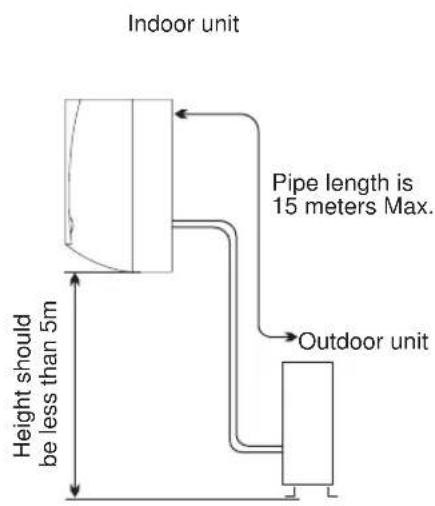
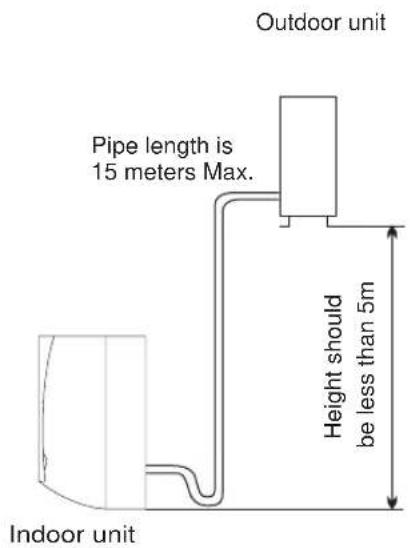
| Model | Max. Allowable Tubing Length at Shipment (m) | Limit of Tubing Length (m) | Limit of Elevation Difference H (m) | Required amount of additional refrigerant (g/m) |
| 2,1k~5,3kW | 5 | 15 | 5 | 20 |
| 7kW | 5 | 15 | 5 | 30 |
If the height or pipe length is out of the scope of the table, please consult the merchant.
Connecting of the Cable
Note: For some models, it is necessary to remove the cabinet to connect to the indoor unit terminal.
- Outdoor Unit
1) Remove the access door from the unit by loosening the screw. Connect the wires to the terminals on the control board individually as follows.
2) Secure the power cord onto the control board with cable clamp.
3) Reinstall the access door to the original position with the screw.
4) Use a recognized circuit breaker for 24K model between the power source and the unit. A disconnecting device to adequately disconnect all supply lines must be fitted.

Outdoor unit
Access door Terminal(inside)
The figures in this manual are based on the external view of a standard model. Consequently, the shape may differ from that of the air conditioner you have selected.
Caution:
- Never fail to have an individual power circuit specifically for the air conditioner. As for the method of wiring, refer to the circuit diagram posted on the inside of the access door.
- Confirm that the cable thickness is as specified in the power source specification.
- Check the wires and make sure that they are all tightly fastened after cable connection.
- Be sure to install an earth leakage circuit breaker in wet or moist areas.
Cable Specifications
| Capacity (kW) | Power cord | Power connecting cord | ||
| Type | Normal cross - sectional area | Type | Normal cross - sectional area | |
| 2,6 ; 3,5 | H07RN-F | 1.0mm2X3 | H07RN-F | 1.0mm2X5 |
| 5,3 | H07RN-F | 1.5mm2X3 | H07RN-F | 1.5mm2X5 |
Attention:
The plug must be accessible even after the installation of the appliance in case there is a need to disconnect it. If not possible, connect appliance to a double-pole switching device with contact separation of at least 3 mm placed in an accessible position even after installation.
Wiring diagram
Make sure that the color of the wires in the outdoor unit and terminal No. are the same as those of the indoor unit.
- 2,6kW\~5,3kW Model
Indoor unit
Terminal
Outdoor unit
Terminal
![graph TD A["Power connecting cord"] --> B["0(L)"] A --> C["1(L)"] A --> D["2(N)"] A --> E["4(SI)"] A --> F["Yellow/Green"] A --> G["Yellow/Green"] A --> H["Bro"] A --> I["wn"] A --> J["ra"] A --> K["Bl"] A --> L["yu"] A --> M["e ck"] A --> N["Bla"] A --> O["L"] A --> P["N"] A --> Q["Power supply"] s…](/content/2026/05/1103029/images/e7da1553e2133316cbeebffff44ba445bcc6c46a482b54512db8bdb8cb9ed27a.jpg)
Warning:
Before obtaining access to terminals, all supply circuits must be disconnected.
Outdoor unit installation
- Install Drain Port and Drain Hose (for heat-pump model only)
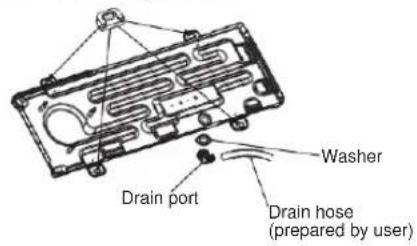
The condensate drains from the outdoor unit when the unit operates in heating mode. In order not to disturb your neighbor and protect the environment, install a drain port and a drain hose to direct the condensate water. Just install the drain port and rubber washer to the chassis of the outdoor unit, then connect a drain hose to the port as the right figure demonstrates.
Rubber pad (optional)
Place under the leg pedestal
- Install and Fix Outdoor Unit
Fix with bolts and nuts tightly on a flat and strong floor.
If installed on the wall or roof, make sure to fix the supporter well to prevent it from shaking due to serious vibration or strong wind.
-
Outdoor Unit Piping Connection
-
Remove the valve caps from the 2-way and 3-way valve.
-
Connect the pipes to the 2-way and 3-way valves separately according to the required torque.
-
Outdoor Unit Cable Connection (see previous page)
Air purging
The air which contains moisture remaining in the refrigeration cycle may cause a malfunction on the compressor. After connecting the indoor and outdoor units, release air and moisture from the refrigerant cycle using a vacuum pump, as shown below.
Note: To protect the environment, be sure not to discharge the refrigerant to the air directly. See next page for air purging steps.
![graph TD A["air-purging unit"] --> B["indoor unit"] B --> C["Refrigerant flow direction"] C --> D["3-way valve"] D --> E["Service port"] E --> F["(2) Turn"] F --> G["(8) Tighten"] G --> H["Valve cap"] H --> I["(7) Turn to fully open the valve"] I --> J["(1) Turn"] J --> K["(8) Tighten"] K --> L["Val…](/content/2026/05/1103029/images/ec133200e87008215d106c25d8c24fffd51b7e04d727eaa3c286b4dbfbd38e12.jpg)
How to Purge Air Tubes:
(1) Unscrew and remove caps from 2 and 3-way valves.
(2) Unscrew and remove cap from service valve.
(3) Connect vacuum pump flexible hose to the service valve.
(4) Start vacuum pump for 10-15 minutes until reaching a vacuum of 10 mm Hg absolutes.
(5) With vacuum pump still running close the low-pressure knob on vacuum pump manifold. Then stop the vacuum pump.
(6) Open 2-way valve, 1/4 turn, then close it after 10 seconds. Check tightness of all joints using liquid soap or an electronic leak detector.
(7) Turn 2 and 3-way valves stem to fully close the valves. Disconnect the flexible vacuum pump hose.
(8) Replace and tighten all valve caps.
NAVODILA ZA UPORABO IN NAMESTITEV - ZUNANJA ENOTA R32
Previdno: Nevarnost požaral vnetljivi materiali
Z mokrimi rokami se ne dotikajte gumbov za upravljanje.


Pokrov Priklj. sponka (znotraj)
Zunanja enota
Pažnja: Opasnost od požara/ zapaljivi materijali
PAŽNJA: Servisiranje se vrši isključivo u skladu sa preporukama proizvođača opreme. Održavanje i popravke koji nalažu pomoć drugog stručnog osoblja potrebno je vršiti pod nadzorom lica koje je nadležno za upotrebu zapaljivih rashladnih sredstava.
Bezbednosni saveti
- Da biste obezbedili nesmetano funksionisanje uređaja, najpre pažljivo pročitate uputstvo i striktno ga se pridržavate prilikom postavljanja uređaja.
- Nemojte dozvoliti da vazduh prodre u rashladni sistem, odnosno da se rashladno sredstvo isprazni dok pomerate klima uređaj.
- Pravilno uzemljite klima uređaj.
- Pažljivo proverite priključne kablove i creva i uverite su da su ispravni i pričvršćeni pre nego što priključite klima uređaj na napon.
- Mora biti ugrađen prekidač za isključenje vazduha.
- Nakon postavljanja pravilno koristite klima uređaj u skladu sa ovim uputstvom; pobrinite se za adekvatan prostor za potrebe održavanja i pomeranja klima uređaja ubuduće.
- Osigurač unutrašnje jedinice: T 3,15 A 250 VAC.
- Osigurač spoljašnje jedinice za modele 2,6 kW\~3,5 kW: T 15 A 250 VAC
- Osigurač spoljašnje jedinice za modele 5,3 kW: T 20 A 250 VAC
- U uputstvu za postavljanje uređaja namenjenih stalnom priključenju na fiksno ožičenje sa strujom odvoda koja može da premaši 10 mA mora biti navedeno da se preporučuje postavljanje uređaja za diferencijalnu zaštitu (RCD) sa naznačenom preostalom radnom strujom koja ne prekoračuje 30 mA.
- Upozorenje: Opasnost! Strujni udar može da uzrokuje povrede ili smrt: Pre servisiranja isključite sve jedinice udaljenog napajanja električnom energijom.
- Priključno crevo između unutrašnje i spoljašnje jedinice ne sme da bude duže od 5 metara. Veća dužina creva će da utiče efikasnost klima uređaja.
- Ovaj uređaj mogu da koriste deca starija od 8 godina i osobe sa smanjenim fizičkim, senzornim ili duševnim sposobnostima, kao i osobe sa nedovoljnim iskustvom i poznavanjem uređaja samo ako su pod nadzorom, odnosno ako su dobili odgovarajuće uputstvo za upotrebu uređaja te razumeju uključene opasnosti. Deca ne smeju da se igraju sa uređajem. Deca bez nadzora ne smeju da obavljaju čišćenje ni korisničko održavanje uređaja.
- Baterije iz daljinskog upravljača moraju pravilno da se odlažu i recikliraju. Odlaganje otpadnih baterija: molimo da baterije odlažete odvojeno od komunalnog otpada na odgovarajućem mestu za sakupljanje.
- Ako je uređaj namenjen stalnom priključenju na fiksno ožičenje, mora da bude opremljen zaštitom za isključenje iz naponske mreže sa odvojenim kontaktima na svim polovima, koja obezbeđuje potpuno isključenje pod uslovima prenaponske kategorije III i koja mora da bude ugrađena u fiksno ožičenje u skladu sa pravilima ožičenja.
- Ako je priključni kabl oštećen, može ga zameniti samo proizvođač, ovlašćeni serviser, odnosno drugo kvalifikovano lice, da bi se sprečila opasnost.
- Uređaj mora da bude postavljen u skladu sa nacionalnim propisima o ožičenju.
- Servisiranje se vrši isključivo u skladu sa preporukama proizvođača opreme. Održavanje i popravke koji nalažu pomoć drugog stručnog osoblja potrebno je vršiti pod nadzorom lica koje je nadležno za upotrebu zapaljivih rashladnih sredstava.
- Uređaj ne sme da bude postavljen u perionici veša.
Pre prve upotrebe
Napomena
- Kod multi klima sistema je rashladno sredstvo deo spoljašnje jedinice.
- Ako je za punjenje sistema rashladnim sredstvom predviđeno sredstvo R32, napunite uređaj rashladnim sredstvom u tečnom stanju. U suprotnom bi mogao da se promeni hemijski sastav rashladnog sredstva (R32) u unutrašnjosti sistema, što bi uticalo na rad klima uređaja.
- S obzirom na simbol rashladnog sredstva (R32 – vrednost potencijalnog globalnog zagrevanja GWP je 675), pritisak cevi je veoma visok, zato budite pažljivi prilikom postavljanja i popravke uređaja.
- Ako je priključni kabl oštećen, može ga zameniti samo proizvođač, ovlašćeni serviser, odnosno drugo kvalifikovano lice, da bi se sprečila opasnost.
- Postavljanje ovog uređaja mogu da vrše isključivo iskusni serviseri - profesionalni monteri u skladu sa ovim uputstvom.
- Neka kabl za međusobno spajanje bude udaljen od bakarne cevi, jer je temperatura instalacije rashladnog sredstva veoma visoka.

Korisnik je odgovoran za to da uzemljenje uređaja izvrši ovlašćeni tehničar u skladu sa lokalnim propisima.

Sprečite prodor vazduha do gasnih gorionika i šporeta.

Nemojte da dodirujete upravljačke tastere mokrim rukama.


U slučaju nepravilnog rada, isključite uređaj daljinskim upravljačem pre nego što isključite napajanje.
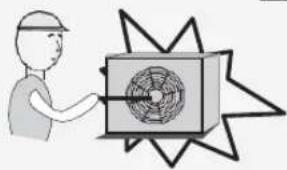
Nikada ne smete da stavljate štap ili sličnu prepreku u uređaj. Pošto se ventilator vrti velikom brzinom, to može da uzrokuje povredu.

Nemojte da preplićete, vučete ili pritišćete priključni kabl da ga ne biste oštetili. Strujni udar ili vatra su verovatno posledica oštećenog priključnog kabla.
Mere opreza
Upozorenja za rashladno sredstvo R32
Osnovi postupak montaže je jednak kao kod klasičnog rashladnog sredstva (R410A). Pa ipak pazite na sledeće:

PAŽNJA
Poklopac Spojnica (unutra)
Spoljašnja jedinica

Slike u ovom uputstvu su zasnovane na spoljašnjem izgledu standardnih modela. Zato izgled klima uređaja koji ste kupili može da se razlikuje.
Oprez:
- Klima uređaj mora uvek da ima svoju električnu instalaciju. Za postupak ožičenja pratite prikaz strujnog kola na unutrašnjoj strani poklopca.
- Proverite da li je debljina kabla u skladu sa specifikacijama za izvor napajanja.
- Pregledajte žice, odnosno da lis u sve čvrsto pričvršćene nakon priključenja kabla.
- U mokrim ili vlažnim područjima uvek postavite prekidač strujnog kola propuštanja uzemljenja.
Karakteristike kabla
| Kapacitet (kW) | Priključni kabl | Priključni kabl | ||
| Tip | Normalni prečni presek | Tip | Normalni prečni presek | |
| 2,6 ; 3,5 | H07RN-F | 1.0mm2X3 | H07RN-F | 1.0mm2X5 |
| 5,3 | H07RN-F | 1.5mm2X3 | H07RN-F | 1.5mm2X5 |
Upozorenje:
Utikač mora da bude pristupačan i nakon postavljanja uređaja da biste ga mogli isključiti ako bude potrebno. Ako to nije moguće, priključite uređaj na dvopolni prekidač sa kontaktnim razmakom od najmanje 3 mm koji će biti na pristupačnom mestu nakon postavljanja uređaja.
Prikaz ožičenja
Pažnja: Opasnost od požara/ zapaljivi materijali
PAŽNJA: Servisiranje se vrši isključivo u skladu sa preporukama proizvođača opreme. Održavanje i popravke koji nalažu pomoć drugog stručnog osoblja potrebno je vršiti pod nadzorom lica koje je nadležno za upotrebu zapaljivih rashladnih sredstava.
Bezbednosni saveti
- Da biste obezbedili nesmetano funksionisanje uređaja, najpre pažljivo pročitate uputstvo i striktno ga se pridržavate prilikom postavljanja uređaja.
- Nemojte dozvoliti da vazduh prodre u rashladni sistem, odnosno da se rashladno sredstvo isprazni dok pomerate klima uređaj.
- Pravilno uzemljite klima uređaj.
- Pažljivo proverite priključne kablove i creva i uverite su da su ispravni i pričvršćeni pre nego što priključite klima uređaj na napon.
- Mora biti ugrađen prekidač za isključenje vazduha.
- Nakon postavljanja pravilno koristite klima uređaj u skladu sa ovim uputstvom; pobrinite se za adekvatan prostor za potrebe održavanja i pomeranja klima uređaja ubuduće.
- Osigurač unutrašnje jedinice: T 3,15 A 250 VAC.
- Osigurač spoljašnje jedinice za modele 2,6 kW\~3,5 kW: T 15 A 250 VAC
- Osigurač spoljašnje jedinice za modele 5,3 kW: T 20 A 250 VAC
- U uputstvu za postavljanje uređaja namenjenih stalnom priključenju na fiksno ožičenje sa strujom odvoda koja može da premaši 10 mA mora biti navedeno da se preporučuje postavljanje uređaja za diferencijalnu zaštitu (RCD) sa naznačenom preostalom radnom strujom koja ne prekoračuje 30 mA.
- Upozorenje: Opasnost! Strujni udar može da uzrokuje povrede ili smrt: Pre servisiranja isključite sve jedinice udaljenog napajanja električnom energijom.
- Priključno crevo između unutrašnje i spoljašnje jedinice ne sme da bude duže od 5 metara. Veća dužina creva će da utiče efikasnost klima uređaja.
- Ovaj uređaj mogu da koriste deca starija od 8 godina i osobe sa smanjenim fizičkim, senzornim ili duševnim sposobnostima, kao i osobe sa nedovoljnim iskustvom i poznavanjem uređaja samo ako su pod nadzorom, odnosno ako su dobili odgovarajuće uputstvo za upotrebu uređaja te razumeju uključene opasnosti. Deca ne smeju da se igraju sa uređajem. Deca bez nadzora ne smeju da obavljaju čišćenje ni korisničko održavanje uređaja.
- Baterije iz daljinskog upravljača moraju pravilno da se odlažu i recikliraju. Odlaganje otpadnih baterija: molimo da baterije odlažete odvojeno od komunalnog otpada na odgovarajućem mestu za sakupljanje.
- Ako je uređaj namenjen stalnom priključenju na fiksno ožičenje, mora da bude opremljen zaštitom za isključenje iz naponske mreže sa odvojenim kontaktima na svim polovima, koja obezbeđuje potpuno isključenje pod uslovima prenaponske kategorije III i koja mora da bude ugrađena u fiksno ožičenje u skladu sa pravilima ožičenja.
- Ako je priključni kabl oštećen, može ga zameniti samo proizvođač, ovlašćeni serviser, odnosno drugo kvalifikovano lice, da bi se sprečila opasnost.
- Uređaj mora da bude postavljen u skladu sa nacionalnim propisima o ožičenju.
- Servisiranje se vrši isključivo u skladu sa preporukama proizvođača opreme. Održavanje i popravke koji nalažu pomoć drugog stručnog osoblja potrebno je vršiti pod nadzorom lica koje je nadležno za upotrebu zapaljivih rashladnih sredstava.
- Uređaj ne sme da bude postavljen u perionici veša.
Pre prve upotrebe
Napomena
- Kod multi klima sistema je rashladno sredstvo deo spoljašnje jedinice.
- Ako je za punjenje sistema rashladnim sredstvom predviđeno sredstvo R32, napunite uređaj rashladnim sredstvom u tečnom stanju. U suprotnom bi mogao da se promeni hemijski sastav rashladnog sredstva (R32) u unutrašnjosti sistema, što bi uticalo na rad klima uređaja.
- S obzirom na simbol rashladnog sredstva (R32 – vrednost potencijalnog globalnog zagrevanja GWP je 675), pritisak cevi je veoma visok, zato budite pažljivi prilikom postavljanja i popravke uređaja.
- Ako je priključni kabl oštećen, može ga zameniti samo proizvođač, ovlašćeni serviser, odnosno drugo kvalifikovano lice, da bi se sprečila opasnost.
- Postavljanje ovog uređaja mogu da vrše isključivo iskusni serviseri - profesionalni monteri u skladu sa ovim uputstvom.
- Neka kabl za međusobno spajanje bude udaljen od bakarne cevi, jer je temperatura instalacije rashladnog sredstva veoma visoka.

Korisnik je odgovoran za to da uzemljenje uređaja izvrši ovlašćeni tehničar u skladu sa lokalnim propisima.
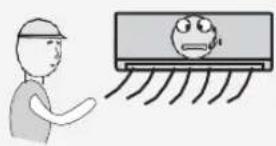
Sprečite prodor vazduha do gasnih gorionika i šporeta.

Nemojte da dodirujete upravljačke tastere mokrim rukama.


U slučaju nepravilnog rada, isključite uređaj daljinskim upravljačem pre nego što isključite napajanje.

Nikada ne smete da stavljate štap ili sličnu prepreku u uređaj. Pošto se ventilator vrti velikom brzinom, to može da uzrekuje povredu.
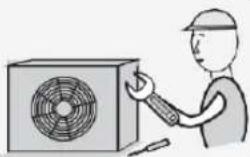
Nemojte da preplićete, vučete ili pritišćete priključni kabl da ga ne biste oštetili. Strujni udar ili vatra su verovatno posledica oštećenog priključnog kabla.
Mere opreza
Upozorenja za rashladno sredstvo R32
Osnovi postupak montaže je jednak kao kod klasičnog rashladnog sredstva (R410A). Pa ipak pazite na sledeće:

PAŽNJA
Poklopac Spojnica (unutra)
Spoljašnja jedinica

Slike u ovom uputstvu su zasnovane na spoljašnjem izgledu standardnih modela. Zato izgled klima uređaja koji ste kupili može da se razlikuje.
Oprez:
- Klima uređaj mora uvek da ima svoju električnu instalaciju. Za postupak ožičenja pratite prikaz strujnog kola na unutrašnjoj strani poklopca.
- Proverite da li je debljina kabla u skladu sa specifikacijama za izvor napajanja.
- Pregledajte žice, odnosno da lis u sve čvrsto pričvršćene nakon priključenja kabla.
- U mokrim ili vlažnim područjima uvek postavite prekidač strujnog kola propuštanja uzemljenja.
Karakteristike kabla
| Kapacitet (kW) | Priključni kabl | Priključni kabl | ||
| Tip | Normalni prečni presek | Tip | Normalni prečni presek | |
| 2,6 ; 3,5 | H07RN-F | 1.0mm2X3 | H07RN-F | 1.0mm2X5 |
| 5,3 | H07RN-F | 1.5mm2X3 | H07RN-F | 1.5mm2X5 |
Upozorenje:
Utikač mora da bude pristupačan i nakon postavljanja uređaja da biste ga mogli isključiti ako bude potrebno. Ako to nije moguće, priključite uređaj na dvopolni prekidač sa kontaktnim razmakom od najmanje 3 mm koji će biti na pristupačnom mestu nakon postavljanja uređaja.
Prikaz ožičenja
Pažnja: Opasnost od požara/ zapaljivi materijali
PAŽNJA: Servisiranje se vrši isključivo u skladu sa preporukama proizvođača opreme. Održavanje i popravke koji nalažu pomoć drugog stručnog osoblja potrebno je vršiti pod nadzorom lica koje je nadležno za upotrebu zapaljivih rashladnih sredstava.
Bezbednosni saveti
- Da biste obezbedili nesmetano funksionisanje uređaja, najpre pažljivo pročitate uputstvo i striktno ga se pridržavate prilikom postavljanja uređaja.
- Nemojte dozvoliti da vazduh prodre u rashladni sistem, odnosno da se rashladno sredstvo isprazni dok pomerate klima uređaj.
- Pravilno uzemljite klima uređaj.
- Pažljivo proverite priključne kablove i creva i uverite su da su ispravni i pričvršćeni pre nego što priključite klima uređaj na napon.
- Mora biti ugrađen prekidač za isključenje vazduha.
- Nakon postavljanja pravilno koristite klima uređaj u skladu sa ovim uputstvom; pobrinite se za adekvatan prostor za potrebe održavanja i pomeranja klima uređaja ubuduće.
- Osigurač unutrašnje jedinice: T 3,15 A 250 VAC.
- Osigurač spoljašnje jedinice za modele 2,6 kW\~3,5 kW: T 15 A 250 VAC
- Osigurač spoljašnje jedinice za modele 5,3 kW: T 20 A 250 VAC
- U uputstvu za postavljanje uređaja namenjenih stalnom priključenju na fiksno ožičenje sa strujom odvoda koja može da premaši 10 mA mora biti navedeno da se preporučuje postavljanje uređaja za diferencijalnu zaštitu (RCD) sa naznačenom preostalom radnom strujom koja ne prekoračuje 30 mA.
- Upozorenje: Opasnost! Strujni udar može da uzrokuje povrede ili smrt: Pre servisiranja isključite sve jedinice udaljenog napajanja električnom energijom.
- Priključno crevo između unutrašnje i spoljašnje jedinice ne sme da bude duže od 5 metara. Veća dužina creva će da utiče efikasnost klima uređaja.
- Ovaj uređaj mogu da koriste deca starija od 8 godina i osobe sa smanjenim fizičkim, senzornim ili duševnim sposobnostima, kao i osobe sa nedovoljnim iskustvom i poznavanjem uređaja samo ako su pod nadzorom, odnosno ako su dobili odgovarajuće uputstvo za upotrebu uređaja te razumeju uključene opasnosti. Deca ne smeju da se igraju sa uređajem. Deca bez nadzora ne smeju da obavljaju čišćenje ni korisničko održavanje uređaja.
- Baterije iz daljinskog upravljača moraju pravilno da se odlažu i recikliraju. Odlaganje otpadnih baterija: molimo da baterije odlažete odvojeno od komunalnog otpada na odgovarajućem mestu za sakupljanje.
- Ako je uređaj namenjen stalnom priključenju na fiksno ožičenje, mora da bude opremljen zaštitom za isključenje iz naponske mreže sa odvojenim kontaktima na svim polovima, koja obezbeđuje potpuno isključenje pod uslovima prenaponske kategorije III i koja mora da bude ugrađena u fiksno ožičenje u skladu sa pravilima ožičenja.
- Ako je priključni kabl oštećen, može ga zameniti samo proizvođač, ovlašćeni serviser, odnosno drugo kvalifikovano lice, da bi se sprečila opasnost.
- Uređaj mora da bude postavljen u skladu sa nacionalnim propisima o ožičenju.
- Servisiranje se vrši isključivo u skladu sa preporukama proizvođača opreme. Održavanje i popravke koji nalažu pomoć drugog stručnog osoblja potrebno je vršiti pod nadzorom lica koje je nadležno za upotrebu zapaljivih rashladnih sredstava.
- Uređaj ne sme da bude postavljen u perionici veša.
Pre prve upotrebe
Napomena
- Kod multi klima sistema je rashladno sredstvo deo spoljašnje jedinice.
- Ako je za punjenje sistema rashladnim sredstvom predviđeno sredstvo R32, napunite uređaj rashladnim sredstvom u tečnom stanju. U suprotnom bi mogao da se promeni hemijski sastav rashladnog sredstva (R32) u unutrašnjosti sistema, što bi uticalo na rad klima uređaja.
- S obzirom na simbol rashladnog sredstva (R32 – vrednost potencijalnog globalnog zagrevanja GWP je 675), pritisak cevi je veoma visok, zato budite pažljivi prilikom postavljanja i popravke uređaja.
- Ako je priključni kabl oštećen, može ga zameniti samo proizvođač, ovlašćeni serviser, odnosno drugo kvalifikovano lice, da bi se sprečila opasnost.
- Postavljanje ovog uređaja mogu da vrše isključivo iskusni serviseri - profesionalni monteri u skladu sa ovim uputstvom.
- Neka kabl za međusobno spajanje bude udaljen od bakarne cevi, jer je temperatura instalacije rashladnog sredstva veoma visoka.

Korisnik je odgovoran za to da uzemljenje uređaja izvrši ovlašćeni tehničar u skladu sa lokalnim propisima.
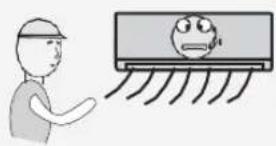
Sprečite prodor vazduha do gasnih gorionika i šporeta.

Nemojte da dodirujete upravljačke tastere mokrim rukama.


U slučaju nepravilnog rada, isključite uređaj daljinskim upravljačem pre nego što isključite napajanje.

Nikada ne smete da stavljate štap ili sličnu prepreku u uređaj. Pošto se ventilator vrti velikom brzinom, to može da uzrekuje povredu.

Nemojte da preplićete, vučete ili pritišćete priključni kabl da ga ne biste oštetili. Strujni udar ili vatra su verovatno posledica oštećenog priključnog kabla.
Mere opreza
Upozorenja za rashladno sredstvo R32
Osnovi postupak montaže je jednak kao kod klasičnog rashladnog sredstva (R410A). Pa ipak pazite na sledeće:

PAŽNJA
Poklopac Spojnica (unutra)
Spoljašnja jedinica

Slike u ovom uputstvu su zasnovane na spoljašnjem izgledu standardnih modela. Zato izgled klima uređaja koji ste kupili može da se razlikuje.
Oprez:
- Klima uređaj mora uvek da ima svoju električnu instalaciju. Za postupak ožičenja pratite prikaz strujnog kola na unutrašnjoj strani poklopca.
- Proverite da li je debljina kabla u skladu sa specifikacijama za izvor napajanja.
- Pregledajte žice, odnosno da lis u sve čvrsto pričvršćene nakon priključenja kabla.
- U mokrim ili vlažnim područjima uvek postavite prekidač strujnog kola propuštanja uzemljenja.
Karakteristike kabla
| Kapacitet (kW) | Priključni kabl | Priključni kabl | ||
| Tip | Normalni prečni presek | Tip | Normalni prečni presek | |
| 2,6 ; 3,5 | H07RN-F | 1.0mm2X3 | H07RN-F | 1.0mm2X5 |
| 5,3 | H07RN-F | 1.5mm2X3 | H07RN-F | 1.5mm2X5 |
Upozorenje:
Utikač mora da bude pristupačan i nakon postavljanja uređaja da biste ga mogli isključiti ako bude potrebno. Ako to nije moguće, priključite uređaj na dvopolni prekidač sa kontaktnim razmakom od najmanje 3 mm koji će biti na pristupačnom mestu nakon postavljanja uređaja.
Prikaz ožičenja


- CONTENTS
- SAFETY INSTRUCTIONS
- PREPARATION BEFORE USE
- NOTE
- PRESET
- SAFEGUARDING THE ENVIRONMENT
- SCRAPPING OF APPLIANCE
- SAFETY PRECAUTIONS
- SYMBOLS IN THIS USE AND CARE MANUAL ARE INTERPRETED AS SHOWN BELOW
- PRECAUTIONS FOR USING R32 REFRIGERANT
- CAUTION
- PRESENCE OF FIRE EXTINGUISHER
- NO IGNITION SOURCES
- VENTILATED AREA
- CHECKS TO THE REFRIGERATION EQUIPMENT
- CHECKS TO ELECTRICAL DEVICES
- REPAIRS TO SEALED COMPONENTS
- REPAIR TO INTRINSICALLY SAFE COMPONENTS
- CABLING
- DETECTION OF FLAMMABLE REFRIGERANTS
- LEAK DETECTION METHODS
- REMOVAL AND EVACUATION
- CHARGING PROCEDURES
- DECOMMISSIONING
- LABELLING
- RECOVERY
- INSTALLATION INSTRUCTIONS
- INSTALLATION DIAGRAM
- SELECT THE INSTALLATION LOCATIONS
- LOCATION FOR INSTALLING OUTDOOR UNIT
- CONNECTING OF THE CABLE
- NOTE: FOR SOME MODELS, IT IS NECESSARY TO REMOVE THE CABINET TO CONNECT TO THE INDOOR UNIT TERMINAL
- OUTDOOR UNIT
- ATTENTION
- WIRING DIAGRAM
- OUTDOOR UNIT INSTALLATION
- AIR PURGING
- HOW TO PURGE AIR TUBES
- BEZBEDNOSNI SAVETI
- PRE PRVE UPOTREBE
- NAPOMENA
- MERE OPREZA
- UPOZORENJA ZA RASHLADNO SREDSTVO R32
- PAŽNJA
- OPREZ
- UPOZORENJE
- PRIKAZ OŽIČENJA
Brand : GORENJE
Model : PANDORA26OUT TE
Category : Air conditioner