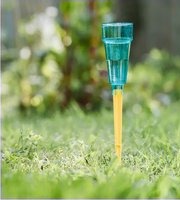
CM1088 - Weather Station ClimeMET - Free user manual and instructions
Find the device manual for free CM1088 ClimeMET in PDF.


| Product Type | Analog Rain Gauge |
| Brand | ClimeMET |
| Model | CM1088 |
| Dimensions (approx.) | Height: 30 cm (12 in), Diameter: 15 cm (6 in) |
| Weight (approx.) | 0.5 kg (1.1 lb) |
| Power Source | None (manual operation) |
| Measurement Method | Manual reading of graduated measuring tube or funnel |
| Measurement Range | Up to 50 mm (2 in) per single reading |
| Units | mm and inches (dual scale on tube) |
| Mounting | On a post or flat surface using mounting bracket or spike (provided) |
| Optimal Placement | Open area, away from obstacles; distance from tall objects at least twice their height |
| Maintenance | Clean funnel periodically; check for debris; empty after each reading |
| Cleaning Instructions | Rinse with clean water; do not use harsh chemicals |
| Safety Precautions | Handle with care; avoid dropping; keep out of reach of small children |
| Included Accessories | Catchment funnel, measuring tube, mounting bracket/spike, screws, rainfall chart (optional) |
| Spare Parts Availability | Measuring tubes and funnels available from ClimeMET |
| Repairability | Simple construction; replaceable parts; no electronic components |
| Warranty | 1 year against manufacturing defects |
| Recommended Use | Home gardening, farming, education, hobby meteorology |
| Certifications | Not applicable |
Frequently Asked Questions - CM1088 ClimeMET
User questions about CM1088 ClimeMET
0 question about this device. Answer the ones you know or ask your own.
Ask a new question about this device
Download the instructions for your Weather Station in PDF format for free! Find your manual CM1088 - ClimeMET and take your electronic device back in hand. On this page are published all the documents necessary for the use of your device. CM1088 by ClimeMET.
USER MANUAL CM1088 ClimeMET

See the complete range at www.climemet.com
ClimeMET
forecasting change.


Congratulations on the purchase of your ClimeMET rain gauge. Here at ClimeMET, we are proud to bring you the latest range of weather instruments that embody the environment, so that we can help you make the most of the great outdoors.
How to Mount your Rain Gauge
Choose a position in an open area, such as a lawn or flower bed, and be sure to keep well away from fences, buildings and trees which can prevent rain from reaching the catchment funnel of your rain gauge. As a guide, the gauge should be no closer to tall objects than twice the height of that object. As an example, if the tree is 10ft in height, the closest your rain gauge should be placed is 20ft.
- Make sure you use a suitable post or flat surface for mounting any of our ClimeMET rain gauges. Some ClimeMET rain gauges come with their own mounting spikes, and you will need nothing further. If your rain gauge has a mounting bracket, make sure this is fixed vertically to a post using the screws provided.
How to Take Measurements
For digital rain gauges, please refer to your product manual.
- Remove the catchment funnel and, if your rain gauge has one, lift out the internal measuring tube.
- Hold the measuring tube or funnel vertically at eye level and read off your measurements. Recording rainfall readings on a day-to-day basis can provide an interesting and fun hobby, as well as essential information for farmers, gardeners and schools.
- After reading off your rainfall data, empty the measuring tube or funnel.
- Replace the catchment funnel and/or measuring tube.

The Perfect Partner...
To get the most out of your ClimeMET rain gauge, the rainfall amount should be read every day at the same time, and the information marked down on a Rainfall Chart.
The CM5011 ClimeMET Rainfall Chart is ideal for recording these daily values. Measurements can be recorded in mm or inches, and there are data entry fields for monthly totals and averages, so that trends and changes can be easily seen.
rain gauges
Rainfall Facts & Figures

Any water droplets or ice crystals that are falling towards the ground are known as precipitation.
Showers fall from cumulus-type clouds. Intermittent precipitation falls from layer clouds that are of variable thickness but cover all or most of the sky.


Familiar precipitation includes: Drizzle: droplet size below 0.5mm (0.2in) Rain: droplet size above 0.5mm (0.2in) Snow: clusters of ice crystals Hail: solid lumps of ice Sleet: melting snowflakes or a mixture of rain and snow.
A total of 500,000 tonnes of rain can fall in a single thunderstorm. That's the same weight as nearly 65,000 London buses.


The highest 24-hour rainfall total for a rainfall day (0900-0900 GMT) was 279mm (10.98in), which fell at Martinstown, Dorset, on 18 July 1955. The highest 24-hour rainfall total for any 24-hour period is 341.4mm (13.44in), which fell between 1800 GMT on 4 December 2015 and 1800 GMT on 5 December 2015 at Honister Pass, Cumbria.
The wettest place in the world (based on the yearly average rainfall totals) is Mawsynram, India, which receives an average of 11,870mm (474.8 inches) of rain each year, the majority of which falls in the Monsoon season.


Because of their resistance to air, falling raindrops are not tear-shaped, but resemble small buns.
The heaviest single hailstone recorded weighed about 1kg (2.20lbs). It fell in Bangladesh on 14 April 1986 and the hailstorm was reported to have killed 92 people.


Brand : ClimeMET
Model : CM1088
Category : Weather Station