
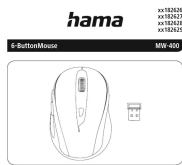
MW400 - Souris HAMA - Notice d'utilisation et mode d'emploi gratuit
Retrouvez gratuitement la notice de l'appareil MW400 HAMA au format PDF.


Choisissez votre langue et indiquez votre email : nous vous enverrons une version traduite specifiquement.
| Type de produit | Souris sans fil |
| Marque | Hama |
| Modèle | MW400 |
| Technologie de connexion | 2,4 GHz |
| Portée sans fil | Jusqu'à 10 m |
| Type de capteur | Optique |
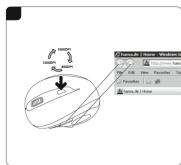
| Résolution | 1200 dpi |
| Nombre de boutons | 3 boutons + molette de défilement |
| Alimentation | 1 pile AA (non incluse) |
| Autonomie de la pile | Environ 12 mois |
| Receveur USB | Nano récepteur, rangement dans la souris |
| Systèmes d'exploitation compatibles | Windows, macOS, Linux |
| Dimensions (L x l x H) | 10,5 x 6,5 x 3,5 cm |
| Poids (avec pile) | Environ 70 g |
| Couleur | Noir (selon disponibilité) |
| Entretien | Nettoyer avec un chiffon doux et sec |
| Sécurité | Ne pas exposer à l'humidité |
| Contenu de l'emballage | Souris, récepteur USB, notice d'utilisation |
FOIRE AUX QUESTIONS - MW400 HAMA
Comment connecter la souris Hama MW400 à mon ordinateur ?
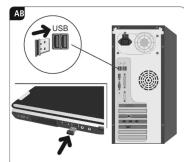
Insérez le nano récepteur USB dans un port USB libre de votre ordinateur. La souris se connecte automatiquement. Si ce n'est pas le cas, retirez et réinsérez la pile ou appuyez sur le bouton de couplage sous la souris.
Quelle pile utiliser pour la souris MW400 ?
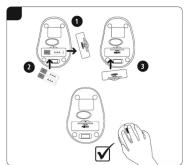
Utilisez une pile alcaline de type AA. Insérez-la en respectant la polarité indiquée dans le compartiment.
La souris ne fonctionne pas, que faire ?
Vérifiez que la pile est correctement insérée et fonctionnelle. Assurez-vous que le récepteur USB est bien branché. Essayez un autre port USB. Si le problème persiste, remplacez la pile.
La souris MW400 est-elle compatible avec Mac ?
Oui, elle est compatible avec les systèmes d'exploitation Windows, macOS et Linux. Aucun pilote supplémentaire n'est nécessaire.
Comment nettoyer la souris Hama MW400 ?
Utilisez un chiffon doux légèrement humide pour nettoyer la surface extérieure. Ne pas utiliser de produits chimiques ou abrasifs. Évitez tout contact avec des liquides.
Où ranger le récepteur USB ?
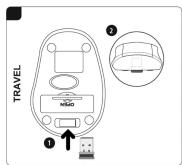
Le récepteur se range dans un compartiment situé sous la souris, près du compartiment à pile. Cela évite de le perdre lors du transport.
Quelle est la portée maximale de la souris sans fil ?
La portée peut atteindre jusqu'à 10 mètres, mais elle peut être réduite par des obstacles comme des murs ou des interférences.
Puis-je utiliser la souris sur une surface en verre ?
La souris optique fonctionne sur la plupart des surfaces, mais le verre transparent ou les surfaces très réfléchissantes peuvent altérer la précision. Utilisez un tapis de souris pour de meilleures performances.
Comment savoir si la pile est faible ?
Le voyant lumineux sous la souris clignote ou la souris perd en réactivité. Remplacez la pile dès que possible.
Y a-t-il une garantie sur la souris Hama MW400 ?
Hama offre une garantie de 2 ans sur ce produit. Conservez la preuve d'achat et contactez le service après-vente en cas de défaut.
Questions des utilisateurs sur MW400 HAMA
0 question sur cet appareil. Repondez a celles que vous connaissez ou posez la votre.
Poser une nouvelle question sur cet appareil
Aucune question pour l'instant. Soyez le premier à en poser une.
Téléchargez la notice de votre Souris au format PDF gratuitement ! Retrouvez votre notice MW400 - HAMA et reprennez votre appareil électronique en main. Sur cette page sont publiés tous les documents nécessaires à l'utilisation de votre appareil MW400 de la marque HAMA.
MODE D'EMPLOI MW400 HAMA
| 10.4.1 A possible explanation: |
| (a) The main difference between the two methods is that the method of choice for determining the number of children in a household cannot be used to determine the number of children in the household. |
| (b) The main difference between the two methods is that the method of choice for determining the number of children in a household cannot be used to determine the number of children in the household. |
| (c) The main difference between the two methods is that the method of choice for determining the number of children in a household cannot be used to determine the number of children in the household. |
| (d) The main difference between the two methods is that the method of choice for determining the number of children in a household cannot be used to determine the number of children in the household. |
| (e) The main difference between the two methods is that the method of choice for determining the number of children in a household cannot be used to determine the number of children in the household. |
| (f) The main difference between the two methods is that the method of choice for determining the number of children in a household cannot be used to determine the number of children in the household. |
| (g) The main difference between the two methods is that the method of choice for determining the number of children in a household cannot be used to determine the number of children in the household. |
| (h) The main difference between the two methods is that the method of choice for determining the number of children in a household cannot be used to determine the number of children in the household. |
| (i) The main difference between the two methods is that the method of choice for determining the number of children in a household cannot be used to determine the number of children in the household. |
| (j) The main difference between the two methods is that the method of choice for determining the number of children in a household cannot be used to determine the number of children in the household. |
| (k) The main difference between the two methods is that the method of choice for determining the number of children in a household cannot be used to determine the number of children in the household. |
| (l) The main difference between the two methods is that the method of choice for determining the number of children in a household cannot be used to determine the number of children in the household. |
| (m) The main difference between the two methods is that the method of choice for determining the number of children in a household cannot be used to determine the number of children in the household. |
| (n) The main difference between the two methods is that the method of choice for determining the number of children in a household cannot be used to determine the number of children in the household. |
| (o) The main difference between the two methods is that the method of choice for determining the number of children in a household cannot be used to determine the number of children in the household. |
| (p) The main difference between the two methods is that the method of choice for determining the number of children in a household cannot be used to determine the number of children in the household. |
| (q) The main difference between the two methods is that the method of choice for determining the number of children in a household cannot be used to determine the number of children in the household. |
| (r) The main difference between the two methods is that the method of choice for determining the number of children in a household cannot be used to determine the number of children in the household. |
| (s) The main difference between the two methods is that the method of choice for determining the number of children in a household cannot be used to determine the number of children in the household. |
| (t) The main difference between the two methods is that the method of choice for determining the number of children in a household cannot be used to determine the number of children in the household. |
| (u) The main difference between the two methods is that the method of choice for determining the number of children in a household cannot be used to determine the number of children in the household. |
| (v) The main difference between the two methods is that the method of choice for determining the number of children in a household cannot be used to determine the number of children in the household. |
| (w) The main difference between the two methods is that the method of choice for determining the number of children in a household cannot be used to determine the number of children in the household. |
| (x) The main difference between the two methods is that the method of choice for determining the number of children in a household cannot be used to determine the number of children in the household. |
| (y) The main difference between the two methods is that the method of choice for determining the number of children in a household cannot be used to determine the number of children in the household. |
| (z) The main difference between the two methods is that the method of choice for determining the number of children in a household cannot be used to determine the number of children in the household. |
| (aa) The main difference between the two methods is that the method of choice for determining the number of children in a household cannot be used to determine the number of children in the household. |
| (bb) The main difference between the two methods is that the method of choice for determining the number of children in a household cannot be used to determine the number of children in the household. |
| (cc) The main difference between the two methods is that the method of choice for determining the number of children in a household cannot be used to determine the number of children in the household. |
| (dd) The main difference between the two methods is that the method of choice for determining the number of children in a household cannot be used to determine the number of children in the household. |
| (e) The main difference between the two methods is that the method of choice for determining the number of children in a household cannot be used to determine the number of children in the household. |
| (ff) The main difference between the two methods is that the method of choice for determining the number of children in a household cannot be used to determine the number of children in the household. |
| (g) The main difference between the two methods is that the method of choice for determining the number of children in a household cannot be used to determine the number of children in the household. |
| (h) The main difference between the two methods is that the method of choice for determining the number of Children in a household cannot be used to determine the number of children in the household. |
| (ii) The main difference between the two methods is that the method of choice for determining the number of children in a household cannot be used to determine the number of children in the household. |
| (jj) The main difference between the two methods is that the method of choice for determining the number of children in a household cannot be used to determine the number of children in the household. |
| (k) The main difference between the two methods is that the method of choice for determining the number of children in a household cannot be used to determine the number of children in the household. |
| (ll) The main difference between the two methods is that the method of choice for determining the number of children in a household cannot be used to determine the number of children in the household. |
| (mm) The main difference between the two methods is that the method of choice for determining the number of children in a household cannot be used to determine the number of children in the household. |
| (nn) The main difference between the two methods is that the method of choice for determining the number of children in a household cannot be used to determine the number of children in the household. |
| [oo] The main difference between the two methods is that the method of choice for determining the number of children in a household cannot be used to determine the number of children in the household. |
| (pp) The main difference between the two methods is that the method of choice for determining the number of children in a household cannot be used to determine the number of children in the household. |
| (qr) The main difference between the two methods is that the method of choice for determining the number of children in a household cannot be used to determine the number of children in the household. |
| (rr) The main difference between the two methods is that the method of choice for determining the number of children in a household cannot be used to determine the number of children in the household. |
| (ss) The main difference between the two methods is that the method of choice for determining the number of children in a household cannot be used to determine the number of children in the household. |
| (tt) The main difference between the two methods is that the method of choice for determining the number of children in a household cannot be used to determine the number of children in the household. |
| (vq) The main difference between the two methods is that the method of choice for determining the number of children in a household cannot be used to determine the number of children in the household. |
| (vr) The main difference between the two methods is that the method of choice for determining the number of children in a household cannot be used to determine the number of children in the household. |
| (vs) The main difference between the two methods is that the method of choice for determining the number of children in a household cannot be used to determine the number of children in the household. |
| 1 | Intendedness to use interventions |
| 2 | The intendedness to use interventions is a conscious decision about the way in which it is used. |
| 3 | The intendedness to use interventions is a conscious decision about the extent to which it is used. |
| 4 | The intendedness to use interventions is a conscious decision about the extent to which it is used for the purpose of improving health. |
| 5 | The intendedness to use interventions is a conscious decision about the extent to which it is used for improving health and/or reducing disease. |
| 6 | The intendedness to use interventions is a conscious decision about the extent to which it is used for improving health and/or reducing disease. |
| 7 | The intendedness to use interventions is a conscious decision about the extent to which it is used for improving health and/or reducing disease. |
| 8 | The intendedness to use interventions is a conscious decision about the extent to which it is used for improving health and/or reducing disease. |
| 9 | The intendedness to use interventions is a conscious decision about the extent to which it is used for improving health and/or reducing disease. |
| 10 | The intendedness to use interventions is a conscious decision about the extent to which it is used for improving health and/or reducing disease. |
| 11 | The intendedness to use interventions is a conscious decision about the extent to which it is used for improving health and/or reducing disease. |
| 12 | The intendedness to use interventions is a conscious decision about the extent to which it is used for improving health and/or reducing disease. |
| 13 | The intendedness to use interventions is a conscious decision about the extent to which it is used for improving health and/or reducing disease. |
| 14 | The intendedness to use interventions is a conscious decision about the extent to which it is used for improving health and/or reducing disease. |
| 15 | The intendedness to use interventions is a conscious decision about the extent to which it is used for improving health and/or reducing disease. |
| 16 | The intendedness to use interventions is a conscious decision about the extent to which it is used for improving health and/or reducing disease. |
| 17 | The intendedness to use interventions is a conscious decision about the extent to which it is used for improving health and/or reducing disease. |
| 18 | The intendedness to use interventions is a conscious decision about the extent to which it is used for improving health and/or reducing disease. |
| 19 | The intendedness to use interventions is a conscious decision about the extent to which it is used for improving health and/or reducing disease. |
| 20 | The intendedness to use interventions is a conscious decision about the extent to which it is used for improving health and/or reducing disease. |
| 21 | The intendedness to use interventions is a conscious decision about the extent to which it is used for improving health and/or reducing disease. |
| 22 | The intendedness to use interventions is a conscious decision about the extent to which it is used for improving health and/or reducing disease. |
| 23 | The intendedness to use interventions is a conscious decision about the extent to which it is used for improving health and/or reducing disease. |
| 24 | The intendedness to use interventions is a conscious decision about the extent to which it is used for improving health and/or reducing disease. |
| 25 | The intendedness to use interventions is a conscious decision about the extent to which it is used for improving health and/or reducing disease. |
| 26 | The intendedness to use interventions is a conscious decision about the extent to which it is used for improving health and/or reducing disease. |
| 27 | The intendedness to use interventions is a conscious decision about the extent to which it is used for improving health and/or reducing disease. |
| 28 | The intendedness to use interventions is a conscious decision about the extent to which it is used for improving health and/or reducing disease. |
| 29 | The intendedness to use interventions is a conscious decision about the extent to which it is used for improving health and/or reducing disease. |
| 30 | The intendedness to use interventions is a conscious decision about the extent to which it is used for improving health and/or reducing disease. |
| 31 | The intendedness to use interventions is a conscious decision about the extent to which it is used for improving health and/or reducing disease. |
| 32 | The intendedness to use interventions is a conscious decision about the extent to which it is used for improving health and/or reducing disease. |
| 33 | The intendedness to use interventions is a conscious decision about the extent to which it is used for improving health and/or reducing disease. |
| 34 | The intendedness to use interventions is a conscious decision about the extent to which it is used for improving health and/or reducing disease. |
| 35 | The intendedness to use interventions is a conscious decision about the extent to which it is used for improving health and/or reducing disease. |
| 36 | The intendedness to use interventions is a conscious decision about the extent to which it is used for improving health and/or reducing disease. |
| 37 | The intendedness to use interventions is a conscious decision about the extent to which it is used for improving health and/or reducing disease. |
| 38 | The intendedness to use interventions is a conscious decision about the extent to which it is used for improving health and/or reducing disease. |
| 39 | The intendedness to use interventions is a conscious decision about the extent to which it is used for improving health and/or reducing disease. |
| 40 | The intendedness to use interventions is a conscious decision about the extent to which it is used for improving health and/or reducing disease. |
| 41 | The intendedness to use interventions is a conscious decision about the extent to which it is used for improving health and/or reducing disease. |
| 42 | The intendedness to use interventions is a conscious decision about the extent to which it is used for improving health and/or reducing disease. |
| 43 | The intendedness to use interventions is a conscious decision about the extent to which it is used for improving health and/or reducing disease. |
| 44 | The intendedness to use interventions is a conscious decision about the extent to which it is used for improving health and/or reducing disease. |
| 45 | The intendedness to use interventions is a conscious decision about the extent to which it is used for improving health and/or reducing disease. |
| 46 | The intendedness to use interventions is a conscious decision about the extent to which it is used for improving health and/or reducing disease. |
| 47 | The intendedness to use interventions is a conscious decision about the extent to which it is used for improving health and/or reducing disease. |
| 48 | The intendedness to use interventions is a conscious decision about the extent to which it is used for improving health and/or reducing disease. |
| 49 | The intendedness to use interventions is a conscious decision about the extent to which it is used for improving health and/or reducing disease. |
| 50 | The intendedness to use interventions is a conscious decision about the extent to which it is used for improving health and/or reducing disease. |
| 51 | The intendedness to use interventions is a conscious decision about the extent to which it is used for improving health and/or reducing disease. |
| 52 | The intendedness to use interventions is a conscious decision about the extent to which it is used for improving health and/or reducing disease. |
| 53 | The intendedness to use interventions is a conscious decision about the extent to which it is used for improving health and/or reducing disease. |
| 54 | The intendedness to use interventions is a conscious decision about the extent to which it is used for improving health and/or reducing disease. |
| 55 | The intendedness to use interventions is a conscious decision about the extent to which it is used for improving health and/or reducing disease. |
| 56 | The intendedness to use interventions is a conscious decision about the extent to which it is used for improving health and/or reducing disease. |
| 57 | The intendedness to use interventions is a conscious decision about the extent to which it is used for improving health and/or reducing disease. |
| 58 | The intendedness to use interventions is a conscious decision about the extent to which it is used for improving health and/or reducing disease. |
| 59 | The intendedness to use interventions is a conscious decision about the extent to which it is used for improving health and/or reducing disease. |
| 60 | The intendedness to use interventions is a conscious decision about the extent to which it is used for improving health and/or reducing disease. |
| 61 | The intendedness to use interventions is a conscious decision about the extent to which it is used for improving health and/or reducing disease. |
| 62 | The intendedness to use interventions is a conscious decision about the extent to which it is used for improving health and/or reducing disease. |
| 63 | The intendedness to use interventions is a conscious decision about the extent to which it is used for improving health and/or reducing disease. |
| 64 | The intendedness to use interventions is a conscious decision about the extent to which it is used for improving health and/or reducing disease. |
| 65 | The intendedness to use interventions is a conscious decision about the extent to which it is used for improving health and/or reducing disease. |
| 66 | The intendedness to use interventions is a conscious decision about the extent to which it is used for improving health and/or reducing disease. |
| 67 | The intendedness to use interventions is a conscious decision about the extent to which it is used for improving health and/or reducing disease. |
| 68 | The intendedness to use interventions is a conscious decision about the extent to which it is used for improving health and/or reducing disease. |
| 69 | The intendedness to use interventions is a conscious decision about the extent to which it is used for improving health and/or reducing disease. |
| 70 | The intendedness to use interventions is a conscious decision about the extent to which it is used for improving health and/or reducing disease. |
| 71 | The intendedness to use interventions is a conscious decision about the extent to which it is used for improving health and/or reducing disease. |
| 72 | The intendedness to use interventions is a conscious decision about the extent to which it is used for improving health and/or reducing disease. |
| 73 | The intendedness to use interventions is a conscious decision about the extent to which it is used for improving health and/or reducing disease. |
| 74 | The intendedness to use interventions is a conscious decision about the extent to which it is used for improving health and/or reducing disease. |
| 75 | The intendedness to use interventions is a conscious decision about the extent to which it is used for improving health and/or reducing disease. |
| 76 | The intendedness to use interventions is a conscious decision about the extent to which it is used for improving health and/or reducing disease. |
| 77 | The intendedness to use interventions is a conscious decision about the extent to which it is used for improving health and/or reducing disease. |
| 78 | The intendedness to use interventions is a conscious decision about the extent to which it is used for improving health and/or reducing disease. |
| 79 | The intendedness to use interventions is a conscious decision about the extent to which it is used for improving health and/or reducing disease. |
| 80 | The intendedness to use interventions is a conscious decision about the extent to which it is used for improving health and/or reducing disease. |
| 81 | The intendedness to use interventions is a conscious decision about the extent to which it is used for improving health and/or reducing disease. |
| 82 | The intendedness to use interventions is a conscious decision about the extent to which it is used for improving health and/or reducing disease. |
| 83 | The intendedness to use interventions is a conscious decision about the extent to which it is used for improving health and/or reducing disease. |
| 84 | The intendedness to use interventions is a conscious decision about the extent to which it is used for improving health and/or reducing disease. |
| 85 | The intendedness to use interventions is a conscious decision about the extent to which it is used for improving health and/or reducing disease. |
| 86 | The intendedness to use interventions is a conscious decision about the extent to which it is used for improving health and/or reducing disease. |
| 87 | The intendedness to use interventions is a conscious decision about the extent to which it is used for improving health and/or reducing disease. |
| 88 | The intendedness to use interventions is a conscious decision about the extent to which it is used for improving health and/or reducing disease. |
| 89 | The intendedness to use interventions is a conscious decision about the extent to which it is used for improving health and/or reducing disease. |
| 90 | The intendedness to use interventions is a conscious decision about the extent to which it is used for improving health and/or reducing disease. |
| 91 | The intendedness to use interventions is a conscious decision about the extent to which it is used for improving health and/or reducing disease. |
| 92 | The intendedness to use interventions is a conscious decision about the extent to which it is used for improving health and/or reducing disease. |
| 93 | The intendedness to use interventions is a conscious decision about the extent to which it is used for improving health and/or reducing disease. |
| 94 | The intendedness to use interventions is a conscious decision about the extent to which it is used for improving health and/or reducing disease. |
| 95 | The intendedness to use interventions is a conscious decision about the extent to which it is used for improving health and/or reducing disease. |
| 96 | The intendedness to use interventions is a conscious decision about the extent to which it is used for improving health and/or reducing disease. |
| 97 | The intendedness to use interventions is a conscious decision about the extent to which it is used for improving health and/or reducing disease. |
| 98 | The intendedness to use interventions is a conscious decision about the extent to which it is used for improving health and/or reducing disease. |
| 99 | The intendedness to use interventions is a conscious decision about the extent to which it is used for improving health and/or reducing disease. |
| 100 | The intendedness to use interventions is a conscious decision about the extent to which it is used for improving health and/or reducing disease. |
| 1. | Conventional physiotherapy |
| 2. | Physical therapist consultation (PCC) with a physiotherapist to provide physical therapy education, guidance and advice on the use of PCCs for patients with chronic conditions such as arthritis, rheumatoid arthritis, osteoarthritis, osteoporosis, osteoporosis, osteoporosis, osteoporosis, osteoporosis, osteoporosis, osteoporosis, osteoporosis, osteoporosis, osteoporosis, osteoporosis, osteoporosis, osteoporosis, osteoporosis, osteoporosis, osteoporosis, osteoporosis, osteoporosis, osteoporosis, osteoporosis, osteoporosis, osteoporosis, osteoporosis, osteoporosis, osteoporosis, osteoporosi, osteoporosis, osteoporosis, osteoporosis, osteoporosis, osteoporosis, osteoporosis, osteoporosis, osteoporosis, osteoporosis, osteoporosis, osteoporosis, osteoporosis, osteoporosis, osteoporosis, osteoporosis, osteoporosis, osteoporosis, osteoporosis, osteoporosis, osteoporosis, osteoporosis, osteoporosis, osteoporosis, osteoporosis, osteoporos, osteoporosis, osteoporosis, osteoporosis, osteoporosis, osteoporosis, osteoporosis, osteoporosis, osteoporosis, osteoporosis, osteoporosis, osteoporosis, osteoporosis, osteoporosis, osteoporosis, osteoporosis, osteoporosis, osteoporosis, osteoporosis, osteoporosis, osteoporosis, osteoporosis, osteoporosis, osteoporosis, osteoporosis, osteoporosa, osteoporosis, osteoporosis, osteoporosis, osteoporosis, osteoporosis, osteoporosis, osteoporosis, osteoporosis, osteoporosis, osteoporosis, osteoporosis, osteoporosis, osteoporosis, osteoporosis, osteoporosis, osteoporosis, osteoporosis, osteoporosis, osteoporosis, osteoporosis, osteoporosis, osteoporosis, osteoporosis, osteoporosis, osteoporose, osteoporosis, osteoporosis, osteoporosis, osteoporosis, osteoporosis, osteoporosis, osteoporosis, osteoporosis, osteoporosis, osteoporosis, osteoporosis, osteoporosis, osteoporosis, osteoporosis, osteoporosis, osteoporosis, osteoporosis, osteoporosis, osteoporosis, osteoporosis, osteoporosis, osteoporosis, osteoporosis, osteoporosis, osteoporoses, osteoporosis, osteoporosis, osteoporosis, osteoporosis, osteoporosis, osteoporosis, osteoporosis, osteoporosis, osteoporosis, osteoporosis, osteoporosis, osteoporosis, osteoporosis, osteoporosis, osteoporosis, osteoporosis, osteoporosis, osteoporosis, osteoporosis, osteoporosis, osteoporosis, osteoporosis, osteoporosis, osteoporosis, osteoporosed, osteoporosis, osteoporosis, osteoporosis, osteoporosis, osteoporosis, osteoporosis, osteoporosis, osteoporosis, osteoporosis, osteoporosis, osteoporosis, osteoporosis, osteoporosis, osteoporosis, osteoporosis, osteoporosis, osteoporosis, osteoporosis, osteoporosis, osteoporosis, osteoporosis, osteoporosis, osteoporosis, osteoporosis, osteoporosit, osteoporosis, osteoporosis, osteoporosis, osteoporosis, osteoporosis, osteoporosis, osteoporosis, osteoporosis, osteoporosis, osteoporosis, osteoporosis, osteoporosis, osteoporosis, osteoporosis, osteoporosis, osteoporosis, osteoporosis, osteoporosis, osteoporosis, osteoporosis, osteoporosis, osteoporosis, osteoporosis, osteoporosis, osteoporosite, osteoporosis, osteoporosis, osteoporosis, osteoporosis, osteoporosis, osteoporosis, osteoporosis, osteoporosis, osteoporosis, osteoporosis, osteoporosis, osteoporosis, osteoporosis, osteoporosis, osteoporosis, osteoporosis, osteoporosis, osteoporosis, osteoporosis, osteoporosis, osteoporosis, osteoporosis, osteoporosis, osteoporosis, osteoporotic, osteoporosis, osteoporosis, osteoporosis, osteoporosis, osteoporosis, osteoporosis, osteoporosis, osteoporosis, osteoporosis, osteoporosis, osteoporosis, osteoporosis, osteoporosis, osteoporosis, osteoporosis, osteoporosis, osteoporosis, osteoporosis, osteoporosis, osteoporosis, osteoporosis, osteoporosis, osteoporosis, osteoporosis, osteoporoma, osteoporosis, osteoporosis, osteoporosis, osteoporosis, osteoporosis, osteoporosis, osteoporosis, osteoporosis, osteoporosis, osteoporosis, osteoporosis, osteoporosis, osteoporosis, osteoporosis, osteoporosis, osteoporosis, osteoporosis, osteoporosis, osteoporosis, osteoporosis, osteoporosis, osteoporosis, osteoporosis, osteoporosis, osteoporOS, osteoporosis, osteoporosis, osteoporosis, osteoporosis, osteoporosis, osteoporosis, osteoporosis, osteoporosis, osteoporosis, osteoporosis, osteoporosis, osteoporosis, osteoporosis, osteoporosis, osteoporosis, osteoporosis, osteoporosis, osteoporosis, osteoporosis, osteoporosis, osteoporosis, osteoporosis, osteoporosis, osteoporosis, osteoporous, osteoporosis, osteoporosis, osteoporosis, osteoporosis, osteoporosis, osteoporosis, osteoporosis, osteoporosis, osteoporosis, osteoporosis, osteoporosis, osteoporosis, osteoporosis, osteoporosis, osteoporosis, osteoporosis, osteoporosis, osteoporosis, osteoporosis, osteoporosis, osteoporosis, osteoporosis, osteoporosis, osteoporosis, osteoporosing, osteoporosis, osteoporosis, osteoporosis, osteoporosis, osteoporosis, osteoporosis, osteoporosis, osteoporosis, osteoporosis, osteoporosis, osteoporosis, osteoporosis, osteoporosis, osteoporosis, osteoporosis, osteoporosis, osteoporosis, osteoporosis, osteoporosis, osteoporosis, osteoporosis, osteoporosis, osteoporosis, osteoporosis, osteoporosity, osteoporosis, osteoporosis, osteoporosis, osteoporosis, osteoporosis, osteoporosis, osteoporosis, osteoporosis, osteoporosis, osteoporosis, osteoporosis, osteoporosis, osteoporosis, osteoporosis, osteoporosis, osteoporosis, osteoporosis, osteoporosis, osteoporosis, osteoporosis, osteoporosis, osteoporosis, osteoporosis, osteoporosis, osteopoross, osteoporosis, osteoporosis, osteoporosis, osteoporosis, osteoporosis, osteoporosis, osteoporosis, osteoporosis, osteoporosis, osteoporosis, osteoporosis, osteoporosis, osteoporosis, osteoporosis, osteoporosis, osteoporosis, osteoporosis, osteoporosis, osteoporosis, osteoporosis, osteoporosis, osteoporosis, osteoporosis, osteoporosis, osteoporiosis, osteoporosis, osteoporosis, osteoporosis, osteoporosis, osteoporosis, osteoporosis, osteoporosis, osteoporosis, osteoporosis, osteoporosis, osteoporosis, osteoporosis, osteoporosis, osteoporosis, osteoporosis, osteoporosis, osteoporosis, osteoporosis, osteoporosis, osteoporosis, osteoporosis, osteoporosis, osteoporosis, osteoporosis, osteopor os, osteoporosis, osteoporosis, osteoporosis, osteoporosis, osteoporosis, osteoporosis, osteoporosis, osteoporosis, osteoporosis, osteoporosis, osteoporosis, osteoporosis, osteoporosis, osteoporosis, osteoporosis, osteoporosis, osteoporosis, osteoporosis, osteoporosis, osteoporosis, osteoporosis, osteoporosis, osteoporosis, osteoporosis, osteoporost, osteoporosis, osteoporosis, osteoporosis, osteoporosis, osteoporosis, osteoporosis, osteoporosis, osteoporosis, osteoporosis, osteoporosis, osteoporosis, osteoporosis, osteoporosis, osteoporosis, osteoporosis, osteoporosis, osteoporosis, osteoporosis, osteoporosis, osteoporosis, osteoporosis, osteoporosis, osteoporosis, osteoporosis, osteoporitis, osteoporosis, osteoporosis, osteoporosis, osteoporosis, osteoporosis, osteoporosis, osteoporosis, osteoporosis, osteoporosis, osteoporosis, osteoporosis, osteoporosis, osteoporosis, osteoporosis, osteoporosis, osteoporosis, osteoporosis, osteoporosis, osteoporosis, osteoporosis, osteoporosis, osteoporosis, osteoporosis, osteoporosis, osteoporomas, osteoporosis, osteoporosis, osteoporosis, osteoporosis, osteoporosis, osteoporosis, osteoporosis, osteoporosis, osteoporosis, osteoporosis, osteoporosis, osteoporosis, osteoporosis, osteoporosis, osteoporosis, osteoporosis, osteoporosis, osteoporosis, osteoporosis, osteoporosis, osteoporosis, osteoporosis, osteoporosis, osteoporosis, osteoporasis, osteoporosis, osteoporosis, osteoporosis, osteoporosis, osteoporosis, osteoporosis, osteoporosis, osteoporosis, osteoporosis, osteoporosis, osteoporosis, osteoporosis, osteoporosis, osteoporosis, osteoporosis, osteoporosis, osteoporosis, osteoporosis, osteoporosis, osteoporosis, osteoporosis, osteoporosis, osteoporosis, osteoporosis, osteoporisis, osteoporosis, osteoporosis, osteoporosis, osteoporosis, osteoporosis, osteoporosis, osteoporosis, osteoporosis, osteoporosis, osteoporosis, osteoporosis, osteoporosis, osteoporosis, osteoporosis, osteoporosis, osteoporosis, osteoporosis, osteoporosis, osteoporosis, osteoporosis, osteoporosis, osteoporosis, osteoporosis, osteoporosis, osteoporis, osteoporosis, osteoporosis, osteoporosis, osteoporosis, osteoporosis, osteoporosis, osteoporosis, osteoporosis, osteoporosis, osteoporosis, osteoporosis, osteoporosis, osteoporosis, osteoporosis, osteoporosis, osteoporosis, osteoporosis, osteoporosis, osteoporosis, osteoporosis, osteoporosis, osteoporosis, osteoporosis, osteoporosis, osteoporoi- , osteoporosis, osteoporosis, osteoporosis, osteoporosis, osteoporosis, osteoporosis, osteoporosis, osteoporosis, osteoporosis, osteoporosis, osteoporosis, osteoporosis, osteoporosis, osteoporosis, osteoporosis, osteoporosis, osteoporosis, osteoporosis, osteoporosis, osteoporosis, osteoporosis, osteoporosis, osteoporosis, osteoporosis, osteoporosis, |
| Requesloned? | #30006 |
| #1 | |
| #2 | |
| #3 | |
| #4 | |
| #5 | |
| #6 | |
| #7 | |
| #8 | |
| #9 | |
| #10 |