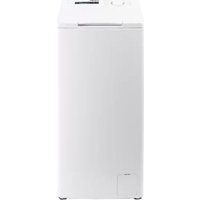
SVL651CS - Lave-linge SVAN - Notice d'utilisation et mode d'emploi gratuit
Retrouvez gratuitement la notice de l'appareil SVL651CS SVAN au format PDF.


| Type de produit | Lave-linge frontal |
| Marque | SVAN |
| Modèle | SVL651CS |
| Capacité de lavage | 6,5 kg |
| Vitesse d'essorage maximale | 1200 tours/min |
| Classe énergétique | A++ |
| Alimentation électrique | 230 V ~ 50 Hz, 10 A |
| Dimensions (H x L x P) | 85 cm x 60 cm x 55 cm |
| Poids net | 65 kg |
| Niveau sonore (lavage/essorage) | 57 dB / 75 dB |
| Programmes de lavage | Coton, Synthétique, Délicat, Rapide, Laine, Rinçage, Essorage |
| Fonctions spéciales | Départ différé (24h), Sécurité enfants, Anti-balourd |
| Type de tambour | Acier inoxydable, ondulations douces |
| Pieds réglables | Oui, 4 pieds |
| Nettoyage et entretien | Filtre à peluches accessible, bac à lessive amovible |
| Indication de panne | Afficheur digital avec codes d'erreur |
| Pièces détachées | Disponibles sur le site SVAN ou auprès des revendeurs |
FOIRE AUX QUESTIONS - SVL651CS SVAN
Questions des utilisateurs sur SVL651CS SVAN
0 question sur cet appareil. Repondez a celles que vous connaissez ou posez la votre.
Poser une nouvelle question sur cet appareil
Téléchargez la notice de votre Lave-linge au format PDF gratuitement ! Retrouvez votre notice SVL651CS - SVAN et reprennez votre appareil électronique en main. Sur cette page sont publiés tous les documents nécessaires à l'utilisation de votre appareil SVL651CS de la marque SVAN.
MODE D'EMPLOI SVL651CS SVAN
svan
USER MANUAL WASHING MACHINE TOP LOADING

natural_image
Line drawing of a washing machine (no text or symbols)SLV651CS SLV814CS
SVAN TRADING S.L.
C/Ciudad de Cartagena, 20. Paterna (46988). SPAIN.
info@svanelectro.com
96060034
Read this manual carefully and keep it for future reference.
PRECUACIONES DE SEGURIDAD
■ Precauciones de seguridad.... 2
INSTALACIÓN
■ Descripción del producto....7
■ Instalación.... 8
FUNCIONAMIENTO
■ Inicio rápido 11
■ Antes de cada lavado 12
■ Dispensador del detergente.... 13
■ Panel de control.... 14
■ Funciones.... 15
■ Otras funciones.... 17
■ Programas.... 19
■ Tabla de programa de lavados.... 20
MANTENIMIENTO
■ Limpieza y cuidados 21
■ Resolución de problemas.... 24
■ Especificaciones técnicas ...... 25
■ Ficha del producto.... 26
GARANTÍA
■ Garantía comercial .... 30
■ Precauciones de seguridad
Por su seguridad, debe seguir la información recogida en este manual para minimizar el riesgo de incendio, explosión, descarga eléctrica y para prevenir daños a la propiedad.
Explicación de símbolos:
Advertencia
Indica una situación potencialmente peligrosa que puede provocar la muerte o lesiones graves.
⚠ Precaución
Indica una situación potencialmente peligrosa que puede dar lugar a lesiones leves o daños a la propiedad y al medio ambiente.
Note
Indica una situación potencialmente peligrosa que puede dar lugar a lesiones leves o menores.
Advertencia
Descarga eléctrica
- Si el cable de alimentación está dañado, debe ser sustituido por el fabricante, por un profesional o personas cualificadas similares para evitar cualquier peligro.
- Los nuevos juegos de mangueras suministrados con el aparato son las que deben ser utilizadas, nunca se debe reutilizar un juego viejo de mangueras.
- Antes de realizar cualquier tipo de mantenimiento, desenchufe el aparato de la red eléctrica.
- Desenchufe siempre el aparato y cierre el suministro de agua después de su uso. La máxima presión de entrada de agua, en pascales. La presión mínima del agua también se mide en pascales.
- Para garantizar su seguridad, el enchufe debe estar insertado en una toma de corriente con conexión a tierra de tres polos. Compruebe cuidadosamente y asegúrese de que su enchufe está correctamente conectado a tierra.
- Asegúrese de que el agua y los dispositivos eléctricos son conectados por un técnico cualificado de acuerdo con las instrucciones del fabricante y las normas de seguridad locales.
Riesgos para los niños
- El aparato puede ser utilizado por niños de 8 años o más y por personas con capacidades físicas, sensoriales o mentales reducidas o con falta de experiencia y conocimientos si se les ha supervisado o instruido sobre el uso del aparato de forma segura y si comprenden los peligros que conlleva. Los niños no deberán jugar con el aparato. La limpieza y el mantenimiento del usuario no serán realizados por niños sin supervisión.
- Los niños menores de 3 años deben ser supervisados para asegurarse de que no jueguen con el aparato.
- Los animales y los niños podrían subirse a la máquina. Revise la máquina antes de cada operación.
- Los niños deben ser supervisados para que no jueguen con el aparato.
PRECAUCIONES DE SEGURIDAD
- Retire todos los paquetes y pernos de transporte antes de usar el aparato. De lo contrario, pueden producirse daños graves.
- El enchufe debe ser accesible después de la instalación.
¡Riesgo de explosión!
- No lave ni seque los artículos que hayan sido limpiados, lavados, empapados o rociados con sustancias combustibles o explosivas (como cera, aceite, pintura, gasolina, desengrasantes, disolventes de limpieza en seco, queroseno, etc.). Esto puede resultar en incendio o explosión.
- Antes de lavar a mano, enjuague bien los artículos de lavado a mano.
ⓘ ¡Precaución!
¡Instalación del producto!
- Esta lavadora es sólo para uso domésticos.
- No está pensada para ser usada en grandes instalaciones.
- Las aberturas no deben ser obstruidas por una alfombra.
- La lavadora no debe instalarse en cuartos de baño o habitaciones muy húmedas, así como en las habitaciones con gases explosivos o cáusticos.
- La lavadora con una sola válvula de entrada sólo puede ser conectada al suministro de agua fría. El producto con válvulas de doble entrada debe conectarse correctamente al suministro de agua caliente y de agua fría.
- El enchufe debe ser accesible después de la instalación.
PRECAUCIONES DE SEGURIDAD
- Retire todos los paquetes y pernos de transporte antes de usar el aparato. De lo contrario, pueden producirse daños graves
¡Peligro de dañar el aparato!
- Su producto es sólo para uso doméstico y sólo está diseñado para los textiles adecuados para el lavado a máquina.
- No suba y ni se siente en la cubierta superior de la máquina.
- No se apoye en la puerta de la máquina.
-
Precauciones durante el manejo de la máquina:
-
Los pernos de transporte deben ser reinstalados en la máquina por una persona especializada.
- El agua acumulada debe ser drenada fuera de la máquina.
- Maneje la máquina con cuidado. Nunca sostenga cada parte sobresaliente de la máquina mientras la levanta. La puerta de la máquina no puede ser utilizada como asa durante el transporte.
-
Este aparato es pesado. Transpórtelo con cuidado.
-
Por favor, no cierre la puerta con excesiva fuerza. Si encuentra dificultades para cerrar la puerta, por favor, compruebe si la ropa está bien puesta o distribuida.
- Está prohibido lavar las alfombras.
Funcionamiento del aparato.
- Los disolventes inflamables y explosivos o tóxicos están prohibidos. La gasolina y el alcohol, etc. no deben ser usados como detergentes. Por favor, seleccione sólo los detergentes adecuados para el lavado a máquina, especialmente para el tambor.
- Asegúrese de que todos los bolsillos están vacíos. Los objetos afilados y rígidos como monedas, broches, clavos, tornillos o piedras, etc. pueden causar graves daños a esta máquina.
- Por favor, compruebe que el agua del interior del tambor se ha vaciado antes de abrir su puerta. Por favor, no abra la puerta si ve agua.
- Tenga cuidado de no quemarse cuando el producto escurra el agua de lavado caliente.
- Nunca rellene el agua a mano durante el lavado.
- Una vez completado el programa, espere dos minutos para abrir la puerta.
Disposición de eliminación

ELIMINACIÓN: No elimine este producto como residuos municipales sin clasificar. Es necesario recoger estos residuos por separado para un tratamiento especial.
En base a la directiva europea 2012/19/UE de residuos de aparatos eléctricos y electrónicos (RAEE), los electrodomésticos no pueden ser arrojados en los contenedores municipales habituales; tienen que ser recogidos selectivamente para optimizar la recuperación y reciclado de los componentes y materiales que los constituyan y reducir el impacto en la salud humana y el medio ambiente.
El símbolo del cubo de basura tachado se marca sobre todos los productos para recordar al consumidor la obligación de separarlos para la recogida selectiva. El consumidor debe contactar con la autoridad local o con el vendedor para informarse en relación a la correcta eliminación de su electrodoméstico.
■ Descripción del producto


Nota
- El gráfico de la línea de productos es solo para referencia, por favor refiérase al producto real como estándar.
Accesorios
| Tapones de sujeción para el transporte | Manguera de suministro de agua fría | Soporte de la manguera de drenaje (opcional) | Manual de usuario |
■ Instalación
Área de instalación
¡Advertencia!
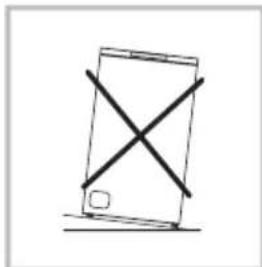
- La estabilidad es muy importante para evitar que el producto se desplace.
- Asegúrese de que el producto no se apoye en el cable de alimentación.
Antes de instalar la máquina, se debe elegir el lugar de instalaón que se caracterice por:
- Una superficie rígida, seca y nivelada
- Que no de la luz solar directa
- Que exista suficiente ventilación
- Que la temperatura ambiente sea superior a 0°C
- Que esté alejado de fuentes de calor como el carbón o el gas.

natural_image
Simple line drawing of a smartphone with X-shaped cross mark (no text or symbols)Desembalar la lavadora
Advertencia!
- El material de embalaje (por ejemplo, películas, espuma de poliestireno) puede ser peligroso para los niños.
- Existe un riesgo de asfixia! Mantenga todos los embalajes bien alejados de los niños.

natural_image
Illustration of a box with an upward arrow and a magnified inset showing a city skyline (no text or symbols)- Retire la caja de cartón y el embalaje de espuma de poliestireno.
- Levante la lavadora y retire la empaquetadura de la base. Asegúrese de quitar la espuma triangular pequeña con la inferior unida. De lo contrario, coloque la unidad con la superficie lateral, luego retire la espuma pequeña de la parte inferior de la unidad manualmente.
- Retire la cinta que sujeta el cable de alimentación y la manguera de drenaje.
- Retire la manguera de entrada del tambor.
Quitar los pernos de transporte
Advertencia!
- Debe quitar los pernos de transporte de la parte trasera antes de usar el producto.
- Necesitará los pernos de transporte de nuevo si mueve el producto, así que asegúrese de mantenerlos en un lugar seguro.
Por favor, siga los siguientes pasos para quitar los pernos:
- Afloje 4 pernos con una llave y luego retírelos.
- Detenga los agujeros con tapones para agujeros de transporte.
- Guarde los tornillos de transporte de forma adecuada para su uso futuro.

V.1
Nivelar la lavadora !

¡Advertencia!
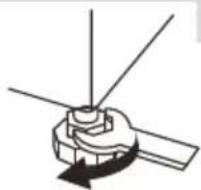
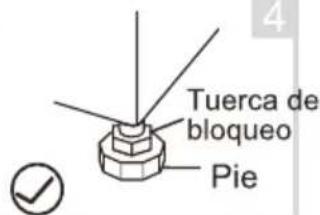
- Las tuercas de bloqueo de los cuatro pies deben ser atornilladas firmemente contra la carcasa.
- Comprueba si las patas están estrechamente unidas al armario. Si no es así, por favor gíralas a sus posiciones originales y aprieta las tuercas.
- Afloje la contratuerca, gire las patas hasta que hagan contacto con el suelo.
- Ajuste las patas y bloquéelas con una llave, asegúrese de que la máquina esté firme.

Apretar

Aflojar
Conectar la manguera al suministro de agua

Advertencia
- Para evitar fugas o daños causados por el agua, siga las instrucciones de este manual:
- No doble, aplaste, modifique o corte la manguera de entrada de agua.
- Para el modelo que incorpora la válvula caliente, hay que conectarse al grifo de agua caliente con la manguera de suministro de agua caliente. El consumo de energía se reducirá automáticamente para algunos programas.
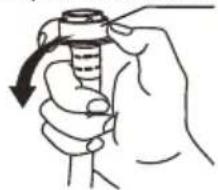
Conecte el tubo de entrada como se indica. Hay dos maneras de conectar el tubo de entrada:
- Conexión entre el grifo común y la manguera de entrada.

Afloja las tuercas de la sujeción y los cuatro pernos

natural_image
Pure mechanical diagram showing a pipe joint with flanged ends and a central shaft (no text or symbols)Apriete la tuerca de la abrazadera
Casquillo de deslizamiento
natural_image
Illustration of a hand holding a cylindrical object with an arrow indicating rotation (no text or symbols)Presione el casquillo deslizante, inserte la manguera de entrada en la base de conexión

natural_image
Diagram of a mechanical assembly with a pipe fitting and upward arrow (no text or symbols)Conexión finalizada
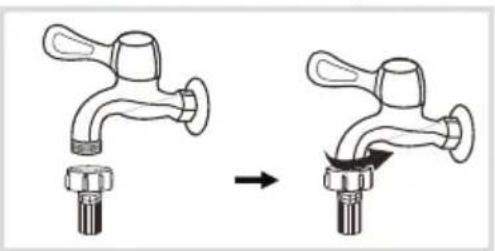
- Conexión entre el grifo de tornillo y la manguera de entrada.
natural_image
Diagram showing a faucet being inserted into a tap, with an arrow indicating the process (no text or symbols present)Grifo con rosca y manguera de entrada

Grifo especial para la lavadora
INSTALACIÓN
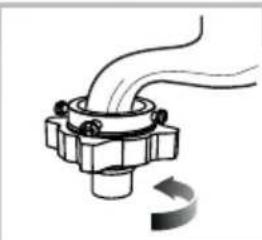
Conecte el otro extremo de la manguera de admisión a la válvula de entrada en la parte posterior de la lavadora y fije la manguera firmemente en el sentido de las agujas del reloj.

Manguera de desagüe
Atención
- No doble o prolongue la manguera de drenaje.
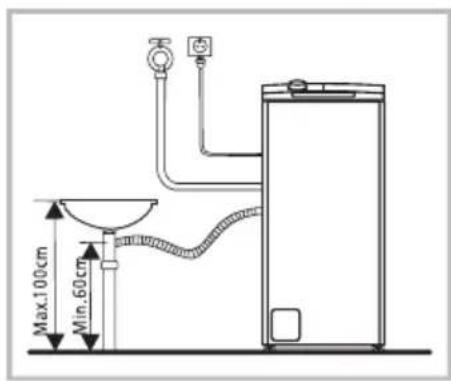
- Coloque la manguera de desagüe correctamente, de lo contrario podría dañarse por la fuga de agua.
Existen dos formas para colocar la manguera de desagüe
-
Conectándolo al desagüe
-
Conectándolo al tubo de desagüe de la cañería de desagüe.

I Nota
- Si la máquina tiene un soporte para la manguera de desagüe, por favor instálela de la siguiente manera:

natural_image
Line drawing of a kitchen sink with faucet and sink (no text or symbols)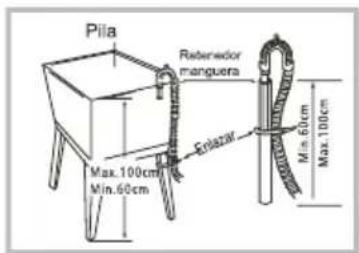
Advertencia!
- Cuando instale la manguera de desagüe, fijela correctamente con una cuerda.
- Si la manguera de desagüe es demasiado larga, no la fuerce a meter en la lavadora ya que causará ruidos anormales.
Inicio rápido
! ¡Atención!
- Antes de lavar, por favor, asegúrese de que está instalado correctamente.
1. Antes del lavado

- Revisa el rodillo antes de cada lavado, debe rodar suavemente.

¡Nota!
- El detergente debe ser añadido en caso de que yo, después de seleccionar prelavado para las máquinas con esta función.
- Asegúrese de que la tapa del tambor esté bien cerrada.

natural_image
Pure diagram of a mechanical or electrical component with no text, numbers, or symbols- Todos los ganchos metálicos deben estar correctamente enganchados dentro de la puerta
trasera.

natural_image
Pure diagram of a mechanical component with no text, numbers, or symbols2. Lavado

Seleccione
el programa
Seleccione la función
o el valor
predeterminado
Iniciar

¡Nota!
- Si se selecciona el valor predeterminado, se puede omitir el paso 2.
3. Después del lavado
Aparecerá "Fin" en la pantalla
■ Antes de cada lavado
- La condición de funcionamiento de la lavadora debe ser entre 0-40°C. Si se utiliza -0°C, la válvula de entrada y el sistema de drenaje pueden estar dañados. Si la máquina se coloca en condiciones de 0°C o menos, entonces debe ser transferida a la temperatura ambiente normal para asegurar que la manguera de suministro de agua y la manguera de drenaje no se congelen antes de su uso.
- Por favor, compruebe las etiquetas y las explicaciones de uso del detergente antes de lavar. Utilice un detergente que no produzca espuma o que produzca poca espuma y que sea adecuado para un lavado adecuado.

natural_image
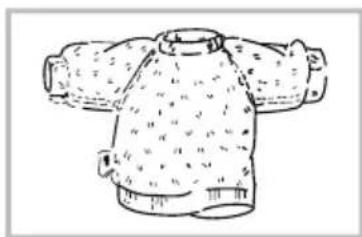
Simple line drawing of a sweater with a tag and tie (no text or symbols)Revise la etiqueta

Saque los objetos de los bolsillos

natural_image
Two handbags with circular designs, one tied with a ribbon and the other with a loop (no text or symbols)Anude las tiras largas, las cremalleras o los botones

natural_image
Simple line drawing of a bag with a grid pattern and a small object inside (no text or symbols)Ponga las cosas más pequeñas en fundas para lavado
natural_image
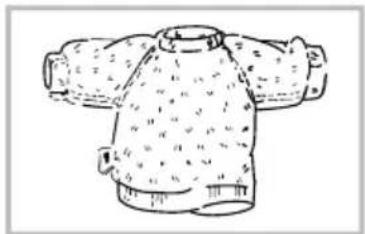
Line drawing of a T-shirt with chest, arms, and patterned shirt (no text or symbols)Ponga del revés las prendas con tejidos más densos o tejidos que se puedan desprender fácilmente.
natural_image
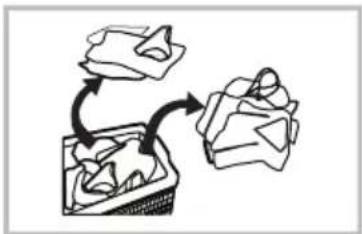
Simple line drawing of a bag being folded into a basket (no text or symbols)Separe la ropa de diferentes texturas
¡Atención!
- Al lavar una sola prenda, puede fácilmente causar excentricidad y activar la alarma debido a un gran desequilibrio. Por lo tanto se sugiere añadir una o dos ropas más para ser lavadas juntas, de modo que el drenaje pueda hacerse sin problemas.
- No lavar la ropa en contacto con queroseno, gasolina, alcohol y otros materiales inflamables.

Dispensador de detergente
11
Detergente de prelavado
[NO TEXT]
Detergente de lavado principal
Suavizante

¡Precaución!
- Sólo hay que añadir detergente en el "Prelavado! (I) después de seleccionar el pre-lavado para las máquinas con esta función.
- No exceda la marca de nivel "MAX" al rellenar el detergente, los aditivos o el suavizante.
| Programa | I | II | |
| Algodón | ○ | ● | ○ |
| Sintéticos | ○ | ● | ○ |
| Mix | ○ | ● | ○ |
| Vaqueros | ○ | ● | ○ |
| Ropa de deporte | ○ | ● | ○ |
| Limpieza de tambor | |||
| 20°C | ● | ○ | |
| Intensivo | ● | ○ | |

Obligatorio

Opcional
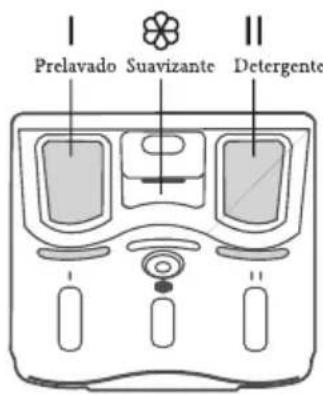
Saque el dispensador

Nota
- En caso de añadir detergente o aditivo concentrado, antes de verterlo en la caja de detergente, se sugiere utilizar un poco de agua para diluirlo, a fin de evitar que la entrada de la caja de detergente se bloquee y se desborde mientras se llena de agua.
- Elija el tipo de detergente adecuado para las distintas temperaturas de lavado para obtener el mejor rendimiento de lavado con un menor consumo de agua y energía.
■ Panel de control

Nota
- La tabla es solo referencia. Por favor, refiérase al producto real como estándar
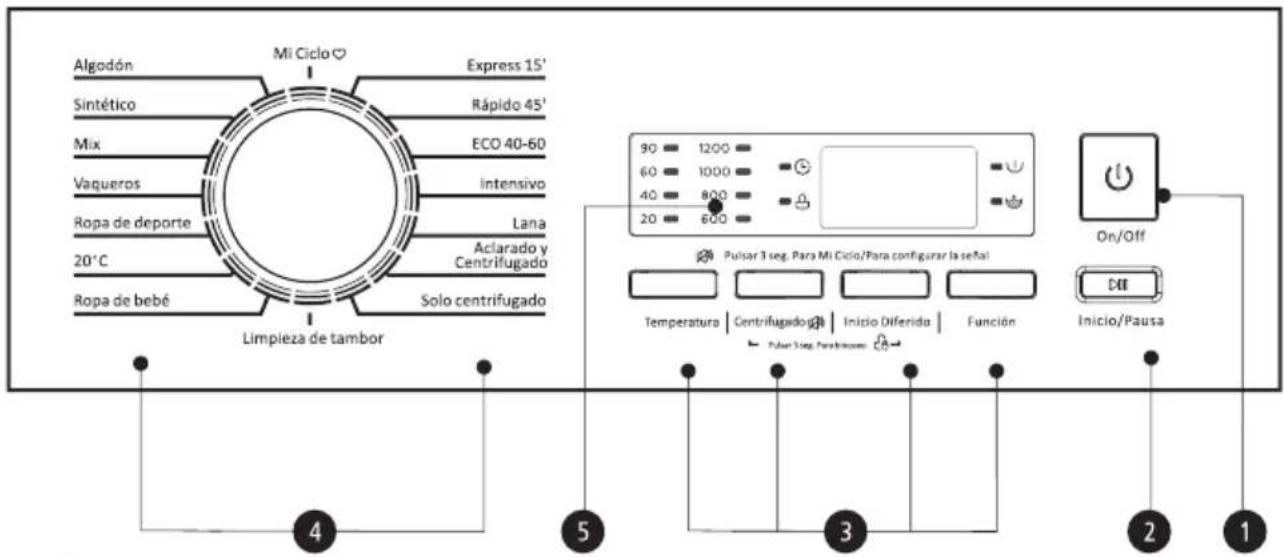
1 On/Off
La máquina se enciende y se apaga
3 Ajustes
Esto le permite seleccionar una función adicional, la función escogida se iluminará cuando se seleccione.
5 Pantalla
Inicio/Pausa
Presione el botón para iniciar o pausar el ciclo de lavado
4 Programas
Es aconsejable que el usuario lave la ropa de acuerdo al programa adecuado
La pantalla muestra los ajustes, el tiempo restante estimado, las opciones y los mensajes de estado de la lavadora. La pantalla permanecerá encendida durante todo el ciclo.
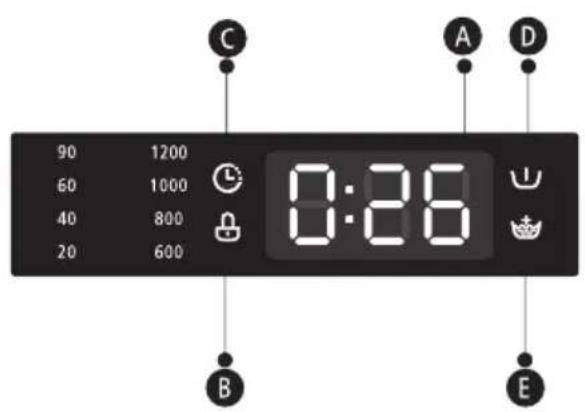
A Pantalla
Tiempo de lavado Inicio diferido
125 24
Fin Error
End E30
B Bloqueo de puerta C Inicio diferido
D Prelavado E Aclarado extra
■ Funciones
Prelavado
Prelavado
La función de prelavado proporciona un lavado adicional antes del lavado principal. Esta función es adecuada para retirar el polvo que sube a la superficie de la ropa; debe poner detergente en el cajón (I) cuando lo seleccione.
Aclarado extra
Aclarado extra
La ropa se someterá a un enjuague adicional una vez que la seleccione.
Inicio diferido
Inicio diferido
Ajuste de la función de inicio diferido:
-
Seleccione un programa; 2. Pulse el botón Inicio Diferido para elegir el tiempo (el tiempo de retraso es 0-24 H / 3H-6H-9H);
-
Pulse [Inicio / Pausa] para iniciar la operación de inicio diferido.

Elija el programa


Ajuste el tiempo


Inicie
Cancele la función Delay:
Presione el botón [Inicio diferido] hasta que la pantalla sea 0H. Debe presionarse antes de iniciar el programa. Si el programa ya se inició, debe apagar el programa para restablecer uno nuevo.
¡Precaución!
- Si hay alguna interrupción en el suministro de energía mientras la máquina está funcionando, una memoria especial almacena el programa seleccionado y cuando se reinicia la energía, el programa continua.
| Programa | Funciones | Programa | Funciones | ||||
| Inicio diferido | Aclarado extra | Prelavado | Inicio diferido | Aclarado extra | Prelavado | ||
| Algodón | ○ | ○ | ○ | Limpieza de tambor | ○ | ||
| Express 15' | ○ | Ropa bebé | ○ | ○ | ○ | ||
| Rápido 45' | ○ | ○ | ○ | Ropa de deporte | ○ | ○ | ○ |
| ECO 40-60 | ○ | Vaqueros | ○ | ○ | ○ | ||
| Intensivo | ○ | Lana | ○ | ○ | |||
| 20°C | ○ | ○ | Sintéticos | ○ | ○ | ○ | |
| Aclarado y centrifugado | ○ | ○ | Mix | ○ | ○ | ○ | |
| Solo centrifugado | ○ | ||||||
Opcional (Algunos modelos tienen función de pesaje inteligente, consulte el producto real)
■ Otras funciones

Temperatura
Presione el botón para regular la temperatura (Frío, 20 °C, 40 °C, 60 °C, 90 °C)

Centrifugado
Presione el botón para seleccionar la velocidad de centrifugado:
1200: 0-600-800-1000-1200
1300: 0-600-800-1000-1300
| Programa | Velocidad por defecto(rpm) | Programa | Velocidad por defecto(rpm) | ||
| 1200 | 1300 | 1200 | 1300 | ||
| Algodón | 1200 | 1300 | Limpieza de tambor | - | - |
| Express 15' | 800 | 800 | Ropa bebé | 800 | 800 |
| Rápido 45' | 800 | 800 | Ropa de deporte | 800 | 800 |
| ECO 40-60 | 1200 | 1300 | Vaqueros | 800 | 800 |
| Intensivo | 800 | 800 | Lana | 600 | 600 |
| 20°C | 1000 | 1000 | Sintéticos | 1200 | 1300 |
| Aclarado y centrifugado | 800 | 1000 | Mix | 800 | 1000 |
| Solo centrifugado | 800 | 1000 | |||

Bloqueo infantil
Para evitar un mal funcionamiento por parte de los niños

flowchart
graph LR
    A[" fan icon "] --> B[" play button "]
    B --> C[" Centrifug "]
    C --> D[" Inicio diferido "]
    D --> C
Elija el programa
Inicie
Presione [Centrifug.] e [inicio diferido]3 seg. hasta que suene un pitido.
¡Precaución!
- Durante la activación de la función "Bloqueo infantil", la señal sonará 3 veces, cuando se presionen los botones.
- Presione también los dos botones durante 3 segundos para desactivar la función.
- El "Bloqueo infantil" bloqueará todos los botones excepto el botón de encendido.
- Si se corta la fuente de alimentación, el bloqueo infantil se desactivará.

Sinlenciar avisos


Elija el programa
Presone [Centrifug.] 3seg., para silenciar los avisos.
Para activar la función de avisos, presione el botón nuevamente durante 3 segundos. La configuración se mantendrá hasta el próximo reinicio.
¡Precaución!
- Después de silenciar los avisos, los sonidos ya no se activarán.

Mi Ciclo
Memoriza el programa de uso frecuente.
Después de elegir el programa y configurar las opciones, presione [Temp.] 3 seg. antes de empezar a lavar. El programa de ajuste predeterminado es Algodón.
■ Programas
Programas disponibles según el tipo de colada
| Programa | |
| Algodón | Tejidos resistentes al calor de algodón o lino. |
| Sintéticos | Lavar prendas sintéticos, por ejemplo: camisas, abrigos y mix de tejidos. Al lavar los tejidos de punto, la cantidad de detergente se reducirá debido a su estructura de hilo suelto y la fácil formación de burbujas. |
| Ropa bebé | Lavar ropa del bebé para que esté más limpia. El prorgama mejora el rendimiento del enjuague para proteger la piel del bebé. |
| Rápido 45' | Lavar rápidamente poca ropa y no muy sucia. |
| Mix | Carga mixta compuesta por textiles de algodón y sintéticos. |
| Ropa de deporte | Lavar la ropa deportiva. |
| Vaqueros | Especialmente para vaqueros |
| Express 15' | Programa extra corto adecuado para ropa poco sucia como pequeñas cantidades de ropa. |
| Lana | Tejidos de lana o tejidos hechos a mano ricos en lana para lavado a máquina. Programa de lavado especialmente suave para evitar que se encojan, pausas más largas del programa (los tejidos descansan en el líquido de lavado). |
| Solo centrifugado | Centrifugado extra con velocidad seleccionable. |
| Aclarado y centrifugado | Enjuague adicional con centrifugado. |
| Limpieza de tambor | Disponible especialmente en esta máquina para limpiar el tambor y la tubería. Aplica esterilización a alta temperatura a 90 ° C para que el lavado de la ropa sea más ecológico. Cuando se ejecuta este programa, no se pueden agregar prendas. Si se añade una cantidad adecuada de agente blanqueador con cloro, el efecto de limpieza del tambor será mejor. El usuario puede utilizar este programa con regularidad según sus necesidades. |
| ECO 40-60 | Predeterminado 40 °C, no seleccionable, adecuado para el lavado de ropa a aproximadamente 40 60 -60 °C. |
| Intensivo | Para aumentar los efectos del lavado, se aumenta el tiempo de lavado |
| 20°C | Lavar ropa de colores brillantes, para protegerlos. |
■ Tabla de programas de lavado
| Programme | Load(kg) | Temp.(°C) | Default Time | ||
| 8.0 | 6.06.0 | 8.0 | |||
| Cotton | 6.0 | 8.0 | 40 | 2:40 | 3:39 |
| Synthetic | 3.0 | 4.0 | 40 | 2:20 | 3:17 |
| Mix | 6.0 | 8.0 | 40 | 1:37 | 1:37 |
| Jeans | 6.0 | 8.0 | 60 | 1:45 | 1:45 |
| Sportswear | 3.0 | 4.0 | 40 | 1:31 | 1:31 |
| 20°C | 3.0 | 4.0 | 20 | 1:01 | 1:01 |
| Baby Care | 6.0 | 8.0 | 60 | 1:42 | 1:42 |
| Drum Clean | - | - | 90 | 1:18 | 1:18 |
| Spin Only | 6.0 | 8.0 | -- | 0:12 | 0:12 |
| Rinse & Spin | 6.0 | 8.0 | -- | 0:20 | 0:20 |
| Wool | 2.0 | 2.0 | 40 | 1:07 | 1:07 |
| Intensive | 6.0 | 8.0 | 40 | 3:48 | 3:48 |
| ECO 40_60 | 6.0 | 8.0 | -- | 3:16 | 3:32 |
| Rapid 45' | 2.5 | 2.5 | 40 | 0:45 | 0:45 |
| Quick 15' | 2.0 | 2.0 | Cold | 0:15 | 0:15 |
- Con respecto a EN 60456: 2016 Con (UE) No 1061/2010, la clase de eficiencia energética de la UE es: A +++
- Programa de prueba de energía: Intensivo 60/40 °C; Velocidad de centrifugado: la más alta Otro como predeterminado.
Media carga para una lavadora de 6.0Kg/8.0Kg:3.0 Kg/4.0 Kg. - Con respecto a EN 60456: 2016 / prA2019 Con (UE) 2019/2014, (UE) 2019/2023, la clase de eficiencia energética de la UE es: C Programa de prueba energética: ECO 40-60. Otro como predeterminado.
Media carga para máquina de 6.0Kg / 8.0Kg : 3.0 Kg / 4.0 Kg .
Cuarto de carga para máquina de 6.0Kg / 8.0Kg : 1.5 Kg / 2.0 Kg.

¡Nota!
- Los parámetros de esta tabla son solo para referencia del usuario. Los parámetros reales pueden ser diferentes a los de la tabla mencionada anteriormente.
V.1
■ Limpieza y cuidado
⚠️ ¡ Advertencia!
- Antes de empezar el mantenimiento, desenchufe la máquina y cierre el grifo.
Limpiar el armario de la lavadora
- El mantenimiento adecuado de la lavadora puede prolongar su vida útil.
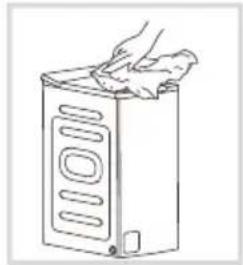
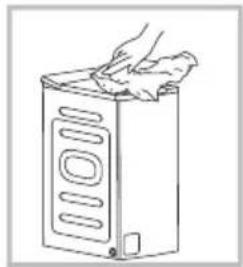
- La superficie puede ser limpiada con detergentes neutros no abrasivos cuando sea necesario.
- Si hay algún desbordamiento de agua, use el paño húmedo para limpiarlo inmediatamente.
• No use ningún objeto punzante ni golpee la lavadora.
natural_image
Line drawing of a hand cleaning a kitchen appliance with a lid (no text or symbols)¡Nota!
- El ácido fórmico y sus disolventes diluidos o equivalentes están prohibidos, como el alcohol, los disolventes o los productos químicos, etc.
Limpieza del tambor
Limpie inmediatamente con detergente sin cloro el óxido que dejan en el tambor los objetos metálicos. No utilice nunca un estropajo de aluminio.
Note
- No coloque ropa en la lavadora durante la limpieza del tambor.
Limpieza del filtro y de la bomba de desagüe

Nota
- El filtro de entrada debe ser limpiado si hay menos agua
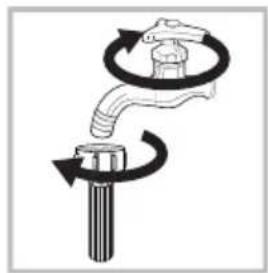
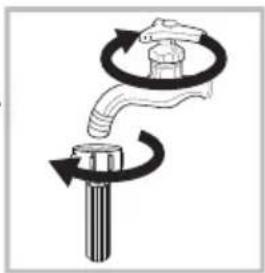
Limpieza del filtro del grifo:
- Cierre el grifo
- Extraiga el tubo de admisión de agua
- Limpie el filtro con agua
- Vuelve a conectar la tubería de admisión
Limpieza del filtro de la lavadora:
- Desenrosque el tubo de admisión de la parte trasera.
- Extraiga el filtro con unas pinzas largas y vuelva a colocarlo en su sitio después de limpiarlo.
- Use un cepillo para limpiar el filtro
- Reconecte la tubería de entrada.
natural_image
Diagram of a faucet with rotating arrows indicating flow or movement (no text or symbols)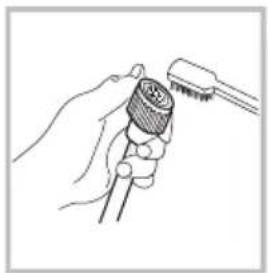
natural_image
Line drawing of a hand holding a connector with a tool inserted (no text or symbols)
natural_image
Illustration of a hand using a tool to adjust or install a component, with a magnified inset showing the mechanical component (no text or symbols present)
natural_image
Line drawing of a hand holding a magnifying glass over a mechanical component (no text or symbols)
¡Nota!
- Si el cepillo no está limpio, puede sacar el filtro y limpiarlo por separado.
- Reconecte, vuelva a abrir el grifo.
Limpieza del cajetín de detergente
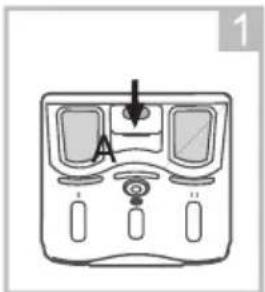
- Presione hacia abajo la flecha que se encuentra en la cubierta del suavizante dentro del cajón dispensador.
2.Levante el clip y saque la tapa de suavizante. Lave todas las ranuras con agua.
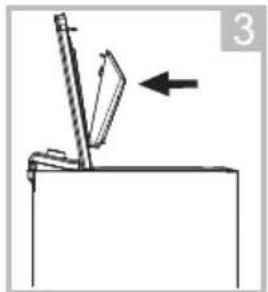
3.Vuelva a colocar la cubierta del suavizante y empuje el cajón hasta su posición.
natural_image
Line drawing of a medical device with labeled ports and a central arrow (no text or symbols)Presione el dispensador hacia abajo pulsando A

natural_image
Line drawing of a water control device with faucet and control panel (no text or symbols)Limpie el dispensador bajo el agua

natural_image
Simple line drawing of a mechanical component with an arrow indicating direction (no text or symbols)Inserte de nuevo el dispensador

Nota
- No utilice alcohol, disolventes o productos químicos para limpiar la lavadora
Limpieza del filtro de la bomba de desagüe
Advertencia
- ¡Tenga cuidado con el agua caliente!
- Deje que la solución de detergente se enfríe.
- Desenchufe la máquina para evitar una descarga eléctrica antes de limpiar.
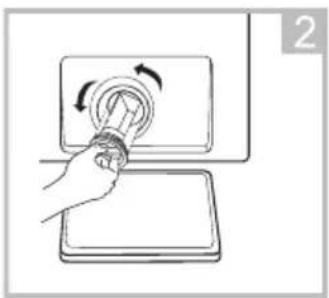
- En el filtro de la bomba de desagüe pueden entrar hilos y pequeños objetos procedentes del lavado.
- Limpie el filtro periódicamente para asegurar el funcionamiento normal de la lavadora.

natural_image
Simple line drawing of a mechanical component with a circular feature and an arrow indicating rotation (no text or symbols)Abra la tapa inferior de la cubierta
natural_image
Hand placing a button into a tray with an arrow indicating rotation (no text or symbols)Abra el filtro girando en el sentido contrario de las agujas del reloj

Elimine cualquier objeto extraño
natural_image
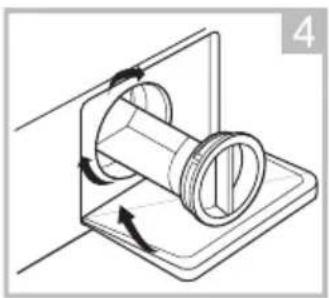
Technical line drawing of a mechanical assembly with rotating components (no text or symbols)Cierre la tapa inferior
① Atención
- Asegúrase de que la tapa de la válvula y la manguera de desagüe de emergencia se reinstalen correctamente, las placas de la tapa deben insertarse alineadas con las placas del orificio, de lo contrario el agua puede filtrarse.
- Cuando el aparato está en uso y dependiendo del programa seleccionado puede haber agua caliente en la bomba. Nunca quite la tapa de la bomba durante un ciclo de lavado, espere siempre hasta que el aparato haya terminado el ciclo y esté vacío. Cuando vuelva a colocar la tapa, asegúrese de que esté correctamente cerrada.
MANTENIMIENTO
■Resolución de problemas
El aparato no arranca o se detiene durante el funcionamiento. Primero intente encontrar una solución al problema. Si no, póngase en contacto con el centro de servicio.
| Descripción | Razón | Solución |
| La lavadora no puede iniciarse | La puerta no está cerrada correctamente | Reinicie después de cerrar la puerta Compruebe si hay ropa atascada |
| La puerta no puede abrirse | La protección de seguridad de la lavadora está activa | Desconecte de la corriente, reinicie la lavadora |
| Fuga de agua | La conexión entre la tubería de entrada o la de salida no está ajustada | Revise y ajuste las tuberías de agua. Limpie la manguera de salida |
| Residuos de detergente en el dispensador | El detergente está humedecido o aglomerado | Limpie la caja de detergente |
| Los indicadores del display no se iluminan | No está conectado a la corriente o la placa de control tiene un problema de conexión | Compruebe si la lavadora está apagada y el enchufe está conectado correctamente. |
| Ruido anormal | Compruebe si se han quitado los tornillos de fijación Verifique que esté instalado en un suelo sólido y nivelado |
| Descripción | Razón | Solución |
| E30 | La puerta no está cerrada correctamente | Reinicie después de cerrar la puerta Compruebe si hay ropa atascada |
| E10 | Problema de inyección de agua durante el lavado | Compruebe si la presión del agua es demasiado baja. Enderece la tubería de agua Compruebe si el filtro de la válvula de entrada está bloqueado |
| E21 | Demasiado tiempo para drenar el agua | Compruebe si la manguera de drenaje está bloqueada |
| E12 | Desbordamiento de agua | Reinicie la lavadora |
| EXX | Otros | Intente solucionar el problema y si no puede, llame al servicio técnico |

¡Nota!
- Después de cualquier verificación, active el aparato. Si sigue el problema o la pantalla muestra otros códigos de alarma nuevamente, comuníquese con el servicio técnico.
■ Especificaciones técnicas
Alimentación 220-240V\~,50Hz
Intensidad máxima 10A
Presión del agua estándar 0.1MPa\~1MPa

| Modelo | Capacidad de lavado | Dimensiones (An*Fon*Almm) | Peso neto | Potencia nominal |
| SVL651CS | 6.0kg | 400*610*875 | 56kg | 2100W |
| SVL814CS | 8.0kg | 400*610*875 | 56kg | 2000W |
Ficha de producto relativa a la EN 60456:2016 con (EU)No.1061/2010.
| arca registrada | |
| dentificador de modelo | SVL651C S |
| Capacidad nominal en g en la lavander a de algod n | 6 |
| Clase de eficiencia energ tica en una escala de A (más eficiente) a (menos eficiente) | A+++ |
| El consumo de energ a es de 129 h por a o asado en 220 ciclos de lavado estándar para los programas estándar de algod n a 60 C 40 C a carga completa parcial el consumo de los modos de a a potencia. El consumo real de energ a dependerá de c mo se utilice el aparato. | |
| Consumo de energía programa estándar 60°C con carga completa | 0.68kwh |
| Consumo de energía programa estándar 60°C con carga parcial | 0.74kwh |
| Consumo de energía programa estándar 40°C con carga parcial | 0.60kwh |
| El consumo de energ a ponderado del modo apagado | 0.50W |
| Consumo de energ a ponderado del modo de encendido a la i uierda | 1.00W |
| Consumo de agua 11000 litros por a o asado en 220 ciclos de lavado estándar para los programas de algod n estándar a 60 C 40 C a carga completa parcial. El consumo real de agua dependerá de c mo se utilice el aparato. | |
| Clase de eficiencia de secado por centrifugado B en una escala de G (menos eficiente) a A (más eficiente) | |
| Velocidad máxima de centrifugado | 1200 |
| Contenido de humedad restante | 53% |
| rograma intensivo de 60 C rograma intensivo de 40 C son los programas de lavado estándar a los ue se refiere la informaci n de la eti ueta la ficha ue estos programas son adecuados para limpiar ropa de algod n normalmente sucia ue son los programas más eficientes en t rminos de consumo com inado de energ a agua. | |
| iempo del programa de algod n estándar de 60 C con carga completa | 260min |
| iempo del programa de algod n estándar de 60 C con carga parcial | 255min |
| iempo del programa de algod n estándar de 40 C con carga parcial | 260min |
| iempo de duraci n del modo de encendido a la i uierda | - |
| Nivel sonoro durante la fase de lavado | 64dB |
| Nivel sonoro durante el centrifugado | 80dB |
| Lavadora integrable | no |
Programa de test de prueba: Intensivo 40/60. Velocidad de centrifugado: la más alta; otros: por defecto.
Modelo: SVL651CS
Parámetros generales del producto:
| Parámetro | Valor | Parámetro | Valor | ||
| Capacidad nominal (a) (Kg) | 6.0 | Dimensión (en cm) | Altura | 88 | |
| Anchura | 40 | ||||
| Profundidad | 61 | ||||
| EEIw (°) | 80 0. | Clase de eficiencia energética (°) | D | ||
| Índice de eficiencia de lavado | 1.04 | Eficiencia del lavado (g/kg)(°) | 5.0 | ||
| Consumo de energía en kWh por ciclo, basado en el programa eco 40-60. El consumo real de energía dependerá de cómo se utilice el aparato. | 0.648 | Consumo de agua en litros por ciclo, basado en el programa eco 40-60. El consumo real de agua dependerá de cómo se utilice el aparato y de la dureza del agua. | 43 | ||
| Temperatura máxima en el interior del tejido tratado (°C) | Capacidad nominal | 34 | Contenido de humedad restante (%) (°) | Capacidad nominal | 62 |
| Mitad | 31 | Mitad | 62 | ||
| Cuarto | 23 | Cuarto | 62 | ||
| Velocidad de centrifugado (rpm) | Capacidad nominal | 1200 | Clase de eficiencia de secado por centrifugado | C | |
| Mitad | 1200 | ||||
| Cuarto | 1200 | ||||
| Duración del programa (h:min) | Capacidad nominal | 3:18 | Tipo | Independiente | |
| Mitad | 2:36 | ||||
| Cuarto | 2:36 | ||||
| Emisiones de ruido acústico aerotransportado en la fase de centrifugado (dB (A) re 1 pW) | 80 | Clase de emisión de ruido acústico aerotransportado (a) (Fase de giro) | C | ||
| Modo apagado (w) | 0.50 | Modo de espera (w) | 1.00 | ||
| Inicio diferido (w) (si procede) | 4.00 | Espera en red (W) (si es aplicable) | N/A | ||
| Duración mínima de la garantía ofrecida por el proveedor : Dos años | |||||
| Este producto ha sido diseñado para liberar iones de plata durante el ciclo de lavado. | NO | ||||
| Información adicional | |||||
Enlace a la página web del proveedor, donde se encuentra la información del punto 9 del Anexo II del Regiamento de la Comisión (UE) 2019/2023 (1) b):www.easelectric.es
(°) Para el programa eco 40-60.
(b) Los cambios en estos elementos no se considerarán pertinentes a los efectos del párrafo 4 del artículo 4 del Reglamento (UE) 2017/1369.
(c) Si la base de datos de productos genera automáticamente el contenido definitivo de esta celda, el proveedor no introducirá estos datos.
Ficha de producto relativa a la EN 60456:2016 con (EU)No.1061/2010.
| arca registrada | |
| dentificador de modelo | SVL814CS |
| Capacidad nominal en g en la lavander a de algod n | 8.0 |
| Clase de eficiencia energ tica en una escala de A (más eficiente) a (menos eficiente) | A+++ |
| El consumo de energ a es de 129 h por a o asado en 220 ciclos de lavado estándar para los programas estándar de algod n a 60 C 40 C a carga completa parcial el consumo de los modos de a a potencia. El consumo real de energ a dependerá de c mo se utilice el aparato. | |
| Consumo de energía programa estándar 60°C con carga completa | 0.66kwh |
| Consumo de energía programa estándar 60°C con carga parcial | 0.58kwh |
| Consumo de energía programa estándar 40°C con carga parcial | 0.54kwh |
| El consumo de energ a ponderado del modo apagado | 0.50W |
| Consumo de energ a ponderado del modo de encendido a la i uierda | 1.00W |
| Consumo de agua 11000 litros por a o asado en 220 ciclos de lavado estándar para los programas de algod n estándar a 60 C 40 C a carga completa parcial. El consumo real de agua dependerá de c mo se utilice el aparato. | |
| Clase de eficiencia de secado por centrifugado B en una escala de G (menos eficiente) a A (más eficiente) | |
| Velocidad máxima de centrifugado | 1300 |
| Contenido de humedad restante | 53% |
| rograma intensivo de 60 C rograma intensivo de 40 C son los programas de lavado estándar a los ue se refiere la informaci n de la eti ueta la ficha ue estos programas son adecuados para limpiar ropa de algod n normalmente sucia ue son los programas más eficientes en t rminos de consumo com inado de energ a agua. | |
| iempo del programa de algod n estándar de 60 C con carga completa | 280min |
| iempo del programa de algod n estándar de 60 C con carga parcial | 265min |
| iempo del programa de algod n estándar de 40 C con carga parcial | 255min |
| iempo de duraci n del modo de encendido a la i uierda | - |
| Nivel sonoro durante la fase de lavado | 64dB |
| Nivel sonoro durante el centrifugado | 80dB |
| Lavadora integrable | no |
Programa de test de prueba: Intensivo 40/60. Velocidad de centrifugado: la más alta; otros: por defecto.
Modelo: SVL814CS
Parámetros generales del producto:
| Parámetro | Valor | Parámetro | Valor | ||
| Capacidad nominal (a) (Kg) | 8.0 | Dimensión (en cm) | Altura | 88 | |
| Anchura | 40 | ||||
| Profundidad | 61 | ||||
| EEIw (°) | 68.6 | Clase de eficiencia energética (°) | C | ||
| Índice de eficiencia de lavado | 1.04 | Eficiencia del lavado (g/kg)(°) | 5.0 | ||
| Consumo de energía en kWh por ciclo, basado en el programa eco 40-60. El consumo real de energía dependerá de cómo se utilice el aparato. | 0.624 | Consumo de agua en litros por ciclo, basado en el programa eco 40-60. El consumo real de agua dependerá de cómo se utilice el aparato y de la dureza del agua. | 48 | ||
| Temperatura máxima en el interior del tejido tratado (°C) | Capacidad nominal | Contenido de humedad restante (%) (°) | Capacidad nominal | 52 | |
| Mitad | Mitad | 53 | |||
| Cuarto | Cuarto | 55 | |||
| Velocidad de centrifugado (rpm) | Capacidad nominal | Clase de eficiencia de secado por centrifugado | B | ||
| Mitad | |||||
| Cuarto | |||||
| Duración del programa (h:min) | Capacidad nominal | Tipo | Independiente | ||
| Mitad | |||||
| Cuarto | |||||
| Emisiones de ruido acústico aerotransportado en la fase de centrifugado (dB (A) re 1 pW) | 80 | Clase de emisión de ruido acústico aerotransportado (a) (Fase de giro) | C | ||
| Modo apagado (w) | 0.50 | Modo de espera (w) | 1.00 | ||
| Inicio diferido (w) (si procede) | 4.00 | Espera en red (W) (si es aplicable) | N/A | ||
| Duración mínima de la garantía ofrecida por el proveedor : Dos años | |||||
| Este producto ha sido diseñado para liberar iones de plata durante el ciclo de lavado. | NO | ||||
| Información adicional | |||||
Enlace a la página web del proveedor, donde se encuentra la información del punto 9 del Anexo II del Reglamento de la Comisión (UE) 2019/2023 (1) b):www.easelectric.es
(°) Para el programa eco 40-60.
(b) Los cambios en estos elementos no se considerarán pertinentes a los efectos del párrafo 4 del artículo 4 del Reglamento (UE) 2017/1369.
(c) Si la base de datos de productos genera automáticamente el contenido definitivo de esta celda, el proveedor no introducirá estos datos.

Nota
-Establecimiento del programa de pruebas de acuerdo con la norma aplicable En 60456.
- Al utilizar los programas de prueba, lavar la carga especificada utilizando la máxima velocidad de centrifugado.
Los parámetros reales dependerán de la forma en que se utilice la aplicación, y pueden ser diferentes con los parámetros de la tabla anterior.
- La lavadora doméstica está equipada con un sistema de gestión de la energía. La duración del tiempo del modo de funcionamiento a la izquierda es inferior a 10 minutos.
- Las emisiones de ruido durante el lavado/girado para el ciclo de lavado estándar a plena carga.
SAFETY INSTRUCTIONS
■ Safety Instructions .... 2
INSTALLATION
■ Product Description .... 7
■ Installation 8
OPERATIONS
■ Quick Start 11
■ Before Each Washing 12
■ Detergent Dispenser 13
■ Control Panel 14
■ Option.... 15
■ Other Functions 17
■ Programmes 19
■ Washing Programmes Table 20
MAINTENANCES
■ Cleaning And Care 21
■ Trouble Shooting 24
■ Technical Specifications 25
■ Product Fiches 26
■ Safety Instructions
For your safety, the information in this manual must be followed to minimize the risk of fire or explosion, electric shock, or to prevent property damage, personal injury or loss of life.
Explanation of the symbols:
Warning!
This combination of symbol and signal word indicates a potentially dangerous situation which may result in death or serious injuries unless it's avoided.
① Caution!
This combination of symbol and signal word indicates a potentially dangerous situation which may result in slight or minor injuries or damage to property and the environment.
Note!
This combination of symbol and signal word indicates a potentially dangerous situation which may result in slight or minor injuries.
Warning!
The electric shock!
- If the supply cord is damaged, it must be replaced by the manufacturer, its service agent or similarly qualified persons in order to avoid a hazard.
- The new hose-sets supplied with the appliance are to be used and that old hose-sets should not be reused.
• Before any maintenance the device, unplug the appliance from the mains.
• Always unplug the machine and turn off the water supply after use. The max. inlet water pressure, in pascals. The min. inlet water pressure, in pascals. - To ensure your safety, power plug must be inserted into an earthed three-pole socket. Check carefully and make sure that your socket is properly and reliably earthed.
• Make sure that the water and electrical devices must be connected by a qualified technician in accordance with the manufacturer's instructions and local safety regulations.
Risk to children!
- EN countries: the appliance can be used by children aged from 8 years and above and persons with reduced physical, sensory or mental capabilities or lack of experience and knowledge if they have been given supervision or instruction concerning use of the appliance in a safe way and understand the hazards involved. Children shall not play with the appliance. Cleaning and user maintenance shall not be made by children without supervision.
• Children of less than 3 years should be supervised to ensure that they do not play with appliance.
• Animals and children may climb into the machine. Check the machine before every operation.
- Kids should be supervised that they do not play with the appliance.
SAFETY INSTRUCTIONS
- Remove all packages and transport bolts before using the appliance. Otherwise, serious damage may result.
- Plug must be accessible after installation.
Risk of explosion!
- Do not wash or dry articles that have been cleaned in, washed in, soaked in, or dabbed with combustible or explosive substances (such as wax, oil, paint, gasoline, degreasers, dry-cleaning solvents, kerosene, etc.) This may result in fire or explosion.
• Before hand thoroughly rinse items of washing by hand.
! Caution!
Installing the product!
• This washing machine is for indoor use only.
• It isn't intended to be built-in using.
• The openings must not be obstructed by a carpet.
- Washing machine shall not be installed in bath room or very wet rooms as well as in the rooms with explosive or caustic gases.
- The washing machine with single inlet valve only can be connected to the cold water supply. The product with double inlet valves should be correctly connected to the hot water and cold water supply.
- Plug must be accessible after installation.
- Remove all packages and transport bolts before using the appliance. Otherwise, serious damage may result.
Risk of damaging appliance!
- Your product is only for home use and is only designed for the textiles suitable for machine washing.
- Do not climb up and sit on top cover of the machine.
-
Do not lean against machine door.
• Cautions during Handling Machine: -
Transport bolts shall be reinstalled to the machine by a specialized person.
- The accumulated water shall be drained out of the machine.
- Handle the machine carefully. Never hold each protruded part on the machine while lifting. Machine door can not be used as the handle during the conveyance.
- This appliance is heavy. Transport with care.
- Please do not close the door with excessive forces. If it is found difficult to close the door, please check if the clothes are put in or distributed well.
• It is forbidden to wash carpets.
Operating the appliance!
- Flammable and explosive or toxic solvents are forbidden. Gasoline and alcohol etc. Shall not be used as detergents. Please only select the detergents suitable for machine washing, especially for drum.
• Make sure that all pockets are emptied. Sharp and rigid items such as coin, brooch, nail, screw or stone etc. may cause serious damages to this machine. - Please check whether the water inside the drum has been drained before opening its door. Please do not open the door if there is any water visible.
- Be careful of burning when the product drains hot washing water.
• Never refill the water by hand during washing.
• After the program is completed, Please wait for two minutes to open the door.
Packaging/Old appliance
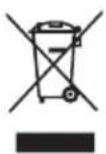
This marking indicates that this product should not be disposed with other household wastes throughout the EU. To prevent possible harm to the environment or human health from uncontrolled waste disposal, recycle it responsibly to promote the sustainable reuse of material resources. To return your used device, please use the collection systems or contact the retailer where the product was purchased. They return and can take this product for environmental safe recycling.
■ Product Description


Note!
- The product line chart is for reference only, please refer to real product as standard.
Accessories

■ Installation
Installation area
Warning!
- Stability is important to prevent the product from wandering!
- Make sure that the product should not stand on the power cord.
Before installing the machine, the location characterized as follows shall be selected:
- Rigid, dry, and level surface
- Avoid direct sunlight
- Sufficient ventilation
- Room temperature is above 0°C
- Keep far away from the heat resources such as coal or gas.
Unpacking the washing machine
⚠ Warning!
- Packaging material (e.g. Films, Styrofoam) can be dangerous for children.
- There is a risk of suffocation! Keep all packaging well away from children.

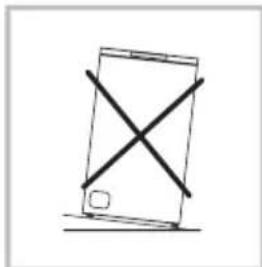
natural_image
Simple line drawing of a smartphone with a horizontal X-axis (no text or symbols)
natural_image
Illustration of a box with an upward arrow and a magnified inset showing a city skyline (no text or symbols)- Remove the cardboard box and styrofoam packing.
- Lift the washing machine and remove the base packing. Make sure the small triangle foam is removed with the bottom one together. If not, lay the unit down with side surface, then remove the small foam from the unit bottom manually.
- Remove the tape securing the power supply cord and drain hose.
- Remove the inlet hose from the drum.
Remove transport bolts
Warning!
- You must remove the transport bolts from the backside before using the product.
- You'll need the transport bolts again if you move the product, so make sure you keep them in a safe place.
Please take the following steps to remove the bolts:
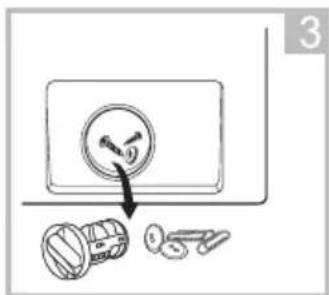
- Loosen 4 bolts with spanner and then remove them.
- Stop the holes with transport hole plugs.
- Keep the transport bolts properly for future use.
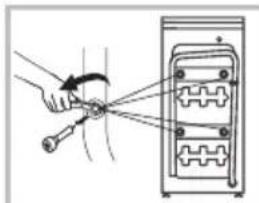
Levelling the washing machine

Warning!
- The lock nuts on all four feet must be screwed tightly against the housing.
- Check if the legs are closely attached to the cabinet. If not, please turn them to their original positions tighten the nuts.
- Loosen the lock nut turn the feet until it closely contacts with the floor.
- Adjust the legs and lock them with a spanner, make sure the machine is steady.

1

Raise
2

Lower
3

Connect Water Supply Hose

Warning!
• To prevent leakage or water damage, follow the instructions in this chapter!
- Do not kink, crush, modify or sever water inlet hose.
- For the model equips hot valve, connect it to hot water tap with hot water supply hose. Energy consumption will decrease automatically for some program.
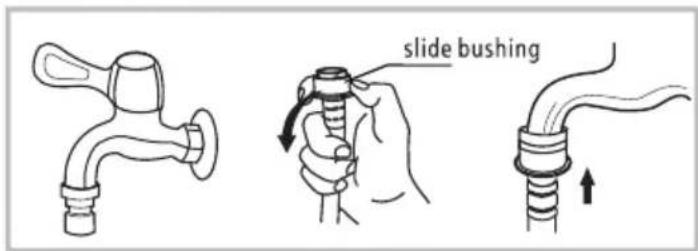
Connect the inlet pipe as indicated, There are two ways to connect the inlet pipe. 1. Connection between ordinary tap and inlet hose.
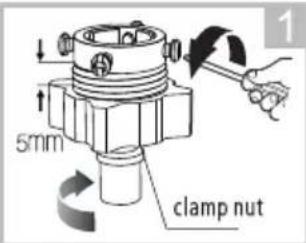
Loosen clamp nut and four bolts
natural_image
Diagram of a mechanical assembly with pipe and housing (no text or symbols)Tighten clamp nut
2
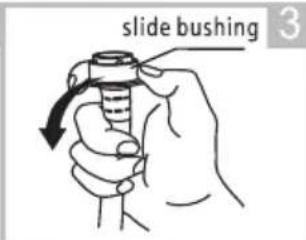
Press slide bushing, insert inlet hose into connecting base

natural_image
Diagram of a mechanical valve assembly with a handle and spring, showing fluid flow direction (no text or labels)Connection finished
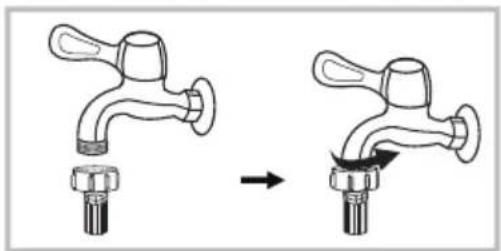
2.Connection between screw tap and inlet hose.
natural_image
Diagram showing a faucet being inserted into a socket, with an arrow indicating the process (no text or symbols present)Tap with threads and inlet hose
Special tap for washing machine
Connect the other end of inlet pipe to the inlet valve at the backside of product and fasten the pipe tightly clockwise.

Drain Hose

Warning!
- Do not kink or protract the drain hose.
- Position drain hose properly, otherwise damage might result of water leakage.
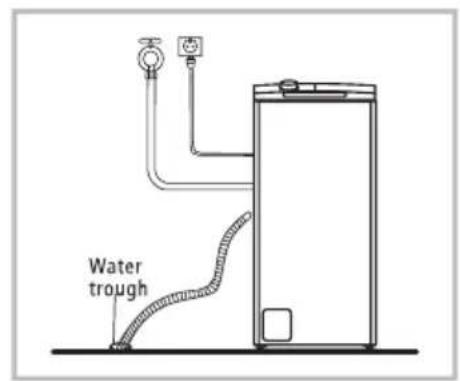
There are two ways to place the end of drain hose:
-
Put it into the water trough.
-
Connect it to the branch drain pipe of the trough.


Note!
- If the machine has drain hose support, please install it like the following.

natural_image
Line drawing of a kitchen sink with faucet and chain (no text or symbols)

Warning!
- When installing drain hose, fix it properly with a rope.
- If drain hose is too long, do not force it into washing machine as it will cause abnormal noises.
■ Quick Start
① Caution!
- Before washing, please make sure it's installed properly.
1. Before Washing

- Check the roller before each laundry, it must roll smoothly.
Note!
- Detergent need to be added in "case I" after selecting pre-washing for machines with this function. - Make sure that the drum flaps are properly locked.

natural_image
Diagram of a mechanical or electrical component with arrows indicating direction (no text or symbols)- All metal hooks must be properly hooked inside the rear door flap.

natural_image
Pure diagram of a mechanical component with no text, numbers, or symbols2. Washing

Select Programme
Select function or default
Start up
3. After Washing
"End" on display.
Note!
- If default is selected, step 2 can be skipped.
■ Before Each Washing
- The working condition of the washer should be(0-40)°C. If used under 0°C, the inlet valve and draining system may be damaged. If the machine is placed under condition of 0°C or less, then it should be transferred to normal ambient temperature to ensure the water supply hose and drain hose are not frozen before use.
- Please check the labels and the explanation of using detergent before wash. Use non-foaming or less-foaming detergent suitable for machine washing properly.

natural_image
Simple line drawing of a sweater with a tag (no text or symbols)Check the label
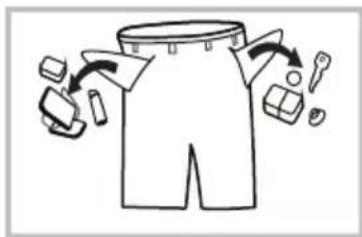
Take out the items out of the pockets

natural_image
Two handbags with circular designs, one wrapped in a ribbon and the other in a simple line drawing (no text or symbols)Knot the long strips,zip or button

natural_image
Simple line drawing of a bag with a bag inside, containing a small animal (no text or symbols)Put small clothes into the pillow slip
natural_image
Line drawing of a mechanical component with three arms and textured surfaces (no text or symbols)Turn easy-pilling and long-pile fabric inside out

natural_image
Simple line drawing of a bag being folded into a basket (no text or symbols)Separate clothes with different textures
⚠ Warning!
- When washing a single clothes, it may easily cause great eccentricity and give alarm due to great unbalance. Therefore it is suggested to add one or two more clothes to be washed together so that draining can be done smoothly.
- Don't washing the clothes touching with kerosene, gasoline, alcohol and other flammable materials.
■ Detergent Dispenser
I Pre wash detergent
II Main wash detergent
Softener
① Caution!
- Detergent only need to be added in "case I" after selecting pre-washing for machines with this function.
- Do not exceed the "MAX" level mark when filling in detergent, additives or softener.
| Programme | I | II | |
| Cotton | ○ | ● | ○ |
| Synthetic | ○ | ● | ○ |
| Mix | ○ | ● | ○ |
| Jeans | ○ | ● | ○ |
| Sportswear | ○ | ● | ○ |
| Drum Clean | |||
| 20°C | ● | ○ | |
| Intensive | ● | ○ | |
● Means must ○ Means optional

Pull out the dispenser

Note!
- As for the agglomerated or ropy detergent or additive, before they are poured into the detergent box, it is suggested to use some water for dilution to prevent the inlet of detergent box from being blocked and overflowing while filling water.
- Please choose suitable type of detergent for the various washing temperature to get the best washing performance with less water and energy consumption.
■ Control Panel


Note!
• The chart is for reference only, Please refer to real product as standard.
1 On/Off
Product is switched On/Off.
3 Option
This allows you to select an additional function and will light when selected.
5 Display
The display shows the settings, estimated time remaining, options, and status messages for your washer. The display will remain on through the cycle.
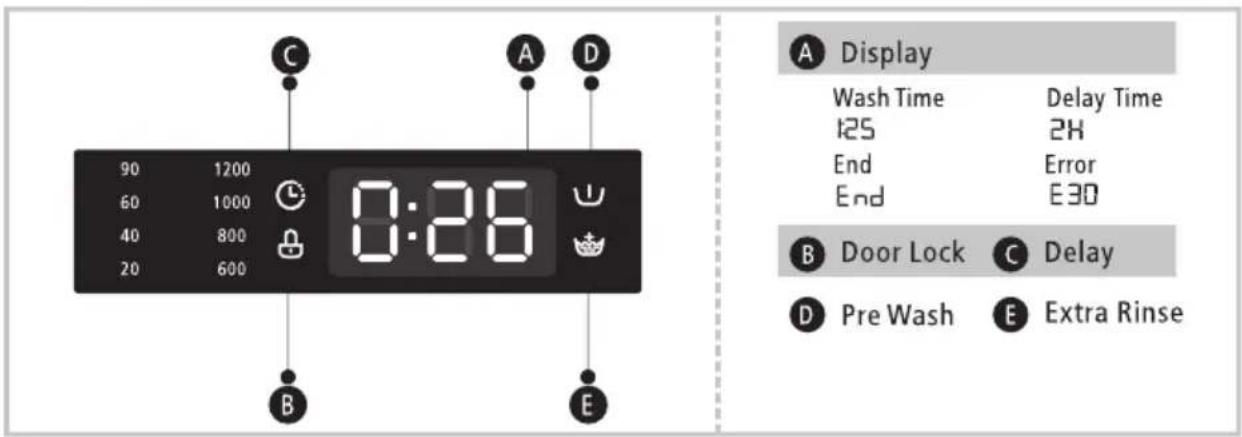
Option
Pre Wash
Pre Wash
The Prewash function can get an extra wash before main wash, it is suitable for washing the dust rises to surface of the clothes; You need to put detergent into the Case (I) when select it.
Extra Rinse
Extra Rinse
The laundry will undergo extra rinse once after you select it.
Delay
Delay
Set the Delay function:
-
Select a programme; 2. Press the Delay button to choose the time (the delaying time is 0-24 H/3H-6H-9H);
-
Press [Start/Pause] to commence the delay operation

Choose the Programme


Setting time


Start
Cancel the Delay function:
Press the [Delay] button until the display be 0H. It should be pressed before starting the programme. If the programme already started, should switch off programme to reset a new one.
① Caution!
- If there is any break in the power supply while the machine is operating, a special memory stores the selected programme and when the power is restarted, the program will continue.
| Programme | Option | Programme | Option | ||||
| Delay | Extra rinse | Pre wash | Delay | Extra rinse | Pre wash | ||
| Cotton | ○ | ○ | ○ | Drum Clean | ○ | ||
| Quick 15' | ○ | Baby Care | ○ | ○ | ○ | ||
| Rapid 45' | ○ | ○ | ○ | Sportswear | ○ | ○ | ○ |
| ECO 40-60 | ○ | Jeans | ○ | ○ | ○ | ||
| Intensive | ○ | Wool | ○ | ○ | |||
| 20°C | ○ | ○ | Synthetic | ○ | ○ | ○ | |
| Rinse & Spin | ○ | ○ | Mix | ○ | ○ | ○ | |
| Spin Only | ○ | ||||||
○ Means optional(Some models have intelligent weighing function, please refer to the actual product)
■ Other Functions
Temp.
Temp.
Press the button to regulate the temperature(Cold,20°C, 40°C,60°C,90°C)
Spin
Spin
Press the button to change the speed.
1200:0-600-800-1000-1200 1300:0-600-800-1000-1300
| Programme | Default Speed(rpm) | Programme | Default Speed(rpm) | ||
| 1200 | 1300 | 1200 | 1300 | ||
| Cotton | 1200 | 1300 | Drum Clean | - | - |
| Quick 15' | 800 | 800 | Baby Care | 800 | 800 |
| Rapid 45' | 800 | 800 | Sportswear | 800 | 800 |
| ECO 40-60 | 1200 | 1300 | Jeans | 800 | 800 |
| Intensive | 800 | 800 | Wool | 600 | 600 |
| 20°C | 1000 | 1000 | Synthetic | 1200 | 1300 |
| Rinse & Spin | 800 | 1000 | Mix | 800 | 1000 |
| Spin Only | 800 | 1000 | |||

Child Lock
To avoid mis operation by children.

Choose the Programme


Start


Press [Spin] and [Delay] 3 sec. till buzzer beep.
Caution!
- During the "Child Lock" function is activating, the buzzer will beep 3 times. When the buttons are pressed.
- Press the two button 3sec. also to be released the function.
- The "Child Lock" will lock all buttons except Power button.
- Cut off the power supply, the kid's protection is to be released.

Mute the buzzer


Choose the Programme
Press the [Spin]button for 3sec., the buzzer is mute.
To act the buzzer function, press the button again for 3 seconds. The setting will be kept until the next reset.
① Caution!
• After Muting the buzzer function, the sounds will not be activated any more.

My Cycle
To memory the frequently used programme.
After choosing the programme and setting the options, press [Temp.] 3 sec. before start to wash. The default setting course is Cotton.
Programmes
Programmes are available according to the laundry type.
| Programmes | |
| Cotton | Hard-wearing textiles, heat-resistant textiles made of cotton or linen. |
| Synthetic | Wash synthetic articles, for example: shirts, coats, blending. While washing the knitting textiles, detergent quantity shall be reduced due to its loose string construction and easily forming bubbles. |
| Baby Care | Washing the baby's clothes, it can make the baby's wear cleaner and make the rinse performance better to protect the baby skin. |
| Rapid 45' | Washing few and not very dirty clothes quickly. |
| Mix | Mixed load consisting of textiles made of cotton and synthetics. |
| Sportswear | Washing the activewear. |
| Jeans | Specially for jeans. |
| Quick 15' | Extra short programme approx, suitable for lightly soiled washing as a small amounts of laundry. |
| Wool | Hand or machine-washable wool or richwool textiles.Especially gentle wash programme to prevent shrinkage, longer programme pauses (textiles rest in wash liquor). |
| Spin Only | Extra spin with selectable spin speed. |
| Rinse&Spin | Extra rinse with spin. |
| Drum Clean | Specially set in this machine to clean the drum and tube. It applies 90 °C high temperature sterilization to make the clothes washing more green. When this programme is performed, the clothes or other washing cannot be added. When proper amount of chlorine bleaching agent is put in, the barrel cleaning effect will be better. The customer can use this programme regularly according to the need. |
| ECO 40-60 | Default 40°C,not selectable,suitabale for laundry washing at about 40°C-60°C. |
| Intensive | To increase the washing effects, washing time is increased. |
| 20°C | Washing brightly colored clothes, it can protect the colors better. |
■ Washing Programmes Table
| Programme | Load(kg) | Temp.(°C) | Default Time | ||
| 8.0 | 6.06.0 | 8.0 | |||
| Cotton | 6.0 | 8.0 | 40 | 2:40 | 3:39 |
| Synthetic | 3.0 | 4.0 | 40 | 2:20 | 3:17 |
| Mix | 6.0 | 8.0 | 40 | 1:37 | 1:37 |
| Jeans | 6.0 | 8.0 | 60 | 1:45 | 1:45 |
| Sportwear | 3.0 | 4.0 | 40 | 1:31 | 1:31 |
| 20°C | 3.0 | 4.0 | 20 | 1:01 | 1:01 |
| Baby Care | 6.0 | 8.0 | 60 | 1:42 | 1:42 |
| Drum Clean | - | - | 90 | 1:18 | 1:18 |
| Spin Only | 6.0 | 8.0 | -- | 0:12 | 0:12 |
| Rinse & Spin | 6.0 | 8.0 | -- | 0:20 | 0:20 |
| Wool | 2.0 | 2.0 | 40 | 1:07 | 1:07 |
| Intensive | 6.0 | 8.0 | 40 | 3:48 | 3:48 |
| ECO 40_60 | 6.0 | 8.0 | -- | 3:16 | 3:32 |
| Rapid 45' | 2.5 | 2.5 | 40 | 0:45 | 0:45 |
| Quick 15' | 2.0 | 2.0 | Cold | 0:15 | 0:15 |
- Concerning to EN 60456:2016 With (EU)No.1061/2010,
The EU energy efficiency class is: A+++
Energy test program: Intensive 60/40 Spe@d:The highest speed;
Other as the default.
Half load for 6.0Kg/8.0Kg machine:3.0Kg/4.0Kg.
- Concerning to EN 60456:2016/prA2019 With (EU)2019/2014, (EU)2019/2023,
The EU energy efficiency class is: D
Energy test program: ECO 40-60. Other as the default.
Half load for 6.0Kg /8.0Kgmachine:3.0Kg/4.0Kg.
Quarter load for 6.0Kg/8.0Kg machine:1.5Kg/2.0Kg.

Note!
- The parameters in this table are only for user's reference. The actual parameters maybe different with the parameters in above mentioned table.
■ Cleaning And Care

Warning!
- Before your maintenance starts, please unplug the machine and close the tap.
Cleaning The Cabinet
Proper maintenance on the washing machine can extend its working life. The surface can be cleaned with diluted non-abrasive neutral detergents when necessary. If there is any water overflow, use the wet cloth to wipe it off immediately. No sharp items are allowed.
natural_image
Line drawing of a hand cleaning a front-loading washing machine (no text or symbols)
Note!
- Formic acid and its diluted solvents or equivalent are forbidden, such as alcohol, solvents or chemical products, etc.
Cleaning The Drum
The rusts left inside the drum by the metal articles shall be removed immediately with chlorine-free detergents. Never use steel wool.

Note!
- Don't put laundry in the washing machine during the drum cleaning.
Cleaning The Inlet Filter

Note!
- Inlet filter must be cleaned if there is less water.
Washing the filter in the tap
- Close the tap.
- Remove the water supply hose from the tap.
3.clean the filter. - Reconnect the water supply hose.
Washing the filter in washing machine:
- Screw off the inlet pipe from the backside of the machine.
- Pull out the filter with long nose pliers and reinstall it back after being washed.
- Use the brush to clean the filter.
- Reconnect the inlet pipe.
natural_image
Diagram showing a faucet with rotating arrows indicating flow or movement (no text or symbols)
natural_image
Line drawing of a hand holding a connector with a brush (no text or symbols)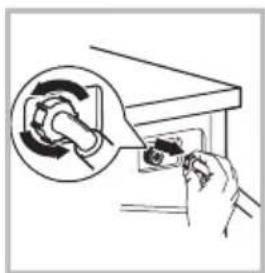
natural_image
Hand holding a tool with a magnified inset showing rotational motion (no text or symbols)
natural_image
Line drawing of a person using a computer mouse to interact with a screen (no text or symbols)
Note!
- If the brush is not clean, you can pull out the filter washed separately;
- Reconnect, turn on the tap.
Clean The Detergent Dispenser
- Press down the arrow location on softener cover inside the dispenser drawer.
- Lift the clip up and take out softener cover and wash all grooves with water.
3.Restore the softener cover and push the drawer onto position.

natural_image
Line drawing of a medical device with ports and a central dial (no text or symbols)Pull out the dispenser drawer with press the A

natural_image
Line drawing of a water dispenser with faucet and control panel (no text or symbols)Clean the dispenser drawer under water
natural_image
Simple line drawing of a mechanical component with an arrow indicating direction (no text or symbols)Insert the dispenser drawer

Note!
- Do not use alcohol, solvents or chemical products to clean the machine.
Cleaning The Drain Pump Filter
⚠ Warning!
- Be careful of the hot water!
- Allow detergent solution to cool down.
- Unplug the machine to avoid electrical shock before washing.
- Drain pump filter can filter the yarns and small foreign matters from the washing.
- Clean the filter periodically to ensure the normal operation of washing machine.

natural_image
Diagram of a mechanical component with a circular feature and rotation arrow (no text or symbols)Open the lower cover cap

natural_image
Hand pressing a button on a tray with a circular dial (no text or symbols visible)Open the filter by turning to the counter clockwise
Remove extraneous matter

natural_image
Technical line drawing of a mechanical component with rotational arrows indicating motion (no text or symbols)Close the lower cover cap
① Caution!
- Make sure that valve cap and emergency drain hose are reinstalled properly, cap plates should be inserted aligning to hole plates otherwise water may leak.
- When the appliance is in use and depending on the programme selected there can be hot water in the pump. Never remove the pump cover during a wash cycle, always wait until the appliance has finished the cycle, and is empty. When replacing the cover, ensure it is securely re-tightened.
■ Trouble Shooting
The start of the appliance does not work or it stops during operation.
First try to find a solution to the problem, If not, contact the service centre.
| Description | Reason | Solution |
| Washing machine cannot start up | Door is not closed properly | Restart after the door is closedCheck if the clothes is stuck |
| Door can't be opened | Washer's safety protection design is working | Disconnect the power, restart the product |
| Water leakage | The connection between inlet pipe or outlet hose is not tight | Check and fasten water pipesClean up outlet hose |
| Detergent residues in the box | Detergent is dampened or agglomerated | Clean and wipe the detergent box |
| Indicator or display does not light | Disconnect the power PC board or harness has connection problem | Check if the power is shut down and the power plug is connected correctly |
| Abnormal noise | Check if the fixing (bolts) have been removedCheck it's installed on a solid and level floor |
LED display models:
| Description | Reason | Solution |
| E30 | Door is not closed properly | Restart after the door is closedCheck if the clothes is stuck |
| E10 | Water injecting problem while washing | Check if the water pressure is too lowStraighten the water pipeCheck if the inlet valve filter is blocked |
| E21 | Overtime water draining | Check if the drain hose is blocked |
| E12 | Water overflow | Restart the washer |
| EXX | Others | Please try again first, call up service line if there are still troubles |

Note!
- After the check, activate the appliance. If the problem occurs or the display shows other alarm codes again, contact the service.
■ Technical Specifications
| Power Supply | 220-240V~,50Hz |
| MAX.Current | 10A |
| Standard Water Pressure | 0.1MPa~1MPa |

natural_image
Technical line drawing of a rectangular device with labeled dimensions (W, D, H) and internal features (no text or symbols beyond labels)| Model | Washing Capacity | Dimension (W*D*Hmm) | Net Weight | Rated Power |
| SVL651CS | 6.0kg | 400*610*875 | 56kg | 2100W |
| SVL814CS | 8.0kg | 400*610*875 | 56kg | 2000W |
Product fiche concerning to EN 60456:2016 With (EU)No.1061/2010.
| Trade mark | |
| Model identifier | SVL651C S |
| Rated capacity in kg of cotton laundry | 6 |
| Energy efficiency class on a scale from A+++ (most efficient) bis D (least efficient) | A+++ |
| Energy consumption 129 kWh per year, based on 220 standard washing cycles for the standard cotton programmes at 60 °C and 40 °C at full and partial load, and the consumption of the low-power modes. Actual energy consumption will depend on how the appliance is used. | |
| Energy consumption of the standard 60°C cotton programme at full load | 0.68kwh |
| Energy consumption of the standard 60°C cotton programme at partial load | 0.74kwh |
| Energy consumption of the standard 40°C cotton programme at partial load | 0.60kwh |
| Weighted power consumption of the off-mode | 0.50W |
| Weighted power consumption of the left-on mode | 1.00W |
| Water consumption 11000 litres per year, based on 220 standard washing cycles for the standard cotton programmes at 60 °C and 40 °C at full and partial load. Actual water consumption will depend on how the appliance is used. | |
| spin-drying efficiency class B on a scale from G (least efficient) to A (most efficient) | |
| maximum spin speed | 1200 |
| Remaining moisture content | 53% |
| 'Intensive 60°C programme' and the 'Intensive 40°C programme' are the standard washing programmes to which the information in the label and the fiche relates, that these programmes are suitable to clean normally soiled cotton laundry and that they are the most efficient programmes in terms of combined energy and water consumption. | |
| Programme time of the standard 60°C cotton programme at full load | 260min |
| Programme time of the standard 60°C cotton programme at half load | 255min |
| Programme time of the standard 40°C cotton programme at half load | 260min |
| duration time of left-on mode | - |
| Airborne acoustical noise emissions during washing phase | 64dB |
| Airborne acoustical noise emissions during spinning phase | 80dB |
| 'built-in' washing machine | no |
Energy test program: Intensive 40/60. Speed: the highest speed; Other as the default.
Model identifier: SVL651C
General product parameters:
| Parameter | Value | Parameter | Value | |
| Rated capacity (°) (kg) | 6.0 | Dimensions in cm | Height | 88 |
| Width | 40 | |||
| Depth | 61 | |||
| EEI_w (°) | 80 0. | Energy efficiency class (°) | D | |
| Washing efficiency index (°) | 1.04 | Rinsing effectiveness (g/kg) (°) | 5.0 | |
| Energy consumption in kWh per cycle, based on the eco 40-60 programme. Actual energy consumption will depend on how the appliance is used. | 0.648 | Water consumption in litre per cycle, based on the eco 40-60 programme. Actual water con-sumption will depend on how the appliance is used and on the hardness of the water. | 43 | |
| Maximum temperature inside the treated textile (°) (°C) | Rated capacity 34 | Remaining moisture content (°) (%) | Rated capacity | 62 |
| Half 31 | Half | 62 | ||
| Quarter 23 | Quarter | 62 | ||
| Spin speed (°) (rpm) | Rated capacity 1200 | Spin-drying efficiency class (°) | C | |
| Half 1200 | ||||
| Quarter 1200 | ||||
| Programme duration (°) (h:min) | Rated capacity 3:18 | Type | free-standing | |
| Half 2:36 | ||||
| Quarter 2:36 | ||||
| Airborne acoustical noise emissions in the spinning phase (°) (dB(A) re 1 pW) | 80 | Airborne acoustical noise emission class (°) (spinning phase) | C | |
| Off-mode (W) | 0.50 | Standby mode (W) | 1.00 | |
| Delay start (W) (if applicable) | 4.00 | Networked standby (W) (ifapplicable) | N/A | |
Minimum duration of the guarantee offered by the supplier (b):
| This product has been designed to release silver ions during the washing cycle | NO |
Additional information:
Weblink to the supplier's website, where the information in point 9 of Annex II to Commission Regulation (EU) 2019/2023 (1) (b) is found:
(°) for the eco 40-60 programme.
^(b) changes to these items shall not be considered relevant for the purposes of paragraph 4 of Article 4 of Regulation (EU) 2017/1369.
(*) if the product database automatically generates the definitive content of this cell the supplier shall not enter these data.
Product fiche concerning to EN 60456:2016 With (EU)No.1061/2010.
| Trade mark | |
| Model identifier | SVL814CS |
| Rated capacity in kg of cotton laundry | 8.0 |
| Energy efficiency class on a scale from A+++ (most efficient) bis D (least efficient) | A+++ |
| Energy consumption 137kWh per year, based on 220 standard washing cycles for the standard cottonprogrammes at 60°C and 40°C at full and partial load, and the consumption of the low-power modes. Actual energy consumption will depend on how the appliance is used. | |
| Energy consumption of the standard 60°C cottonprogramme at full load | 0.66kwh |
| Energy consumption of the standard 60°C cottonprogramme at partial load | 0.58kwh |
| Energy consumption of the standard 40°C cottonprogramme at partial load | 0.54kwh |
| Weighted power consumption of the off-mode | 0.50W |
| Weighted power consumption of the left-on mode | 1.00W |
| Water consumption 11000 litres per year, based on 220 standard washing cycles for the standard cotton programmes at 60°C and 40°C at full and partial load. Actual water consumption will depend on how the appliance is used. | |
| spin-drying efficiency class B on a scale from G (least efficient) to A (most efficient) | |
| maximum spin speed | 1300 |
| Remaining moisture content | 53% |
| 'Intensive Intensive programme' and the ' 40°C programme' are the standard washing programmes to which the information in the label and the fiche relates, that these programmes are suitable to clean normally soiled cotton laundry and that they are the most efficient programmes in terms of combined energy and water consumption. | |
| Programme time of the standard 60°C cottonprogramme at full load | 280min |
| Programme time of the standard 60°C cottonprogramme at half load | 265min |
| Programme time of the standard 40°C cottonprogramme at half load | 255min |
| duration time of left-on mode | - |
| Airborne acoustical noise emissions during washing phase | 64dB |
| Airborne acoustical noise emissions during spinning phase | 80dB |
| 'built-in' washing machine | no |
Energy test program: Intensive. Speed: the highest speed; Other as the default. 40/60
Model identifier: SVL814CS
General product parameters:
| Parameter | Value | Parameter | Value | ||
| Rated capacity (a) (kg) | 8.0 | Dimensions in cm | Height | 88 | |
| Width | 40 | ||||
| Depth | 61 | ||||
| EEI_w (a) | 68.6 C | Energy efficiency class (a) | |||
| Washing efficiency index (a) | 1.04 | Rinsing effectiveness (g/kg) (a) | 5.0 | ||
| Energy consumption in kWh per cycle, based on the eco 40-60 programme. Actual energy consumption will depend on how the appliance is used. | 0.624 48 | Water consumption in litre per cycle, based on the eco 40-60 programme. Actual water con-sumption will depend on how the appliance is used and on the hardness of the water. | |||
| Maximum temperature inside the treated textile (a) (°C) | Rated capacity | 40 | Remaining moisture content (a) (%) | Rated capacity | 52 |
| Half | 31 | Half | 53 | ||
| Quarter | 23 | Quarter | 55 | ||
| Spin speed (a) (rpm) | Rated capacity | 1300 | Spin-drying efficiency class (a) | B | |
| Half | 1300 | ||||
| Quarter | 1300 | ||||
| Programme duration (a) (h:min) | Rated capacity | 3:32 | Type | free-standing | |
| Half | 2:48 | ||||
| Quarter | 2:48 | ||||
| Airborne acoustical noise emissions in the spinning phase (a) (dB(A) re 1 pW) | 80 | Airborne acoustical noise emission class (a) (spinning phase) | C | ||
| Off-mode (W) | 0.50 | Standby mode (W) | 1.00 | ||
| Delay start (W) (if applicable) | 4.00 | Networked standby (W) (ifapplicable) | N/A | ||
Minimum duration of the guarantee offered by the supplier (b):
| This product has been designed to release silver ions during the washing cycle | NO |
Additional information:
Weblink to the supplier's website, where the information in point 9 of Annex II to Commission Regulation (EU) 2019/2023 (1) (b) is found:
(2) for the eco 40-60 programme.
(*) changes to these items shall not be considered relevant for the purposes of paragraph 4 of Article 4 of Regulation (EU) 2017/1369.
(°) if the product database automatically generates the definitive content of this cell the supplier shall not enter these data.

Note!
- Programme setting for testing in accordance with applicable standard En60456.
- When using the test programmes, wash the specified load using the maximum spin speed.
- The actual parameters will depend on how the applicance is used, and maybe different with the parameters in above mentioned table.
- The household washing machine is equipped with power management system. The duration of the left-on mode time is less than 10 minute.
- The noise emissions during washing/spinning for the standard washing cycle at full load.
- svan
- USER MANUAL WASHING MACHINE TOP LOADING
- PRECUACIONES DE SEGURIDAD
- INSTALACIÓN
- FUNCIONAMIENTO
- MANTENIMIENTO
- GARANTÍA
- ■ Precauciones de seguridad
- Explicación de símbolos:
- Advertencia
- ⚠ Precaución
- Note
- Descarga eléctrica
- Riesgos para los niños
- PRECAUCIONES DE SEGURIDAD
- ¡Riesgo de explosión!
- ⓘ ¡Precaución!
- ¡Instalación del producto!
- Funcionamiento del aparato.
- Disposición de eliminación
- ■ Descripción del producto
- Nota
- Accesorios
- ■ Instalación
- Área de instalación
- ¡Advertencia!
- Desembalar la lavadora
- Advertencia!
- Quitar los pernos de transporte
- Nivelar la lavadora !
- Conectar la manguera al suministro de agua
- Manguera de desagüe
- Atención
- I Nota
- Inicio rápido
- ! ¡Atención!
- Antes del lavado
- ¡Nota!
- Lavado
- Después del lavado
- ■ Antes de cada lavado
- ¡Atención!
- Dispensador de detergente
- ¡Precaución!
- ■ Panel de control
- On/Off
- Ajustes
- Pantalla
- Inicio/Pausa
- Programas
- A Pantalla
- B Bloqueo de puerta C Inicio diferido
- D Prelavado E Aclarado extra
- ■ Funciones
- Prelavado
- Aclarado extra
- Inicio diferido
- ■ Otras funciones
- ■ Programas
- ■ Limpieza y cuidado
- ⚠️ ¡ Advertencia!
- Limpiar el armario de la lavadora
- Limpieza del tambor
- Limpieza del filtro y de la bomba de desagüe
- Limpieza del filtro del grifo:
- Limpieza del filtro de la lavadora:
- Limpieza del cajetín de detergente
- Limpieza del filtro de la bomba de desagüe
- ① Atención
- ■Resolución de problemas
- ■ Especificaciones técnicas
- SAFETY INSTRUCTIONS
- INSTALLATION
- OPERATIONS
- MAINTENANCES
- ■ Safety Instructions
- Warning!
- ① Caution!
- Note!
- Risk to children!
- Risk of explosion!
- ! Caution!
- Installing the product!
- Operating the appliance!
- Packaging/Old appliance
- ■ Product Description
- Accessories
- ■ Installation
- Installation area
- Unpacking the washing machine
- ⚠ Warning!
- Remove transport bolts
- Levelling the washing machine
- Connect Water Supply Hose
- Drain Hose
- ■ Quick Start
- Before Washing
- Washing
- After Washing
- ■ Before Each Washing
- ■ Detergent Dispenser
- ■ Control Panel
- Option
- Pre Wash
- Extra Rinse
- Delay
- ■ Other Functions
- Caution!
- Programmes
- ■ Cleaning And Care
- Cleaning The Cabinet
- Cleaning The Drum
- Cleaning The Inlet Filter
- Clean The Detergent Dispenser
- Cleaning The Drain Pump Filter
- ■ Trouble Shooting
- ■ Technical Specifications
- Additional information:
Marque : SVAN
Modèle : SVL651CS
Catégorie : Lave-linge