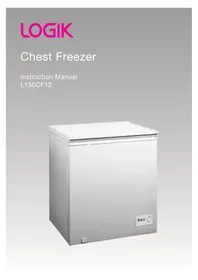
L150CFW13 - Freezer Logik - Free user manual and instructions
Find the device manual for free L150CFW13 Logik in PDF.
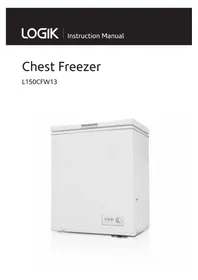


| Product Type | Chest Freezer |
| Brand | Logik |
| Model | L150CFW13 |
| Capacity | 150 Litres |
| Dimensions (H x W x D) | 850 mm x 700 mm x 600 mm |
| Net Weight | 30 kg |
| Energy Class | F |
| Voltage / Frequency | 220-240 V ~ 50 Hz |
| Power Consumption | 0.8 kWh/24h |
| Climate Class | N-ST |
| Freezing Capacity | 10 kg/24h |
| Storage Time During Power Failure | Up to 15 hours |
| Noise Level | 42 dB |
| Temperature Control | Mechanical Thermostat |
| Defrost Method | Manual Defrost |
| Reversible Door | Yes |
| Interior Light | No |
| Compartment Features | Removable wire baskets |
| Safety Features | Lock with key, stable base |
| Cleaning Instructions | Unplug, defrost, wipe with mild detergent |
| Spare Parts Availability | Thermostat, door gasket, baskets |
| Warranty | 2 Years |
Frequently Asked Questions - L150CFW13 Logik
User questions about L150CFW13 Logik
0 question about this device. Answer the ones you know or ask your own.
Ask a new question about this device
Download the instructions for your Freezer in PDF format for free! Find your manual L150CFW13 - Logik and take your electronic device back in hand. On this page are published all the documents necessary for the use of your device. L150CFW13 by Logik.
USER MANUAL L150CFW13 Logik
Safety Warnings....4
Unpacking....6
Installation....7
Location 7
Free Space Requirements....7
Cleaning Before Use ....7
Before Using Your Unit....7
Product Overview......8
Operation 9
Switching On Your Unit 9
Adjusting the Temperature....9
Freezing....9
Noises Inside the Unit! 10
Tips for Keeping Food in the Unit....10
Preparations for Freezing....10
Defrosting Frozen Food....10
Cleaning 11
Defrosting 11
Cleaning the Interior and the Exterior of the Unit....11
Maintenance 12
Care When Handling / Moving the Unit....12
Servicing....12
Switching Off for Long Periods of Time....12
Disposal....12
Troubleshooting 13
Power Cut 13
The Freezer is Particularly Cold....13
The Freezer is Particularly Warm....13
The Freezer is Not Working 13
Specifications....14
For your continued safety and to reduce the risk of injury or electric shock, please follow all the safety precautions listed below.
- Read all instructions carefully before using the unit and keep them for future reference.
- Retain the manual. If you pass the unit onto a third party, make sure to include this manual.
- This appliance is intended for indoor household use and similar applications such as:
- farm houses and by clients in hotels, motels and other residential type environment;
- bed and breakfast type environment;
- catering and similar non-retail applications.
- Ensure that the plug is easily accessible to enable disconnection from the mains supply.
- Keep ventilation openings in the unit enclosure clear of obstructions.
- Do not use mechanical devices or other means to accelerate the defrosting process, other than those recommended by the manufacturer.
- Do not use electrical appliances inside the food storage compartments of the unit, unless they are of the type recommended by the manufacturer.
- If the mains cable is damaged, it must be replaced by the manufacturer, its service agent or a qualified technician in order to avoid a hazard.
- Choose a location for your unit away from heat sources such as radiators or fires as refrigerant and vesicant are burnable.
- Do not damage the refrigerant circuit (The refrigerant is a very environmentally friendly gas but is also combustible. Take care when transporting or moving the unit to ensure that the refrigeration circuit is not damaged. In the event of damage avoid naked flames or ignition sources and ventilate the room in which the unit is placed for a few minutes.)
- The unit must be manoeuvred by a minimum of 2 persons.
- This appliance can be used by children aged from 8 years and above and persons with reduced physical, sensory or mental capabilities or lack of experience and knowledge if they have been given supervision or instruction concerning use of the appliance in a safe way and understand the hazards involved. Children shall not play with the appliance. Cleaning and user maintenance shall not be made by children without supervision.
- Children should be supervised to ensure that they do not play with the unit.
- If your unit is fitted with a lock to prevent children being trapped inside, keep the key out of reach and not in the vicinity of the unit.
- Do not store volatile or flammable substances, such as aerosol cans with a flammable propellant, in the unit.
- Do not store bottles or glass containers in the freezer compartment. Contents can expand when frozen (fizzy drinks) which may break the bottle and damage your freezer compartment.
WARNING

IT IS HAZARDOUS FOR ANYONE OTHER THAN AUTHORISED SERVICE PERSONNEL TO CARRY OUT SERVICING OF REPAIRS WHICH INVOLVE THE REMOVAL OF COVERS.
TO AVOID THE RISK OF AN ELECTRICAL SHOCK DO NOT ATTEMPT REPAIRS YOURSELF.
Thank you for purchasing your new Logik Chest Freezer.
We recommend that you spend some time reading this instruction manual in order to fully understand all the operational features it offers.
Read all safety instructions carefully before use and keep this instruction manual for future reference.

Unpacking
Remove all items from the packaging. Retain the packaging. If you dispose of it, please do so according to local regulations.
The following items are included:
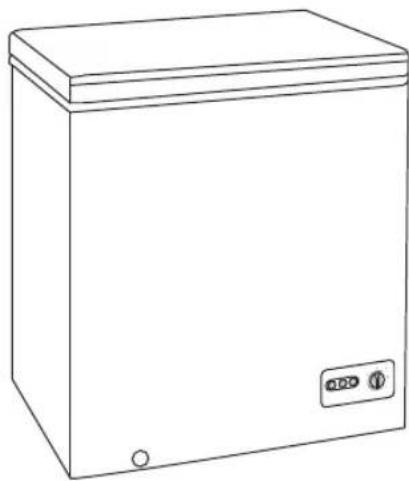
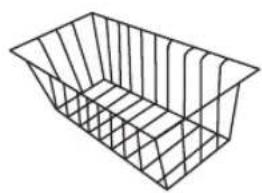
The Main Unit, Freezer Basket x2
Plastic Scraper, Instruction Manual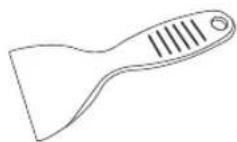

If items are missing or damaged, please contact Partmaster (UK only). Tel: 0844 800 3456 for assistance.
Location
When selecting a position for your unit, make sure the floor is flat and firm and the room is well ventilated. This unit can be used in a garage or outbuilding. For optimum energy efficiency, the unit should be located within an average room temperature of between 10°C and 43°C. If the room temperature drops below or rises above these temperatures, the energy consumption and performance may be affected. Avoid locating your unit near a heat source, e.g., cooker, boiler, or radiator. Also avoid direct sunlight as it may increase electrical consumption. Do not drape the unit with any covering.
Free Space Requirements
When installing the unit, ensure that 20 mm of free space is left on both sides and 50 mm at the rear. Please ensure there is adequate space for the door to fully open.
![graph TD A["Input 1"] --> B["Process Block"] C["Input 2"] --> B D["Input 3"] --> B B --> E["Output"]](/content/2026/05/963520/images/43c42995d65ed0e377450cfaefa769f07b8bb72d9ce9a29fdeb426f0a90361fe.jpg)
Cleaning Before Use
Wipe the inside of the unit with a weak solution of bicarbonate soda. Then rinse with warm water using a sponge or cloth. Wipe completely dry before. Clean the exterior of the unit with a damp cloth.
If you require more information, refer to the Cleaning section.

• Before Plugging in YOU MUST
Check that you have a socket which is compatible with the plug supplied with the unit.
- Before Turning On!
Do not turn on until two hours after moving the unit. The coolant fluid needs time to settle.
Before Using Your Unit
Before placing any food in your unit, turn it on and wait for 24 hours, to make sure it is working properly and to allow it time to fall to the correct temperature. Your unit should not be overfilled.
Switching On Your Unit
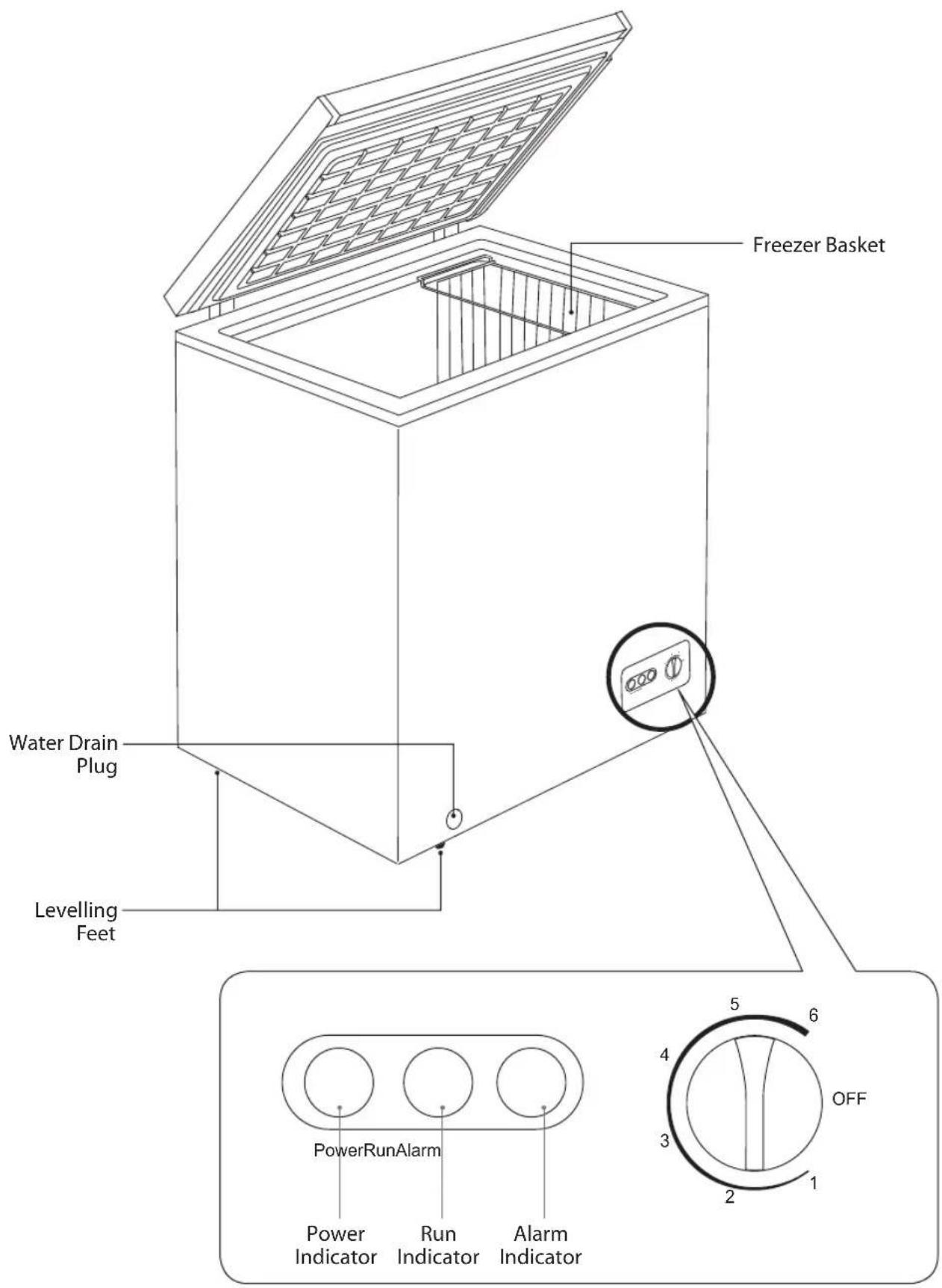
- On first connecting the mains cable to the mains socket, all 3 status indicators will light up. Once the unit reaches the correct temperature:
• Power Indicator: stays on - Run Indicator: switches on and off as the unit maintains its internal temperature - Alarm Indicator: lights up when the unit's internal temperature rises above -9°C.
- The internal temperature of your freezer is controlled by a thermostat. Adjust the thermostat control dial to the desired position, 6 makes the appliance colder and is used for fast freezing. The ideal position is 4 but should be adjusted according to its environment. The appliance may not operate correctly if it is in a particularly hot or cold room or if the door is opened often or for prolonged periods.
- The unit may not operate at the correct temperature if it is in a particularly hot or a particularly cold room, or if you open the door often.
- To ensure that the unit is cool enough to sufficiently chill and freeze your food, wait 24 hours before filling it with food.
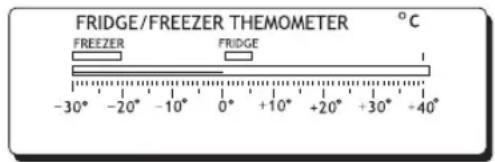
- If you are concerned that your unit is not being kept cold enough and wish to check the temperature, you will need a special fridge/freezer thermometer. These are available from most supermarkets and hardware shops. Place the thermometer in the freezer and leave overnight. The correct temperature for the freezer should be -18°C or lower.
Adjusting the Temperature
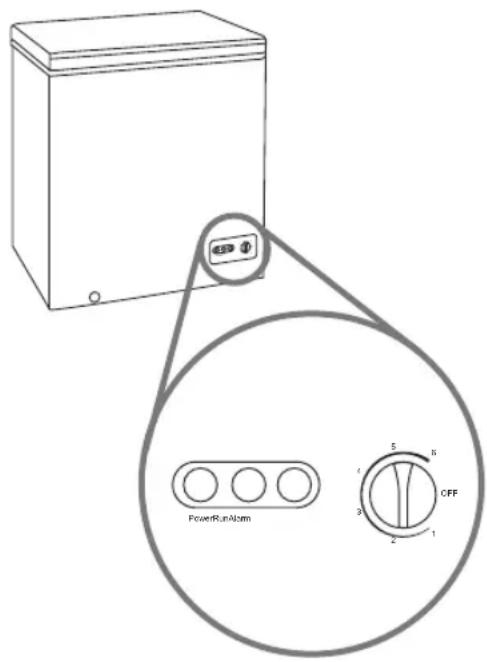
The internal temperature of the unit is controlled by a thermostat. The recommended position is between 2 and 3 for colder working environments (i.e. during winter) and between 4 and 5 for hotter environments. Please adjust according to the environment.
Freezing
Fresh food should be frozen as quickly as possible. Turn the dial to 6 so your freezer will operate at the coldest temperature (approximately -28°C) continuously. It helps to quickly freeze and retain more of the goodness of your food. Freezing will be completed after 24 hours. Then turn the dial back to its original position. Maximum freezing capacity is 8 kg.

The Alarm indicator will light up if the unit's internal temperature rises above -9°C.
Noises Inside the Unit!
You may notice that your unit makes some unusual noises. Most of these are perfectly normal, but you should be aware of them!
These noises are caused by the circulation of the refrigerant liquid in the cooling system. It has become more pronounced since the introduction of CFC free gases. This is not a fault and will not affect the performance of your unit. This is the compressor motor working, as it pumps the refrigerant around the system.
Tips for Keeping Food in the Unit
- Cooked meats/fishes should always be stored above raw meats/fishes to avoid bacterial transfer. Keep raw meats/fishes in a container which is large enough to collect juices and cover it properly. Place the container at the bottom inside the unit.
- Leave space around your food, to allow air to circulate inside the unit. Ensure all parts of the unit are kept cool.
- To prevent transfer of flavours and drying out, pack or cover the food separately. Fruit and vegetables do not need to be wrapped. • Always let pre-cooked food cool down before you put in the unit. This will help to maintain the internal temperature of the unit. • To prevent cold air escaping from the unit, try to limit the number of times you open the door. We recommend that you only open the door when you need to put food in or take food out.
Preparations for Freezing
- Use quality food and handle it as little as possible. Freeze food in small quantities as it freezes faster, takes less time to defrost and enables you to control the quantity you need better.
- Leave cooked food to cool completely. Chill food before freezing if possible.
- Consider how you will want to cook the food before freezing it.
- Don't freeze food in metal containers if you may want to microwave it straight from the freezer.
- Use special freezer bags, freezer film, polythene bags, plastic containers, and aluminium foil (heavy duty grade only). If in doubt, double wrap your food. Don't use aluminium foil for acidic foods, e.g. citrus fruits. Don't use thin cling film, glass, or used food containers without cleaning.
- Exclude as much air from the container as possible. You could buy a special vacuum pump which sucks excessive air out of the packaging.
- Leave a small amount of air space when freezing liquids to allow expansion.
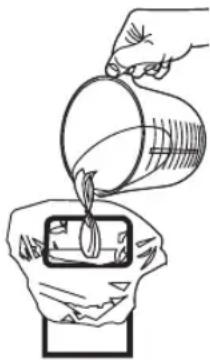
- You can use the space in the freezer most efficiently if you freeze liquids (or solids with liquids, e.g. stew) in square blocks. This is known as "Preforming". Pour the liquid into a polythene bag which is inside a square sided container. Freeze it, and then remove it from the container and seal the bag.
- Label your frozen foods as they will look the same when in frozen state. Use special tapes, labels and pens with different colours. This allows you to easily organise and to effectively use the freezer. Write the contents and date; otherwise the frozen food might exceed the storage time and this could cause food poisoning. Please refer to your food packaging for the recommended storage time.
Defrosting Frozen Food
- Take the frozen food out and let it defrost at room temperature. Don't forget that defrosting in a warm area encourages the growth of bacteria and low temperature cooking may not destroy dangerous bacteria.
- Drain off and throw away any liquid lost during defrosting.
- Always make sure there are no ice-crystals in the food before cooking, particularly with meat. These crystals indicate that the food has not fully defrosted.
- Cook food as soon as possible after defrosting.
- Many microwaves and ovens have a defrost setting. To avoid bacterial build up, only use these if you intend to cook the food immediately afterwards.
Defrosting
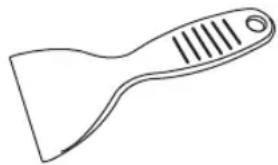
Frost may build up in the freezer compartment after it has been used for a period of time. Scrape away the frost using a plastic scraper (included).

Do not use a metal or sharp instrument to scrape away the frost, nor should you use any electrical appliances to aid defrosting.
We recommend that defrosting should be carried out when the frost layer builds up to 10 mm. Choose a time when the stock of frozen food is low, follow these procedures:
- Take out the food, turn the unit off at the mains supply, unplug the unit and leave the door open. Ideally, the frozen food should be put into another freezer. If this is not possible, wrap the food in several sheets of newspaper or large towels and then a thick rug or blanket to keep it cool.
- To remove melted frost from the drain hole, place a suitable container under it. Remove the drain cap on the front of the unit. Reach down into the freezer and unscrew the drain plug.
- Scrape away the frost using the plastic scraper. Defrosting the remaining frost can be sped up by placing a bowl of hot water inside the freezer compartment and closing the door. As the solid frost loosens, scrape it away with the plastic scraper and remove.
- After all the water has drained away, replace the drain plug and then the drain cap.
- When defrosting is complete, clean your unit's interior and exterior.
- When the compartment is completely clean and dry, close the door, switch on the freezer again and turn the thermostat control dial to 6.
- Leave the unit to cool down for an hour, and then you can start placing frozen food inside the unit. Remember to turn the thermostat control dial to 1 after 4 hours.
Cleaning the Interior and the Exterior of the Unit
- Wipe the inside of the unit with a weak solution of bicarbonate soda and then rinse with warm water using a sponge or cloth. Wipe completely dry.
- Use a damp cloth to clean the exterior, and then wipe with a standard furniture polish. Make sure that the door is closed to avoid the polish getting on the magnetic door seal or inside the unit.
Care When Handling / Moving the Unit
Hold the unit around its sides or base when moving it. Under no circumstances should it be lifted by holding the edges of the top surface.
Servicing
The unit should be serviced by an authorised engineer and only genuine spare parts should be used. Under no circumstances should you attempt to repair the unit yourself. Repairs carried out by inexperienced persons may cause injury or serious malfunction. Contact a qualified technician.
Switching Off for Long Periods of Time
When the unit is not in use for a long period of time, disconnect it from the mains supply, empty all food and clean the unit, leaving the door ajar to prevent unpleasant smells.

Disposal
Old units still have some residual value. An environmentally friendly method of disposal will ensure that valuable raw materials can be recovered and used again. The refrigerant used in the unit and insulation materials require special disposal procedures. Ensure that none of the pipes on the back of the unit are damaged prior to disposal.
Up to date information concerning options of disposing of your old unit and packaging from the new one can be obtained from your local council office.
When disposing of an old unit, break off any old locks or latches and remove the doors as a safeguard.
Power Cut
If you have a freezer thermometer, place it in the freezer where you can get easy access to it to read when the power returns. If the internal temperature is -9°C or less when the power returns, your food is safe. The food in your freezer will remain frozen for approximately 40 hours with the door closed. If you know the power is going to be cut, 40 hours prior to the power cut, turn the thermostat control dial to 6; this will make the freezer colder than normal. If there is no warning, turn the thermostat control dial to 6 after the power cut. Don't open the door more than necessary.
The Freezer is Particularly Cold
You may have accidentally left the thermostat control dial on 6.
The Freezer is Particularly Warm
The compressor may not be working. Turn the thermostat control dial to 6. If there is no humming noise, it is not working. Contact your local service agent where you purchased your freezer.
The Freezer is Not Working
Check if the Power indicator is illuminated. If not, check if the unit is plugged in and switched on. Check that the fuse in the plug has not blown. Plug in another appliance, such as a lamp, to see if the socket is working.
Condensation Appears on the Outside of the Freezer
Condensation may appear on the surface of the Chest Freezer; this is normal - wipe dry with a dry cloth.
This may be due to a change in the room temperature. Wipe off any residue of moisture. If the problem continues, contact the local store where you purchased your freezer.
When your appliance is working, the condenser at the back (exposed models) may become hot, or alternatively the sides may become hot (hidden condenser models).
| Model L150CFW13 | |
| Appliance Category Category 9 (Chest Freezer) | |
| Overall Dimension (W x D x H) 730mm x 523mm x 850 mm | |
| Frozen Food Storage Volume | 142 L ✦ *** |
| Defrosting Type Manual Defrost | |
| Climate Class N / SN / ST / T | |
| This appliance is intended to be used at an ambient temperature between 10°C and 43°C. | |
| Storage Temperature Freezer: ≤ -18°C | |
| Energy Consumption 0.52 kWh/24h | |
| Energy consumption 190 kWh per year, based on standard test results for 24 hours. Actual energy consumption will depend on how the appliance is used and where it is located. | |
| Airborne Acoustical Noise 42 dB | |
| Energy Grading A+ | |
| EU Ecolabel N/A | |
| Temperature Rise Time 40 hours | |
| Freezing Capacity 6.5 kg/24hrs | |
| Rated Voltage 220-240V~ 50Hz | |
| Rated Current | 0.4A |
Features and specifications are subject to change without prior notice.

For general information about this appliance
and handy hints and tips, please visit
www.knowhow.com/knowledgebank or call 0344 5611234.

Visit Partmaster.co.uk today for the easiest way to buy electrical spares and accessories. With over 1 million spares and accessories available we can deliver direct
to your door the very next day. Visit www.partmaster.co.uk or call 0844 800 3456
(UK customers only) Calls charged at National Rate.
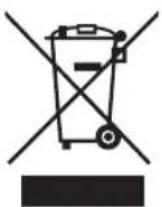
The symbol on the product or its packaging indicates that this product must not be disposed of with your other household waste. Instead, it is your responsibility to dispose of your waste equipment by handing it over to a designated collection point for the recycling of waste electrical and electronic equipment. The separate collection and recycling of your waste equipment at the time of disposal will help conserve natural resources and ensure that it is recycled in a manner that protects human health and the environment.
For more information about where you can drop off your waste for recycling, please contact your local authority, or where you purchased your product.
DSG Retail Ltd. (co. no. 504877)
Maylands Avenue, Hemel Hempstead, Herts., HP2 7TG, UK.
- SAFETY WARNINGS
- UNPACKING
- INSTALLATION
- PRODUCT OVERVIEW
- OPERATION
- CLEANING
- MAINTENANCE
- DISPOSAL
- TROUBLESHOOTING
- SPECIFICATIONS
- WARNING
- THANK YOU FOR PURCHASING YOUR NEW LOGIK CHEST FREEZER
- LOCATION
- FREE SPACE REQUIREMENTS
- CLEANING BEFORE USE
- BEFORE USING YOUR UNIT
- SWITCHING ON YOUR UNIT
- ADJUSTING THE TEMPERATURE
- FREEZING
- NOISES INSIDE THE UNIT
- TIPS FOR KEEPING FOOD IN THE UNIT
- PREPARATIONS FOR FREEZING
- DEFROSTING FROZEN FOOD
- DEFROSTING
- CLEANING THE INTERIOR AND THE EXTERIOR OF THE UNIT
- CARE WHEN HANDLING / MOVING THE UNIT
- SERVICING
- SWITCHING OFF FOR LONG PERIODS OF TIME
- POWER CUT
- THE FREEZER IS PARTICULARLY COLD
- THE FREEZER IS PARTICULARLY WARM
- THE FREEZER IS NOT WORKING
- CONDENSATION APPEARS ON THE OUTSIDE OF THE FREEZER
Brand : Logik
Model : L150CFW13
Category : Freezer