Primal 9 - Toy Valk - Free user manual and instructions
Find the device manual for free Primal 9 Valk in PDF.


| Product Type | Toy |
| Brand | Valk |
| Model | Primal 9 |
| Recommended Age | 3+ years |
| Dimensions (L x W x H) | 15 x 10 x 5 cm |
| Weight | 200 g |
| Power Source | 2 x AA batteries (not included) |
| Battery Life | Up to 2 hours |
| Main Functions | Interactive play, sound effects, movement |
| Material | Plastic |
| Color | Multicolor |
| Control Type | Remote control |
| Remote Frequency | 2.4 GHz |
| Range | Up to 10 meters |
| Safety Certifications | CE certified, non-toxic materials |
| Cleaning Instructions | Wipe with a dry cloth |
| Spare Parts Availability | Not available separately |
| Reparability | Not user-serviceable |
| Warranty | 1 year limited |
Frequently Asked Questions - Primal 9 Valk
User questions about Primal 9 Valk
0 question about this device. Answer the ones you know or ask your own.
Ask a new question about this device
Download the instructions for your Toy in PDF format for free! Find your manual Primal 9 - Valk and take your electronic device back in hand. On this page are published all the documents necessary for the use of your device. Primal 9 by Valk.
USER MANUAL Primal 9 Valk
Colours and designs may vary
Primal 9 Folding Electric Scooter
User Manual
[Revision 8.0 January 2024]
READ THIS MANUAL CAREFULLY BEFORE USE – FAILURE TO DO SO MAY RESULT IN INJURY, PROPERTY DAMAGE AND MAY VOID WARRANTY. • KEEP THIS MANUAL FOR FUTURE REFERENCE. • Products covered by this manual may vary in appearance, assembly, inclusions, specifications, description, and packaging.
THE BATTERY MAY HAVE SOME CHARGE ON ARRIVAL, IT IS IMPORTANT HOWEVER THAT THE BATTERY IS CHARGED PRIOR TO USE.
Safety
Safety messages are designed to alert you to possible dangers or hazards that could cause death, injury or equipment or property damage if not understood or followed. Safety messages have the following symbols:

You WILL be KILLED or SERIOUSLY INJURED if you do not follow instructions.
It is vital that you read and understand this user manual before using the product, including safety warnings, and any assembly and operating instructions. Keep the manual for future reference.
Safety precautions and recommendations detailed here must be fully understood and followed to reduce the risk of injury, fire, explosion, electrical hazard, and/or property damage.
Safety information presented here is generic in nature – some advice may not be applicable to every product. The term "equipment" refers to the product, be it electrical mains powered, battery powered or combustion engine powered.
- Before Use - If you are not familiar with the safe operation/handling of the equipment or are in any way unsure of any aspect of suitability or correct use for your application, you should complete training conducted by a person or organization qualified in safe use and operation of this equipment, including fuel/electrical handling and safety.
- Do NOT operate the equipment in flammable or explosive environments, such as in the presence of flammable liquids, gases, or dust. The equipment may create sparks or heat that may ignite flammable substances.
- Keep clear of moving parts.
- Equipment may be a potential source of electric shock or injury if misused.
- Do NOT operate the equipment if it is damaged, malfunctioning or is in an excessively worn state.
- Do NOT allow others to use the equipment unless they have read this manual and are adequately trained.
- Keep packaging away from children - risk of suffocation! Operators must use the equipment correctly. When using the equipment, consider conditions and pay due care to persons and property.
General Work Area Safety
• Work areas should be clean and well it.
- Do not operate the equipment if bystanders, animals etc are within operating range of the equipment or the general work area.
- If devices are provided for connecting dust extraction / collection facilities, ensure these are connected and used properly. Dust collection can reduce dust-related hazards.

You CAN be KILLED or SERIOUSLY INJURED if you do not follow instructions.
General Personal Safety
- Wear appropriate protective equipment when operating, servicing, or when in the operating area of the equipment to help protect from eye and ear injury, poisoning, burns, cutting and crush injuries. Protective equipment such as safety goggles, respirators, non-slip safety footwear, hard hat, hearing protection etc should be used for appropriate equipment / conditions. Other people nearby should also wear appropriate personal protective equipment. Do not wear loose clothing or jewellery, which can be caught in moving parts. Keep hair and clothing away from the equipment.
- Stay alert and use common sense when operating the equipment. Do not overreach. Always maintain secure footing and balance.
- Do not use the equipment if tired or under the influence of drugs, alcohol, or medication.
- This equipment is not intended for use by persons with reduced physical, sensory, or mental capabilities.
General Fuel Safety
- Petrol/fuel/gasoline is extremely flammable – keep clear of naked flames or other ignition sources.
- Do not spill fuel. If you spill fuel, wipe it off the equipment immediately – if fuel gets on your clothing, change clothing.
- Do NOT smoke near fuel or when refuelling.
• Always shut off the engine before refuelling. - Do NOT refuel a hot engine.
- Open the fuel cap carefully to allow any pressure build-up in the tank to release slowly.
• Always refuel in well ventilated areas. - Always check for fuel leakage. If fuel leakage is found, do not start, or run the engine until all leaks are fixed.
General Carbon-Monoxide Safety
- Using a combustion engine indoors CAN KILL IN MINUTES. Engine exhaust contains carbon-monoxide – a poison you cannot smell or see.
- Use combustion engines OUTSIDE only, and far away from windows, doors, and vents.

You CAN be INJURED if you do not follow instructions or equipment damage may occur.
General Equipment Use and Care
- The equipment is designed for domestic use only.
- Handle the equipment safely and carefully.
- Before use, inspect the equipment for misalignment or binding of moving parts, loose components, damage, or any other condition that may affect its operation. If damaged, have the equipment repaired by an authorised service centre or technician before use.
- Prevent unintentional starting of the equipment - ensure equipment and power switches are in the OFF position before connecting or moving equipment. Do not carry equipment with hands or fingers touching any controls. Remove any tools or other items that are not a part of the equipment from it before starting or switching on.
- Do not force the equipment. Use the correct equipment for your application. Equipment will perform better and be safer when used within its design and usage parameters.
- Use the equipment and accessories etc. in accordance with these instructions, considering working conditions and the work to be performed. Using the equipment for operations different from those intended could result in hazardous situations.
- Always keep equipment components (engines, hoses, handles, controls, frames, housings, guards etc) and accessories (cutting tools, nozzles, bits etc) properly maintained. Keep the equipment clean and, where applicable, properly lubricated.
- Store the equipment out of reach of children or untrained persons. To avoid burns or fire hazards, let the equipment cool completely before transporting or storing. Never place or store the equipment near flammable materials, combustible gases, or liquids etc.
- The equipment is not weather-proof, and should not be stored in direct sunlight, at high ambient temperatures or locations that are damp or humid.
- Do not clean equipment with solvents, flammable liquids, or harsh abrasives.
- For specific equipment safety use and care, see Equipment Safety.
General Electrical Safety
- Inspect electrical equipment, extension cords, power bars, and electrical fittings for damage or wear before each use. Repair or replace damaged equipment immediately.
- Ensure all power sources conform to equipment voltage requirements and are disconnected before connecting or disconnecting equipment.
- When wiring electrically powered equipment, follow all electrical and safety codes.
- Always use a Residual Current Device (RCD) (GFCI) / Earth Leakage Circuit Breaker / Safety Switch when operating this item (electrical items only).
- High voltage / high current power lines may be present. Use extreme caution to avoid contact or interference with power lines. Electrical shock can be fatal.
General Electrical Safety
- Electrically grounded equipment must have an approved cord and plug and be connected to a grounded electrical outlet.
- Do NOT bypass the ON/OFF switch and operate equipment by connecting and disconnecting the electrical cord.
- Do NOT use equipment that has exposed wiring, damaged switches, covers or guards.
- Do NOT use electrical equipment in wet conditions or in damp locations.
- Do NOT use electrical cords to lift, move or carry equipment.
- Do NOT coil or knot electrical cords, and ensure electrical cords are not trip hazards.
General Service Information
- The equipment must be serviced or repaired at authorised service centres by qualified personnel only.
- Replacement parts must be original equipment manufacturer (OEM) to ensure equipment safety is maintained.
- Do NOT attempt any maintenance or repair work not described in this manual.
- After use, the equipment and components may still be hot – allow the equipment to cool and disconnect spark plugs and/or electrical power sources and/or batteries from it before adjusting, changing accessories, or performing repair or maintenance.
- Do NOT adjust while the equipment is running.
- Perform service-related activities in suitable conditions, such as a workshop.
- Replace worn, damaged or missing warning/safety labels immediately.
Child Choking Hazard!
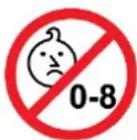
- WARNING: CHOKING HAZARD - CHILDREN UNDER 8 YRS. CAN CHOKE OR SUFFOCATE ON SMALL PARTS. ADULT SUPERVISION REQUIRED.
- Carefully inspect anything a baby or child could gain access to, including this product & packaging.
- Dangers include anything of a size that could become stuck or lodged in a baby or child's airway.
• Dangers include things like raw, hard fruit and vegetable pieces, large pieces of meat, bones or sausage skins, popcorn, nuts,
hard lollies and corn chips, small magnets and batteries, coins, beads, marbles and small uninflated balloons, broken toys and smaller toys, buttons, keys, and coins. But there are also many more.
- Pay particular attention to accessories, nuts, bolts, screws, washers, caps, covers, loose parts, parts that could be removed or break off, pieces of packaging, staples, tape etc.
- In the case of any doubt, secure the item of concern in an appropriate manner, or completely remove the possibility of access by a baby or child.
Electric Scooter Safety
- PLEASE READ THE OPERATING INSTRUCTIONS CAREFULLY BEFORE OPERATING OR SERVICING YOUR SCOOTER. PROTECT YOURSELF AND OTHERS BY FOLLOWING THE SAFETY INSTRUCTIONS. FAILURE TO FOLLOW INSTRUCTIONS COULD RESULT IN PERSONAL INJURY AND/OR PROPERTY DAMAGE.
- WARNING: To reduce the risk of electric shock, do not remove the casing of this unit. There are no parts inside that can be repaired by the user. Therefore, do not attempt to repair or service internal parts yourself. Leave repairs to qualified service personnel.
- KICK-STARTER: Please note that the scooter has a kick-start. This means that you first have to push to get going and only then can you accelerate with the help of the throttle lever.
- Do not ride in rain or wet conditions - the unit is NOT WATERPROOF!
- Do not use e-scooter for jumps or stunts!
- Do not use it in slippery conditions!
- Do not use under the influence of drugs or alcohol! Avoid paths with obstacles such as branches, rubbish, or stones!
- Avoid steep inclines!
- Do not ride faster than recommended!
- Do not load the device more than permitted!
- CAUTION! Persons with visual balance, coordination, reflex, muscle, or bone problems MUST NOT use this vehicle!
- Children under the age of 10 are NOT allowed to us the device. Children from the age of 10 with a bicycle driving licence and children up to the age of 12 accompanied by a supervisor who is at least 16 years old may use the scooter - however, detailed instructions on how to use the scooter in a safe manner must be provided beforehand and the existing dangers must be described.
- In addition, helmets are compulsory for children up to 12 years of age.
- Carefully remove the packaging and make sure that the e-scooter is not damaged.
- Do not use the unit if it has any visible damage.
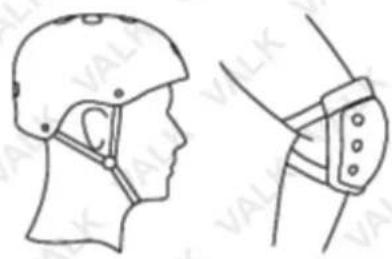
• We recommend wearing qualified and necessary protective clothing such as helmet, hand, and knee protectors, etc. as for comparable sports. - Before getting on the scooter, make sure that you have positioned the scooter on a level surface and that the scooter is switched on.
- Do not open the scooter, modify the scooter, otherwise the manufacturer's warranty will be void and malfunctions may occur that could result in serious physical injury - even death.
- Only ride the scooter in places where riding the scooter is expressly permitted. Only use the scooter outside public places and in places where you do not pose a danger to yourself, others, or other people's property.
-
Never use the scooter under the influence of alcohol and/or drugs.
-
Never use the scooter when you are overtired or unfocused. Always have presence of mind and recognise the dangerous situation at an early stage.
- Avoid sudden changes of direction - especially at high speeds.
- Make sure that the protection of the charging socket is always in place.
- The scooter is subject to protection class IPX4 and is therefore only spray water resistant NOT WATERPROOF. Never drive through water or rain as this could damage your scooter. Damage caused by water are excluded from this warranty.
- Do not ride through puddles, mud, sand, stones, gravel, grit or on unsuitable rough terrain. For uneven surfaces, it is recommended to carry the scooter until a suitable road surface is found.
- Do not drive in bad weather such as snow, rain, hail, icy roads, or extreme heat - DANGER OF FLIPPING!
- Avoid driving near swimming pools or other large accumulations of water.
- Prevent riding over obstacles, bumps higher than 1.5cm - even if you are an experienced scooter rider.
- Do not talk on the phone or text while driving. Drive attentively and be aware and alert of your surroundings: road condition, people, weather, objects, etc.
- Do not drive the scooter in places with many people. Drive the scooter with extreme consideration and pay attention to people and objects in the vicinity.
- Do not ride up and down steep hills ( >15^ ). On gentle hills and terrain with slight bumps, it helps to bend the knees slightly when riding to absorb shocks and vibrations. This helps you keep your balance on slight bumps up to a certain intensity.
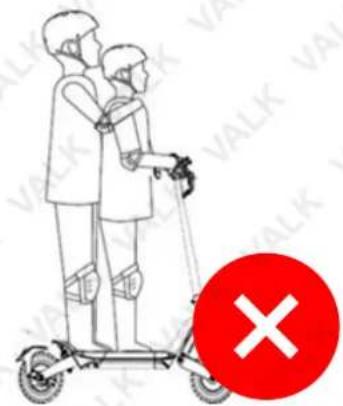
- Never attempt to ride with more than one person at a time. The scooter is only suitable for riding with a single person.
- Do not transport any objects while driving.
- People with balance disorders should not ride the scooter.
- Do not ride the scooter during pregnancy.
• Children under the age of 12 and older people may only ride under the supervision of experienced and adult persons and protective clothing. - Note that the braking distance increases proportionally at higher speeds and body weight.
- Never get on or off the scooter with a jump. Do not attempt any stunts or tricks with the scooter.
- Be overcareful while driving in the dark or in poorly lit areas.
- Do not exceed or fall below the stated weight limit of the scooter.
- Avoid driving in dangerous places to avoid fire and explosion accidents caused by e.g.: flammable gases, vapours, liquids, dust, fibres.
- Follow all national and local laws applicable to your region regarding the use of your scooter.
- Drive on sight and always be ready to brake.
- Using a different charger may result in damage to the unit and other potential risks.
- Avoid completely discharging the battery. It is best to charge the battery when there is still some remaining capacity (min. 1 bar on the display). This will prolong the life of the battery.
- Place the battery away from fire or corrosive environment while charging as it is classified as flammable and explosive.
- Do not attempt to open the battery housing. If you notice any damage, contact the Service Centre.
- Do not charge the unit in direct sunlight or in the immediate vicinity of an open fire or flames.
- The scooter must not be used during charging.
- Riding the scooter is at your own risk and responsibility.
- Not all hazards that could lead to injury or even death can be covered in this manual.
- ATTENTION! Note on deep discharge of the battery.
- The life and performance of a battery depends on its age, care and how often it has been used.
- Compared to other battery models, lithium-ion batteries have a very low self-discharge and must be charged periodically.
- Even if you do not use your scooter, the battery must be charged for at least 1 hour every 2 months, otherwise it will lose capacity. Regular charging protects the battery from deep discharge.
- Please note that a deeply discharged battery is irreparably damaged and must be replaced at the owner's expense. For this reason, the battery should never be completely discharged, even during operation!
- RECYCLING: The packaging materials can be recycled. It is therefore recommended to dispose of them in the sorted waste.
- DISPOSAL: The symbol "crossed-out garbage can" requires the separate disposal of waste electrical and electronic equipment (WEEE). Electrical and electronic devices can contain dangerous and environmentally hazardous substances. Therefore, do not dispose of it in unsorted residual waste, but at a designated collection point for used electrical and electronic equipment. In this way you contribute to the protection of resources and the environment. For more information, please contact your dealer or local authorities.
Battery Warnings
- The battery must be charged and used within the temperature range required by the battery specification to make the electric scooter work stably and efficiently.
- Please make sure you take off the charger when you install the battery to prevent any danger from happening.
- It is never allowed to dissolve or impale the battery, also make sure NO metal stuff go contact with the battery pin electrode, otherwise it might break the battery.
- It is forbidden to disassemble or pierce the battery pack casing to avoid short circuit caused by metal objects contacting the battery contacts, otherwise it may cause battery damage or personal injury.
-
It is potentially causing fire or explosion if water entering battery circuit, thus stop using the battery in case this happening and go to the after sale immediately.
-
You are only allowed to charge the battery with the original adaptor packed, otherwise it will be causing any unexpected consequence.
- If finding the battery broken and smells bad or felt hot, you need to stop using and keep the battery away from other stuffs.
- It helps prolong the lifespan if storing battery after 100% fully charged.
- It is not allowed to store the battery under 0^ or higher 40^ condition.
- You have to charge it to at least 80% capacity if battery not used more than 30 days. Better to charge it 100% full every 90 days to protect the battery function.
- It will help prolong the battery lifespan significantly that you charge well accordingly to the manuals after every driving instead of running it out. At room temperature, the battery can play a higher range and performance. But battery life and performance will degrade if used at temperatures below 0°C. Typically, the range may be half or less than at room temperature at 10°C.
- Do not charge and park e-scooters in residential buildings. Keep away from combustibles when charging, and the charging time should not be too long.
- Improper disposal of used batteries may seriously pollute the environment. Please abide by local regulations when disposing of this battery.
- When the internal temperature of the battery exceeds 50^ , the battery is in a protected state and cannot be charged.
Safety Symbols
The product may have safety warning labels attached to it, explained below. Understand the symbols on your product and their meanings. If any stickers become unreadable, unattached etc., replace them.
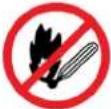 Flammable Material HazardFlammable liquids, gases, or substances etc may present.Avoid ignition sources and open flames. Danger of fire. Flammable Material HazardFlammable liquids, gases, or substances etc may present.Avoid ignition sources and open flames. Danger of fire. |  Read User ManualRead and fully understand product safety warnings, operation, procedures etc before using the product. Read User ManualRead and fully understand product safety warnings, operation, procedures etc before using the product. |  Use Hand ProtectionWear appropriate hand protection and take due care as the product or use of the product may present hand hazards. Use Hand ProtectionWear appropriate hand protection and take due care as the product or use of the product may present hand hazards. |  EXHAUST FUMESCarbon-Monoxide HazardDo not use the product in confined areas or without adequate ventilation. Carbon-monoxide poisoning can be fatal. EXHAUST FUMESCarbon-Monoxide HazardDo not use the product in confined areas or without adequate ventilation. Carbon-monoxide poisoning can be fatal. |
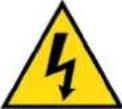 Electrocution / Electrical Shock HazardHigh voltage or high current electricity may be present or required by the product. Take due care when handling electrical products, cables, plugs and leads. Electrical shock can be fatal. Electrocution / Electrical Shock HazardHigh voltage or high current electricity may be present or required by the product. Take due care when handling electrical products, cables, plugs and leads. Electrical shock can be fatal. | 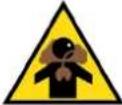 Toxic Fumes / Dust HazardUsing the product or by-products from use may produce fumes, smoke or particles that could be harmful if inhaled. Wear appropriate breathing protection and have adequate ventilation. Toxic Fumes / Dust HazardUsing the product or by-products from use may produce fumes, smoke or particles that could be harmful if inhaled. Wear appropriate breathing protection and have adequate ventilation. | 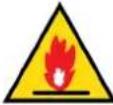 Explosive Material HazardCombustible liquids, gases, or substances etc may be present.Avoid ignition sources and open flames. Danger of explosion. Explosive Material HazardCombustible liquids, gases, or substances etc may be present.Avoid ignition sources and open flames. Danger of explosion. | 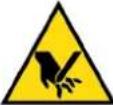 Cutting / Amputation HazardThe product may have blades, edges or mechanical devices that can cause severe cut injury to fingers, limbs etc. Take due care when handling and using the product. Cutting / Amputation HazardThe product may have blades, edges or mechanical devices that can cause severe cut injury to fingers, limbs etc. Take due care when handling and using the product. |
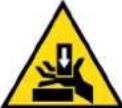 Crush HazardThe product may have blades, edges or mechanical devices that can cause severe crush injury to fingers, limbs etc. Take due care when handling and using the product. Crush HazardThe product may have blades, edges or mechanical devices that can cause severe crush injury to fingers, limbs etc. Take due care when handling and using the product. |  Single Operator OnlyThe product must be operated by a single person only. More than one person operating the product may introduce additional hazards. Single Operator OnlyThe product must be operated by a single person only. More than one person operating the product may introduce additional hazards. |  Use Face ProtectionWear appropriate full-face protection and take due care as the product or use of the product may present face and eye hazards. Use Face ProtectionWear appropriate full-face protection and take due care as the product or use of the product may present face and eye hazards. |  Use Foot ProtectionWear appropriate foot protection and take due care as the product or use of the product may present foot hazards. Use Foot ProtectionWear appropriate foot protection and take due care as the product or use of the product may present foot hazards. |
 Use Eye / Ear / Head ProtectionWear appropriate eye and / or ear and / or head protection and take due care as the product or use of the product may present eye, hearing, and head hazards. Use Eye / Ear / Head ProtectionWear appropriate eye and / or ear and / or head protection and take due care as the product or use of the product may present eye, hearing, and head hazards. | 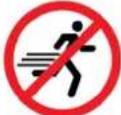 Running HazardDo not run on or near the product as doing so may present a fall hazard. Running HazardDo not run on or near the product as doing so may present a fall hazard. |  Diving HazardDo not dive into the product as doing so may present a neck / head injury hazard. Diving HazardDo not dive into the product as doing so may present a neck / head injury hazard. |  Adult Supervision RequiredAlways supervise children and other users of a product to prevent drowning or injury. Adult Supervision RequiredAlways supervise children and other users of a product to prevent drowning or injury. |
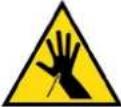 Skin Penetration / Puncture HazardThe product may produce pressure, emit liquids or objects that can cause severe injury to fingers, limbs, blood etc. Take due care when handling and using the product. Skin Penetration / Puncture HazardThe product may produce pressure, emit liquids or objects that can cause severe injury to fingers, limbs, blood etc. Take due care when handling and using the product. | 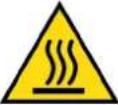 Hot Surface HazardBe aware that the product may produce high temperatures and hot surfaces that can cause burn injuries. Hot Surface HazardBe aware that the product may produce high temperatures and hot surfaces that can cause burn injuries. | 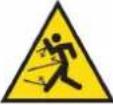 Flying Debris HazardBe aware that the product or use of the product may present hazards produced by flying debris. Wear appropriate clothing and protective devices. Flying Debris HazardBe aware that the product or use of the product may present hazards produced by flying debris. Wear appropriate clothing and protective devices. | 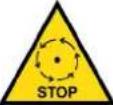 Moving Parts HazardBe aware that the product contains or uses mechanical devices that move or rotate. Always wait for moving parts to stop fully before handling the product, adjusting, maintenance etc. Moving Parts HazardBe aware that the product contains or uses mechanical devices that move or rotate. Always wait for moving parts to stop fully before handling the product, adjusting, maintenance etc. |
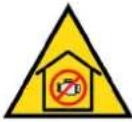 Carbon-Monoxide HazardDo not use the product in confined areas or without adequate ventilation. Carbon-monoxide poisoning can be fatal. Carbon-Monoxide HazardDo not use the product in confined areas or without adequate ventilation. Carbon-monoxide poisoning can be fatal. | 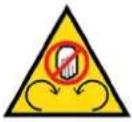 Pull HazardBe aware that the product contains or uses mechanical devices that can pull in objects and can cause severe injury to fingers, limbs etc. Take due care when handling and using the product. Pull HazardBe aware that the product contains or uses mechanical devices that can pull in objects and can cause severe injury to fingers, limbs etc. Take due care when handling and using the product. | 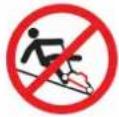 Slope / Fall Injury HazardBe aware that using the product on sloping surfaces or in slippery conditions may present additional dangers from falls and contact with blades, moving parts, hot surfaces etc. Slope / Fall Injury HazardBe aware that using the product on sloping surfaces or in slippery conditions may present additional dangers from falls and contact with blades, moving parts, hot surfaces etc. | 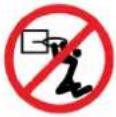 "Slam Dunk" WarningDo NOT attempt "slam dunk" manoeuvres as this may result in severe injury due to falling, product breakage or collapse etc. "Slam Dunk" WarningDo NOT attempt "slam dunk" manoeuvres as this may result in severe injury due to falling, product breakage or collapse etc. |
 Electrocution / Electrical Shock Hazard - OutdoorHigh voltage or high current electricity may be present or required by the product. Do NOT use in rain, damp, or wet conditions. Electrical shock can be fatal. Electrocution / Electrical Shock Hazard - OutdoorHigh voltage or high current electricity may be present or required by the product. Do NOT use in rain, damp, or wet conditions. Electrical shock can be fatal. | 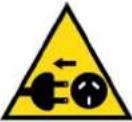 Electrocution / Electrical Shock Hazard - DisconnectHigh voltage or high current electricity may be present or required by the product. Always disconnect the product from the electrical supply before handling the product, adjusting, maintenance etc. Electrocution / Electrical Shock Hazard - DisconnectHigh voltage or high current electricity may be present or required by the product. Always disconnect the product from the electrical supply before handling the product, adjusting, maintenance etc. |  Power Line Electrocution HazardHigh voltage / high current power lines may be present. Use extreme caution to avoid contact or interference with power lines. Electrical shock can be fatal. Power Line Electrocution HazardHigh voltage / high current power lines may be present. Use extreme caution to avoid contact or interference with power lines. Electrical shock can be fatal. |  "Kick-Back" HazardHigh level of "kick-back" hazard that can cause the machine to suddenly rotate towards operator. Kick-back injury can be fatal. "Kick-Back" HazardHigh level of "kick-back" hazard that can cause the machine to suddenly rotate towards operator. Kick-back injury can be fatal. |
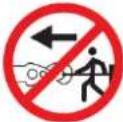 Winch Operator Position HazardDo NOT stand between winch and load. Do NOT use winch to move people. Winch Operator Position HazardDo NOT stand between winch and load. Do NOT use winch to move people. | 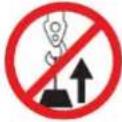 Winch Lift HazardDo NOT LIFT load vertically. Use machine to PULL only. Winch Lift HazardDo NOT LIFT load vertically. Use machine to PULL only. | 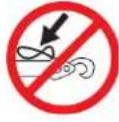 Cable HazardEnsure that load bearing cable is not kinked or knotted. Cable HazardEnsure that load bearing cable is not kinked or knotted. | 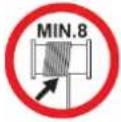 Winch Cable HazardEnsure that there is a minimum number of cable coils on winching mechanism. Winch Cable HazardEnsure that there is a minimum number of cable coils on winching mechanism. |
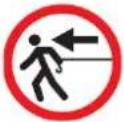 Winch Hook HazardCarry hook to load – do NOT throw or run. Winch Hook HazardCarry hook to load – do NOT throw or run. |  Flash / Blinding HazardWear appropriate eye protection for welding. Direct exposure to weld arcs may cause permanent eye injury. Flash / Blinding HazardWear appropriate eye protection for welding. Direct exposure to weld arcs may cause permanent eye injury. |  Laser HazardLaser may be in use – do NOT look directly at laser or allow others to. Laser HazardLaser may be in use – do NOT look directly at laser or allow others to. | 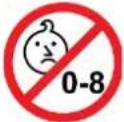 Choking HazardChildren under 8 yrs. Can choke or suffocate on small parts. Adult supervision required. Choking HazardChildren under 8 yrs. Can choke or suffocate on small parts. Adult supervision required. |
Table of Contents
Safety 2
Safety Symbols....6
Package Contents....9
Parts Identification ....10
Assembly....11
Operation....12
Button Features....12
Sub menu 13
Display Features....14
Learning to Ride 15
Safety Warnings When Riding....16
Charging Steps....17
Lithium Battery Care and Maintenance 18
Top 3 Battery Care Requirements....18
Maintenance....20
General....20
Tyres....20
Specifications 21
Package Contents
e-Scooter
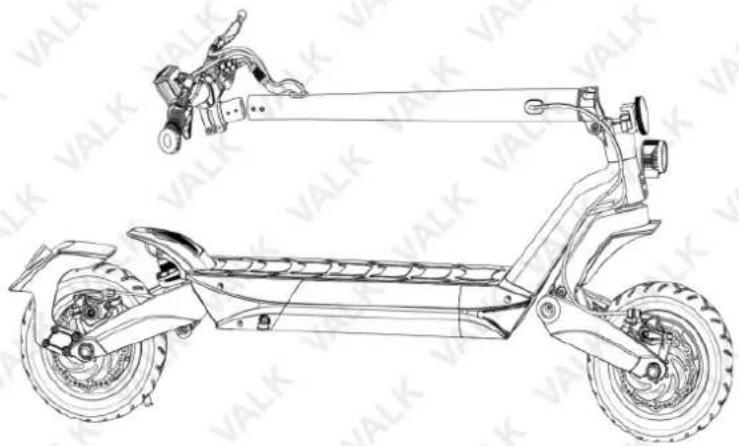
natural_image
Line drawing of an electric scooter chassis with visible suspension components and drivetrain (no text or symbols)Accessories

4 x Screws
2 x Socket head wrench
natural_image
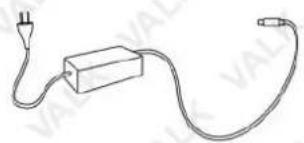
Simple line drawing of a voltage outlet connected to a rectangular component (no text or symbols)1 x Battery charger
Parts Identification
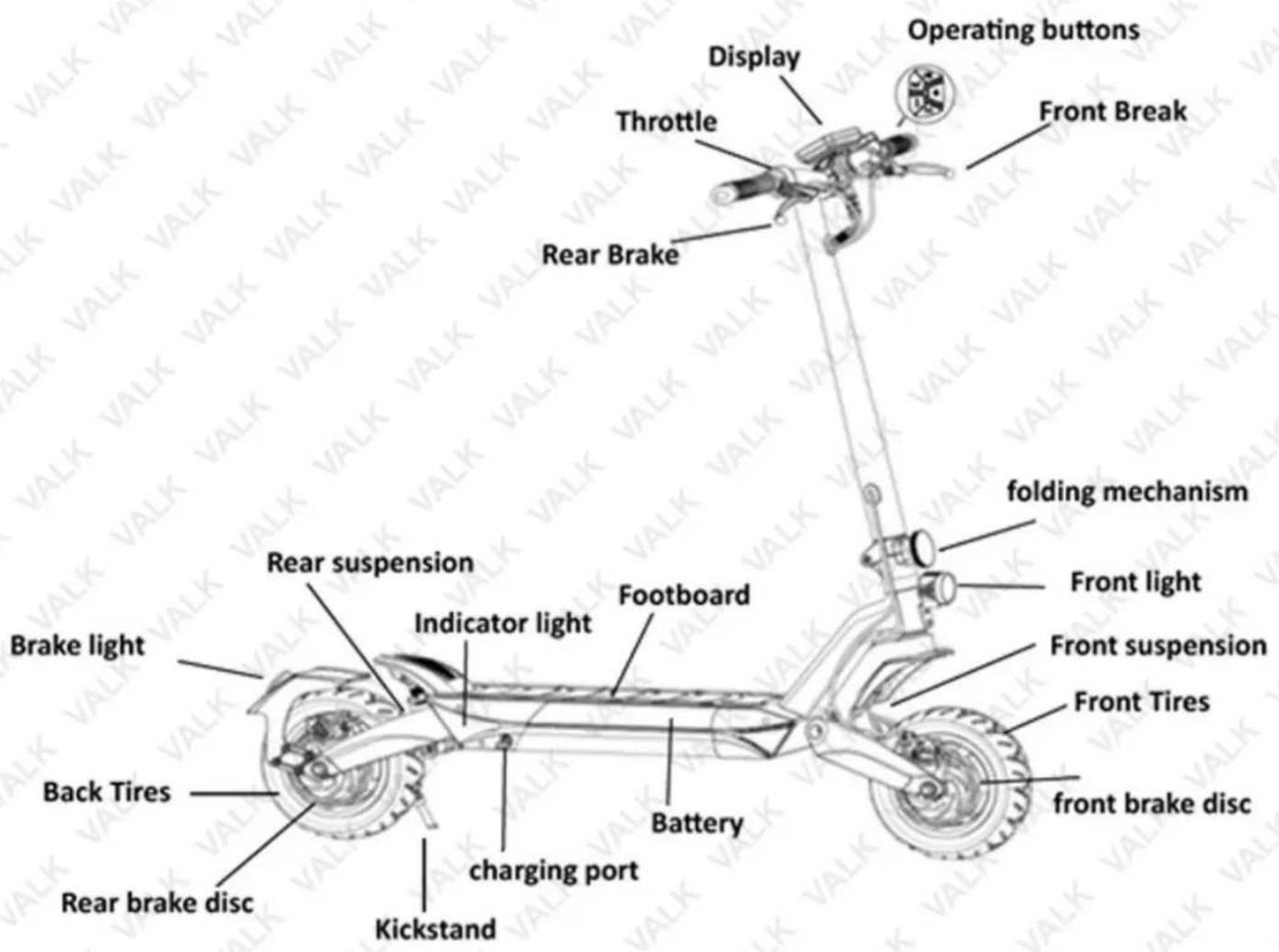
Assembly
Assembling the e-Scooter
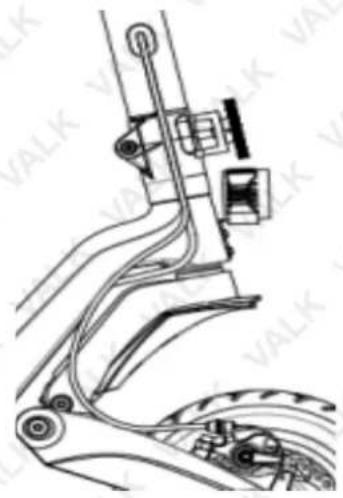
natural_image
Technical line drawing of a mechanical assembly with no visible text or symbols- Fold out the handlebar and close the lock.
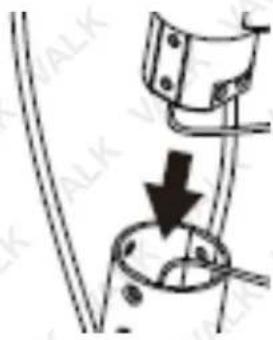
natural_image
Diagram showing a mechanical assembly with a downward arrow indicating a force or direction (no text or symbols present)- Insert the handlebar into the standpipe.
natural_image
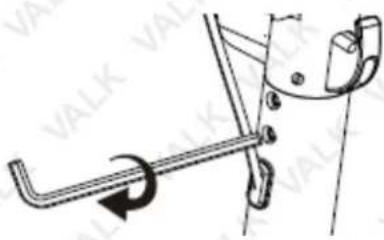
Mechanical linkage diagram showing a lever and bracket assembly (no text or symbols)- Use the hex wrench in the box to lock screws on both sides.
Disassembly
natural_image
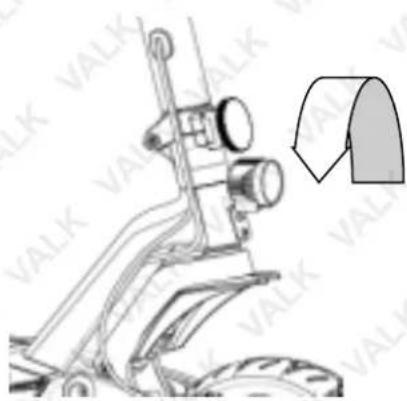
Technical line drawing of a mechanical device with no visible text or symbols- Turn the rotary knob of the folding connector anti-clockwise
natural_image
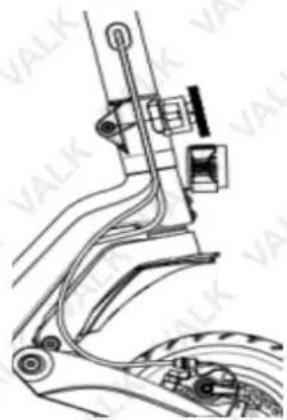
Technical line drawing of a mechanical assembly with no visible text or symbols- Open the buckle of the folding connector.
natural_image
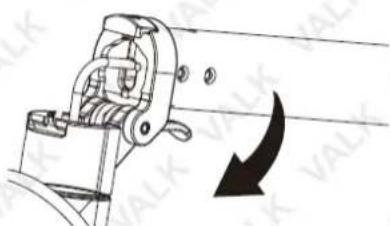
Mechanical assembly diagram showing a clamp mechanism with a downward arrow indicating motion (no text or symbols present)- Open the buckle of the folding connector
Operation

ATTENTION: Monitor battery usage when in use, the scooter may suddenly slow down as the battery charge reduces.
Button Features
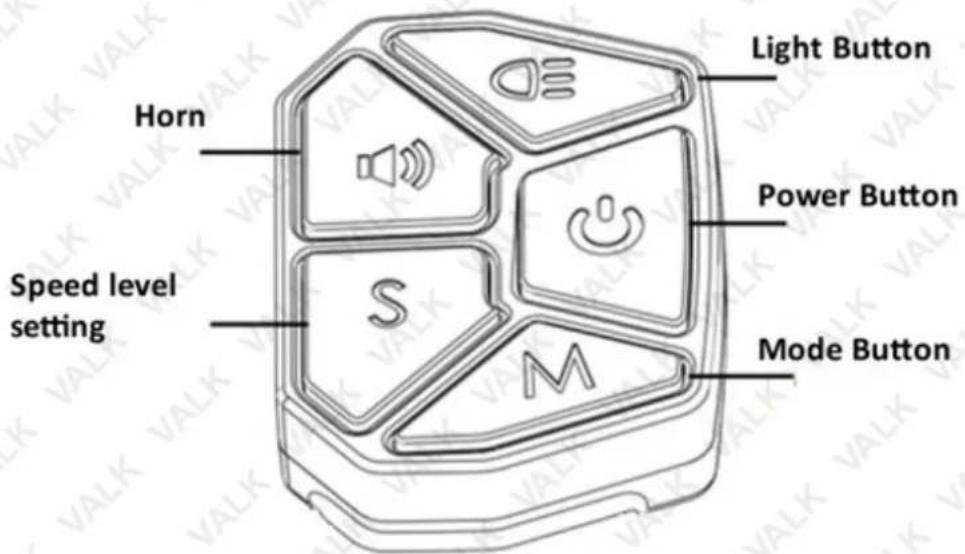
- Power ON/OF Button: Press and hold for about 3 seconds to power ON. Press and hold again for about 3 seconds to power OFF.
• Light Button: Press the button once to turn all lights ON. Press again to turn OFF. - Horn Button: Press and hold the button to activate the horn, and release to stop.
- S Button (Speed level settings): Press the speed button once to switch between the speed levels: Walk, ECO, Sport, and Turbo modes. Each time you press this button once, the speed level increases. This cycle repeats itself.
• M-Button (Mode-Button): Press once briefly to change from km/h to mph.
NOTE: When the brake is active, pressing the throttle to accelerate is not allowed!
Sub menu
To access the sub-menu press and hold the power and horn buttons simultaneously. Once you have changed the desired setting, don't press any buttons and the display will return to the normal menu, and the setting will be saved.
Zero start/kick start (Toggle rolling start ON.OFF)
P01
- 0 Means off.
- 1 Means on.
Cruise control
P02
- 0 Means off.
- 1 Means on.
Overclock mode (Unlocks the speed limiter)
P02
- 0 Means off.
- 1 Means on.
Overlock mode:
We highly recommend that you use appropriate safety gear when riding this scooter, not only in normal speed modes but especially in overclock mode. The use of electric scooters is not permitted in public areas of all jurisdictions. Please check with your local, state, and federal authorities for laws and regulations applicable to their use.
Dual motor mode:
To activate both motors, double press the horn and light button. When the display shows both the up and down arrows, then both motors are active. When the display shows only the down arrow then the unit is in single motor mode. Both modes will give you the same speed, however in dual motor mode it will accelerate much faster
DISCLAIMER: Trip distance will be reduced in this mode. Always use appropriate safety gear including helmet, kneepads, and elbow pads.
Display Features
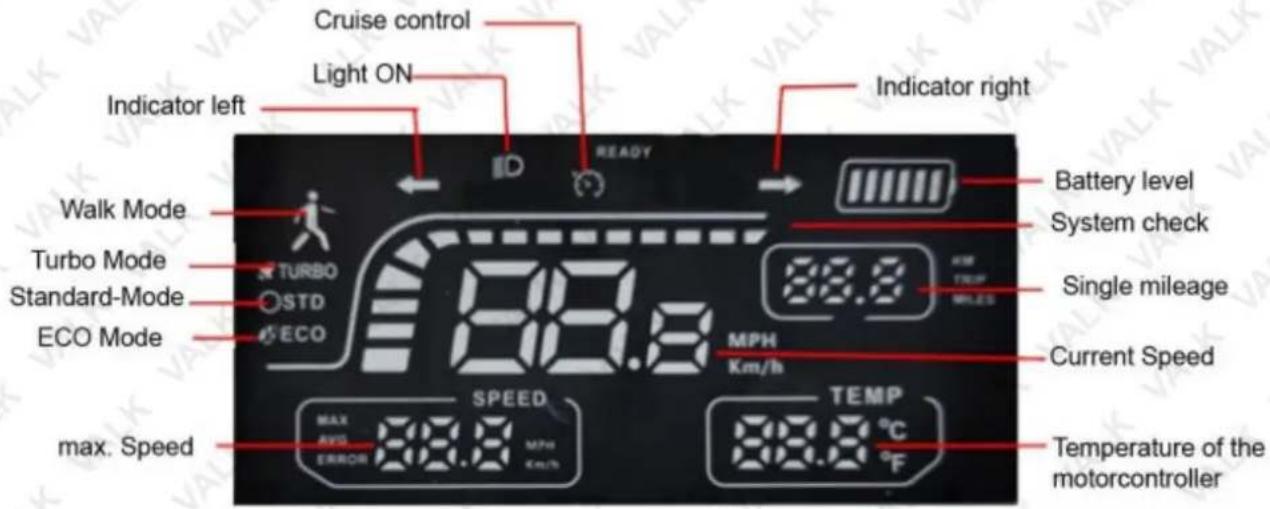
Battery Level Indicator: Displays the remaining battery level with 6 bars. When all bars light up, it corresponds to 100% power.

6 bars indicate the battery level between 100% and 90%, and 5 bars indicate the power is between 90% and 70%. When the battery is completely empty, 1 bar still flashes and the scooter reduces to a standstill due to inertia. You must then charge it immediately. It is not recommended to discharge the battery completely.

READY: When the scooter is turned ON, the "READY" symbol appears on the display to inform the user that the scooter is ready for operation.

Cruise Control: Press the throttle and keep same speed for 5 seconds to activate cruise control function. Cruise control symbol appears on display. Press the throttle again to exit cruise control mode.

Light Button: After turning ON the scooter, press the light switch button to turn the lights ON and OFF.

Walk-Mode: Indicates maximum speed at 3 km/h.

ECO-Mode: Indicates maximum speed at 6 km/h.

Standard-Mode: Indicates maximum speed at 15 km/h.

Turbo Mode: Indicates maximum speed at 25 km/h.
Maximum Speed Indicator: Indicates the highest speed of the entire driving process.

Current Speed: Indicates the current speed while driving.
Single Mileage: Show the current mileage during the ride, and automatically return to zero by next start.
Learning to Ride
natural_image
Side-by-side line drawings of a person's head and neck with a medical device attached (no text or symbols)- Wear an approved helmet and other protective gear to minimise any possible injuries.
natural_image
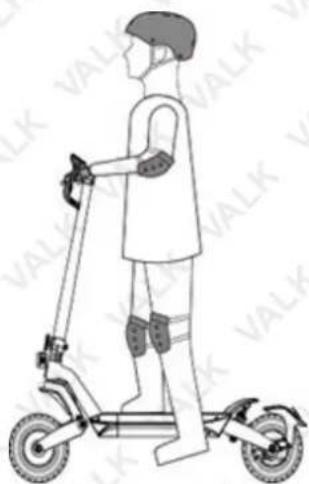
Side profile illustration of a person riding an electric scooter with visible wheels and seat patches (no text or symbols)- Press the power button for 3 seconds to turn ON the scooter. Put one foot on the scooter, push off to move and squeeze the throttle to accelerate.
natural_image
Side profile illustration of a person riding an electric scooter with visible legs and seat patches (no text or symbols)-
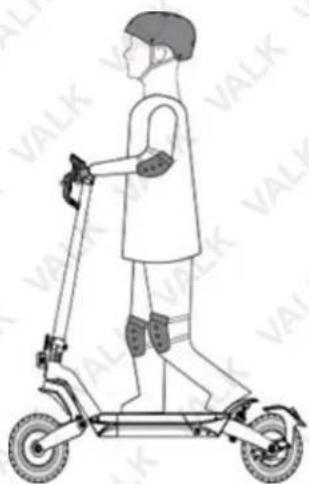
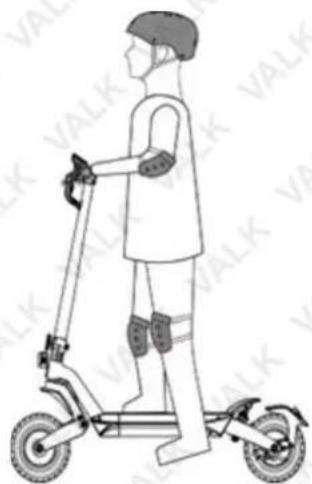
When the electric scooter is moving, put the other foot on the back pedal and keep both feet on the deck to remain stable.
-
Continuously press the throttle to speed up. Turn the handle to adjust the direction.
NOTE:
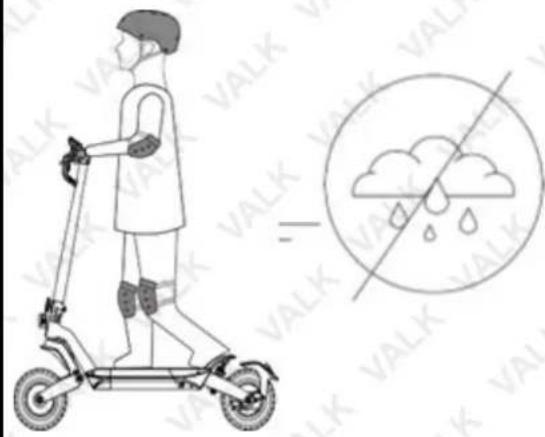
- The e-scooter is subject to IPX4 protection class - the scooter is water spray resistant, but NOT WATERPROOF. You should not operate the scooter in rain, snow, wet or snowy conditions. Damage caused by water are excluded from this warranty.
- If you do ride the scooter in rain or snow, it will increase braking distance and increase the risk of falling. Be sure to drive slowly.
- The rear brake can be used for normal driving. The front and rear brakes need to be used together for emergency braking.
- Don't use the front brake for emergency braking at high speed. Otherwise, it can cause a rollover.
natural_image
Side profile illustration of a person riding an electric scooter with visible wheels and seat patches (no text or symbols)- When the scooter stops or runs at a slow speed, you can get off.
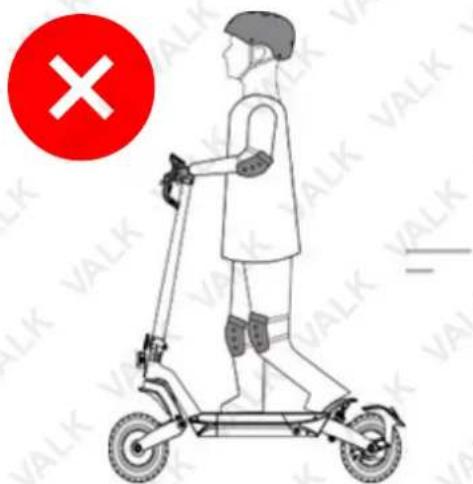
- Please don't ride at high speeds before you are familiar with the performance of the scooter to avoid accidents.
Safety Warnings When Riding
WARNING! Failure to follow these instructions could lead to serious injuries!
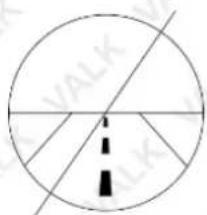
- Obey local traffic laws when using electric scooters. DO NOT ride it on vehicular lanes.

- Don't park e-scooters in a building's lobby, evacuation corridor, or safety exit.
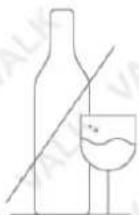
- DO NOT ride after drinking or taking medications.
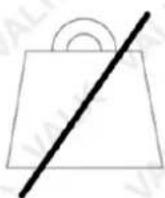
- Do not exceed maximum weight limit. Refer to Specifications or product's online listing for more information.
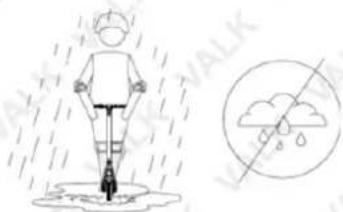
- You must not drive in rainy conditions. Damage caused by water are excluded from the warranty.

- Pregnant women should not drive the e-scooter at all as there is potential for injuries. Children under the age of 16 should not drive the e-scooter. All users of the e-scooter must wear a helmet and safety gear.
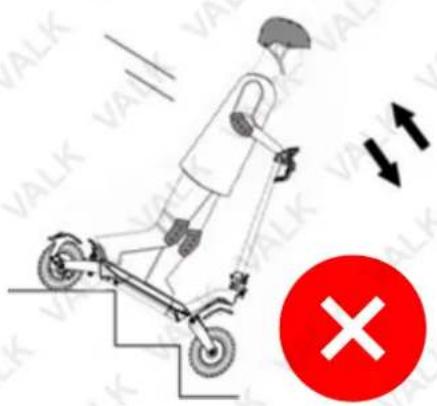
- DO NOT ride up and down stairs or jump over obstacles.
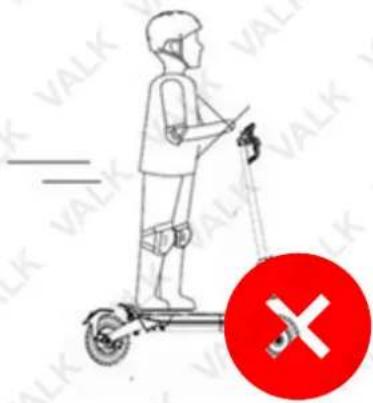
- DO NOT take your hands off the handlebars while riding. Do not ride with one hand only. Always keep both hands on the handlebar or you risk serious injuries due to loss of balance and falls.
natural_image
Illustration of two people riding a scooter with a red circle containing an 'X' symbol (no text or labels)- The e-scooter is for one rider only. Do not carry any passengers. Do not carry a child.
natural_image
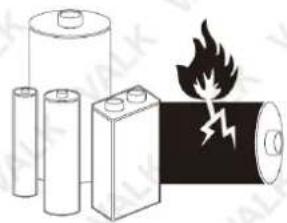
Illustration of batteries and a battery with a lightning bolt symbol (no text or labels)- DO NOT perform any modifications on the battery. Risk of fires or explosions.

natural_image
Icon of a hammer and wrench crossed inside a circle, symbolizing tools or tools (no text or symbols present)- DO NOT perform any modifications on the e-scooter. Malfunctions may occur and could cause serious injuries when riding.

natural_image
Stylized black-and-white graphic of a stylized letter 'a' with a small circular mark, no text or symbols present.- Before riding the electric scooter, please carefully check the scooter conditions, make sure that there are no signs of looseness or damage on any part. Ensure tyres are inflated at the recommended air pressure (see Specifications or the product's online listing for more information).
Charging Steps
- Open the charging port cover, make sure the charging port is clean and dry.
- Connect the charger with the battery and the other end with power(100V-240V;50/60Hz), make sure the charging indicator is ON.
- When the indicator light on the charger changes, indicating that the charging process is normal, otherwise check if the line connection is good.
- The indicator turns green when the charger is charging; it indicates that the battery has been fully charged. Please stop charging; long time over charge will affect the battery life.
TIP: When the battery is charged separately, the charging status can be viewed on the charging indicator on the battery. It displays red colour when charging and green colour after full charging.
Lithium Battery Care and Maintenance
Top 3 Battery Care Requirements
- Charge battery before first use. The battery may arrive with some charge, regardless of this the battery must be charged for 9 – 10 hours on the initial charge and 9 – 10 hours for each subsequent charge.
- Charge battery immediately when it is depleted. Do not store a depleted battery. This will permanently impact the life of the battery. If the battery is going to be stored for a period of time, fully charge the battery before storing.

To ensure the battery maintains optimum performance, follow the guidelines outlined below.
• For best results, charge batteries in temperatures between 10°C and 30°C
- When battery is charged, disconnect the charger from the power supply and remove the battery from the charger.
- If a battery is stored or otherwise unused for an extended period, and the battery has no charge remaining when you check it, consider it to be damaged. Do not attempt to recharge it or to use it. Replace it with a new battery.
• Use only with the battery charger specified by the manufacturer.
- Ensure that the battery charger electrical cord is not subjected to damage or stress. Do not operate the battery charger if it has a damaged electrical cord or plug.
- Do not use the charger in wet areas or expose it to rain or water.
- The typical estimated life of a Lithium-Ion battery is about two to three years or 300 to 500 charge cycles, whichever occurs first. One charge cycle is a period of use from fully charged, to fully discharged, and fully recharged again
- Explosion hazard – protect the battery against heat, for example, direct sunlight and fire. Do not store batteries in vehicles or locations subject to heat.
- Batteries can explode in the presence of an ignition source, such as a pilot light. To reduce the risk of serious personal injury, never use any cordless product in the presence of open flame. Exploding batteries can propel debris and chemicals.
- Do not open the battery – danger of short-circuiting and/or explosion.
- Do not attempt to destroy or disassemble the battery pack or remove any of its components.
- Do not touch the battery terminals with metal objects and/or body parts as short-circuit and/or personal injury may result.
- Explosion hazard – do not open and/or short-circuit the battery.
- Poison hazard – battery leakage (liquid ejection). Under extreme conditions, liquid may be ejected from the battery – avoid contact. If contact accidentally occurs, immediately seek medical attention, and flush with water. If liquid contacts eyes, immediately seek medical attention, flush with clean water for at least 10 minutes. Liquid ejected from the battery may cause irritation or burns.
- Dispose of non-serviceable batteries in an environmentally responsible manner and according to local regulations.
Failure to adhere to the requirements above may result in the battery becoming inoperative or battery life being reduced. In extreme cases or abuse, battery overheating, or fire may result.
DANGER - BATTERY CHARGING, USE AND STORAGE
Like mobile phones, laptops, cordless vacuum cleaners etc, this product may contain or be related to a lithium ion battery pack (lithium ion batteries and lithium ion battery related items only). Lithium ion batteries allow fast charging and high capacities, however care must be taken to reduce chances of a fault, and increase safety in case a fault occurs. Catastrophic incidents involving lithium ion batteries have a tendency to result in large amounts of smoke and fire. Be sure to follow the points below to reduce the likelihood of danger whenever you use, charge or store any lithium ion battery.
- Never charge a battery that has been damaged or subjected to a forceful impact.
- Never charge a battery that has been exposed to moisture or water.
- Never charge a battery with a charger that wasn't supplied with the battery.
- Never use a battery in a device that it wasn't specifically designed for.
- Never use a battery with a modified or damaged device.
- Never modify the battery, product, charger, circuitry or wiring.
- Never charge a battery in an exit path that may be used by people to leave a room or building in case of an emergency, for example, the hallway or foyer of a residence.
- Never charge a battery in an area or building that doesn't have the recommended number of working smoke detectors that have been tested in accordance with local guidelines.
- Never charge a battery when the battery or charger is displaying a problem or charging incorrectly.
- Always charge batteries on a non-combustible surface, for example, on a concrete floor.
- Always charge batteries at least 3m away from anything combustible, such as floors, wall surfaces, furniture, storage shelves etc.
- Always charge batteries in an open area (outside if possible) ensuring the battery and charger are away from moisture and water.
- Always disconnect batteries from the charger after charging.
- Always remove or disconnect batteries from the device/product when not in use.
- Always ensure batteries are charged under adult supervision. Do not charge unattended. Do not charge batteries while no one is home or while people are sleeping.
- Keep batteries away from heat and moisture.
- Damaged batteries should be disposed of through your local e-waste collection service.
- Avoid mixing and matching chargers. Unplug products when fully charged, and charge batteries in a cool, dry place away from combustible materials like beds, lounges, or carpet.
- During charging and use, check your lithium-ion batteries for overheating, signs of swelling, leaking, or venting gas. Immediately stop using your product if these signs are present.
- Allow batteries to cool after use and before charging.
Maintenance
General
- Make sure the electric scooter charger and charging line are disconnected and ensure that the electric scooter is off.
- Wipe the shell with a soft cloth to clean the electric scooter. Please don't put more lubricating oil on bearing when you do the maintenance for it.
- Please check the brake system and tire are vulnerable parts at least once a month. When the brake performance and tire grip are reduced, please contact the dealer to replace the corresponding parts.
- Please do not replace the accessories which not provided by manufacturer without permission, to avoid the safety hazard caused by the inconsistency for accessories with the scooter.
- It is forbidden to clean electric scooters by using water cannon or soaking in liquid. This will cause permanent damage of the electronic devices in the host.
- In order to protect the user's safety, the user cannot take apart the electric scooter, otherwise, the user will give up the maintenance warranty rights of the product automatically.
Tips:
- Please charge your electric scooter before storage, for preventing the battery from discharging too long time. Please ensure charge at least once every three months.
- If the storage environment temperature is lower than 0 °C, please don't charge electric scooter. Please charge the e-scooter in inside environment temperature above 10°C; storage temperature is -0 °C to 4 °C.
- Please keep the electric scooter in a suitable place indoor, dry and appropriate temperature. You can mask the electric scooter to prevent from the dust.
Tyres
The tyres of this product are pneumatic. When the tyre height sinks 20%-30%, it needs to be inflated. The recommended inflated tyre pressure is 220-240 Kpa/2,2-2,4 bar. The tyres need to be inflated at least once in 2-3 months. Regular inspection of the inflation can reduce the puncture situation and extend the life of the tyres.
Specifications
| Frame Aluminium alloy | |
| Power 800W | |
| Motor Dual | |
| Battery Type | Lithium-Ion |
| Current 18Ah | |
| Battery Voltage 48V | |
| Speed (Max)* 40km/h | |
| Range (Max)* 60km | |
| Charge Time 9-10hr | |
| Incline 15° | |
| Tyres 10" Hybrid Sport Tyres | |
| Suspension Yes (front and rear) | |
| Headlight LED | |
| Braking System | Front and rear mechanical disc brake |
| Maximum Rider Weight | 120kg |
| Minimum Rider Height | 120cm |
| Certification | ROHS, CE |
| Power Plug | Australian Standard |
* Factors such as terrain, rider weight and power mode can affect these figures.
** The use of electric scooters is not permitted in public areas of all jurisdictions. Please check with your local, state, and federal authorities for laws and regulations applicable to their use.

Some experts believe that the incorrect or prolonged use of almost any product may cause serious injury or death. To help reduce your risk of serious injury or death, refer to the information below. For more information, see www.datastreamserver.com/safety
- Consult all documentation, packaging, and product labelling before use. Note that some products feature documentation available online. It is recommended to print and retain the documentation.
■ Before each use, check the product for loose/broken/damaged/missing parts, wear, or leaks (if applicable). Never use a product with loose/broken/damaged/missing parts, wear, or leaks.
■ Products must be inspected and serviced (if applicable) by a qualified technician every 6 months. This is based on average residential use by persons of average size and strength, and on a property of average metropolitan size. Use beyond these recommendations may require more frequent inspections/servicing.
■ Ensure that all users of the product have completed a suitable industry recognised training course before being allowed access to the product.
The product has been supplied by a general merchandise retailer that may not be familiar with your specific application or description of application. Be sure to attain third-party approval from a qualified specialist for your application before use, regardless of any assurances from the retailer or its representatives.
This product is not intended for use where fail-safe operation is required. As with any product (for example, automobile, computer, toaster), there is the possibility of technical issues that may require the repair or replacement of parts, or the product itself. If the possibility of such failure and the associated time it may take to rectify could in any way inconvenience the user, business, or employee, or financially affect the user, business, or employee, then the product is not suitable for your requirements. This product is not intended for use where incorrect operation or a failure of any kind, including but not limited to, a condition requiring product return, replacement, parts replacement, or service by a technician may cause financial loss, loss of employee time or an inconvenience requiring compensation.
If this product has been purchased in error when considering the information presented here, contact the retailer directly for details of their returns policy, if required.

- Primal 9 Folding Electric Scooter
- User Manual
- Safety
- General Work Area Safety
- General Personal Safety
- General Fuel Safety
- General Carbon-Monoxide Safety
- General Equipment Use and Care
- General Electrical Safety
- General Service Information
- Child Choking Hazard!
- Electric Scooter Safety
- Battery Warnings
- Safety Symbols
- Table of Contents
- Safety 2
- Package Contents....9
- Parts Identification ....10
- Assembly....11
- Operation....12
- Lithium Battery Care and Maintenance 18
- Maintenance....20
- Specifications 21
- Package Contents
- Parts Identification
- Assembly
- Assembling the e-Scooter
- Disassembly
- Operation
- Button Features
- Sub menu
- Zero start/kick start (Toggle rolling start ON.OFF)
- Cruise control
- Overclock mode (Unlocks the speed limiter)
- Overlock mode:
- Dual motor mode:
- Display Features
- Learning to Ride
- NOTE:
- Safety Warnings When Riding
- Charging Steps
- Lithium Battery Care and Maintenance
- Top 3 Battery Care Requirements
- DANGER - BATTERY CHARGING, USE AND STORAGE
- Maintenance
- General
- Tips:
- Tyres
- Some experts believe that the incorrect or prolonged use of almost any product may cause serious injury or death. To help reduce your risk of serious injury or death, refer to the information below. For more information, see www.datastreamserver.com/safety
Brand : Valk
Model : Primal 9
Category : Toy