PAL300CHF - Freezer Palsonic - Free user manual and instructions
Find the device manual for free PAL300CHF Palsonic in PDF.


| Product Type | Freezer |
| Brand | Palsonic |
| Model | PAL300CHF |
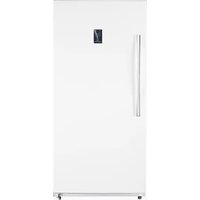
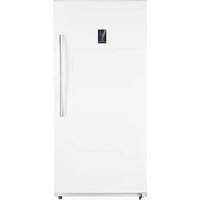
| Freezer Type | Chest Freezer |
| Capacity | 300 L |
| Energy Rating | A+ |
| Climate Class | SN, N, ST |
| Freezing Capacity | 12 kg/24h |
| Storage Time (Power Failure) | 16 h |
| Power Consumption | 0.75 kWh/24h |
| Voltage / Frequency | 220-240 V, 50 Hz |
| Dimensions (W x D x H) | 1100 x 600 x 850 mm |
| Weight | 45 kg |
| Noise Level | 42 dB |
| Temperature Range | -18°C to -24°C |
| Control Type | Mechanical Thermostat |
| Defrost Method | Manual |
| Fast Freeze Function | Yes |
| Adjustable Feet | Yes |
| Handle Type | Recessed |
| Castors | Yes |
| Temperature Alarm | Yes (optional) |
| Material | Steel Cabinet |
Frequently Asked Questions - PAL300CHF Palsonic
User questions about PAL300CHF Palsonic
0 question about this device. Answer the ones you know or ask your own.
Ask a new question about this device
Download the instructions for your Freezer in PDF format for free! Find your manual PAL300CHF - Palsonic and take your electronic device back in hand. On this page are published all the documents necessary for the use of your device. PAL300CHF by Palsonic.
USER MANUAL PAL300CHF Palsonic
Before Using Your Freezer
- Remove the exterior and interior packing.
- Check to be sure you have all of the following parts:
■ 2 Storage Baskets
■ 1 Instruction Manual
■ 1 Plastic Scraper
- Before connecting the freezer to the power source, let it stand upright for approximately 2 hours. This will reduce the possibility of a malfunction in the cooling system from handling during transportation.
- Clean the interior surface with lukewarm water using a soft cloth.
Installing Your Freezer
- This appliance is designed to be free standing only, and should not be recessed or built-in.
- Place your freezer on a floor that is strong enough to support the freezer when it is fully loaded.
- Allow 15 cm of space between the back and sides of the freezer, which allows the proper air circulation.
- Locate the freezer away from direct sunlight and sources of heat (stove, heater, radiator, etc.). Direct sunlight may affect the acrylic coating and heat sources may increase electrical consumption. Extreme cold ambient temperatures may also cause the freezer not to perform properly.
- Avoid locating the freezer in moist areas.
- Plug the freezer into an exclusive, properly installed-grounded wall outlet. Do not under any circumstances cut or remove the third (ground) prong from the power cord. Any questions concerning power and/or grounding should be directed toward a certified electrician or an authorized service center.
- After plugging the appliance into a wall outlet, allow the unit to cool down for 2\~3 hours before placing food in the freezer compartment.
Electrical Connection
For your safety please read the following information
- Your freezer has one control for regulating the temperature. The temperature control is located on the lower right hand corner.
- The range of the temperature control is from position" 1" the warmest to "6" the coldest. Adjust the temperature control to the setting that best suits your needs. The setting of "4" should be appropriate for home or office freezer use.
• To turn the freezer off, turn the temperature control to "OFF".
NOTE:
- Turning the temperature control to "OFF" position stops the cooling cycle but does not shut off the power to the freezer.
- If the unit is unplugged, lost power, or turned off; you must wait 3 to 5 minutes before
- Restarting the unit. If you attempt to restart before this time delay, the freezer will not start.
• Large amounts of food will lower the cooling efficiency of the appliance. - If you choose to change the thermostat setting, adjust thermostat control by one
numerical increment at a time. Allow several hours for temperature to stabilize between adjustments.
Defrosting Your Freezer
- When? For the most efficient operation and minimum energy consumption, defrost the freezer when the frost on the freezer walls is excessive or 5 to 10 mm thick.
- Choose a time when the stock of frozen food is low.
CAUTION
Do not use boiling water because it may damage the plastic parts. In addition, never use a sharp or metallic instrument to remove frost as it may damage the cooling coils and will void the warranty. We recommend using the plastic scraper provided with your unit.
- Remove the frozen food from the freezer and place it in a cooler to protect the food.
- Turn the thermostat knob to "OFF".
• Unplug the freezer. The Power Supply light should be off (green light out).
- During defrosting, the ice melts into the cabinet.
- Remove the drain plug on the inside floor of the freezer by pulling straight out.
- Place a shallow pan outside drain outlet. The defrost water will drain out.
- Check the pan occasionally so the water does not overflow.
- Clean the interior of the freezer.
- Replace the plug on the inside floor.
- Reset the thermostat to desired setting.
- Allow the cabinet to cool for one hour.
- Return food to the freezer.
HELPFUL HINT:
Defrosting usually takes a few hours. Leaving the door open will help speed the process. Also, pouring warm water (not boiling) on the ice/frost will help speed melting. If you must use a scraper- please use caution - it is very easy to damage the freezer compartment and void your warranty.
The Freezer Compartment
- This compartment is designed for the long-term storage of frozen food. Storage time is up to three months.
- The storage life of frozen foods varies and the recommended storage time should not be exceeded. The instructions regarding the care of frozen foods should be followed when defrosting the freezer.
- Pre-packed commercially frozen food should be stored in accordance with the frozen foods manufacturer's instructions for a three star frozen food storage compartment or home freezer.
- Place frozen food into the freezer as quickly as possible after purchase. If there are instructions on the packet, carefully follow these instructions regarding storage times.
- The freezer door is susceptible to breaking due to excessive ice build up. Be sure to defrost when the ice reaches 5 to 10 mm thick.
- A storage basket is provided for the organization of odd-shaped items. To reach other packages in the freezer, just slide the basket to one side, or lift it out.
CARE AND MAINTENANCE
Cleaning Your Freezer
- Upon installation of your new appliance, it is recommended that it be cleaned thoroughly.
- Turn the temperature control to "OFF", unplug the freezer, remove the food and storage basket.
- Wash the inside with a damp warm cloth containing a water and baking soda solution. The solution should be about 2 tablespoons of baking soda to a quart of water.
- Wash the storage basket with a mild detergent solution.
- Be sure to keep the door gasket (seal) clean to keep the unit running efficiently.
• The outside of the freezer should be cleaned with mild detergent and warm water. - Dry the interior and exterior with a soft cloth.
- The condenser coils should be vacuumed when they are dusty or dirty.
- It is recommended that the unit be cleaned each time it is defrosted to help keep the unit odor free and running efficiently.
Vacation Time
- Remove all the food.
- Unplug the freezer.
- Clean the freezer.
- Leave the door open slightly to avoid possible formation of condensation, mold, or odors.
- Use extreme caution in the case of children. The unit should not be accessible to child's play.
- Short vacations: Leave the freezer operating during vacations of less than three weeks.
- Long vacations: If the appliance will not be used for several months, remove all food and unplug the power cord. Clean and dry the interior thoroughly. To prevent odor and mold growth, leave the door open slightly: blocking it open if necessary or have the door removed.
Moving Your Freezer
- Remove all the food.
- Securely tape down all loose items inside your freezer.
- Remove the rollers to prevent damage.
- Tape the doors shut.
- Be sure the freezer stays in the upright position during transportation.
Energy Saving Tips
- The freezer should be located in the coolest area of the room, away from heat producing appliances or heating ducts, and out of the direct sunlight.
- Let hot foods cool to room temperature before placing in the freezer. Overloading the freezer forces the compressor to run longer. Foods that freeze too slowly may lose quality, or spoil.
- Be sure to wrap foods properly, and wipe containers dry before placing them in the freezer. This cuts down on frost build-up inside the freezer.
- Freezer storage bin should not be lined with aluminum foil, wax paper, or paper toweling. Liners interfere with cold air circulation, making the freezer less efficient.
- Organize and label food to reduce door openings and extended searches. Remove as many items as needed at one time, and close the door as soon as possible.
PROBLEMS WITH YOUR FREEZER
You can solve many common freezer problems easily, saving you the cost of a possible service call. Try the suggestions below to see if you can solve the problem before calling the servicer.
TROUBLESHOOTING GUIDE
| PROBLEM | POSSIBLE CAUSE |
| Freezer does not operate. | Not plugged in.The circuit breaker tripped or a blown fuse.The freezer temperature control is set at "0/OFF". |
| Compressor turns on and off frequently. | The room temperature is hotter than normal.A large amount of food has been added to the freezer.The door is open too often.The door is not closed completely.The temperature control is not set correctly.The door gasket does not seal properly.The freezer does not have the correct clearances.The freezer has recently been disconnected for a period of time. Four hours are required for the freezer to cool down completely. |
| Temperature inside the freezer is too warm. | Temperature control is set too warm. Turn the control to a cooler setting and allow several hours for the temperature to stabilize.Door is kept open too long or is opened too frequently. Warm air enters the freezer every time the door is opened. Open the door less often.The door is not closed completely.The door gasket does not seal properly.A large amount of warm or hot food might have been stored recently. Wait until the freezer has had a chance to reach its selected temperature.The freezer has recently been disconnected for a period of time. Four hours are required for the freezer to cool down completely. |
| Temperature inside the freezer is too cold. | Temperature control is set too cold. Turn the control to a warmer setting and allow several hours for the temperature to stabilize. |
| Popping or cracking sound when compressor comes on. | Metal parts undergo expansion and contraction, as in hot water pipes. This is normal. Sound will level off or disappear as freezer continues to run. |
| Bubbling or gurgling sound, like water boiling. | Refrigerant (used to cool freezer) is circulating throughout the system. This is normal. |
| Vibrations. | Check to assure that the freezer is level.Floor is uneven or weak. Freezer rocks on the floor when it is moved slightly. Be sure floor can adequately support freezer. Level the freezer by putting wood or metal shims under part of the freezer.The freezer is touching the wall. Re-level the freezer and move it from the wall.See “Installation Instructions”. |
| Moisture forms on inside freezer walls. | Weather is hot and humid, which increases internal rate of frost build-up. This is normal. Door is slightly open.Door is kept open too long, or is opened too frequently. Open the door less often.The door is not sealed properly. |
| Moisture forms on outside of freezer. | Door is slightly open, causing cold air from inside the freezer to meet warm moist air from outside. |
| The door will not close properly. | The freezer is not level.The gasket is dirty.The storage basket is out of position. |
Energy Saving Tips
Try not to open the door too often, especially when the weather is wet and hot. Once you open the door, mind to close it as soon as possible.
Every now and then check if the appliance is sufficiently ventilated (adequate air circulation behind the appliance).
For household refrigerating appliances, in normal temperature conditions, please arrange the thermostat at the middle setting.
Before loading the appliance with packages of fresh foods, make sure they are cooled to ambient temperature.
Ice and frost layer increase energy consumption, so do clean the appliance as soon as the layer is 3-5 mm thick.
If it is the outer condenser, the rear wall should be always clean, free of dust or any impurities.
Always consider instructions stated in sections Positioning and Energy Saving Tips, otherwise the energy consumption is substantially higher.
Palsonic
The AUSTRALIAN Company
Palsonic Customer Service
Telephone (Australia) 1300 657 888
Palsonic Corporation Pty Ltd ABN 34 000 474 108
1 Joynton Avenue, Waterloo NSW 2017 Australia
Telephone (02) 9313 7111 Facsimile (02) 9697 0655
www.palsonic.com.au
- Before Using Your Freezer
- Installing Your Freezer
- Electrical Connection
- NOTE:
- Defrosting Your Freezer
- CAUTION
- HELPFUL HINT:
- The Freezer Compartment
- CARE AND MAINTENANCE
- Cleaning Your Freezer
- Vacation Time
- Moving Your Freezer
- Energy Saving Tips
- PROBLEMS WITH YOUR FREEZER
- Palsonic
- The AUSTRALIAN Company
Brand : Palsonic
Model : PAL300CHF
Category : Freezer