OKP6547SWH - Kitchen hood Hansa - Free user manual and instructions
Find the device manual for free OKP6547SWH Hansa in PDF.


| Product Type | Built-in Kitchen Hood |
| Width | 90 cm |
| Depth | 50 cm |
| Height (min-max) | 65-125 cm (adjustable chimney) |
| Extraction Capacity (max) | 720 m³/h |
| Noise Level (max) | 68 dB(A) |
| Energy Efficiency Class | A |
| Annual Energy Consumption | 45.2 kWh/year |
| Lighting | LED, 2 x 3 W |
| Number of Speeds | 3 + Intensive |
| Control Type | Push buttons with electronic display |
| Grease Filter Type | Aluminum mesh, dishwasher safe |
| Charcoal Filter (optional) | Included for recirculation mode |
| Motor Type | Single motor, 240 W |
| Installation Type | Built-in, ducted or recirculation |
| Power Supply | 220-240 V, 50 Hz |
| Weight | 15 kg |
| Safety Features | Auto shut-off timer, thermal protection |
| Cleaning and Maintenance | Grease filter washable, exterior wipe with damp cloth |
| Spare Parts Availability | Grease filters, charcoal filters, LED lamps, motor |
| Warranty | 2 years (manufacturer warranty) |
Frequently Asked Questions - OKP6547SWH Hansa
User questions about OKP6547SWH Hansa
0 question about this device. Answer the ones you know or ask your own.
Ask a new question about this device
Download the instructions for your Kitchen hood in PDF format for free! Find your manual OKP6547SWH - Hansa and take your electronic device back in hand. On this page are published all the documents necessary for the use of your device. OKP6547SWH by Hansa.
USER MANUAL OKP6547SWH Hansa
natural_image
Simple line drawing of a kitchen chimney with steam rising (no text or symbols)OKP6547SH / OKP6547SWH / OKP6512SWH / OKP6512SIWH
EN- Table of contents
NOTES ON SAFETY 9
UNPACKING 12
DISPOSAL OF OLD APPLIANCE 12
OPERATION 13
KITCHEN HOOD CONTROLS 13 OFF-TIMER 13
OTHER IMPORTANT INFORMATION CONCERNING THE OPERATION OF THE HOOD 14
CLEANING AND MAINTENANCE 15
MAINTENANCE 15
GREASE FILTER 15 ACTIVATED CHARCOAL FILTER 15 LIGHT 15
WARRANTY AND AFTER SALES SERVICE 16
WARRANTY 16
GARANTIE, NACHVERKAUF-SERVICE 26
GARANTIE 26
RO - Cuprins
INDICATII PRIVIND SIGURANTA 28
DESPACHETARE 32
ÎNDEPĂRTAREA DISPOZITIVELOR UZATE 32
OPERARE 33
CONTROL HOTĂ 33
TIMER (ÎNTÂRZIE OPRIREA HOTEI) 33
ALTE INFORMATII IMPORTANTE PENTRU OPERAREA HOTEI 34
From now on, your daily housework will be easier than ever before. Your appliance 🏠 Hansa 🐘 is exceptionally easy to use and extremely efficient. After reading these Operating Instructions, operating the appliance will be easy.
Before being packaged and leaving the manufacturer, the appliance was thoroughly checked with regard to safety and functionality.
Before using the appliance, please carefully read these Operating Instructions. By following these instructions carefully you will be able to avoid any problems in using the appliance. It is important to keep these Operating Instructions and store them in a safe place so that they can be consulted at any time.
Follow these instructions carefully in order to avoid possible accidents.
Sincerely,

Hansa
Haushaltsgeräte
NOTES ON SAFETY
- Before using the appliance, please carefully read this manual!
- The appliance is designed for household use only.
- The manufacturer reserves the right to introduce changes, which do not affect operation of the appliance.
- The manufacturer shall not be liable for any damage or fire caused by the appliance resulting from failure to follow instructions in this manual.
- Cooker hood is designed to remove cooking odours. Do not use cooker hood for other purposes.
- Connect the cooker hood operating in extraction mode to a suitable ventilation duct (do NOT connect the cooker to smoke or flue gas ducts, which are in use). It requires installation of the air extraction duct to the outside. The length of the duct (usually a pipe of ∅ 120 or 150 mm) should not be longer than 4-5 m. An air extraction duct is also required for telescopic and furniture hoods in absorption mode.
- Cooker hood operating in air recirculation mode requires the installation of an activated charcoal filter. In this case, installing an extractor duct is not required, however it is recommended to install an air guide vane (Mainly in chimney cooker hoods).
- The cooker hood features independent lighting and exhaust fan that can be operated at one of several speeds.
-
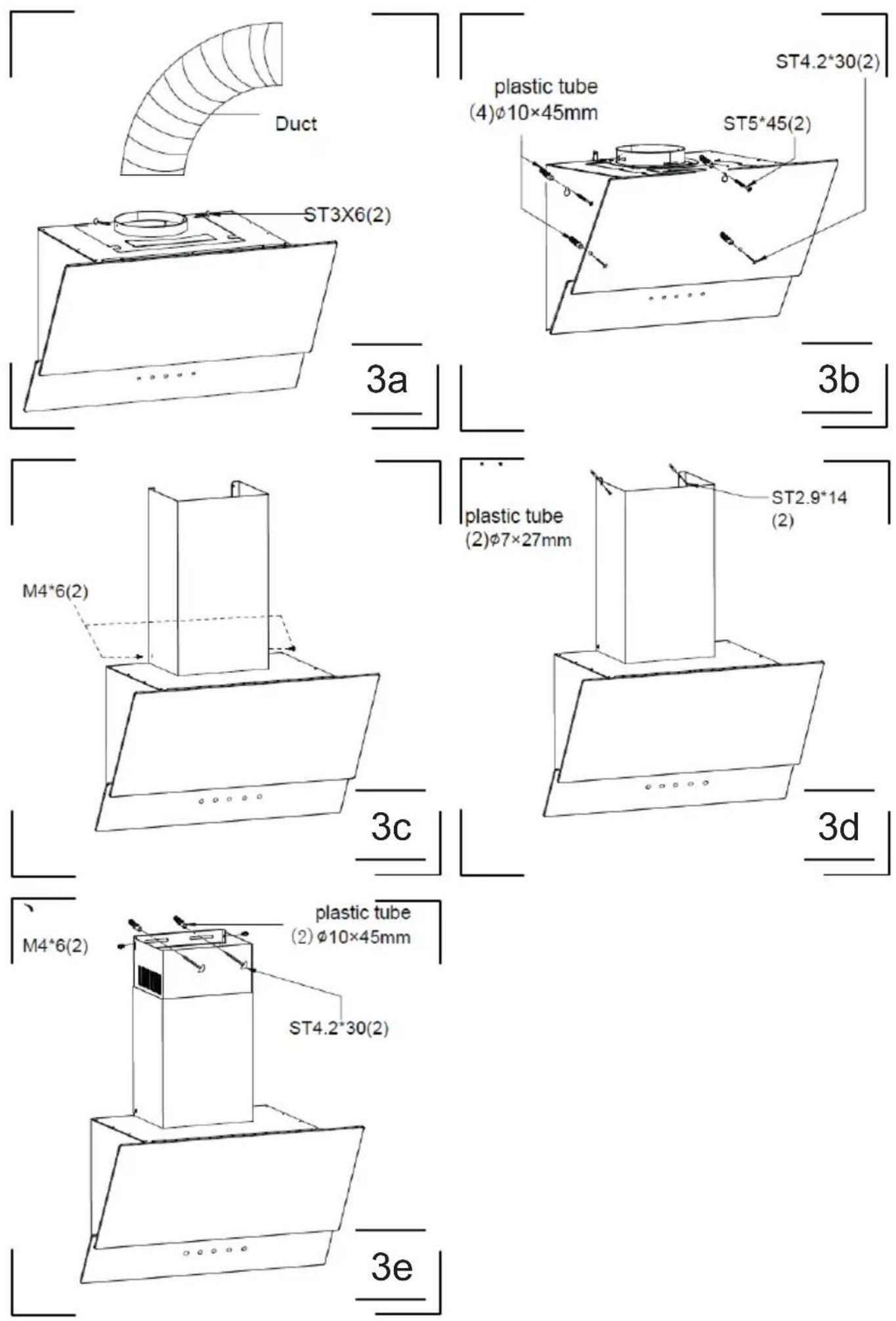
Depending on the type, the hood is designed to be permanently attached to a vertical wall over a gas or electric stove (chimney and universal hoods); on the ceiling over a gas or electric stove (island'hoods); on the vertical built in furniture over a gas or electric stove (telescopic and built-in hoods). Before installing, make sure that the wall/ceiling structure is strong enough to suspend the hood. Some hoods are very heavy.
-
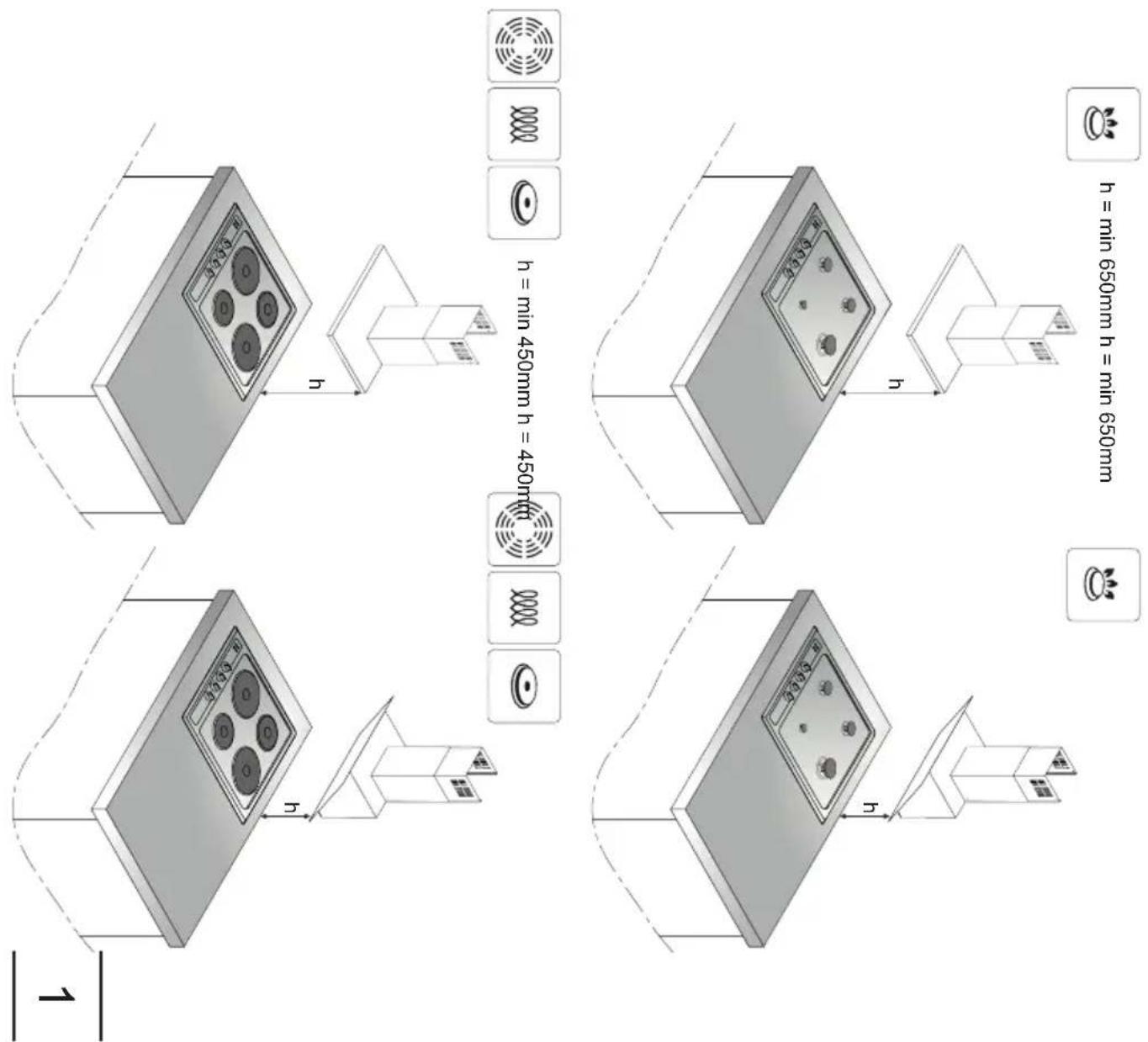
For details of the installation distance above an electric hob please refer to product technical sheet. If the installation instructions of the gas cooker specify a greater distance, this must be taken into account (Fig. 1).
- Do not leave an open flame under the hood. When the pots are removed from the burner, set the minimum flame. Always make sure that the flame does not extend outside the pot, because it causes unwanted loss of energy and a dangerous concentration of heat.
- When cooking on fat, supervise the pans constantly, because overheated fat can ignite.
- Unplug the appliance before any cleaning, replacing the filter or repair work.
- Cooker hood grease filter should be cleaned at least once a month, because the filter saturated with fat is flammable.
- Ensure adequate ventilation (air flow) if other equipment such as liquid fuel stoves or heaters are operated in the room in addition the cooker hood. When the cooker hood is simultaneously operated with burning appliances requiring adequate fresh air from the room to work properly, their safe operation is possible if under pressure around these appliances is a maximum of 0.004 mbar (this does not apply when the cooker hood is used as an odour filter)
- Do not lean on the hood.
- The hood should be cleaned regularly both inside and out (AT LEAST ONCE A MONTH, following the indications concerning maintenance provided in this manual)..Failure to adhere to the rules concerning cleaning the hood and replacing filters results in a fire risk.
- If the power cord is damaged it should be replaced by a specialised service centre.
- Ensure that it is possible to disconnect the appliance from the mains by removing the plug or switching off the bi-polar switch.
- This appliance is not intended for use by persons (including children) with physical, mental or sensory handicaps, or by persons inexperienced or
unfamiliar with the appliance, unless under supervision or in accordance with the instructions as communicated to them by persons responsible for their safety.
- Particular attention should be paid not to allow unaccompanied children to use the appliance.
- Make sure voltage indicated on the nameplate corresponds to the local mains supply voltage.
- Before use, extend and straighten the power cord.
- Packaging materials (bags, polyethylene, polystyrene, etc.) should be kept away from children during unpacking.
- Before connecting the hood to the mains power supply always check that the power cord is properly installed and is not trapped by the appliance. Do not connect the appliance to the mains until assembly is complete.
- Do not operate your kitchen hood without the aluminium grease filters.
- It is strictly forbidden to cook dishes under on an open flame (flambé) under your kitchen hood.
- Always strictly adhere to regulations issued by the competent local authorities regarding the technical and safety requirements for fume extraction.
- Failing to tighten bolts and fasteners in accordance with these instructions may endanger life and health.
- Hanging kitchen hoods operate only in air circulation / odour absorber mode
- WARNING! Failure to install the screws or fixing device in accordance with these instructions may result in electrical hazards.
- This appliance can be used by children aged 8 years and older or by persons with physical, mental or sensory handicaps, or by those who are inexperienced or unfamiliar with the appliance, provided they are supervised or have been instructed how to safely use the appliance and are familiar with risks associated with the use of the appliance. Ensure that children do not play with the appliance. Cleaning and maintenance of the appliance should not be performed by children unless they are 8 years or older and are supervised by a competent person.
UNPACKING

natural_image
Recycling symbol composed of three chasing arrows forming a triangle (no text or labels)During transportation, protective packaging was used to protect the appliance against any damage. After unpacking, please dispose of all elements of packaging in a way that will not cause damage to the environment.
All materials used for packaging the appliance are environmentally friendly; they are 100% recyclable and are marked with the appropriate symbol.
Important! Packaging materials (bags, polyethylene, polystyrene, etc.) should be kept away from children during unpacking.
DISPOSAL OF OLD APPLIANCE
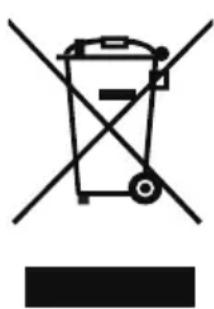
natural_image
Symbol of a trash bin crossed with no text or numbers, representing waste sorting or disposal (no text present)In accordance with European Directive 2012/19/EU and local legislation regarding used electrical and electronic goods, this appliance is marked with the symbol of the crossed-out waste container. This marking indicates that the appliance must not be disposed of together with other household waste after it has been used.
The user is obliged to hand it over to waste collection centre collecting used electrical and electronic goods. The collectors, including local collection points, shops and local authority departments provide recycling schemes.
Proper handling of used electrical and electronic goods helps avoid environmental and health hazards resulting from the presence of dangerous components and the inappropriate storage and processing of such goods.
OPERATION
Kitchen hood controls
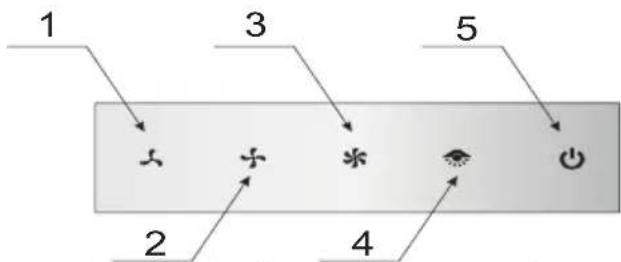
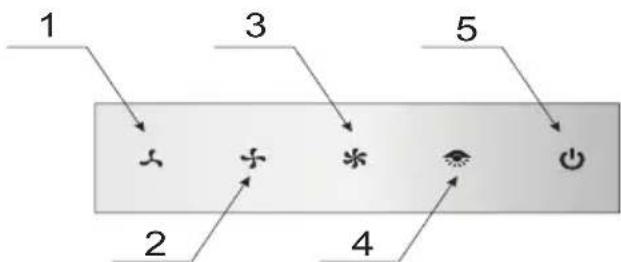
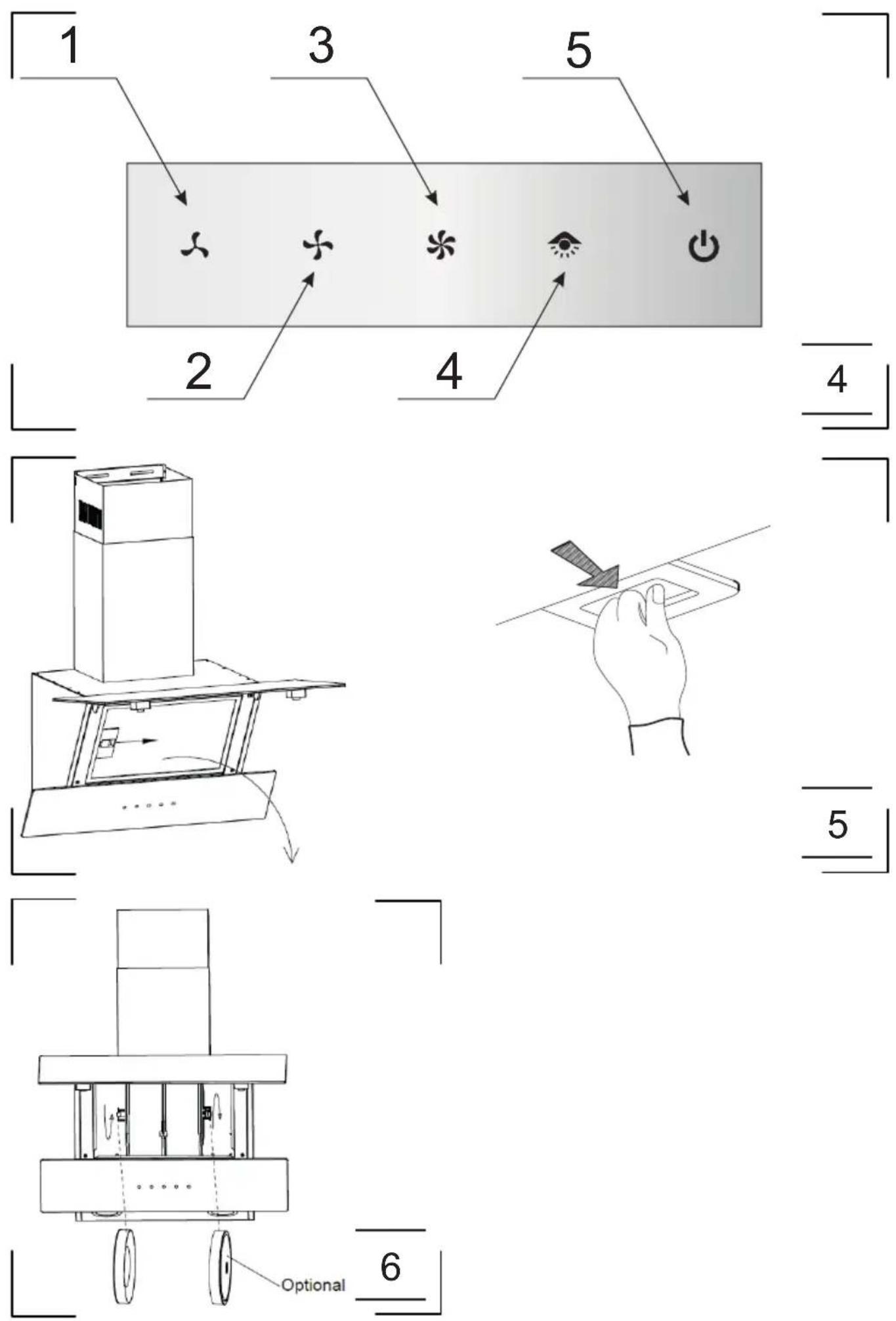
Control Panel is shown in Figure 4, for reference it is also shown below:
flowchart
graph TD
    1 --> A["×"]
    2 --> B["÷"]
    3 --> C["*"]
    4 --> D["○"]
    5 --> E["○"]
The control panel is equipped with touch controls:
To turn on the kitchen hood, touch one of the sensors to select the desired speed:
1- Low speed. Use this speed when cooking a little food with hardly any fumes.
2- Medium speed. Use this speed when cooking multiple dishes at the same time with moderate amount of fumes.
3- High speed. Use this speed when frying or grilling, with large amount of fumes.
4- Turn light on/off
5- Turn Standby mode on/off
Note:
- To use one of the three speeds, first touch the ⓣ to turn on the Standby mode and then select the desired speed. To turn off the active speed, touch the backlit sensor again.
• To turn on the light, first activate the Standby mode. - When you turn off the Standby mode, the appliance fan and light will turn off.
- Touch twice to turn off the hood when fan is operating.
Off-Timer
Use Off-Timer to turn off the hood after a specified time. Use Off-Timer to filter the fumes out of the air after cooking. The delay time is about 15 minutes. Touch ⏻to activate the Off-Timer at any time. Sensor flashes. Flashing indicates that Off-Timer has been enabled. Touch ⏻ again to cancel the Off-Timer. The appliance will turn off. To turn on the appliance, touch the sensor corresponding to the desired fan speed.
Other important information concerning the operation of the hood
Operation in air circulation / odour filter mode. In this mode, the filtered air returns to the room through the outlets. Install activated charcoal filter in this setting. It is recommended to install the air guide (available depending on the model, mainly in chimney cooker hoods).
Air extraction operation: When cooker hood operates in extraction mode, air is discharged outside through an extraction duct. Remove activated charcoal filter in this setting. The cooker hood is connected to the air outlet opening using a rigid or flexible extraction duct with a diameter of 150 or 120 mm, and the appropriate clamps, which must be purchased at a hardware store. The appliance should be installed by a qualified installer.
Fan speed: Lowest and medium fan speed is used in normal conditions and less intense odours, while the highest speed is used only when cooking odours are very intense, such as during frying or grilling.
Note (applies to universal hoods only): Due to the design of universal hoods you need to manually change the mode of operation. See Figure 8 for instructions on how to change the mode.
Note (only applies to telescopic and in-built kitchen hoods): Furniture and telescopic cooker hoods operating in air recirculation mode require installation of the exhaust duct. The other end of the duct should be directed to the room as it will discharge filtered air.
Note: Hanging kitchen hoods operate only in air circulation / odour absorber mode
CLEANING AND MAINTENANCE
Maintenance
Regular maintenance and cleaning of the appliance will ensure trouble-free operation of the cooker hood and extend its life. Especially make sure that the grease filter and activated charcoal filter are replaced according to manufacturer's recommendations.
- Do not use a soaked cloth, sponge, or water jet.
- Do not use solvents or alcohol, as they may tarnish lacquered surfaces.
- Do not use caustic substances, especially for cleaning stainless steel.
- Do not use a rough or abrasive cloth.
- It is recommend to use a damp cloth and a neutral detergent.
Note: After several washes in the dishwasher, the colour of the aluminium filter may change. The change of colour does not indicate improprieties or the necessity to change it.
Grease filter
For normal hood operation, grease filter should be cleaned every month in the dishwasher or by hand using a mild detergent or liquid soap.
Dismantling of grease filter is shown on Figure 5.
Acrylic filter is used in some models. This filter should be replaced at least once every 2 months or more frequently if the appliance is used intensively.
Activated charcoal filter
Charcoal filter is used only when the cooker hood is not connected to the ventilation duct. Activated charcoal filter can absorb odours until saturated. Charcoal filter is not suitable for washing or regeneration and should be replaced at least once every 3-4 months or more frequently if the appliance is used intensively.
Dismantling of charcoal filter is shown on Figure 6.
Light
Use incandescent / halogen / LED modules of the same specification as those factory-installed in the appliance. See Figure 7 for details how to replace lights. If there is no such figure in this manual, please contact authorised service to replace the lighting module.
WARRANTY AND AFTER SALES SERVICE
Warranty
The manufacturer shall not be held liable for any damage caused by improper use of the product.
Service
- The manufacturer recommends that all repairs and adjustments be carried out by the Factory Service Technician or the Manufacturer's Authorized Service Point. For safety reasons, repairs should be referred to professionals.
- Repairs carried out by unqualified persons may seriously endanger the appliance user.
- The minimum warranty period for the appliance offered by the manufacturer, importer or authorized representative is given in the warranty card.
- The warranty shall be void if you make any independent adaptations or alterations, tamper with seals or other appliance safety devices or its parts or interfere with the appliance contrary to operating instructions.
In the event of appliance malfunction, request assistance or repair.
If your appliance needs repair, please contact the service centre. Please see website for address and contact details of our service centre. Before contacting us, please have ready the appliance serial number, which can be found on the identification sticker: For your convenience, please write it down below:
Certifi cate of compliance CE and UKCA
The Manufacturer hereby declares that this product complies with the general requirements pursuant to the following European Directives and analogous UK requirements:
- The Low Voltage Directive 2014/35/EC / Electrical Equipment (Safety) Regulations 2016.
• Electromagnetic Compatibility Directive 2014/30/EC / Electromagnetic Compatibility Regulations 2016. - ErP Directive 2009/125/EC / The Ecodesign for Energy-related Products Regulations 2010 (as amended) for the applicable implementing measures which apply in Great Britain and Northern Ireland, respectively.
and therefore the product has been marked with C€ and UK symbols and the Declaration of Conformity, the Manufacturer has drawn up the declaration and is available to the competent authorities regulating the market.
natural_image
Recycling symbol composed of three chasing arrows forming a triangle (no text or labels)natural_image
Symbol of a trash bin crossed with no text or numbers, representing waste sorting or disposal (no text present)GARANTIE, NACHVERKAUFSERVICE
Garantie
natural_image
Recycling symbol composed of three chasing arrows forming a triangle (no text or labels)natural_image
Symbol of a trash bin crossed out by two diagonal lines (no text or labels)natural_image
Recycling symbol composed of three chasing arrows forming a triangle (no text or labels)natural_image
Symbol of a trash bin crossed with a diagonal line and a horizontal bar below (no text or labels)natural_image
Simple line drawing of a three chasing recycling symbol (no text or labels)natural_image
Symbol of a trash bin crossed with diagonal lines, no text or numbers presentnatural_image
Recycling symbol composed of three chasing arrows forming a triangle (no text or labels)natural_image
Simple line drawing of a trash bin with crossed lines indicating no waste or restriction (no text or symbols)
natural_image
Recycling symbol composed of three chasing arrows forming a triangle (no text or labels)natural_image
Symbol of a trash bin crossed with no text or numbers, representing waste sorting or disposal (no text present)natural_image
Recycling symbol composed of three chasing arrows forming a triangle (no text or labels)natural_image
Symbol of a trash bin crossed with a diagonal line and a horizontal bar, representing waste sorting or disposal (no text present)natural_image
Simple line drawing of a three chasing recycling symbol (no text or labels)natural_image
Symbol of a trash bin crossed with no text or numbers, representing waste sorting or disposal (no text present)natural_image
Recycling symbol composed of three chasing arrows forming a triangle (no text or labels)natural_image
Symbol of a trash bin crossed with a diagonal line, no text or numbers presentGARANTII, MÜÜGIJÄRGNE HOOLDUS
Garantii
natural_image
Recycling symbol composed of three chasing arrows forming a triangle (no text or labels)Uređaj je za vreme transporta zaštićen od oštećenja. Posle vađenja uređaja iz pakovanja molimo Vas da elemente ambalaže uklonite na način koji ne ugrožava prirodnu sredinu.
Svi materijali korišteni za ambalažu nisu štetni za prirodnu okolinų, 100% je moguća reciklaža i označeni su odgovarajućim simbólom.
Pažnja! Ambalažne materijale (polietilenske kesice, komadiće stiropora itd.) prilikom uklanjanja ambalaže držati daleko od dece.
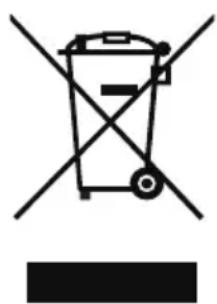
ODLAGANJE ISTROŠENIH UREĐAJA
natural_image
Symbol of a trash bin crossed with no text or numbers, representing waste sorting or restriction (no text present)natural_image
Simple line drawing of a three chasing recycling symbol (no text or labels)natural_image
Simple line drawing of a trash bin with two crossed lines indicating no waste or restriction (no text or symbols)Corruption Corruption
• მინოკი, ურალებით წაიკიახოთ ინსტრუწვის
სანეომოკანელო კაპოტის გამოუენებამდე
• მოწყობილობა განკუთვნილია მხოლოდ შიდა
გამოუენებისთვის.
• მეარმოუბელი მეოკებს უდლებას მეიტანოს
ცვლოლებები პროდუქტის დიზარში, რომელის არ
მოწმდები მის მუმაობატე.
• მეარმოებული არ არის კასუნისმვებული
ამ სახეომძოკანულოს რუკომენდანიების
შუსრულებოობის შდეგალ მოწყობილობის
არასთანადო გამოუებიბის შდეგალ გამოწვულ
შესაძლო დაზიანებატე, ხანძრის ან ხანძრის გამო.
• ഉོན་སྒྱལ་ཀྱི་བཅི་པའི་རྒྱི་བཅི་པའི་རྒྱི་བཅི་པའི་རྒྱི་བཅི་པའི་རྒྱི་བཅི་པའི་རྒྱི་བཅི་པའི་རྐྱོད་སྒྱལ་ཀྱི་བཅི་པའི་རྐྱོད་སྒྱལ་ཀྱི་བཅི་པའི་རྐྱོད་སྒྱལ་ཀྱི་བཅི་པའི་རྐྱོན་སྒྱལ་ཀྱི་བཅི་པའི་རྐྱོད་སྒྱལ་ཀྱི་བཅི་པའི་རྐྱོད་སྒྱལ་ཀྱི་བཅི་པའོད་སྒྱལ་ཀྱི་བཅི་པའོད་སྒྱལ་ཀྱི་བཅི་པའོད་སྒྱལ་ཀྱི་བཅི་པའོད་སྒྱལ་ཀྱོད་སྒྱལ་ཀྱི་བཅི་པའོད་སྒྱལ་ཀྱི་བཅི་པའོད་སྒྱལ་ཀྱི་བཅི་པའོད་སྒྱལ་ཀ���ན་སྒྱལ་ཀྱི་བཅི་པའི་རྐྱོད་སྒྱལ་ཀྱི་བཅི་པའི་རྐྱོད་སྒྱལ་ཀྱི་བཅི་པའ京།
- ར ར ར ར ར ར ར ར ར ར ར ར ར ར ར ར ར ར ར ར ར ར ར ར ར ར ར ར ར ར ར ར ར ར
• Assifdymngdymno bsbdomn u zomgmo ybpos
posdmbgsgyogu sdummdgbnym mvgndo dmdydsz
usdymnouozn. sd dgdomb3g3sdo sm smn lusfomm
3sgmusponbmn u osygbds 3sgmu zsmgosb
asdmusuzmugmsco, dsgmad mvmdgbonmgydymos
3sgmulgsdmusuzmugmo goponu osygbds (asdmuygbds
domnossosco uszgbqomssbm unlgydsunsb
oszsdymgdyrm asdymzgddn).
- 353m00 s#f#m30mns 0s#m#zooj##n 36b#o#om
os 36dmb#m#j30 3060m#m#m#m 7s#o#o#o
3060m#m#m#u 10h#smu smh200.
natural_image
Recycling symbol composed of three chasing arrows forming a triangle (no text or labels)natural_image
A row of identical empty square boxes with no text or symbols
natural_image
Row of identical empty black-outlined squares on white background (no text or symbols)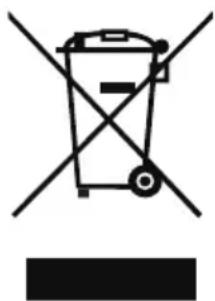
natural_image
Symbol of a trash bin crossed with two crossed lines, no text or labels presentμι δηγμόσμπός δηδαδβγμος ζσροςδεγμο δημόσμπός γηκδού υνδόσμπποσο μεθμεζγμο φομχήδοσού 2012/19/EU ρος Σημμβγμού ζυξτού δηγωσος χωμβάθμ ως χωμβάθμβγμος δηγμόσμπόδού αυβσαγγμόδού δηυσβό. σηβαδβγμο αυξησμός ζυσαδβμός, ήπα σα υνδόσμπποσο δηβαδβγμος δηγμόσμπόδού ψώ γυβρος Assessamom usymozb3m3m0m bsmh6y005b gm00o. dmabshy003smy0y00msgosu3y00nbo0y00m os ymy0y00m0m smfymzommdou gbsy0y00nm u3y00smo bomg0y0m 3md3b0y0l. bsmh6y00ns os ysdmyy0y00mo ymy0y00mdmhydommdou sogonmm0m3o ydgm3y00m smfj0y0n, dusb0y0n os sogonmm0m3o omnddsom3y00mndu mgsb6y00do idbsb uuly0ydsu, ndgymos dysdmy0yml bconu sd uuku bsmh6y00n usbmyy0ydsu. myfym me ymyfymbymo smfymzommdou bsmh6y00n usssbsom osdmys3y0s bvmu yhydum asymdnus os sosdosbl xsbdmgmmdonuzol ds3b dygga2y0n oszomos bsoymydsu, nsb osz3dmydymos dsono usdno buzomgym0y0n daq3ymmdismsb os sljono 3mmy1y0y0n smlsomsscom daq5b3slo os osdy8s3y0sbsb.
3s3m80n 4s6m30n 3s6g7m 6s93g6d0s 6w6m06g 4, 4g8s6b6d0s, n 5u3g3g3g3m0s 4m6g7m0s:
flowchart
graph TD
    1 --> A["×"]
    2 --> B["÷"]
    3 --> C["*"]
    4 --> D["○"]
    5 --> E["⊕"]
EAC
- EN- Table of contents
- NOTES ON SAFETY 9
- CLEANING AND MAINTENANCE 15
- WARRANTY AND AFTER SALES SERVICE 16
- RO - Cuprins
- NOTES ON SAFETY
- UNPACKING
- DISPOSAL OF OLD APPLIANCE
- OPERATION
- Kitchen hood controls
- Note:
- Off-Timer
- Other important information concerning the operation of the hood
- CLEANING AND MAINTENANCE
- Maintenance
- Grease filter
- Activated charcoal filter
- Light
- WARRANTY AND AFTER SALES SERVICE
- Warranty
- Service
- Certifi cate of compliance CE and UKCA
- GARANTIE, NACHVERKAUFSERVICE
- Garantie
- GARANTII, MÜÜGIJÄRGNE HOOLDUS
- Garantii
- ODLAGANJE ISTROŠENIH UREĐAJA
- Corruption Corruption
Brand : Hansa
Model : OKP6547SWH
Category : Kitchen hood