SLK300 - Joystick OSD Audio - Free user manual and instructions
Find the device manual for free SLK300 OSD Audio in PDF.


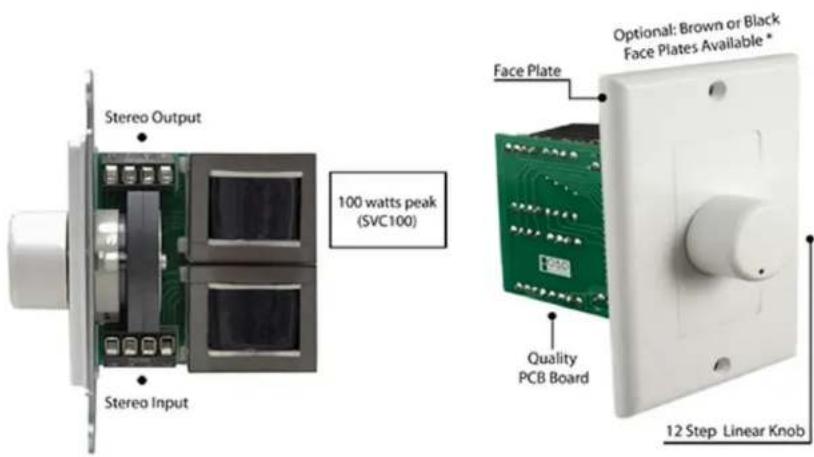
| Product Type | Impedance Matching Volume Control |
| Model | SLK300 |
| Style | Decora Knob |
| Peak Power Handling | 300W |
| RMS Power Handling | 100W |
| Number of Steps/Clicks | 12 |
| Connection Type | Make before break |
| Attenuation Range | 54dB |
| On/Off Switch | No |
| A/B Switching | No |
| Impedance Matching Setting | 1X (8 ohms load) |
| Adjustable Impedance Settings | 1X, 2X, 4X, 8X |
| Maximum Wire Gauge | 14 AWG |
| Included Plate/Insert Colors | White, Ivory, Almond |
| Optional Plate/Insert Colors | Black, Brown |
| Warranty | 5 Years |
| Installation Type | In-wall J-box |
| Application | Multi-room speaker systems |
| Compatible Amplifiers | 8 ohm stable amplifiers |
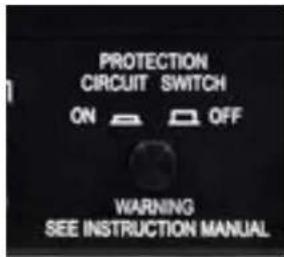
| Safety Feature | Protection circuit on DSM speaker selectors must be OFF |
Frequently Asked Questions - SLK300 OSD Audio
User questions about SLK300 OSD Audio
0 question about this device. Answer the ones you know or ask your own.
Ask a new question about this device
Download the instructions for your Joystick in PDF format for free! Find your manual SLK300 - OSD Audio and take your electronic device back in hand. On this page are published all the documents necessary for the use of your device. SLK300 by OSD Audio.
USER MANUAL SLK300 OSD Audio
- Find out the minimum impedance of the amplifier. This information may be found in the manual or on the back of amplifier, near the speaker terminals. It is measured in ohms.
- Figure out the total number of speaker pairs to be used.
- Determine the correct switch setting using the chart below.
- Set the switch. Make sure that each volume control's switch setting is consistent throughout the whole system.
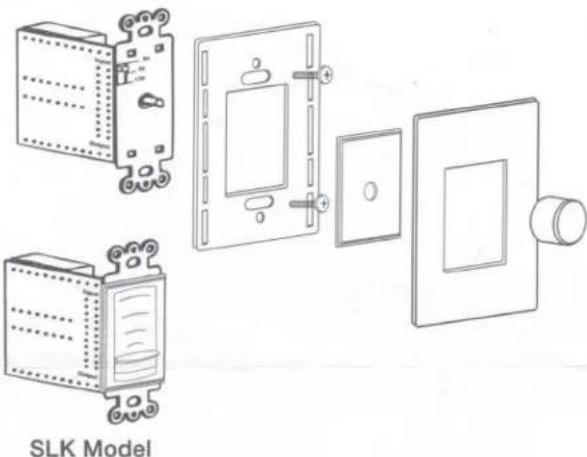
SLS Model
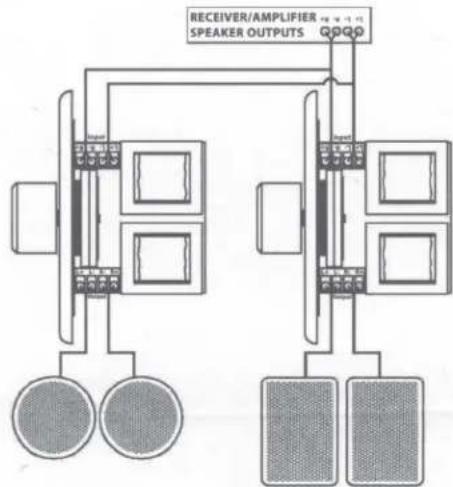
flowchart
graph TD
    A["Speaker Outputs"] --> B["Module 1"]
    A --> C["Module 2"]
    B --> D["Speaker 1"]
    B --> E["Speaker 2"]
    C --> F["Speaker 1"]
    C --> G["Speaker 2"]
    D --> H["Output 1"]
    E --> I["Output 2"]
    F --> J["Output 3"]
    G --> K["Output 4"]
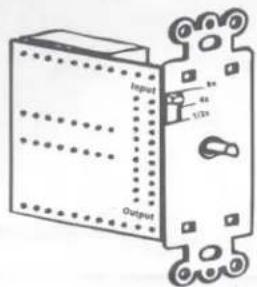
NOTE: To prevent from overloading and damaging the amplifier, the switch must be set correctly to match the impedance of the speaker system to a level equal to or greater than the impedance of the amplifier.
| No. of 8 ohm pairs | 1 | 2 | 3 | 4 | 5 | 6 | 7 | 8 |
| Switch Settings | 1/2x | 1/2x | 4x | 4x | 8x | 8x | 8x | 8x |
Installation Instructions
- Route the cable into the volume control J-box in a way that allows for easy access to the connectors on the SVC
- Make sure to use the integral strain reliefs where appropriate when routing the cable in the J-box.
- Mark the input and output cables accordingly for easy installation.
- Strip the insulation off the end of each of the eight individual wires (four from the amplifier and four to the speakers) at about 1/4". Twist exposed ends together.
- Connect the leads from amplifier to the volume control connector according to the labeled Input L [ + , - ] and R [ + , - ].
- Connect the speakers wires to the connector labeled Output L [ + , - ] and R [ + , - ]. Speaker wires typically use the following color configuration.
- Red/Black = right speaker
Red = positive [ + ]
Black = ground [-]
- White/Green = left speaker
White = positive [ + ]
Green = ground [-]
- Insert the volume control into the J-box. Mount carefully, making sure that no wires are pinched or shorted. Mount the cover baseplate to the volume control then snap on the smooth facia cover.
Limited Warranty
OSD Audio will repair or replace any defect it in material or workmanship which occurs during normal use of this product with new or rebuilt parts free of charge in the US for five years from date of original purchase. This warranty does not cover damages in shipment, failure caused by other products not supplied by OSD Audio or failures due to accident, misuse, or alteration of the equipment. This warranty is extended only to the original purchaser and a purchase receipt, invoice or other proof of original date will be required before warranty repairs are provided
Mail in service can be obtained during period by emailing RMA@audiogeargroup.com. A return authorization number must be obtained in advance and be marked on the outside of the shipping carton.
This warranty gives you specific legal rights and may have other rights (which vary from state to state). If a problem with this product develops during or after the warranty period please contact OSD Audio or your dealer.

Volume Controls

Picking the right Volume Control for your application: Two basic types:
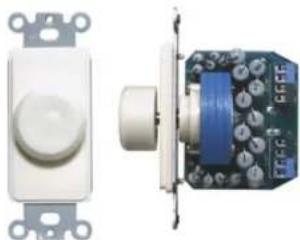
Transformer Type with Impedance matching capability. This covers more than 90 percent of all installs utilizing a basic manual Volume control. It adds flexibility to your system by allowing you to control the volume level in a dedicated room. It does not add gain to the system but actually attenuates or decreases the sound (you around turning the sound down). During setup you set the source volume to the optimum level then the volume control turns the sound down to almost inaudible levels. Most impedance matching volume controls do not turn the sound off completely unless they are equipped with an off switch (found on our model SVC205).
The Impedance matching feature allows for maximum flexibility when designing a system featuring multiple speakers direct from either an amplifier/receiver or from a Speaker selector connected to an Amplifier/Receiver. In all cases it important to select the best components for you particular application. OSD features multiple options in Volume Controls, Amplifiers and even Speaker Selectors.
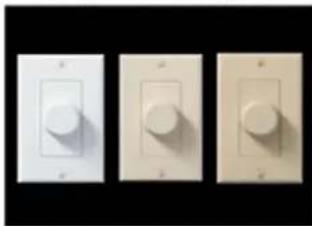
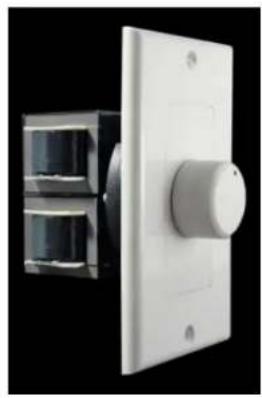
We also offer two styles, a rotating knob and slider style version. Both styles are shipped with a white, ivory and almond matching color Decora insert, knob and outer plate (Slider control shipped with Slider knobs)
We also offer a Impedance matching model that features a two way A/B switch for either two speakers from a single source or a single speaker with dual source option.
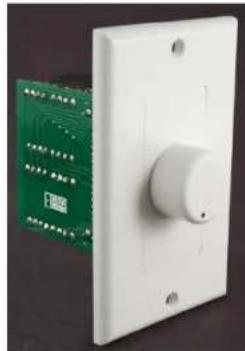
natural_image
Close-up of a white adjustable switch mounted on a green circuit board (no visible text or symbols)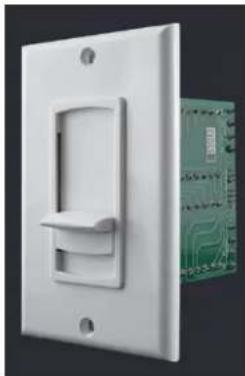
natural_image
White toggle switch with a green circuit board on the right side (no text or symbols visible)Decora Options: White, Ivory & Almond
natural_image
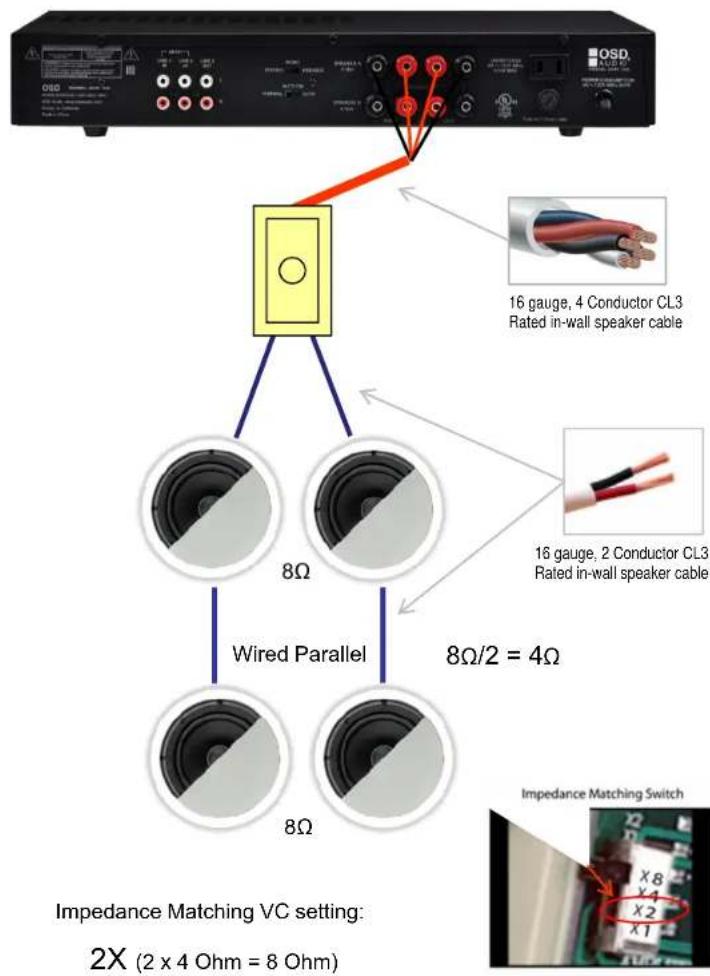
Three identical white LED switches arranged horizontally on a black background (no text or symbols visible)Here is an example of Impedance matching application using a single Volume Control. The OSD AMP120 is 50 watt per channel 8 Ohm Amplifier that works best when connected with an 8 Ohm load. The SVC100 Volume control is used to connect the two pairs of 6.5" in-ceiling speakers both rated at 8 ohm. When wired in parallel the impedance becomes 4 Ohm (8Ω/2 = 4Ω). The Impedance matching VC jumper switch is set to 2X. This doubles the 4 ohm setting back to the 8 ohm that is optimum for the performance of the AMP120. Attempting to connect two pairs of 8 ohm speakers without the volume control would mean a 4 ohm load on an amplifier that would cause an eventual overload and shut down to protect itself.
Conversely if you selected one of our High Current Amplifiers like the AMP200 that is stable down to a 2 ohm load you could wire 3 pairs of 8 ohm speakers in parallel with no impedance matching needed. These High current Amps are built to handle these demanding loads (actual 2.6Ω from the 3 pairs) providing additional flexibility in your system design.
AMP200: 2 Channel 125 Watts (4 ohm)
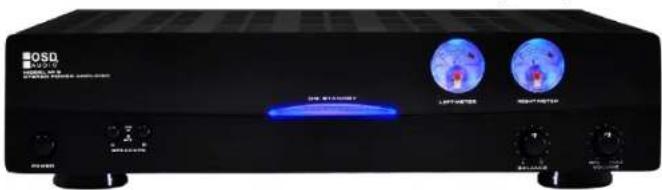
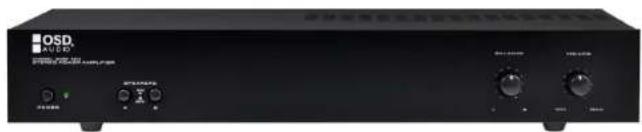
AMP120: 2 Channel 50 Watts (8 ohm)
flowchart
graph TD
    A["OSD Audio"] --> B["Yellow Circuit"]
    B --> C["8Ω"]
    B --> D["8Ω"]
    C --> E["Wired Parallel"]
    D --> E
    E --> F["Impedance Matching VC setting: 2X (2 x 4 Ohm = 8 Ohm)"]
    G["16 gauge, 4 Conductor CL3 Rated in-wall speaker cable"] --> B
    H["16 gauge, 2 Conductor CL3 Rated in-wall speaker cable"] --> B
    I["Impedance Matching Switch"] --> J["X8 X4 X2 X1"]

flowchart
graph TD
    A["Power Supply -"] --> B["+"]
    A --> C["-"]
    D["Power Supply -"] --> E["+"]
    D --> F["-"]
    G["Power Supply -"] --> H["+"]
    G --> I["-"]
    B --> J["Grid 1"]
    C --> K["Grid 2"]
    E --> L["Grid 3"]
    H --> M["Grid 4"]
    I --> N["Grid 5"]
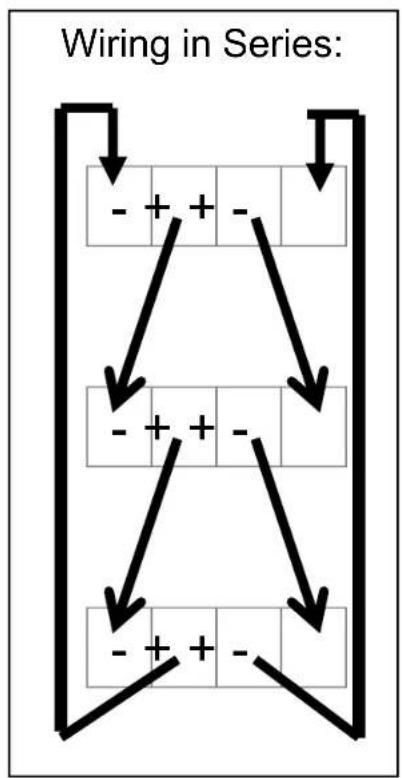
The essence of “series wiring” is really quite simple: When speakers are connected in this fashion, load impedance increases – the more speakers, the higher the impedance. The most common reason for wanting to raise impedance is to lower acoustical output, as in the case of rear-fill or center-channel speakers. Speaker output declines because the amplifier's power output decreases as the load impedance increases. While you can connect any number of speakers in series, try to keep the total equivalent-load impedance for each channel below 16 ohms, since most amps are not designed to handle higher loads
FIGURE 1: SPEAKERS WIRED IN SERIES
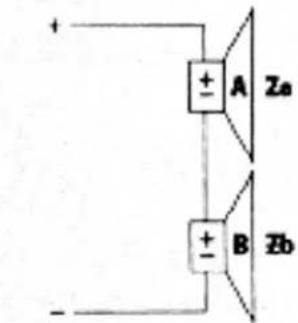
1A: Wiring for One Channel


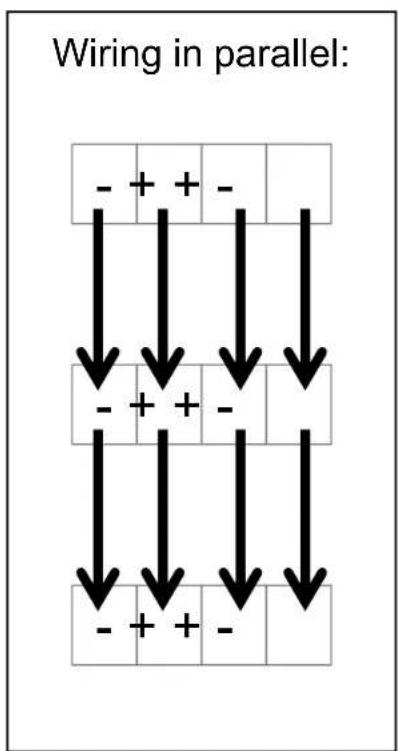
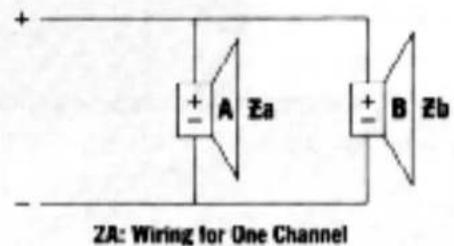
"Parallel wiring" has the opposite effect of "series wiring" – load impedance drops when speakers are wired in this fashion. And the more speakers you wire in, the lower the impedance. The most common reason for wanting to lower impedance is to raise acoustical output. Speaker output increases because the amplifier's power output rises as the load impedance decreases.
The number of speakers that can be connected in parallel is limited by the minimum load impedance that the amplifier is capable of driving and the power-handling capacity of the speakers. In most cases, load impedance should be held to a minimum of 2 ohms – provided the amplifier can handle impedances that low. Three pair of 8 Ohm speakers wired in parallel would equal 2 Ohm.
FIGURE 2: SPEAKERS WIRED IN PARALLEL
The Speaker Selector of choice when using Impedance matching Volume Controls; the OSD DSM series Dual Source 4/6/8 Zone Models because of manual protection switch
Impedance Matching Switch
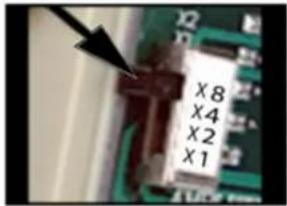
1) If you have 1 SVC100 hooked up to Zone 1 and another hooked up to zone 2, then the jumper settings for both should be 2X.
2) If four Zones are used on the DSM4 device with a single volume control on a single pair of speakers for each zone (4 total SVC100) then the jumper setting should be set to the 4x position on EACH SVC100.
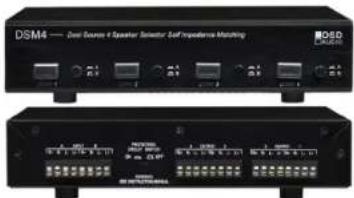
Speaker Selector #of VC # speakers
Impedance setting
DSM4 4 each 4 each 4X
DSM6 6 each 6 each 8X
DSM8 8 each 8 each 8X
Note: If two speakers are connected to one of the four Volume Controls for the DSM4 then the Impedance setting will increase to 8X
natural_image
Three identical yellow rectangular panels with circular indentations, arranged in a staggered pattern (no text or symbols)3) Note the DSM dual source speaker selectors are equipped with an manual on/off protection circuit switch. This is to be set in the “off” position when using Impedance matching volume controls


The following is grid showing Jumper settings when using 8Ω or 4Ω speakers or a combination of both when connecting to a 8Ω Receiver/Amplifier
The 8 Ohm
8-Ohm Amplifiers

AMP120: 2 Channel 50 Watts (8 ohm)
| Number of 4Ω Speaker Pairs | 1 | 2 | 3 | 4 | 5 | 6 | 7 | 8 |
| 1x | 2x | 4x | 4x | 8x | 8x | 8x | ||
| 1 | 2x | 4x | 4x | 8x | 8x | 8x | 8x | |
| 2 | 4x | 8x | 8x | 8x | 8x | |||
| 3 | 4x | 8x | 8x | |||||
| 4 | 8x | |||||||
| 5 | ||||||||
| 6 | ||||||||
| 7 | ||||||||
| 8 |
Note: Most Receivers/Amplifiers under \$125.00 (like our AMP120) are typically 8 Ohm stable and have problems with low impedance loads. They are not built with a large enough power supply or have enough heat shrink to deliver more than the 8 ohm load. These are commonly referred to as "Chip Amps".

The following is grid showing Jumper settings when using 8Ω or 4Ω speakers or a combination of both when connecting to a 4Ω Receiver/Amplifier
natural_image
Exterior view of a white electrical switch with a circular button and two metallic components against a black background (no text or symbols visible)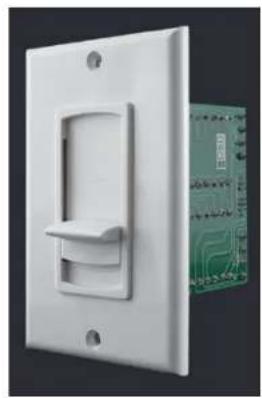
natural_image
White overhead light switch mounted on a circuit board (no visible text or symbols)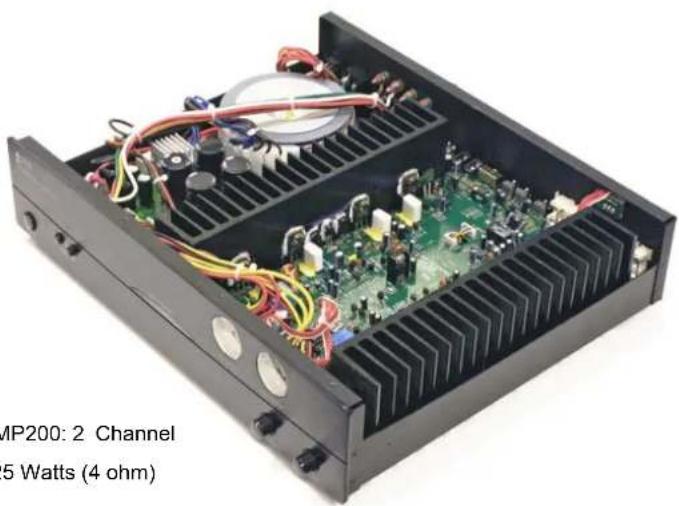
natural_image
Interior view of an electronic device with visible circuit boards, capacitors, and heat sinks (no text or symbols on main components)The 4 Ohm
4-Ohm Amplifiers
| Number of 4Ω Speaker Pairs | 1 | 2 | 3 | 4 | 5 | 6 | 7 | 8 |
| 1x | 1x | 2x | 2x | 4x | 4x | 4x | ||
| 1 | 1x | 2x | 2x | 4x | 4x | 4x | 4x | 8x |
| 2 | 2x | 4x | 4x | 4x | 4x | 8x | 8x | |
| 3 | 4x | 4x | 4x | 8x | 8x | 8x | ||
| 4 | 4x | 8x | 8x | 8x | 8x | |||
| 5 | 8x | 8x | 8x | 8x | ||||
| 6 | 8x | 8x | 8x | |||||
| 7 | 8x | 8x | ||||||
| 8 | 8x |
ote: A High Current Amplifier is typically a more expensive Amplifier sing all discrete Components and able to handle a 2 Ohm load...
xample, OSD-AMP200, notice the Large Toroid Power Supply and ample eat Sink (this weights 35 lbs.) needed to produce low impedance loads.
Volume Controls: Basic Types continued
Audiophile Resistor Based Volume Controls;
Unlike the Transformer design these are not Impedance matched. In theory the Resistors tend to have broader frequency response with virtually no high or low end roll off. There are 11 resistors which equate to 11 clicks of attenuation around 36dB total. Unlike the Transformer types this is a "break before make design" which means no signal between clicks. Plus the last click completely disconnects the signal from the source. We at OSD stock this particular style for those customers looking to connect one or two volume controls to our High current series Amplifiers while driving higher quality speakers where listening is more critical. A good example would be a home office where the desk chair would typically be in the same location, the ideal listening position. The pivoting tweeters would be aimed at the center of the chair
Note: We do not recommend using Resistor based volume controls with a speaker selector box
natural_image
Two electronic components: a white rectangular switch and a blue circuit board with circular components (no visible text or symbols)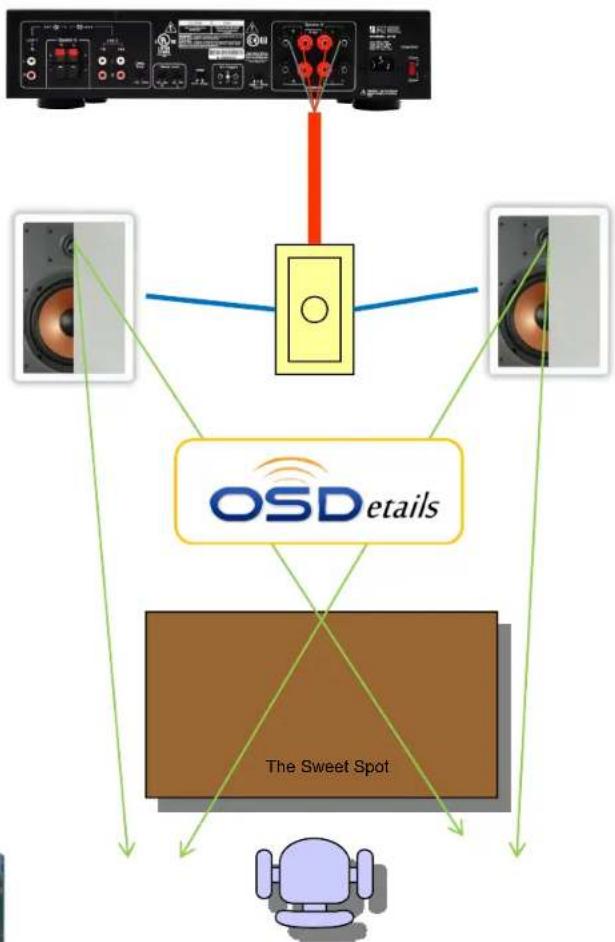
flowchart
graph TD
    A["Audio System"] --> B["Central Device"]
    B --> C["The Sweet Spot"]
    C --> D["Speaker 1"]
    C --> E["Speaker 2"]
    C --> F["Speaker 3"]
    B --> G["OSDetails"]
    G --> C
    style A fill:#f9f,stroke:#333
    style B fill:#ccf,stroke:#333
    style C fill:#cfc,stroke:#333
    style D fill:#fcc,stroke:#333
    style E fill:#fcc,stroke:#333
    style F fill:#fcc,stroke:#333
An example of a critical listening application featuring a home Office setup
Choosing the right speaker wire:
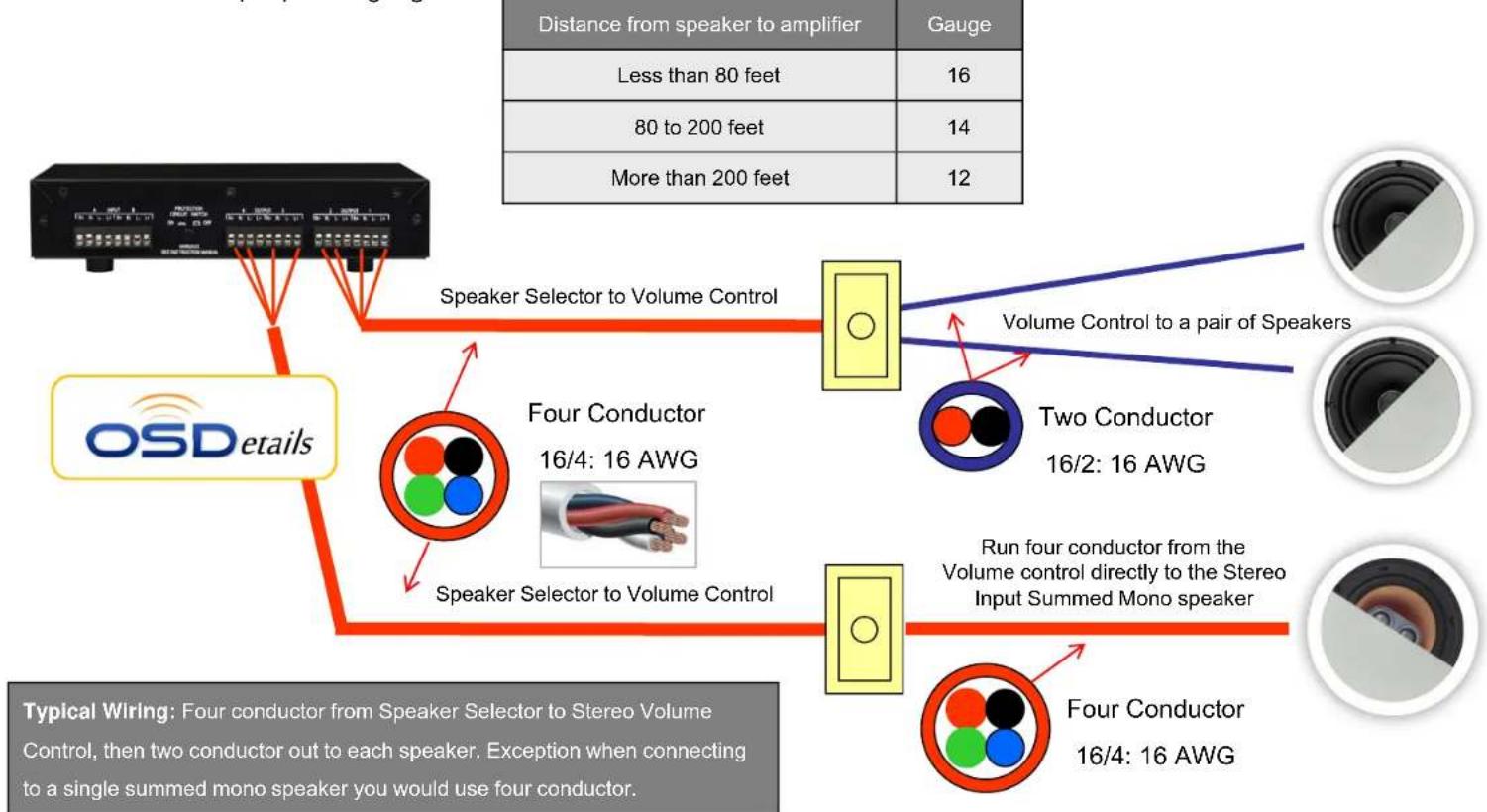
Keep in mind that the gauge, or thickness of your speaker wire should depend on how far the wire has to travel from the receiver to the speaker. The lower the American Wire Gauge (AWG) number, the thicker the wire. Significant power losses can occur over the long runs, resulting in lower performance. While this probably won't be a problem in most single-room setups, it could be an issue for multi-room systems. Use the chart to the right as a guideline for wire gauge selection. Note all our VC will accept up to 14 gauge
flowchart
graph TD
    A["OSDetails"] --> B["Speaker Selector to Volume Control"]
    B --> C["Four Conductor 16/4: 16 AWG"]
    B --> D["Speaker Selector to Volume Control"]
    C --> E["Run four conductor from the Volume control directly to the Stereo Input Summed Mono speaker"]
    D --> F["Four Conductor 16/4: 16 AWG"]
    G["Distance from speaker to amplifier"] --> H["Gauge"]
    I["Less than 80 feet"] --> J["16"]
    K["80 to 200 feet"] --> L["14"]
    M["More than 200 feet"] --> N["12"]
OSD
etails
Outdoor Volume Controls
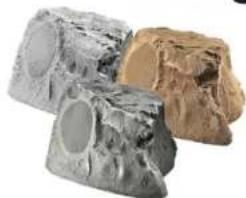
OSD Audio being the number one on line site for Indoor/Outdoor speakers including Rocks, Patio and Garden Speakers offers a number of choices for outdoor Volume Controls. We offer three levels of Transformer and two Resistor based. They are identical to our interior Volume Controls but we add 100% weatherproof housing for each in either white or gray color match. The kit includes metal mounting plate and color matched plastic and fast connect terminals for easy installation . It can be either mounted on a wall or a 3 14 PVC pipe.

natural_image
Two pink orchid plants in orange potted bases, no text or symbols visible

OSD AUDIO®
natural_image
Three textured, irregularly shaped objects resembling rocks or geological formations (no text or symbols visible)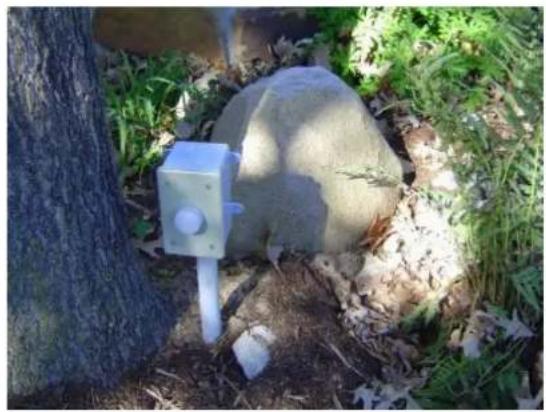
natural_image
Outdoor scene with a small white rectangular device mounted on a stone block, surrounded by greenery and a tree (no visible text or symbols)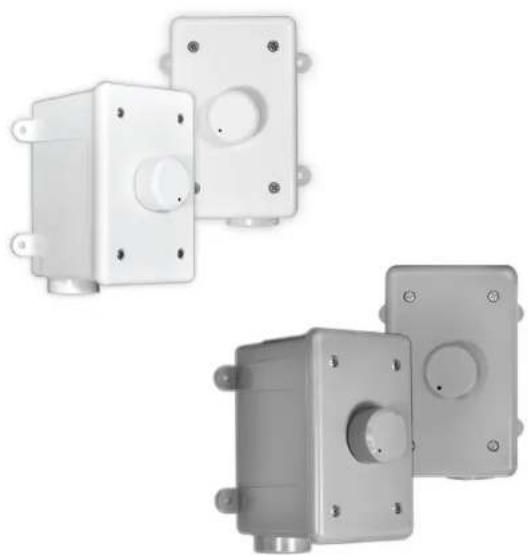
natural_image
Three metallic industrial control box components with mounting holes and mounting holes (no text or symbols visible)Indoor Volume Controls: Both Impedance Matching and Resistor Based Types
| Model | Description | Type | Rated Power | Steps - Clicks | Connection | Attenuation | On/Off | A/B | Plates-Inserts-Knobs Colors (included) | 1X Setting | Accepts Wire gauge | Warranty | Note | |
| Peak | RMS | |||||||||||||
| SVC300 | Impedance Matching | Decora Style-Knob | 300w | 100w | 12 | Make before break | 54dB | No | No | White-Ivory-Almond | Yes | 14 AWG | 5 Year | Additional matching colored plates, inserts and knobs available both Black and Brown |
| SVC100 | Impedance Matching | Decora Style-Knob | 100w | 50W | 12 | Make before break | 42dB | No | No | White-Ivory-Almond | Yes | 14 AWG | 5 Year | Additional matching colored plates, inserts and knobs available both Black and Brown |
| SVC70 | Impedance Matching | Decora Style-Knob | 70w | 35w | 12 | Make before break | 42dB | No | No | White-Ivory-Almond | Yes | 14 AWG | 5 Year | Additional matching colored plates, inserts and knobs available both Black and Brown |
| VMS300 | Impedance Matching | Decora Style-Slider | 300w | 150w | 12 | Make before break | 42dB | No | No | White-Ivory-Almond | Yes | 14 AWG | 5 Year | Additional matching colored plates, inserts and knobs available both Black and Brown |
| VMS100 | Impedance Matching | Decora Style-Slider | 100w | 50w | 12 | Make before break | 42dB | No | No | White-Ivory-Almond | Yes | 14 AWG | 5 Year | Additional matching colored plates, inserts and knobs available both Black and Brown |
| VKR120 | Resistor Based | Decora Style-Knob | 150w | 100w | 11 | Break before Make | 36dB | No | No | White-Ivory-Almond | Only | 14 AWG | 5 Year | Audiophile quality sound, both higher and lower frequency response, no saturation |
| SVC405 | Impedance Matching | Decora Style-Knob | 300w | 100w | 12 | Make before break | 42dB | No | Yes | White-Ivory-Almond | Yes | 14 AWG | 5 Year | Bi-Directional: 1 Amplifier connected to two different speakers or a single speaker from dual source |
| SVC205 | Impedance Matching | Decora Style-Knob | 300w | 100w | 12 | Make before break | 42dB | Yes | No | White-Ivory-Almond | Yes | 14 AWG | 5 Year | Only Impedance matching volume control that can be turned off completely |
Outdoor Volume Controls: Both Impedance Matching and Resistor Based Types
| Model | Description | Type | Rated Power | Steps - Clicks | Connection | Attenuation | On/Off | A/B | Plates-Inserts-Knobs Colors (included) | 1X Setting | Accepts Wire gauge | Warranty | Note | |
| Peak | RMS | |||||||||||||
| OVC300 | Impedance Matching | Outdoor Volume Control | 300w | 150w | 12 | Make before break | 54dB | No | No | Gray or White, ordered separately | Yes | 14 AWG | 5-Year | Includes color matched weatherproof outer housing. Must specify gray or white, fts 3/4" PVC pipe |
| OVC100 | Impedance Matching | Outdoor Volume Control | 100w | 50W | 12 | Make before break | 42dB | No | No | Gray or White, ordered separately | Yes | 14 AWG | 5-Year | Includes color matched weatherproof outer housing. Must specify gray or white, fts 3/4" PVC pipe |
| OVC70 | Impedance Matching | Outdoor Volume Control | 70w | 35w | 12 | Make before break | 42dB | No | No | Gray or White, ordered separately | Yes | 14 AWG | 5-Year | Includes color matched weatherproof outer housing. Must specify gray or white, fts 3/4" PVC pipe |
| OVC305R | Resistor Based | Outdoor Volume Control | 150w | 100w | 11 | Break before Make | 36dB | No | No | Gray or White, ordered separately | Only | 14 AWG | 5-Year | Audiophile quality sound, both higher and lower frequency response, no saturation |
| OVC205R | Resistor Based | Outdoor Volume Control | 100w | 50w | 11 | Break before Make | 36dB | No | No | Gray or White, ordered separately | Only | 14 AWG | 5-Year | Audiophile quality sound, both higher and lower frequency response, no saturation |
- Installation Instructions
- Limited Warranty
- Volume Controls
- The Speaker Selector of choice when using Impedance matching Volume Controls; the OSD DSM series Dual Source 4/6/8 Zone Models because of manual protection switch
- Speaker Selector #of VC # speakers
- Impedance setting
- The 8 Ohm
- The 4 Ohm
- 4-Ohm Amplifiers
- Volume Controls: Basic Types continued
- Audiophile Resistor Based Volume Controls;
- Choosing the right speaker wire:
- OSD
- Outdoor Volume Controls
Brand : OSD Audio
Model : SLK300
Category : Joystick