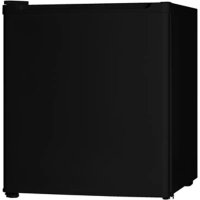
AR5I47 - Refrigerator ARDES - Free user manual and instructions
Find the device manual for free AR5I47 ARDES in PDF.


| Product type | Refrigerator |
| Brand | ARDES |
| Model | AR5I47 |
| Climate class | N / ST (from +16°C to +38°C) |
| Refrigerant gas | R600a (isobutane) |
| Refrigerator compartment capacity | Not precisely specified, estimated ~100 L |
| Ice cube compartment | Yes |
| Number of shelves | Several, adjustable in height |
| Door reversibility | Yes |
| Thermostat | Mechanical adjustment, 5 positions (MIN to MAX) |
| Power supply | 220-240 V ~ 50 Hz (estimate) |
| Dimensions (H x W x D) | Not specified, estimated ~85 x 50 x 55 cm |
| Net weight | Not specified, estimated ~25 kg |
| Cleaning | Warm water and neutral pH dish soap, not dishwasher safe |
| Defrosting | Manual, recommended 2-3 times per month |
| Energy consumption | Not specified, energy class not indicated |
| Power cord length | Not specified, estimated ~1.5 m |
| Noise level | Not specified |
| Warranty | 2 years from purchase date |
| Child safety | Use by children over 8 years old under supervision |
| Spare parts | Contact authorized after-sales service |
| Repairability | Repair by qualified personnel only |
Frequently Asked Questions - AR5I47 ARDES
User questions about AR5I47 ARDES
0 question about this device. Answer the ones you know or ask your own.
Ask a new question about this device
Download the instructions for your Refrigerator in PDF format for free! Find your manual AR5I47 - ARDES and take your electronic device back in hand. On this page are published all the documents necessary for the use of your device. AR5I47 by ARDES.
USER MANUAL AR5I47 ARDES
Read this booklet carefully. It contains important instructions for a safe installation, use and maintenance.
Important instructions to be kept for future reference.
This appliance may be used by children 8 years of age and older and people with reduced physical, sensory or mental capacities or with a lack of experience and knowledge if they are adequately supervised or have been instructed on the safe use of the appliance and are aware of the related dangers.
Children must not play with the appliance. Cleaning and maintenance must not be performed by children unless they are under supervision.
If the power cable gets damaged, it has to be replaced only at a service centre approved by the manufacturer.
Do not store explosive substances such as aerosol cans with a flammable propellant in
This appliance.
Attention: keep the ventilation openings in the appliance's casing or in the built-in structure free from obstructions.
Attention: do not use mechanical devices or other means (such as chemical substances) to accelerate the defrosting process.
Attention: do not damage the refrigerant circuit.
Attention: do not use electrical appliances inside the food storage compartments.
Attention: to prevent hazards due to instability, the appliance must be positioned according to the instructions provided in the installation paragraph.

Attention!
The refrigerant circuit of the appliance contains the isobutane gas R600a.
Be careful not to damage the refrigerant circuit during transport or installation.
If the refrigerant circuit is damaged, keep if far from open flames or heat sources and thoroughly ventilate the room in which the appliance is located.
This appliance must be used at home or in similar domestic environments such as:
- Kitchen zones in shops, offices and other working environments.
- Agritourisms, hotels, motels and other residential spaces.
- Bed & breakfast.
- Catering and similar applications.

SAFETYWARNINGS
Keep handy the guarantee, receipt of payment and these instructions for future use and reference.
After removing the packaging, check the appliance for any signs of damage. In case of visible damage, do not use it and contact a qualified technician.
Do not leave parts of the packaging with in the reach of children.
This appliance is not a children's toy: it is an electrical device and must be treated with the necessary caution.
Before connecting the appliance, make sure that the power supply voltage matches the indication on the data plate.
If the plug and socket are not compatible, the socket has to be replaced with a suitable type by skilled persons. Do not use adapters or extensioncables which do not meet current safety standards or that exceed the current carrying capacity limits.
Electrical safety of this appliance is assured only if it has been connected to an effective earthing system.
When you don't use the appliance disconnect it from the power supply and assure that the interruptor is off. In this case remove the food, defrost the appliance and clean thoroughly. It is recommended that you leave the door open.
Do not tug on the power cable or on the appliance it self to remove the plug from the socket.
If you decide to move the appliance, make certain the plug is not inserted in the power outlet.
The use of any electrical appliance requires that a number of basic rules are observed, namely:
-
Never touch the appliance with wet or humid hands.
-
Do not leave the appliance exposed to weathering (rain, sunlight).
-
Do not subject it to rough handling.
In case of a breakdown or malfunctioning of the appliance, disconnect it at once. Do not attempt to repair it, but take it to a service centre approved by the manufacturer.
If you decide you do not want to use this appliance any longer, disable it by cutting the power cable - of course, after disconnecting it from the socket.
The power cable should be extended to its full length to avoid overheating, paying attention that it doesn't touch the compressor.
Be careful that the plug and cord are not crushed by the appliance itself and that there are no heavy objects on them. This could cause short circuits.
For safety reasons, the appliance should never be opened.
The appliance has been designed and manufactured to operate in the home. Any other use is considered inappropriate and dangerous.
Do not use the appliance out of doors.
The appliance must not be operated with an external timer or a separate remote control system.
Do not let any object into the back of the appliance.
During use, rest the appliance on a flat surface.
Do not place the cord near sources of heat.
Be careful that no liquids are spilled on the appliance.
Do not place hot vessels or containers on the plastic parts.
Do not store flammable gas or liquids inside the appliance, as they may explode.
When defrosting the appliance, do not use sharp objects since they may damage the appliance.
Do not store aerated beverages, bottles or cans in the ice compartment.
Foods must be stored in their original cases or in appropriate boxes.
INSTRUCTIONS FOR THE INSTALLER
Transport and packaging removal.
Transport the appliance carefully so as not to subject it to any impacts.
ATTENTION: Do not tilt the appliance by more than 45^ or turn it upside down while stationary or being transported.
Deliver the appliance with the original packaging and check any warnings that may be provided on the same.
Open the packaging to remove the appliance and check that there are no signs of damage; if any damage can be seen, do not use the appliance but contact the retailer.
Remove the adhesives used to hold the components immobile, clean the appliance inside and out with a damp cloth and dry thoroughly.
Installation.
The appliance must be installed in a well-ventilated room.
The appliance must be positioned on a flat, horizontal, solid and stable surface. If the appliance is unstable, adjust the support feet.
Do not position the appliance on soft surfaces.
The appliance must not be exposed to direct sunlight.
Do not install the appliance near radiators, cookers or other sources of heat.
The appliance must be installed in a place where the room temperature corresponds with the climatic classification (shown on the data label) for which the appliance has been designed.
| Climatic class Room temperature |
| N da +16°C C a +32°C |
| ST da +18°C a +38°C |
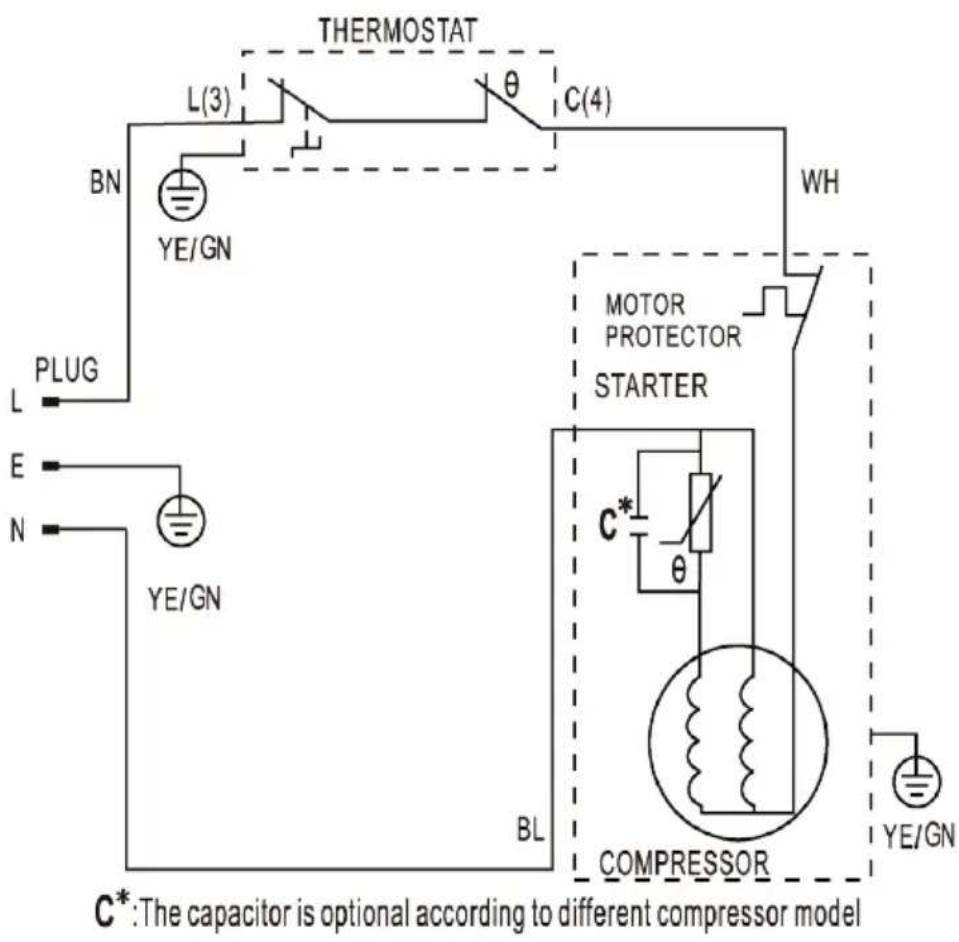
Wiring diagram AR5I47 - AR5I78
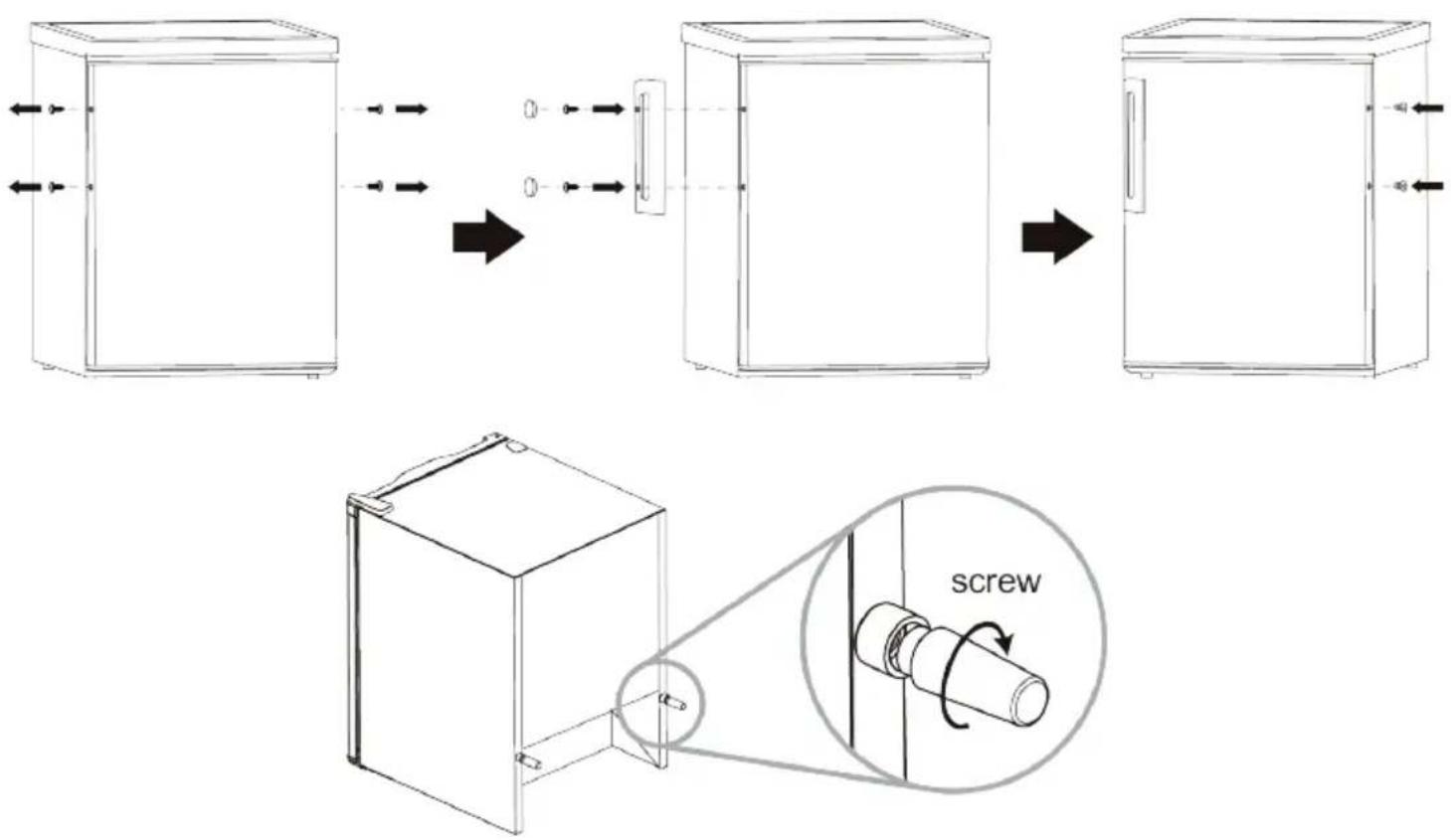
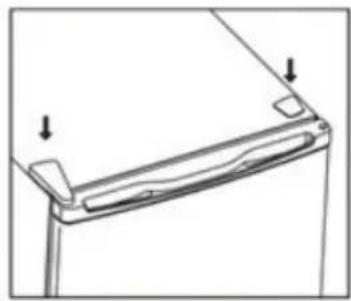
Install door handle and spacers
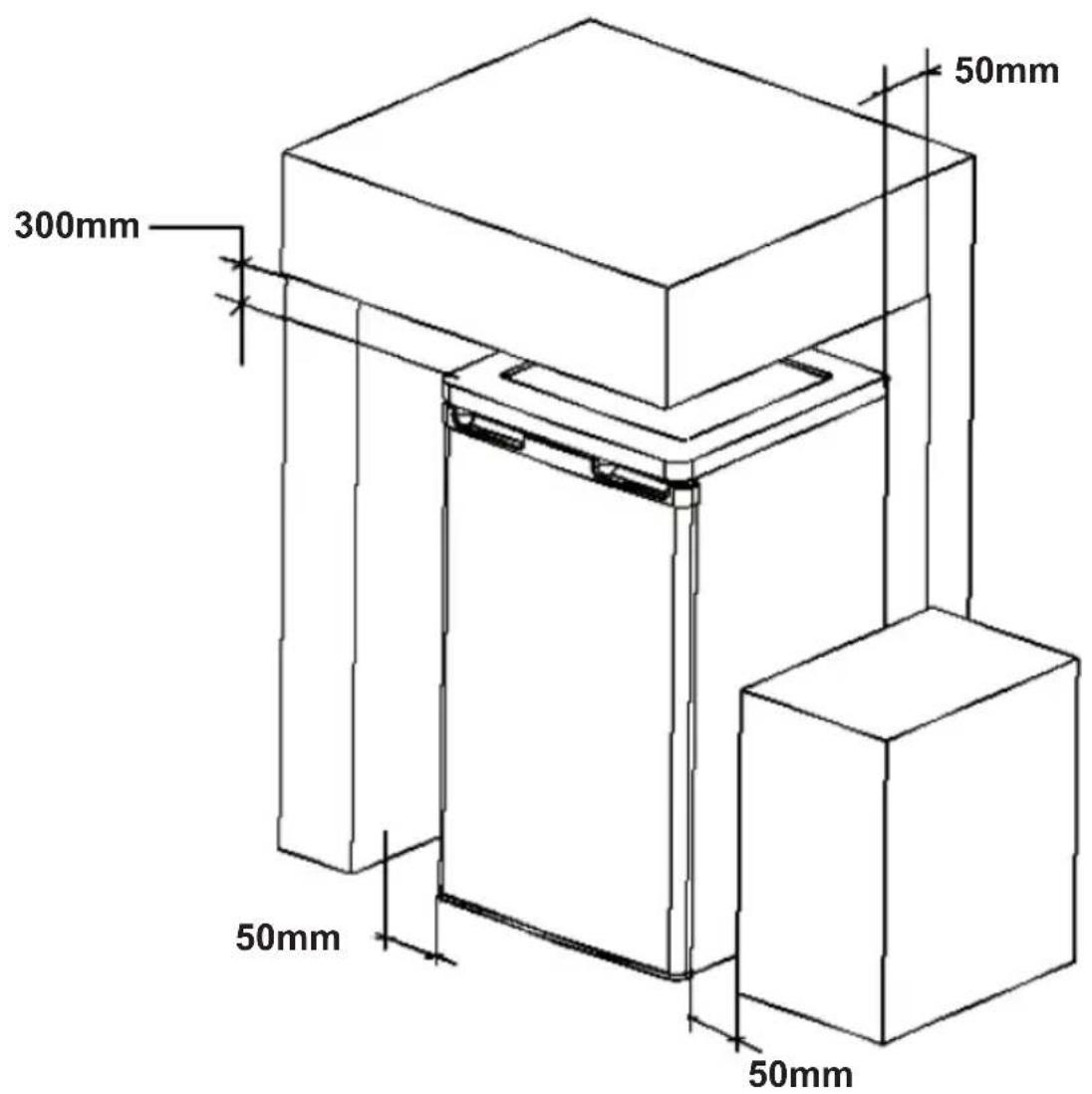
The appliance must be installed so that the plug is easily accessible. If the appliance is installed near other refrigerators or freezers, keep a minimum distance of 5cm to prevent the formation of condensation on the outside of the appliance. A correct installation requires that the correct distance be maintained around the appliance as indicated in the following graphic diagram:
ATTENTION.
BEFORE TURNING THE APPLIANCE ON, LET IT SETTLE FOR AT LEAST TWO (2) HOURS AFTER INSTALLATION.
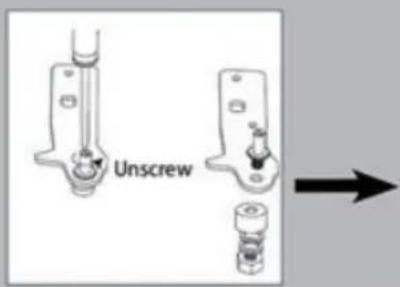
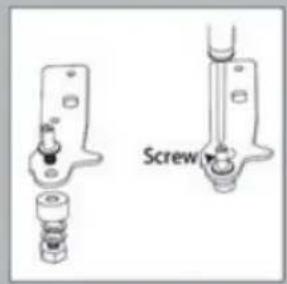
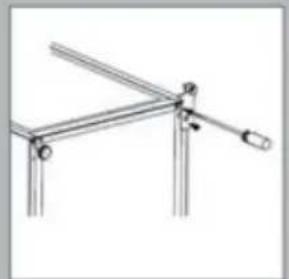
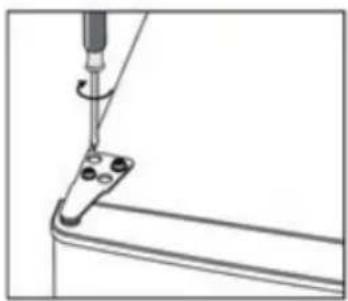
Door reversibility
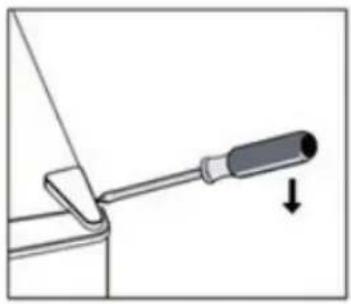
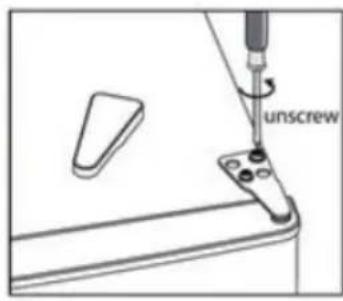
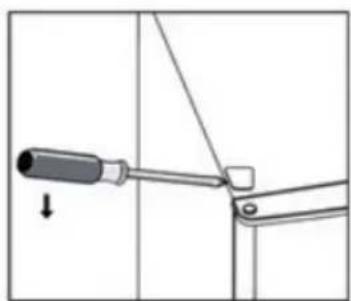
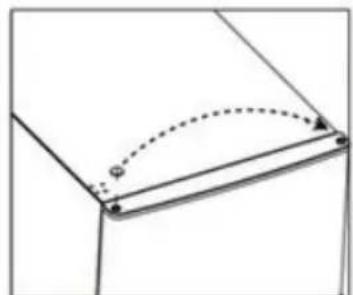
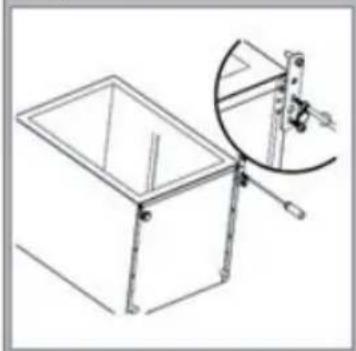
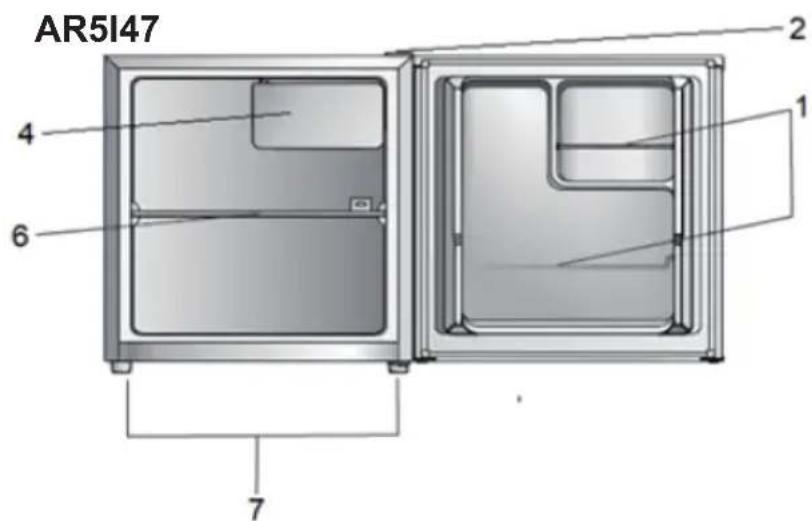
AR5147
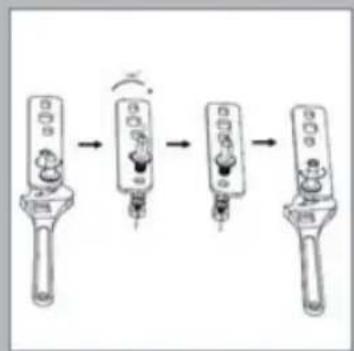
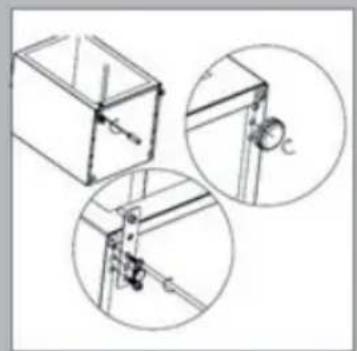
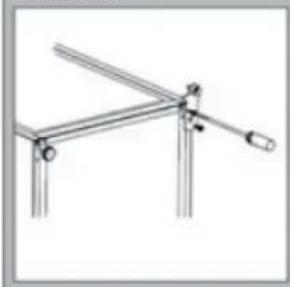
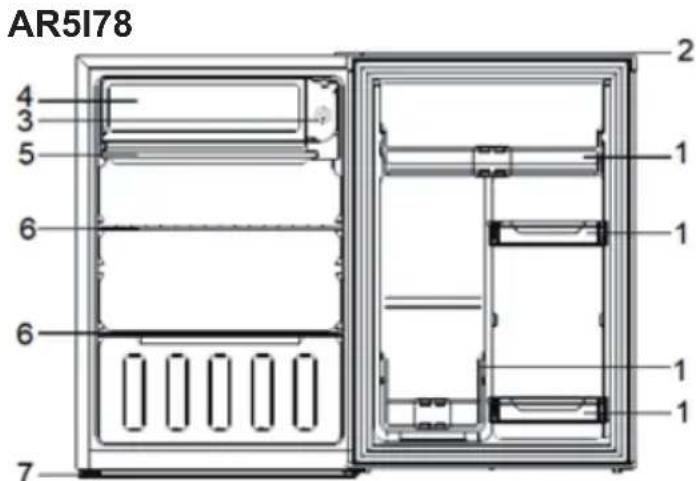
AR5I78
INSTRUCTIONS FOR THE USER
1 - Container tray
2 - Top hinge
3 - Thermostat
4 - Ice compartment
5 - Drops trap tray
6 - Shelf
7 - Adjustable feet
Technical data: see label on the appliance.

Operating instructions.
Before using the appliance for the first time, wash the parts as specified in section "Cleaning and maintenance".
Insert the plug into the power outlet.
Select the refrigeration temperature using the knob located inside the appliance on the right. Rotate it clockwise in 5 possible positions.
Consider that with high room temperatures (during summer, for example) the thermostat should be set on position 5 (the coldest).
Vice versa, with low room temperatures, the thermostat should be set on position MIN (the least cold).
If you set the thermostat on position MAX, it's important to know that under these conditions the compressor works continuously to keep the internal temperature low and as a consequence layers of ice may form on the walls.
If this should occur, set the thermostat in a lower position so that the compressor turns on and off allowing automatic defrosting.
Consider that the internal temperature depends not only on the setting of the thermostat but also on the room temperature and other conditions such as the quantity of food in the compartments or the number of times the refrigerator is opened.
Use of the fresh food compartment.
Position the food so as to guarantee an adequate circulation of air inside the appliance, allowing optimization of the refrigeration process.
The food should be placed in containers or wrapped in appropriate preservation film so that it maintains its fragrance and freshness longer.
Do not place hot food in the refrigerator, but let it cool to room temperature first in order to prevent the formation of frost inside the compartment.
The height of the shelves can be adjusted using the appropriate guides on the side walls of the refrigerator.
Use of the ice compartment.
The ice compartment is ideal for storing small quantities of food and for making ice cubes.
Food preservation table
| Type of food No. of days of preservation | Type of container |
| Milk 3 Original container | |
| Cream 2 Plastic container | |
| Butter 7 Original container | |
| Ripe cheese 7 Aluminium foil | |
| Fresh cheese 4 Cling-film | |
| Egg 7 Original container | |
| Carrots, zucchini, tomatoes 7 Cling-film | |
| Peppers, spinach 2 Cling-film | |
| Peas, beans 4 Cling-film | |
| Cooked meat 3 Container with cover | |
| Raw meat 2 Cling-film | |
| Cooked mincemeat 2 Container with cover | |
| Raw mincemeat 1 Container with cover | |
| Salted and sliced meats | 2 Cling-film or aluminium foil |
| Fresh chicken | 3 Cling-film |
| Fried or roast chicken | 3 Container with cover |
| Fresh fish | 1 Cling-film |
| Fried or roast fish | 2 Container with cover |
| Fruit | 4 Cling-film |
| Canned fruit | 3 Container with cover |
| Sweets | 2 Container with cover |
Cleaning and maintenance.
Unplug the plug from the power outlet, position the thermostat on 0 and remove any food present in the refrigerator before performing any cleaning or maintenance operation. In order to clean the appliance, use a soft or slight damp cloth.
Do not use very wet substances, liquids or cloths to prevent water from entering into the appliance and irreparably damaging it.
It is recommended that you clean the interior of the refrigerator at least once a month with a soft cloth, lukewarm water and a little pH neutral washing-up liquid.
If the plastic parts remain in contact with oil (animal or vegetable oil) for a long time, they may become permanently damaged.
Thoroughly clean the rubber profile of the door and, at least once a year, remove any accumulated dirt and dust which may have deposited on the back of the appliance.
Shelves and containers can be washed with washing-up liquid (do not use dishwasher).
Defrosting.
Unplug the plug from the power outlet, position the thermostat on 0 and remove any food present in the refrigerator before performing any cleaning or maintenance operation.
The defrosting operation requires a few hours, thus if there is any food in the ice compartment, store it in a fresh location or in another refrigerator if necessary.
Leave the compartment open until the frost that has formed inside has melted. Remove the water which has accumulated and thoroughly dry all the surfaces.
When defrosting the appliance, do not use sharp objects since they may damage the appliance.
Do not accelerate the ice compartment defrosting process using electrical devices, chemical substances or mechanical means other than those recommended by the manufacturer.
It is recommended that you defrost the ice compartment 2 or 3 times a month or whenever more than 2-3mm of frost has formed.
GENERAL INFORMATION
Troubleshooting.
1) The refrigerator doesn't work.
- Check that the plug is inserted correctly into the power outlet.
- Check that there is current in your electrical system.
2) The refrigerator is too cold.
- Set the thermostat on a higher temperature.
- Check that you have not placed very moist food directly on the cooling air intake.
3) The refrigerator doesn't cool enough.
- Set the thermostat on a lower temperature.
- Check that the door is closed properly.
- Hot food has been placed in the refrigerator.
- The compartment is not ventilated sufficiently due to overloading with food.
- The refrigerator is positioned too close to heaters or other appliances that give of heat.
4) Condensation forms outside the refrigerator.
- There is a high humidity rate at room temperature.
5) Circulation noise is heard.
- Normal operating noise of the refrigeration system.
6) The top wall of the refrigerator heats up.
- The refrigerator is opened and closed frequently.
- High room temperature: the compressor works at maximum load to cool the interior.
Energy savings.
Some recommendations are provided below to help you optimize the performance of this appliance while preserving its energy-saving conditions.
Do not install the appliance near sources of heat, such as cookers, electric stoves or heaters of any kind.
Ensure that the appliance has good external air circulation and sufficient internal ventilation.
Do not overload the compartments with food.
Do not place hot food in the refrigerator.
Do not leave the door of the refrigerator open too long, but only for the time strictly necessary. Open the door only when necessary.
Preserve the food in containers or films to protect the appliance from the formation of frost.
Defrost the refrigerator when necessary. At least 3 or 4 times a month.
Keep the appliance clean backward.
USER INFORMATION
"Implementation of Directive 2012/19/EU on Waste Electrical and Electronic Equipment (WEEE)", pertaining to reduced use of hazardous substances in electrical and electronic equipment, as well as to waste disposal".
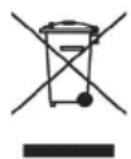
The symbol of the crossed-out wheelie bin on the equipment or on its packaging indicates that the product must be disposed of separately from other waste at the end of its service life.
The user must therefore take the dismissed equipment to suitable separate collection centres for electrical and electronic waste, or return it to the dealer in case they purchase a new device of equivalent type, at a one-to-one-ratio.
Suitable segregated collection of the equipment for subsequent recycling, treatment or environmentally-friendly disposal helps prevent damage to the environment and to human health, and encourages the re-use and/or recycling of the materials that make up the equipment.
Abusive disposal of the product by the user shall result in the application of administrative fines in accordance with the laws in force.

The refrigerator contains a refrigerant gas and insulating gas, that are inflammable.
Be careful not to damage the refrigerant circuit during transport. If the refrigerant circuit is damaged, keep if far from open flames or heat sources and thoroughly ventilate the room in which the appliance is located.
GUARANTEE
Terms and Conditions
The guarantee is valid for 24 months.
This guarantee applies only if it has been duly filled in and is submitted with the receipt showing the date of purchase.
The guarantee covers the replacement or repair of parts making up the appliance which were faulty at source due to manufacturing faults.
After the guarantee has expired, the appliance will be repaired against payment.
The manufacturer declines any responsibility for damage to persons, animals or property due to misuse of the appliance and failure to observe the directions contained in the instructions.
Limits
All rights under this guarantee and any responsibility on our part will be voided if the appliance has been:
-
mishandled by unauthorized persons
-
improperly used, stored or transported.
The guarantee does not cover damage to the outward appearance or any other that does not prevent regular operation.
If any faults should be found despite the care taken in selecting the materials and i creating the product, or if any information or advice are required, please contact your local dealer.
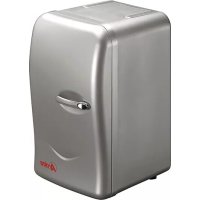
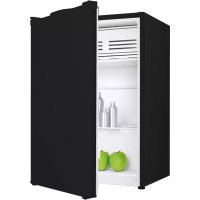
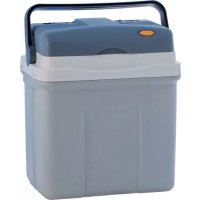
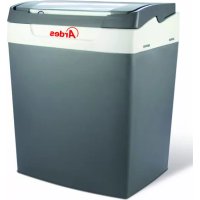
- Read this booklet carefully. It contains important instructions for a safe installation, use and maintenance.
- Important instructions to be kept for future reference.
- Attention!
- SAFETYWARNINGS
- INSTRUCTIONS FOR THE INSTALLER
- Transport and packaging removal.
- Installation.
- Wiring diagram AR5I47 - AR5I78
- Door reversibility
- INSTRUCTIONS FOR THE USER
- Operating instructions.
- Use of the fresh food compartment.
- Use of the ice compartment.
- Food preservation table
- Cleaning and maintenance.
- Defrosting.
- GENERAL INFORMATION
- Troubleshooting.
- Energy savings.
- USER INFORMATION
- GUARANTEE
- Terms and Conditions
- The guarantee is valid for 24 months.
- Limits
Brand : ARDES
Model : AR5I47
Category : Refrigerator