RTG 75 WFB PN - Cooker ROSIERES - Free user manual and instructions
Find the device manual for free RTG 75 WFB PN ROSIERES in PDF.

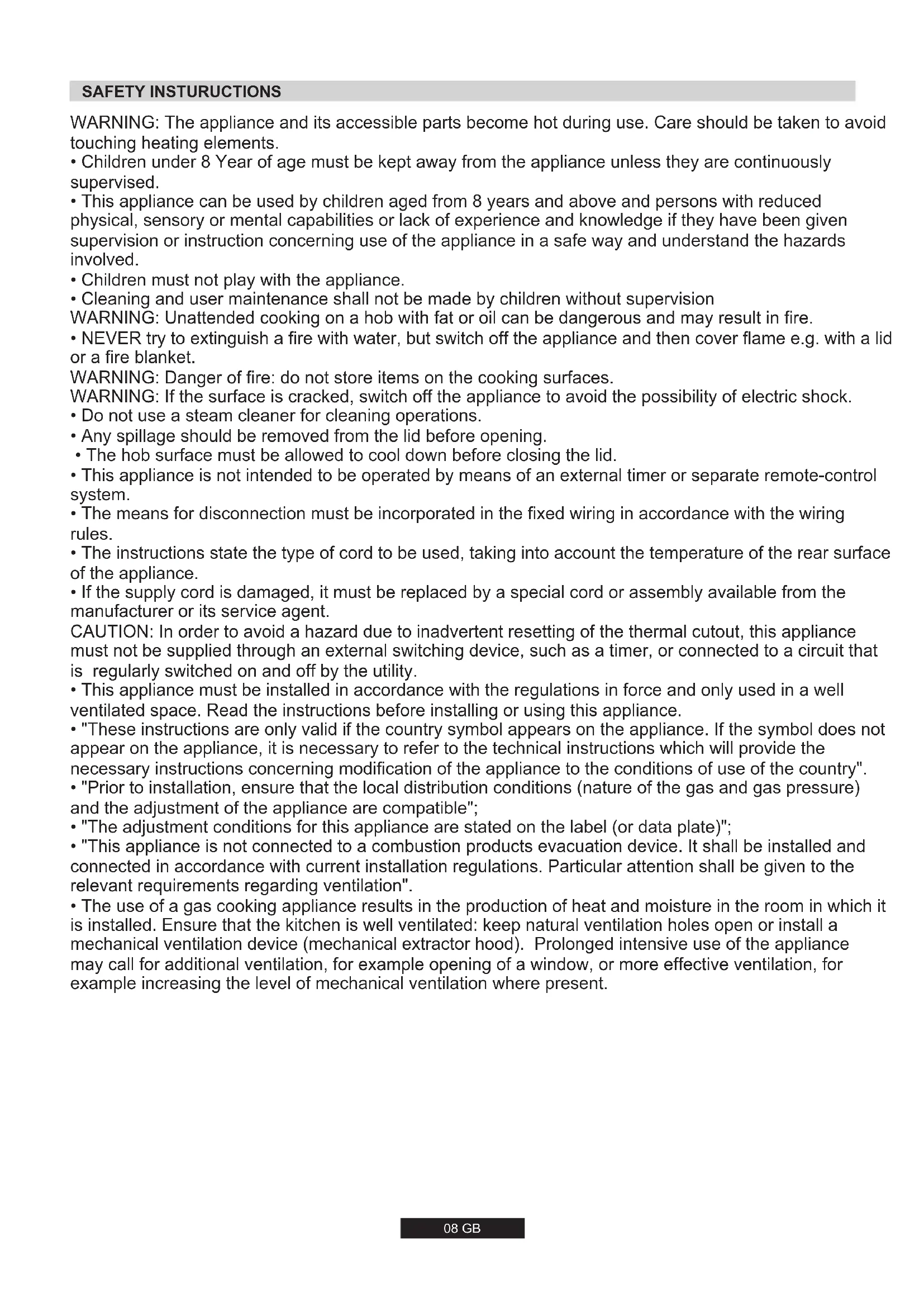


| Product type | Built-in gas hob |
| Brand | Rosieres |
| Model | RTG 75 WFB PN |
| Dimensions (W x D) | 745 x 510 mm |
| Height (overall) | Approximately 45 mm (standard) |
| Weight | Approximately 18 kg |
| Electrical supply | 220-240 V ~ 50/60 Hz, 15 W |
| Gas supply | Natural gas (G20) or butane/propane (G30) – adaptable per country |
| Number of burners | 5 burners (possible configuration: 1 quadruple crown, 2 rapid, 1 semi-rapid, 1 auxiliary) |
| Ignition | Integrated electronic, push button or rotary |
| Safety | Thermocouple (automatic gas shut-off if flame goes out) |
| Table material | Glass or stainless steel (depending on finish) |
| Grilles | Chrome, removable, supports pans up to 28 cm |
| Total power | 11.75 kW (natural gas) – depending on configuration |
| Gas consumption | 1119 L/h (G20) / 854 g/h (G30) – depending on configuration |
| Installation class | Class 3 (built-in) |
| Maintenance and cleaning | Warm soapy water, non-corrosive detergent; avoid abrasives and acids |
| Spare parts and repairability | Injectors, burners and thermocouples available via Rosieres after-sales service |
| General information | Installation by professional recommended; CE compliance and WEEE directive 2012/19/EU |
Frequently Asked Questions - RTG 75 WFB PN ROSIERES
User questions about RTG 75 WFB PN ROSIERES
0 question about this device. Answer the ones you know or ask your own.
Ask a new question about this device
Download the instructions for your Cooker in PDF format for free! Find your manual RTG 75 WFB PN - ROSIERES and take your electronic device back in hand. On this page are published all the documents necessary for the use of your device. RTG 75 WFB PN by ROSIERES.
USER MANUAL RTG 75 WFB PN ROSIERES
BAPOUHbIE NOBEPXHOCTN
HCTPYKUNIPOJIb3OBATEJI R
CONTENU
FR
Safety Insuructions 08
1. Instructions For The Installer 09
1.1. Building In .09
1.2. Suitable Location 09
2. Electrical Connection (For U.K. Only) 09
2.1. Electrical Connection 09
2.2. Gas Connection (For U.K. Only) 10
2.3. Adapting The Hob To Different Types Of Gas 10
2.4.Regulating The Minimum Flame 10
3.Use Of Hob-User Instructions 10
3.1. Using The Gas Burner 10
4. Maintenance and Cleaning 10
5. Aftercare 10
6. Protection Of The Environment 11
CODEPKAHNE
RU
INPABUNIATEXHNIKBE3ONACHOCTN 12
1.Инстукци no BbInonHeHIO yCTaHOBK 13
1.1.BcTpaBaeMbIeBaOpHbIeNoBepxHocTn 13
1.2.BbIbOp MeTa dYcTaHOBKn BapOHOH NOBepxHocTn 13
2.ПОДКЛЮЧЕНС KЗЛЕKTPOCEТN(TOЛБКОДЯВELNKOB6PNTAHNN).....13
2.1. IoiKJIouHeH e K 3JNeKTpocetn.. 13
2.2.ToKnHueHMe KnnHnra3oCha6xHnR(TolbKO dNBeNko6pTaHn)13
2.3.AdaTaaunBapouHnoNOBepxHocTuHaDpyTe Tnblra3a. 14
2.4.Perynnpobka MHHMaJIbHOIJIaMeHNI 14
3. Hctpkyu no 3Kcnnyataaun BapouHn nobepxhoctn..14
3.1 nnoB3oBaHne ra3oBOKOHΦopKn 14
4.06cnyxuBaHne H uCtka 15
5. IoclenpodaXHoe 6cbnyXnBaHne 15
6.3aunTaOkpykaiooien cpebl 15
Gas Type 16-17-18
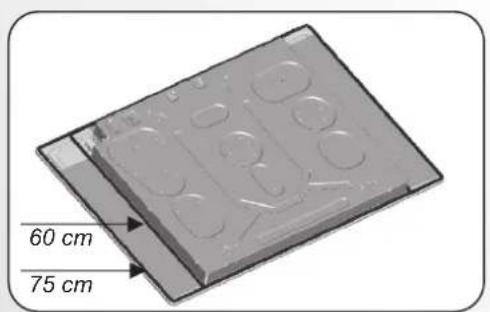
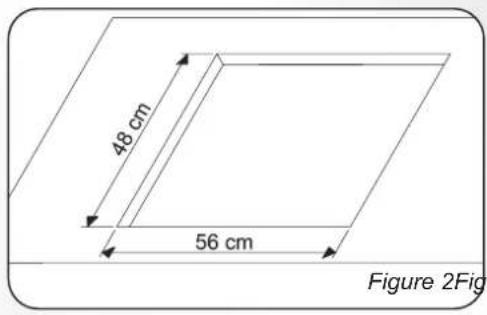
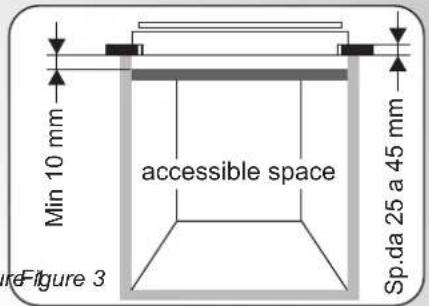
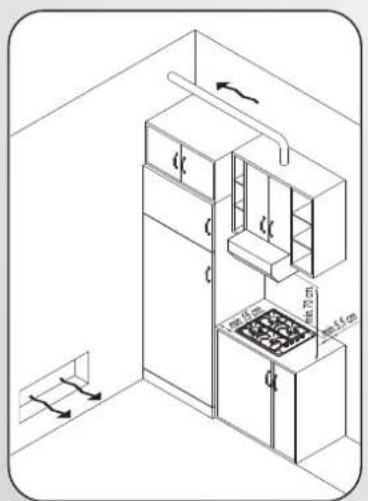
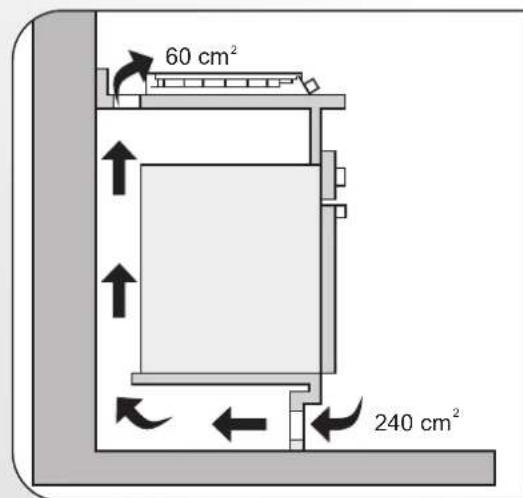
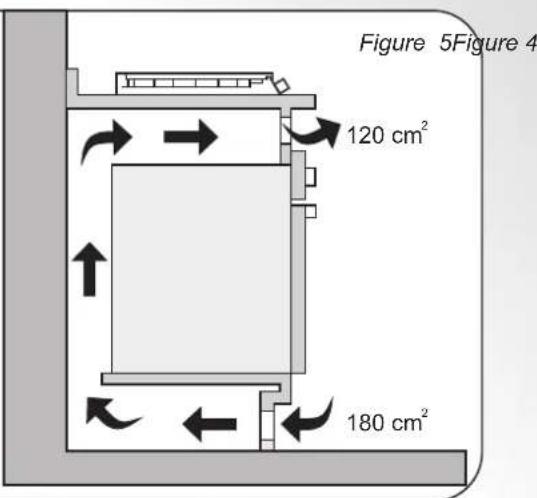
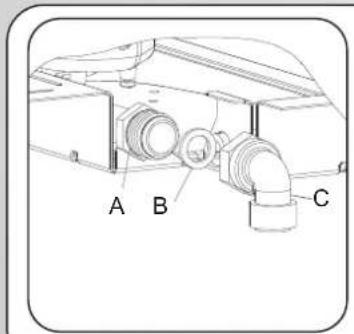
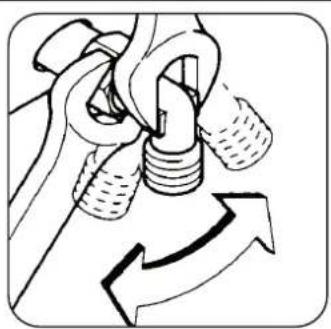
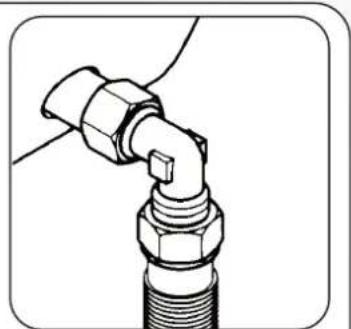
Figure 6
CONSEILS DE SECURITE
WARNING: The appliance and its accessible parts become hot during use. Care should be taken to avoid touching heating elements.
Children under 8 Year of age must be kept away from the appliance unless they are continuously supervised.
- This appliance can be used by children aged from 8 years and above and persons with reduced physical, sensory or mental capabilities or lack of experience and knowledge if they have been given supervision or instruction concerning use of the appliance in a safe way and understand the hazards involved.
Children must not play with the appliance.
- Cleaning and user maintenance shall not be made by children without supervision
WARNING: Unattended cooking on a hob with fat or oil can be dangerous and may result in fire.
- NEVER try to extinguish a fire with water, but switch off the appliance and then cover flame e.g. with a lid or a fire blanket.
WARNING: Danger of fire: do not store items on the cooking surfaces.
WARNING: If the surface is cracked, switch off the appliance to avoid the possibility of electric shock.
- Do not use a steam cleaner for cleaning operations.
- Any spillage should be removed from the lid before opening.
- The hob surface must be allowed to cool down before closing the lid.
- This appliance is not intended to be operated by means of an external timer or separate remote-control system.
- The means for disconnection must be incorporated in the fixed wiring in accordance with the wiring rules.
- The instructions state the type of cord to be used, taking into account the temperature of the rear surface of the appliance.
- If the supply cord is damaged, it must be replaced by a special cord or assembly available from the manufacturer or its service agent.
CAUTION: In order to avoid a hazard due to inadvertent resetting of the thermal cutout, this appliance must not be supplied through an external switching device, such as a timer, or connected to a circuit that is regularly switched on and off by the utility.
- This appliance must be installed in accordance with the regulations in force and only used in a well ventilated space. Read the instructions before installing or using this appliance.
- "These instructions are only valid if the country symbol appears on the appliance. If the symbol does not appear on the appliance, it is necessary to refer to the technical instructions which will provide the necessary instructions concerning modification of the appliance to the conditions of use of the country".
- "Prior to installation, ensure that the local distribution conditions (nature of the gas and gas pressure) and the adjustment of the appliance are compatible";
- "The adjustment conditions for this appliance are stated on the label (or data plate)";
- "This appliance is not connected to a combustion products evacuation device. It shall be installed and connected in accordance with current installation regulations. Particular attention shall be given to the relevant requirements regarding ventilation".
- The use of a gas cooking appliance results in the production of heat and moisture in the room in which it is installed. Ensure that the kitchen is well ventilated: keep natural ventilation holes open or install a mechanical ventilation device (mechanical extractor hood). Prolonged intensive use of the appliance may call for additional ventilation, for example opening of a window, or more effective ventilation, for example increasing the level of mechanical ventilation where present.
1. INSTRUCTIONS FOR THE INSTALLER
INSTALLING A DOMESTIC APPLIANCE CAN BE A COMPLICATED OPERATION WHICH IF NOT CARRIED OUT CORRECTLY, CAN SERIOUSLY AFFECT CONSUMER SAFETY. IT IS FOR THIS REASON THAT THE TASK SHOULD BE UNDERTAKEN BY A PROFESSIONALLY QUALIFIED PERSON WHO WILL CARRY IT OUT IN ACCORDANCE WITH THE TECHNICAL REGULATIONS IN FORCE. IN THE EVENT THAT THIS ADVICE IS Ignored AND THE INSTALLATION IS CARRIED OUT BY AN UNQUALIFIED PERSON, THE MANUFACTURER DECLINES ALL RESPONSIBILITY FOR ANY TECHNICAL FAILURE OF THE PRODUCT WHETHER OR NOT IT RESULTS IN DAMAGE TO GOODS OR INJURY TO INDIVIDUALS.
1.1 BUILDING IN
The hob may be installed in any worktop which is heat resistant to a temperature of 100^ , and has a thickness of 25-45 mm. The dimensions of the insert to be cut out of the worktop are in shown in Figure 2.
If the Hob is fitted next to a cabinet on either side, the distance between the Hob and the cabinet must be at least 15cm (see Figure 4); while the distance between the hob and the rear wall must be at least 5,5cm .
The distance between the hob and any other unit or appliance above it (e.g. An extractor hood) must be no less than 70~cm (Figure 4). When there is an accessible space between the built-in hob and the cavity below, a dividing wall made of insulating material should be inserted (wood or a similar material) (Figure 3).
Important - The diagram in figure 1 shows how the sealant should be applied.
The Hob unit is fitted by attaching the Fixing Clamps supplied, using the holes at the base of the unit.
If a hob of 60~cm is fitted above an oven which is not equipped with fan cooling system it is recommended that openings are created within the built in furniture to ensure correct air circulation. The size of these openings must be at least 300~cm^2 and placed as shown in Figure 5.
When a 75 cm hob is fitted over a built in oven, the latter must be fan cooled.
1.2. SUITABLE LOCATION
This appliance must be installed in accordance with the regulations in force and only used in a well ventilated space. Read the instructions before installing or using this appliance.
A gas-powered cooking appliance produces heat and humidity in the area in which it is installed. For this reason you should ensure good ventilation either by keeping all natural air passages open or by installing an extractor hood with an exhaust flue. Intensive and prolonged use of the appliance may require extra ventilation, such as the opening of a window or an increase in speed of the electric fan, if you have one.
If a hood can not be installed, an electric fan should be fitted to an outside wall or window to ensure that there is adequate ventilation. The electric fan should be able to carry out a complete change of air in the kitchen 3-5 times every hour. The installer should follow the relevant national standards.
2. ELECTRICAL CONNECTION (FOR U.K. ONLY)
Warning - this appliance must be earthed
This appliance is designed for domestic use only. Connection to the main supply must be made by a competent electrician, ensuring that all current regulations concerning such installations are observed.
The appliance must only be connected to a suitably rated spur point, a 3 pin 13 amp plug/rod is not suitable. A double pole switch must be provided and the circuit must have appropriate fuse protection. Further details of the power requirement of the individual product will be found in the users' instruction and on the appliance rating plate. In the case of built-in product you are advised, should you wish to use a longer cable than the one supplied, that a suitably rated heat resistant type must be used.
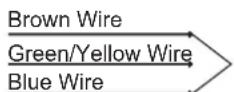
The wiring must be connected to the mains supply as follows:
CONNECT TO SPUR TERMINAL
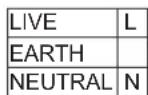
Green & Yellow Wire Earth Connection
Blue Wire Neutral Connection
Brown Wire Live Connection
Note: We do not advocate the use of earth leakage devices with electric cooking appliances installed to spur points because of the «nuisance tripping» which may occur. You are again reminded that the appliance must be correctly earthed, the manufacturer declines any responsibility for any event occurring as a result of incorrect electrical installation.
2.1. ELECTRICAL CONNECTION
Check the data on the rating plate, located on the outside of the unit, to ensure that the supply and input voltage are suitable.
Before connection, check the earthing system.
By Law, this appliance must be earthed. If this regulation is not complied with, the Manufacturer will not be responsible for any damage caused to persons or property. If a plug is not already attached, fit a plug appropriate to the load indicated on the rating plate. The earth wire is coloured yellow/green. The plug should always be accessible.
Where the Hob is connected direct to the electricity supply, a circuit breaker must be fitted.
If the power supply cord is damaged this is to be replaced by a qualified engineer so as to prevent any potential risk.
The earth wire (green and yellow coloured) must be at least 10mm longer than the live and neutral wires.
The section of the cable used must be of the correct size in relation to the absorbed power of the hob.
Please check rating plate for the power details and ensure that the power supply cord is of the type 3 × 0.75 ~mm^2 H05 V2V2-F.
Mains Supply
Power Cable
If an appliance is not fitted with a supply cord and a plug, or with other means for disconnection from the supply mains having a contact separation in all poles that provide full disconnection under overvoltage category III conditions, the instructions shall state that means for disconnection must be incorporated in the fixed wiring in accordance with the wiring rules.
When connecting the hob to the gas supply via use offlexible hoses please ensure that the maximum distance covered by the hose does not exceed 2 metres.
The flexible tube shall be fitted in such a way that it cannot come into contact with a moveable part of the housing unit (e.g. a drawer) and does not pass through any space where it may become crushed/ kinked or damaged in any way.
To prevent any potential damage to the hob please carry out the installation following this sequence (picture 6):
1)As illustrated, assemble parts in sequence:
A: 1/2 Male Adaptor Cylindrical
B:1/2 Seal
C: 1/2 Female Gas Adaptor Conical-Cylindrical or Cylindrical-Cylindrical
2) Tighten the joints with the spanner, remembering to twist the pipes into position.
3)Attach fitting C to mains gas supply using rigid copper pipe or flexible steel pipe.
IMPORTANT: carry out a final check for leaks on the pipe connections using a soapy solution. NEVER USE A FLAME. Also, make sure that the flexible pipe cannot come into contact with a moving part of the cabinet (eg.adrawer) and that it is not situated where it could be damaged.
Warning: If gas can be smelt in the vicinity of this appliance turn off the gas supply to the appliance and call the engineer directly. Do not search for a leak with a naked flame.
2.2. GAS CONNECTION
These instructions are for qualified personnel, installation of equipment must be in line with the relevant national standard. (For U.K. only: by law the gas installation\commissioning must be carried out by a "Gas Safe" installer)
All work must be carried out with the electricity supply disconnected.
The rating plate on the hob shows the type of gas with which it is designed to be used. Connection to the mains gas supply or gas cylinder should be carried out after having checked that it is regulated for the type of gas with which it will be supplied. If it is not correctly regulated see the instructions in the following paragraphs to change gas setting.
For liquid gas (cylinder gas) use pressure regulators which comply with the relevant national standards.
Use only pipes, washers and sealing washers which comply with the relevant national standards.
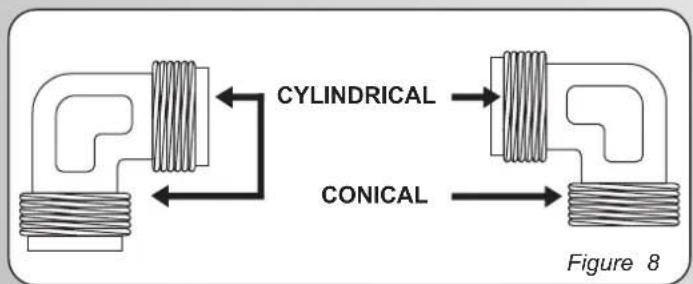
For some models a conic link is furnished to outfit for the installation in the countries where this type of link is obligatory; in picture 8 it is pointed out how to recognize the different types of links (CY = cylindrical, CO = conic). In every case the cylindrical part of the link has to be connected to the hob.
2.3. ADAPTING THE HOB TO DIFFERENT TYPES OF GAS
To adapt the Hob for use with different types of gas, carry out the following instructions:
- Remove the grids and burners
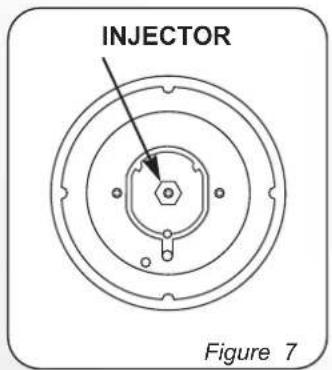
- Insert on hexagonal spanner (7 mm) into the burner support (Figure 7)
- Unscrew the injector and replace it with one suitable for the gas to be used (see gas type table)
2.4. REGULATING THE MINIMUM FLAME
After lighting the burners, turn the control knob to the minimum setting and then remove the knob (this can easily be removed by applying gentle pressure).
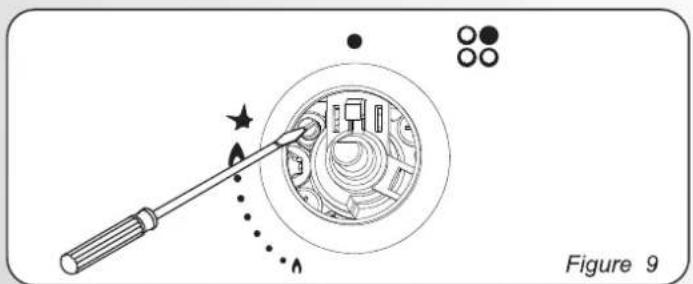
Using a small «Terminal» type screwdriver the regulating screw can be adjusted as in Figure 9. Turning the screw clockwise reduces the gas flow, whilst turning it anticlockwise increases the flow - Use this adjustment to obtain a flame of approximately 3 to 4mm in length and then replace the control knob.
When the gas supply available is LPG - the screw to set the idle flame must be turned (clockwise) to the end stop.
When you have carried out the new gas regulation, replace the old gas rating plate on your appliance with one (supplied with hob) suitable for the type of gas for which it has been regulated.
3. USE OF HOB - USER INSTRUCTIONS
This appliance must only be used for the purpose for which it is intended, domestic cooking, and any other use will be considered improper and could therefore be dangerous. The Manufacturer will not be responsible for any damage or loss resulting from improper use.
To ignite the burners, place a lighted taper close to the burner, press in and turn the control knob anti-clockwise.
If the burners have not been used for a couple of days, wait for a few seconds before lighting the burner, this will allow any air present in the pipes to escape.
For appliances fitted with electronic ignition carry out the following:
-
Push in and turn the knob anticlockwise to the ignition symbol.
-
Ignite the burner by pressing the sparker button.
For hobs fitted with automatic ignition simply push in and turn the knob to the ignition symbol.
The ignition system will continue to generate sparks as long as the control knob is being pressed.
If the burner has not ignited within 5 seconds, turn the knob to the 0 position and repeat the operation.
For models fitted with a safety tap (which cuts-off the flow of gas if the flame is accidentally extinguished) the burners are ignited and described above, but care must be taken.
Prior to switching on the gas hob ensure that the burners and burner caps are correctly placed within their position.
GENERAL ADVISE
For best results, use cooking vessels with a flat surface. The size of the surface should match the gas burner side as follows. Table A.
Table A
| Burner Type | Ø pan/pot (cm) | Power (kW) | G20/20 mbar (methane) | G30/28-30 mbar (LPG) |
| AUX Auxiliary | 12 - 18 | 1,00 | 95 l/h | 73 g/h |
| SR Semi Rapid | 18 - 24 | 1,75 | 167 l/h | 127 g/h |
| R Rapid | 24 - 26 | 2,50 | 238 l/h | 182 g/h |
| UR Ultra Rapid | 24 - 28 | 3,50 | 333 l/h | 255 g/h |
| QC Double Ring | 24 - 28 | 4,00 | 381 l/h | 291 g/h |
| DC 4.2 kW MONO | 24 - 28 | 4,2 | 399 l/h | 307 g/h |
| DC 4.2 kW DUAL | 24 - 28 | 4,2 | 399 l/h | 307 g/h |
| DC 5 kW DUAL | 24 - 28 | 5 | 475 l/h | 365 g/h |
For smaller containers the gas burner should be regulated so that the flame does not overlap the base of the pan. Vessels with a concave or convex base should not be used.
WARNING: If a flame is accidentally extinguished, turn the knob to the off position and do not attempt to re-ignite if for at least 1 minute.
If over the years the gas taps become stiff to turn it is necessary to lubricate them.
Such operation must be carried out only by qualified Service Engineers.
4. MAINTENANCE AND CLEANING
Before cleaning the hob, ensure the appliance has cooled down. Remove the plug from the socket or (if connected directly) switch off the electricity supply.
Cleaning and user maintenance shall not be made by children without supervision
Never use abrasives, corrosive detergents, bleaching agents or acids. Avoid any acid or alkaline substances (lemon, juice, vinegar etc.) on the enamelled, varnished or stainless steel sections.
When cleaning the enamelled, varnished or chrome sections, use warm soapy water or a non caustic detergent. For stainless steel use an appropriate cleaning solution.
The burners can be cleaned with soapy water. To restore their original shine, use a household stainless steel cleaner. After cleaning, dry the burners and replace.
It is important the Burners are replaced correctly.
Chromed grids and burners
Chromed grids and burners have a tendency to discolour with use. This does not jeopardize the functionality of the hob.
Our After Sales Service Centre can provide spare parts if required.
5. AFTERCARE
Before calling out a Service Engineer please check the following:
- that the plug is correctly inserted and fused;
- that the gas supply is not faulty.
If the fault cannot be detected: Switch off the appliance and call the After Service Centre. DO NOT TAMPER WITH THE APPLIANCE.
6. PROTECTION OF THE ENVIRONMENT
This appliance is marked according to the European directive 2012/19/EU on Waste Electrical and Electronic Equipment (WEEE). WEEE contains both polluting substances (which can cause negative consequences for the environment) and basic components (which can be re-used). It is important to have WEEE subjected to specific treatments, in order to remove and dispose properly all pollutants, and
recover and recycle all materials.
Individuals can play an important role in ensuring that WEEE does not become an environmental issue; it is essential to follow some basic rules:
-
WEEE shall not be treated as household waste.
-
WEEE shall be handed over to the relevant collection points managed by the municipality or by registered companies. In many countries, for large WEEE, home collection could be present.
-
When you buy a new appliance, the old one may be returned to the retailer who has to collect it free of charge on a one-to-one basis, as long as the equipment is of equivalent type and has the same functions as the supplied equipment.
Declaration of compliance: This equipment, in the parts intended to come into contact with food, complies with the regulations laid down in EEC directives 89/109.
The appliance complies with European Directive 2009/142/EC (GAD) and starting from 21/04/2018 with Gas Appliances Regulation 2016/426 (GAR).
By placing the CE mark on this product, we are confirming compliance to all relevant European safety, health and environmental requirements which are applicable in legislation for this product.
The Manufacturer will not be responsible for any inaccuracy resulting from printing or transcript errors contained in this brochure. We reserve the right to carry out modifications to products as required, including the interests of consumption, without prejudice to the characteristics relating to safety or function.
Table 1
| Burner | 1 | 1 | 2 | 3 | 2 | 1 | 2 | 3 |
| 4 gasQC/R/SR/AUX | 4 gasR/2SR/AUX | 5 gasQC/2R/SR/AUX | 4 gasQC/R/SR/AUX | 5 gasUR/2R/SR/AUX | 4 gasDC/R/SR/AUX | 5 gasDC/2R/SR/AUX | 4 gasDC/R/SR/AUX | |
| Type / reference | S67/HBGPL2X | S67/HBGPL2X | S67/HBGPL2X | S67/HBGPL2X | S67/HBGPL2X | S67/HBGPL2X | S67/HBGPL2X | S67/HBGPL2X |
| Flame failure device | YES | YES | YES | YES | YES | YES | YES | YES |
| Auxiliary burner ( AUX Ø 50 mm) | 1 | 1 | 1 | 1 | 1 | 1 | 1 | 1 |
| Double ring burner ( QC Ø 135 mm) | 1 | - | 1 | 1 | - | - | - | - |
| Ultra rapid burner ( UR Ø 110 mm) | - | - | - | - | 1 | - | - | - |
| Semirapid burner ( SR Ø 75 mm) | 1 | 2 | 1 | 1 | 1 | 1 | 1 | 1 |
| Rapid burner ( R Ø 100 mm) | 1 | 1 | 2 | 1 | 1 | 1 | 2 | 1 |
| DC MONO 4,2 kW (DCM Ø 140mm) | - | - | - | - | - | 1 | - | - |
| DC DUAL 4,2 kW (DCM Ø 140mm) | - | - | - | - | - | - | - | 1 |
| DC DUAL 5 kW (DCM Ø 140mm) | - | - | - | - | - | - | 1 | - |
| Installed Gas Type / Power: | ||||||||
| Power | 9.25 kW | 7.00 kW | 11.75 kW | 9.25 kW | 11.25 kW | 9.45 kW | 12.75 kW | 9.45 kW |
| G 20/20 mbar (methane) | 881 L/h | 666 L/h | 1119 L/h | 881 L/h | 1071 L/h | 399 L/h | 475 L/h | 399 L/h |
| G 30/28-30 mbar (LPG) | 673 g/h | 509 g/h | 854 g/h | 673 g/h | 818 g/h | 307 g/h 365 g/h | - | 307 g/h |
| Installation Class | 3 | 3 | 3 | 3 | 3 | 3 | 3 | 3 |
| Voltage / Frequency V / Hz | 220-240 V 50-60 Hz | 220-240 V 50-60 Hz | 220-240 V 50-60 Hz | 220-240 V 50-60 Hz | 220-240 V 50-60 Hz | 220-240 V 50-60 Hz | 220-240 V 50-60 Hz | 200-240 V 50-60 Hz |
| Electrical input power | 15 W | 15 W | 15 W | 15 W | 15 W | 15 W | 15 W | 15 W |
| Electric ignition | YES | YES | YES | YES | YES | YES | YES | YES |
| Product dimension | 595 x 510 | 595 x 510 | 745 x 510 | 745 x 510 | 745 x 510 | 595 x 510 | 754 x 510 | 754 x 510 |
This appliance has been designed for non-professional, i.e. domestic, use.
IPEyPExEHN: BbIOBOn 3neKtpnpn6Op n erO OTKpbItbIe qactN BO BpeMa pa60t bMoryT HArpeBaTbc DO BbICOKo TemnepaTypbl. Co6JIoudaIte octopoxHocTb, He DoTPaRnBaItecb Do HIX.
-Дети моложе 8 leт He Должны пиблжаьск KBытOBOMу пибору 6e3 noctонноги ha3opa.
-ДаHHbIM 6bITOBbIM 3JIeKTPoPnBOpOM MOryT NOJb3OBAtbcrAeTeH CTapWe 8 JET, a TAKKe JIOdN C HApUWeHHbIM Nm3nueckMm NnY mCTBeHHbIMn CnOCo6HOCTaMn NnC OTCyTCTBnEM HaJNeXaIeRo ONbITA B TOM CnUyae, ecn OHn HaxOJaTcR NaHabJIIODeHnE M n PpOnHCTpykTIpOBaHbI OTHCnTeJIbHO 6e3OnaCHOrO nCNoJb3OBAHnR 6bITOBOrO np6opa, a TaKKe, ecn OHn OCBeDomJeHbI O6 ImeIoUxCxra ONaCHOCTaX.
- He pa3pewaIte DeTm nIgpaTb c 6bITOBbIM npu6opom.
- YnCTka n 06cnyxuBaHne 6bITOBOro np6opa He doJXHbI BbINONHrTbcra DeTbMn 6e3 HaD3opa B3POCJIbIX.
IPEyPExEHN: PnroTOBHeHne NsHa BapOCHNo NOBepXHOCTN C nCNOJb3OBaHem Knpa NIM Macna 6e3 HaJIeKaUero pncMOrpa MOKeT 6bITb ONaChbIM M MoKeT npNBecTN K NoKApY.
HNIKOIIA He nbTaIteCb noracntb INaamr BDOiB. BbIKIOHTe 6bITOBoN 3JIeKTPonpnpOp, NHaKpoTEnIaMn KpbIshkoN, INI ORHeCTOKN TKAHbIO.
ПЕДУПЕЖDEHNE:ОпасноctьВОЗгораня:HeИСПONьЗуЛТeВарочню NOВерхнocтьДЯХpaан�няHa HeNпpeДмETOB.
PPEyPExEHN: B cnyae noBHeHn Ha BapOCHn NOBepXHOCTn TpeuHb BBIKIOHTe 6bTOBO np6Op, yTo6bl pEoTbpaNTb nopaxeHne 3JNEKtpueckm TOKOM.
He noIb3yIteScB dJIa YnCTKn naporehepaTopoM.
- nepeД 3aKpbIbAHnEM KpbIuKn DaIte BapOuHoi NOBepXHOCTN OCTbIHyTb.
- 6bITOBON 3NEKTPoPn6Op He npeHa3HaueH dIy ynpaBHeHrC NOMOuB O BHeUHrTo TaMepa IINOTDeJIbHOcNCTeMbI DnCTaHcUHOrO ynpaBHeHr.
- ΘЯЕТРИЧЕСКОЕ NOДКЛЮЧЕНЕ 6ыITOBОйпИБОа ДOLЖHO 6ыITь BBINOLHEО C ИСПОЛБ3OBAHнEM pa3beДиHITeNBHorO yCTpoIcTBA B COOTBETCTBUN C DeIcTBYIOUIMN ПpaBnIaMn I HopMaMn 3JIeKTPo6e3OJNaCHOCTN.
B INHCTpyKUnn DoJKeH 6bITb yKa3aH TIN 3JIeKTPoWHypa. PpN 3TOM DoJXHa yUHTbIBaTBcR TemnepaTypa 3aDHe n CTeHKn 3JIeKTPoPn6opa.
B cnuyae noBpeKdeneHn shHpya nHTaHn OH doJnxH 6bItb 3aMeHc CneuaNBbIM hHypom nHTaHn, KOtOpbl MOxH0 npNo6pctn y npOn3BOuTeIe IIN y aReHTa NO Texo6cnyKuBaHNO.
BHIMAHHE: UTo6bI N36eKaTb ONaCHoCTN, CB83aHHo CO CnUyauHbIM CbPOcOM yCTPOiCTBa TeINIOBOI 3aunTbI, DaHHbI 6bITOB0J 3JIeKTPoPnp6Op He DoJXeH 3aINTbIBaTbcra YpeE3 HApXHbIE NepeKIIuOuaIue yCTPOiCTBA, HAnpImep, TaMep, ININ DpyrOe yCTPOiCTBO, KOTOPoe peRyIarPHO BKIIouaET N BbIKIQUaET 3JIeKTPoPnp6Op.
"DaHHbI 6bITOBoI np6Op DoJxHcY cTaHaBnBaTbcra B COOTBeTCTBn C DeiCTByUOUMN IpabNJaMn, I TOJIbKO B XopoIo npOBeTpnaEmbIX NOMEueHnx. NepeD yCTaHOBko IIN NcNoJIb3OBAHNem 6bITOBOrO np6Opap npOHTnte HNCTpyKciu".
- "Данная ИНстукши PMeET CINIу TOJIbKO B TOM CInIyae, ecn Ha 6bITOBOM pIpIbope IMeETcR CIMBOJ CTpaHbI. Ecn TAKORO CINMO HeT, To Heo6xOIMMo O6paTntbcr K TeXHnueckOMy ONIcaHIO, B KOTOPOM COdepKataC HEO6xOIMMbIe INHSTpyKUIN OTHOCHTJIbHO MoINΦNkAciN PpIbOpa B COOTBETCTBUN C YcNoBnMm 3KcNlPyatauIN B DaHHO CTpaHe."
"peed BbIOJIHeHnem yCTaHOBKn npOBepbTe, YTO MeCTbIe ycIOBnpaCnpedeHnra (TIN ra3a n daJIeHne ra3a) n peryIupOBKn np6opa coBmecTmbl dpyr c dpYROM";
"ycnoBnpeynpOBOKIg DaHHoro 6bITOBOr np6opa yka3aHbHa npIbke (INB nacnOpTHo Ta6Jnue);
- "Даньий 6ыTOВОй пибор He NOДcoeДИнг K BbITJxKpe npOdyKTOB cropan. OH DoJxHEN 6bITb yCTaHOBJIEN I NOДКЛIOUeH B COOTBeTcTBn C DeIcTByHQUmN IpabNJAMN NOДКЛIOUeHn. Heo6xoJIMO 6bpATNTb OCO6OE BHMAmHne Ha Tpe6OBaHn OTHOCHTeJIbHo BeHTINJauN".
"3KcNlhyataa ngra30BOn nIITb cOpBOXdaeTcB bIdeHnem TeIIa N BlaRn B KOMHaTe, rDe yCTaHOBHeHa nIITa. Y6eINTecb B TOM, qTO kUxHr XOPOWBeHTUNPyeTc: OTBepCTNa eCTeCTBeHHoB BeHTINJzHN He DOJXHb 6bITb 3aIropoxeHbI, INN yCTaHOBNTe MExAHnueCKoe BEHTINJzIOHHOy CToPcBO (BbITkKa). Pp npOdoJXtJIbHOM n HHTECNBOM NCNoIb3OBaHn Neu MoKet NOTpe6oBaTbcdONOHtJeBHaB eHTINJzHN, HAnpIMep OTKpbIBaHne OKHa, INN BoJee aΦΦeKTINBHaB BeHTINJzHN, HAnpIMep, YBeJInuHHe pOn3BOJnteJIbHOCTN BbITJxKn (ecnn OHa nCNoJIb3yETcR).
1. INHCTPYKUNI NO BbINOJIHEHNIO YCTAHOBKN
YCTAHOBKA BBITOBOI TEXHKNI ABJRETCA CNOXHOI PABOTOI, HENPABUNBHOE BBIIOJIHEHNE KOTOPOIMoKET OTPNUATENBHO CKA3AtbCRA HA BE3ONACHOCTINONb3OBATEJI. NO 3TOI PNUHNE YCTAHOBKA BBITOBI TEXHKNI DOJHXBA BIIIOJHRTcBBAICOKOBALNPHUPOBAHHbIMN CIEUHNICTAMN, KOTOPBIE BBIIOJHRT YCTAHOBKY C COBJIOJEHMEM BCEX DEICTBYIOUX INPABNJ I HOPM. B TOM CNYAe, ECNI 3TO INPEIOCTEPEXEHNE BUDT INPOIHOPNBOAHO, N UCTAHOBKA BYDTE BIIIOJIHEHA JINOM, HE IMEIQUHIM DOCTATOHOR KBALINKACUN, INPOIN3BOIDNTJIb HE BUDT INPNHMATb HUKAKNX IPETEH3N OTHOCHTENBLHO BIXOJA OBOPUYOBAHN I3 CTPOR I HAHECEHHOR INPN 3TOM UYCEPB6A IMYUCTBY NIN 3DOPOBBIOJILODEI.
1.1.BCTPANBAEMbIE BAPOUHbIE NOBEPXHOCTN
Bapouhna NOBepxHocb MoKet yCTaHaBnBaTcRa Ha IIO6o pa6OeH NOBepxHoctn KXOHHO CTOnA, KOtOpaa BbIepKNaBaET HarpeB do TemnepaTpyb 100°C, HMeet tonuHy ot 25 do 40 MM. Pa3MpeBt OTBepctN, KOTopoe DoJNkHO 6bItb BbIpe3aHo B pa6OeH NOBepxHoctn KXOHHO CTOnA, NOKa3AHi Ha PNC.2.
EcIn BapouHn NOBepxHOCTb yTaHaBnBaETc TaK, YTo no 06e ee cTOpOHbI paCOnonarAOCTc uKaΦbl, To paccToHHe MEXy BapOHO nOBepxHOCTb H uKaΦom DonXHo 6bItb He MeHbIe 15 cm (cm. pnc.4), a pacctoHnmeMxDy BapOHO N OBePxHOCTb H n paCnIOKeHHo C3aHn CTeHOJ DOnXHOb 6bItb He MeHbIe 5,5 cm.
PacToHHe MeKdy BapOCHNoBepXHOCTbU N dpyTMM3eKTPoPn6OpOM (HaPmEpe, BbyTJxHO KoNpAK) DOJXHO 6bTb He MeHbIe 70 cm (CM. pnc. 4).
Ecnno Bapouho NobepxHocTbU HmeeTc CBOOHOe NpocTpaHCTBO,TO NOB BAPOUHO NOBEPXHOCTbO HYKHO UCTaHOUBTb PaaDEINTEbHYo naHENb, n3rOBoHNHyu n3 TENNON30NAUHOHOro MaTePnAna (HaNPmep, n3 DepeBa) (CM. pnc. 3).
BaxnHa HOpmaun Ha pnc. 1 noka3aHo, KaH aHocntc repmetnk Bapouha NOBepxHOCTb KpennrTcN C NOMOuBo OKNCIPyOuHX 3aXIMOB, KOtpe BCTaONIOCTCB O TBePcTn, paCNOJIOKeHHbHe Ha OCHOBAHIN Bapouho NOBepxHOCTN.
EcHn Bapouhna NoBepxHocb 60 cm yctHaabnBaetc Hnd dyXOBKO, B KOTOpH NcCTmbl OXNAckDEHnC B EHTNATOPOM, TO BO BCTpanBaEMo MeBenn peKOMeHdyTeC cEnaTb OTBepCTnD nObeCneHn HOpMaHbHn Unpkynnu Bo3dyxa.
IIOUaIb 3Tnx OTBepCTn D0JIKHa 6bITb He MeHbSe 300 cm2 n 3TN OTBepCTn DOJXHbI paONarTaBCr TaK, KaK NOKa3aHO Ha PNC.5.
EcnB Bapouhna NoBepxHocb7 5cM KpeNTcHa dIyXOBKo,TO B dyXOBKe DOnkha 6bTb CnCTema OxnaJeHnC BeHTnTApOM.
1.2.BbIbOP MECTAДЛЯ YCTAHOBKNBAPOUHON IOBEPXHOCTN
DAnHbI 6bTobO npBOp DoJKeH yCTaHbNBAtbcra B COOTBeTcBm DnEChByUOuMnnpABnAMn, H ToLbKO B XopoIo NpOBeTpBaEmbIX NOMeHnx. Ppeq yctahOBKo NnN nCnONb3ObaHMe BbTOBOr npBOpApOvTNTe INCHyKuHIO.
B MecTax, rIe yCtAHOBnEhbl Ra3OBeIbI, BbIeJIeTcRA TENIO N Blara.
POTOMy BbIooKhbI OObceNeHTb XopoOlyu BEHTNIAHIO B NOMeJeHHN
II6o C NOMOBoU OTBepCTNI DcETcBEHHO BEHTNIAUIM, NIOoC
NOMOUBIO 3NEKTPNueckOBI BBTJAKN. PnI INTEHCNBHO I
INPODOKNTeJIbHOH 3KcNpyaTaUNI NITb MOKeT NOtpeBOBaTCB
DOONHNTeJIbHaB BeHTNJLAUIA, ObcneHNAeMaH, HAnpIMep, C NOMOUBIO
OTKpbIBAHN OKHA, I nPoBeTpNaBHn NOMeEHN IIN C NOMOUBIO
YBEJIuHHeNH CKOPoCTN BpaUeHN 3NEKTPNueCKOBO BEHTNJTAOpA CNTeMbI
PnHyDNTeJIbHOB BEHTNJUAIM (ECN OH YCTAHOBNEH).
ECNI HET BO3MOXHOCTN yCTAHOBINT BByTJXHON KOJINaK, TO B CTeHe NINB OKOHNOM IPOeME HYKHO YCTAHOBINT 3NEKTPUWeCKNI BTRXHOB BEHTNJATOP. BByTJXHOH BEHTNJATOP DOJNXEHN MOTb MOUHOCt, DOCTaTOUYHO DnTORO, 4TO6BI BO3DxY B KXYHE NOHOCtBO 3aMeHNrC 3-5 pa3 B vac. YcTAHOBAk DOJNXA BblNOHnTBCB COOTBECTBm C TpeBOHaHm HAIOHAbHBx INpABUN HOpM.
2. NOДКПIOUЧЕНЕ K ЗЛЕKTPOCETN (TOJIbKO ДЯВЕЛКОБРТAHИ)
BHHMaHHe DaHHb3JKeKtponp6Op DoJXeH 6bItb 3a3EmnE
DaHHb3JKeKtponp6Op npedHa3Hauey ToIbKO dIbTOBbIX
npimmeHm. IOnkIOuOHe K 3JIeKtpocetN DOJXHO BblONHbC8
TOnbKO ObnTHbIM 3JIeKTPNKOM C CObIOHeHem BCEx DeIcTBIOUx
PnBUN HOPM 3JIeKtpo63OanachOCTN.
DaHHb3JKeKtponp6Op DoJXeH NOKIOUaTcB K OTBeTBNeHIO
3JIeKTPocETN C DOCTaTOUHO Harpy3OCHNO CNOC6HOCTbO. 3-
WtbpkOBa Bnka/po3eTKa Ha 13 A He NoDxOHT DnA daHHoro
NoKIOHeH.N.B NHHN 3JIeKTPoNTAHNA DOJXeH 6bItb YCTAHOBEN
DBYXONIOCHB BlkIOVAteNb, u cEB NOxHA 6bITb 3aunueHa C
NOMOsbIO NnABKO rpeDOxPAHNTeR CoOTBcTByIOUero HOMHAnA.
Boene NOpO6BaHr NHOpMAuN OTHOCINTeBO Tpe6OBaHNI,
PpeDbRAIBeMH K 3JIeKTPoNTAHNO DnA KOHKPETHOHO nDEJeHN,
PpeCTabJIeBA B INCTpyKUnn IO 3KCNlNyatauN B nACNOPTHOI
TabNIueke, 3AKpenNEHHO HA nDEJeN.Ecnn DNnHa KaBEn nTAtHn,
NOCTABLREMO B KomNKeTe C BApouHO NOBEPXHOCTbO, ABnIETCR
HeoCTaTOHOr, TO cNeyET nCnONb3OBaTb Boone DNnHHBI
TeNIOCTKKn KaBEn nTAtHn C DOCTaTOH OH Harpy3OCHOH
cnOC6HOCTbO. POKnIOUeHne K 3JIeKTPocetN DOJXHO 6bITb BblONHHeO
CneDyUOUM 06pa3OM:
NODCOEINHITE
3eJIeHO-JeIbI npoBOd CnHn npoBOd KopuHeBb npoBOd
K KJIEMME OTBDA 3JEKTPOCETN
3emnHeItpnbФa3a
PnmeaHHe NoKIOuayTe BApOHyo NOBExHOCTb Yepe3 YcTpoIcTB OOBAPyEHNY TcKa H3eMnIO, TaK KaK 3TO MOKeT npBecN K"NOKbIM OTKIOHcEHNm. Ee pa3 HAnOMnHaem, yTo 3NeKTponpnpOp DoNKeH 6bTb NpaBnIbHo 3a3EmnH, nTO npOn3BOJNTeH He npINHMaeT HkAaX NpeTeH3B C cyuae NOBpXeHn HecuaCTbIX CnyaE, BO3HKUx B pe3yIbTaH HenpaBnIbHoro NOKIOUeHn 3NeKTponpnpOpopa K3NeKTPOCeTN.
2.1. NOДКЛIOUЧЕНЕ K 3JIΕΚΤΡОСЕТИ
PpOBepe TaHHe, npBedeHHbE B nacnOpTHo TabnWKe, 3aKpeIeHHo CHApyHn Ha BApOH NOBepXHOCTN, Dnra TOrO, YTo6bl yEdtbc B TOM, 3TO BXDoHoe HaprrxHe H BApOH NoBepXHOCTN COOTBeTCTByET HaprrxHeHIO 3NeKtpocEtN.
Ipeep nookluoyehnem Bapouho NOBepxHOCTN K 3neKtpocTe npOBepbTe CNTeMy 3a3eMNEHn.
DaHbI 3NeKtpoPn6Op 063aTeBHO DoJXeH 6bIT 3a3EmHe. B Cnyae HecO6NIODeHn 3TOF Tpe6OBaHNn PpOn3BOIDNTeB ChIMaeT c6eOTBeCTBeHHOCTb 3a HaHeceHne BpeDa 3DOPOBbIO JIODeE n NOBpeXeHn IMUyCECTBa. EcNi K Ka6EnIO NtAHnE He NoCoeDInHeHa BNJIka, NOcOeDNHTE K Ka6EnIO NtAHnE BNIKY, HarpY3OuHAR cNoC6OHOCTb KOToPOI COOTBECTCYEYT YkA3AHNO B NaCnOPTHo TabNIue. IPOBOD 3a3eMNEHn IMeET XeNTo-3eNEHb UBeT. K 3NeKtpuYeckO pOstEke DoJXeH Bcerda ObecneuBaTcBc Cbo6OHDhIOCTyn.
EcHn BapouHaH NOBepXHocTb NOkKnIOyaeTc K 3NeKtpocTeHnApmyo, To DOnJKeH 6bIb yCTaHOBHe ABOMaTHueckm BbIKIOaTeHb.
IpypeoTbpaueHnOnachocTeaMeHa NobpeKdEHHorO Ka6enr IITAHNDOJXHA BbIOJIHrTBcR ToJbKO KBaINHmUPOBaHHbIM CNEILNAHCTOM.
PpOoD 3a3eMneHn (XeITo-3eIeHbI) DOnKHeN 6bItb npi6n3nteHbHO Ha 10 MM dInnHHee npoBOOB pa3bl HeITpaII.
Ceyehne npoBOnHKOB KabeI NHTAHNIOJXHO COOTBETCTByeT MOUHOCTN,NOTpeBJeMOBAPOCHNO NOBEPXHOCTbIO.
PpOBeBpTe 3Ha4eHHe MoUHcTn, Notpe5bIeMoI 3JKeKTpponpOpom, yka3aHHe B nacnpTOH TO6uKHe, a TaKne npOBeBpE, TcO cNoNb3yeTc KaBEn NITAHNA Tuna 3x0.75 mm2 H05 V2V2-F.
HINHAN 3NEKTPONHTAHN
The manufacturer will not be responsible for any inaccuracy resulting from printing or transcript errors contained in this brochure. We reserve the right to carry out modifications to products as required, including the interests of con sumption, without prejudice to the characteri stics relating to safety or function.
RU
PpO3BODHTeH He Hecet OTBeTCTBHeHOCTn 3a OEnaTKn HToCHoCTN, KOTOpbIe MOrY BCTpeNTbCBA DAHHo INHCTpyKun. MbI OCTaJIaEM 3a CO60I npABO BHOCNTb I3MeHENB B KOHCTpyKUN BO BYNcKaembIX HAMN I3dEIN C cEbnO ynyuHnRA KaecTBa BblNyckaemn IpOyKUn. PnI 3OM OCHOHbIe cyHKUIN3dEINr Iero 6e3Onachocb 6dyT OCTaBaTbC HEN3MeHHbIMN.
- BAPOUHbIE NOBEPXHOCTN
- CONTENU
- FR
- CODEPKAHNE
- RU
- CONSEILS DE SECURITE
- INSTRUCTIONS FOR THE INSTALLER
- BUILDING IN
- SUITABLE LOCATION
- ELECTRICAL CONNECTION (FOR U.K. ONLY)
- Warning - this appliance must be earthed
- CONNECT TO SPUR TERMINAL
- ELECTRICAL CONNECTION
- GAS CONNECTION
- ADAPTING THE HOB TO DIFFERENT TYPES OF GAS
- REGULATING THE MINIMUM FLAME
- USE OF HOB - USER INSTRUCTIONS
- GENERAL ADVISE
- MAINTENANCE AND CLEANING
- Chromed grids and burners
- AFTERCARE
- PROTECTION OF THE ENVIRONMENT
- INHCTPYKUNI NO BbINOJIHEHNIO YCTAHOBKN
- 1.1.BCTPANBAEMbIE BAPOUHbIE NOBEPXHOCTN
- 1.2.BbIbOP MECTAДЛЯ YCTAHOBKNBAPOUHON IOBEPXHOCTN
- NOДКПIOUЧЕНЕ K ЗЛЕKTPOCETN (TOJIbKO ДЯВЕЛКОБРТAHИ)
- NODCOEINHITE
- K KJIEMME OTBDA 3JEKTPOCETN
- NOДКЛIOUЧЕНЕ K 3JIΕΚΤΡОСЕТИ
Brand : ROSIERES
Model : RTG 75 WFB PN
Category : Cooker