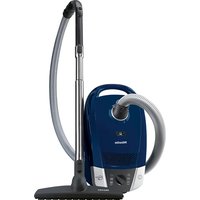
Dynamic U1 Allergy - Vacuum without a bag MIELE - Free user manual and instructions
Find the device manual for free Dynamic U1 Allergy MIELE in PDF.


| Product type | Canister vacuum cleaner with bag |
| Brand | Miele |
| Model | Dynamic U1 Allergy |
| Power supply | Mains 220‑240 V, 50 Hz, fuse 10 A or 16 A |
| Suction power | Adjustable via rotary selector or +/‑ buttons |
| Filtration system | Triple: dust bag, motor filter, and exhaust filter (AirClean, Active AirClean 30, or HEPA AirClean 30) |
| Bag type | Miele Original dust bag type U, with green support plate |
| Cable length | Approximately 10 meters |
| Weight | Approximately 6 kg |
| Main functions | Cord winding/unwinding, release pedal, automatic power brush stop in upright position, front light, bag replacement gauge, filter saturation indicator with Reset button, automatic power selector (depending on model) |
| Included accessories | Power brush, upholstery nozzle, crevice tool 300 mm, natural bristle furniture brush, telescopic tube |
| Safety | Motor thermal protection, power brush lock safety, automatic shutdown in case of overload |
| Maintenance | Regular replacement of bag, motor filter, and exhaust filter; cleaning the hose via service flap; removal of threads/hair from power brush |
| Warranty | 24 months (according to sales conditions) |
| After-sales service | Contact Miele after-sales service (09 74 50 1000) or the dealer |
| Country of manufacture | Germany (estimated) |
Frequently Asked Questions - Dynamic U1 Allergy MIELE
User questions about Dynamic U1 Allergy MIELE
0 question about this device. Answer the ones you know or ask your own.
Ask a new question about this device
Download the instructions for your Vacuum without a bag in PDF format for free! Find your manual Dynamic U1 Allergy - MIELE and take your electronic device back in hand. On this page are published all the documents necessary for the use of your device. Dynamic U1 Allergy by MIELE.
USER MANUAL Dynamic U1 Allergy MIELE
natural_image
Illustration of a car seat with mesh grille and handle, resting on textured floor (no text or symbols)en Vacuum cleaner operating instructions
natural_image
Symbol of a trash bin crossed with two crossed lines and a blank rectangular base (no text or labels)Warning and Safety instructions 27
Guide to the appliance 32
Caring for our environment 35
Preparing for use 36
Use 36
Unwind the mains cable 36
Winding up the mains cable 36
Mains cable whilst vacuuming. 36
To release the vacuum cleaner 37
To switch on and off....37
To regulate the suction power 37
Vacuuming using the suction hose 38
Vacuuming using the telescopic tube 38
Using the Electrobrush 39
Recommended use 39
Switching the Electrobrush on and off. 39
How to use the Electrobrush 39
Using the accessories supplied 39
Maintenance 40
Purchasing new dustbags and filters 40
Ordering the correct dustbags and filters 40
When to change the dustbag 40
How to replace the dustbag 41
When to change the dust compartment filter (motor protection). 42
How to change the dust compartment filter 42
When to replace the exhaust filter 42
How to replace the AirClean filter 42
How to replace an Active AirClean 30 filter or a HEPA AirClean 30 filter ..... 43
Replacing one type of exhaust filter with another . . . . . . . . . . . . . . . . . . . . . . . . . . . . 43
Maintenance indicator with reset button 43
How to remove threads and hair from the Electrobrush 44
Cleaning and care 44
Problem solving guide 45
After sales service 45
Guarantee 46
Optional accessories....46
Electrical connection for the UK 47
This vacuum cleaner complies with statutory safety requirements. Improper use can, however, lead to personal injury and damage to property.
To avoid the risk of accidents and damage to the vacuum cleaner, please read these instructions carefully before using it for the first time. They contain important information on its safety, operation and maintenance.
Keep these instructions in a safe place and ensure that new users are familiar with the content. Pass them on to any future owner.
Always disconnect the vacuum cleaner from the mains supply when you have finished using it, before changing over accessories, as well as for maintenance work and cleaning. Switch the vacuum cleaner off at the wall socket and unplug it.
Correct application
This vacuum cleaner is intended for cleaning flooring in domestic households and similar residential environments.
This vacuum cleaner is intended for daily cleaning of carpets, rugs an be used for all normal cleaning of carpets and rugs.
This vacuum cleaner is not intended for outdoor use.
The vacuum cleaner must only be used to vacuum dry floor surfaces. Do not use on people and animals. Any other usage, modification or alteration is not supported by the manufacturer and could be dangerous.
This vacuum cleaner can only be used by people with reduced physical, sensory or mental capabilities, or lack of experience or knowledge, if they are supervised whilst using it or have been shown how to use it in a safe way and understand and recognise the consequences of incorrect operation.
Safety with children
Children under 8 years of age must be kept away from the vacuum cleaner unless they are constantly supervised.
Children 8 years and older may only use the vacuum cleaner unsupervised if they have been shown how to use it safely and recognise and understand the consequences of incorrect operation.
Children must not be allowed to clean or maintain the vacuum cleaner unsupervised.
▶ Please supervise children in the vicinity of the vacuum cleaner and do not let them play with it.
Technical safety
Before using the vacuum cleaner and its accessories, check for any visible signs of damage. Do not use a damaged appliance.
▶ Ensure that the connection data on the data plate of the vacuum cleaner (voltage and frequency) match the mains electricity supply exactly.
The mains electrical plug must be fitted with a 13 A fuse (UK).
While the vacuum cleaner is under guarantee, repairs should only be undertaken by a Miele authorised service technician. Otherwise the guarantee will be invalidated.
▶ Do not pull or carry the vacuum cleaner by the cable, and be careful not to damage the cable when withdrawing the plug from the socket.
Keep the cable away from sharp edges and do not let it get squashed, for example, under a door.
Avoid running the vacuum cleaner over the cable. This could damage the cable, plug or socket.
The appliance must not be used if any of these have suffered damage.
Do not use the vacuum cleaner if the cable is damaged. If the cable is damaged the complete cable unit must be replaced. For safety reasons this work must be done by the Miele Service Department or a Miele authorised service technician.
▶ Do not let the vacuum cleaner get wet. Clean only with a dry cloth or slightly damp cloth when disconnected from the mains supply.
▶ Repairs should only be carried out by a Miele authorised service technician. Repairs and other work by unqualified persons can cause considerable danger to users.
Correct use
▶ Never touch the roller brush while it is rotating.
Do not use the Electrobrush at head level.
▶ Do not use the suction hose or the telescopic hose at head level to avoid the risk of injury, e.g. to eyes and ears.
▶ To avoid the risk of damage, do not use the vacuum cleaner without the dustbag, dust compartment filter and exhaust filter in place.
The dust compartment cover will not close without a dustbag fitted. Do not force it.
Do not use the vacuum cleaner to vacuum up any water, liquid or damp dirt. Wait until any freshly cleaned or shampooed rugs or carpets are completely dry before attempting to vacuum.
▶ Do not use the vacuum cleaner to vacuum toner dust. Toner, such as that used in printers and photocopiers, can conduct electricity.
▶ Do not vacuum up any inflammable or combustible liquids or gases and do not vacuum in areas where such substances are stored.
Do not vacuum up anything which has been burning or is still glowing e.g. cigarettes, ashes or coal, whether glowing or apparently extinguished.
Accessories
It is not advisable to vacuum directly with the suction hose handle, i.e. without an accessory attached as the rim could get damaged and you could hurt yourself on sharp edges.
▶ Only use genuine dustbags, filters and accessories with the "Original Miele" logo on them. Otherwise the manufacturer cannot guarantee the safety of the product.
Miele cannot be held liable for damage caused by incorrect use or operation or by non-compliance with these Warning and Safety instructions.
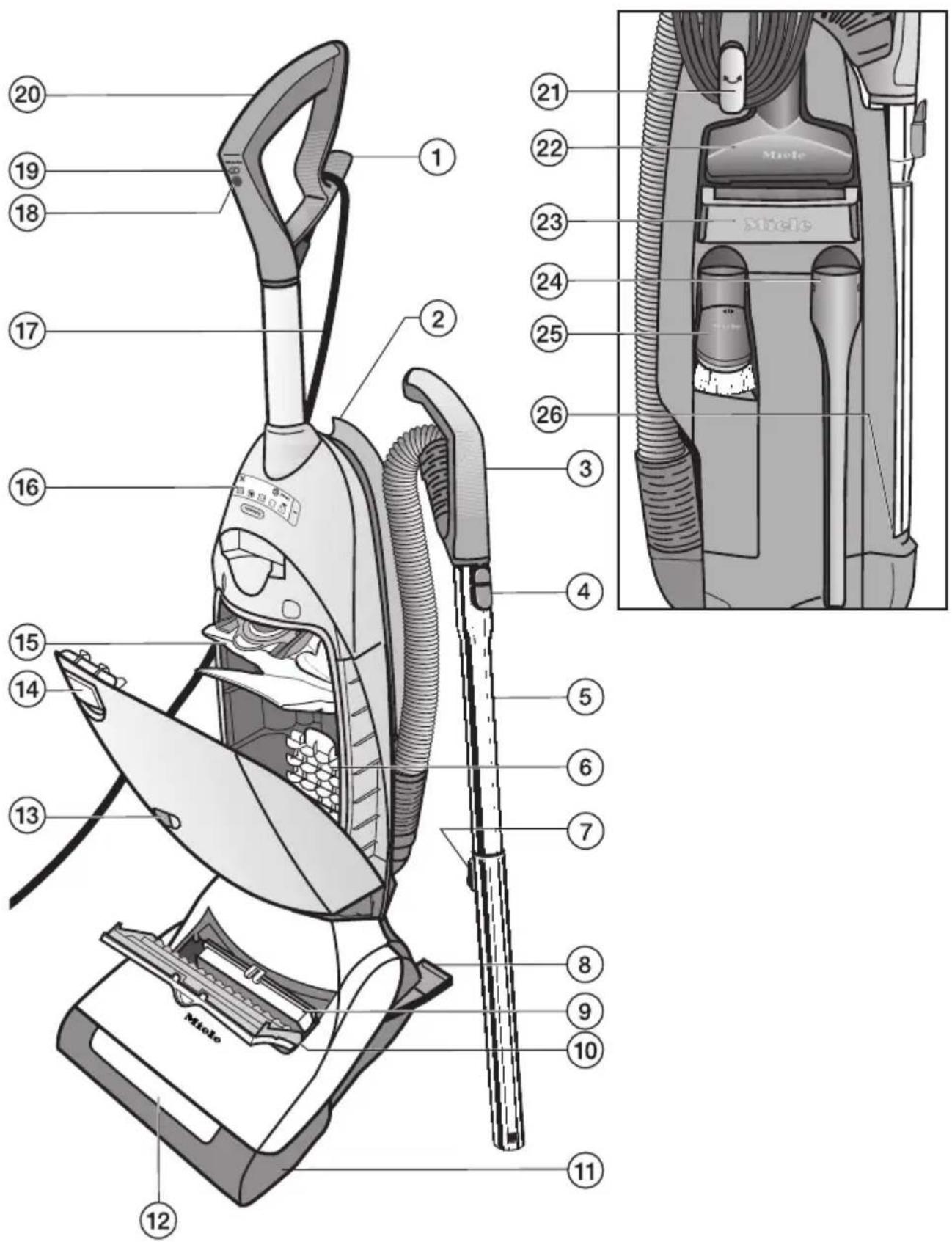
The illustration shows the maximum number of features available.
① Upper cable hook for mains cable
② Suction hose holder
③ Suction hose with handle
④ Release button
⑤ Telescopic tube
⑥ Dust compartment filter (for motor protection)
⑦ Telescopic tube release button
⑧ Vacuum cleaner foot release
⑨ Exhaust filter *
⑩ Exhaust filter compartment
⑪ Electrobrush
⑫ Light *
⑬ Dustbag change indicator
⑭ Dust compartment release catch
⑮ Dustbag
⑯ Control unit (see next page) *
⑰ Mains cable
⑱ Electrobrush On / Off button (Carpet / Floor)
⑲ On / Off button (On / Off)
⑳ Handle
Features marked * depend on model and may vary or not be available on your vacuum cleaner.
At the rear
②1 Lower swivel hook for mains cable
⑳ Upholstery nozzle
②3 Carrying handle
⑳ Crevice nozzle
⑳ Dusting brush with natural bristles
⑳ Telescopic tube holder
en - Guide to the appliance
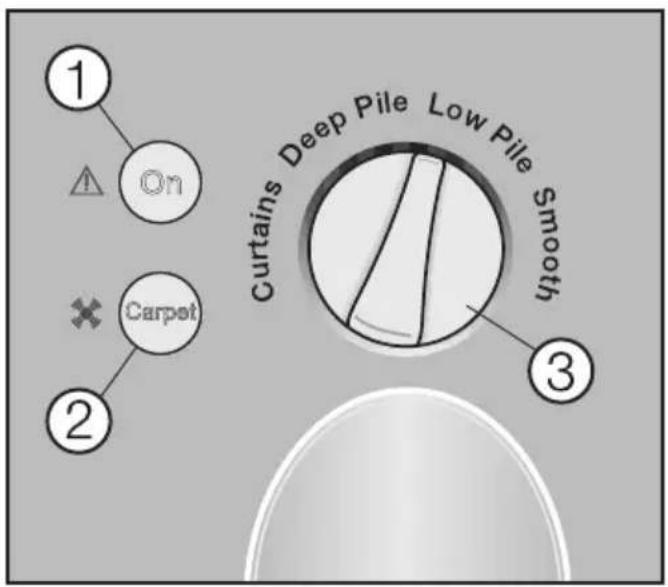
Depending on model, your vacuum will be fitted as standard with one of the following control units.
① Vacuum cleaner in-operation indicator light
② Electrobrush in-operation indicator light
③ Rotary suction power selector
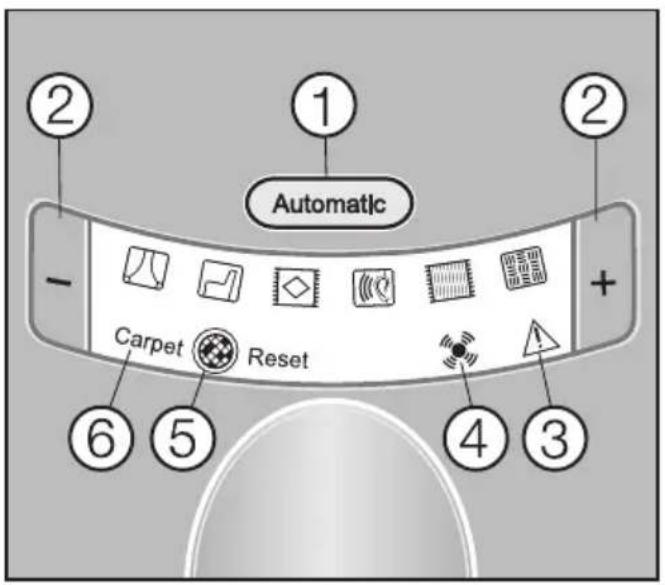
① Automatic button
② Suction power selector buttons (+ / - buttons)
③ Thermal cut-out indicator
④ Electrobrush indicator light
⑤ Maintenance indicator (Reset button)
⑥ Electrobrush in-operation light
Disposal of packing material
The packaging is designed to protect the vacuum cleaner from damage during transportation. The packaging materials used are selected from materials which are environmentally friendly for disposal and should be recycled.
Recycling the packaging reduces the use of raw materials in the manufacturing process and also reduces the amount of waste in landfill sites.
Ensure that any plastic wrappings, bags, etc. are disposed of safely and kept out of the reach of babies and young children. Danger of suffocation.
Disposing of the dustbag and filters
These are made from environmentally friendly materials. The filters can be disposed of with the normal household waste. The dustbag can also be disposed of in this way if it has been used exclusively for general household dust.
Disposing of your old appliance
Before disposing of your old appliance remove the dustbag and all the filters and dispose of them with your normal household waste.
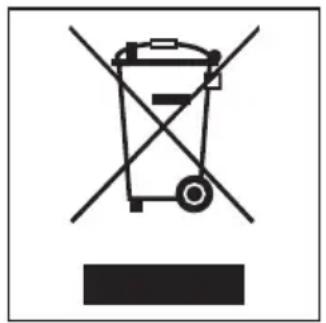
Electrical and electronic appliances often contain valuable materials. They also contain materials which, if handled or disposed of incorrectly, could be potentially hazardous to human health and to the environment. They are, however, essential for the correct functioning of your appliance. Please do not therefore dispose of it with your household waste.
natural_image
Symbol of a trash bin crossed with two crossed lines and a black rectangle below (no text or labels)Please dispose of it at your local community waste collection/recycling centre, or contact your dealer for advice.
Ensure that it presents no danger to children while being stored for disposal.
The illustrations referred to in the text are shown on the fold-out pages at the end of these operating instructions.
Preparing for use
Assembling the vacuum cleaner (dia. 1)
■ Raise the vacuum cleaner into the vertical position.
■ Insert the handle into the vacuum cleaner until it clicks into position.
To activate the exhaust filter change indicator
Depending on model, your vacuum cleaner will be fitted as standard with one of the following exhaust filters (dia. 2):
a AirClean
b Active AirClean 30 (black)
c HEPA AirClean 30 (white)
If your vacuum cleaner is fitted with filter b or c, you need to activate the exhaust filter change indicator.
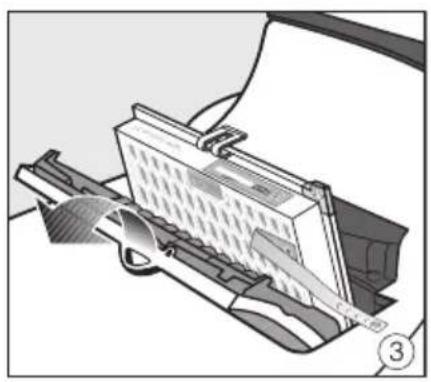
■ Open the lid of the exhaust filter compartment and pull the exhaust filter a little way out of the holder (dia. 3).
■ Remove the label, then put the exhaust filter back in again (dia. 4).
■ Press the exhaust filter change indicator ▶ (dia. 5).
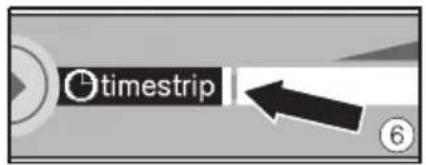
■ After approx. 10 - 15 seconds a thin red stripe will appear in the left hand side of the display (dia. 6).
■ Close the exhaust filter compartment lid.
Exhaust filter change indicator
The exhaust filter change indicator shows the remaining functional life of the exhaust filter. After approx. 50 operating hours, or approx. one year of average use, the display will be completely filled with red (dia. 7).
Use
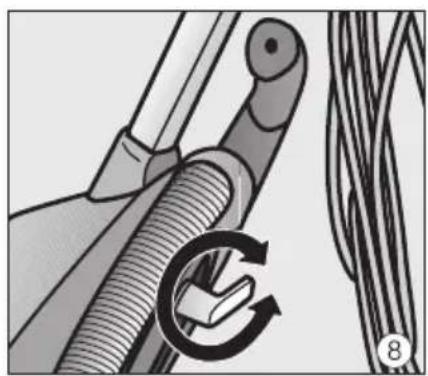
Unwind the mains cable (dia. 8)
The lower cable hook can be turned in either direction.
■ Turn it upwards to release the cable.
Winding up the mains cable (dia. 9)
When the vacuum cleaner is not in use, the cable can be wound around the two cable hooks.
Secure the mains cable by clamping the plug to the cable (see detail).
Mains cable whilst vacuuming (dia. 10)
■ Whilst vacuuming, the mains cable can be fed through the guide at the side of the upper cable hook (see detail).
This way the mains cable will not get in the way during vacuuming. This also protects the cable from becoming kinked.
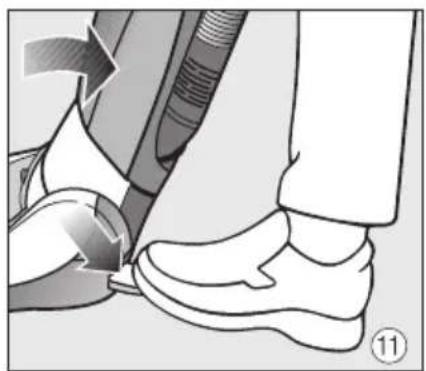
To release the vacuum cleaner (dia. 11)
■ Step on the foot release briefly and tilt the vacuum cleaner to a comfortable position for vacuuming.
To switch on and off (dia. 12)
Please observe the flooring manufacturer's cleaning and care instructions.
■ Press the On / Off button on the handle.
The vacuum cleaner will switch on.
Vacuum cleaners with a rotary selector dial: The vacuum cleaner in-operation indicator light in the control unit will light up yellow.
Vacuum cleaners with +/- buttons: The vacuum cleaner suction power settings in the control unit will light up yellow. For good visibility of the working area the light on the floorhead will come on.
To regulate the suction power
The suction power can be regulated to suit the type of flooring being cleaned. Reducing the suction power reduces the amount of effort required to manoeuvre the floorhead.
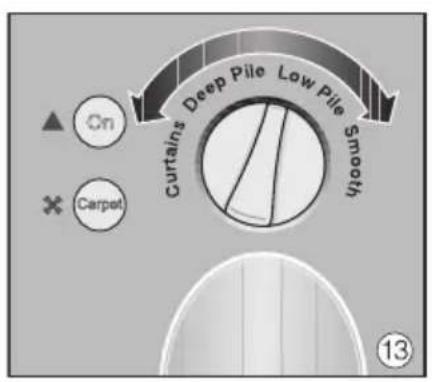
Rotary selector (dia. 13)
■ Turn the suction power selector manually to the setting you require.
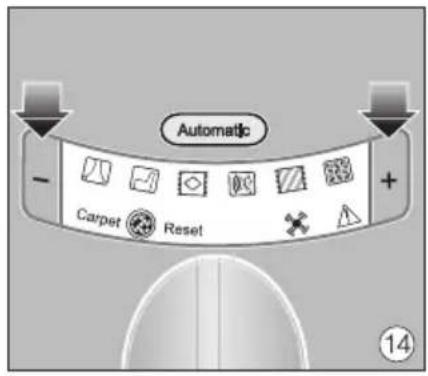
+ / - buttons (dia. 14)
There are symbols on the control unit which indicate the type of use the settings are suitable for.
- curtains, fabric
- upholstery, cushions
- thick pile carpets, rugs and runners
☐ - for energy-saving vacuuming (this setting is also very quiet)
- loop pile carpet
- heavily soiled hard flooring and intensive cleaning of carpets
■ Press the + button to select a higher suction power level.
■ Press the - button to select a lower suction power level.
The setting selected will light up yellow.
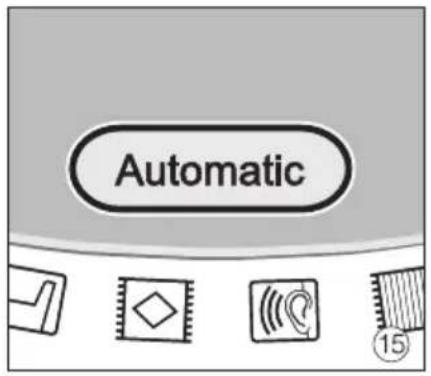
Automatic suction power regulation (dia. 15)
(on vacuum cleaners with + / - buttons)
The suction power automatically adjusts itself to suit the type of flooring or carpet being vacuumed.
■ Press the Automatic button.
The button will light up yellow.
To stop using the Automatic setting, simply press the Automatic button again.
⚠️ Do not use the Automatic setting to vacuum lightweight materials or curtains. These could be sucked in and possibly damaged.
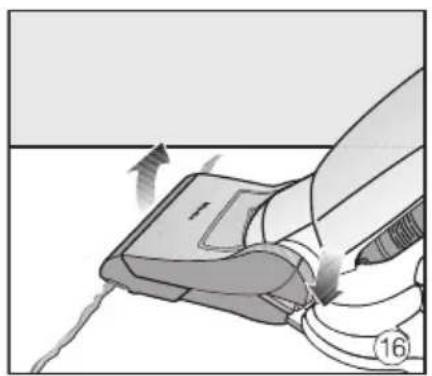
Tip (dia. 16)
Obstacles and variations in floor height, for instance when vacuuming over thresholds and the edges of rugs, are easy to cope with.
■ Briefly press the foot release and lift the front of the vacuum cleaner over the obstacle.
Vacuuming using the suction hose
⚠️ Do not use the suction hose at head level to avoid the rist of injury, e.g. to eyes and ears.
⚠ It is not advisable to vacuum directly with the handle of the suction hose, i.e. without an accessory attached, as the rim could get damaged and you could hurt yourself on sharp edges.
⚠️ To prevent the risk of injury when vacuuming the stairs, ensure the vacuum cleaner is placed in a stable position at the bottom of the stairs, or on one of the lower steps.
■ Raise the vacuum cleaner into the vertical position.
■ To access the suction tube handle, press the release button on the telescopic tube (dia. 17).
■ To increase stability turn the elbow joint at the bottom of the hose downwards as illustrated until it clicks into position above the retainer (dia. 18).
During normal vacuuming, the suction hose should be stowed away on the telescopic tube. Make sure the handle is correctly hooked into its holder on the vacuum cleaner (see detail in dia. 17).
Vacuuming using the telescopic tube
⚠ Do not use the telescopic tube at head level to avoid the risk of injury, e.g. to eyes and ears.
⚠️ To prevent the risk of injury when vacuuming the stairs, ensure the vacuum cleaner is placed in a stable position at the bottom of the stairs, or on one of the lower steps.
■ Raise the vacuum cleaner into the vertical position.
■ Lift the handle out of its holder to access the telescopic tube (dia. 19).
■ To increase stability turn the elbow joint at the bottom of the hose downwards as illustrated until it clicks into position above the retainer (dia. 18).
One part of the telescopic tube is packed inside the other, and it can be adjusted to suit your height for comfortable vacuuming.
■ Press the telescopic release button and adjust it to the required height (dia. 20).
For normal vacuum cleaning the telescopic tubes must be pushed back together. Make sure the handle is also correctly hooked into its holder on the cleaner (see detail in dia. 19).
Using the Electrobrush
Recommended use
Please observe the flooring manufacturer's cleaning and care instructions.
The Electrobrush is particularly suitable for intensive vacuuming of carpets which are subject to hard wear. It is very effective at removing deep seated dirt and preventing areas of frequent use being trodden into a path.
⚠️ Please note that the Electrobrush should not be used for vacuuming deep-pile rugs and carpets or valuable hand-knotted rugs and carpets, e.g. Persian and oriental rugs etc. There is a danger of the threads being pulled out. If in doubt, contact the carpet manufacturer/retailer.
⚠ Do not use the Electrobrush to clean highly variable or uneven floors. The brush might come into contact with the floor and cause damage.
Switching the Electrobrush on and off (dia. 21)
To use the Electrobrush, you need to switch it on in addition to the vacuum cleaner with the Carpet button on the handle.
The Electrobrush indicator light on the control unit will light up yellow.
This button also enables you to switch off the Electrobrush during vacuuming.
The Electrobrush will switch itself off automatically as soon as the vacuum cleaner is raised to its up-right position.
How to use the Electrobrush
■ To achieve the best results, pass the Electrobrush slowly backwards and forwards over the carpet or floor.
For rugs and carpets with fringes always draw the Electrobrush from the middle of the rug or carpet across the fringe towards the floor.
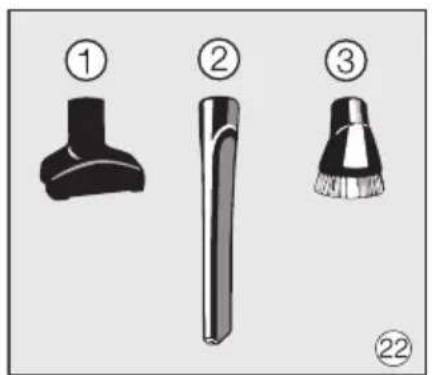
Using the accessories supplied (dia. 22)
The following accessories are stowed at the back of the vacuum cleaner.
① Upholstery nozzle
② Crevice nozzle, 300 mm
③ Dusting brush with natural bristles
■ Attach the accessory required onto the suction hose handle or onto the telescopic tube.
Maintenance
⚠️ Always disconnect the vacuum cleaner from the electrical supply for maintenance work and for cleaning. Switch off at the wall socket and unplug it.
The Miele filtration system consists of three filters.
① Dustbag
② Dust compartment filter (for motor protection)
③ Exhaust filter
These will need to be replaced from time to time to ensure that your vacuum cleaner performs efficiently.
Only use genuine dustbags, filters and accessories with the "Original Miele" logo on them. This will ensure that the suction power of the vacuum cleaner is maintained, giving the best possible cleaning results.
The use of dustbags made from paper or paper-based materials, or dustbags with a cardboard collar, or dustbags that do not carry the "Original Miele" logo, can seriously damage the vacuum cleaner and invalidate the warranty.
Purchasing new dustbags and filters
Original Miele dustbags and filters can be ordered from Miele, your Miele dealer or online at:

Ordering the correct dustbags and filters
Only use original Miele U dustbags with a green collar and original Miele filters. These are identified by the "Original Miele" logo on the packaging or directly on the dustbag.


An Air Clean filter and a dust compartment filter are supplied with every packet of Miele dustbags.
These can also be purchased separately from your Miele Dealer, from Miele or from the online shop. Please quote the model number of your vacuum cleaner when ordering to make sure you get the correct filter.
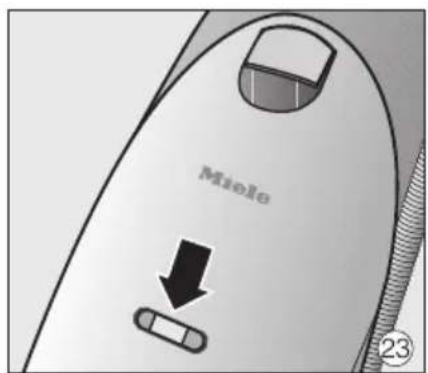
When to change the dustbag (dia. 23)
Change the dustbag when the colour marker in the dustbag change indicator turns red, or sooner if it is no longer effective (see possible reasons for this below).
Miele dustbags are disposable and designed for single use only. Dispose of the dustbag when full. Do not attempt to reuse. Blocked pores in used dustbags will reduce the suction power of the vacuum cleaner.
■ Raise the vacuum cleaner into the vertical position.
■ Switch the vacuum cleaner on with the On / Off button on the handle and select highest power setting.
■ Tilt the vacuum cleaner until you can see the colour marker in the dustbag change indicator easily. The front of the Electrobrush will lift up as you do this.
If the marker completely fills the dust-bag change indicator, you should replace the dustbag with a new one.
How the dustbag change indicator works
The dustbag change indicator is set for normal household dust. This generally contains a mixture of dust, hair, carpet fluff, threads, grit etc.
However, if the cleaner has been used to vacuum up fine dust, such as plaster, brick dust, cement or flour, the pores of the dustbag will become blocked very quickly.
This affects the air permeability of the bag, and the marker will indicate that the bag is "full" even when it is not. If this happens you must still change the dustbag because suction power will be greatly reduced by blocked pores in the dustbag.
If, on the other hand, a large amount of hair and carpet fluff which typically contains a lot of air is vacuumed up, the indicator may fail to react even though the bag is full. You should still change it. Both these extremes can occur.
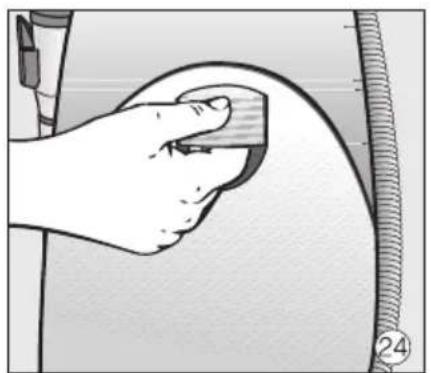
How to replace the dustbag (dia. 24, 25 + 26)
■ Raise the vacuum cleaner into the vertical position.
■ Raise the release button and open the lid to its resting position.
■ Pull on the tab at the side of the collar and swing the bag up away from the suction socket before taking it out of its holder.
The dustbag has a closing flap which closes automatically when the dust compartment lid is raised to prevent any dust escaping.
■ Fit the new dustbag into the holder as far as it will go. Leave it folded up when you take it out of the box.
■ It should be unfolded as far as possible in the dust compartment.
■ Close the dust compartment lid securely, making sure it clicks into position. Take care not to trap the dustbag when doing so. The dustbag is then automatically guided into position for vacuuming.
⚠️ The lid will not close without a dustbag in place. Do not force it!
When to change the dust compartment filter (motor protection)
Replace this filter every time you start a new packet of dustbags. A dust compartment filter is supplied with every packet of Miele dustbags.
How to change the dust compartment filter (dia. 27)
■ Open the dust compartment lid.
■ Remove the dustbag.
■ Unclip the filter frame in the dust compartment and remove the old filter. Hold by the clean, unsoiled section to remove it.
■ Replace with a new dust compartment filter.
■ Close the filter frame.
■ Fit the dustbag into the holder as far as it will go.
■ Close the dust compartment lid securely, making sure it clicks into position. Take care not to trap the dustbag when doing so.
When to replace the exhaust filter
Depending on model, your vacuum cleaner will be fitted as standard with one of the following exhaust filters (dia. 2):
a AirClean
Replace this filter every time you start a new packet of Miele dustbags. An AirClean exhaust filter is supplied with every packet of Miele dustbags.
b Active AirClean 30 (black)
c HEPA AirClean 30 (white)
Replace if the display for the exhaust filter change indicator is completely filled with red (dia. 7).
This occurs after approx. 50 hours of operation which is equivalent to about a year of average use. The vacuum cleaner can still be used. However, the suction power will be reduced as will the effectiveness of the filter if it is not replaced in good time.
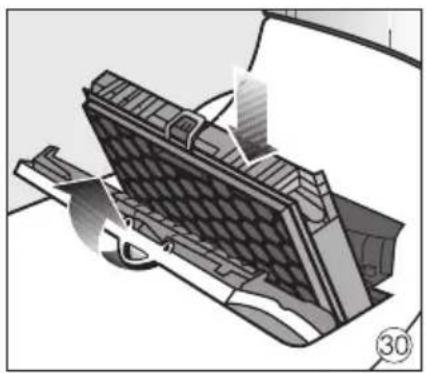
How to replace the AirClean filter (dia. 28, 29 + 30)
Do not use more than one exhaust filter at a time.
■ Open the exhaust filter compartment lid.
■ Remove the filter grille.
■ Open the filter grille and remove the used AirClean filter by one of the clean, unsoiled sections.
■ Replace it with a new AirClean filter.
If you wish to fit an Active AirClean 30 filter or a HEPA AirClean 30 filter please see "Replacing one type of exhaust filter with another".
- Secure the catch on the filter grille and replace it inside the exhaust filter compartment.
■ Close the exhaust filter compartment lid.
How to replace an Active AirClean 30 filter or a HEPA AirClean 30 filter
Do not use more than one exhaust filter at a time.
■ Open the exhaust filter compartment lid.
■ Remove the exhaust filter (dia. 31).
■ Insert the new exhaust filter and press the exhaust filter change indicator ▶ (dia. 5).
■ After approx. 10 - 15 seconds a thin red stripe will appear in the left hand side of the display (dia. 6).
If you wish to fit an AirClean filter, see "Maintenance - Replacing one type of exhaust filter with another".
■ Close the exhaust filter compartment lid.
Replacing one type of exhaust filter with another
Depending on model, your vacuum cleaner will be fitted as standard with one of the following exhaust filters (dia. 2):
a AirClean
b Active AirClean 30 (black)
c HEPA AirClean 30 (white)
When changing the filter please note:
Do not use more than one exhaust filter at a time.
- If you wish to replace exhaust filter a with filter b or c, it is essential that you remove the filter grille before fitting the new type of filter. You will also need to press the exhaust filter change indicator (dia. 5).
- If you wish to replace exhaust filter b or c with filter a, it is essential that you also fit the filter grille * (dia. 29).
* Filter grille - see "Optional accessories".
Maintenance indicator with reset button Ⓧ (dia. 32)
(on vacuum cleaners with + / - buttons)
The indicator lights up after approx. 50 hours of operation, which is equivalent to about a year of average use. The level of soiling of the dust compartment filter and the exhaust filter must be checked at this point. The indicator will need to be reset each time these items are replaced.
The vacuum cleaner must be switched on to do this.
■ Press the reset button ⓣ.
The maintenance indicator will go out and reset to zero.
The indicator can only be reset by pressing the reset button after the light has come on. Pressing the button at any other time will have no effect.
How to remove threads and hair from the Electrobrush
■ Switch the Electrobrush and the vacuum cleaner off, switch it off at the wall socket and remove the plug.
■ Release the vacuum cleaner (dia. 11) and place it flat on the floor.
■ Turn the vacuum cleaner over.
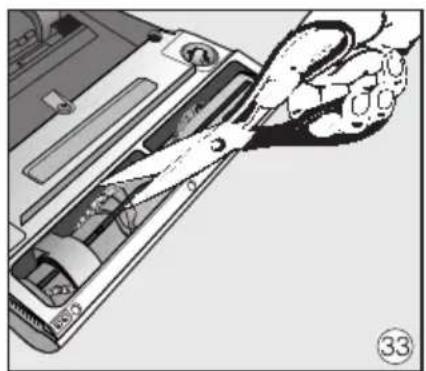
■ Use scissors to cut any threads or hairs which have wound around the roller brush. There is a groove on the roller to guide you (dia. 33).
Then run the vacuum cleaner to vacuum up the bits.
The suction hose can be opened up to clean out any heavy soiling or blockages. Any large particles inside it can then be easily removed.
■ Raise the vacuum cleaner into the vertical position.
■ To access the suction tube handle, press the release button on the telescopic tube (dia. 17).
■ To increase stability turn the elbow joint at the bottom of the hose downwards as illustrated until it clicks into position above the retainer (dia. 18).
① Unlock the hose socket by turning it in the direction of the arrow (see detail in dia. 34).
② Now remove the hose socket from the elbow by pulling it (dia. 34).
■ Remove any debris or blockages.
■ Replace the socket making sure it goes on straight. Lock it into position.
If you have not been able to reach all of the soiling, you could also try the following.
Unlock the panel on the base of the vacuum cleaner as follows (dia. 35).
① Using a coin turn the two screws as far as they will go.
② Lever off the panel.
■ Remove any debris or blockages.
■ Replace the panel and lock it with the screws.
Cleaning and care
△! Always disconnect the vacuum cleaner from the electrical supply before cleaning it. Switch off at the wall socket and unplug it.
Vacuum cleaner and accessories
The vacuum cleaner and all plastic accessories can be cleaned with a proprietary cleaner suitable for plastic.
⚠️ Do not use abrasive cleaning agents, glass cleaning agents, all-purpose cleaners or oil-based conditioning agents.
Dust compartment
The dust compartment can, if necessary, be cleaned using a dry duster, brush or, if available, a second vacuum cleaner to vacuum the dust out.
⚠️ Do not let the vacuum cleaner get wet. If moisture gets into the appliance, there is a risk of electric shock.
Problem solving guide
The vacuum cleaner switches off automatically.
Vacuum cleaners with a rotary selector dial: The vacuum cleaner in-operation indicator lights up red.
Vacuum cleaners with +/- buttons: The thermal cut-out indicator lights up red.
The overheating protection mechanism has been activated due to overheating or a blockage.
■ Switch the Electrobrush and the vacuum cleaner off, switch it off at the wall socket and remove the plug.
■ Check the vacuum cleaner for any blockages and check all the filters in the vacuum cleaner.
Once the blockage has been removed do not use the vacuum cleaner for about 20 - 30 minutes to allow it to cool down.
The Electrobrush switches off automatically. The Electrobrush indicator lights up red.
The red light indicates a blockage in the roller, for example due to a large item being vacuumed up.
■ Switch the Electrobrush and the vacuum cleaner off, switch it off at the wall socket and remove the plug.
■ Remove the blockage.
The vacuum cleaner can then be used again.
The Electrobrush switches off automatically. The Electrobrush indicator stays yellow.
The overheating protection mechanism has been activated due to overheating or a blockage.
■ Switch the Electrobrush and the vacuum cleaner off, switch it off at the wall socket and remove the plug.
■ Check the vacuum cleaner for any blockages and check all the filters in the vacuum cleaner.
The Electrobrush has to cool down. To speed this up:
■ Switch the vacuum cleaner back on.
■ Vacuum for approx. 10 minutes without switching the Electrobrush on.
This will cool the Electrobrush down so that it can then be used again as normal.
After sales service
In the event of a fault that you cannot easily remedy, please contact
- your Miele Dealer, or
- Miele (see end of booklet for contact details)
Guarantee
The appliance is guaranteed for a period of 2 years from the date of purchase. In the UK you must activate your cover by calling 0845 365 6640 or registering online at www.miele.co.uk.
For information on the appliance guarantee specific to your country please contact Miele. See end of booklet for contact details.
Optional accessories
Certain models are supplied as standard with one or more of the following accessories.
Please observe the flooring manufacturer's cleaning and care instructions.
You can order these and many other products on the internet at:

They can also be purchased from your Miele Dealer or the Miele Spare Parts Department.
■ Attach the accessory required onto the suction hose handle or onto the telescopic tube.
Floor brushes
Hard floor brush (SBB 235-3)
This brush is designed for use on hard flooring such as tiled or stone floors.
Parquet floor brush (SBB Parquet-3)
This brush has natural bristles and is designed for use on parquet floors and other surfaces which are susceptible to scratching such as laminate flooring.
Hard floor Twister floor brush with swivel action (SBB 300-3)
This brush is suitable for a variety of hard floor surfaces and has a swivel joint enabling it to get into awkward corners.
Parquet Twister XL floor brush with swivel action (SBB 400-3)
This brush is extra wide making it suitable for large areas of flooring and has a swivel joint enabling it to get into awkward corners.
Other accessories
MicroSet
This set is specially designed for cleaning small objects and difficult to reach areas (such as PC keyboards, stereo equipment, intricately carved furniture and ornaments, models etc).
Mini Turbobrush
For vacuuming upholstery, mattresses or car seats etc.
Universal brush
For dusting books, shelves, etc.
Radiator brush
For dusting radiators, narrow shelves and crevices.
Mattress nozzle
For vacuuming upholstery, mattresses, cushions, curtains, covers etc.
Upholstery nozzle, 190 mm
For vacuuming upholstered furniture, mattresses and cushions.
Filters
Active AirClean 30 exhaust filter (SF-AA 30)
Absorbs odours from the dirt in the dustbag.
HEPA AirClean 30 exhaust filter (SF-HA 30)
Excellent filtration level for very clean exhaust air. This filter is particularly suitable for allergy sufferers.
Filter grille
The filter grille is required if you wish to use an AirClean filter instead of an Active AirClean 30 filter or HEPA AirClean 30 filter.
Electrical connection for the UK
All electrical work should be carried out by a suitably qualified and competent person in strict accordance with current national and local safety regulations (BS 7671 in the UK).
The voltage and frequency are given on the data plate located underneath the vacuum cleaner. Please ensure that these match the household mains supply. The fuse rating is quoted on the plug.
The appliance is supplied with a cable and moulded plug ready for connection to a 230-240 V/50 Hz a.c. single phase supply.
Non-rewireable plugs BS 1363
The fuse cover must be re-fitted when changing the fuse, and if the fuse cover is lost the plug must not be used until a suitable replacement is obtained. The colour of the correct replacement cover is that of the coloured insert in the base of the plug, or the colour that is embossed in words on the base of the plug, (as applicable to the design of plug fitted).
Replacement fuses should be ASTA approved to BS1362 and have the correct rating. Replacement fuses and fuse covers may be purchased from your local electrical supplier.
Electrical connection AU, NZ
All work should be carried out by a suitably qualified and competent person in strict accordance with national and local safety regulations.
The voltage and rated load are given on the data plate located underneath the vacuum cleaner. Please ensure that these match the household mains supply. The fuse rating is quoted on the plug.
The appliance is supplied with a cable and moulded plug ready for connection to a 230V/50Hz AC single phase supply.
Test Marks Electrical safety
RCM Mark
Electrically suppressed
according to AS/NZS 1044
Eliminer vos emballages
natural_image
Symbol of a trash bin with crossed lines indicating no waste or discharge, and a solid black rectangle below (no text or labels)natural_image
Symbol of a trash bin crossed with two crossed lines, no text or labels presentnatural_image
Symbol of a trash bin crossed with no text or numbers, representing waste sorting or disposal (no text present)natural_image
Illustration of a vacuum cleaner with handle and control panel, no text or symbols present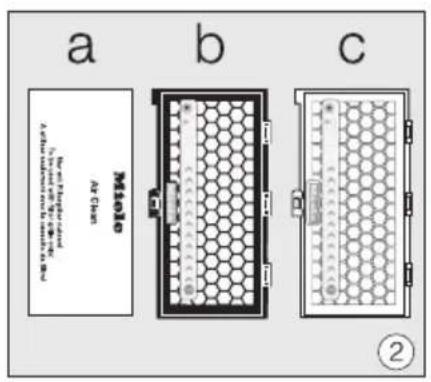
natural_image
Technical illustration of a printer or printer with internal components and a paper feeding into a slot (no text or symbols visible)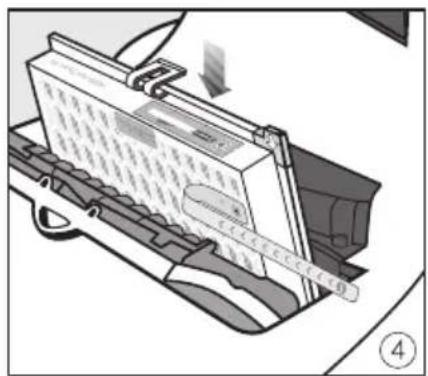
natural_image
Illustration of a mechanical device with a ruler and clamped parts, no visible text or symbols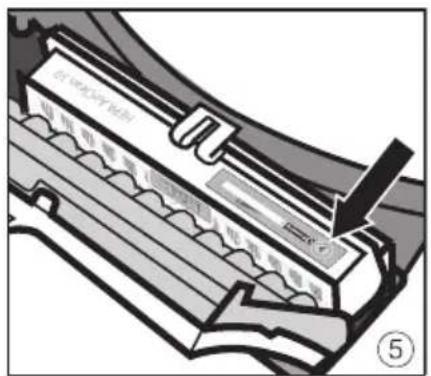
natural_image
Illustration of a mechanical tool interacting with a coiled cable or wire, showing no text or symbols.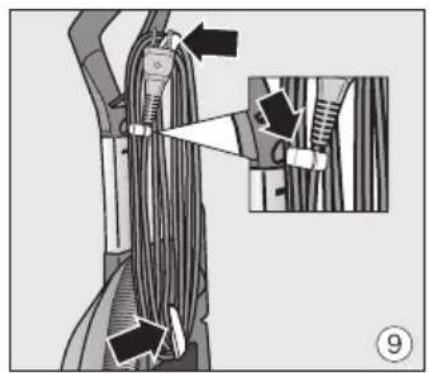
natural_image
Diagram of a mechanical device with wires and a close-up inset showing internal components (no text or symbols)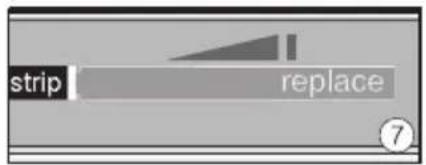
natural_image
Illustration of a foot and ankle mechanism with a curved arrow indicating motion (no text or symbols)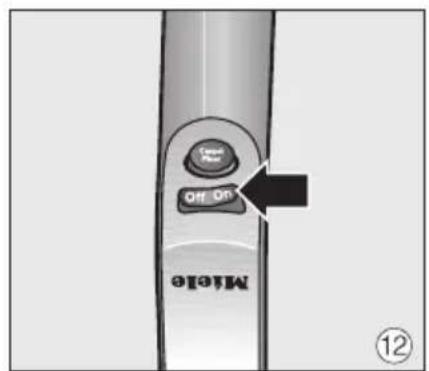
natural_image
Illustration of a hand holding a device with cables and a paper clip, no visible text or symbols
natural_image
Mechanical assembly diagram showing a valve mechanism with directional arrows and a close-up inset of the component (no text or symbols)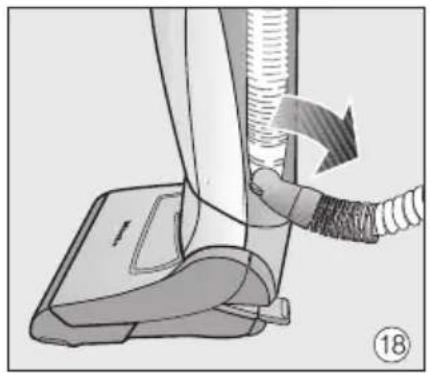
natural_image
Illustration of a hand operating a vacuum cleaner with a curved arrow indicating motion (no text or symbols present)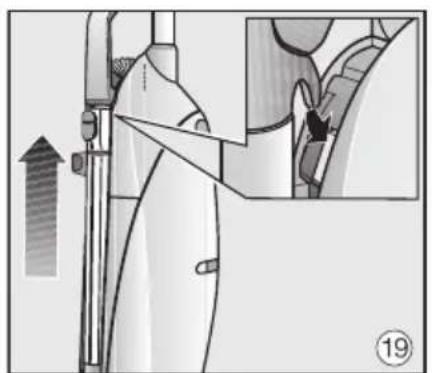
natural_image
Mechanical assembly diagram showing a valve mechanism with directional arrows and a numbered label (19), no readable text or symbols present.
natural_image
Diagram of a mechanical component with directional arrows indicating movement or force (no text or symbols)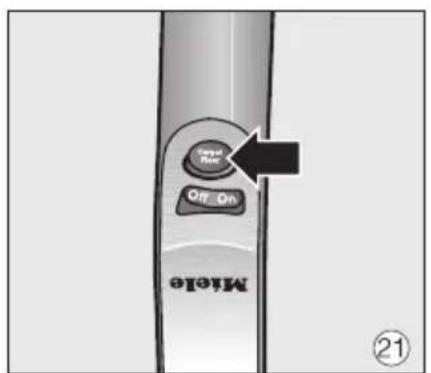
natural_image
Hand holding a small object near a curved surface, with no visible text or symbols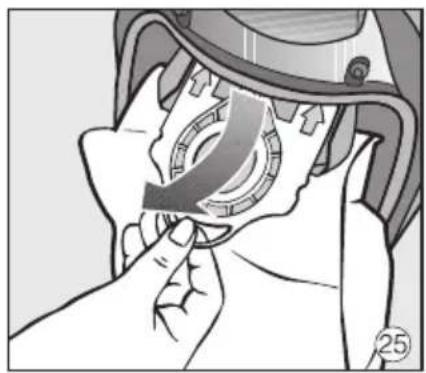
natural_image
Illustration of a person adjusting a mechanical component, possibly a gear or valve (no text or symbols visible)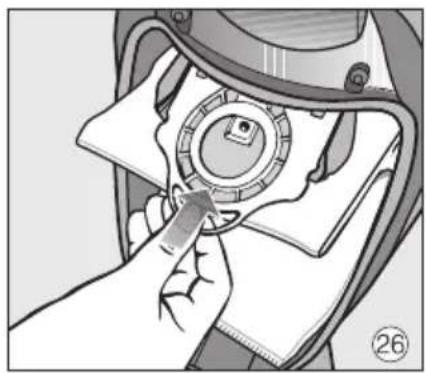
natural_image
Illustration of a hand using a tool to adjust or install a circular component, no text or symbols visible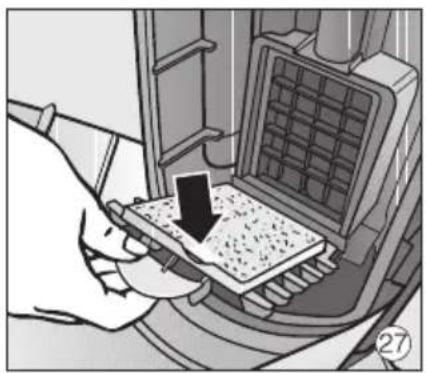
natural_image
Illustration of a hand using a tool to press a component into a device (no text or symbols visible)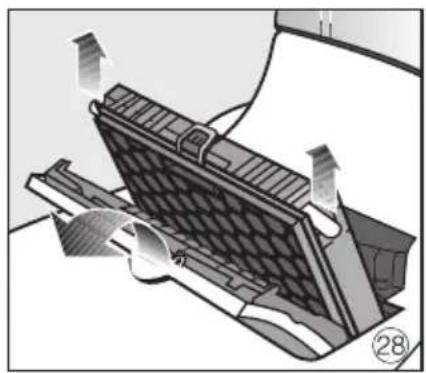
natural_image
Mechanical assembly diagram showing a clamping mechanism with arrows indicating motion (no text or symbols)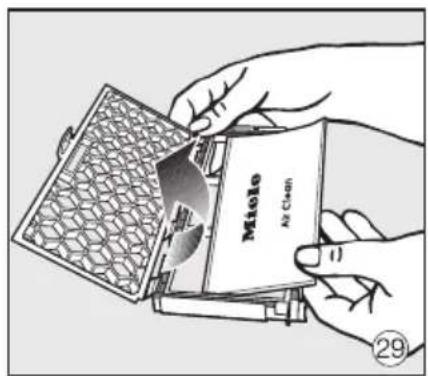
natural_image
Technical illustration of a mechanical component with no visible text or symbols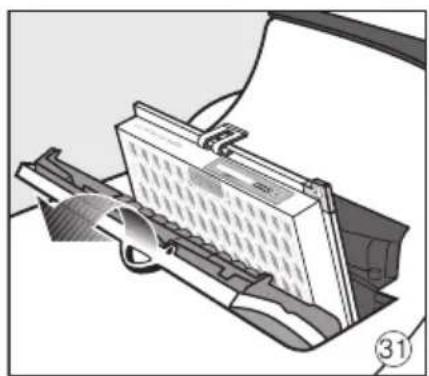
natural_image
Mechanical assembly diagram showing a printer or printer with a cover and paper feed, no visible text or symbols.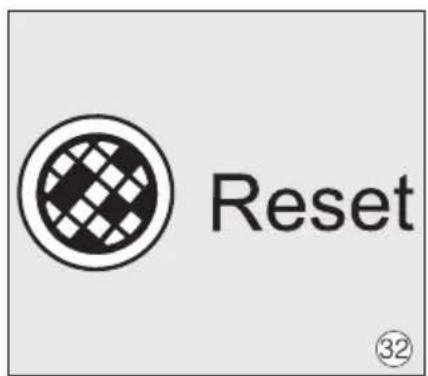
natural_image
Illustration of a hand using scissors to cut or wire a device into a plastic container (no text or symbols visible)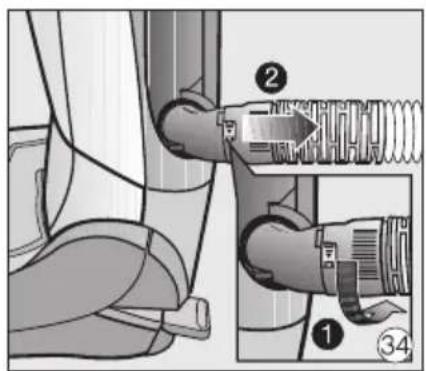

United Kingdom
Miele Co. Ltd.
Fairacres, Marcham Road
Abingdon, Oxon, OX14 1TW
Tel: 0845 365 0555
Customer Contact Centre Tel: 0845 365 6600
E-mail: info@miele.co.uk
Internet: www.miele.co.uk
Australia
Miele Australia Pty. Ltd.
ABN 96 005 635 398
1 Gilbert Park Drive, Knoxfield, VIC 3180
Tel: 1300 464 353, Fax: (03) 9764 7149
Internet: www.miele.com.au
China
Miele (Shanghai) Trading Ltd.
1-3 Floor, No. 82 Shi Men Yi Road
Jing' an District
200040 Shanghai, PRC
Tel: +86 21 6157 3500, Fax: +86 21 6157 3511
E-mail: info@miele.cn, Internet: www.miele.cn
Miele (Hong Kong) Limited
41/F - 4101, Manhattan Place
23 Wang Tai Road
Kowloon Bay, Hong Kong
Tel: (852) 2610 1331, Fax: (852)2610 1013
Email: mielehk@miele.com.hk
India
Miele India Pvt. Ltd.
Ground Floor, Copia Corporate Suites
Plot No. 9, Jasola
New Delhi - 110025
Tel: 011-46 900 000, Fax: 011-46 900 001
E-mail: customercare@miele.in, Internet: www.miele.in
Ireland
Miele Ireland Ltd.
2024 Bianconi Avenue
Citywest Business Campus, Dublin 24
Tel: (01) 461 07 10, Fax: (01) 461 07 97
E-Mail: info@miele.ie, Internet: www.miele.ie
Manufacturer: Miele & Cie. KG
Miele New Zealand Limited
8 College Hill
Freemans Bay, Auckland 1011, NZ
Tel: 0800 464 353, Fax: +64 9378 0146
Internet: www.miele.co.nz
Singapore
Miele Southeast Asia
Miele Pte. Ltd.
163 Penang Road
# 04 - 02/03 Winsland House II
Singapore 238463
Tel: +65 6735 1191, Fax: +65 6735 1161
E-Mail: infosea@miele.com.sg
Internet: www.miele.sg
South Africa
Miele (Pty) Ltd
63 Peter Place, Bryanston 2194
P.O. Box 69434, Bryanston 2021
Tel: (011) 875 9000, Fax: (011) 875 9035
E-mail: info@miele.co.za
Internet: www.miele.co.za
United Arab Emirates
Miele Appliances Ltd.
P.O. Box 11 47 82
Gold & Diamond Park
Sheikh Zayed Road
Building 6 / Offices Nos. 6-214 to 6-220
Dubai
Tel: +971-4-341 84 44
Fax: +971-4-341 88 52