
30036 LIION - Saw Güde - Free user manual and instructions
Find the device manual for free 30036 LIION Güde in PDF.


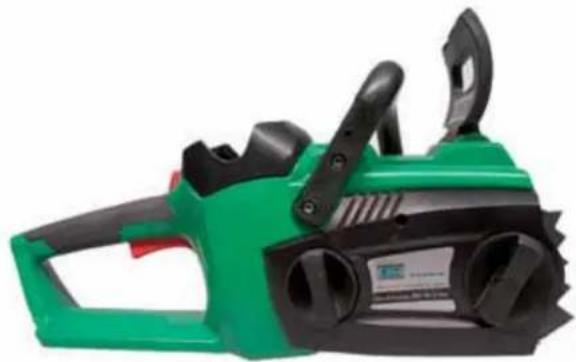
| Product type | Cordless battery chainsaw |
| Brand | Güde |
| Model | 30036 LIION (ref. 95680 / 95660) |
| Power supply | Li-Ion battery 36 V (not included in set 95680) |
| Cutting length | 270 mm |
| Guide bar length | 350 mm |
| Chain pitch | 3/8" |
| Guide bar thickness | 1.3 mm |
| Number of drive links | 45 |
| Chain speed | 10 m/s |
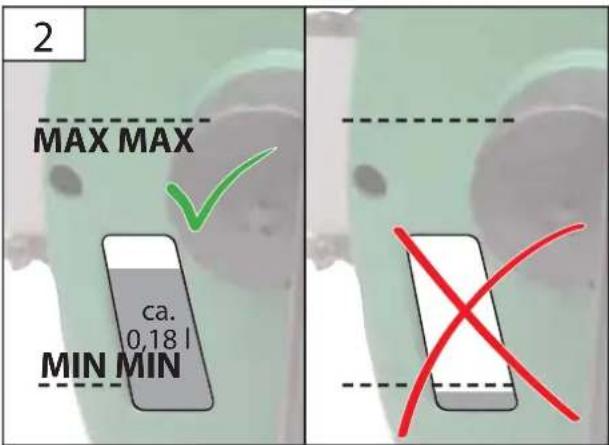
| Oil tank capacity | 0.18 L |
| Weight (without battery, bar, chain and oil) | 4.2 kg |
| Sound pressure level (L_pA) | 87.48 dB(A) |
| Guaranteed sound power level | 101 dB(A) |
| Vibration emission value (a_h) | 8.956 m/s² |
| Intended use | Cutting wood only, diagonally across the grain |
| Main functions | Chain brake, anti-kickback protection, two-hand safety switch |
| Maintenance and cleaning | Regularly clean the guide bar and chain; use biodegradable oil; remove the battery before any maintenance |
| Safety | Mandatory wearing of gloves, goggles, helmet and safety shoes; do not use above shoulder height |
| Spare parts and repairability | Use only original parts; repairs by an authorized workshop; list available at www.guede.com |
| Warranty | 24 months for the end consumer, 12 months for professional use |
Frequently Asked Questions - 30036 LIION Güde
User questions about 30036 LIION Güde
0 question about this device. Answer the ones you know or ask your own.
Ask a new question about this device
Download the instructions for your Saw in PDF format for free! Find your manual 30036 LIION - Güde and take your electronic device back in hand. On this page are published all the documents necessary for the use of your device. 30036 LIION by Güde.
USER MANUAL 30036 LIION Güde
Translation of the original instructions - Battery Operated Chain Saw

ENGLISH Please read the instructions carefully before starting the machine.
natural_image
Green and black handheld power tool with handlebars and buttons (no visible text or symbols)
natural_image
Decorative oval border with repeating diamond patterns (no text or symbols)
natural_image
Close-up of a gray plastic object with rounded ends and a small rectangular cutout (no visible text or symbols)| D Sägeanweisungen | SLO Napotki za žaganje |
| GB Instructions for cutting | HR Upute za rezanje |
| F Consignes de sciage | BG Инструкции за рязане |
| I Istruzioni per taglio | RO Instructiuni pentru tăiere |
| NL Zaagaanwijzingen | BIH Uputstva za rezanjetesterom |
| CZ Pokyny pro řezání | |
| SK Pokyny pre rezanie | |
| H Vágási utasítások |
2-6
| D | Einbau Kettenschwert und Kette | SK | Montáž reťazovej lišty a reťaze |
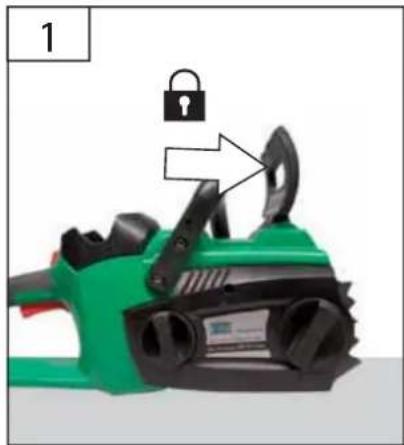
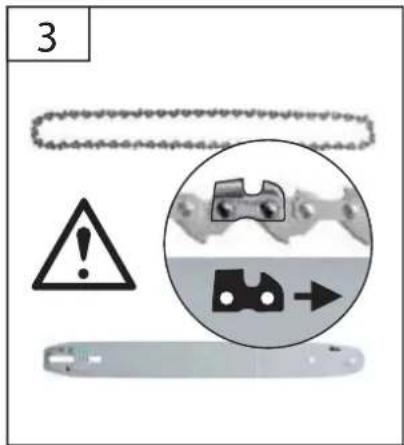
| GB | Assembly of chain bar and chain | H | A láncléc és a lánc felszerelése |
| F | Montage du guide-chaîne et de la chaîne | SLO | Montaža meča in verige |
| HR | Montaža vodilice lanca i lanca | ||
| I | Montaggio della lista di sega e della catena | BG | Монтаж на верижната летва и веригата |
| NL | Inbouw kettingbalk en ketting | RO | Montajul ghidajului și a lanțului |
| CZ | Montáž řetězové lišty a řetězu | BIH | Montaža vođice lanca i lanca |

| D | Inbetriebnahme | SLO | Uvedba v pogon |
| GB | Starting-up the machine | HR | Puštanje u rad |
| F | mise en service | BG | Пускане в действие |
| I | Messa in funzione | RO | Punerea în funcțiune |
| NL | Inbedrijfstelling | BIH | Puštanje u rad |
| CZ | Uvedení do provozu | ||
| SK | Uvedenie do prevádzky | ||
| H | Üzembe helyezés |
| D | Betrieb | SLO | Delovanje |
| GB | Operation | HR | Rad |
| F | Fonctionnement | BG | Pábota |
| I | Esercizio | RO | Functionare |
| NL | Gebruik | BIH | Rad |
| CZ | Provoz | ||
| SK | Prevádzka | ||
| H | Üzemeltetés |

| D | Sägekette schärfen | SLO | Brušenje verige |
| GB | Saw chain sharpening | HR | Oštrenja lanca pile |
| F | Affûtage de la chaîne de scie | BG | Острене на трионената верига |
| I | Affilamento della catena da taglio | RO | Ascuțirea lanțului de ferăstrău |
| NL | Zaagketting slijpen | BIH | Oštrenje lanca testere |
| CZ | Naostření pilového řetězu | ||
| SK | Naostrenie pílovej retaze | ||
| H | A fűrészlánc kiélezése |


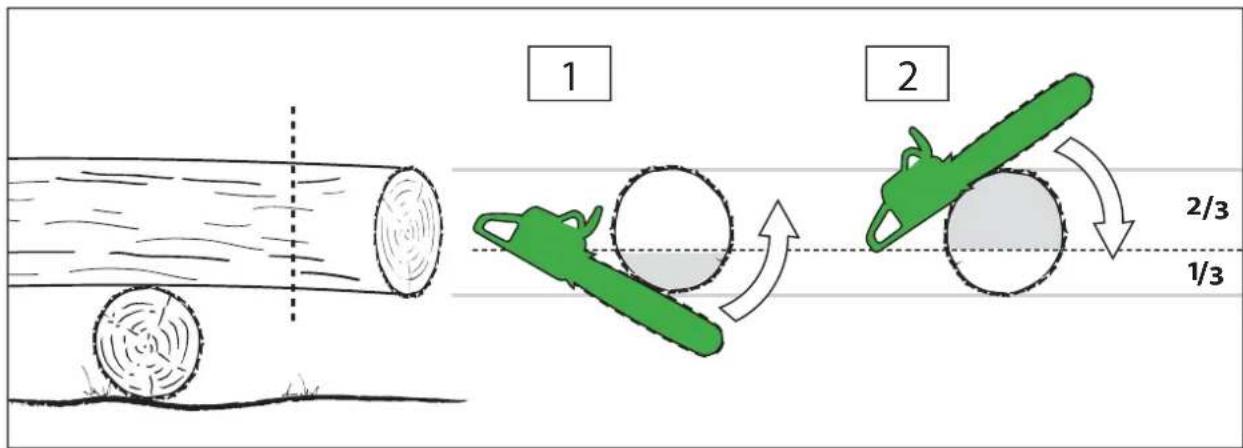
D Sägeanweisungen
GB Instructions for cutting
F Consignes de sciage
SK Pokyny pre rezanie
H Vágási utasítások
SLO Napotki za žaganje
HR Upute za rezanje
natural_image
Illustration of a green chainocable cutting through a circular saw, with two arrows indicating direction (no text or symbols)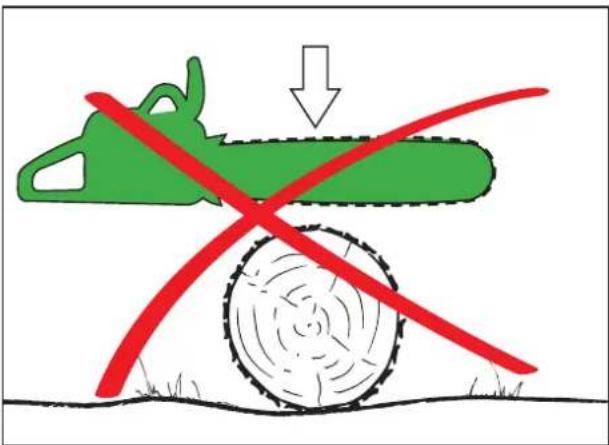
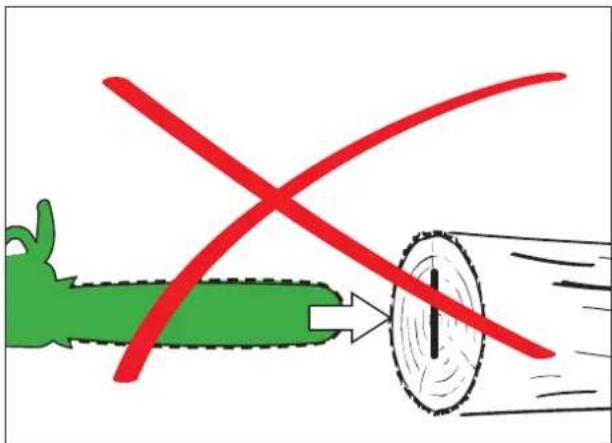
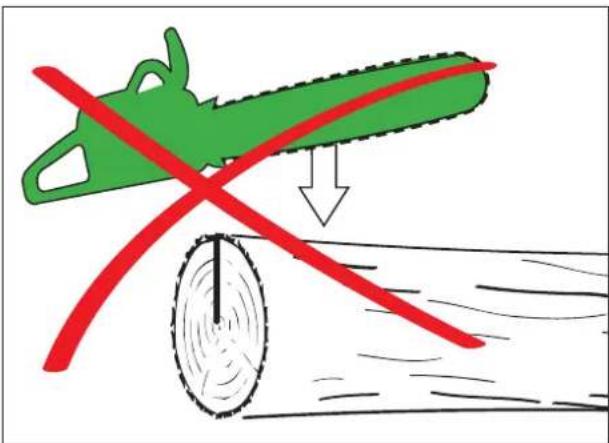
natural_image
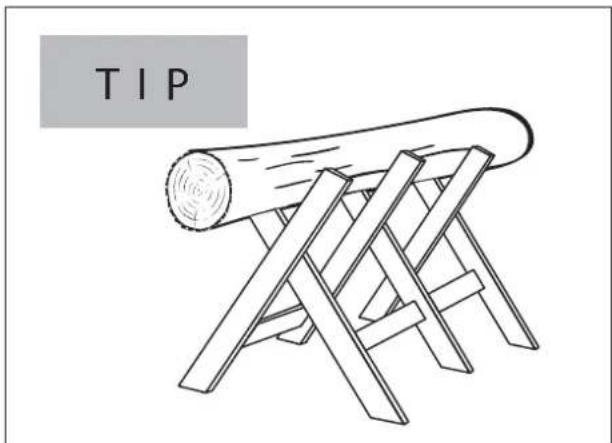
Line drawing of a wooden log being placed on a stand, labeled 'TIP' in the top-left corner (no other text or symbols)D Sägeanweisungen
GB Instructions for cutting
F Consignes de sciage
SK Pokyny pre rezanie
H Vágási utasítások
SLO Napotki za žaganje
HR Upute za rezanje

natural_image
Illustration of a green bucket truck with a red cross symbol crossing a ground line, no text or symbols present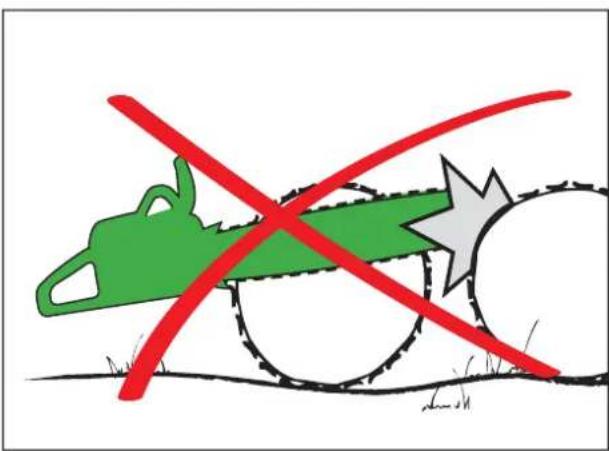
natural_image
Illustration of a green pickaxe crossed out by a red diagonal line, with a gray star and circular base (no text or symbols)
D Sägeanweisungen
GB Instructions for cutting
F Consignes de sciage
SK Pokyny pre rezanie
H Vágási utasítások
SLO Napotki za žaganje
HR Upute za rezanje
GB Instructions for cutting
F Consignes de sciage
SK Pokyny pre rezanie
H Vágási utasítások
SLO Napotki za žaganje
HR Upute za rezanje
D Sägeanweisungen
GB Instructions for cutting
F Consignes de sciage
SK Pokyny pre rezanie
H Vágási utasítások
SLO Napotki za žaganje
HR Upute za rezanje
natural_image
Illustration of a wooden log rolling down with a green-handled tool accelerating downward (no text or symbols)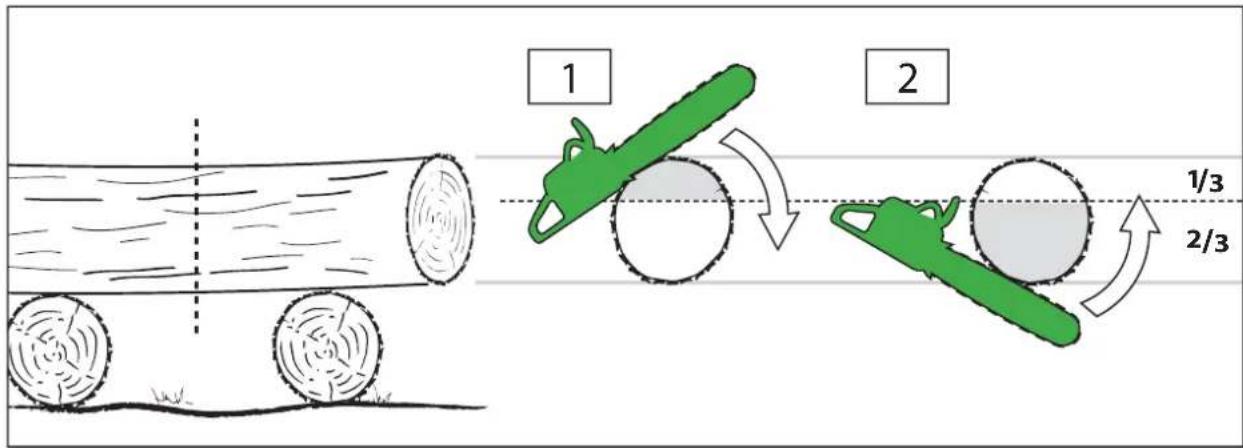
flowchart
graph LR
    A["Step 1: Moving a log"] --> B["Step 2: Rotating chain"]
    B --> C["Arrow indicating rotation around the chain"]
    style A fill:#f9f,stroke:#333
    style B fill:#ccf,stroke:#333
    style C fill:#cfc,stroke:#333
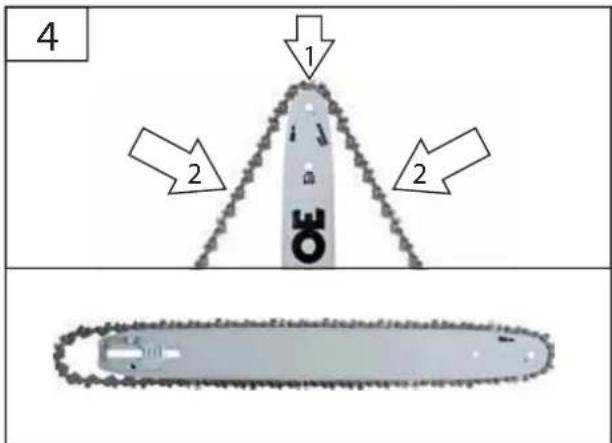
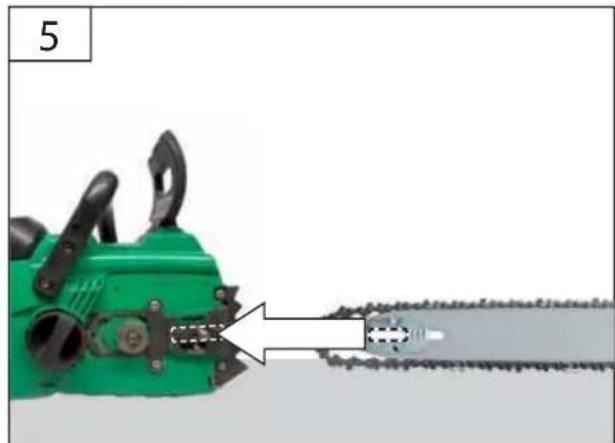
| D | Einbau Kettenschwert und Kette | SK | Montáž retázovej lišty a retáze |
| GB | Assembly of chain bar and chain | H | A láncléc és a lánc felszerelése |
| F | Montage du guide-chaîne et de la chaîne | SLO | Montaža meča in verige |
| I | Montaggio della lista di sega e della catena | HR | Montaža vodilice lanca i lanca |
| BG | Монтаж на верижната летва и веригата | ||
| NL | Inbouw kettingbalk en ketting | RO | Montajul ghidajului și a lanțului |
| CZ | Montáž řetězové lišty a řetězu | BIH | Montaža vođice lanca i lanca |



natural_image
Green handheld device with black handle and lock, showing mechanical components (no text or symbols visible)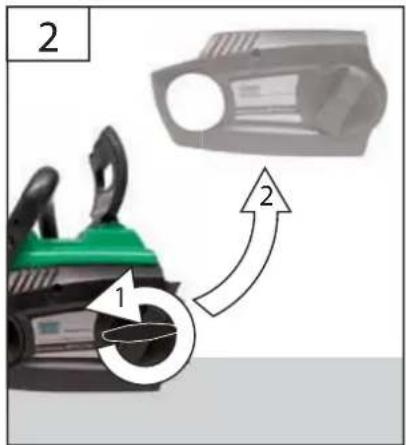
natural_image
Green hairpin with chain-linking tool, showing blade and chain structure (no text or symbols)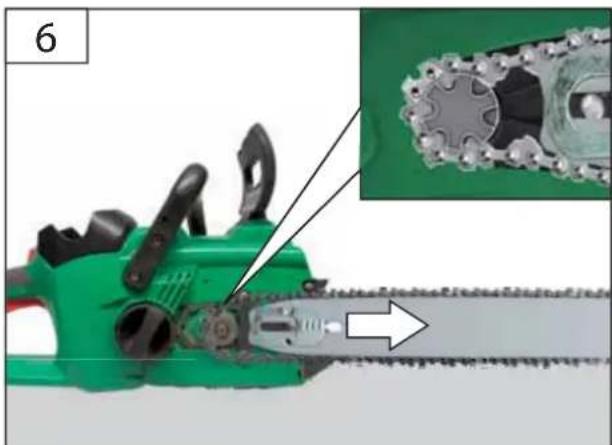
natural_image
Close-up of a green chain-linking tool with mechanical components, showing a close-up inset (no text or symbols)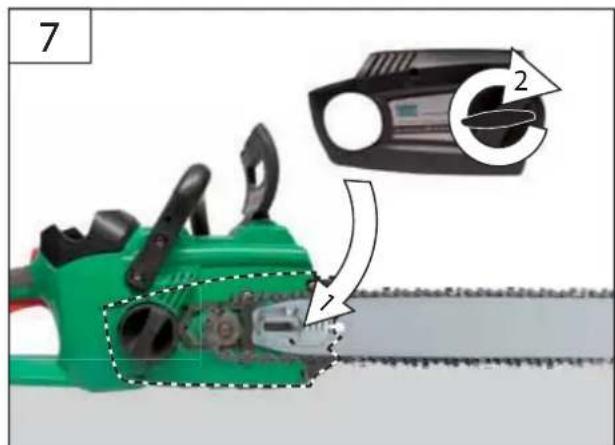
| 3 | D Kettenspannung kontrollieren. | SLO Preverite, će je veriga napeta. |
| GB Check the chain tension | HR Provjerite napetost lanca. | |
| F Contrôlez la tension de la chaîne | BG Проверete obтягането на веригата | |
| I Controllare la tensione della catena | RO Controlați întinderea lantului. | |
| NL Kettingspanning controlleren. | BIH Proverite zategnutost lanca. | |
| CZ Zkontrolujte napnutí řetězu. | ||
| SK Skontrolujte napnutie retaze. | ||
| H Ellenőrizze a lánc feszültségét |

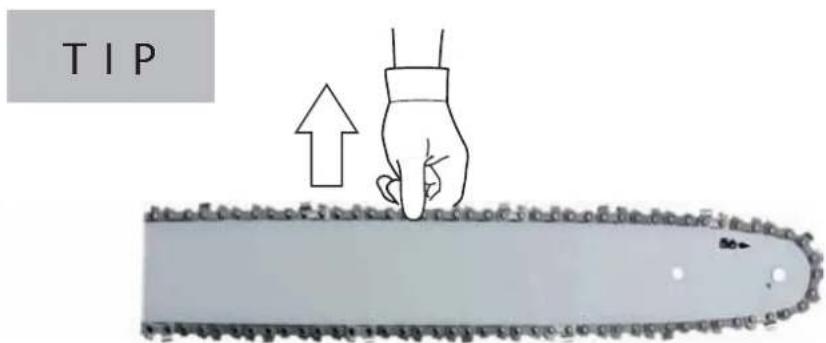
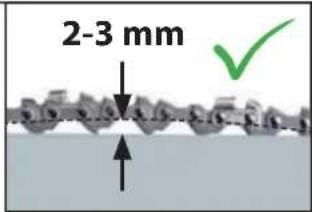
GB Repeat tensioning of new chain after approx. 5 cuts. With the engine off, check and adjust the chain tension after every 50 cuttings.
natural_image
Three safety symbols: warning triangle, blue circular arrow, and plastic bottle with drop (no text or labels)
natural_image
Green mechanical device with a padlock and lock, no visible text or symbols| D | Akku | SLO | Akumulator |  |
| GB | Battery | HR | Akumulator | |
| F | Batterie | BG | Акумулатор | |
| I | Accumulatore | RO | Acumulator | |
| NL | Accu | BIH | Aku-baterija | |
| CZ | Akumulátor | |||
| SK | Akumulátor | |||
| H | Akkumulátor |
| 95526 | 2,6Ah/36 AP | |
| 95542 | 3Ah/36 AP | |
| 95543 | 4Ah/36 AP | |
natural_image
Green handheld device with black handle and orange internal component, showing a downward arrow (no text or symbols)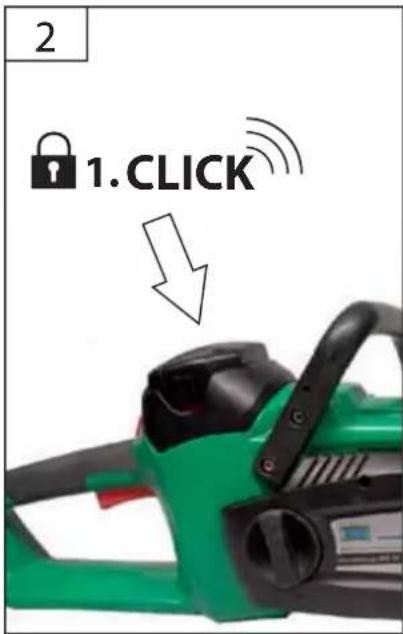
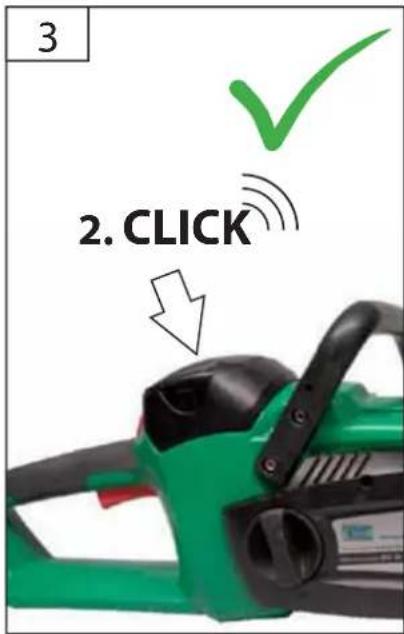
natural_image
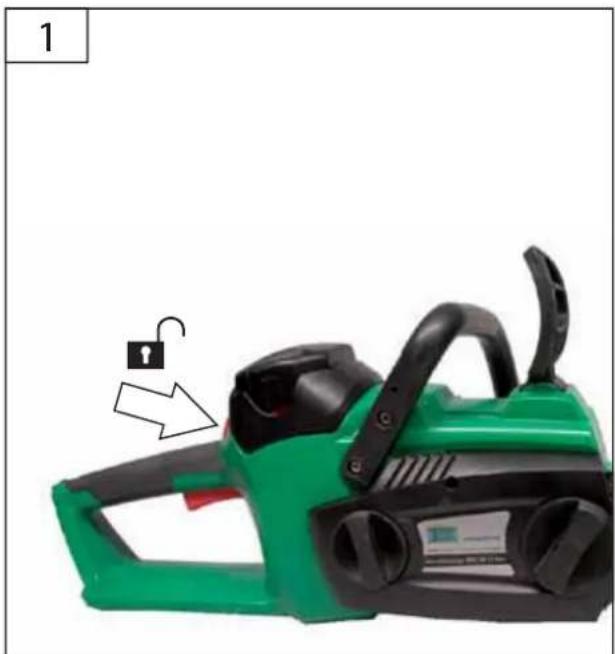
Green handheld device with black handle and lock icon, no visible text or symbols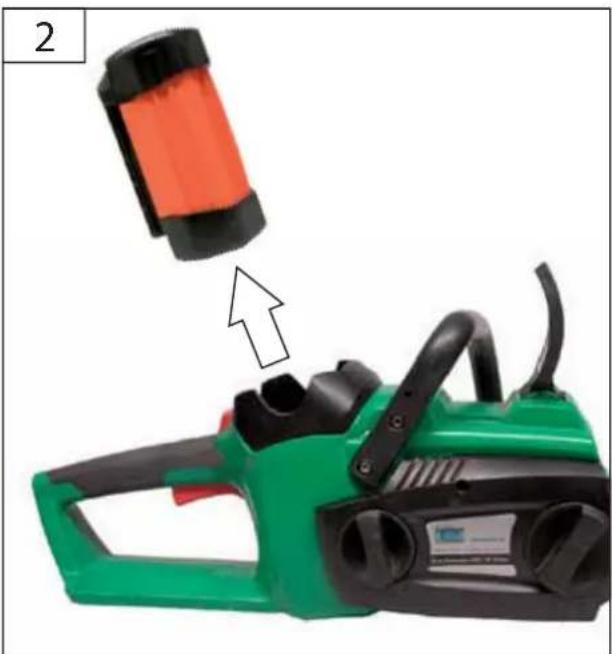
natural_image
Green handheld device with black handle and orange internal component, showing a close-up of its lid (no text or symbols visible) | D | Betrieb | SLO | Delovanje |
| GB | Operation | HR | Rad | |
| F | Fonctionnement | BG | Pábota | |
| I | Esercizio | RO | Functionare | |
| NL | Gebruik | BIH | Rad | |
| CZ | Provoz | |||
| SK | Prevádzka | |||
| H | Üzemeltetés |

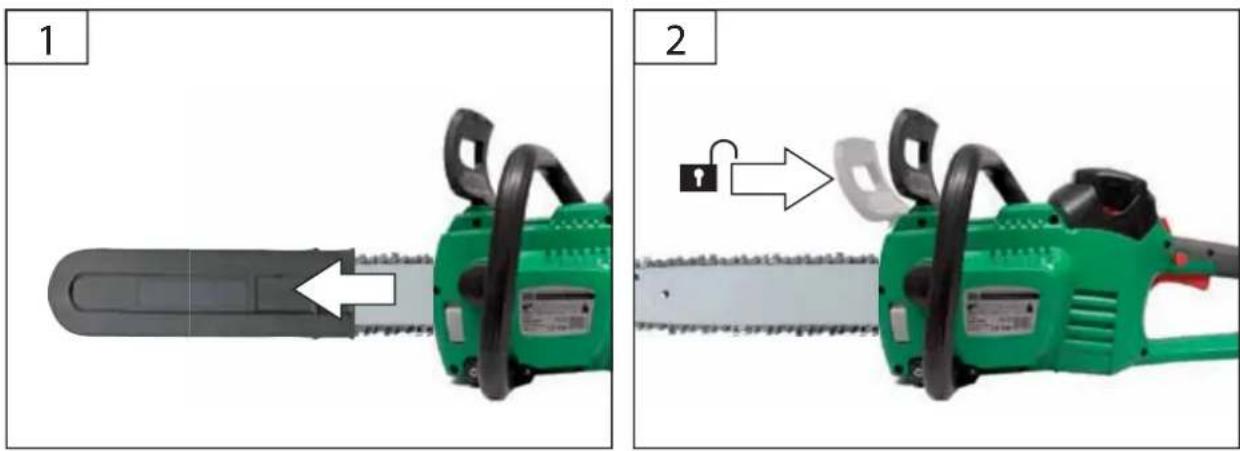
natural_image
Two-step illustration of a green chainocopper being cut, showing the blade and chain (no text or symbols)
| D | Betrieb | SLO | Delovanje |
| GB | Operation | HR | Rad |
| F | Fonctionnement | BG | Păbota |
| I | Esercizio | RO | Funcționare |
| NL | Gebruik | BIH | Rad |
| CZ | Provoz | ||
| SK | Prevádzka | ||
| H | Üzemeltetés |
natural_image
Green chain-linking tool with black handle and lock icon (no text or symbols)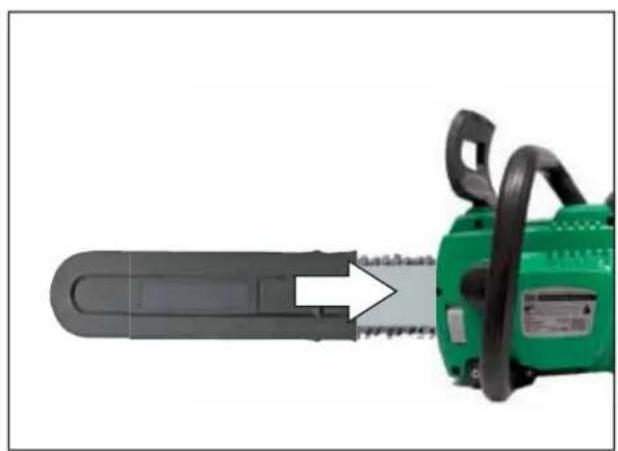
natural_image
Green chain-linking tool with black handle and blade, shown in close-up (no text or symbols visible)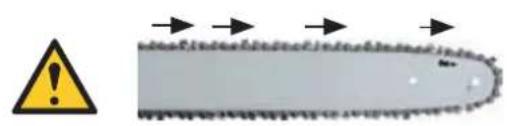
natural_image
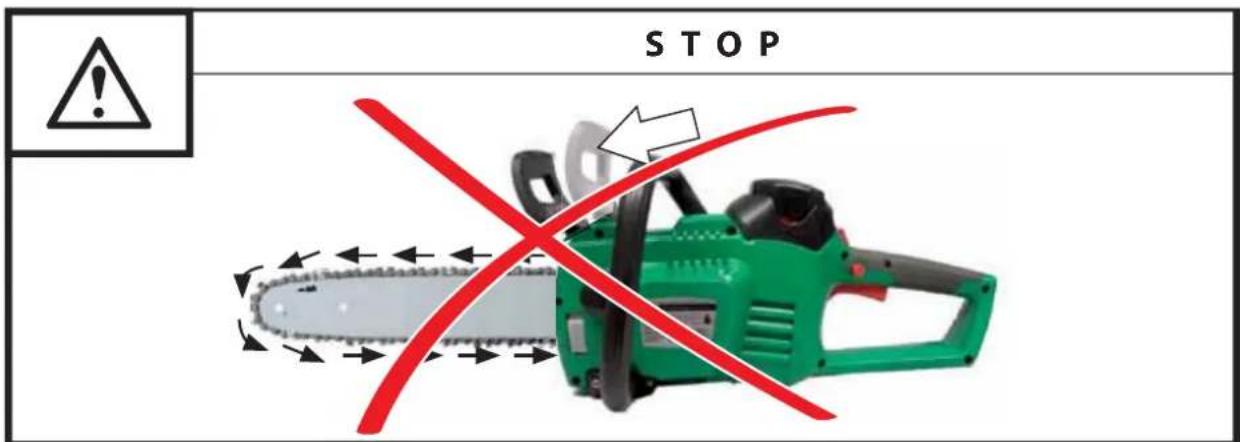
Warning symbol with exclamation mark and arrow arrows pointing to a chain (no text or labels)GB Chain runs out brief y after switching off!
| Battery Operated Chain Saw 300/36 Li-Ion Set 300/36 KS | |||
| Art. No | 95680 | 95660 | |
| Voltage 36 V | --- | 36 V --- | |
| Cutting length 270 mm 270 mm | |||
| Bar length 350 mm 350 mm | |||
| Groove/sword 1,3 mm 1,3 mm | |||
| Chain speed 10 m/s 10 m/s | |||
| Chain oil tank 0,18 l 0,18 l | |||
| Weight (without chain, sword, battery, Charging equipment and with empty oil tank) | 4,2 kg | 4,2 kg | |
| Segment | 3/8" | 3/8" | |
| Guiding footing thickness | 1,3 mm | 1,3 mm | |
| Number of guiding footings | 45 | 45 | |
| Noise details | |||
| Sound pressure level LpA1) | 87,48 dB (A) | 87,48 dB (A) | |
| Vibration value measured LWA1) | 98,48 dB (A) | 98,48 dB (A) | |
| Guaranteed sound power level LWA2) | 101 dB (A) | 101 dB (A) | |
| Measured according to 1) EN 60745; 2) 2000/14/EG+ 2005/88/EG; Uncertainty K = 2,5 dB (A) | |||
| Wear ear protectors! | |||
| Vibration details | |||
| Total vibration values (triaxial vector sum) Determined properly EN 60745 | |||
| Vibration emission value ah | 8,956 m/s 2 | 8,956 m/s 2 | |
| Uncertainty K = 1,5 m/s 2 | |||
WARNING: The vibration emission level will vary because of the ways in which a power tool can be used and may increase above the level given in this information sheet.
The vibration emission level may be used to compare one tool with another.
It may be used for a preliminary assessment of exposure.
An accurate estimate of the vibratory load should also take into account the times when the tool is shut down or when it is running but not actually in use. This may significantly reduce the vibratory load over the total working period.
Identify additional safety measures to protect the operator from the effects of vibration such as: maintain the tool and the accessories, keep the hands warm, organisation of work patterns.


Read and understand the operating instructions before using the appliance. Abide by all the safety
measures stated in the service manual. Act responsibly toward third parties.
In case of any doubts about connection and operation refer please to our customer center
Specified Conditions Of Use
The cordless chainsaw may only be used to cut wood across to the fibre direction. The handle has exclusively been designed to power adjustable Güde 25.2
V Li-ion series garden appliances for works in private gardens.
Respecting technical data and safety precautions.
Do not use this product in any other way as stated for normal use. Not observing general regulations in force and instructions from this manual does not make the manufacturer liable for damages.
Requirements for operating staff
The operating staff must carefully read the Operating Instructions before using the appliance.
Qualification: Apart from the detailed instructions by a professional, no special qualification is necessary for appliance using.
Minimum age: Persons over 18 years of age can only work on the appliance. An exception includes youngsters trained in order to reach knowledge under supervision of the trainer during occupational education.
Training: Sawing and felling, as well as all related work may only be carried, who is doing very educated and trained.
Those who have no experience with the chainsaw or denArbeitstechniken, should not perform this work. First-time users are advised to practice cutting round wood on a sawhorse.
The operator is responsible for accidents or risks to third parties.
Residual risks

Danger of burns!
Wear safety goggles when working. Never touch moving chain by hands

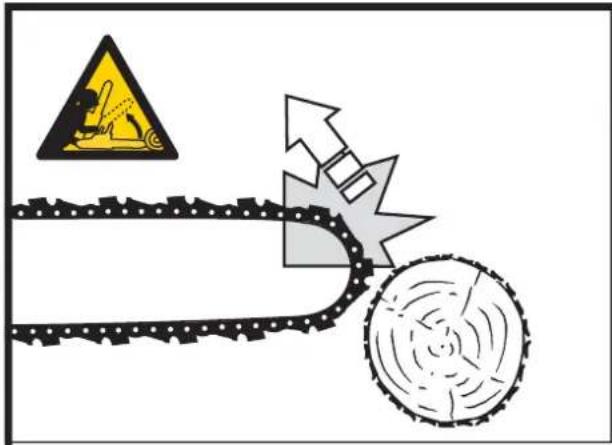
Danger of kickback!
Kickback can lead to casualties.

Danger of burns!
Chain and guiding groove warm up in operation.
Emergency procedure
Conduct a first-aid procedure adequate to the injury and summon qualified medical attendance as quickly as possible. Protect the injured person from further harm and calm them down. For the sake of eventual accident, in accordance with DIN 13164, a workplace has to be fitted with a first-aid kit. It is essential to replace any used material in the first-aid kit immediately after it has been used.
If you seek help, state the following pieces of information:
- Accident site
- Accident type
- Number of injured persons
- Injury type(s)
Symbols

Caution!

Read the operating instructions to reduce the risk of injury.

Take the replaceable battery from the appliance before any extension, cleaning and servicing works.

Warning against dangerous kickback

Keep distance of persons Observe to keep out of dangerous zone

Protect against humidity Never expose tool to rain.

Saw chain rotation direction

Wear protective helmet!

Wear eye protective goggles!

Wear ear protectors!

Wear protective gloves!

Wear safety cut through resistant shoes with safety sole and steel toe!

Wear protective clothing with cut through resistant ply!

CE marking
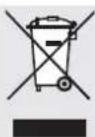
Any damaged or disposed electric or electronic devices must be delivered to appropriate collection centres.

Protect against humidity

This side up

Certified by TÜV Rheinland (Rhine)
Battery

Protect the battery against heat and fire.

Protect the battery against water and moisture.

Protect the battery against temperatures above 40°C.
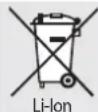
Do not throw the batteries in household waste.

Deliver the batteries to a collection centre of old batteries where they will be recycled in an environmentally friendly way.
General Power Tool Safety Warnings

WARNING
Read all safety warnings and all instructions. Failure to follow the warnings and instructions may result in electric shock, fire and/or serious injury. Save all warnings and instructions for future reference.
The term „power tool“ in the warnings refers to your mains-operated (cordepower tool or battery-operated (cordless) power tool.
1) Work area safety
a) Keep work area clean and well lit. Cluttered or dark areas invite accidents.
b) Do not operate power tools in explosive atmospheres, such as in the presence of flammable liquids, gases or dust. Power tools create sparks which may ignite the dust or fumes.
c) Keep children and bystanders away while operating a power tool. Distractions can cause you to lose control.
2) Electrical safety
a) Power tool plugs must match the outlet. Never modify the plug in any way. Do not use any adapter plugs with earthed (groundepower tools. Unmodified plugs and matching outlets will reduce risk of electric shock.
b) Avoid body contact with earthed or grounded surfaces, such as pipes, radiators, ranges and refrigerators. There is an increased risk of electric shock if your body is earthed or grounded.
c) Do not expose power tools to rain or wet conditions. Water entering a power tool will increase the risk of electric shock.
d) Do not abuse the cord. Never use the cord for carrying, pulling or unplugging the power tool. Keep cord away from heat, oil, sharp edges or moving parts. Damaged or entangled cords increase the risk of electric shock.
e) When operating a power tool outdoors, use an extension cord suitable for outdoor use. Use of a cord suitable for outdoor use reduces the risk of electric shock.
f) If operating a power tool in a damp location is unavoidable, use a residual current device (RCprotected supply. Use of an RCD reduces the risk of electric shock.
3) Personal safety
a) Soyez attentif, faites attention à ce que vous faites et faites preuve de bon sens lors de l'utilisation de l'appareil électrique. N'utilisez jamais l'appareil électrique si vous êtes fatigué, sous effet de drogues, d'alcool ou de médicaments. A moment of inattention while operating power tools may result in serious personal injury.
b) Use personal protective equipment. Always wear eye protection. Protective equipment such as dust mask, non-skid safety shoes, hard hat, or hearing protection used for appropriate conditions will reduce personal injuries.
c) Prevent unintentional starting. Ensure the switch is in the off-position before connecting to power source and/or battery pack, picking up or carrying the tool. Carrying power tools with your finger on the switch or energising power tools that have the switch on invites accidents.
d) Remove any adjusting key or wrench before turning the power tool on. A wrench or a key left attached to a rotating part of the power tool may result in personal injury.
e) Do not overreach. Keep proper footing and balance at all times. This enables better control of the power tool in unexpected situations.
f) Dress properly. Do not wear loose clothing or jewellery. Keep your hair, clothing and gloves away from moving parts. Loose clothes, jewellery or long hair can be caught in moving parts.
g) If devices are provided for the connection of dust extraction and collection facilities, ensure these are connected and properly used. Use of dust collection can reduce dust-related hazards.
4) Power tool use and care
a) Do not force the power tool. Use the correct power tool for your application. The correct power tool will do the job better and safer at the rate for which it was designed.
b) Do not use the power tool if the switch does not turn it on and off. Any power tool that cannot be controlled with the switch is dangerous and must be repaired.
c) Disconnect the plug from the power source and/or the battery pack from the power tool before making any adjustments, changing accessories, or storing power tools. Such preventive safety measures reduce the risk of starting the power tool accidentally.
d) Store idle power tools out of the reach of children and do not allow persons unfamiliar with the power tool or these instructions to operate the power tool. Power tools are dangerous in the hands of untrained users.
e) Treat electric tools carefully. Check whether the moving parts work perfectly and do not drag, whether not broken or damaged to such an extent that functioning of electric tools could be affected. Have any damaged parts repaired before using the machine. Many accidents are caused by poorly maintained power tools.
f) Keep cutting tools sharp and clean. Properly maintained cutting tools with sharp cutting edges are less likely to bind and are easier to control.
g) Use the power tool, accessories and tool bits etc. in accordance with these instructions, taking into account the working conditions and the work to be performed. Use of the power tool for operations different from those intended could result in a hazardous situation.
5) Using and treatment of cordless tools.
a) Charge the batteries only in chargers recommended by the manufacturer. Risk of fire for a charger suitable only for a certain type of batteries or, as appropriate, accumulators, if used for other accumulators.
b) Use only such accumulators in this electric appliance that have been designed for this appliance. Use of other accumulators may lead to injuries and risk of fire.
c) Do not leave an accumulator not being used near office clips, coins, keys, nails, screws or other small metal items that could cause contact bridging. Short circuit between accumulator contacts may result in burns or fire.
d) Liquid may leak from an accumulator if used improperly. Prevent contact with such liquid. Rinse an affected body part with water in case of accidental contact. If liquid gets to your eye, seek medical advice. Liquid leaking from a battery may cause skin irritation or burns.
6) Service
a) Have your power tool serviced by a qualified repair person using only identical replacement parts. This will ensure that the safety of the power tool is maintained.
Safety instructions for Battery Operated Chain Saw
- A moment of inattention when working with the chainsaw is able to cause the saw chain to catch your clothes or parts of your body.
- Use your right hand to hold the chainsaw by its rear handle and your left hand to hold it by its front handle. Holding the chainsaw the opposite way increases the risk of injury and you must not do that.
- Wear protective glasses and ear protectors. Further, wearing head, hand and leg protection equipment is recommended. Suitable protective clothing minimises the risk of injury by thrown-away wood chips and possible contact with the saw chain.
- Do not work on trees with the chainsaw. There is a risk of injury when working on a tree.
- Provide safe posture at all times and use the chainsaw only when standing on a solid, safe and level surface. A slippery or unstable surface, such as ladder, may lead to loss of balance or loss of control over the chainsaw.
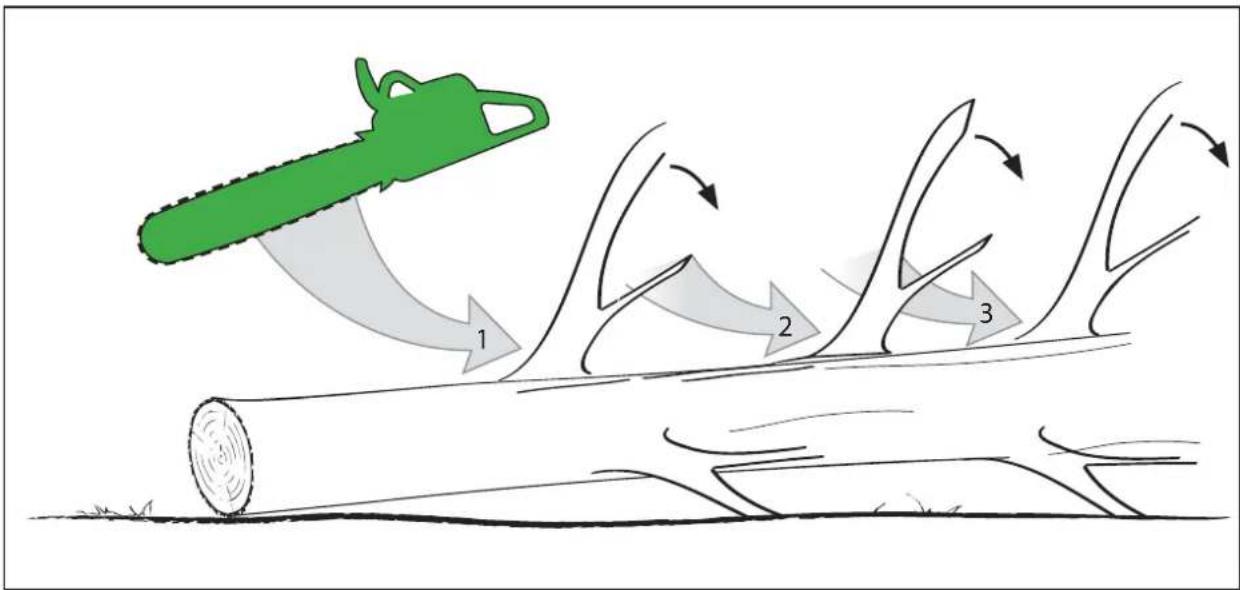
- When cutting a tense branch, be sure to know that the branch will bounce back. If tension in the wood fibres gets released, the tense branch may hit the operator and/or cause a loss of control over the chainsaw.
- Be especially careful when cutting scrubs and saplings. Thin material may get caught in the chainsaw and hit you or you may lose your balance.
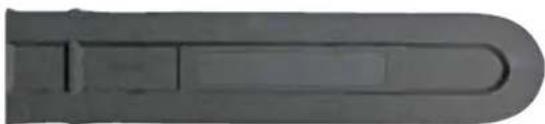
- Carry the chainsaw by the front handle in a switched-off condition and the saw chain must be deflected from your body. Fit a protection cover on the chainsaw whenever it is transported or stored. Careful chainsaw treatment reduces the likelihood of an accidental contact with the running saw chain.
- Follow the lubrication, chain tension and accessory equipment replacement instructions. A chain that is not tightened or lubricated in a professional manner may crack or increase the risk of backlash.
- Keep the handles dry, clean and with no oil and fat. Handles dirty with fat or oil are slippery and lead to loss of control.
- Wood to be cut only. Do not use the chainsaw for works for which it has not been designed – example: do not use the chainsaw to cut plastic material, masonry or building materials not made of wood. Using the chainsaw for works that are in conflict with the designation may lead to dangerous situations.
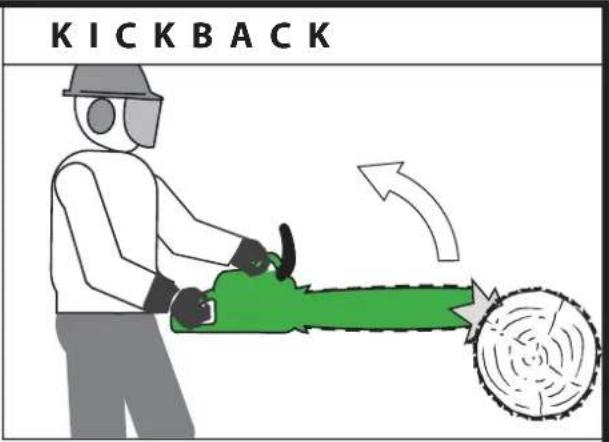
Backlash causes and prevention:
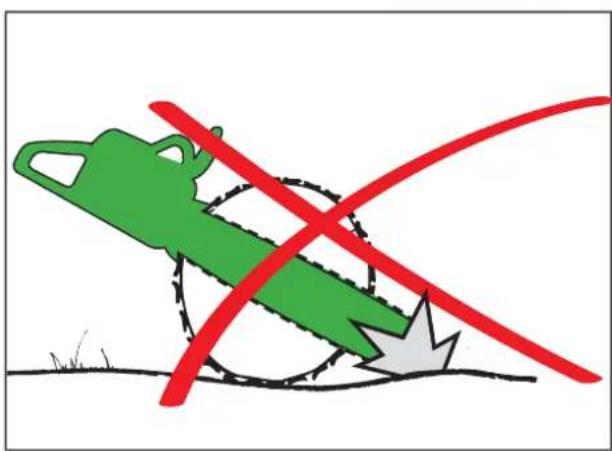
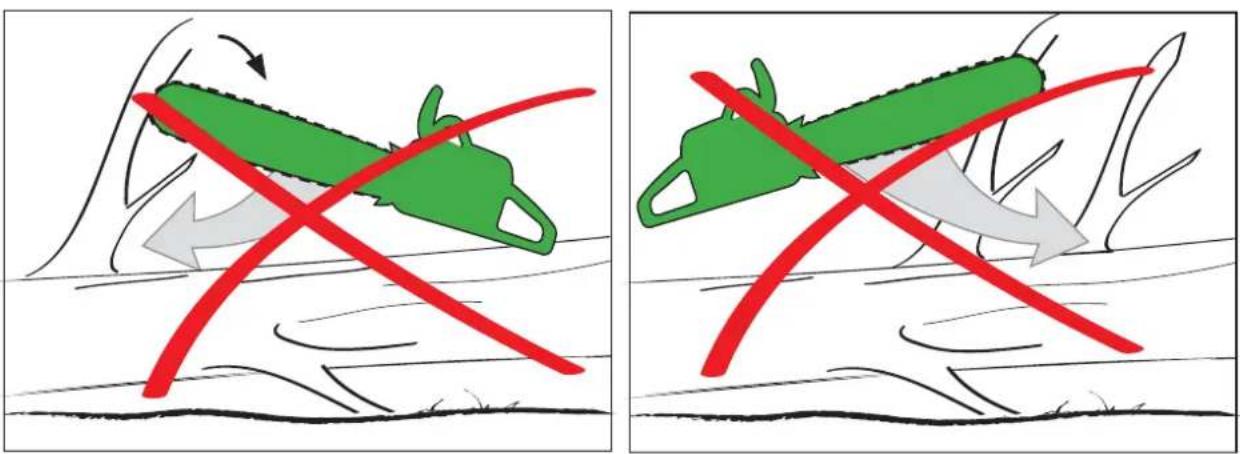
Backlash may take place when the saw bar point touches an item or when the wood bends and the saw chain gets stuck in the cutting.
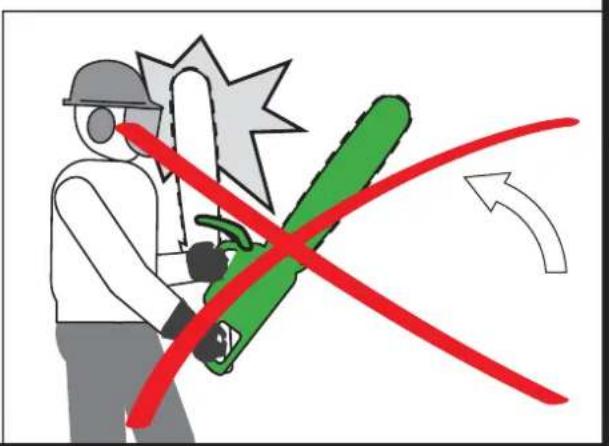
In many cases, a contact with the bar point may lead to a situation when the operator unexpectedly bends backward and the bar is ejected upward toward the operator as a result.
Sticking of the saw chain on the upper edge of the bar may throw the bar intensely off toward the operator.
Each such reaction may lead to losing control over the saw and you may get seriously injured. Do not fully rely on the safety equipment fitted in the chainsaw. As the chainsaw user, you should take various measures to be able to work without any accident and injury.
Back impact is a result of an improper or wrong use of power tools. This can be prevented by appropriate preventive measures, as described below:
- Hold the saw firmly with both hands; clamp the chainsaw handle with thumbs and fingers. Position your body and arms so that you could absorb the back impact. If appropriate measures are taken, the operator is able to control the back impact force. Never drop the chainsaw.
-
Avoid abnormal body posture and do not cut above the shoulder level. This will prevent a contact with the bar point and the chainsaw will be controlled better in unexpected situations.
-
Spare bars and saw chains specified by the manufacturer to be used at all times. Wrong spare bars and saw chains may lead to chain overloading and/or backlash.
- Follow the manufacturer instructions for chain-saw sharpening and maintenance. Too low depth limiters increase the tendency to back impact.
Other safety instructions
Provide adequate lighting or good lighting conditions when working with the machine.
⚠️ Be careful when going backwards – risk of tripping!
Do not run! Immediately remove cut branches/knots from the work area to prevent injuries. Watch out for falling branches!
Switch the appliance immediately off and remove the replaceable battery from the appliance when the saw chain gets blocked. Remove the blocked object.
Before inserting the battery, make sure the appliance is off.
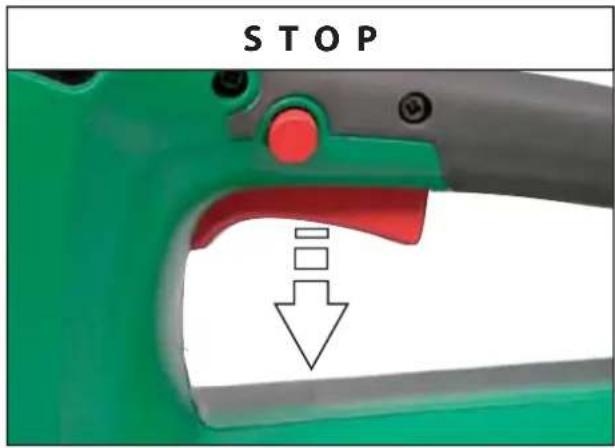
The ON/OFF switch and safety switch must not be locked.
Do not use electric tools if the switch is defective. Damaged switches must be replaced by the customer service. Electric tools that cannot be turned on or off are dangerous and must be repaired.
⚠️ Before using, check the tightness and proper seating of all screwed and socket joints and protective equipment and if all moving parts are moving smoothly.
⚠ It is strictly prohibited to demount, adjust and alienate the protective equipment on the machine or put other protective equipment on the machine.
⚠ Do not use the appliance if damaged or the safety equipment is defective. Replace any worn and damaged parts.
Do not use the device near flammable liquids or gases. Risk of fire and explosion in case of short circuit.
Vapours may leak out in case of unauthorised use or when using a damaged accumulator. Bring fresh air and seek medical advice if experiencing difficulties. Vapours may irritate the respiratory system.

Risk of fire! Risk of explosion!
Never use damaged, defective or deformed accumulators. Never open or damage the accumulator or let it fall on the ground.
Never charge the battery in an environment with acids and easily flammable materials.
Protect the battery against heat and fire. Battery to be used at the ambient temperatures between 10irc C and +40irc C only. Never put the battery on heaters and do not expose it to strong sunlight for a long time. After being subject to heavy load, let the battery cool down first.
Short circuit - do not bridge the accumulator contacts with metal parts.
The accumulator must be packaged (plastic bag, box) or accumulator contacts must be sealed up for accumulator disposal, transport or storage.
Work instructions
Accumulators are supplied partially charged and must therefore be fully charged before being used for the first time.
- Charge the accumulator when the appliance is running slowly or stops.
- A li-ion battery may be charged at any time without any shortening of its life. Charging process interruption will not damage the accumulator.
- A li-ion battery is protected by the Electronic Cell Protection against deep discharge.
- A significantly shorter operating time of a charged battery means the battery life is over and the battery must be replaced. Original spare batteries to be used only.
Maintenance

Take the replaceable battery from the appliance before any extension, cleaning and servicing works.
Repairs and works specified in these Instructions may only be performed by qualified authorised staff.
Use only original accessories and original spare parts. Biodegradable oil for chains to be used only.
Keep the device, in particular the air vents, clean at all times. Never spray water on the device body!
Never clean the machine and its components with solvents, flammable or toxic liquids. Us only a damp cloth making.
Apply environment-friendly oil to all moving parts.
After each use, clean the saw and sword chain carefully. Wipe it with a cloth moistened in oil or apply metal treatment spray on it.
Blunt, bent or damaged chains and swords must be replaced.
Only a regularly maintained and treated appliance can serve as a satisfactory aid. Insufficient maintenance and care can lead to unforeseen accidents and injuries.
If necessary, a list of spare parts can be found at www.guede.com.
Machine to be stored in a dry place.
Disposal
The disposal instructions are based on the icons placed on the appliance or its package.
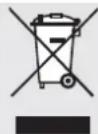
Any damaged or disposed devices must be delivered to appropriate collection centres.
Dispose of the batteries in an environmentally friendly manner.
Li-ion batteries are subject to the special disposal obligation. Have any defective batteries disposed of by a specialised shop. The battery must be taken out before the appliance is scrapped. Damaged batteries may harm the environment and your health if toxic vapours or liquids leak out of such batteries.
Therefore, never send a defective battery by post, etc. Please contact your local recycling centre.
Dispose of the batteries when discharged. We recommend applying an adhesive tape on the poles to protect them against short circuit. Never open the battery.
Transport packaging disposal
The packaging protects the machine against damage during transport. Packaging materials are usually chosen based on environment aspects and waste treatment principles and are therefore recyclable. Returning the packaging into material circulation saves raw materials and reduces waste production. Parts of packagings (e.g. foils, styropor®) can be dangerous for children.
Risk of suffocation!
Keep parts of the packagings out of reach of children and dispose them as soon as possible.
Dispose the waste oil in an environment-friendly manner!
Guarantee
Warranty period of 12 months applies to commercial use and 24 months applies to private use and commences on the day of purchase of the device.
The guarantee solely covers inadequacies caused by material defect or manufacturing defect. Original payment voucher with the sales date needs to be submitted for any claim in the guarantee period.
The guarantee does not cover any unauthorised use such as appliance overloading, use of violence, damage as a result of any unauthorised interference or caused by foreign items. Failing to follow the operating and assembly instructions and common wear are also not included in the guarantee.
Important information for the customer
Please be sure to know that returning the product in or after the warranty period must be made in the original packaging.
Service
Do you have any technical questions? Any claim? Do you need any spare parts or operating instructions? We will quickly help you and without needles bureaucracy at our web pages at www.guede.com in the Servicing part. Please help us be able to help you. In order to identify your device in case of claim we need the serial No., product No. and year of production. All this data can be found on the type label. Please enter it here for future reference:
Serial No.:
Art. No:
Year of production:
Tel.: +49 (0) 79 04 / 700-360
Fax: +49 (0) 79 04 / 700-51999
E-Mail: support@ts.guede.com
Inspection and maintenance plan
| Generally Complete saw | Regularly clean the outer partLet regularly checked by authorized workshop | |
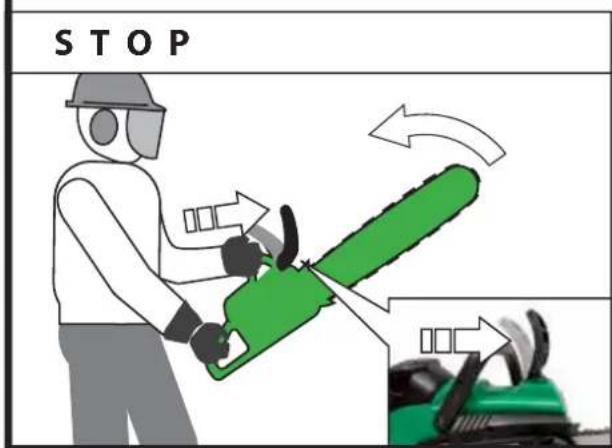
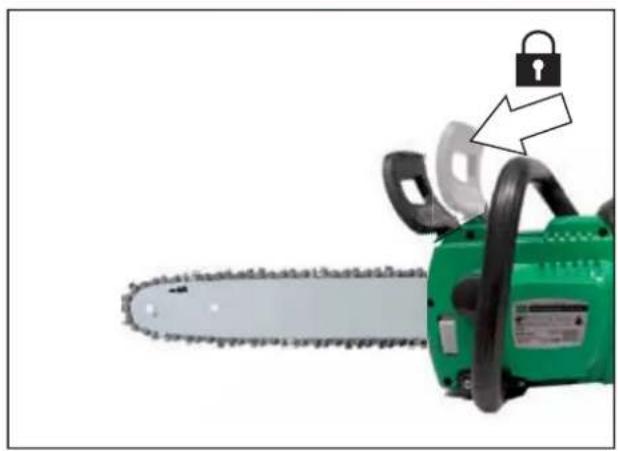
| Plastic bodySaw chainChain saw barChain saw wheelChain break | Check for cracks and fissuresLet regularly sharpenClean regularlyClean regularlyRegular functional test Tilt the front hand protective lever forwards; the saw chain must stop. | |
| Before any start-up Saw chain | Check for damages and sharpnessCheck the chain tensionFunctional testFunctional test Tilt the front hand protective lever forwards; the saw chain must stop.Functional testFunctional testCheck for tightnessIn case damage let repaired in authorized workshop | |
| Chain saw barChain lubricationChain breakFollow-up brakeON/OFF switchOil tank cap | ||
| After every take out of service | Chain saw barBar fixture | Clean the oil top-up openingClean above all guiding oil groove |
| storage Chain oil tank | DrainDismount, clean and lubricate slightly by oil Clean the saw guiding grooveStore safely in dry room Let the chain saw checked by authorized workshop after long term storage (remaining oil can be resinous and clog the oil pump valve) | |
| Saw chain / Chain saw barComplete saw |
Failure removal
| Defect System Tracing Cause | |||
| The saw does not work Electric engine is not | running | Missing power supplyBattery is emptyChain brake activated | |
| Not sufficient output Carbon brushes Low dilatability Worn-down carbon | brushes | ||
| Missing chain lubrication | Oil tank / Oil pump Chain is not lubricated Empty oil tank, Dirty guiding oil groove | ||
| Chain break | Brake | Chain does not stop quickly | Worn-down brake belt |
| Follow-up brake | Brake | Saw chain runs out | Worn-down carbon brushes |
Translation of the EC-Declaration of Conformity
We, hereby declare the conception and construction of the below mentioned appliances correspond - at the type of construction being launched - to appropriate basic safety and hygienic requirements of EC Directives.
In case of any change to the appliance not discussed with us the Declaration expires.
2006/95/EC 2004/108/EC
2009/105/EC 1907/2006/EC
2011/65/EC ROHS 2009/142/EC
☐ 89/686/EEC (PPE) 1935/2004/EC
2006/42/EC
Annex IV
Notified Body: No:0197 Name:TÜV Rheinland
2006/95/EC 2004/108/
2009/105/EC 1907/2006/EC
2011/65/EC ROHS 2009/142/EC
☐ 89/686/EEC (PPE) 1935/2004/EC
2006/42/EC
Annex IV
Notified Body: No:0197 Name:TÜV Rheinland


- D Sägeanweisungen
- Specified Conditions Of Use
- Requirements for operating staff
- Residual risks
- Danger of burns!
- Danger of kickback!
- Emergency procedure
- Symbols
- General Power Tool Safety Warnings
- WARNING
- Safety instructions for Battery Operated Chain Saw
- Backlash causes and prevention:
- Other safety instructions
- ⚠️ Be careful when going backwards – risk of tripping!
- Risk of fire! Risk of explosion!
- Work instructions
- Maintenance
- Disposal
- Transport packaging disposal
- Risk of suffocation!
- Guarantee
- Important information for the customer
- Service
- Translation of the EC-Declaration of Conformity
Brand : Güde
Model : 30036 LIION
Category : Saw