 ManualGo.com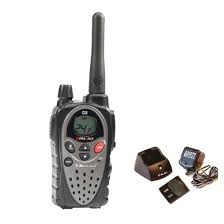
MIDLAND G8 - Ham Radio ALAN - Free user manual and instructions
Find the device manual for free MIDLAND G8 ALAN in PDF.



Download the instructions for your Ham Radio in PDF format for free! Find your manual MIDLAND G8 - ALAN and take your electronic device back in hand. On this page are published all the documents necessary for the use of your device. MIDLAND G8 by ALAN.
USER MANUAL MIDLAND G8 ALAN
EMG OUT OUT H L HDCSL CTC DCS CTC ROGER ROGER CALL CALL MENU MENU EMG EMG H L DCS CTC OUT
DCS CTC EMG ROGER MENU
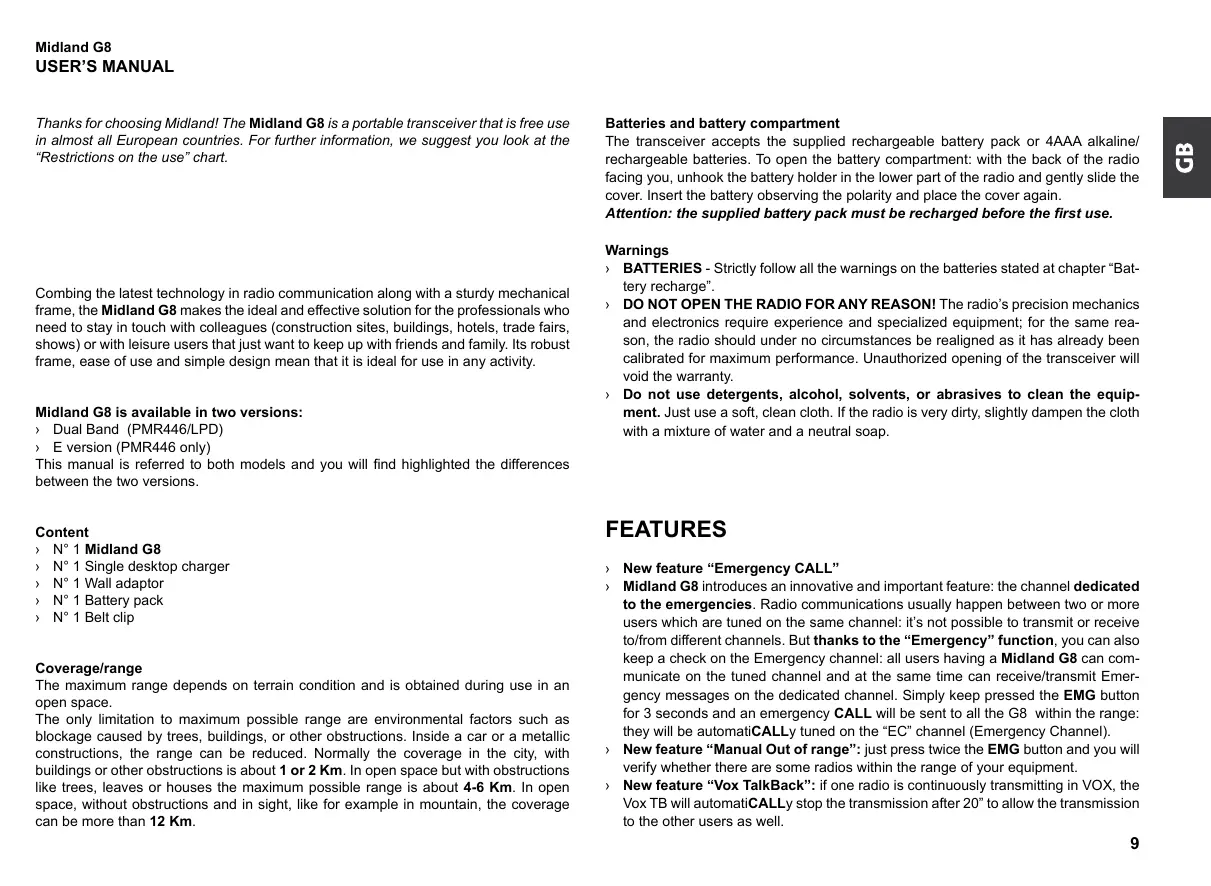
User’s manual Thanks for choosing Midland! The Midland G8 is a portable transceiver that is free use in almost all European countries. For further information, we suggest you look at the “Restrictions on the use” chart. Combing the latest technology in radio communication along with a sturdy mechanical frame, the Midland G8 makes the ideal and effective solution for the professionals who need to stay in touch with colleagues (construction sites, buildings, hotels, trade fairs, shows) or with leisure users that just want to keep up with friends and family. Its robust frame, ease of use and simple design mean that it is ideal for use in any activity. Midland G8 is available in two versions: ›› Dual Band (PMR446/LPD) ›› E version (PMR446 only) This manual is referred to both models and you will find highlighted the differences between the two versions. Content ›› N° 1 Midland G8 ›› N° 1 Single desktop charger ›› N° 1 Wall adaptor ›› N° 1 Battery pack ›› N° 1 Belt clip Coverage/range The maximum range depends on terrain condition and is obtained during use in an open space. The only limitation to maximum possible range are environmental factors such as blockage caused by trees, buildings, or other obstructions. Inside a car or a metallic constructions, the range can be reduced. Normally the coverage in the city, with buildings or other obstructions is about 1 or 2 Km. In open space but with obstructions like trees, leaves or houses the maximum possible range is about 4-6 Km. In open space, without obstructions and in sight, like for example in mountain, the coverage can be more than 12 Km. Batteries and battery compartment The transceiver accepts the supplied rechargeable battery pack or 4AAA alkaline/ rechargeable batteries. To open the battery compartment: with the back of the radio facing you, unhook the battery holder in the lower part of the radio and gently slide the cover. Insert the battery observing the polarity and place the cover again. Attention: the supplied battery pack must be recharged before the first use. Warnings ›› BATTERIES - Strictly follow all the warnings on the batteries stated at chapter “Battery recharge”. ›› Do not open the radio for any reason! The radio’s precision mechanics and electronics require experience and specialized equipment; for the same reason, the radio should under no circumstances be realigned as it has already been calibrated for maximum performance. Unauthorized opening of the transceiver will void the warranty. ›› Do not use detergents, alcohol, solvents, or abrasives to clean the equipment. Just use a soft, clean cloth. If the radio is very dirty, slightly dampen the cloth with a mixture of water and a neutral soap. FEATURES ›› New feature “Emergency CALL” ›› Midland G8 introduces an innovative and important feature: the channel dedicated to the emergencies. Radio communications usually happen between two or more users which are tuned on the same channel: it’s not possible to transmit or receive to/from different channels. But thanks to the “Emergency” function, you can also keep a check on the Emergency channel: all users having a Midland G8 can communicate on the tuned channel and at the same time can receive/transmit Emergency messages on the dedicated channel. Simply keep pressed the EMG button for 3 seconds and an emergency CALL will be sent to all the G8 within the range: they will be automatiCALLy tuned on the “EC” channel (Emergency Channel). ›› New feature “Manual Out of range”: just press twice the EMG button and you will verify whether there are some radios within the range of your equipment. ›› New feature “Vox TalkBack”: if one radio is continuously transmitting in VOX, the Vox TB will automatiCALLy stop the transmission after 20” to allow the transmission to the other users as well.
Power: 500mW (PMR446); 10mW (LPD) Operating temperature: from -20° to +55° C 38 CTCSS tones/104 DCS codes Waterproof: IPX5
Emergency CALL Out of range control
VOX adjustable in 3 levels and with “TalkBack” 2 INTERCOM
Keypad lock Auto power save: automatic current economy circuit
Low battery indicator Dual Watch CALL with 5 selectable melodies SCAN Monitor Out of Range Roger beep High/Low power LCD Display with backlight Power supply: NiMH battery pack 800mAh 4,8V or 4 AAA batteries 2pin accessory plug Weight: 112gr (w/o batteries) Dimensions: 59x98x32mm Battery life (in PMR446 band): more than 12 hours with 800mAh battery pack Versions: ›› G8 Dual band (PMR446/LPD) 24 PMR446 channels (8+16 pre-set)/69 LPD channels ›› G8E (PMR446 only) 24 PMR446 channels (8+16 pre-set)
Your Midland G8 keeps you constantly updated about its operational status through a Liquid Crystal Display (LCD). The symbols and their corresponding parameters that may appear, according to the operational status of the device, are described as follows: CHANNEL These two large digits indicate the selected channel VOX VOX function activated This symbol appears when the keypad lock is activated EMG Emergency function activated DW Dual Watch activated Indicates the battery status Vibra-CALL function activated OUT Indicates if the Automatic Out of Range function looses contact with the other radios. RX Reception mode TX Indicates the transmission(PTT pressed); H(High) / L(Low) High or low power selection. CTCSS/DCS Indicate the type of sub audio tone selected. CTCSS/DCS These three small digits indicate the code of the CTCSS/DCS tones selected (1-38 / 1-104) ROGER Roger Beep activated.
OUT ROGER H L DCS CTC ROGER
DESCRIPTION OF THE CONTROLS
AND FUNCTIONS EMG EMG
Refer to this picture to identify the various parts of the device:
15. Built-in speaker
Here is where the speaker is housed.
16. MENU button
Press this button to enter the radio’s MENU. To send a CALL on the selected channel. If you keep it
17. CALL/ button
pressed for about 5 seconds, the keypad lock is activated.
18. PTT (push to talk) Push this button to transmit.
19. VOLUME knob
On/off switch for the device and adjusts VOLUME of reception.
20. ANTENNA
Receives and transmits radio signals.
21. Accessory socket (under protective cover) To connect to external audio devices
such as microphones, chargers, etc. (2pin type)
22. EMG button
To activate the Emergency and the Manual Out of range functions.
23. ▲▼ buttons
To change the setting within the MENU
24. Built-in microphone Here is where sound is picked up by the microphone.
25. Intercom plug
To connect to headset/mike accessories suitable for intercom communications.
Turning on/off To turn on the transceiver, turn the VOLUME knob clockwise until you hear it clicks. To turn off the transceiver, turn the knob counter-clockwise. Selecting the PMR466 or LDP band (only for the dual band version) Midland G8 (Dual band) is pre-set at factory on the PMR446 band. To switch to the LPD band, keep pressed the MENU button until the LPD shows channel ‘1’. To return to the PMR446 band, keep pressed the MENU button again, until the LCD shows ‘P1’. ! This procedure disables the “EMG” function; therefore if you change the frequency band, remember to activate the Emergency function again (see paragraph “Emergency function”). Channel selection Press the MENU button. The number of the channel will start flashing on the display. Press the scroll buttons ▼▲ till you select the desired channel. Press the PTT button to confirm, or wait for 5 seconds. According to the version you bought, you can choose amongst the following channels: ›› Dual band version: PMR446 from P1 to P8 and from 9p to 24p (pre-set) / LPD from 1 to 69. ›› E version (PMR446 only): from P1 to P8 and from 9p to 24p (pre-set) ! Channel P8 has been set at factory for the “Emergency” function; we suggest that you do not use it for general communications! Displaying the channel/sub audio tone To momentarily display the PMR446 channel and the subadio tone used in the pre-set channels, go to the desired channel (from 9p to 24p) and keep pressed the ▼ for 3 seconds.
EMG Transmission and reception OUT
To transmit keep the PTT button firmly pressed. Wait for a fraction of a second then speak normally in the direction of the microphone and hold the device at a distance of about 5 cm; TX will appear on the display. When you have finished, release the PTT. When the radio is in reception mode (PTT released) you will automatiCALLy receive any communication. RX will be displayed. VOLUME adjustment Rotate the VOLUME knob till you reach the desired level. “CALL” Push the CALL button and you will send an audio signal to the users tuned on the same channel; you can choose amongst different CALL tones.
Channel selection “Emergency” Keep pressed CALL/ for about 5 seconds. and will be displayed as confirmation. Only PTT, EMG and CALL/ remain active. To disable this function, keep pressed again CALL/ for 5 seconds approx. Press the MENU button. The number of the channel will start flashing on the display. Press the scroll buttons ▼▲ till you select the desired channel. Press the PTT button to confirm, or wait for 5 seconds. According to the version you bought, you can choose amongst the following channels: ›› Dual band version: PMR446 from P1 to P8 and from 9p to 24p (pre-set) / LPD from 1 to 69. ›› E version (PMR446 only): from P1 to P8 and from 9p to 24p (pre-set) ! Channel P8 has been set at factory for the “Emergency” function; we suggest that you do not use it for general communications! MON (Monitor) function / Squelch CTCSS/DCS tone setting When the Emergency function is enabled (EMG blinks on the display) keep pressed EMG for 3 seconds and you send an emergency CALL to the other G8 within your range. The Emergency function is activated by default. Keypad lock
EMG OUT The Monitor button is for temporarily excluding (opening) the squelch, in order to listen 20 that are too weak to keep 20 the squelch permanently opened. to signals 20 monitor function, keep pressed for about 2 seconds both ▲▼ at the To activate the same time. Follow the same procedure to deactivate the function, or switch off and on the radio. ! When MON is active, you will probably hear a constant background noise. ! You can activate the Monitor feature only if the “Emergency” function is disabled. EMG
ROGER H L DCS CTC OUT
Scanning all the channels
23 G8 can 22 automatiCALLy search Midland for signals throughout the bands by scanning
the16channels in rapid sequence. This function is useful to find out any active channel. When25 a signal24is detected, the scanning pauses on that channel for 5 seconds. Press 15 ▼ for 225seconds: the scanning 15 will start. To stop it, push PTT: the Midland G8 will go back to15the channel from which the scanning originally started. ! You can activate the scanning feature only if the “Emergency” function is disabled. EMG MENU “MENU” key The following features can be selected by using the “MENU” button: ›› Channel selection ›› CTCSS tone setting ›› DCS tone setting ›› High/low power selection (only in the PMR446 band) ›› VOX ›› VibraCALL function ›› CALL melodies ›› Roger Beep ›› Keypad Beep ›› Emergency channel ›› Dual Watch function ›› Out of Range
CTCSS and DCS tones are similar to access codes and enable the radio to communicate only with the users that are tuned on the same channel and have set the same code. For each channel, you can set up to 38 CTCSS and 104 DCS tones. These tones can be set on the following channels: ›› Dual band version: only on the 8 main PMR446 channels (from P1 to P8) and on the 69 LPD channels. ›› E version (PMR446 only): only on the 8 main PMR446 channels (from P1 to P8) For both, the pre-set channels from 9p to 24p cannot be modified. Activating the CTCSS tones: ›› Turn on the unit. ›› Select the desired channel by pushing the MENU button and the ▲▼ channels. ›› Press the MENU button till the display shows CTC and the CTCSS tone blinks on the right (“of”= no code – default condition). ›› Select the desired CTCSS tone by pushing ▲▼. ›› To confirm the setting, push PTT or wait for 5 seconds. Deactivating the CTCSS tones: If you don’t want to use the CTCSS tones, follow these steps: ›› Select the desired channel ›› Press the MENU key till the display shows the CTCSS tone blinking on the left; ›› Select “of” by means of ▲▼. Activating the DCS codes: ›› Turn on the unit. ›› Select the desired channel by pressing MENU and ▲▼ keys. ›› Push the MENU button again till the display shows DCS and the tone code blinks on the right (“of”=no code – default condition). ›› Select the desired DCS code by pushing ▲▼. ›› To confirm the setting, press the PTT or wait for 5 seconds. ! Channel P8 with DCS tone 50 (P850) has been set at factory for the “Emergency” function; do not use it for general communications!! Deactivating the DCS codes: ›› Select the desired channel. ›› Press the MENU key till the display shows the channel in use and the DCS code blinks on the right. ›› Select “of” by pushing ▲▼. To select the CALL tones: Press MENU, until the display shows “CA” and the active tone code. By pushing ▲▼ you will hear the 5 pre-set melodies. Confirm by pressing PTT or wait for 5 seconds. Hi/low power selection (only in PMR446 band) When the PTT button is released, the radio will beep to confirm to other users that your transmission has finished. In the Midland G8 this function is factory disabled. To activate it: Press the MENU button until the display shows “rb of”; using the scroll buttons ▼▲ select “on” and “rb on” will be displayed; to confirm the roger beep activation, press PTT or wait for 5 seconds. To select the power level, press the MENU button till the display shows Pr. Use ▲▼ to select L (low power) or H (high power). To confirm your selection, push PTT or wait for 5 seconds. When the batteries are fully charged, the high power is 500 mW (ERP), while the low is 10mW (ERP). If your radio has to operate within a short range, you can select the low power and therefore extend the battery life. ROGER BEEP (End transmission tone) Keypad Beep VOX function Midland G8 enables hands free conversations through the VOX function: just speak in the direction of the microphone and the communication will be automatiCALLy activated. The VOX sensitivity can be adjusted in 3 different levels. You can enable the VOX function with or without accessories. 6 if 8one 7 radio is continuously transmitting The fourth level activated is the Vox TalkBack: in VOX, the Vox TB will automatiCALLy stop the transmission after 20 seconds to allow the transmission to the other users as well.
To activate the VOX function press the MENU button till VOX9 appears on the display.
Use ▲▼ to select the sensitivity levels: ›› Of: Off;
›› 1: High ›› 2: Middle ›› 3: Low ›› 4: Talk Back (with high sensitivity)
To10confirm your selection, press PTT or wait for 5 seconds. To12disable the VOX function, follow the procedure here above indicated and select oF.
Midland G8 is equipped with the “Vibra-CALL” feature, which provides a silent alert for incoming CALLs. To activate this feature, press the MENU button until the display shows ; use the ▼▲ buttons to disable or enable this feature (on: enables, oF:disables); Push PTT [11] to confirm or wait for 5 seconds. CALL feature
Midland G8 can send 5 different CALL tones. To send this audio signal to other users, press the CALL/ key.
Everytime a button is pressed, you will hear a beep. To disable the beeps, follow this procedure: ›› Press MENU, till the display shows “bP on”. ›› Push ▲▼ till “bP of” is displayed. ›› Confirm your selection by pushing PTT or wait for 5 seconds. In this way, all beeps and tones are disabled. To enable the keypad beep, repeat this procedure and select “bP on” Emergency CALL function The Midland G8 dedicates a channel to the Emergency CALLs: all the G8 operating within your range, even if tuned on different channels, can receive/transmit Emergency messages on that channel. If you keep pressed the EMG button, the communications automatiCALLy switch to the emergency channel (“EC” on the display). An audio signal will be sent and all the G8 operating within the range will automatiCALLy go to the Emergency channel (“EC”). If you have disabled this function, you won’t receive/transmit any Emergency CALL. ! When the radio is operating on the Emergency channel (EC displayed), all the buttons except PTT and CALL are disabled. The G8 will return to the channel in use after one minute from the last transmission. To return immediately, push EMG. Now you can use all the MENU functions. Activating / Deactiving the Emergency feature When you switch on the unit, the Emergency function is activated, but you can disable and enable it again: Press MENU till the display shows EC on. Select EC of by using ▲▼ . Confirm your selection by pushing PTT or wait for 5 seconds. ! When the Emergency function is activated (EMG blinking on the display) the following functions cannot be used: Scan, Monitor, Dual Watch, Out of
Range. Changing the emergency channel The emergency channel originally preset is P8 DCS 50; but you can change it according to your needs. ! Important: be sure that the Emergency function is active! (EMG blinking). If you decide to change the channel dedicated to the Emergency function, do not forget to make the same change to all the radios! Press the MENU button until the display shows EC on. Push MENU again (of displayed) and select the desired channel by means of ▲▼. To confirm press PTT or wait for 5 seconds. ! Important: be sure that the Emergency function is active! (EMG blinking). If you decide to change the channel dedicated to the Emergency function, do not forget to make the same change to all the radios! To set again the original Emergency channel (P8 DCS 50) Press the MENU button until the display shows EC on. Push MENU again and select of To confirm press PTT or wait for 5 seconds. ! If you dedicate any of the standard channels to the Emergency function, remember to use it only for this purpose, otherwise you will cause interferences. This function allows you to know if there are any radios within your range. By pushing EMG twice, you will send a request of acknowledge to the other G8 operating within your range and tuned on the same channel. If any radio replies, it means that it’s within your range and you will receive an audio tone for confirmation. ! This function can be used only if the “Automatic Out of Range” feature is not active. DUAL WATCH The Dual Watch allows you to monitor constantly two channels of your choice at the same time. Enabling - Disabling Press the MENU button until the display shows DW of. Select the second channel to monitor by pushing ▲▼. To confirm your selection, press PTT or wait for 5 seconds. The display will alternately show the channel in use and the second channel to monitor. To stop the function, simply press MENU. When the transceiver detects a transmission on one of the two channels, the Dual Watch temporarily pauses, remains tuned for 5 seconds on the corresponding channel, giving the user a chance to respond to a CALL. After this pause, the Dual Watch starts
again. ! This function can be activated only if the “Emergency” feature is disabled. Automatic Out-of-Range By setting this mode a pair of G8 is transmitting every 30 seconds a data control code. As soon as the contact between both units is getting lost and one radio doesn’t receive this data control code twice consecutively, the icon OUT starts flashing in the display and you will hear a beep tone. ! This function can be activated only if the “Emergency” feature is disabled. Activating – Deactivating Press MENU till the display shows “OUT” and “Or of”, select “Or on” (activated) with the ▲▼ buttons.
Switch off both radios. Turn them on at the same time.
To disable this function, push MENU till “OUT” and “Or on” are10displayed; select “Or of” (disabled) with the ▲▼ buttons.
Confirm your selection by pushing PTT or wait for 5 seconds.
Display illumination If there is insufficient light to read the display, press briefly EMG and the display illumination will activate for about 5 seconds. Every time the MENU is pressed, the display will automatiCALLy light up. Power save The battery power saving feature enables a reduction in the consumption of up to 50%; power saving comes on automatiCALLy when the transceiver does not receive any signal for more than 7 seconds. When the batteries are discharged, the icon appears on the display: replace the batteries or recharge the battery pack. ! The power save is active only if the Emergency function is disabled. Battery recharge The supplied battery pack is NiMH type 4.8V 800mAh and must be recharged only when it’s inserted in the radio; it takes 8 hours to fully recharge. To recharge the battery pack: Connect the socket of the wall adaptor to a mains power socket and insert the jack of the wall adaptor into the desktop charger plug. Place your transceiver into the cradle of the desktop charger. The red led of the charger will light up. When charging is complete take the transceiver out of the cradle and detach the socket of the wall adaptor from18the mains. EMG OUT
ROGER ! Do not overcharge the batteries! When these are fully charged the charging
process does not stop automatiCALLy. Do not forget therefore, to remove the
transceiver from the charger 16 as soon as the batteries are charged, otherwise the radio and batteries may be damaged. CALL EMG MENU
! Do not try to charge alkaline batteries or non rechargeable batteries. Make sure that when you charge the radio, only rechargeable NI-MH batteries or the supplied battery pack should be contained in the battery compartment! Alkaline batteries are not rechargeable! Batteries which are not suitable to be recharged may leak, explode or even burn and cause damage! ! Using a different battery charger other than the one specified can cause damage to your device or may even cause explosions and personal injuries. ! Do not throw batteries into fire or place them near heat as this may cause explosions or personal injuries. Dispose of the batteries according to the procedures set out by local regulations. ! Do not mix old and new batteries or batteries of different types or batteries which have been used in different manners.
Midland G8 ROGER H L DCS CTC
ROGER H L DCS CTC ROGER
Émission and reception H L DCS CTC EMG ROGER CALL This function allows you to know if there are any radios within your range. By pushing EMG twice, you will send a request of acknowledge to the other G8 operating within your range and tuned on the same channel. If any radio replies, it means that it’s within your range and you will receive an audio tone for confirmation.
E FUNÇÕES
Visor Recarregar as pilhas OUT H L DCS CTC ROGER