RT38DASW - Fridge SAMSUNG - Free user manual and instructions
Find the device manual for free RT38DASW SAMSUNG in PDF.


User questions about RT38DASW SAMSUNG
0 question about this device. Answer the ones you know or ask your own.
Ask a new question about this device
Download the instructions for your Fridge in PDF format for free! Find your manual RT38DASW - SAMSUNG and take your electronic device back in hand. On this page are published all the documents necessary for the use of your device. RT38DASW by SAMSUNG.
USER MANUAL RT38DASW SAMSUNG
Before operating the unit, please read this manual thoroughly, and retain for future reference.
natural_image
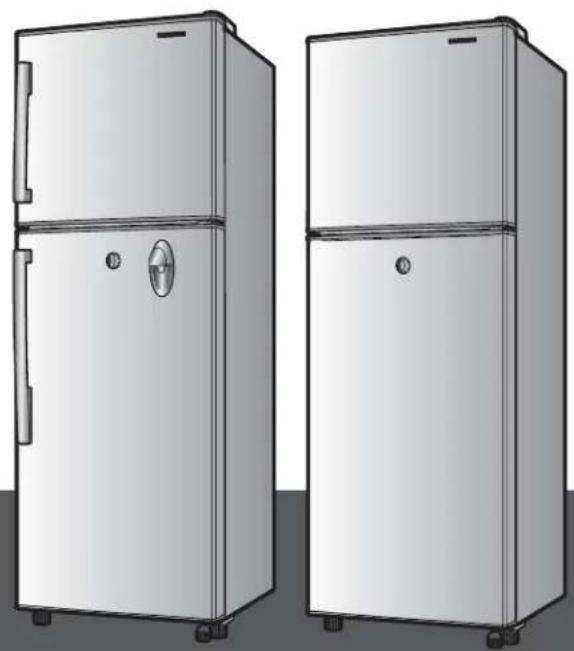
Illustration of two modern refrigerators side by side, one with a lid and the other with a handle (no text or symbols)FEATURES

natural_image
Illustration of two people sitting and talking at a table with a window (no text or symbols visible)Large freezer storage area
- Stores large quantities of food in the freezer.
Jumbo storage guard
- Holds large bottles securely.
Adjustable storage guards
- Position them for your convenience and according to the height of your food containers.
Fresh Bread Zone(option\*)
- Some kind of bread for long.
Safety pocket(option\*)
- Store safely due to the locking system that makes children not open it easily.
Silver Nano Deodorizer(option\*)
- Powerful deodorizer through catalyst and filter.
UV LED/PHOTOSYNTHESIS LED(option\*)
- Using the LED system, the contents in chilled room and vegetable bin have increased Chlorophyll and vitamin contents. Also this system makes contents in container more fresh.
Remark: * There is not some option according to the model and country.
Safety precautions
Read Instructions
Please read all safety and operating instructions before operating this appliance.
Retain Instructions
Please keep this Owner's Manual for future reference.
Heed Warnings
All warnings, Cautions and Notes on this refrigerator are important; please pay attention to them.
Follow Instructions
For best results, follow all instructions given in this manual.
Model and Serial Numbers
Include both the model number and the serial number when corresponding with Electrostar or your Dealer concerning this product.
Because these following operating instructions cover various models, the characteristics of your refrigerator may differ slightly from those described in this manual.
This manual is made on the basis of model RT34G
Date of Purchase: ____
Model No: ____
Serial No: ____
Contents
FEATURES....1
SAFETY INSTRUCTIONS......3
CAUTIONS WHILE USING 6
INSTALLATION 8
LEVELING THE APPLIANCE......9
BASIC PREPARATION .....9
- Before using....9
- Storing food....10
PARTS 11
HOW TO USE 12
- Temperature control 12
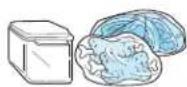
- Making ice cubes 14
- Chiller Compartment ......15
- Vegetable Bin 15
- Fresh Bread Zone(option)......15
- Safety pocket(option) .....15
- UV LED/Photosynthesis LED(option) .....15
- Dispenser(option)......16
REPLACING THE LAMP....16
REMOVING ACCESSORIES .....17
CLEANING THE REFRIGERATOR ...19
BEFORE CALLING SERVICE .....20
Additional tips for proper usage .....21
Ambient room temperature limits ....22
SAFETY INSTRUCTIONS
IMPORTANT SAFETY INFORMATION. READ ALL INSTRUCTIONS BEFORE USING.
- Use this appliance only for its intended purpose as described in this Owner's Instruction. We strongly recommend that any servicing be performed by a qualified individual.
SAFETY PRECAUTIONS
- When using electrical appliances, basic safety precautions should be followed, including the following: CAUTION/WARNING SYMBOLS USED OTHER SYMBOLS USED
 WARNING WARNING | Indicates that a danger of death or serious injury exists. |
 CAUTION CAUTION | Indicates that a risk of personal injury or material damage exists. |
| Represents something you must NOT. | |
| Represents something you must NOT disassemble. | |
| Represents something you must NOT touch. | |
| Represents something you must follow. | |
| Indicates that you must disconnect the power plug from the socket. | |
| Represents a ground is needed to prevent electric shock. | |
| It is recommended that this symbol be handled by service man. |
| from the socket. | |
| Represents a ground is needed to prevent electric shock. | |
| It is recommended that this symbol be handled by service man. |
This refrigerator must be properly installed and located in accordance with the Installation Instructions before it is used.

Do not install the refrigerator in a damp place or a place where it may come in contact with water. - Deteriorated insulation of electrical parts may cause an electric shock or fire.
- Do not allow children to climb, stand or hang on the shelves or doors in the refrigerator. They could damage the refrigerator and seriously injure themselves.

• The appliance is not intended for use by persons (including children) with reduced physical, sensory or metal capabilities, or lack of experience and knowledge, unless they have been given supervision or instruction concerning use of the appliance by a person responsible for their safety.
• Children should be supervised to ensure that they do not play with the appliance.
- In the event of a power failure, call the local office of your Electricity Company and ask how long it is going to last.

If the refrigerator is not to be used for vacation or a long period of time, make refrigerator empty and unplug the power code.
- Most power failures that are corrected in an hour or two will not affect your refrigerator temperatures. However, you should minimize the number of door openings while the power is off. Remove all frozen food if the power failure last more than 24 hours.
- Allow sufficient space to install the refrigerator on a flat surface.
If your refrigerator is not level, the internal cooling system may not work correctly.
Do not disassemble or repair the refrigerator by yourself. You may run the risk of causing a fire, malfunctions and/or personal injury.
The appliance must be positioned so that the plug is accessible after installation.
Do not place this refrigerator in direct sunlight or expose to the heat from stoves, room heaters or other appliance.
If you smell pharmaceutical or smoke, unplug the power plug immediately and contact your Samsung Electronics service center.
R600a or R134a is used as a refrigerant. Check the Compressor label on the rear of the appliance and the rating label inside the fridge to see which refrigerant is used for your refrigerator.

The appliance with the symbol contains a small amount of isobutane refrigerant (R600a), a natural gas with high environmental compatibility as well as combustibility. When
transporting and installing the appliance, care should be taken to ensure that no parts of the refrigerating circuit are damaged.
Refrigerant leakage out of the pipes could ignite or cause an eye injury. If a leak is detected, avoid any naked flames or potential sources of ignition and ventilate the room in which the appliance is located for several minutes.
- In order to avoid the creation of a flammable gas-air mixture if a leak in the refrigerating circuit occurs, the size of the room in which the appliance may be sited depends on the amount of refrigerant used. The room must be 1m^3 in size for every 8 g of R600a refrigerant inside the appliance. The amount of refrigerant in your particular appliance is shown on the identification plate inside the appliance.
3 · Never start up an appliance showing any signs of damage. If in doubt, consult your dealer.
SAFETY INSTRUCTIONS

WARNING
DANGER! RISK OF CHILD ENTRAPMENT
Child entrapment and suffocation are not problems of the past. Junked or abandoned refrigerators are still dangerous...even if they will sit for "just a few days."
Do so in a way, that it is not possible for a child to remain trapped inside.
If you are getting rid of your old refrigerator, please follow the instructions below to help prevent accidents. keep fingers out of the "pinch point" areas; Clearances between the doors and cabinet are necessarily small. Be careful while closing the doors when children are in the area.
PROPER DISPOSAL OF THE REFRIGERATOR Before you throw away your old refrigerator or freezer
■ When disposing of this or other refrigerators, remove the door/door seals, door latch so that small children or animals cannot get trapped inside.
■ Leave the shelves in place so that children may not easily climb inside.
R600a or R134a is used as a refrigerant. Check the compressor label on the rear of the appliance or the rating label inside the fridge to see which refrigerant is used for your refrigerator.
when this product contains flammable gas (Refrigerant R600a) contact your local authority in regard to safe disposal of this product.
■ CycloPentane used as a insulation blowing gas.
The gases in the insulation material require special disposal procedure. Please dispose of the packaging material for this product in an environmentally friendly manner. Please contact your local authorities in regard to the environmentally safe disposal of this product. This product contains flammable insulation blowing gas.
Ensure that none of the pipes on the back of the appliances are damaged prior to disposal. The pipes shall be broke in the open space.
■ Please dispose of the packaging material for this product in on environmentally friendly.

CAUTIONS
- The refrigerant used in the refrigerator/freezer and the gases in the insulation material require special disposal procedures. Ensure that none of the pipes on the back of the appliance are damaged prior to disposal.

WARNING
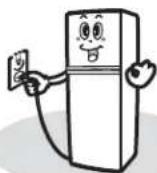
Do not plug several appliances into the same multiple power board.
The refrigerator should always be plugged into its own individual electrical outlet which has a voltage rating that matches the rating plate. This provides the best performance and also prevents overloading house wiring circuits, which could cause a fire hazard from overheated wires.
■ Never unplug your refrigerator by pulling the power cord. Always grip plug firmly and pull straight out from the outlet. Damage to the cord may cause a short-circuit, fire and/or electric shock
HOW TO CONNECT ELECTRICITY
- When moving the refrigerator, be careful not to roll over or damage the power cord.
- Do not insert the power cord with wet hands.
■ Unplug the refrigerator before cleaning and making repairs.
Do not use a wet or damp cloth when cleaning the plug. Remove any foreign matter or dust from the power plug pins. - Otherwise there is a risk of fire.
If the refrigerator is disconnected from the power supply, you should wait for at least five minutes before plugging it back.
SAFETY INSTRUCTIONS
■ Make sure that the power plug is not squashed or damaged by the back of the refrigerator.
Do not bend the power cord excessively or place heavy articles on it.
Have the power code repaired or replaced immediately by the manufacturer or its service agent if the power cord has become frayed or damaged. Do not use a cord that shows cracks or abrasion damage along its length or at either end. If the power cord is damaged, have it replaced immediately by the manufacturer or its service agent.
FOOD KEEPING & TREATMENT CAUTION

Do not overfill the refrigerator with food.
- When you open the door, an item may fall out and cause personal injury or material damage.
Do not put bottles or glass containers in the freezer.
- When the contents freeze, the glass may break and cause personal injury.
- Bottle should be stored tightly together in the refrigerator so that they do not fall out.
Do not spray inflammable gas near the refrigerator.
• There is a risk of explosion or fire.
Do not directly spray water inside or outside the refrigerator.
• There is a risk of fire or electric shock.
Do not touch the inside walls of the freezer or products stored in the freezer with wet hands.
• This may cause frostbite.
Do not store volatile or flammable substances in the refrigerator.
- The storage of benzene, thinner, alcohol, ether, LP gas and other such products may cause explosions.
Do not refreeze frozen foods that have thawed completely.
Do not store pharmaceuticals products, scientific materials or temperature-sensitive products in the refrigerator. - Products that require strict temperature controls must not be stored in the refrigerator.
Do not put a container filled with water on the refrigerator. - If spilled, there is a risk of fire or electric shock.
This product is intended only for the storage of food in a domestic environment.
■ Unplug the appliance from the power supply before changing the interior light of the refrigerator.
Otherwise, there is a risk of electric shock. If you experience difficulty when changing the light contact your service center. In case of LED lamp, don't change the interior light of the refrigerator for at your own risk, ask its service agent. If you experienced difficulty when changing the light, contact your service center.
If the wall socket is loose, do not insert the power plug.
There is a risk of electric shock or fire.
■ The appliance must be located where the plug is easily accessible.
INSTALLATION CAUTION

Do not store articles on the top of the appliance.
- When you open or close the door, the articles may fall and cause personal injury and/or material damage.
GROUNDING CAUTION

The refrigerator must be grounded.
- You must ground the refrigerator to prevent any power leakage or electric shocks caused by current leakage from the refrigerator.
Never use gas pipes, telephone lines or other potential lightening rods as ground.
- Improper use of the ground plug can result in electric shock.

WARNING
- Keep ventilation openings in the appliance enclosure or mounting structure clear of obstruction.
- Do not use mechanical devices or any other means to accelerate the defrosting process, other than those recommended by the manufacturer.
- Do not damage the refrigerant circuit
- Do not place or use electrical appliances inside the refrigerator/ freezer, unless they are of a type recommended by the manufacturer.
SAFETY INSTRUCTIONS
CLEANING CAUTION

Do not insert your hands into the bottom area under the appliance.
- Any sharp edges may cause personal injury.
Never put fingers or other objects into the dispenser hole. It may cause personal injury or material damage
Do not use a wet or damp cloth when cleaning the plug, remove any foreign material or dust from the power cord pins.
• Otherwise there is a risk of fire.
Before operating the appliance, please read this manual thoroughly and retain it for your reference.

REMARK
This refrigerator use CycloPentance as insulation blowing gas.
Contains fluorinated greenhouse gases covered by the Kyoto Protocol.
Hermetically sealed system.
Do not vent gases into the atmosphere.
Refrigerant type : R-134a Quantity : 0.16 kg
Global Warming Potential (GWP) = 1300
CAUTIONS WHILE USING

Do not place carbonated or fizzy drinks in the freezer compartment.
This product is intended only for the storage of food in a domestic environment.

- Manufacturer's recommended storage times should be adhered to. Refer to relevant instructions.
- Please observe maximum storage times and expiry dates of frozen goods.
- The appliance might not operate consistently (possibility of defrosting of contents or temperature becoming too warm in the frozen food compartment) when sited for an extended period of time below the cold end of the range of temperatures for which the refrigerating appliance is designed.
- Do not store food which goes bad easily at low temperature, such as bananas.
- Your appliance is frost free, which means there is no need to manually defrost your appliance, as this will be carried out automatically.
- Temperature rising during the defrost can comply with ISO requirement, But If you want to prevent an undue rise in the temperature of the frozen food while defrosting the appliance, please wrap the frozen food in several layers of newspaper.

NOTE
Any increase in temperature of frozen food during defrosting can shorten its storage life.
CAUTIONS WHILE USING

natural_image
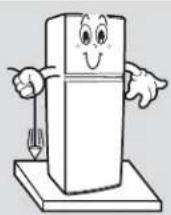
Cartoon illustration of a smiling refrigerator with arms and legs, showing facial expression (no text or symbols)1 - Do not allow water to splash onto the back of the refrigerator.
- Water impairs the insulation of electric parts and may cause an electrical short or a shock hazard.
2 - Do not use flammable sprays such as lacquer and paint near the refrigerator
- Heat from the refrigeration unit may ignite flammable aerosols.
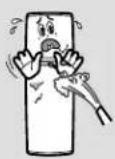
3 - Do not allow unattended children to play in or around refrigerators and other large appliances, The child may get hurt or they could damage the appliance.
- To avoid damage to the refrigerator or injury to the child, do not allow children to hang on the refrigerator door.


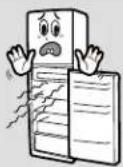
4 - For optimum operation, do not leave the door open for any longer than necessary.
- Leaving the door open allows warmer air to enter the refrigerator and causes the refrigeration unit to use more energy to maintain the cool temperature.
5 - Do not store volatile chemicals such as ether and benzene in the refrigerator.
- The fumes, besides damaging food, can build up and cause an explosion.

6 - Do not use the refrigerator if it is not operating correctly or has been damaged. Disconnect it from the power supply and call your local service center.
- If the power cord is damaged, avoid a hazard by replacing it through the manufacturer or its service agent or a similarly qualified person.

INSTALLATION

natural_image
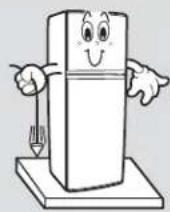
Cartoon illustration of a smiling refrigerator with arms and legs, showing a surprised expression (no text or symbols)1 Install this refrigerator on a firm, flat surface.
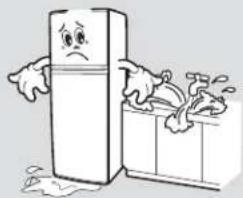
2 For optimum operation, normal room temperature is recommended. Avoid locations affected by draughts or dampness.
natural_image
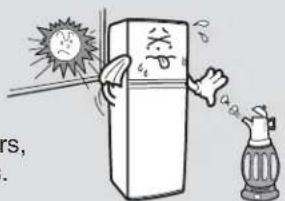
Cartoon illustration of a distressed refrigerator with arms and legs, next to a washing machine (no text or symbols)3 For optimum operation, normal room temperature is recommended. Avoid locations in direct sunlight, near heaters, radiators, stoves or ovens.
natural_image
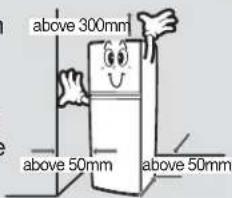
Cartoon illustration of a refrigerator with a smiling face and a steaming cup, accompanied by a sun and steam (no text or symbols)4 Allow a 50mm space between the refrigerator and the wall. If your refrigerator is going into a recessed area, allow at least 300mm clearance above the refrigerator.
text_image
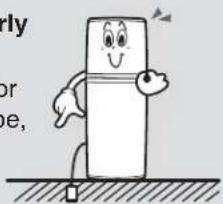
above 300mm above 50mm above 50mm5 For personal safety, properly ground this appliance. Do not ground this refrigerator with a telephone line, gas pipe, etc.
natural_image
Cartoon illustration of a smiling refrigerator character standing on a surface (no text or symbols)LEVELING THE APPLIANCE

natural_image
Cartoon illustration of a smiling refrigerator with a graduation cap and pointer (no text or symbols)To compensate for any floor unevenness, adjust the height of the appliance by turning the adjustable feet clockwise or counterclockwise. The adjustable feet are at the front along the lower edge of the refrigerator chassis,
When the refrigerator leans to the left, turn the left front foot counterclockwise.
When the refrigerator leans to the right, turn the right front foot counterclockwise.


BASIC PREPARATION
Before using
1
Wipe the appliance inside and outside using a cloth dampened with warm water and a small amount of detergent.

Before plugging in for the first time, allow the refrigerator to stabilize for at least one hour. Allow the freezer compartment to cool for 2 to 3 hours before storing food.

WARNING
- Keep ventilation opening in the appliance enclosure or mounting structure clear of obstruction.
- Do not use mechanical devices or any other means to accelerate the defrosting process, other than those recommended by the manufacturer.
- D0 not damage the refrigerant circuit.
- Do not place or use electrical appliance inside the refrigerator/freezer, unless they are of a type recommended by the manufacturer.
- When disposing the refrigerators; should be followed the disposal law of your country.

Storing food
Store food in small portions.

Seal food in containers with lids, in plastic wrap or in plastic bags to prevent drying and the mingling of odors.
Allow hot food and drinks to cool to room temperature before placing them in the refrigerator or freezer.
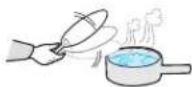
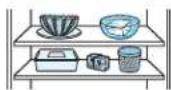
Allow sufficient room between food to help the circulation of cool air.
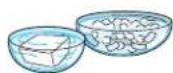
Storage of the kinds of bread.
*(option of some model)
Place liquid at the front of the refrigerator to avoid freezing.
Dry fruits and vegetables after washing before placing them in the refrigerator.

Keeping children from opening it easily, food is stored safely.
*(option of some model)

text_image
Technical diagram of an oven with labeled dish, grating, and rack componentsPARTS
natural_image
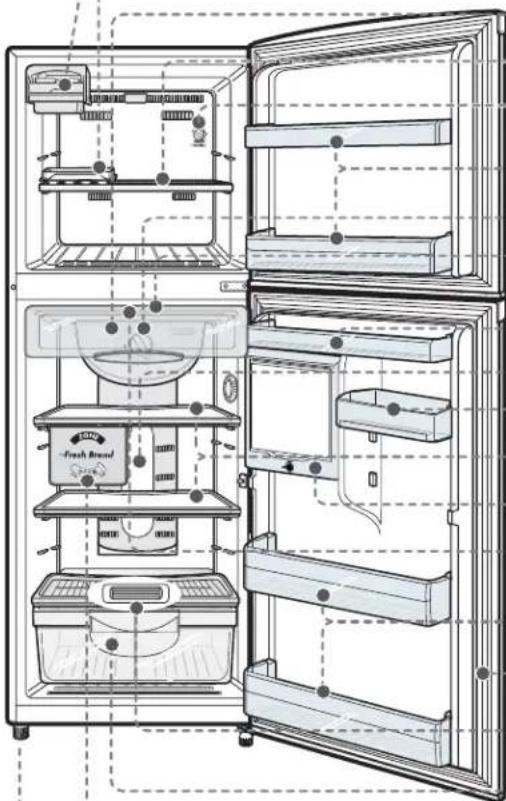
Line drawing of an open refrigerator with internal compartments and dish labels (no text or symbols)Ice Cube Tray (option*, one type one model)
Chiller Compartment
Freezer Shelf
Freezer Compartment
Temperature Control
Storage Guards
Refrigerator Compartment
Temperature Control
Silver Nano deoderizer (option*)
Tray egg
Lamp
Adjustable Storage
Guards(option*)
Refrigerator Shelf
Safety pocket(option*)
UV LED
(Electronic model option*)
Bottle Storage Guards
Rubber door seal
Photosynthesis LED
(Electronic model option*)
Vegetable Bin
Fresh Bread ZONE(option*)
Front foot
Dispenser model
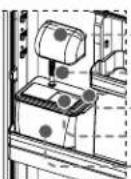
Cover motor(dispenser only)
Hose Water Tank (dispenser only)
Cover Water Tank(dispenser only)
Cap Water Tank (dispenser only)
Case Water Tank (dispenser only)

REMARK
Refrigerator's shelf and other parts in the picture may different from real part, depend on option.
* (There is not some option according to the model and country.)
HOWTOUSE
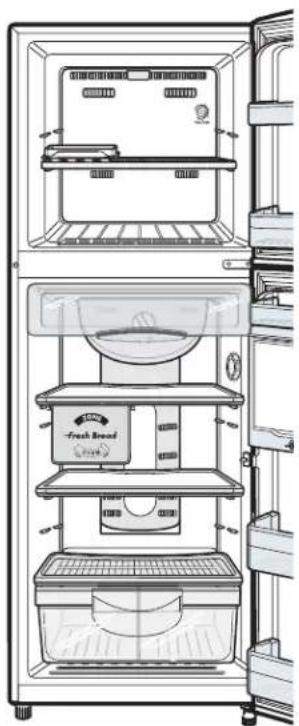
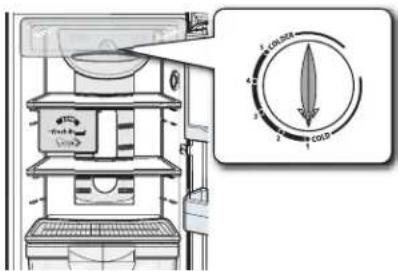
Temperaturecontrol
Number 6 (COLDER)
Turn the Temperature Control to "COLDER" if you:
- Want to make ice (freezer)
- Require fast freezer (freezer)
Number 5
Turn the Temperature Control to number 5 if you:
- Have a lot of food to store (refrigerator or freezer)
Number 3
Turn the Temperature Control to number 3 for normal refrigerating or freezing mode.
Number 1
Turn the Temperature Control to number 1 if you want to store only a small amount of food in the refrigerator or freezer.
natural_image
Interior view of a refrigerator with open doors, showing front shelves and internal compartments (no text or symbols visible)
NOTE
- If you need to freeze large amount of food stuff, set the temperature of freezer compartment as the coldest temperature at least 24 hours before.
- When the room air surrounding the refrigerator is below 5°C turn the Temperature Control to "COLD" to avoid freezing. When on vacation for a long period consider emptying the refrigerator of food & disconnecting from the power to conserv power.
HOW TO USE
Freeze Room
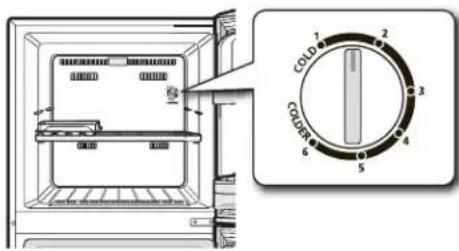
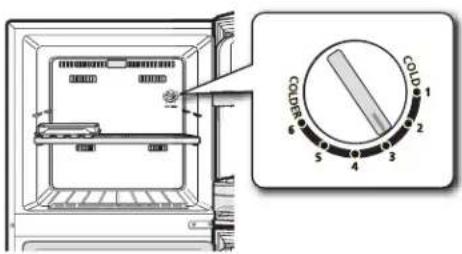
Freezer : Adjust the proper temperature by turning the temperature control dial to "COLD" or "COLDER"
Mechanical model(RT38G,D)
text_image
COLD COOLERElectrical model(RT38S)
text_image
COLDER 1 2 3 4 5Refrigerator Room
Refrigerator : Adjust the proper temperature by turning the temperature control dial to "COLD" or "COLDER"
Glass shelf model W
odel

text_image
Technical diagram of a refrigerator interior with labeled directional indicators and a circular dial indicator showing 1-2 speed.
text_image
Technical diagram of a mechanical device with labeled components and a circular dial indicating directional control.Making ice cubes
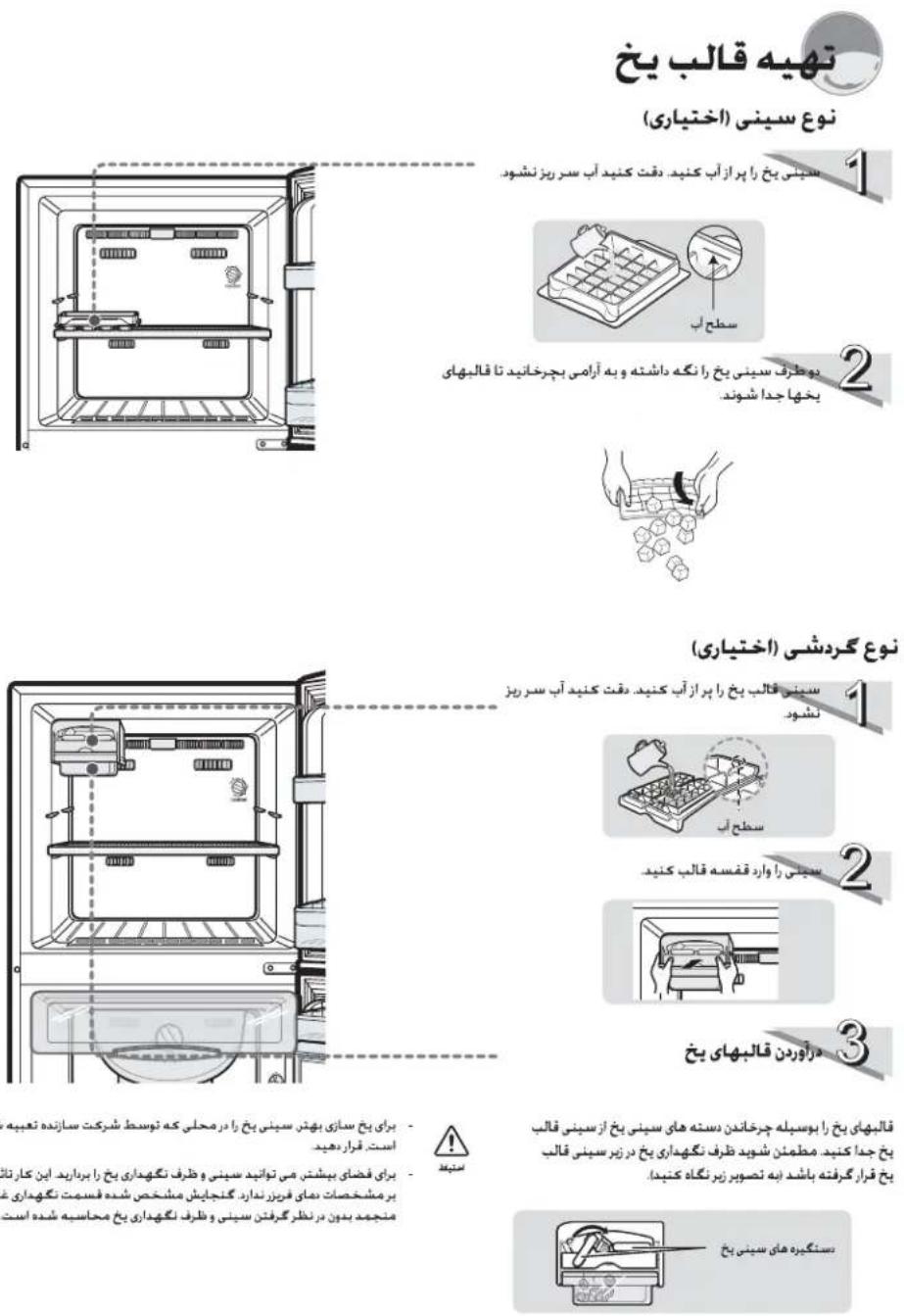
Tray Type(option)
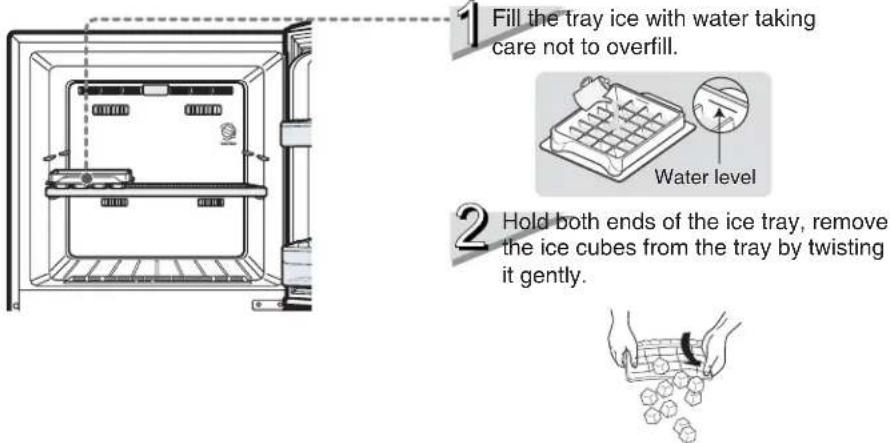
1 Fill the tray ice with water taking care not to overfill.
2 Hold both ends of the ice tray, remove the ice cubes from the tray by twisting it gently.
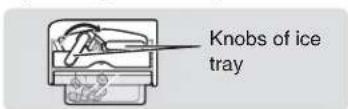
Twist Type(option)

1 Fill the ice cube tray with taking care not to overfill.
2 Slide the tray onto the cube shelf.
3 Removing Ice cubes
Remove the ice cubes from the ice cube tray by twisting the ice tray levers. Make sure the ice storage bin is beneath the ice cube tray (see diagram below)

- Place the ice tray at the originally provided position by manufacturer in the order to achieve optimal ice-freezing.
- To get more space, you can remove the ice tray and ice storage bin since it does not affect thermal and characteristics. A declared storage volume of frozen food storage compartment is calculated with these ice tray and ice storage bin removed.
Chiller Compartment
Vegetable Bin
This is compartment helps preserve the taste of food and prolongs its freshness by freezing the surface of the food only. Use the chiller for storing cheese, meat, snacks, fish or any food to be used soon.

This compartment maintains the moisture and freshness of vegetables. The vegetable bin is enclosed to protect the vegetables from direct draughts of cold air and to help maintain the humidity which prevents drying.
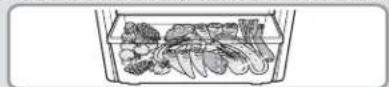
CAUTION
The vegetable bin is not suitable for storing tropical fruits such as bananas, pineapples, etc.
Fresh Bread Zone(option\*)

text_image
ONE Fresh Bread OPENFresh Bread Zone helps store bread for long, keeping smells from being mixed and reduces the potential for mouldy bread.
- Turn lever to the right and adjust to OPEN.
- After pulling the lower handle of bin, put food.
- After putting food, let the bin inside to the end, turn lever to the left, and then adjust to CLOSE to be airtight.
- In storage, the storage period can be different depending on the state of stored food.
- Store foods within 3.5 kg(3.5 Liter)
Safety pocket(option\*)

text_image
CLOSE OPENUsing the locking system, safety pocket keeps children from opening it easily so that it helps preserve food safely.
- Pull the key out and then turn it to the OPEN.
- After lifting cover up, store food.
- Let cover down and then turn the key left to the CLOSE.
UV LED/Photosynthesis LED(option\*)
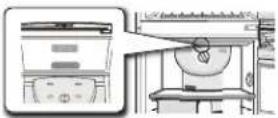
- Using the LED system, the contents in chilled room and vegetable bin have increased Chlorophyll and vitamin contents. Also this system makes contents in container more fresh.
- Some electronic models are applied.

* There is not some option according to the model and country.
Dispenser(option)
How to use the water dispenser
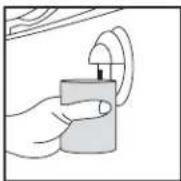
Push the lever with glass to dispenser water.
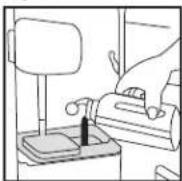
When refilling is needed, slide cover to the left and pour in water(only drinking water should be used).
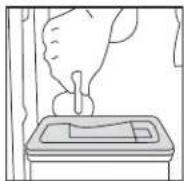
Remove the connecting-hose when cleaning needed.
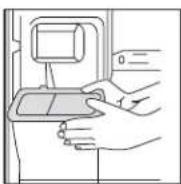
When tank cleaning is needed, lift tank and then tilt outwards(after removing the connecting hose).
Before using the water dispenser
- Clean the water before use, to remove dust and oder.
- Fill water tank with drinking water.
- Push dispenser lever with glass to discasrd 3-4 glasses of water, thereby cleaning the water hose before use.
- Dispensing water for the first time might take 1-5 seconds due to air within the hose.
REPLACING THE LAMP
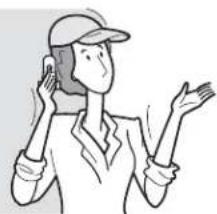
natural_image
Illustration of a person wearing a cap and gesturing with both hands (no text or symbols)
Press upper tab of the lamp cover with some tool such as screwdriver and pull it out.
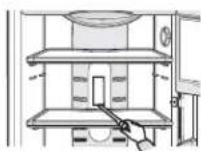

Turn the existing lamp bulb and replace it with a new one.
Replace the lamp cover by aligning the cover at the top and carefully pressing it into place.
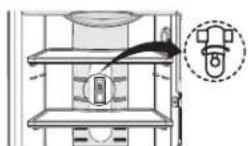
Fasten Loosen

REMOVING ACCESSORIES
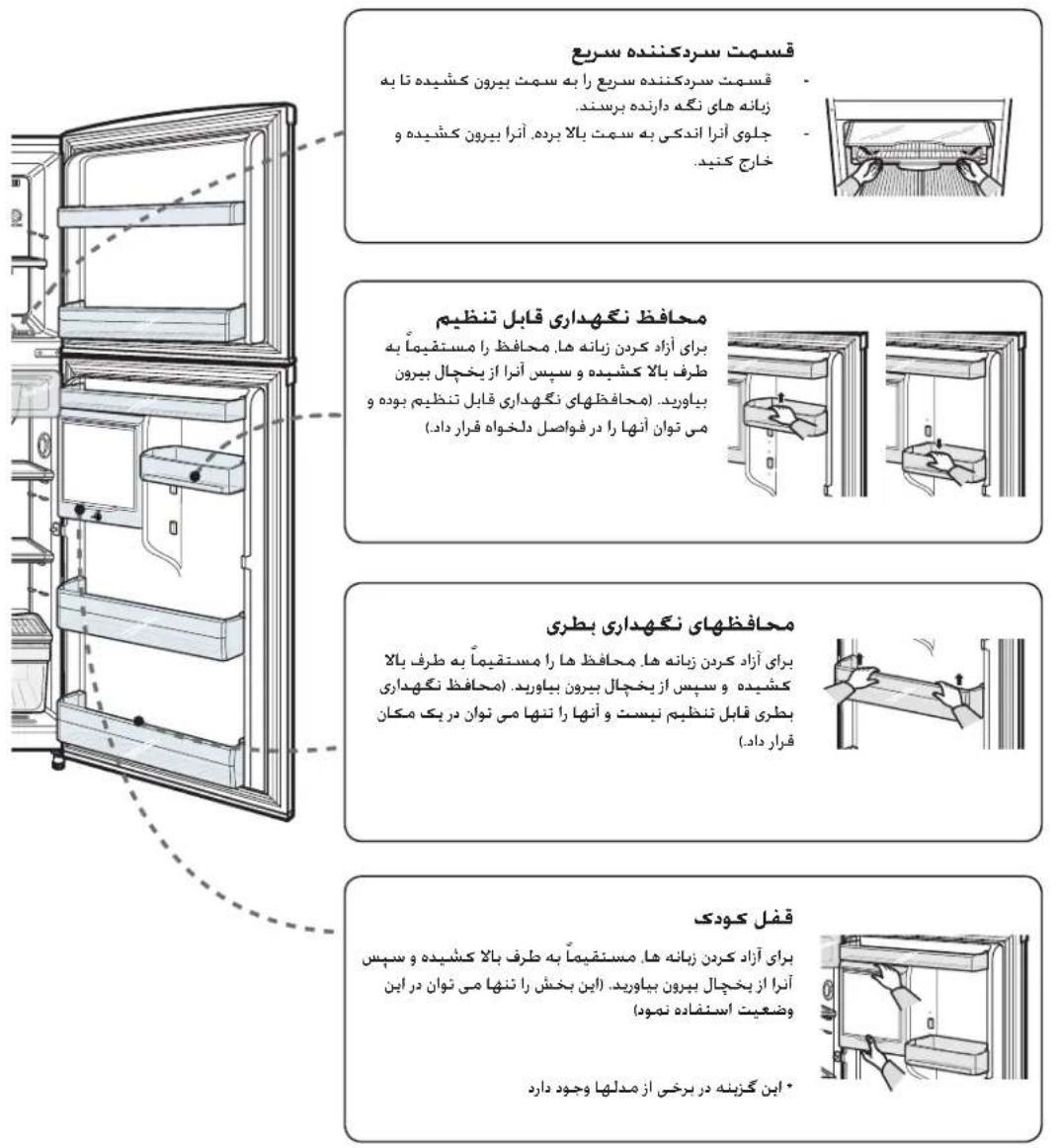
Freezer Shelf
- Pull the ice cube tray unit forward and of the freezer compartment.
- Lift the front of the freezer shelf upward to release the hooks and pull the shelf out of the freezer.

natural_image
Diagram of hands operating a mechanical device with no visible text or symbolsRefrigerator Shelves
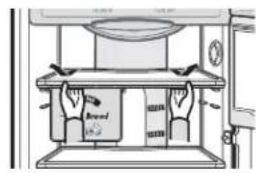
- Pull the shelves towards you until it meets the stopper.
- Tilt the front of the shelves up and continue pulling the shelves out.
text_image
Technical diagram of a furnace or reactor system with labeled components and directional indicatorsFresh Bread Zone
- Turn lever to the left and then adjust to OPEN.
- Hold the lower handle of bin, pull it forward, and then pull it out.
* option of some model

text_image
Fresh Board (2017)Vegetable Bin and Cover
- Pull the vegetable bin towards you and out of the refrigerator.
- Lift the cover up and pull it out of the refrigerator.

natural_image
Illustration of hands operating a large storage unit with a curved lid (no text or symbols visible)
text_image
Technical diagram of an oven with labeled dish, fan, and oven components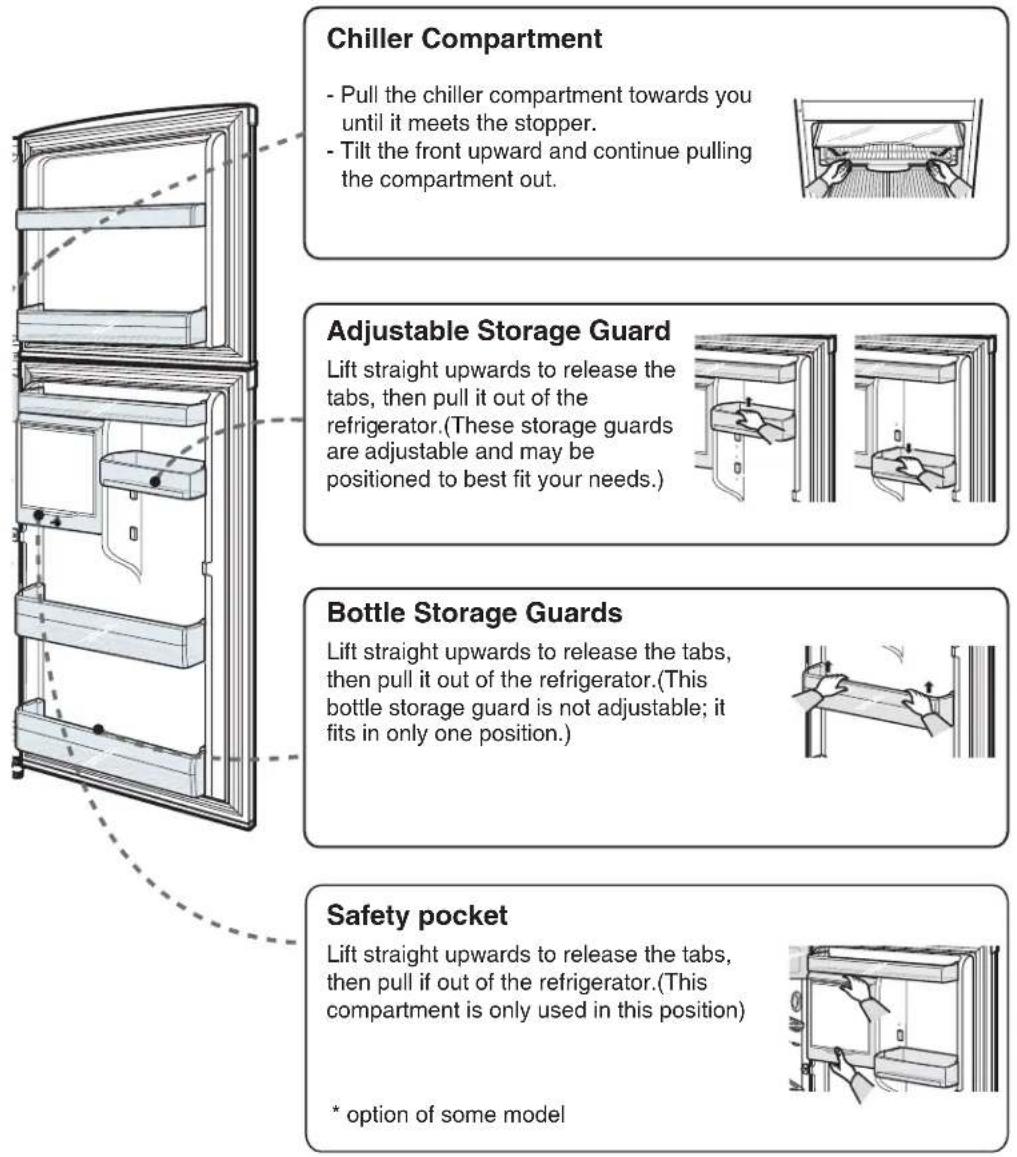
text_image
Chiller Compartment - Pull the chiller compartment towards you until it meets the stopper. - Tilt the front upward and continue pulling the compartment out. Adjustable Storage Guard Lift straight upwards to release the tabs, then pull it out of the refrigerator. (These storage guards are adjustable and may be positioned to best fit your needs.) Bottle Storage Guards Lift straight upwards to release the tabs, then pull it out of the refrigerator. (This bottle storage guard is not adjustable; it fits in only one position.) Safety pocket Lift straight upwards to release the tabs, then pull if out of the refrigerator. (This compartment is only used in this position) * option of some modelCLEAING THE REFRIGERATOR

natural_image
Illustration of a hand cleaning a kitchen appliance with a cloth (no text or symbols)Evaporation Slot in Freezer
Wipe the slot area with a clean, dry, soft cloth.
Caution: Do not allow any
CAUTION foreign sub stance or particles to clog these openings.
natural_image
Illustration showing a hand holding a small object next to a laptop (no text or symbols visible)The Nano-Silver deodorizer
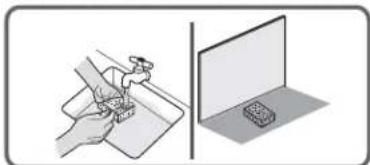
After removing the deodorizer, lightly wash that with flowing water under the faucet and dry that in the shade.

natural_image
Illustration of a hand cleaning a kitchen appliance with a cloth (no text or symbols)Interior Parts
After removing all the shelves, wipe the appliance clean using a clean, soft cloth dampened with warm water and a mild detergent.
natural_image
Illustration of a hand cleaning a window frame (no text or symbols)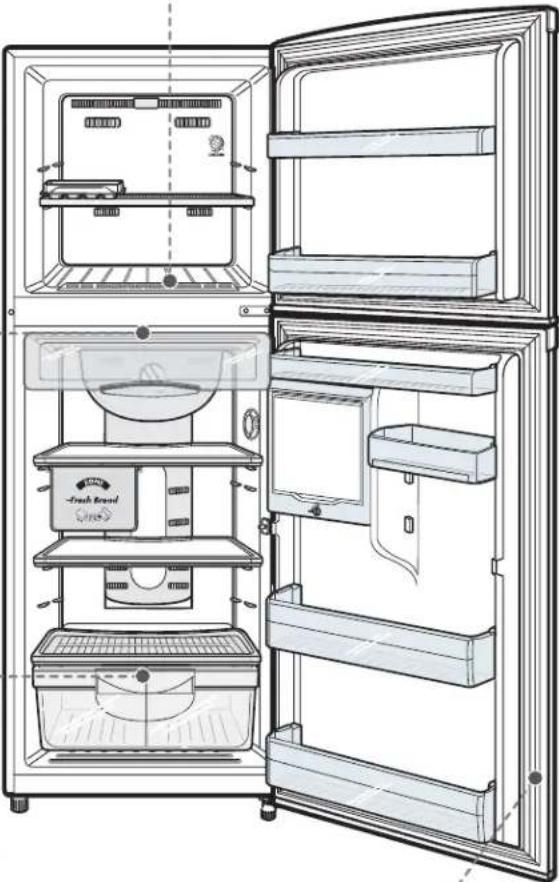
natural_image
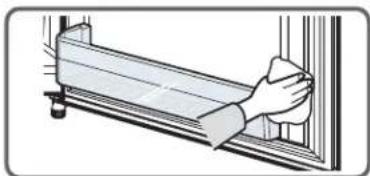
Line drawing of an open refrigerator with multiple shelves and doors, showing internal components like a dish, fan, and oven (no text or symbols present)Door Seals
Clean the door seals often using a clean, soft cloth dampened with warm water and a mild detergent. Be careful not to damage the seals.
Caution: Dirt encrusted door seals prevent the doors from closing properly. Poorly closed doors waste energy and add unnecessary cost to your electricity bills.
BEFORE CALLING SERVICE
natural_image
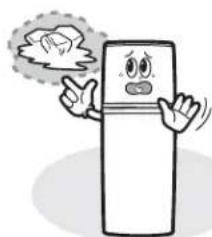
Cartoon illustration of a smiling refrigerator character with a thought bubble (no text or symbols)when the Refrigerator / Freezer is not operating or the food does not freeze sufficiently:
- Is the plug properly connected?
- Is the power fuse blown?
- Are the temperature controls set properly (not set to "COLD")?
- Is the appliance exposed to direct sunlight or installed near a heater?
- Does the appliance have enough clearance from the wall in all directions?

when you hear a sound like water flowing:
This sound is generated by movement of the refrigerant and is not a malfunction.
natural_image
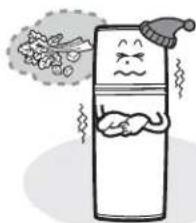
Cartoon illustration of a refrigerator with steam and a thought bubble showing a bottle (no text or symbols)When food freezes in the refrigerator:
- Are the temperature controls set properly (not set to "COLDER")?
- If the food is juicy or very moist, is the tem perature control set to "COLDER"? - Is the ambient temperature too low?

When you notice a foul odor inside the appliance:
- Do you have spoiled food in the refrigerator?
- Is all food stored in sealed containers?
- Has fluid collected in the bot tom of the vegetable bin?
- Are the freezer evaporation slots clogged?
- Has the evaporation tray at the back of the appliance become foul?
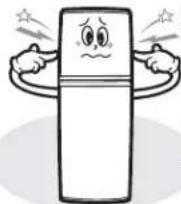
When there is noise from the unit:
- Is the refrigerator installed on a flat, stable surface?
- Is the appliance positioned too close to a wall?
- Are there any objects behind or under the refrigerator?
- Is the sound coming from the compressor?
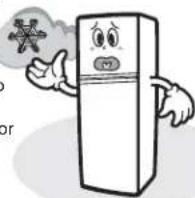
When frost develops inside the freezer:
- Does the door seal tightly?
Are the evaporation slots clogged?
Is there enough room for effi cient air circu lation?

When the rear or side panel of the refrigerator is hot:
- Is a radiation (air ventilator/cooler) pipe installed?
- Is the ambient temperature high?
- How dew formed on the out side of the appliance because of high humidity?
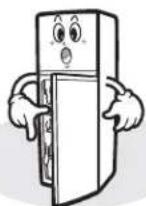
When dow develops on the vegetable compartment:
- Does the door seal tightly?
- Have you left the door open for a long time?
- Is liquid stored without a cover?
Additional tips for proper usage
a) Overall space required in use. Refer to drawing and dimension as bellowed.
| Model name | Depth (mm) | Width (mm) |
| RT38 | 008 1015 |

b) Allow the appliance to stand for 2 hours after installation.
c) To get best performance of product,
1) Do not place foods too closely in front of the vents at the rear of the appliance as it can obstruct free air circulation in the freezer compartment.
2) Wrap the food up properly or place it in airtight containers before put it into the fridge freezer
3) Do not put any newly introduced food for freezing near to already frozen food.
d) Do not place carbonated or fizzy drinks in the freezer compartment
e) Please observe maximum storage times and expiry dates of frozen goods.
f) There is no need to disconnect the refrigerator from the power supply if you will be away for less than three weeks. But, Remove all the food if you are going away for the three weeks or more. Unplug the refrigerator and clean it, rinse and dry.
g) Most power failures that are corrected in an hour or two will not affect your refrigerator temperatures. However, you should minimize the number of door openings while the power is off. Remove all frozen food if the power failure last more than 24 hours.
h) If the key is provided with refrigerator, the key should be kept out of the reach of children and not in the vicinity of the appliance.
i) The appliance might not operate consistently (possibility of defrosting of contents or temperature becoming too warm in the frozen food compartment) when sited for an extended period of time below the cold end of the range of temperatures for which the refrigerating appliance is designed.
j) Do not store food which goes bad easily at low temperature, such as bananas, melons.
k) Place the ice tray at the originally provided position by manufacturer in order to achieve optimal ice-freezing
1) In "No-Frost" appliance, defrosting of freezer is completely automatic. No manual defrost by user is required.
In other appliance, please refer to defrosting procedure as described in each user's manual.
m) Temperature rising during the defrost can comply with ISO requirement. But if you want to prevent an undue rise in the temperature of the frozen food while defrosting the appliance, please wrap the frozen food in several layers of newspaper.
n) Any increase in temperature of frozen food during defrosting can shorten its storage life.
Ambient Room Temperature Limits
This fridge/freezer is designed to operate in ambient temperatures specified by its temperature class marked on the rating plate.
| Temperature Class | Symbol | Ambient Temperature | |
| Maximum | Minimum | ||
| Extended Temperate | SN | 32°C (90°F) | 10°C (50°F) |
| Temperate | N | 32°C (90°F) | 16°C (61°F) |
| Subtropical | ST | 38°C (100°F) | 18°C (64°F) |
| Tropical | T | 43°C (109°F) | 18°C (64°F) |
NOTE: Internal temperatures may be affected by such factors as the location of the fridge/freezer, ambient temperature and the frequency with which you open the door. Adjust the temperature as required to compensate for these factors.
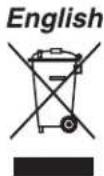
Correct Disposal of This Product (Waste Electrical & Electronic Equipment) (Applicable in the European Union and other European countries with separate collection systems)
This marking shown on the product or its literature, indicates that it should not be disposed with other household wastes at the end of its working life. To prevent possible harm to the environment or human health from uncontrolled waste disposal, please separate this from other types of wastes and recycle it responsibly to promote the sustainable reuse of material resources.
Household users should contact either the retailer where they purchased this product, or their local government office, for details of where and how they can take this item for environmentally safe recycling. Business users should contact their supplier and check the terms and conditions of the purchase contract. This product should not be mixed with other commercial wastes for disposal.
If you have any questions or comments relating to Samsung products, please contact the SAMSUNG customer care center.
| Country | Customer Care Center | Web Site |
| AUSTRALIA | 1300 362 603 | www.samsung.com/au |
| CHILE | 800-726-7864(SAMSUNG) | www.samsung.com/cl |
| CZECH REPUBLIC | 844 000 844 | www.samsung.com/cz |
| FRANCE | 08 25 08 65 65 | www.samsung.com/fr |
| GERMANY | 01805 - 121213 | www.samsung.de |
| HONG KONG | 2862 6001 | www.samsung.com/hk |
| HUNGARY | 06 40 985 985 | www.samsung.com/hu |
| INDONESIA | 0800-112-8888 | www.samsung.com/id |
| ITALIA | 199 153 153 | www.samsung.com/it |
| MALAYSIA | 1800-88-9999 | www.samsung.com/my |
| MEXICO | 01-800-SAMSUNG (7267864) | www.samsung.com/mx |
| NETHERLANDS | 0900 20 200 88 (€0.10/Min) | www.samsung.com/nl |
| PHILIPPINES | 1800-10-SAMSUNG (7267864) | www.samsung.com/ph |
| POLAND | 0 801 801 881 | www.samsung.com/pl |
| RUSSIA | 8-800-200-0400 | www.samsung.ru |
| SINGAPORE | 1800-SAMSUNG (7267864) | www.samsung.com/sg |
| SLOVAKIA | 0850 123 989 | www.samsung.com/sk |
| SOUTH AFRICA | 0860 7267864 (SAMSUNG) | www.samsung.com/za |
| SPAIN | 902 10 11 30 | www.samsung.com/es |
| TAIWAN | 0800-329-999 | www.samsung.com/tw |
| THAILAND | 1800-29-3232. 02-689-3232 | www.samsung.com/th |
| TRINIDAD & TOBAGO | 1-800-7267-864 | www.samsung.com/latin |
| U.A.E | 800 -SAMSUNG (7267864) | www.samsung.com/mea |
| U.K | 0870 242 0303 | www.samsung.com/uk |
| U.S.A | 1-800-SAMSUNG (7267864) | www.samsung.com/us |
| VENEZUELA | 1-800-100-5303 | www.samsung.com/latin |
| VIETNAM | 1 800 588 889 | www.samsung.com/vn |
| GREECE | 30 210 6293100 | www.samsung.com/gr |
SAMSUNG
ELECTRONICS
SAMSUNG

natural_image
Illustration of two modern refrigerators side by side, one with a lid and the other with a door (no text or symbols)ویرگى ها
natural_image
Illustration of two people sitting at a table with a window, no text or symbols presentnatural_image
Cartoon illustration of a smiling refrigerator with arms and legs raised, showing facial expression (no text or symbols)
natural_image
Cartoon illustration of a smiling refrigerator with arms and legs, showing an excited expression (no text or symbols)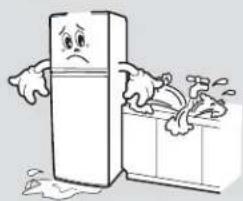
natural_image
Cartoon illustration of a distressed refrigerator with steam rising from its side (no text or symbols)natural_image
Cartoon illustration of a refrigerator with a sun and smoke, accompanied by a steaming bottle (no text or symbols)natural_image
Cartoon illustration of a smiling refrigerator character standing on a surface (no text or symbols)text_image
Technical diagram of an oven with labeled dish, refrigerator, and air purifier sectionsقطعات

natural_image
Technical line drawing of an open refrigerator showing internal compartments and dish structure (no text or symbols)natural_image
Interior view of a refrigerator with open doors and internal shelves (no visible text or symbols)توضيح

natural_image
Line drawing of an open refrigerator with door, shelves, and ventilation slots (no text or symbols)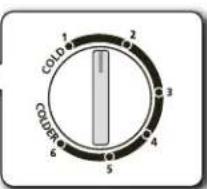
text_image
COLD CODERnatural_image
Line drawing of an open refrigerator with door, shelves, and ventilation slots (no text or symbols)
text_image
COLDER 1 2 3 4 5 6فضای يخچال
natural_image
Line drawing of a refrigerator interior showing front shelves, top panel, and side panels (no text or symbols)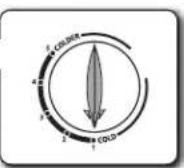
مدل قفسه سیمی
natural_image
Technical line drawing of a laboratory apparatus with no visible text or symbols

text_image
ONE Fresh Bread OPENtext_image
CLOSE OPENnatural_image
Technical line drawings of kitchen appliances and equipment (no text or symbols)natural_image
Illustration of a person wearing a cap and holding a phone to their ear (no text or symbols present)natural_image
Illustration of hands operating a mechanical device with no visible text or symbolsقفسه های يخچال
text_image
Technical diagram of a laboratory apparatus with labeled components and measurement scalesقصمت نان تازه
text_image
Fresh Bread (2014)text_image
Technical diagram of an oven with labeled components and airflow indicators