EUC-CMS-3 - Mincer Eurochef - Free user manual and instructions
Find the device manual for free EUC-CMS-3 Eurochef in PDF.


| Product Type | Electric Meat Grinder |
| Model | EUC-CMS-3 |
| Brand | Eurochef |
| Dimensions (approx.) | 12 x 10 x 14 inches (30 x 25 x 35 cm) |
| Weight | Approx. 8.5 lbs (3.9 kg) |
| Power | 800 Watts |
| Voltage | 120V / 60Hz (US standard) |
| Main Functions | Grinding meat, vegetables, and making sausages |
| Included Accessories | 3 grinding plates (fine, medium, coarse), sausage stuffing tube, kubbe maker |
| Hopper Capacity | Approx. 2.5 lbs (1.1 kg) |
| Motor Type | Induction motor with thermal overload protection |
| Housing Material | Stainless steel and die-cast aluminum |
| Cleaning | Detachable parts are dishwasher safe; wipe motor base with damp cloth |
| Maintenance | Lubricate moving parts occasionally; sharpen blades as needed |
| Safety Features | Safety interlock switch, non-slip feet, overload protection |
| Spare Parts Availability | Replacement blades, plates, and motor brushes available |
| Repairability | User-replaceable parts; professional service recommended for motor issues |
| Warranty | 2-year limited warranty |
| Certifications | ETL, UL listed |
Frequently Asked Questions - EUC-CMS-3 Eurochef
User questions about EUC-CMS-3 Eurochef
0 question about this device. Answer the ones you know or ask your own.
Ask a new question about this device
Download the instructions for your Mincer in PDF format for free! Find your manual EUC-CMS-3 - Eurochef and take your electronic device back in hand. On this page are published all the documents necessary for the use of your device. EUC-CMS-3 by Eurochef.
USER MANUAL EUC-CMS-3 Eurochef
[Revision 5.0 February 2022]
Safety
Safety messages are designed to alert you to possible dangers or hazards that could cause death, injury or equipment or property damage if not understood or followed. Safety messages have the following symbols:

You WILL be KILLED or SERIOUSLY INJURED if you do not follow instructions.
It is vital that you read and understand this user manual before using the product, including safety warnings, and any assembly and operating instructions. Keep the manual for future reference.
Safety precautions and recommendations detailed here must be fully understood and followed to reduce the risk of injury, fire, explosion, electrical hazard, and/or property damage.
Safety information presented here is generic in nature – some advice may not be applicable to every product. The term "equipment" refers to the product, be it electrical mains powered, battery powered or combustion engine powered.
- Before Use - If you are not familiar with the safe operation/handling of the equipment or are in any way unsure of any aspect of suitability or correct use for your application, you should complete training conducted by a person or organization qualified in safe use and operation of this equipment, including fuel/electrical handling and safety.
- Do NOT operate the equipment in flammable or explosive environments, such as in the presence of flammable liquids, gases or dust. The equipment may create sparks or heat that may ignite flammable substances.
- Keep clear of moving parts.
- Equipment may be a potential source of electric shock or injury if misused.
- Do NOT operate the equipment if it is damaged, malfunctioning or is in an excessively worn state.
- Do NOT allow others to use the equipment unless they have read this manual and are adequately trained.
- Keep packaging away from children - risk of suffocation! Operators must use the equipment correctly. When using the equipment, consider conditions and pay due care to persons and property.
General Work Area Safety
- Work areas should be clean and well it.
- Do not operate the equipment if bystanders, animals etc are within operating range of the equipment or the general work area.
- If devices are provided for connecting dust extraction / collection facilities, ensure these are connected and used properly. Dust collection can reduce dust-related hazards.

You CAN be KILLED or SERIOUSLY INJURED if you do not follow instructions.
General Personal Safety
- Wear appropriate protective equipment when operating, servicing, or when in the operating area of the equipment to help protect from eye and ear injury, poisoning, burns, cutting and crush injuries. Protective equipment such as safety goggles, respirators, non-slip safety footwear, hard hat, hearing protection etc should be used for appropriate equipment / conditions. Other people nearby should also wear appropriate personal protective equipment. Do not wear loose clothing or jewellery, which can be caught in moving parts. Keep hair and clothing away from the equipment.
- Stay alert and use common sense when operating the equipment. Do not overreach. Always maintain secure footing and balance.
- Do not use the equipment if tired or under the influence of drugs, alcohol or medication.
- This equipment is not intended for use by persons with reduced physical, sensory or mental capabilities.
General Fuel Safety
- Petrol/fuel/gasoline is extremely flammable – keep clear of naked flames or other ignition sources.
- Do not spill fuel. If you spill fuel, wipe it off the equipment immediately – if fuel gets on your clothing, change clothing.
- Do NOT smoke near fuel or when refuelling.
• Always shut off the engine before refuelling. - Do NOT refuel a hot engine.
- Open the fuel cap carefully to allow any pressure build-up in the tank to release slowly.
• Always refuel in well ventilated areas. - Always check for fuel leakage. If fuel leakage is found, do not start or run the engine until all leaks are fixed.
General Carbon-Monoxide Safety
- Using a combustion engine indoors CAN KILL IN MINUTES. Engine exhaust contains carbon-monoxide – a poison you cannot smell or see.
- Use combustion engines OUTSIDE only, and far away from windows, doors and vents.

You CAN be INJURED if you do not follow instructions or equipment damage may occur.
General Equipment Use and Care
- The equipment is designed for domestic use only.
- Handle the equipment safely and carefully.
- Before use, inspect the equipment for misalignment or binding of moving parts, loose components, damage or any other condition that may affect its operation. If damaged, have the equipment repaired by an authorised service centre or technician before use.
- Prevent unintentional starting of the equipment - ensure equipment and power switches are in the OFF position before connecting or moving equipment. Do not carry equipment with hands or fingers touching any controls. Remove any tools or other items that are not a part of the equipment from it before starting or switching on.
- Do not force the equipment. Use the correct equipment for your application. Equipment will perform better and be safer when used within its design and usage parameters.
- Use the equipment and accessories etc. in accordance with these instructions, considering working conditions and the work to be performed. Using the equipment for operations different from those intended could result in hazardous situations.
- Always keep equipment components (engines, hoses, handles, controls, frames, housings, guards etc) and accessories (cutting tools, nozzles, bits etc) properly maintained. Keep the equipment clean and, where applicable, properly lubricated.
- Store the equipment out of reach of children or untrained persons. To avoid burns or fire hazards, let the equipment cool completely before transporting or storing. Never place or store the equipment near flammable materials, combustible gases or liquids etc.
- The equipment is not weather-proof, and should not be stored in direct sunlight, at high ambient temperatures or locations that are damp or humid.
- Do not clean equipment with solvents, flammable liquids or harsh abrasives.
- For specific equipment safety use and care, see Equipment Safety.
General Electrical Safety
- Inspect electrical equipment, extension cords, power bars, and electrical fittings for damage or wear before each use. Repair or replace damaged equipment immediately.
- Ensure all power sources conform to equipment voltage requirements and are disconnected before connecting or disconnecting equipment.
- When wiring electrically powered equipment, follow all electrical and safety codes.
- Wherever possible, use a residual current device (RCD).
- High voltage / high current power lines may be present. Use extreme caution to avoid contact or interference with power lines. Electrical shock can be fatal.
General Electrical Safety
- Electrically grounded equipment must have an approved cord and plug and be connected to a grounded electrical outlet.
- Do NOT bypass the ON/OFF switch and operate equipment by connecting and disconnecting the electrical cord.
- Do NOT use equipment that has exposed wiring, damaged switches, covers or guards.
- Do NOT use electrical equipment in wet conditions or in damp locations.
- Do NOT use electrical cords to lift, move or carry equipment.
- Do NOT coil or knot electrical cords, and ensure electrical cords are not trip hazards.
General Service Information
- The equipment must be serviced or repaired at authorised service centres by qualified personnel only.
- Replacement parts must be original equipment manufacturer (OEM) to ensure equipment safety is maintained.
- Do NOT attempt any maintenance or repair work not described in this manual.
- After use, the equipment and components may still be hot – allow the equipment to cool and disconnect spark plugs and/or electrical power sources and/or batteries from it before adjusting, changing accessories or performing repair or maintenance.
- Do NOT adjust while the equipment is running.
- Perform service related activities in suitable conditions, such as a workshop.
- Replace worn, damaged or missing warning/safety labels immediately.
Meat Slicer Safety
- If this product was broken or it caused an accident by being used incorrectly, the manufacturer will not take any responsibilities.
- Please do not uninstall or change any important parts of this product, such as the axle of the slicing knife and the electrical parts.
- Prohibit using this product to cut food that was frozen or with bones. Prohibit using this product to cut fish or any other articles that do not belong to food kind.
- Regularly check the wire and the plug, make sure they are in good condition and safe enough. Obey electricity using rules. Prohibit using this product when the insulation parts were broken.
- Make sure the grounding wire of the product is connected well. Prohibit using this product when you are unshod or your hands are wet.
- When cleaning the product, please do not wash it by water directly, do not dip the product in water.
- When using the meat slicer, you must make sure that the protecting covers are installed well. Prohibit touching the slicing knife and other moving parts. Prohibit standing at the direction that the slicing knife is running toward.
- The slicing knife may not run because the knife supporting pan was locked or there was something wrong with this product. In that case, please cut off the electric power first, and then repair and maintain it.
- If the food carrier or the food pressing board work hindered, please clean the slip axle, and add some 30# lubricating oil or edible oil onto it.
- When the strap works not so good, please check whether the screws at the button of the base are tight enough or not, or check whether the strap is too loose or not. If so, please tighten the screws or adjust the degree of tightness of the strap.
- If the meat slicer will not be used for a long time, please cut off the electric power. Please pay attention to keeping the product away from water and dampness.
- When the point of a knife of the razor blade with protect the cleft of the knife wreath big in 5 mms, needing to replace the new razor blade.
- Please don't touch the not operator machine or power line etc.. If this machine's outside wire or cable is broken, it should be changed by the manufacturer, manufacturer's agents or someone who is qualified to do that. This is to avoid dangers.
- Children and without civil capacity or with limited capacity for civil conduct of the person are prohibited from playing in the near the machine, in order to avoid danger.
Safety Symbols
The product may have safety warning labels attached to it, explained below. Understand the symbols on your product and their meanings. If any stickers become unreadable, unattached etc., replace them.
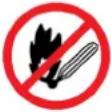 Flammable Material HazardFlammable liquids, gases or substances etc may present.Avoid ignition sources and open flames. Danger of fire. Flammable Material HazardFlammable liquids, gases or substances etc may present.Avoid ignition sources and open flames. Danger of fire. |  Read User ManualRead and fully understand product safety warnings, operation, procedures etc before using the product. Read User ManualRead and fully understand product safety warnings, operation, procedures etc before using the product. |  Use Hand ProtectionWear appropriate hand protection and take due care as the product or use of the product may present hand hazards. Use Hand ProtectionWear appropriate hand protection and take due care as the product or use of the product may present hand hazards. |  Exhausted TonesCarbon-Monoxide HazardDo not use the product in confined areas or without adequate ventilation. Carbon-monoxide poisoning can be fatal. Exhausted TonesCarbon-Monoxide HazardDo not use the product in confined areas or without adequate ventilation. Carbon-monoxide poisoning can be fatal. |
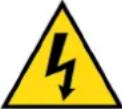 Electrocution / Electrical Shock HazardHigh voltage or high current electricity may be present or required by the product. Take due care when handling electrical products, cables, plugs and leads. Electrical shock can be fatal. Electrocution / Electrical Shock HazardHigh voltage or high current electricity may be present or required by the product. Take due care when handling electrical products, cables, plugs and leads. Electrical shock can be fatal. |  Toxic Fumes / Dust HazardUsing the product or by-products from use may produce fumes, smoke or particles that could be harmful if inhaled. Wear appropriate breathing protection and have adequate ventilation. Toxic Fumes / Dust HazardUsing the product or by-products from use may produce fumes, smoke or particles that could be harmful if inhaled. Wear appropriate breathing protection and have adequate ventilation. | 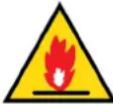 Explosive Material HazardCombustible liquids, gases or substances etc may be present.Avoid ignition sources and open flames. Danger of explosion. Explosive Material HazardCombustible liquids, gases or substances etc may be present.Avoid ignition sources and open flames. Danger of explosion. | 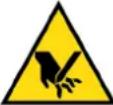 Cutting / Amputation HazardThe product may have blades, edges or mechanical devices that can cause severe cut injury to fingers, limbs etc. Take due care when handling and using the product. Cutting / Amputation HazardThe product may have blades, edges or mechanical devices that can cause severe cut injury to fingers, limbs etc. Take due care when handling and using the product. |
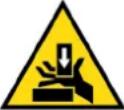 Crush HazardThe product may have blades, edges or mechanical devices that can cause severe crush injury to fingers, limbs etc. Take due care when handling and using the product. Crush HazardThe product may have blades, edges or mechanical devices that can cause severe crush injury to fingers, limbs etc. Take due care when handling and using the product. |  Single Operator OnlyThe product must be operated by a single person only. More than one person operating the product may introduce additional hazards. Single Operator OnlyThe product must be operated by a single person only. More than one person operating the product may introduce additional hazards. |  Use Face ProtectionWear appropriate full-face protection and take due care as the product or use of the product may present face and eye hazards. Use Face ProtectionWear appropriate full-face protection and take due care as the product or use of the product may present face and eye hazards. |  Use Foot ProtectionWear appropriate foot protection and take due care as the product or use of the product may present foot hazards. Use Foot ProtectionWear appropriate foot protection and take due care as the product or use of the product may present foot hazards. |
 Use Eye / Ear / Head ProtectionWear appropriate eye and / or ear and / or head protection and take due care as the product or use of the product may present eye, hearing and head hazards. Use Eye / Ear / Head ProtectionWear appropriate eye and / or ear and / or head protection and take due care as the product or use of the product may present eye, hearing and head hazards. | 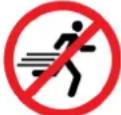 Running HazardDo not run on or near the product as doing so may present a fall hazard. Running HazardDo not run on or near the product as doing so may present a fall hazard. |  Diving HazardDo not dive into the product as doing so may present a neck / head injury hazard. Diving HazardDo not dive into the product as doing so may present a neck / head injury hazard. |  Adult Supervision RequiredAlways supervise children and other users of a product to prevent drowning or injury. Adult Supervision RequiredAlways supervise children and other users of a product to prevent drowning or injury. |
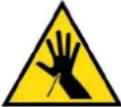 Skin Penetration / Puncture HazardThe product may produce pressure, emit liquids or objects that can cause severe injury to fingers, limbs, blood etc. Take due care when handling and using the product. Skin Penetration / Puncture HazardThe product may produce pressure, emit liquids or objects that can cause severe injury to fingers, limbs, blood etc. Take due care when handling and using the product. | 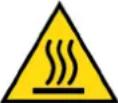 Hot Surface HazardBe aware that the product may produce high temperatures and hot surfaces that can cause burn injuries. Hot Surface HazardBe aware that the product may produce high temperatures and hot surfaces that can cause burn injuries. | 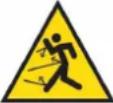 Flying Debris HazardBe aware that the product or use of the product may present hazards produced by flying debris. Wear appropriate clothing and protective devices. Flying Debris HazardBe aware that the product or use of the product may present hazards produced by flying debris. Wear appropriate clothing and protective devices. | 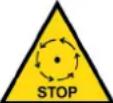 Moving Parts HazardBe aware that the product contains or uses mechanical devices that move or rotate. Always wait for moving parts to stop fully before handling the product, adjusting, maintenance etc. Moving Parts HazardBe aware that the product contains or uses mechanical devices that move or rotate. Always wait for moving parts to stop fully before handling the product, adjusting, maintenance etc. |
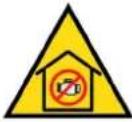 Carbon-Monoxide HazardDo not use the product in confined areas or without adequate ventilation. Carbon-monoxide poisoning can be fatal. Carbon-Monoxide HazardDo not use the product in confined areas or without adequate ventilation. Carbon-monoxide poisoning can be fatal. | 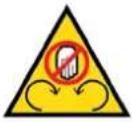 Pull HazardBe aware that the product contains or uses mechanical devices that can pull in objects and can cause severe injury to fingers, limbs etc. Take due care when handling and using the product. Pull HazardBe aware that the product contains or uses mechanical devices that can pull in objects and can cause severe injury to fingers, limbs etc. Take due care when handling and using the product. | 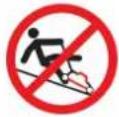 Slope / Fall Injury HazardBe aware that using the product on sloping surfaces or in slippery conditions may present additional dangers from falls and contact with blades, moving parts, hot surfaces etc. Slope / Fall Injury HazardBe aware that using the product on sloping surfaces or in slippery conditions may present additional dangers from falls and contact with blades, moving parts, hot surfaces etc. | 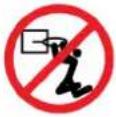 "Slam Dunk" WarningDo NOT attempt "slam dunk" manoeuvres as this may result in severe injury due to falling, product breakage or collapse etc. "Slam Dunk" WarningDo NOT attempt "slam dunk" manoeuvres as this may result in severe injury due to falling, product breakage or collapse etc. |
 Electrocution / Electrical Shock Hazard - OutdoorHigh voltage or high current electricity may be present or required by the product. Do NOT use in rain, damp or wet conditions. Electrical shock can be fatal. Electrocution / Electrical Shock Hazard - OutdoorHigh voltage or high current electricity may be present or required by the product. Do NOT use in rain, damp or wet conditions. Electrical shock can be fatal. | 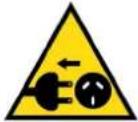 Electrocution / Electrical Shock Hazard - DisconnectHigh voltage or high current electricity may be present or required by the product. Always disconnect the product from the electrical supply before handling the product, adjusting, maintenance etc. Electrocution / Electrical Shock Hazard - DisconnectHigh voltage or high current electricity may be present or required by the product. Always disconnect the product from the electrical supply before handling the product, adjusting, maintenance etc. | 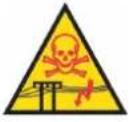 Power Line Electrocution HazardHigh voltage / high current power lines may be present. Use extreme caution to avoid contact or interference with power lines.Electrical shock can be fatal. Power Line Electrocution HazardHigh voltage / high current power lines may be present. Use extreme caution to avoid contact or interference with power lines.Electrical shock can be fatal. | 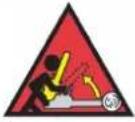 "Kick-Back" HazardHigh level of "kick-back" hazard that can cause the machine to suddenly rotate towards operator.Kick-back injury can be fatal. "Kick-Back" HazardHigh level of "kick-back" hazard that can cause the machine to suddenly rotate towards operator.Kick-back injury can be fatal. |
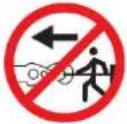 Winch Operator Position HazardDo NOT stand between winch and load. Do NOT use winch to move people. Winch Operator Position HazardDo NOT stand between winch and load. Do NOT use winch to move people. | 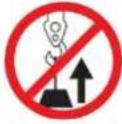 Winch Lift HazardDo NOT LIFT load vertically. Use machine to PULL only. Winch Lift HazardDo NOT LIFT load vertically. Use machine to PULL only. | 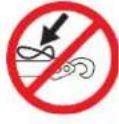 Cable HazardEnsure that load bearing cable is not kinked or knotted. Cable HazardEnsure that load bearing cable is not kinked or knotted. | 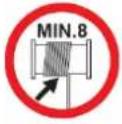 Winch Cable HazardEnsure that there is a minimum number of cable coils on winching mechanism. Winch Cable HazardEnsure that there is a minimum number of cable coils on winching mechanism. |
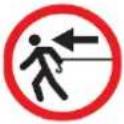 Winch Hook HazardCarry hook to load – do NOT throw or run. Winch Hook HazardCarry hook to load – do NOT throw or run. | 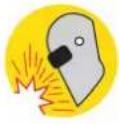 Flash / Blinding HazardWear appropriate eye protection for welding. Direct exposure to weld arcs may cause permanent eye injury. Flash / Blinding HazardWear appropriate eye protection for welding. Direct exposure to weld arcs may cause permanent eye injury. |  Laser HazardLaser may be in use – do NOT look directly at laser or allow others to. Laser HazardLaser may be in use – do NOT look directly at laser or allow others to. |
Table of Contents
Safety....2
Safety Symbols 4
Parts Identification....7
Assembly and Set-Up 8
Operation 8
General Operation....8
Adjusting the Backplate Angle....8
Maintenance 9
General Maintenance 9
Maintaining Sharpness....10
Poly V-Belt Adjustments....11
Troubleshooting.... 12
Specifications....14
Parts Identification
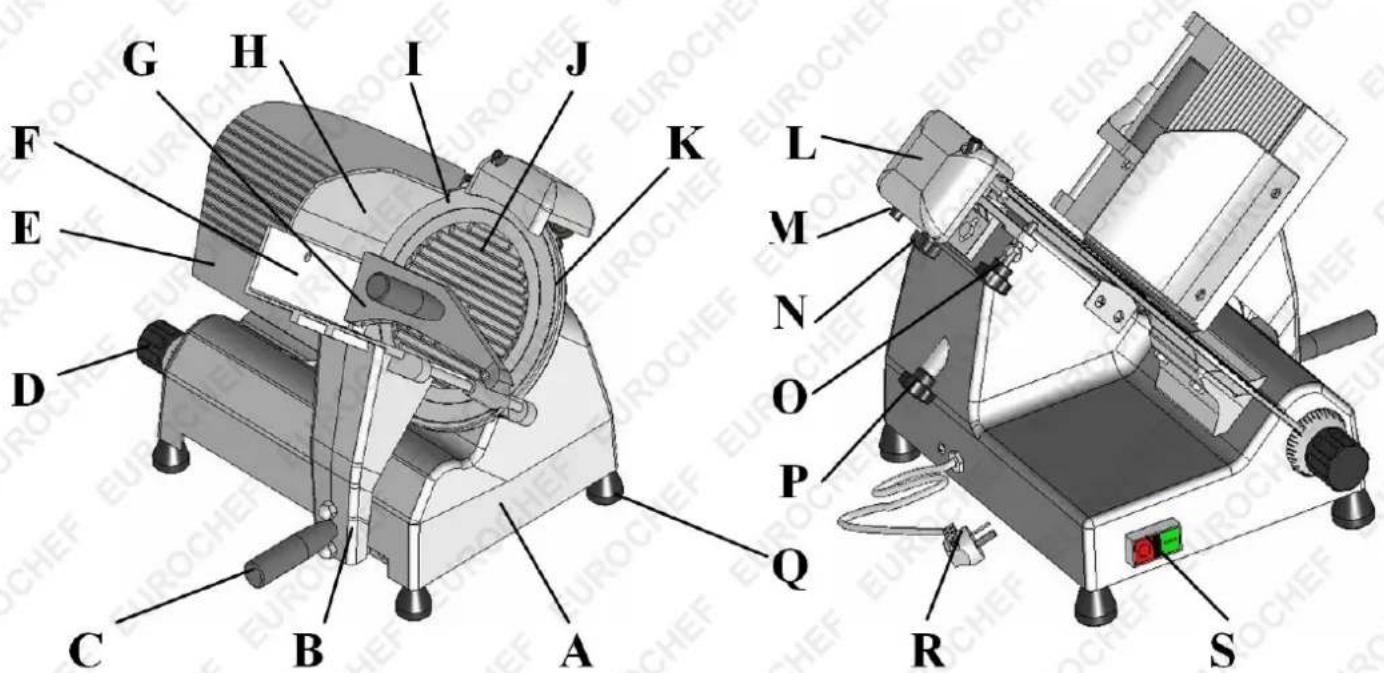
| No. | Name | No. | Name |
| A Meat slicer base J | Slicing knife protection cover | ||
| B Foot carrier frame K | Slicing knife protection ring | ||
| C Slicing knife handle L | Grinding wheel protection cover | ||
| D Thickness adjustment dial | M | Grinding wheel handle | |
| E Food stopping board | N | Grinding wheel screw | |
| F Food carrier | O | Food stopping board screw | |
| G Food pressing board P | Slicing knife protection cover screw | ||
| H Foot carrier protection cover | Q | Rubber foot stopper | |
| I Slicing knife | R | Power cable | |
Spare parts available for purchase, scan QR code below:


Assembly and Set-Up
- Remove the meat slicer from its packaging and place onto a clean, flat surface. (Note: Ensure there is a clear working area around the slicer for easy operation).
- Before connecting the unit to the power supply, check the wheel assembly, bearing plate assembly and slicing knife cover are freely moving.
- Clean all surfaces carefully with damp cloth; pay particular attention when wiping the cutting blade to avoid injury.
- Connect the slicer to the power supply. Press the start switch and let the slicing knife run for 1-2 minutes; make sure that the slicing knife rotates smoothly in a counter-clockwise direction.
Operation

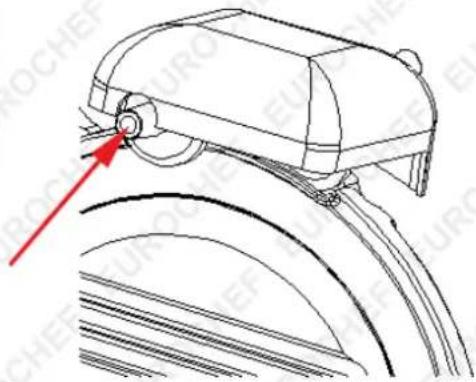
NOTES: To sharpen the blade, while the slicer is running, press the sharpen button for 1 or 2 seconds only, if the button is pressed for longer than 2 seconds, you will ruin the blade.
Food is best sliced at a temperature of about -5^
natural_image
Technical line drawing of a mechanical component with a red arrow pointing to a specific part (no text or symbols present)General Operation
- Rotate the Thickness Adjustment dial to the required thickness of each cut.
- Put the food onto the food carrier and then use the movable food pressing board to press the food towards the food stopping board.
- When ready to begin slicing, press the start button to start the blade.
- Slide the food carrier back and forward over the blade with a continuous motion.
- When slicing has finished, turn the switch OFF.
- Remove the sliced Meat from the machine.
- Adjust the Thickness Adjustment dial back to the "0" scale and clean the meat slicer.
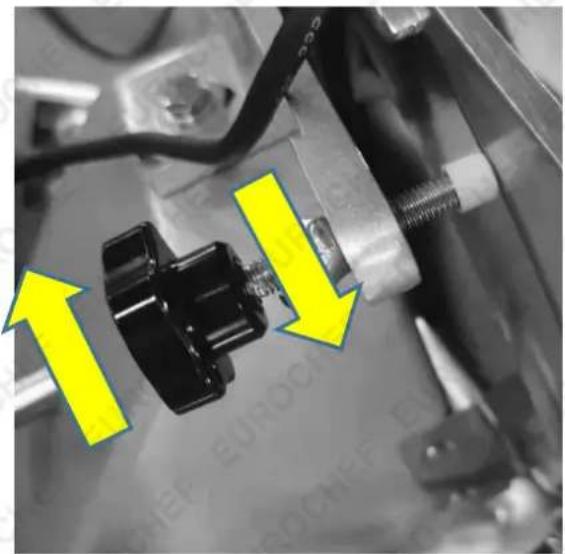
Adjusting the Backplate Angle
natural_image
Close-up of a mechanical component with yellow arrows pointing to features, no visible text or symbolsMaintenance
General Maintenance

IMPORTANT: Please clean meat slicer after every use. Do not wash this product or its parts in a dishwasher. Cleaning in a dishwasher can damage the product and its parts.
- Before you clean the meat slicer, you must disconnect it from the power supply to prevent the accidental starting of the machine.
- Turn the thickness adjusting dial back to the "0" scale.
- Do not use water to wash this product directly, do not use a scour that has a high degree of acidity or alkalescence to clean the product, and do not use abrasive articles to wipe the surface of the product or the slicing knife. Please use a piece of wet cloth to wipe the surface of the product, and then use a piece of dry cloth to wipe it up. In order to make sure the food is safe and healthy; you should clean the meat slicer before you use it each time.
- Take off the protecting cover of the slicing knife, clean the cover of the slicing knife and the slicing knife with a piece of cloth. To protect the slicing knife from rust and keep the food safe and healthy, please make sure that the slicing knife is wiped dry a with dry cloth.
-
When cleaning the slicing knife, please pay attention to the following:
-
Put on safety gloves
- Do not touch the edge of the slicing knife directly.
-
Strictly prohibit the cleaning of the slicing knife before cutting off the electric power.
-
When finished cleaning, start the machine and let it run for 3 minutes cutting nothing, make sure that it could work normally.

NOTE: To ensure that your meat slicer lasts for a long time, you must perform the following tasks from time-to-time.
- The rotary and slip parts should be kept lubricative and agile. Please check and add lubricant when required.
-
Maintain the slicing knife
-
The slicing knife is made of high intensity steels; it should not be impinged by hard articles.
- When finished using the product, please wipe the slicing knife up with a piece of dry cloth.
-
Use a piece of dry cloth with edible oil to wipe the edge of the slicing knife for one time each day. This is to prevent the slicing knife from rusting.
-
To lubricate the slip axle of the food pressing board.
-
Use a piece of cloth to wipe the slip axle up.
- Add some edible oil to the slip axle, move the food pressing board up and down to let the edible oil fully penetrate.
-
Do this before each use of the slicer.
-
To lubricate the sliding axle of the food carrier.
Add lubricating oil (SAE140 lubricating oil) onto the sliding axle, move the food carrier right-and-left to let lubricating oil fully penetrate. Do this on a weekly basis.
- Automatic gears maintenance
Conduct a weekly check of the screws of the gear to ensure they have not come loose, and whether the lubricating parts have been frayed or burned. Reinforce the loosed screws and add lubricating oil (SAE140 lubricating oil) when required. It is requested to do this one time each week.
- Maintain the knife grinding parts
Each time before grinding the knife, check whether the axle of grinding wheel is retractile or not.
– Each time before grinding the knife, check whether the grinding wheel can run agilely or not.
– Each time before and after grinding the knife, clean the grinding wheel.
Maintaining Sharpness
- Disconnect from the power supply and clean the slicing knife.
- Check whether the thickness adjusting button has been turned back to the "0" scale.
- Check whether the knife grinding parts can work normally or not. For example, check whether the handle of the grinding wheel can be moved agilely or not, or check whether the grinding wheels are firm enough.
- Loosen the position fixing screw of the grinding wheel, lift the grinding wheels to check whether it can move or not, and then put them down to the correct position, lock the position fixing screw of the grinding wheel again.
Check whether there are any gaps between the grinding wheels and the slicing knife (Diagram 2). (Special attention: when bring up the emery wheel cover, the knife blade is exposed, take not to touch the point of a knife).
- Connect the meat slicer to the power supply, press Start Button to let the slicing knife run, push down the handle of the grinding wheel to let it touch the slicing knife.
- Press the Stop Button to let the slicing knife stop running, then check whether the edge of the slicing knife is sharp enough or not. If not, grind it again.
- Press the Start Button to let the slicing knife run, push down the handle of the grinding wheel again softly, grind the slicing knife for 1-2 seconds to rid of the burr (Diagram 4).
- When finished, press the Stop Button, and cut off the electric power.
- Adjust the knife grinding parts back to their original positions and lock the position fixing screw of the grinding wheel (Diagram 5).
- When grinding the slicing knife, please keep your eyes away from the running direction of the grinding wheel, to prevent dust and fragment of the grinding wheel causing injury.
Press to whet the knife emery wheel hand handle
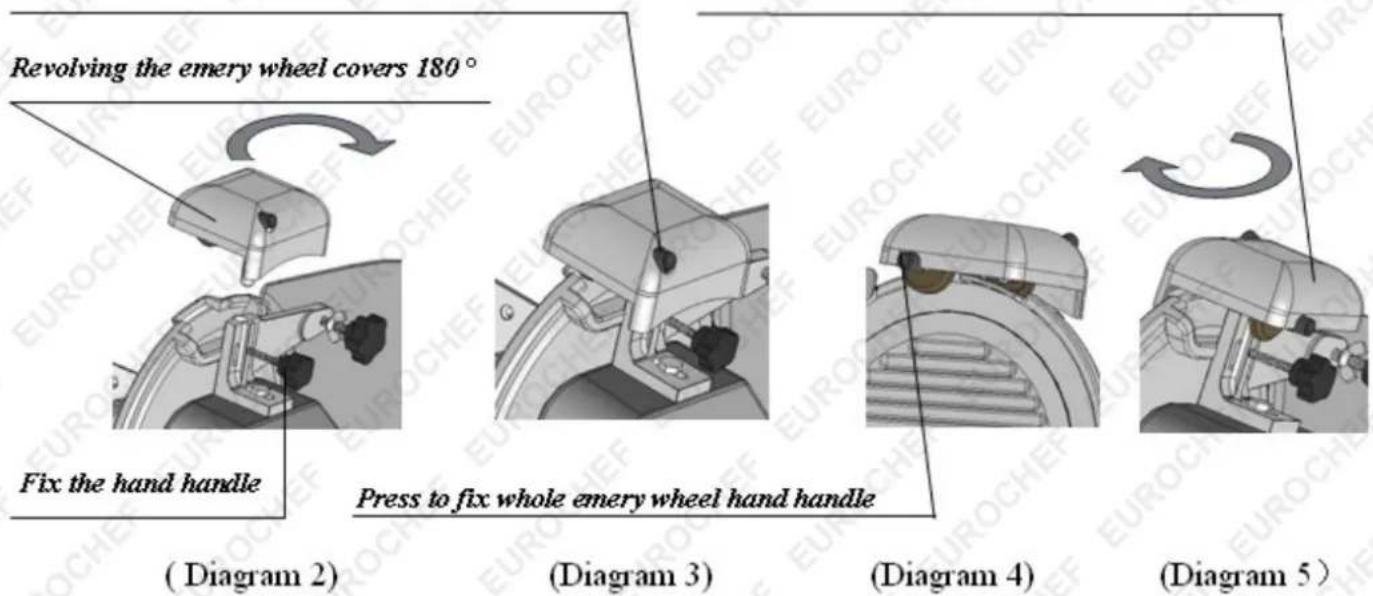
Adjust to return to beginning to start after whetting
- If the grinding wheel is dusty and smeary, please use detergent and brush to wipe them off.
- Clean the product again.
Poly V-Belt Adjustments
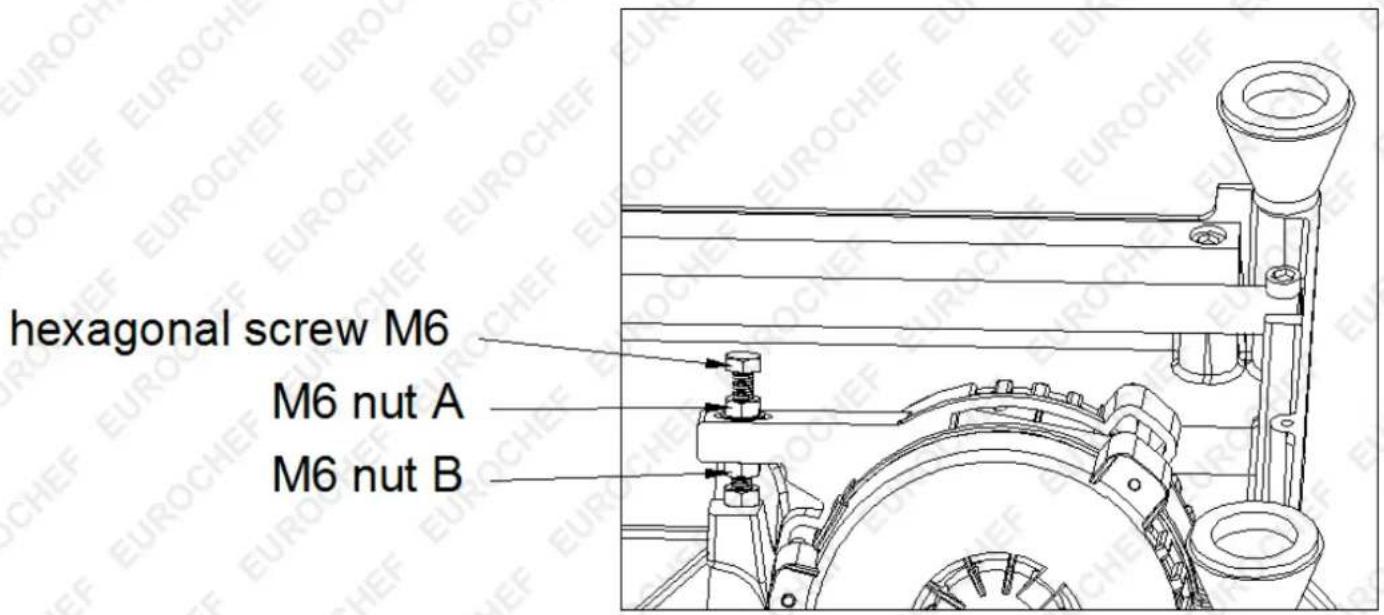
Loosen the M6 nut A, then adjust the M6 nut B upwards, until the elasticity of the poly V-belt adjust to be suitable.
Troubleshooting
| Malfunction | Malfunction Analysis | Maintenance methods | |
| 1 | Food carrier Shakes | A. the fixing screws of the frame and the food carrier has become loose | A. correct positions of the frame and the food carrier, tighten the screws |
| B. fixing plastic nail of the sliding part are not at the “0” scale | B. uses the inner hexagonal wrench to correct the position of the fixing plastic nail and tighten the nut. | ||
| C. the fixing screws of the square axle and the round axle become loose | C. tighten the screws | ||
| 2 | The food stopping board lower than the slicing knife | A. the fixing screws on the supporting base of the food stopping board have become loose | A. adjust the food stopping board, adjust so it's in line with the slicing knife, tighten the screws |
| B. the thickness adjusting dial and the adjusting axle become loose | B. change the thickness adjusting button, adjust it again. | ||
| 3 | When starting the product, the slicing knife runs powerlessly. | A. the strap has becomes loose. | A. tighten the strap and the screws. |
| B. the strap is greasy, and it causes the strap skidding. | B. clean the strap or add some dry powder onto the strap | ||
| The grinding wheel cannot grind the knife (or the grinding wheel is broken) | A. use it incorrectly | A. please read the users' manual for details | |
| B. the angle of the grinding frame is not correct. | B. adjust the base of the grinding wheel | ||
| C. the grinding wheel protecting cover touches the grinding wheel | C. adjust the base of the grinding wheel | ||
| D. there is water or oil on the grinding wheel | D. clean the grinding wheel and dry it | ||
| 5 | The slicing knife jumps fiercely | A. there may be some impurities on the surface of the strap wheel | A. wipe up the impurities, use little edible oil to clean it |
| B. the screws of the slicing knife may not be tightened enough | B. tighten the screws of the slicing knife | ||
| C. the slicing knife is deformed | C. change the slicing knife | ||
| D. the locking ring of the strap wheel has become loose or has been damaged | D. tighten the locking ring or change the strap wheel | ||
| 6 | The food stopping board touches the slicing knife or it becomes loose | A. the distance between the food stopping board and the slicing knife is not correct. | A. adjust the distance to 0.4-0.5mm, tighten the screws |
| B. the screws on the base of the food stopping board or screws on the adjusting button become loose | B. tighten the screws | ||
| C. the adjusting copper set may be loose or lost | C. uninstall the adjusting button and tighten the adjusting copper set or change the adjusting button | ||
| 7 | The food carrier touches the slicing knife protecting cover | A. the position fixing bolt or nut of the supporting wheel have become loose | A. same as 1 |
| B. the fixing screws of the frame and the food carrier have become loose | B. same as 1 | ||
| 8 | Meat sheets are not symmetrical, winding or the product cannot slice meat and other foods | A. the angle of the slicing knife is not correct | A. adjust the angle of the knife again |
| B. the slicing knife has become blunt | B. grind the slicing knife again (read the users' manual for details) | ||
| C. the food stopping board has become loose | C. uninstall the adjusting button and tighten the adjusting copper set or change the adjusting button | ||
| 9 | sliding part moves torpidly | A. the position fixing axle is too tight | A. adjust the screw of the position fixing axle to the “0” scale and let it touch the square axle surface, tighten the nut |
| B. there may be some impurities at the supporting axle and the square axle of the sliding part | B. wipe the supporting axle and the square axle of the sliding part and add some butter | ||
| C. the copper set was damaged or was not in its right position | C. change the copper set |
Specifications
| Model | EUC-CMS-3 |
| Voltage | 240V |
| Rated Power | 320W |
| Material | Stainless Steel |
| Type | Electric Food Slicer |
| Blade Material | Stainless Steel |
| Blade Diameter | 25cm |
| Thickness Adjustment | 0-17mm |
| Max Slicing Width | 185mm |

Some experts believe that the incorrect or prolonged use of almost any product may cause serious injury or death. To help reduce your risk of serious injury or death, refer to the information below. For more information, see www.datastreamserver.com/safety
- Consult all documentation, packaging and product labelling before use. Note that some products feature documentation available online. It is recommended to print and retain the documentation.
■ Before each use, check the product for loose/broken/damaged/missing parts, wear or leaks (if applicable). Never use a product with loose/broken/damaged/missing parts, wear or leaks.
■ Products must be inspected and serviced (if applicable) by a qualified technician every 6 months. This is based on average residential use by persons of average size and strength, and on a property of average metropolitan size. Use beyond these recommendations may require more frequent inspections/servicing.
■ Ensure that all users of the product have completed a suitable industry recognised training course before being allowed access to the product.
The product has been supplied by a general merchandise retailer that may not be familiar with your specific application or description of application. Be sure to attain third-party approval from a qualified specialist for your application before use, regardless of any assurances from the retailer or its representatives.
This product is not intended for use where fail-safe operation is required. As with any product (for example, automobile, computer, toaster), there is the possibility of technical issues that may require the repair or replacement of parts, or the product itself. If the possibility of such failure and the associated time it may take to rectify could in any way inconvenience the user, business or employee, or financially affect the user, business or employee, then the product is not suitable for your requirements. This product is not intended for use where incorrect operation or a failure of any kind, including but not limited to, a condition requiring product return, replacement, parts replacement or service by a technician may cause financial loss, loss of employee time or an inconvenience requiring compensation.
If this product has been purchased in error when considering the information presented here, contact the retailer directly for details of their returns policy, if required.

topia.com.au