
Cal 4310 - Montre-bracelet CITIZEN - Kostenlose Bedienungsanleitung
Finden Sie kostenlos die Bedienungsanleitung des Geräts Cal 4310 CITIZEN als PDF.


Benutzerfragen zu Cal 4310 CITIZEN
0 Frage zu diesem Gerät. Beantworten Sie die, die Sie kennen, oder stellen Sie Ihre eigene.
Eine neue Frage zu diesem Gerät stellen
Laden Sie die Anleitung für Ihr Montre-bracelet kostenlos im PDF-Format! Finden Sie Ihr Handbuch Cal 4310 - CITIZEN und nehmen Sie Ihr elektronisches Gerät wieder in die Hand. Auf dieser Seite sind alle Dokumente veröffentlicht, die für die Verwendung Ihres Geräts notwendig sind. Cal 4310 von der Marke CITIZEN.
BEDIENUNGSANLEITUNG Cal 4310 CITIZEN
TECHNICAL INFORMATION
CITIZEN QUARTZ
Cal. No. 43
(Excepto No. de Cal. 438/439**)
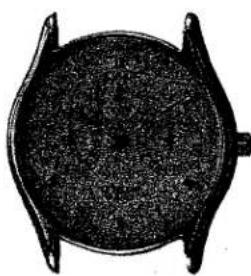
natural_image
Top-down view of a circular mechanical component with two side brackets (no visible text or symbols)(Cal. No. 4300※)
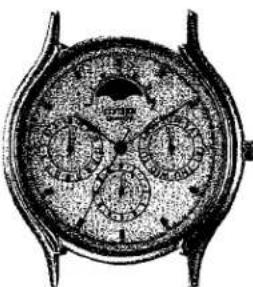
natural_image
Close-up of a wristwatch with three dials and analog face (no visible text or symbols)(Cal. No. 4310※)
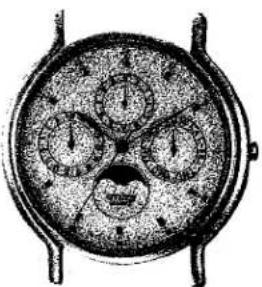
natural_image
Illustration of a wristwatch with analog dials and frame (no visible text or symbols)(Cal. No. 4330※)
§1. OUTLINE
- Cal. No. 4300※
This is an analog multi-hand quartz watch with three analog hands (hour, minute, second) and three small hands indicating date, day and dual time.
- Cal. No. 4310※
This is an analog multi-hand quartz watch with three analog hands (hour, minute, second) and three small hands indicating date, day and time of the 24-hour system. This watch also indicates the age of the moon.
- Cal. No. 4330※
This analog multi-hand quartz watch has the Sun & Moon dial in the direction of six o'clock, as well as the functions of Cal. No. 4300※.
§2. SPECIFICATIONS
| Caliber No. | 4300A-01 | 4310A-01 | 4330A-01 | |
| Type | Analog quartz watch with a sweep second plus 3 small hands | |||
| Module size (mm) | 23.7 × 22.6 × 3.7 t | |||
| Accuracy | ±20 sec/month (at normal temperature) | |||
| Oscillation | 32,768 Hz | |||
| Integrated circuit | C/MOS-LSI (1 unit) | |||
| Effective temperature range | -10°C ~ +60°C (14°F ~ 140°F) | |||
| Converter | Bipolar step motor | |||
| Adjustment of time rate | Digital frequency control (in factory only) | |||
| Measurement of time rate | 10 seconds | |||
| Additional functions | Date display (with quick setting device) | Installed (Small hand) | ←→ | ←→ |
| Day display | Installed (Small hand) | ←→ | ←→ | |
| Dual time display | Installed (Small hand) | Not installed | Installed (Small hand) | |
| 24-hour system display | Not installed | Installed (Small hand) | Not installed | |
| Indication of age of the moon (with quick setting device) | Not installed | Age of the moon dial rotating one turn every 59 days | Not installed | |
| Indication with picture dial | Not installed | ←→ | Installed (Sun & moon) | |
| Second and stopping device | Installed | |||
| Power saving switch | Installed | |||
| Power cell | Part No.: 280-39 Size (mm): 6.8 × 2.6 t Capacity: 26 mAHCell No.: SR626SW Voltage: 1.55 V Lifetime: Approx. 2 years | |||
§3. HANDLING INSTRUCTION
3-1. Name of each part
| Cal. 4300X | 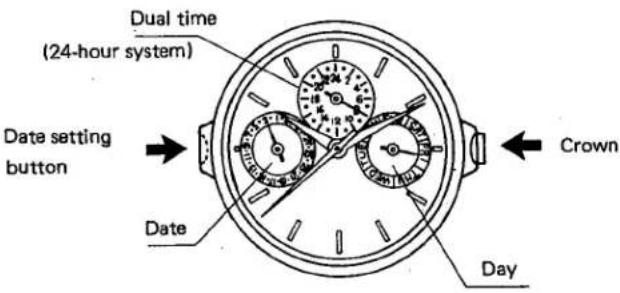 |
| Cal. 4310X | 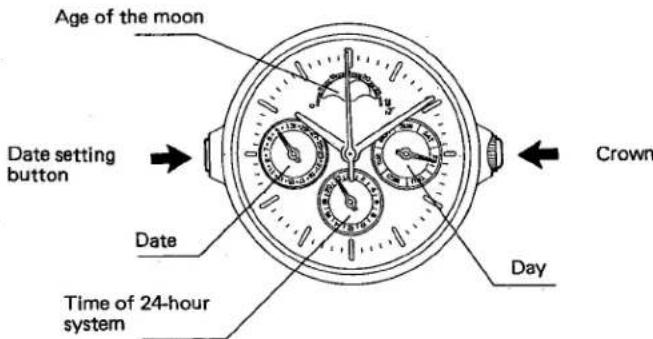 |
| Cal. 4330X | 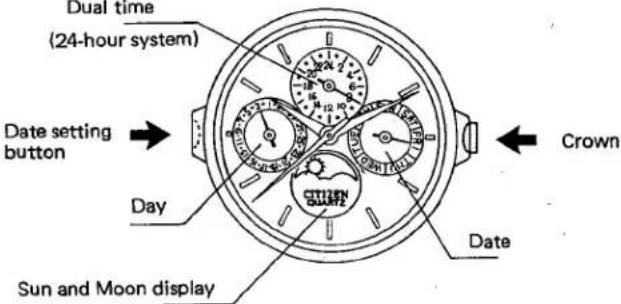 |
3-2. How to see each indication
| Day | Date | Time on the 24-hour system | Dual time | Age of the moon | |
| Normal |  |  |  |  |  |
| Setting |  |  |  |  |  |
3-3. Setting each indication
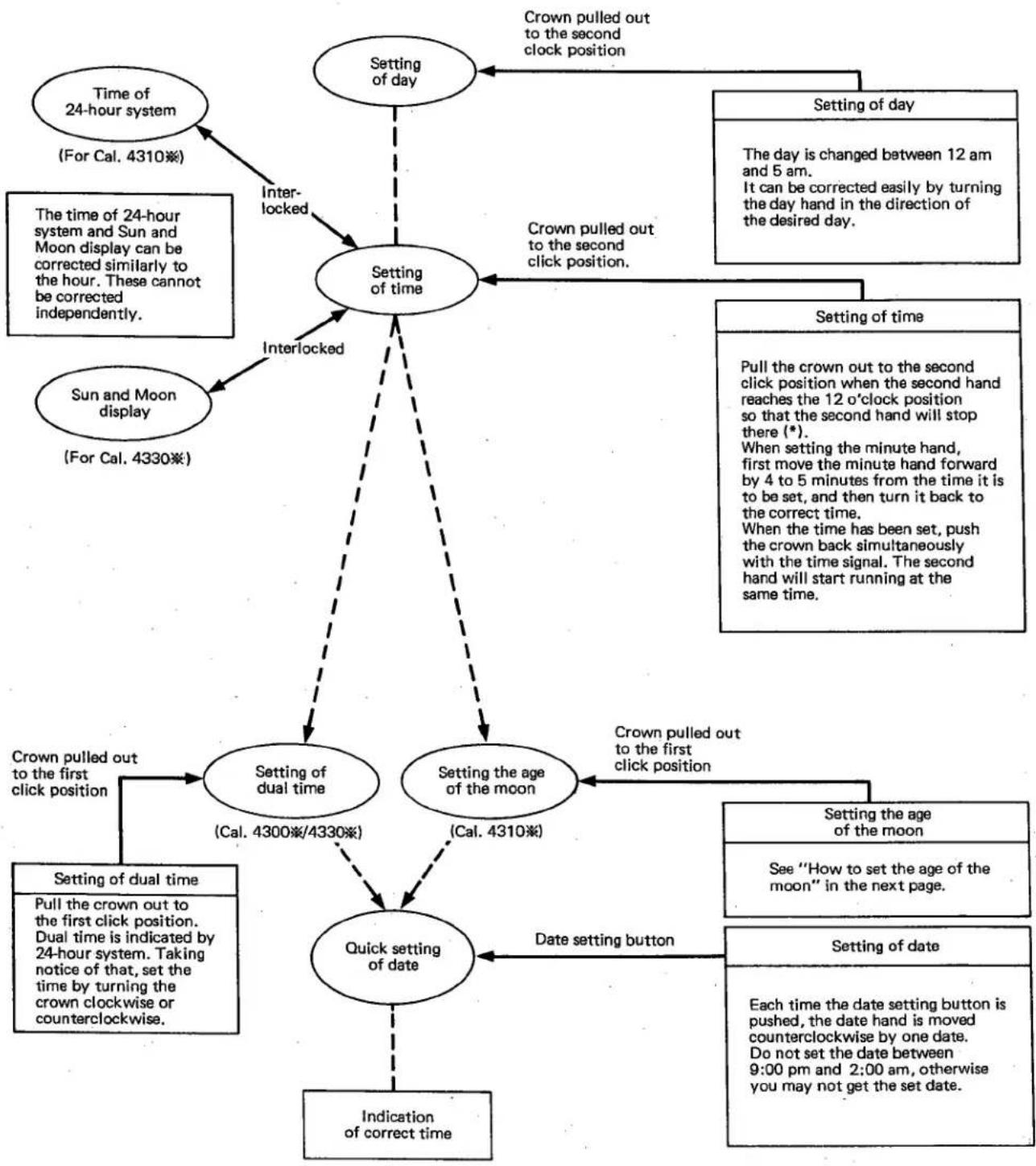
flowchart
graph TD
    A["Setting of day"] -->|Crown pulled out to the second clock position| B["Setting of time"]
    A -->|Interlocked| C["Setting of dual time"]
    A -->|Crown pulled out to the second click position| D["Setting of day"]
    B -->|Interlocked| E["Setting of time"]
    B -->|Crown pulled out to the second click position| F["Setting of time"]
    C --> G["Setting of dual time"]
    C --> H["Setting of the age of the moon"]
    D --> I["Setting of day"]
    D --> J["Setting of time"]
    E --> K["Crown pulled out to the first click position"]
    F --> L["Pull the crown out to the second click position when the second hand reaches the 12 o'clock position so that the second hand will stop there (*). When setting the minute hand, first move the minute hand forward by 4 to 5 minutes from the time it is to be set, and then turn it back to the correct time. When the time has been set, push the crown back simultaneously with the time signal. The second hand will start running at the same time."]
    G --> M["Crown pulled out to the first click position"]
    H --> N["Crown pulled out to the first click position"]
    I --> O["Setting of the age of the moon"]
    J --> P["Setting of the age of the moon in the next page. See “How to set the age of the moon”"]
    K --> Q["Setting of dual time"]
    L --> R["Setting of date"]
    M --> S["Pull the crown out to the first click position. Dual time is indicated by 24-hour system. Taking notice of that, set the time by turning the crown clockwise or counterclockwise."]
    N --> T["Setting of date setting button is pushed, the date hand is moved counterclockwise by one date. Do not set the date between 9:00 pm and 2:00 am, otherwise you may not get the set date."]
    O --> U["Date setting button"]
    P --> V["Indication of correct time"]
    Q --> W["Setting of dual time"]
    R --> X["Setting of date"]
* This function is called the second hand stopping device used as the power saving switch, too.
* After each indication is set, push the crown in to the normal position.
- How to set and read age of the moon (Cal. 4310※)
* This function indicates the age of the moon, but does not display the shape of the moon.
* Use the moon dial only as a guide to the age and phase of the moon when reading and setting the watch.
1) Setting the age of the moon
- In case the watch is equipped with the age of the moon scale
(1) Confirming today's or tomorrow's age of the moon Check today's or tomorrow's age of the moon with a newspaper. If tomorrow's age of the moon is found, subtract one day from it.
(2) Setting the age of the moon (Example: age of the moon: 4.4)
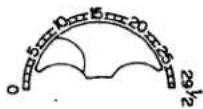
Pull the crown to the first click position and rotate the moon mark clockwise until the center of the moon comes to around the position of 4.4 of the age of the moon scale.
- In case the watch is not equipped with the age of the moon scale
In this case, when the age of the moon shown in a newspaper, is 0, 7, 15 or 22, set the moon mark to the corresponding position of the age of the moon as shown in 2) "How to read the age of the moon" below.
The age of the moon can be set more accurately if it is set when it is 0 (New moon) or 15 (Full moon).
2) How to read age of the moon (Example of indication)
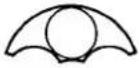
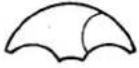
| 1 | New moonAge of the moon: 0(Spring tide) | 3 | First quarter moonAge of the moon: Approx. 7(Neap tide) |
 |  | ||
| 5 | Full moonAge of the moon: Approx. 15(Spring tide) | 7 | Last quarter moonAge of the moon: Approx. 22(Neap tide) |
 |  |
* The level of the tide can be seen from the indicated age of the moon.
- The age of the moon can be set more accurately if it is set when it is the New moon (the moon mark cannot be see at all — Age of the moon: 0) or the Full moon (the moon mark is at the top (position of 12 o'clock) — Age of the moon: 15).
3) What is the age of the moon
● Waxing and waning of the moon
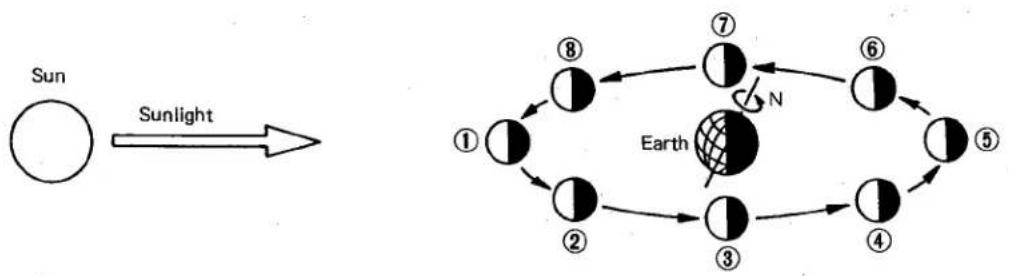
The waxing and waning of the moon are caused by the change of the positions of the sun and moon viewed from the earth.
flowchart
graph TD
    A["Sun"] -->|Sunlight| B["Earth"]
    B --> C["①"]
    B --> D["②"]
    B --> E["③"]
    B --> F["④"]
    B --> G["⑤"]
    B --> H["⑥"]
    B --> I["⑦"]
    B --> J["⑧"]
    style Earth fill:#f9f,stroke:#333,stroke-width:2px
    note right of B "Earth"
When the moon is at position (1) shown above (the sun and moon are in the same direction), the moon viewed from the earth is illuminated from its back. The moon is called the new moon at this time.
The moon can be seen at various positions as shown below.

flowchart
graph LR
    A["New moon"] --> B["First quarter moon"]
    B --> C["Full moon"]
    C --> D["Last quarter moon"]
    D --> E["Phase of the moon"]
The moon waxes and wanes repeatedly in order of (1) - (8) - (1).
- The age of the moon
The age of the moon is indicated in units of days. The average period from a new moon to the next new moon is equivalent to about 29.5 days.

Marke : CITIZEN
Modell : Cal 4310
Kategorie : Montre-bracelet