Vital - Saucepan Magefesa - Free user manual and instructions
Find the device manual for free Vital Magefesa in PDF.


| Brand | Magefesa |
| Model | Vital |
| Product Type | Saucepan |
| Material | Stainless Steel |
| Diameter | 18 cm (7 inches) |
| Height | 9 cm (3.5 inches) |
| Capacity | 2.5 liters |
| Weight | 0.8 kg |
| Compatible Hob Types | Gas, Electric, Ceramic, Induction |
| Handle Material | Bakelite (heat-resistant) |
| Lid Material | Tempered Glass |
| Dishwasher Safe | Yes (recommended hand wash) |
| Oven Safe | Up to 180°C (without lid) |
| Non-Stick Coating | No |
| Heat Distribution | Even, with encapsulated base |
| Spare Parts Available | Lid, Handle |
| Warranty | 2 years |
Frequently Asked Questions - Vital Magefesa
User questions about Vital Magefesa
0 question about this device. Answer the ones you know or ask your own.
Ask a new question about this device
Download the instructions for your Saucepan in PDF format for free! Find your manual Vital - Magefesa and take your electronic device back in hand. On this page are published all the documents necessary for the use of your device. Vital by Magefesa.
USER MANUAL Vital Magefesa
Instructive & Warranty

MAGEFESA USA
12800 NW 38 th Avenue
Miami, FL 33054-4525
Telephone: (786) 594-3781
Fax: (786) 594-3782
Email: info@magefesausa.com
www.magefesausa.com
Super fast pressure cooker
VITAL
M11_USA_V1

TECHNICAL SUPPORT SERVICE

WARRANTY POLICY
ARGENTINA
ST CENTRAL
B.M. IMPORT S.A.
Catamarca 3733 - 1651 - San Andrés
Tel. 4768-6277 / 4768-4510 / 4768-5364
ECUADOR
GONZALO NUÑEZ, S.A.
Bovacá 1060 y C. Bailén
Guayaquil
Tel. 593 42519185 Fax 593 42325352
BOLIVIA
PRODUCTS COVERED BY WARRANTY
PRODUCT: PRESSURE COOKER
□VITAL 4
□VITAL 8
MODELS:
□ VITAL 6
□VITAL 9
□ VITAL 7
□ VITAL DUO
DISTRIBUTOR'S DETAILS
NAME
ADDRESS
TELEPHONE
DATE OF PURCHASE
LIMITED WARRANTY
This warranty covers defects in material and workmanship for a period of 10 YEARS from the date of original purchase by the first buyer, provided that the product is used according to the manufacturer's manual for home use. Moving and/or perishable parts including gaskets and internal pieces that are subject to normal wear and tear are excluded from the warranty.
Product defects resulting from accidents, damages sustained in transit, misuse or negligence (including overheating and boiling dry), normal wear and tear such as scratches, dulling of polish or staining, and repairs or manipulations carried out by unauthorized or non-qualified personnel are not covered by the warranty.
If repairs become necessary during the warranty period, please return the unit, postage pre-paid to:
MAGEFESA USA
12800 N.W. 38 th Avenue
Miami, Florida 33054-4525
After a product inspection confirms whether the claim adheres to the warranty specifications, the defective piece will, at the discretion of the manufacturer, be repaired or replaced at no charge. This warranty supersedes all other existing warranties and formalities involved and other obligations or liabilities.
Accidental damages are excluded from warranty coverage. Remaining defects, excluding or limited by accidental damage, or the aforementioned parameters, do not guarantee warranty coverage. This warranty gives the holder specific rights as recognized by law and additional rights that may vary from state to state.
To purchase replacement parts, or for assistance that does not require product returns, please contact our Customer Service Department at (786) 594 - 3781 or email at info@magefesausa.com
CONTENTS
IM10_USAv1
PAGE
| 1. | IMPORTANT SAFETY INFORMATION. |
| 2. | CONGRATULATIONS. |
| 3. | PRESSURE COOKER ADVANTAGES. |
| 4. | GENERAL PRODUCT DESCRIPTION. |
| 5. | MAIN COMPONENTS AND FEATURES. |
| 6. | DIRECTIONS FOR PROPER USE. |
| 7. | USING YOUR PRESSURE COOKER FOR THE FIRST TIME. |
| 8. | FILLING YOUR PRESSURE COOKER. |
| 9. | CHECKING THE VALVE. |
| 10. | SECURING THE PRESSURE COOKER LID. |
| 11. | COOKING WITH PRESSURE. |
| 12. | PRESSURE RELEASE METHODS. |
| 13. | CLEANING AND CARE INSTRUCTIONS. |
| 14. | PRACTICAL TIPS FOR PRESSURE COOKER USE. |
| 15. | REPAIRS AND REPLACEMENT PARTS SERVICE. |
| 16. | ENVIRONMENTAL PROTECTION/DISPOSAL. |
| 17. | COOKING TIME. |
| 18. | RECIPES. |
| 19. | REPLACEMENT PARTS. |
1. IMPORTANT SAFETY INFORMATION

ATTENTION: Carefully read all instructions contained in this manual before using this pressure cooker. Save purchase receipts and packaging materials for future reference.
SAFETY INSTRUCTIONS
- Do NOT touch hot surfaces or hold pressure cooker pot by aluminum areas. Use handles or side grips.
- Close supervision is necessary when the pressure cooker is used near children.
- Do NOT place the pressure cooker in a heated oven.
- Extreme caution must be used when handling the pressure cooker containing hot liquids.
- Do NOT use the pressure cooker for anything other than its intended use.
- This appliance cooks under pressure. Improper use may result in serious and scalding injuries.
- Ensure that the pressure cooker pot is properly closed before operating.
- Do NOT fill the unit over two-thirds (2/3) of its full capacity. When preparing foods that expand during cooking, including rice or dried vegetables, do NOT fill the unit over one-half (1/2) of its full capacity. Overfilling the pressure cooker may clog the steam vent pipe and develop excess pressure.
- Be aware that certain foods, such as applesauce, cranberries, pearl barley, oatmeal or other cereals, split peas, rhubarb, or pastas can foam, froth and sputter. This can clog the steam vent pipe, which releases pressure from the unit. Do NOT cook such food items using a pressure cooker.
- Always check the pressure release devices for clogging before use.
- Do NOT open the pressure cooker until the unit has cooled down and all internal pressure has been released. If the handles are difficult to pull apart, this indicates that the cooker is still pressurized. DO NOT force it open. Pressure maintained inside the unit can be hazardous.
- Do NOT use this cooker for frying with oil under pressure.
- Properly clean and care for the pressure cooker after each use in an effort to maintain the unit and its features.
- After normal cooking pressure has been reached, reduce the heat so that liquid contained inside the cooker does not escape as steam. This will prevent the pressure cooker pot from boiling dry.
- Use authentic replacement parts manufactured and distributed by Magefesa. Replacement parts may be obtained by visiting the Magefesa USA website: http://www.magefesausa.com
- SAVE THESE INSTRUCTIONS. Additional copies of this manual may be downloaded free of charge at the Magefesa USA website: http://www.magefesausa.com
2. CONGRATULATIONS
Thank you for choosing Magefesa's Pressure Cooker. We appreciate the confidence you have placed in our company's line of products and in allowing us to facilitate your home cooking needs. Designed with the upmost standards and made with quality materials, our Pressure Cooker will provide you with healthful and flavorful meals for years to come.
3. PRESSURE COOKER ADVANTAGES
Cooking with this Pressure Cooker means change in the way you prepare meals. Unlike everyday cookware, this Pressure Cooker allows you to cook foods within minutes and up to five (5) times faster. Within 20 minutes, you'll have a prepared dish full of flavor.
Through use of this Pressure Cooker, foods are cooked in a shorter amount of time while preserving their natural colors and flavors. Where traditional cooking involves boiling foods in an open pot, use of the Pressure Cooker maintains steam and retains all water-soluble vitamins and minerals. Less liquid is required to cook foods when using a pressure cooker, further allowing you to savor foods' natural juices.
This Magefesa Pressure Cooker is among the safest on the market with its five (5) safety features. A pressure sensor alerts users when pressure is contained inside the pressure cooker pot, and a pressure regulating valve, safety valve and safety window form core pressure release systems. The pressure cooker pot's automatic locking system prevents the lid from opening while the pot is pressurized. With this Pressure Cooker, you can also forget about the irritating noise of old-style "jiggle valve" pressure cookers.
We invite you to experience efficient food preparation, practical cooking and appetizing dishes through the use of your very own Magefesa Pressure Cooker, right in the comfort of your own kitchen.
4. GENERAL PRODUCT DESCRIPTION

PARTS OF THE PRESSURE COOKER
- Lid.
- Pressure sensor.
- Lid handle.
- Safety window.
- Safety valve.
- Gasket.
- Helper handle.
-
Lower handle.
-
Pressure cooker pot.
- Heat diffuser base.
- Optional steamer insert.
- Valve cleaning wire.
- Alarm valve.
- Swivel valve.
- Steam pipe.
5. MAIN COMPONENTS AND FEATURES
SAFETY FEATURES
Five (5) security features have been integrated into this Pressure Cooker's design. It is important that you become familiar with these safety features and how they operate prior to its use. The 5 safety systems are as follows:
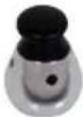
- Pressure regulating valve (22): The pressure regulating valve maintains the overall pressure contained within the unit and keeps steam from escaping outside of the pressure cooker.
- Safety valve (7): The safety valve will operate when a certain pressure level has been reached by the pressure cooker. Please note that an abnormal level of pressure, or overpressure, can be reached if the pressure regulating valve becomes clogged with food residue. If the care and cleaning instructions are followed prior to each use, this will be avoided. If the safety valve begins releasing steam, remove the pressure cooker from the heat source immediately.
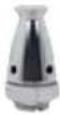
- Alarm valve (21): If the safety valve becomes obstructed, the alarm valve will start to release steam and level the overpressure contained within the unit. As a result, a sharp sound will occur in the form of an alert. Should this occur, remove the pressure cooker from the heat source and wait for the unit to cool before opening. Contact an authorized Magefesa service center to report this problem.
- Safety window (6): Upon overpressure, or if previous security features become obstructed, the gasket (8) will be forced to relieve pressure in the form of steam leaving the pot.
- Pressure sensor (2): The pressure sensor on the unit's lid handle prevents the voluntary opening of the pressure cooker when pressurized.
OTHER FEATURES
This Pressure Cooker has a larger, thicker base than traditional pressure cookers on the market, altogether allowing for greater heat absorption.
SUITABLE HEAT SOURCES FOR THIS PRESSURE COOKER:
THESE PRESSURE COOKER IS MADE WITH EXTRA HARD ALUMINIUM. THIS PRESSURE COOKER IS FOR USE ON A GAS OR ELECTRIC STOVE.
6. DIRECTIONS FOR PROPER USE
This Pressure Cooker is only intended for domestic cooking surfaces and household use. Do NOT use the pressure cooker for anything other than its specified or intended use.
Magefesa pressure cookers are best suited for preparing foods that normally require longer cooking times, including soups, meats (stews and goulash), vegetables, potatoes, some cereals and desserts.
Depending on food quantity and the overall size of the unit, the pressure cooker may be used for pressure canning. For pressure canning, special accessories will be needed.
This unit cooks foods through use of pressure. Use caution when cooking with this unit as improper use may lead to scalding injuries.
7. USING YOUR PRESSURE COOKER FOR THE FIRST TIME
Prior to using the pressure cooker, wash the pot, lid and gasket with hot water and soap. It is recommended to boil water inside the pressure cooker pot, one-half (1/2) full with the lid off, to sterilize the pot and rid of any residue or dust contained inside. After cleaning the pressure cooker thoroughly, place several drops of cooking oil inside the pot and glaze the inside of the pot using a paper towel.
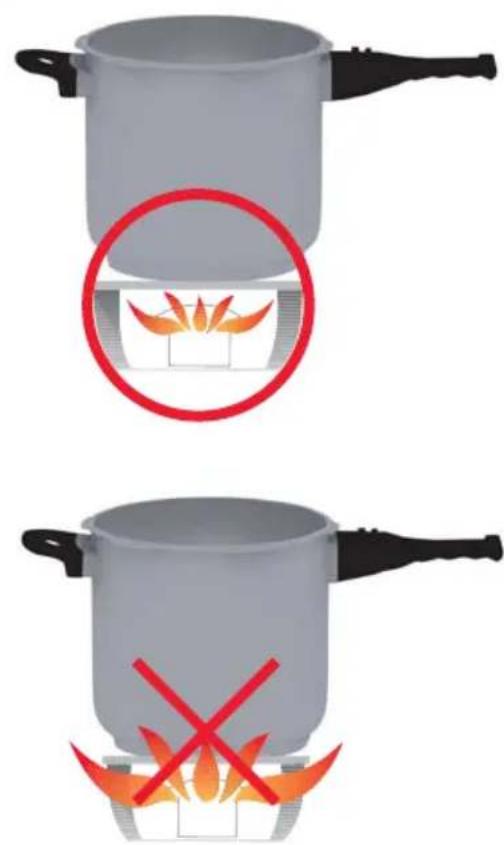
When using the unit to cook on an electric stove, the diameter of the pressure cooker base should match that of the hotplate or ring. The compatible burner diameter is etched into the base of the pot. If you cook using a gas burner, do NOT allow flames to exceed beyond the pot's base and heat along its sides. Should this occur, the pot's exterior will become discolored and the lid handles or side grips will retain heat and become damaged.
8. FILLING YOUR PRESSURE COOKER
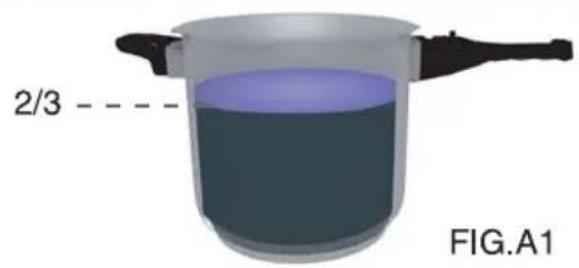
- Do NOT fill the pressure cooker pot with more than two-thirds (2/3) of its capacity. This includes all liquids and food contents added. (FIG. A1)
- When cooking foods that expand like rice or dried vegetables, do NOT fill the pot over one-half (1/2) of its capacity. If the unit is overfilled, safety features may become obstructed with increased risk of scaldingy. (FIG. A2)
- ALWAYS add liquid to the pressure cooker pot. To avoid dry cooking, use at least 0.26 qts. (one-fourth [1/4] liter) of liquid. Using less liquid than the amount specified will result in damages to the pressure cooker as the pot will overheat and burn food. (FIG. A3)
- For steaming purposes, add 0.79 qts. (three-fourths [3/4] liter) of water and bring to a boil. Place food items in the optional steamer insert. (FIG. A4)
- Note that certain foods including barley, fruits and pasta produce foams that obstruct the pressure release systems (steam vent). These foods should NOT be cooked with a pressure cooker. To prevent damage to the pot, do NOT store salt water or heavily salted foods in the pressure cooker. Storing salted liquids or heavily salted foods can cause corrosion. Thoroughly mix in or stir salt until completely dissolved when preparing foods in the pressure cooker pot.
maximum quantity
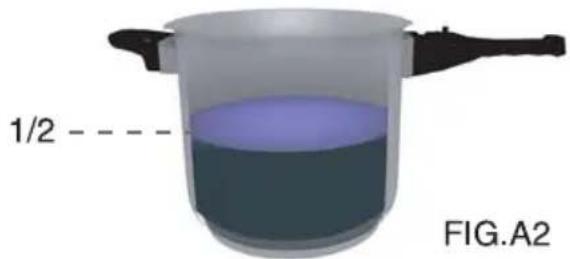
minimum quantity


9. CHECKING THE VALVE
Valves are safety features. Always check valves for clogging, which can impair their functioning.
Steam vent pipe:
- Without the pressure regulating valve (22) in place, check the lid of the pressure cooker pot along the steam vent pipe (23).
- Pull the filter of the steam vent pipe slightly and check to see if it is clean. NO residue should be present, which can obstruct the release of steam. Should there be any residue, please use the valve cleaning wire (20) to clear and clean it.
- Once complete, adjust the filter on the steam vent pipe by pushing it slightly back into place.
Safety and alarm valve:
-
Check that the safety valve (7) and alarm valves (21) are properly working by pushing the pressure detector with the valve cleaning wire (20) from the inside of the lid. If the alarm valve produces what would be a pressurized effect, it is working properly.
-
Should the alarm valve NOT produce what would be a pressurized effect, remove and clean the valve.
-
Should this problem continue, please contact your authorized Magefesa service center.

10. SECURING THE PRESSURE COOKER LID
- Place the gasket (8) carefully into the lid (1), making sure that it lies within the flanges and supporting rim.
- Place food ingredients and contents inside the pressure cooker and add the recommended amount of liquid.
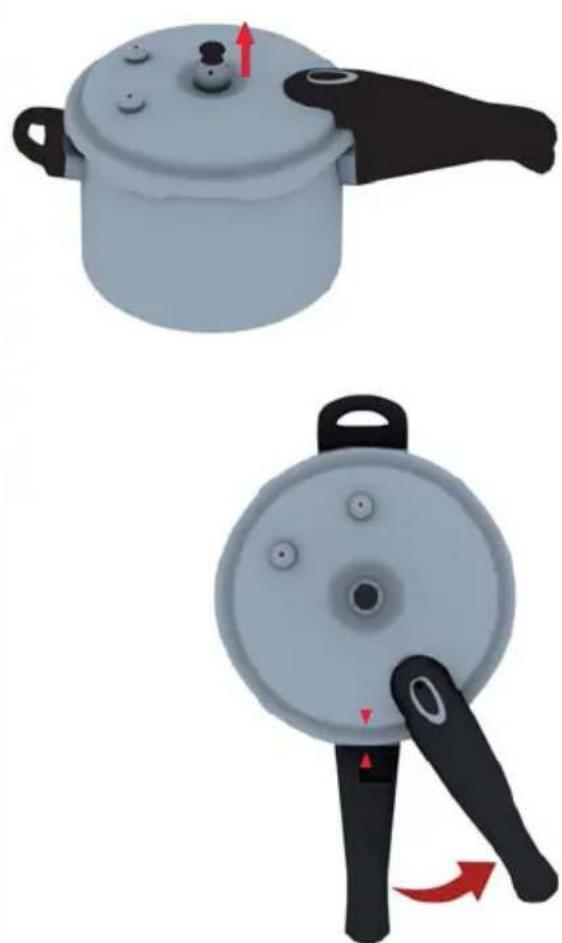
- Place the lid (1) on the pressure cooker pot (11). Align the mark ▲ on the lid with the mark ▲ on the lower handle (10) to secure the lid properly. (FIG. 1)
- Press down gently on the lid (1) and turn clockwise until the lid handle and lower handle meet and lock. A "click" sound will indicate that the lid is secured. (FIG. 2 & 3)
- The pressure cooker is closed once the two handles are matched and fitted correctly. If the lid is not properly secured, steam will be released through the pressure sensor.


11. COOKING WITH PRESSURE
- Once the pressure cooker lid is secure, place the swivel valve (22) onto the steam pipe (23). Place the pressure cooker on the heat source at maximum temperature.
- The swivel valve (22) will begin to relieve pressure building inside the pot. Note that the pressure regulating valve will begin to swivel or release a slow, steady amount of steam.
- Cooking time begins at this phase. To avoid overheating or burning, reduce the heat setting to ease the amount of steam being released and maintain the overall pressure now contained inside the pot. During cooking, it is normal to see some steam being released from the safety valve, alarm valve and pressure sensor. Please see the suggested cooking times for foods.
Please, note the following:
- Please note which foods are suitable for preparing in a pressure cooker.
- To avoid damaging the pressure cooker pot, always cook with the minimum amount of water or liquid recommended. Do NOT boil dry.
- Pressure inside the unit has been reached when the pressure regulating valve begins to swivel and release steam. Cooking time for foods begins at this time and the heat setting should be reduced in order to maintain pressure inside the unit.
- Face the safety vent along the side of the pot lid away from the body while you are cooking.
- Should you note a problem during cooking, remove the pressure cooker pot from the heat source and allow it to cool down completely. See Section 14 of the instructions manual for practical tips and solutions to common problems.
Magefesa
- Open the pressure cooker pot with caution. Keep face and body at a distance as hot cooking steam is released from the unit.
- Do NOT leave an empty pressure cooker pot heating.
- Do NOT use this pressure cooker for pressure frying with oil.
12. PRESSURE RELEASE METHODS
The pressure cooker can only be opened when no pressure remains inside it. This is a safety feature. Pressure may be deduced in the following ways:
Natural Pressure Release Method
Remove the pressure cooker from the heat source and allow it to cool. Please allow 10 to 15 minutes for the pressure cooker pot to cool completely. Once cooled, remove the swivel valve (22) so that excess pressure may be released through the steam pipe (23). Confirm that no pressure remains inside the pot by checking the pressure sensor (2). If the sensor is not raised, the pot may be opened. Apply slight pressure and turn the lid handle counterclockwise to open. Though pressure has been released from the unit, use caution when opening as hot cooking steam may be released.
Fast Pressure Release Method
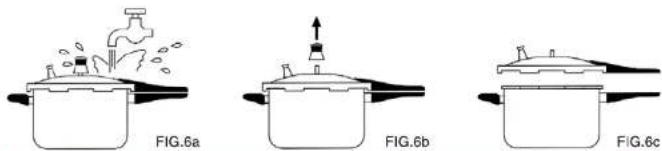
To release pressure from the cooker quicker, place the unit inside the sink. Run cold tap water over the lid until steam completely dissipates and the pressure sensor confirms that no pressure remains inside the pressure cooker pot. Take the swivel valve (22) off of the steam pipe (23) prior to opening the unit.
Please, note the following:
Do NOT force open the lid. Once all pressure has been released from the pressure cooker pot, shake the cooker gently before opening the lid, especially if cooking grains, purees, foods with a high-fat content, or sauces. This will prevent food contents from splashing when the lid is opened.


ATTENTION: DO NOT USE THIS PRESSURE COOKER FOR PRESSURE FRYING WITH OIL. ALWAYS USE AT LEAST 0.26 QTS. (ONE-FOURTH [1/4] LITER) OF LIQUID IN THE COOKING PROCESS.
ATTENTION: DO NOT LEAVE AN EMPTY PRESSURE COOKER POT HEATING. SHOULD THIS OCCUR, PLEASE CONSULT YOUR AUTHORIZED MAGEFESA SERVICE CENTER BEFORE USING IT AGAIN.
ATTENTION: DO NOT LEAVE PRESSURE COOKER UNATTENDED WHILE COOKING.
ATTENTION: DO NOT PLACE THE PRESSURE COOKER INSIDE A HEATED OVEN.
ATTENTION: KEEP FACE AND BODY AT A DISTANCE WHEN OPENING THE PRESSURE COOKER POT AS HOT COOKING STEAM RELEASED FROM THE UNIT CAN CAUSE SCALDING INJURIES.
PRESSURE REDUCTION TIPS FOR SPECIFIC FOODS:
- Foods with a short cooking time: Use the fast pressure release method when preparing rice or vegetables, as such foods can overcook.
- Vegetables with a long cooking time, soups, meats in liquid, potatoes, dried pulses and cereals: Use the natural pressure release method. Do NOT use water to cool down the pot. As a result, foods like potatoes may fall apart
- Meats, vegetables, frozen vegetables, fresh fruits and dried foods (NOT including pulses): Use normal or fast pressure release methods. For ready-prepared meals, allow the pressure cooker to sit on the heat source for one (1) minute before reducing pressure.
- Fish, risotto: Use the fast pressure release system.
- Foods high in fat, purees and sauces: Use the normal pressure release method. Gently shake the pressure cooker pot prior to opening to prevent food contents from splashing. Meats with skin may swell when cooking under pressure. Do NOT prick meat as scalding is possible with skin may swell when cooking under pressure. Do NOT prick meat as scalding is possible.
13. CLEANING AND CARE INSTRUCTIONS
Read the following instructions to maintain your pressure cooker in its original state.
Wash the pressure cooker pot with warm water using mild dish soap. Gently scrub the pot's surface using a non-abrasive cleaning pad or sponge.
Do NOT clean the pressure cooker or its parts in a dishwasher as damages to the safety features may result.
LID
To remove unwanted food deposits, clean the pressure sensor (2), swivel valve (22), and safety valve (7) by rinsing with warm water. Thoroughly clean the steam pipe (23) with the valve cleaning wire (20), and the safety valve and the alarm valve (21) by pressing on the pressure sensor. (FIG.7a)
SAFETY AND ALARM VALVES:
Loosen the safety valve (7) and the alarm valve (21) with an appropriate tool (FIG. 7b), and clean using warm water and mild dish soap. Reassemble all pieces so as not to forget any small parts.
SILICONE GASKET
-
The gasket (8) is made from silicone. Wash the gasket with warm, soapy water. Rinse thoroughly and towel dry. Rub a thin coat of cooking oil over the gasket. This procedure should be followed each time the pressure cooker is washed in order to ensure the life of the gasket. (FIG.7c)
-
Do NOT seal the pressure cooker pot when storing. Instead, place the lid upside down on the pot's body, allowing for air circulation and prevention of odors.

POT
-
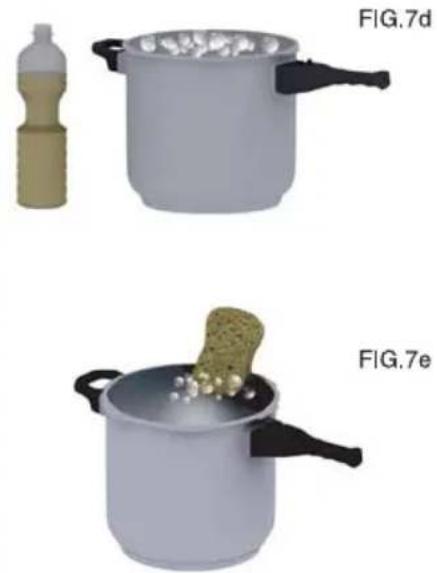
Gold-colored or blue-toned spots may appear on the inside of the pressure cooker pot and its base due to preparation of particular foods, use of certain ingredients, and exposure to water lime content. To remove such stains or any discoloration in the pressure cooker pot's interior, add one-half (1/2) cup of lemon juice and one (1) to two (2) cups of water to the pressure cooker pot. Cook the liquid contents at high pressure for 15 minutes and remove the pot from the heat source. Allow 10 to 15 minutes for the pressure cooker pot to cool completely using the natural pressure release method. Wash the pressure cooker pot accordingly. (FIG. 7d & 7e)
-
Do NOT use corrosive detergents like bleach, or diluted solutions, to clean the pressure cooker pot.

ATTENTION: THE SILICONE GASKET IS CONSIDERED WORN WHEN THE PRESSURE COOKER BEGINS TO LOSE STEAM AND DOES NOT MAINTAIN PRESSURE. THE SILICONE GASKET SHOULD BE REPLACED APPROXIMATELY EVERY TWO (2) YEARS TO ENSURE PROPER FUNCTIONING OF THE PRESSURE COOKER.
ATTENTION: DO NOT CLEAN THE PRESSURE COOKER OR ITS PARTS USING A DISHWASHER.
ATTENTION: DO NOT USE AN ABRASIVE SPONGE OR PAD TO CLEAN THE PRESSURE COOKER AS THIS WILL SCRATCH THE POT'S SURFACE.
Do NOT remove stains or baked-in marks with abrasive tools such as knives and emery cloths. Instead, soak the pressure cooker pot in hot water and then apply detergent to gently remove stains using a soft brush, sponge or cloth.
Do NOT use corrosive agents like bleach (or diluted forms) for cleaning. Remove tough stains using drops of vinegar or lemon juice.
Should it be difficult to close the pressure cooker lid, apply a light layer of cooking oil to the silicone gasket. Do NOT lock the lid in place when storing the pressure cooker. Instead, place the lid facing down on the pot so that stress is not placed on the silicone gasket.
14. PRACTICAL TIPS FOR PRESSURE COOKER USE
It is important to become familiar with how your pressure cooker operates. Should you have any concerns regarding your pressure cooker or its safety features, contact your authorized Magefesa service center.
Below you will find some practical tips and common solutions to minor problems concerning your pressure cooker.
CASE: PRESSURE NOT MAINTAINED OR PRESSURE DOES NOT BUILD UP
| POSSIBLE REASONS:1.- Pressure cooker lid is not properly closed.2.- Silicone gasket is out of place, dirty or worn.3.- Not enough liquid is contained, or remains, inside the pressure cooker. | SUGGESTIONS:1.- Reopen the pressure cooker pot and secure the lid accordingly, ensuring that it is properly closed.2.- Check that the silicone gasket is clean and in the proper position.3.- Check that the silicone gasket is not worn. It is recommended that the gasket be replaced every two (2) years. |
CASE: EFFORT NEEDED TO OPEN OR CLOSE THE LID
| POSSIBLE REASONS:1.- Pressure may remain inside the pressure cooker if difficulty is experienced when opening.2.- The silicone gasket is out of place, dirty or worn.3.- The pressure cooker lid handles are not properly aligned. | SUGGESTIONS:1.- Proceed with one of the pressure release methods.2.- Check that the silicon gasket is not worn.To improve the silicone gasket's sealing performance, gently rub cooking/vegetable oil over its surface or moisten with water.3.- Do NOT force the lid when opening or closing. To open the lid, turn the top handle counter-clockwise.4.- If difficulty securing the pot lid is experienced, apply slight pressure when correctly aligning its handles. |
CASE: STEAM ESCAPING FROM THE LID
| POSSIBLE REASONS:1.- Pressure cooker lid is not properly closed.2.- Silicone gasket is out of place, dirty or worn.3.- The pressure cooker is full an requires fewer contents. | SUGGESTIONS:1.- Reopen the pressure cooker pot and secure the lid accordingly ensuring that it is properly closed.2.- Check that the silicone gasket is clean and in the proper place.3.- Check that the silicone gasket is not worn. It is recommended that the gasket be replaced every two (2) years, depending on the pressure cooker's use.4.- To improve the silicone gasket's sealing performance, gently rub cooking/vegetable oil over its surface or moisten with water.5.- Do NOT fill the pressure cooker more than two-thirds (2/3) full. For foods with a tendency to foam, only fill one-half (1/2) of the pressure cooker pot. |
CASE: STEAM BEING RELEASED FROM THE SWIVEL VALVE
| POSSIBLE REASONS:1.- The heat source is at a high level of heat.2.- The swivel valve is dirty.3.- The swivel valve needs replacing. | SUGGESTIONS:1.- Reduce the level of heat on the heat source.2.- Check that the pressure regulating valve is clean.3.- Should the malfunction persist, the pressure regulating valve may require replacement. |
15. REPAIRS AND REPLACEMENT PARTS SERVICE
Do NOT modify the pressure cooker, its parts, or its safety features in any way. The use of replacement parts made by a different manufacturer can affect the safety of operating your pressure cooker. Magefesa is not liable for the direct, indirect, special, incidental or consequential damages caused by the use of replacement parts from other manufacturers. USE authentic replacement parts manufactured and distributed by Magefesa USA.
To purchase replacement parts, or for further assistance, please contact your authorized Magefesa service center or contact our customer service department. Please have your pressure cooker model information readily available and the replacement part that you require.
Magefesa
12800 NW 38 th Avenue
Miami, Florida 33054-4525
Telephone: (786) 594-3781
Fax: (786) 594-3782
Email: info@magefesausa.com
www.magefesausa.com
16. ENVIRONMENTAL PROTECTION / DISPOSAL
Cookware, accessories and packaging should be recycled in an environmentally-friendly manner. Please comply with your national and regional regulations.
- COOKING TIME
| FOOD | COOKING TIME (MIN) | COOKING LEVEL | LIQUID ADDED |
| SOUPS | |||
| Broth | 20 | 1 | As required |
| Pea | 12 | 1 | As required |
| Vegetable | 5-8 | 1 | As required |
| Semolina | 8 | 1 | As required |
| Goulash | 20 | 1 | As required |
| Chicken broth | 40 | 1 | As required |
| Chicken/Hen | 15 | 1 | As required |
| Potato | 6 | 1 | As required |
| Corn Meal | 12 | 1 | As required |
| Minestrone | 8 | 1 | As required |
| Oxtail | 30 | 1 | As required |
| Beef (Pot-Au-Feu) | 45 | 1 | As required |
| Onion | 4 | 1 | As required |
| MEAT | |||
| Veal joint | 30 | 2 | According to recipe, * |
| Veal Knuckle | 45 | 2 | According to recipe, * |
| Sliced Veal Knuckle | 25 | 2 | According to recipe, * |
| Veal Stew | 20 | 2 | According to recipe, * |
| Veal Tongue | 40 | 2 | Cover completely in water |
| Veal Head | 20 | 2 | Cover completely in water |
| Beef Joint/Sauerbraten/Pot Roast | 45 | 2 | According to recipe, * |
| Beef Paupiettes (Roulades) | 13 | 2 | According to recipe, * |
| Sliced Beef | 12 | 2 | According to recipe, * |
| Beef Schnitzel in Sauce | 15 | 2 | According to recipe, * |
| Beef Stew/Goulash | 25 | 2 | According to recipe, * |
| Boiled Beef | 45 | 2 | According to recipe, * |
| Beef Knuckle | 35 | 2 | According to recipe, * |
| Beef Tongue | 50 | 2 | Cover completely in water |
| Pork Joint | 40 | 2 | According to recipe, * |
| Sliced Pork | 13 | 2 | According to recipe, * |
| Pork Knuckle | 40 | 2 | According to recipe, * |
* At least 250 ml (8 oz.) of liquid added to pressure cooker pot
| FOOD | COOKING TIME (MIN) | COOKING LEVEL | LIQUID ADDED |
| Pork Stew | 25 | 2 | According to recipe, * |
| Pork Loin | 20 | 2 | According to recipe, * |
| Pickled Pork Leg | 35 | 2 | Cover complety in water |
| Smoked Bacon | 25 | 2 | Cover complety in water |
| Salted or Unsalted Bacon | 20 | 2 | Cover complety in water |
| Minced Meat (Pork, Lamb or Beef) | 8 | 2 | According to recipe, * |
| Meat Broth | 30 | 2 | According to recipe, * |
| Meat Terrines | 15 | 2 | According to recipe, * |
| Warming a Meat Dishes | 3 | 2 | According to recipe, * |
| Roast Lamb Joint | 30 | 2 | According to recipe, * |
| Lamb Stew | 20 | 2 | According to recipe, * |
| Hare Joint | 30 | 2 | According to recipe, * |
| Deer Joint | 30 | 2 | According to recipe, * |
| Jugged Game | 18 | 2 | According to recipe, * |
| Sliced Game | 20 | 2 | According to recipe, * |
| Rabbit (Joint, Pieces) | 30 | 2 | According to recipe, * |
| Tripe | 15 | 2 | According to recipe, * |
| POULTRY | |||
| Poultry in pieces | 8 | 2 | According to recipe, * |
| Whole chicken | 15 | 2 | According to recipe, * |
| FISH (with Trivet and Steamer Insert) | |||
| Whole Fish or Large Fish Tail | 6 | 1 | In pan up to trivet, * |
| Fish Portions | 3 | 1 | In pan up to trivet, * |
| Large Fish Fillets | 2 | 1 | In pan up to trivet, * |
| Fish Soup | 5 | 1 | In pan up to trivet, * |
| FRESH VEGETABLES (with Trivet and Steamer Insert) | |||
| Artichokes | 14 | 2 | Up to trivet, * |
| Leafy Vegetables (Chard Stalks, Lettuce) | 3 | 2 | Up to trivet, * |
| Cauliflower | 3 | 2 | Up to trivet, * |
| Beans | 3 | 2 | Up to trivet, * |
| Broccoli | 2 | 2 | Up to trivet, * |
| Fennel | 6 | 2 | Up to trivet, * |
| White Cabbage, halved | 6 | 2 | Up to trivet, * |
| Chestnuts | 12 | 2 | Up to trivet, * |
* At least 250 ml (8 oz.) of liquid added to pressure cooker pot
| FOOD | COOKING TIME (MIN) | COOKING LEVEL | LIQUID ADDED |
| Sugar Peas | 3 | 2 | Up to trivet, * |
| Kohlrabi (Kale Turnip) halved/sliced | 6/2 | 2 | Up to trivet, * |
| Leek, sliced | 3 | 2 | Up to trivet, * |
| Corn Cobs | 7 | 2 | Up to trivet, * |
| Sweet Peppers, sliced/paprika | 3 | 2 | Up to trivet, * |
| Swedes, quartered | 12 | 2 | Up to trivet, * |
| Swedes, sliced | 5 | 2 | Up to trivet, * |
| Beetroot | 25 | 2 | Up to trivet, * |
| Brussels Sprouts | 4 | 2 | Up to trivet, * |
| Red Cabbage | 10 | 2 | Up to trivet, * |
| Carrots | 6 | 2 | Up to trivet, * |
| Sauerkraut (Raw) | 30 | 2 | Up to trivet, * |
| Black Salsify | 12 | 2 | Up to trivet, * |
| Celery Halves, sliced | 6/2 | 2 | Up to trivet, * |
FROZEN VEGETABLES, UNTHAWED (With Trivet and Steamer Insert)
| Spinach Leaves (500g) | 10 | 2 | Only to trivet |
| Cauliflower (Florets) | 6 | 2 | Only to trivet |
| Beans | 5 | 2 | Only to trivet |
| Broccoli (Florets) | 5 | 2 | Only to trivet |
| Sugar Peas | 4 | 2 | Only to trivet |
| Brussels Sprouts | 3 | 2 | Only to trivet |
| Red Cabbage, cooked (500g) | 12 | 2 | Only to trivet |
FRESH FRUIT (With Trivet and Steamer Insert)
| Pears, Apples, Peaches, Plums, Apricots | 3 | 2 | Up to trivet,* |
| Quinces | 10 | 2 | Up to trivet,* |
| Chestnuts | 12 | 2 | Up to trivet,* |
POTATOES (With Trivet and Steamer Insert) (Cooking time for new potatoes reduced up to 1/3)
| Potatoes with skin | 7-10 | 2 | Up to trivet, * |
| Boiled Potatoes (quartered) | 4 | 2 | Up to trivet, * |
| Sliced P otatoes | 2 | 2 | Up to trivet, * |
MISCELLANEOUS
| Aspic, jelly | 60 | 2 | According to recipe,* |
* At least 250 ml (8 oz.) of liquid added to pressure cooker pot
18. RECIPES
The cooking times listed in the following tables may vary slightly according to food type, storage and quality.

5 MIN
INGREDIENTS
1-1/2 lbs. of beef
1/4 cup of flour
2 tablespoons of oil
1 large onion cut in to 8
pieces (pcs)
6 cups of hot beef broth
6-8 carrots cut into 1" pcs
3-4 potatoes cut into 1" pcs
3 celery stalks cut into 1"
pieces
1/2 teaspoon of salt or to
the taste
Pepper to the taste
BASIC BEEF STEW
Dredge and season meat. Heat oil in cooker pot over medium heat. Add the meat and cook uncovered until browned. The longer the meat is browned, the darker the sauce will be.
Add the hot broth and the onion. Bring to a boil, stirring occasionally. Secure lid cover and bring to high pressure. Reduce heat and allow it to simmer for 15 minutes. Remove the pot from the heat source and allow pressure to reduce using the natural pressure release method. Open the pressure cooker pot and add the remaining vegetables. Season with salt and pepper. Secure the pot lid, place pot on the heat source, and bring to high pressure. Reduce heat and cook for 5 additional minutes. Again, remove the pressure cooker pot from the heat source and reduce pressure using the natural pressure release method. Remove the lid and serve.

10 MIN
INGREDIENTS
1-1/2 lbs. of coarsely
Lean ground beef
2 medium onions, chopped
3 cloves of garlic, minced
1-1/2 cups of beef broth
14 oz. can of tomato puree
1 teaspoon of ground cumin
1/2 teaspoon of dried oregano
3 tablespoons of chili powder
1 to 2 teaspoons of salt
1/2 teaspoon of pepper
Cayenne pepper
15 oz. can of pinto beans,
drained
2 tablespoons of corn meal
1/2 cup of hot water
CHILI WITH BEANS
Brown meat with onions and garlic in uncovered cooker over medium heat. Drain if necessary. Add broth, tomato puree, and seasonings. Bring to a boil, stirring occasionally. Secure the lid and bring to high pressure. Lower the heat source and cook for 10 minutes. Remove the pressure cooker pot from the heat source and allow pressure to reduce using the natural pressure release method. Remove the lid.
Add beans and bring to a simmer in uncovered cooker. Combine corn meal and hot water and stir into chili. Cook and stir until thickened. Season to the taste. Serve with sprinkled grated cheddar cheese and chopped raw onion.
20 MIN
SWISS STEAK
1-1/2 lbs. of round steak,
cut 1/2 inch thick
1/3 cup of flour
1/2 teaspoon of salt
Pepper to the taste
3 tablespoons of oil
3/4 cups of water
1/4 cup of dry red or white wine
1 teaspoon of dried
sweet basil
1/2 teaspoon of dried thyme
1 large onion cut in 1/8" slices
116 oz. can stewed tomatoes, drained (reserve liquid)
Salt and pepper to the taste
Cut steaks into serving size pieces. Flour and season meat. Heat oil in cooker over medium heat. In small batches, add the meat and cook until browned. Remove meat and set it aside. In pressure cooker pot, mix the water, wine, reserved stewed tomato liquid, bouillon and spices. Place meat in the cooker pot and top with onions and tomatoes. Bring to a boil, secure lid cover, and bring to high pressure. Reduce the heat source and cook for 20 minutes. Remove the pressure cooker pot from heat source and allow the pressure to reduce using the natural pressure release method. Remove the lid cover, apply appropriate seasonings if necessary, and serve.
68 MIN
POT ROAST WITH VEGETABLES
INGREDIENTS
3 to 4 lbs. of pot roast 2 tablespoons of flour Salt and Pepper to the taste, additional seasonings of choice 2 tablespoons of oil
3 cups liquid of your choice (broth, wine and/or water)
2 onions, 2 potatoes and 4 carrots cut into 1" pieces.
Frozen Italian green beans thawed (optional)
Trim fat from roast. Flour and season meat. Heat oil in cooker over medium heat, adding additional oil if needed. Brown roast and onions together over medium heat in cooker with the lid cover off. When roast is brown on both sides, add liquid. Bring to a boil. Secure lid cover and bring to high pressure. Reduce the heat source and cook for 60 minutes. Remove the pressure cooker pot from the heat source and allow pressure to reduce using the natural pressure release method. Remove lid cover and add vegetables. Secure lid cover and return to high pressure. Lower heat and cook for 8 more minutes. Again, remove the pressure cooker pot from the heat source and reduce pressure using the natural pressure release method. Remove lid cover and serve.

30
MIN
INGREDIENTS
2 lbs. of lean lamb stew meat, cut into 1-1/2" in cubes
2 or 3 tablespoon of flour
3 tablespoons of oil
2-1/2 cups of water
2 cloves of garlic, minced
1/2 cup chopped onion
2 tablespoons of fresh parsley, chopped
1/4 teaspoon dried basil
1/4 teaspoon dried marjoram
1 bay leaf
1 teaspoon of pepper
2 tablespoons of tomato paste
4 carrots cut into 1" pieces
2 turnips, peeled and quartered
2 large potatoes, peeled and cut into 8 pieces
6 small boiling onions, peeled
1/2 package of frozen peas (about 1 cup), thawed
LAMB STEW
Flour and season meat. Heat 2 tablespoons oil in cooker over medium heat. Add the meat and cook uncovered until browned. Remove the pressure cooker pot from the heat source. Remove meat from the cooker and set it aside. Put 1/4 cup of water in cooker and stir to loosen browned particles. Return cooker to stove and heat 1 tablespoon of oil over medium heat. Add chopped onions and garlic and sauté for several minutes. Combine the meat, parsley, herbs, seasonings, tomato paste and remaining water into the pressure cooker pot. Bring to a boil, stirring occasionally. Secure lid cover and bring to high pressure. Reduce the heat and cook for 15 minutes. Remove the pressure cooker pot from the heat source and reduce pressure using the natural pressure release method. Remove lid cover.
Add all remaining vegetables except for peas and stir. Secure lid cover and return to high pressure. Reduce the heat and cook for 8 minutes. Remove the pressure cooker pot from the heat source. Reduce pressure using the natural pressure release method. Remove lid cover. Mix in peas and let stew sit for 5 minutes before serving.

20 MIN
INGREDIENTS
4 large lean pork chops, 1" thick
1/4 cup of flour
2 tablespoons of oil
2 tablespoons of vinegar 3/4 cup of water
1 clove of garlic, minced 1 large onion, finely chopped
1 teaspoon of ground ginger
1 teaspoon of dry mustard
1 tablespoon of brown sugar
1 teaspoon of salt
1/4 teaspoon of pepper
18 oz. can of unsweetened pineapple with liquid
1 tablespoon cornstarch 1/4 cup cold water
SOUTHERN STYLE PORK CHOPS
Trim fat from pork chops. Flour chops. Heat oil in cooker over medium heat. Add the chops to the pressure cooker pot and cook uncovered until browned. Add remaining ingredients except the cornstarch and 2 tablespoons of water. Bring to a boil, stirring occasionally. Secure lid cover and bring to high pressure. Reduce the heat source and cook for 20 minutes. Remove the pressure cooker pot from the heat source and allow pressure to reduce using the natural pressure release method. Remove lid cover and remove chops from the pressure cooker pot. Combine the cornstarch with water and stir until smooth. Bring to a boil until sauce is thickened. Pour sauce over chops and serve.

8 MIN
INGREDIENTS
Non-stick cooking spray 2 tablespoons of oil 1 whole chicken 1/2 cup of hot water Salt and pepper to the taste Paprika and/or chicken Seasoning to the taste
WHOLE ROAST CHICKEN
Spray the interior of the pressure cooker pot with non-stick cooking spray. Heat 2 tablespoons of oil in the cooker pot over medium heat. Place chicken in cooker pot and brown gently until golden. Remove the cooker pot from the heat source and remove chicken from cooker. Place 1/2 cup of hot water in cooker pot and stir to loosen brown particles. Return cooker to heat source and place chicken inside the cooker pot, breast side up. Note that the chicken may be placed directly in the pressure cooker pot or placed on a trivet or rack. Season chicken with salt, pepper, and additional ingredients to the taste.

13 MIN
INGREDIENTS
4 lbs. of lean pork spare ribs, cut into serving sized pieces 1-1/2 cups of water 1/2 teaspoon of salt 1 tablespoon of vinegar 1 cup of barbecue sauce
BARBECUED SPARE RIBS
Precook ribs on a grill or under a broiler. Once ribs are thoroughly cooked, place them in the pressure cooker pot. Add water, salt and vinegar. Bring to a boil. Secure lid cover and bring to high pressure. Reduce heat and cook for 10 minutes. Remove the cooker pot from the heat source and allow pressure to reduce using the Natural Pressure Release method. Remove lid cover.
Take ribs out of the pressure cooker pot and pat dry with a paper towel. Place ribs on a pre-heated barbecue grill or under a pre-heated broiler about 6 inches away from the element. Baste ribs generously with barbecue sauce and cook until nicely browned, turning ribs over from time to time. Allow 7 to 10 minutes cooking time.

6 MIN
INGREDIENTS
4 small or 2 large pink salmon steaks, 1" thick 1 medium onion, sliced in rings 1/2 cup good dry white wine Salt and white pepper to taste 1 fresh lemon, sliced
SALMON STEAKS IN WINE
Place pressure cooker rack or trivet in cooker. Arrange onion slices. Place fish steaks on onions. Pour wine over fish and season with salt and pepper to the taste, or use additional ingredients for seasoning. Arrange lemon slices over the fish. Bring to a boil. Secure lid cover and bring to high pressure. Reduce heat and cook for 6 minutes. Remove the cooker pot from the heat source and allow pressure to reduce using the fast pressure release method. Remove lid cover. Remove lemon slices and serve with or without onions.

25 MIN
INGREDIENTS
4 orange roughy fish filets, 2lbs. total 1/4 cup of bottled Teriyaki sauce 1/4 cup of sherry wine 1/4 cup of water Season to the taste with the following: Chinese five-spice, paprika, grated orange peel, nutmeg, white pepper
TERIYAKI ORANGE ROUGHY
Combine the teriyaki sauce, sherry wine and water in a baking dish. Place fish fillets in the marinade. Use spices to season all sides of fish accordingly. Allow fish to marinate for 10 minutes on each side. Remove fish fillets from the marinade and pour the marinade into the pressure cooker pot. Heat marinade over medium heat, bringing it to a boil. Place the fish fillets in the cooker. Depending on the number of pieces, fish fillets may be stacked in two. Secure the lid cover and bring to high pressure. Reduce the heat and cook for 5 minutes. Remove the cooker pot from the heat source and allow pressure to reduce using the fast pressure release method. Remove lid cover and serve.

5
MIN
INGREDIENTS
2 lbs. (combined total) of two to three varieties of firm-fleshed fish such as cod, ling cod, halibut, snapper or monkfish, skinned, deboned and cut into 2" pieces 1 teaspoon of dried basil 1/2 teaspoon dried dill 1 teaspoon salt or to the taste 1/4 teaspoon of pepper 1/4 cup of finely chopped parsley 1/2 cup of water 3 tomatoes, peeled and cut into 1/4" slices 1 medium onion, chopped 1/2 lb. of mushroom, sliced. 1 large celery stalk, chopped 2 cloves of garlic, minced
FISH STEW
Place all ingredients inside the pressure cooker pot. Bring to a boil over medium heat, stirring occasionally. Secure lid cover and bring to high pressure. Reduce heat and cook for 5 minutes. Remove the cooker pot from the heat source and allow pressure to reduce using the natural pressure release method. Place fish and vegetables in a serving bowl leaving remaining liquid inside the pressure cooker pot. Return the pressure cooker pot to the heating element and boil remaining liquid without the lid cover until the liquid is reduced by half, stirring occasionally. Pour liquid over fish and serve.

5 MIN
INGREDIENTS
1 lb. of large shrimp or prawns, peeled and deveined 1/2 lb. Chinese pea pods (fresh or frozen) 1 small onion, chopped or cut into 1/2" strips 1/2 cup of unsweetened pineapple juice 3/4 cup of chicken broth 3 tablespoons of soy sauce 2 tablespoons of vinegar 3 tablespoons of sugar 1 tablespoon of cornstarch 1/4 cup cold water
SWEET AND SOUR SHRIMP
Combine all ingredients, except cornstarch and 1/4 cup of water, in pressure cooker pot. Bring to a boil, stirring occasionally. Secure lid cover and bring to high pressure. Reduce heat and cook for 2 minutes.
Remove the cooker pot from the heat source and allow pressure to reduce using the fast pressure release method. In a small bowl, combine cornstarch with water and stir until smooth. Pour mix into pressure cooker pot and cook over medium heat, stirring for approximately 2 minutes until sauce thickens. Serve over hot rice.
SPARE PARTS VITAL PRESSURE COOKER
Please find below a list of replacement parts for Vital Pressure Cooker. To purchase replacement parts, please contact our Customer Service Department at (786) 594-3781 or email info@magefesausa.com
| SPARE NAME | SPARE NUMBER | SPARE PART CODE | EAN 13 | UPC-A | |
 | - Helper handle | 09 | VITAL 6 - 7 - DUO09REMEASI22 |  |  |
| VITAL 909REMECAJV9 |  |  | |||
 | - Safety valve | 07 | VITAL 6 - 7 - 9 - DUO09REMEVASVE |  |  |
 | - Alarm valve | 21 | VITAL 6 - 7 - 9 - DUO09REMEALVVE |  |  |
 | - Swivel valve | 22 | VITAL 6 - 7 - 9 - DUO09REMEREV7 |  |  |
 | - Steam pipe | 23 | VITAL 6 - 7 - 9 - DUO09REMEVAPVE |  |  |
 | - Pressure sensor | 2 | VITAL 6 - 7 - 9 - DUO09REMESEPVE |  |  |
 | - Lower handle | 10 | VITAL 6 - 7 - DUO09REMEASV22 |  |  |
| VITAL 909REMEASV26 |  |  | |||
 | - Lid handle | 05 | VITAL 6 - 7 - DUO09REMEANSVE | 429113544756 | 1331001108 |
| VITAL 909REMEMAV26 |  |  | |||
 | - Silicone gasket | 08 | VITAL 6 - 7 - DUO09REMEJVE22 |  |  |
| VITAL 909REMEJVE26 |  |  | |||
 | - Steamer insert | 13 | VITAL 6 - 7 - DUO09REMERVV22 |  |  |
| VITAL 909REMERVV26 |  |  | |||
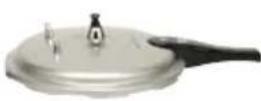 | - Lid | 01 | VITAL 6 - 7 - DUO |  |  |
| VITAL 9 |  |  |
SPARE PARTS AVANT PRESSURE COOKER
Please find below a list of replacement parts for Avant Pressure Cooker. To purchase replacement parts, please contact our Customer Service Department at (786) 594-3781 or email info@magefesausa.com
| SPARE NAME | SPARE NUMBER | SPARE PART CODE | EAN 13 | UPC-A | |
 | - Helper handle | 09 | AVANT 4 - 6 - 809REMEASAVT |  |  |
 | - Safety valve | 07 | AVANT 4 - 6 - 809REMEVSAVT |  |  |
 | - Alarm valve | 21 | AVANT 4 - 6 - 809REMEVAAVT |  |  |
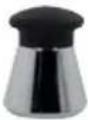 | - Swivel valve | 22 | AVANT 4 - 6 - 809REMEVTAE6 |  |  |
 | - Steam pipe | 23 | AVANT 4 - 6 - 809REMEVAPVE |  |  |
 | - Pressure sensor | 2 | AVANT 4 - 6 - 809REMESEPVE |  |  |
 | - Lower handle | 10 | AVANT 4 - 609REMEMIAV7 |  |  |
| AVANT 809REMEMIAV9 |  |  | |||
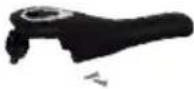 | - Lid handle | 05 | AVANT 4 - 609REMEMSAV7 |  |  |
| AVANT 809REMEMSAV9 |  |  | |||
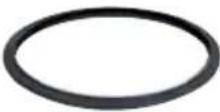 | - Silicone gasket | 08 | AVANT 4 - 609REMEJVE22 |  |  |
| AVANT 809REMEJVE24 |  |  | |||
 | - Steamer insert | 13 | AVANT 4 - 609REMERVV22 |  |  |
| AVANT 809REMERVV24 |  |  | |||
 | - Lid | 01 | AVANT 4 - 6 |  |  |
| AVANT 8 |  |  |
NOTES
Magefesa
PRODUCTOS AMPARADOS POR LA PÓLIZA
12800 N.W. 38 th Avenue
Miami, 31054-4525
FIG.7a

FIG.7b

VINAGRE

FIG.7d
Magefesa


- TECHNICAL SUPPORT SERVICE
- WARRANTY POLICY
- ARGENTINA
- ECUADOR
- BOLIVIA
- LIMITED WARRANTY
- MAGEFESA USA
- CONTENTS
- IMPORTANT SAFETY INFORMATION
- SAFETY INSTRUCTIONS
- CONGRATULATIONS
- PRESSURE COOKER ADVANTAGES
- GENERAL PRODUCT DESCRIPTION
- PARTS OF THE PRESSURE COOKER
- MAIN COMPONENTS AND FEATURES
- SAFETY FEATURES
- OTHER FEATURES
- SUITABLE HEAT SOURCES FOR THIS PRESSURE COOKER
- DIRECTIONS FOR PROPER USE
- USING YOUR PRESSURE COOKER FOR THE FIRST TIME
- FILLING YOUR PRESSURE COOKER
- CHECKING THE VALVE
- STEAM VENT PIPE
- SAFETY AND ALARM VALVE
- SECURING THE PRESSURE COOKER LID
- COOKING WITH PRESSURE
- PLEASE, NOTE THE FOLLOWING
- MAGEFESA
- PRESSURE RELEASE METHODS
- NATURAL PRESSURE RELEASE METHOD
- FAST PRESSURE RELEASE METHOD
- PRESSURE REDUCTION TIPS FOR SPECIFIC FOODS
- CLEANING AND CARE INSTRUCTIONS
- LID
- SAFETY AND ALARM VALVES
- SILICONE GASKET
- POT
- PRACTICAL TIPS FOR PRESSURE COOKER USE
- REPAIRS AND REPLACEMENT PARTS SERVICE
- ENVIRONMENTAL PROTECTION / DISPOSAL
- RECIPES
- 5 MIN
- INGREDIENTS
- BASIC BEEF STEW
- 10 MIN
- CHILI WITH BEANS
- 20 MIN
- SWISS STEAK
- 68 MIN
- POT ROAST WITH VEGETABLES
- 30
- LAMB STEW
- SOUTHERN STYLE PORK CHOPS
- 8 MIN
- WHOLE ROAST CHICKEN
- 13 MIN
- BARBECUED SPARE RIBS
- 6 MIN
- SALMON STEAKS IN WINE
- 25 MIN
- TERIYAKI ORANGE ROUGHY
- 5
- FISH STEW
- SWEET AND SOUR SHRIMP
- SPARE PARTS VITAL PRESSURE COOKER
- SPARE PARTS AVANT PRESSURE COOKER
- NOTES
- PRODUCTOS AMPARADOS POR LA PÓLIZA
Brand : Magefesa
Model : Vital
Category : Saucepan