
OFG1800 - Effects machine RYOBI - Free user manual and instructions
Find the device manual for free OFG1800 RYOBI in PDF.


| Product type | Oscillating multi-tool (effect machine) |
| Model | OFG1800 |
| Brand | RYOBI |
| Power supply | Corded electric (230 V AC, 50 Hz) |
| Power consumption | 1800 W |
| No-load oscillation speed | 10,000 – 20,000 OPM (oscillations per minute) |
| Oscillation angle | 3.2° (left/right) |
| Weight | 3.5 kg |
| Dimensions (L × W × H) | 300 × 80 × 80 mm |
| Main functions | Sanding, cutting, scraping, grinding, polishing, removing grout |
| Accessory attachment | Universal quick-change system for sanding pads, saw blades, scrapers |
| Dust extraction | Compatible with external vacuum system (38 mm adapter) |
| Variable speed control | Yes, with speed dial for material adjustment |
| Safety features | Lock-on button for continuous operation, soft-grip handle, safety switch |
| Maintenance | Clean ventilation slots regularly; replace worn accessories; check carbon brushes |
| Spare parts | Carbon brushes, replacement sanding pads, blades, scrapers available |
| Repairability | Modular design; user-replaceable brushes and accessories; professional service available |
| Certification | CE, RoHS |
Frequently Asked Questions - OFG1800 RYOBI
User questions about OFG1800 RYOBI
0 question about this device. Answer the ones you know or ask your own.
Ask a new question about this device
Download the instructions for your Effects machine in PDF format for free! Find your manual OFG1800 - RYOBI and take your electronic device back in hand. On this page are published all the documents necessary for the use of your device. OFG1800 by RYOBI.
USER MANUAL OFG1800 RYOBI
Multi-Purpose Mister/Fogger

natural_image
Ryobil 18V spray gun device with black and white casing (no visible text or symbols on body)
Important!
It is essential that you read the instructions in this manual before assembling, operating, and maintaining the product.
Subject to technical modification.
Safety, performance, and dependability have been given top priority in the design of your fogger.
INTENDED USE
The fogger is designed for spraying consumer-grade home and garden chemicals such as insecticides, fungicides, and herbicides. The product is not designed for use with bleach or bleach-based products, sulphurs, industrial chemicals, and seawater. The product is designed for home or domestic use.
The product is intended for outdoor use only. It is not intended to be used indoors or in areas that may be sensitive to moisture.
The product is not intended to store chemicals for a long period and must be drained after each use.
Do not use the product for any other purpose. Usage beyond the intended purpose will void the warranty.
GENERAL POWER TOOL SAFETY WARNINGS
⚠ WARNING! Read all safety warnings, instructions, illustrations and specifications provided with this power tool. Failure to follow all instructions listed below may result in electric shock, fire and/or serious injury.
Save all warnings and instructions for future reference.
The term "power tool" in the warnings refers to your mains-operated (corded) product or battery-operated (cordless) product.
WORK AREA SAFETY
- Keep work area clean and well lit. Cluttered or dark areas invite accidents.
- Do not operate power tools in explosive atmospheres, such as in the presence of flammable liquids, gases or dust. Power tools create sparks which may ignite the dust or fumes.
- Keep children and bystanders away while operating a power tool. Distractions can cause you to lose control.
ELECTRICAL SAFETY
■ Power tool plugs must match the outlet. Never modify the plug in any way. Do not use any adapter plugs with earthed (grounded) power tools. Unmodified plugs and matching outlets will reduce risk of electric shock.
■ Avoid body contact with earthed or grounded surfaces, such as pipes, radiators, ranges, and refrigerators. There is an increased risk of electric shock if your body is earthed or grounded.
- Do not expose power tools to rain or wet conditions.
Water entering a power tool will increase the risk of electric shock.
- Do not abuse the cord. Never use the cord for carrying, pulling or unplugging the power tool. Keep cord away from heat, oil, sharp edges, or moving parts. Damaged or entangled cords increase the risk of electric shock.
■ When operating a power tool outdoors, use an extension cord suitable for outdoor use. Use of a cord suitable for outdoor use reduces the risk of electric shock.
■ If operating a power tool in a damp location is unavoidable, use a residual current device (RCD) protected supply. Use of an RCD reduces the risk of electric shock.
PERSONAL SAFETY
■ Stay alert, watch what you are doing, and use common sense when operating a power tool. Do not use a power tool while you are tired or under the influence of drugs, alcohol, or medication. A moment of inattention while operating power tools may result in serious personal injury.
■ Use personal protective equipment. Always wear eye protection. Protective equipment such as a dust mask, non-skid safety shoes, hard hat, or hearing protection used for appropriate conditions will reduce personal injuries.
■ Prevent unintentional starting. Ensure the switch is in the off-position before connecting to power source and/or battery pack, picking up or carrying the tool. Carrying power tools with your finger on the switch or energising power tools that have the switch on invites accidents.
■ Remove any adjusting key or wrench before turning the power tool on. A wrench or a key left attached to a rotating part of the power tool may result in personal injury.
- Do not overreach. Keep proper footing and balance at all times. This enables better control of the power tool in unexpected situations.
■ Dress properly. Do not wear loose clothing or jewellery. Keep your hair and clothing away from moving parts. Loose clothes, jewellery, or long hair can be caught in moving parts.
If devices are provided for the connection of dust extraction and collection facilities, ensure these are connected and properly used. Use of dust collection can reduce dust-related hazards.
- Do not let familiarity gained from frequent use of tools allow you to become complacent and ignore tool safety principles. A careless action can cause severe injury within a fraction of a second.
POWER TOOL USE AND CARE
- Do not force the power tool. Use the correct power tool for your application. The correct power tool will do the job better and safer at the rate for which it was designed.
-
Do not use the power tool if the switch does not turn it on and off. Any power tool that cannot be controlled with switch is dangerous and must be repaired.
■ Disconnect the plug from the power source and/or remove the battery pack, if detachable, from the power tool before making any adjustments, changing accessories, or storing power tools. Such preventive safety measures reduce the risk of starting the power tool accidentally.
■ Store idle power tools out of the reach of children and do not allow persons unfamiliar with the power tool or these instructions to operate the power tool. Power tools are dangerous in the hands of untrained users. -
Maintain power tools and accessories. Check for misalignment or binding of moving parts, breakage of parts and any other condition that may affect the power tool's operation. If damaged, have the power tool repaired before use. Many accidents are caused by poorly maintained power tools.
- Keep cutting tools sharp and clean. Properly maintained cutting tools with sharp cutting edges are less likely to bind and are easier to control.
■ Use the power tool, accessories and tool bits etc. in accordance with these instructions, taking into account the working conditions and the work to be performed. Use of the power tool for operations different from those intended could result in a hazardous situation. - Keep handles and grasping surfaces dry, clean and free from oil and grease. Slippery handles and grasping surfaces do not allow for safe handling and control of the tool in unexpected situations.
BATTERY TOOL USE AND CARE
■ Recharge only with the charger specified by the manufacturer. A charger that is suitable for one type of battery pack may create a risk of fire when used with another battery pack.
■ Use power tools only with specifically designated battery packs. Use of any other battery packs may create a risk of injury and fire.
- When battery pack is not in use, keep it away from other metal objects, like paper clips, coins, keys, nails, screws or other small metal objects, that can make a connection from one terminal to another. Shorting the battery terminals together may cause burns or a fire.
■ Under abusive conditions, liquid may be ejected from the battery; avoid contact. If contact accidentally occurs, flush with water. If liquid contacts eyes, additionally seek medical help. Liquid ejected from the battery may cause irritation or burns.
- Do not use a battery pack or tool that is damaged or modified. Damaged or modified batteries may exhibit unpredictable behaviour resulting in fire, explosion or risk of injury.
- Do not expose a battery pack or tool to fire or excessive temperature. Exposure to fire or temperature above 130°C may cause explosion.
■ Follow all charging instructions and do not charge the battery pack or tool outside the temperature range specified in the instructions. Charging improperly or at temperatures outside the specified range may damage the battery and increase the risk of fire.
SERVICE
■ Have your power tool serviced by a qualified repair person using only identical replacement parts. This will ensure that the safety of the power tool is maintained.
■ Never service damaged battery packs. Service of battery packs should only be performed by the manufacturer or authorised service providers.
FOGGER SAFETY WARNINGS
⚠ WARNING! Do not use this product with any flammable chemicals or any chemical containing alcohol, sodium hypochlorite, chlorine, vinegar, chlorine dioxide, hydrogen peroxide, bleach, sulphurs, industrial chemicals, or seawater. Some of these products are highly irritating to the skin and eyes and some of these products are highly flammable, which may lead to fire or explosion if an ignition source is present. Any use of these chemicals will void the product warranty.
■ Wear personal protective equipment at all times when using the product. For safety purposes, use the product correctly and in accordance with the user manual and relevant chemical SDS sheets to avoid exposure to hazardous chemicals.
■ Always empty and rinse the tank between uses. Do not store chemicals in the tank. Read and check the user manual for further information.
If the product is used for herbicide or insecticide applications, do not re-purpose it for use with cleaning agents or disinfectants. Tools used for herbicide or insecticide applications are considered contaminated and should not be used with any cleaning products. Obtain a second unit of the product for dedicated use with cleaning products and disinfectants only.
■ To reduce the risk of fire or explosion, do not use the product with flammable liquids, such as gasoline or other chemicals with a flashpoint below 55^ C.
■ Operate the product only in temperatures between 0^ C and 40^ C.
■ Store the product in a location where the ambient temperature is between 0°C and 40°C.
- Be aware of any hazard presented by the chemical solutions. Always follow the chemical manufacturer's instructions on usage, handling, and storage.
■ Chemicals should be stored out of reach of children.
- Refer to the chemical manufacturer's instructions to check if the chemical is suitable for indoor or outdoor use.
■ Do not use the product with any material where the hazard is not known.
■ Always check for and repair leaks before using the product.
■ To help reduce the risk of injury, wear personal protective equipment, such as face mask, gloves, safety footwear, and upper-body protection, when doing the following:
- operating the product
- handling chemicals
• performing maintenance
■ Never allow children, persons with reduced physical, sensory, or mental capabilities or lack of experience and knowledge, or people who are unfamiliar with these instructions to use the product.
■ Do not smoke, eat, or drink while using the product.
- Keep the area clear of all bystanders, children, and pets while operating the product.
■ Do not let chemicals come in contact with eyes and skin. If chemicals come in contact with the skin, wash
immediately with soap and plenty of water. If chemicals come in contact with the eyes, wash immediately with clean water. If irritation persists, immediately seek medical help.
- Immediately turn off the product and remove the battery pack in the event of accident or breakdown. Do not operate the product again until it has been fully checked by an authorised service centre.
■ Follow the safety instructions in this manual for mixing, filling, application, emptying, cleaning, servicing and transporting the product to avoid contamination of the environment.
■ Do not aim the nozzle towards persons, animals, or items that are sensitive to moisture.
MIXING THE SOLUTION
- Mix the chemicals strictly in accordance with the manufacturer's instructions. Incorrect mixtures may produce toxic fumes or explosive solutions.
■ Never use undiluted liquid plant control chemicals.
■ Prepare the solution and fill the container outdoors or in well-ventilated areas only.
■ Prepare only sufficient solution for the job in hand so that nothing is left over.
■ Do not mix different chemicals unless such mixture is approved by the manufacturer.
FILLING THE CONTAINER
■ Make sure that the container is completely emptied and cleaned before a different chemical is filled in.
■ Remove the battery pack before filling the container. Wipe off any spills before installing the battery pack.
■ Stand the product on a level surface, and do not fill the container above the maximum mark.
■ When filling from the tap, do not immerse the end of the hose in the chemical solution. Sudden low pressure in the system may cause the chemical solution to be sucked back into the water supply.
■ Before filling the container with solution, carry out a test run with fresh water, and check all parts of the product for leaks.
■ Make sure that the rubber seal inside the filler cap is in place.
■ Make sure that the filler cap is properly closed after filling.
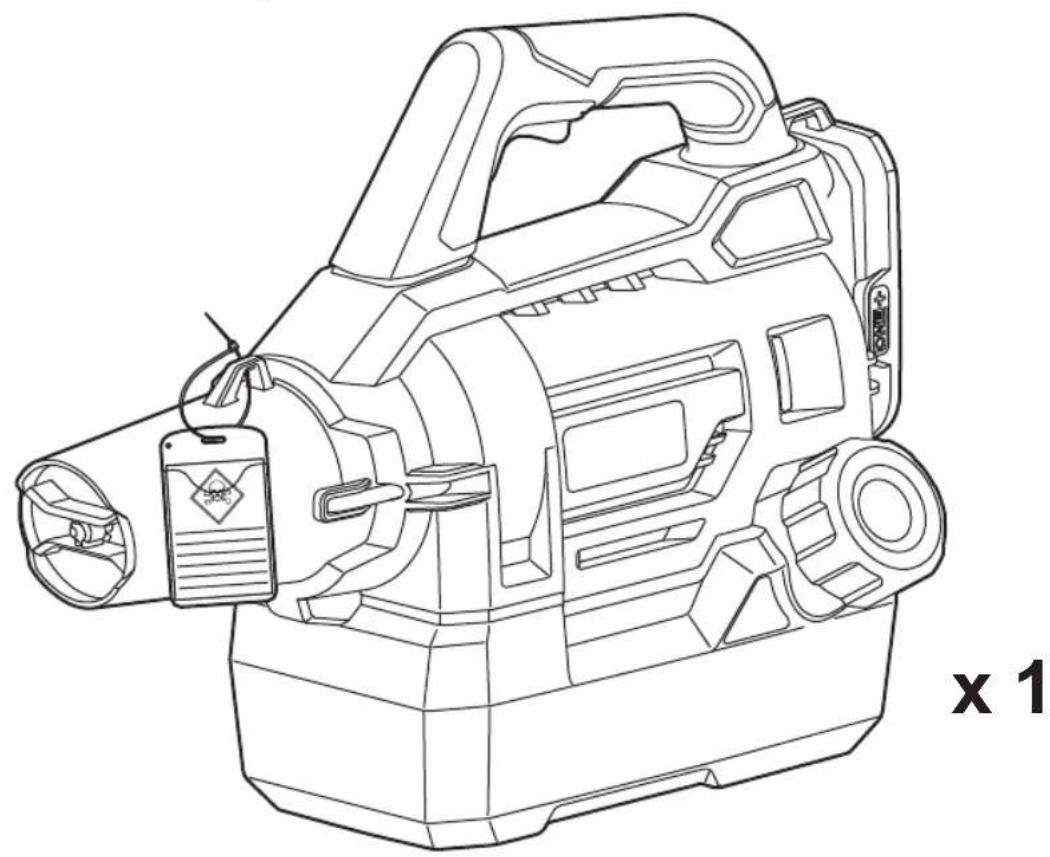
■ Hang a tag on the product to note what chemical solution is being used.
APPLICATION
■ Never blow through nozzles or other components by mouth.
■ Avoid contact with chemicals. Immediately change clothing that are contaminated with chemicals.
■ Do not aim the nozzle towards persons, animals, and electrical equipment.
- Do not operate the product in windy conditions. Always aim downwind.
- Avoid using the product in freezing weather since the solution may freeze.
■ To reduce the risk of accidents and damage to the product, never operate the product with:
- flammable liquids
• viscous or sticky liquids
• caustic or corrosive chemicals - liquids above room temperature
■ Clean the product after each use.
ADDITIONAL BATTERY SAFETY WARNINGS
■ To reduce the risk of fire, personal injury, and product damage due to a short circuit, never immerse your tool, battery pack or charger in fluid or allow fluid to flow inside them. Corrosive or conductive fluids, such as seawater, certain industrial chemicals, and bleach or bleach-containing products, etc., can cause a short circuit.
- Charge the battery pack in a location where the ambient temperature is between 10°C and 38°C.
■ Store the battery pack in a location where the ambient temperature is between 0°C and 40°C.
MAINTENANCE
- Use only original manufacturer's replacement parts, accessories, and attachments. Failure to do so can cause possible injury, can contribute to poor performance, and may void your warranty.
■ Servicing requires extreme care and knowledge and should be performed only by a qualified service technician. Have the product serviced by an authorised service centre only.
■ To avoid serious personal injury, always remove the battery pack from the product when cleaning or performing any maintenance.
■ After each use, check all parts of the product for leaks. Return the product to an authorised service centre for repair if necessary.
■ You may make adjustments or repairs that are described in this manual. For other repairs, contact an authorised service centre.
CLEANING THE REFILLABLE CONTAINER
- Drain all chemical solutions from the refillable container into a container approved for chemicals. Do not store the chemicals in the refillable container.
■ Use clean water to clean and rinse the refillable container. A small amount of mild household detergent may be added. It may be necessary to rinse the refillable container more than once.
CLEANING THE PRODUCT
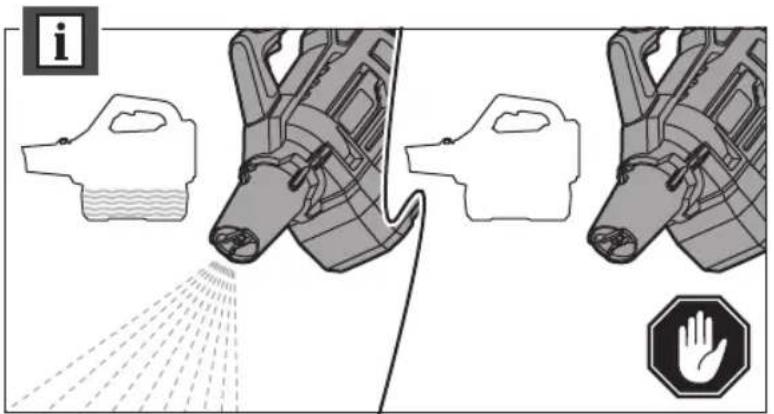
- Fill the tank about one-third full with clean water. A small amount of mild household detergent may be added.
■ Do not use flammable solvents or abrasive cleaning agents to clean the product.
■ Spray into a suitable container until the tank has been emptied.
■ Refill and repeat the procedure with clean water. It may be necessary to rinse the tank more than once, then drain again as directed above.
- Allow all parts to completely dry, then reinstall the tank cap.
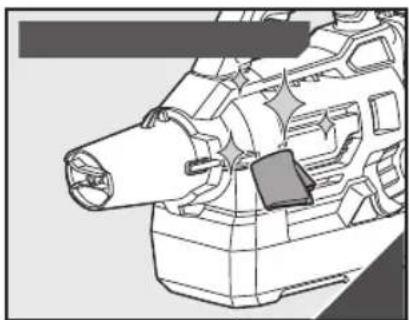
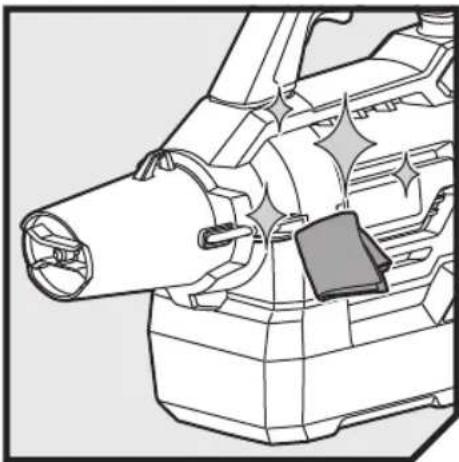
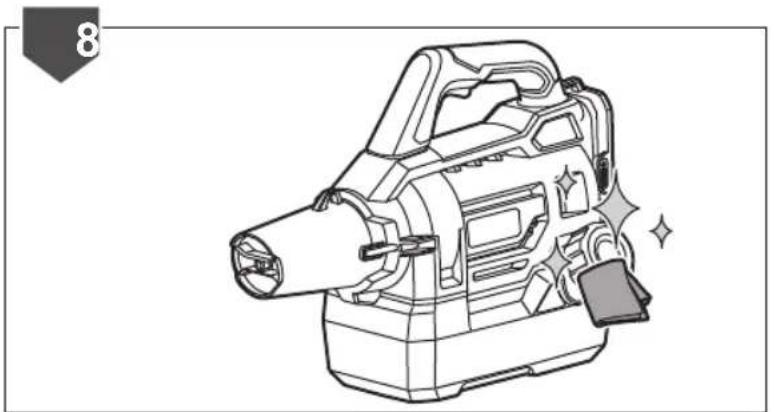
■ Wipe the outside of the fogger with a clean, dry cloth.
DISPOSAL
■ Never dispose of residual chemicals or contaminated rinsing solutions in waterways, drains, sewers, street gutters, or manholes.
■ Dispose of residual chemicals, contaminated rinse water, and used containers in accordance with local waste disposal regulations.
TRANSPORTATION AND STORAGE
■ Ensure that all parts are clean and dry. Follow the procedure described in this manual.
■ Stop the product and remove the battery pack before storing or transporting.
■ For transportation, secure the product against movement or falling to prevent injury to persons or damage to the product.
■ Store the product in a cool, dry, and well-ventilated area that is inaccessible to children. Keep the product away from corrosive agents such as garden chemicals and de-icing salts. Do not store the product outdoors.
TRANSPORTING LITHIUM BATTERIES
Transport the battery in accordance with local and national provisions and regulations.
Follow all special requirements on packaging and labelling when transporting batteries by a third party. Ensure that no batteries can come in contact with other batteries or conductive materials while in transport by protecting exposed connectors with insulating, non-conductive caps or tape. Do not transport batteries that are cracked or leaking. Check with the forwarding company for further advice.
SAFETY DEVICES
ON/OFF SWITCH
The on/off switch is easily accessible while using the product to turn the product on or off.
PRESSURE PROTECT SWITCH
The pressure protect switch prevents the product from functioning when the maximum pressure of 18.5\~28.5 psi is reached.
BATTERY COVER
The battery cover protects the battery from exposure to liquids.
WHAT'S IN THE BOX
See pages 5-6.
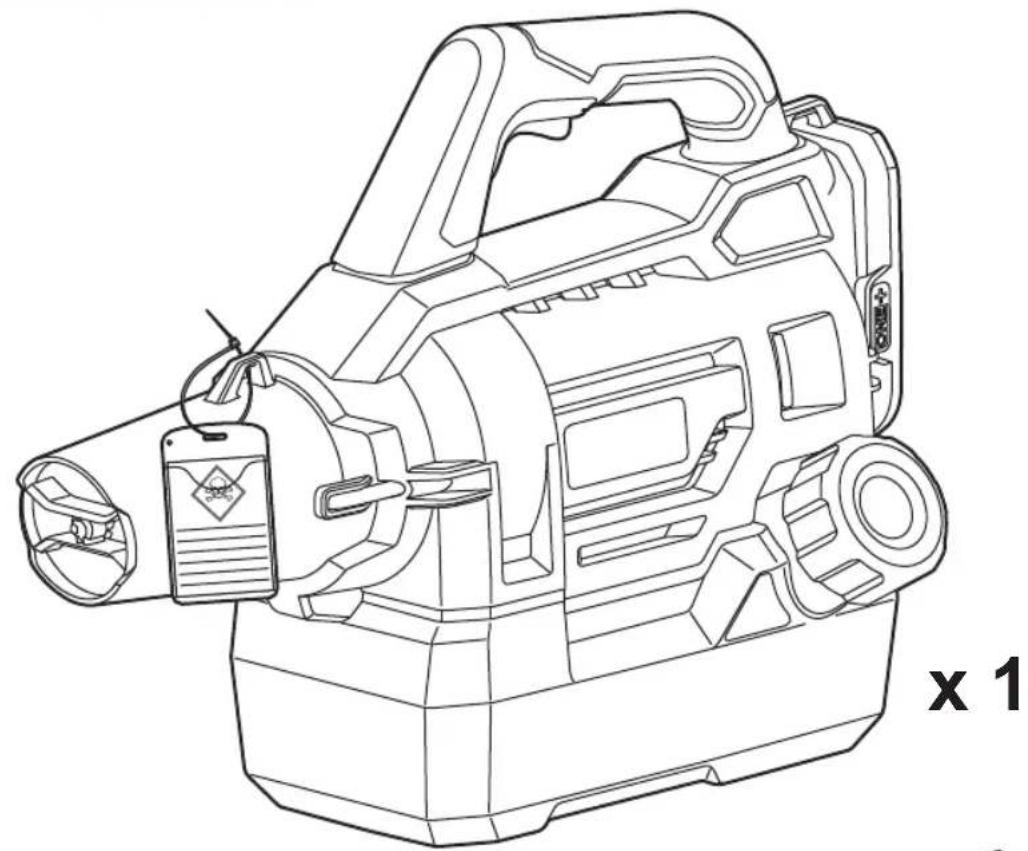
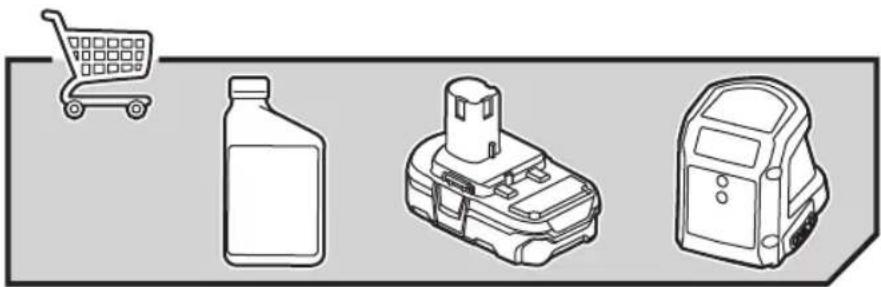
■ Fogger x 1
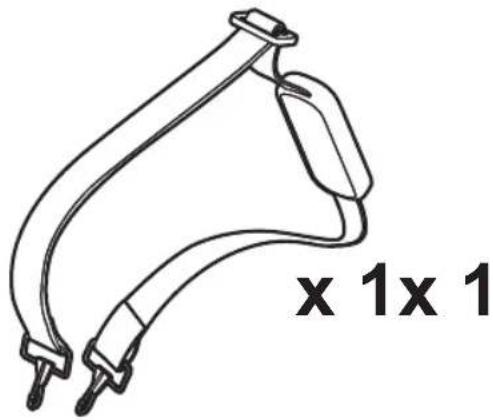
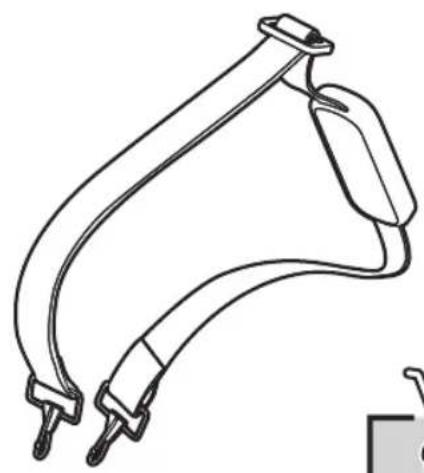
■ Harness x 1
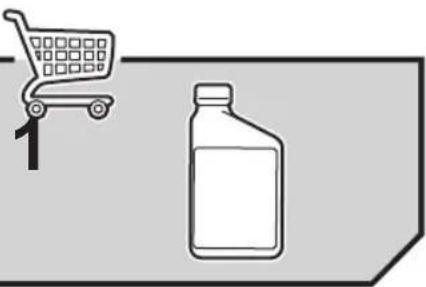
■ Spare rubber seal x 1
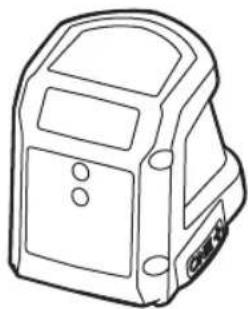
■ Charger x 1 (sold separately for OFG1800)
■ Battery x 1 (sold separately for OFG1800)
■ Operator's manual x 1
SYMBOLS ON THE PRODUCT

Safety alert

Read and understand all instructions before operating the product. Follow all warnings and safety instructions.
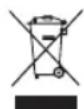
Waste electrical products should not be disposed of with household waste. Please recycle where facilities exist. Check with your local authority or retailer for recycling advice.

Wear eye protection.

Wear appropriate respiratory mask.

Do not expose to rain or damp condition.

Wear non-slip, heavy-duty protective gloves.

Wear non-slip safety footwear when using the product.

Wear protective clothing.
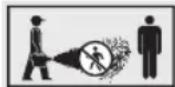
Do not aim the nozzle towards persons, animals, and electrical equipment.

Do not spray flammable liquids
SYMBOLS IN THIS MANUAL

Note

Warning
RFG18X20
natural_image
Line drawing of a portable electronic device with attached cable and control panel (no text or symbols)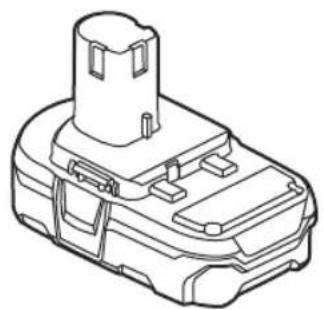
natural_image
Line drawing of a battery pack with no text or symbols
x 1
natural_image
Line drawing of a device with buttons and a display panel (no text or symbols)
x 1x
natural_image
Simple line drawing of a shopping cart with a milk bottle and arrow, no text or symbols present.WHAT'S IN THE BOX
OFG1800
natural_image
Line drawing of a vintage camera with visible lens and external components (no text or symbols)
natural_image
Line drawing of a curved mechanical component with two connectors (no text or symbols)
natural_image
Illustration of four electronic devices: a shopping cart, a bottle, a battery pack, and a device with a front panel (no text or symbols)KNOW YOUR PRODUCT
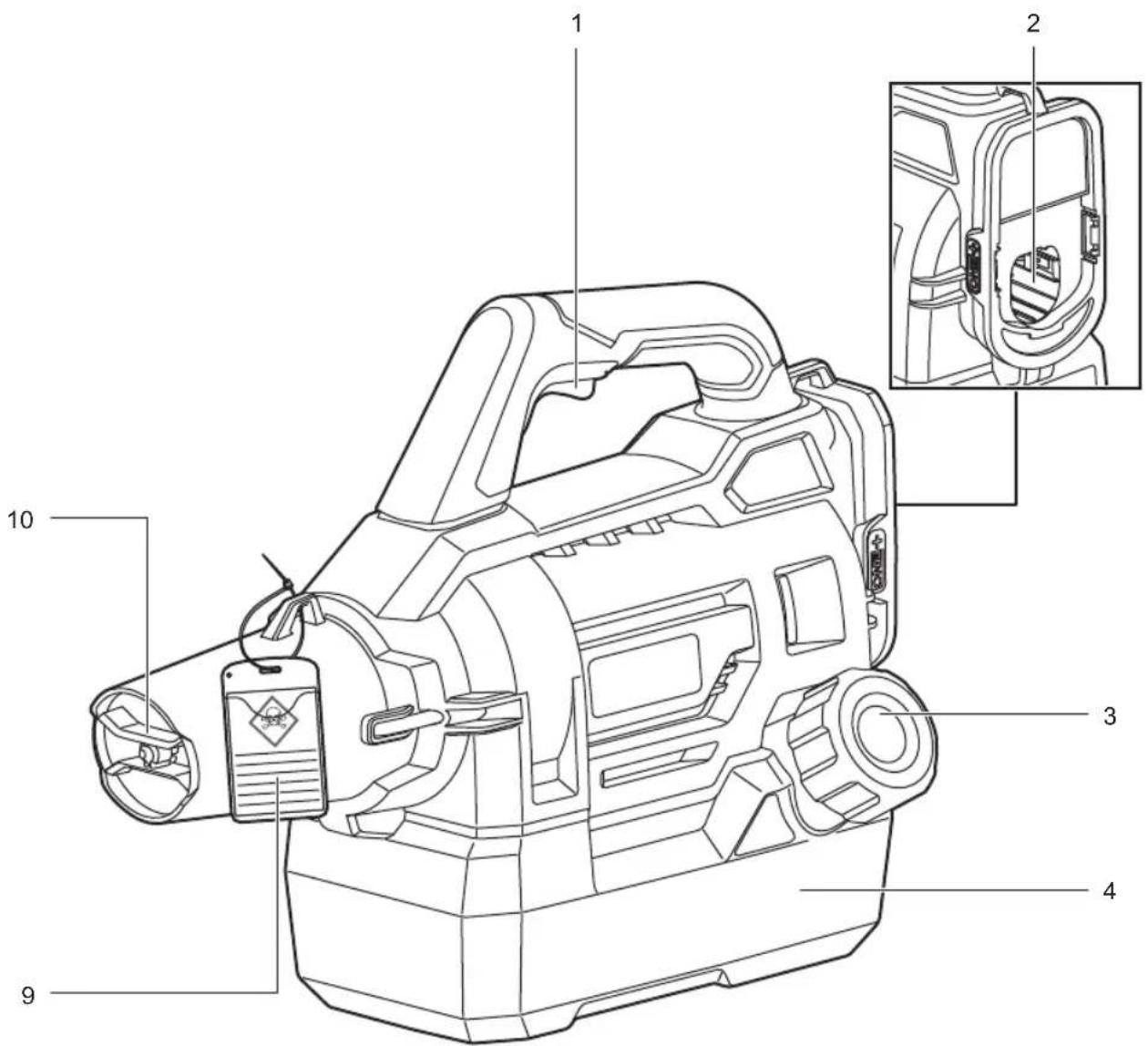
- Trigger
- Battery port
- Filler cap with rubber seal
-
Tank
-
Harness
- Spare rubber seal
- Charger
-
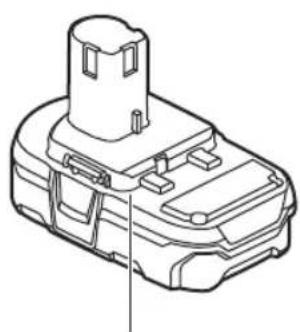
Battery
-
Hang tag
-
Nozzle
natural_image
Technical line drawing of a mechanical component with no visible text or symbols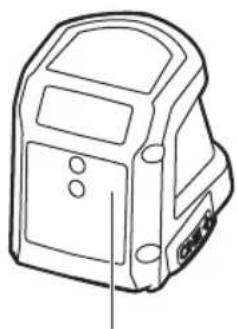
natural_image
Line drawing of a device casing with buttons and a display panel (no text or symbols)
natural_image
Simple circular diagram with a vertical line extending from its center (no text or symbols)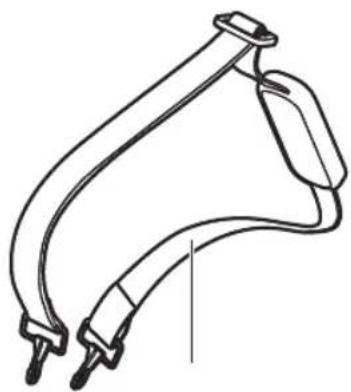
natural_image
Line drawing of a curved mechanical component with two protruding pins (no text or symbols)7658
GETTING STARTED
1
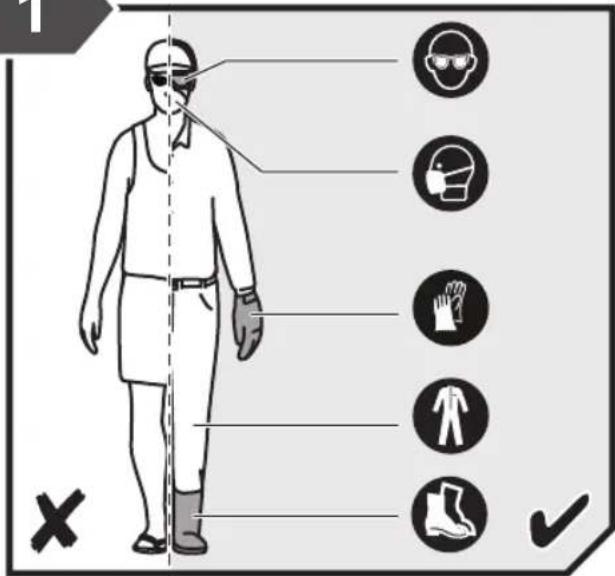
Always wear safety goggles or safety glasses with side shields, a respiratory mask, non-slip, heavy-duty protective gloves, protective clothing, and non-slip safety footwear.
2
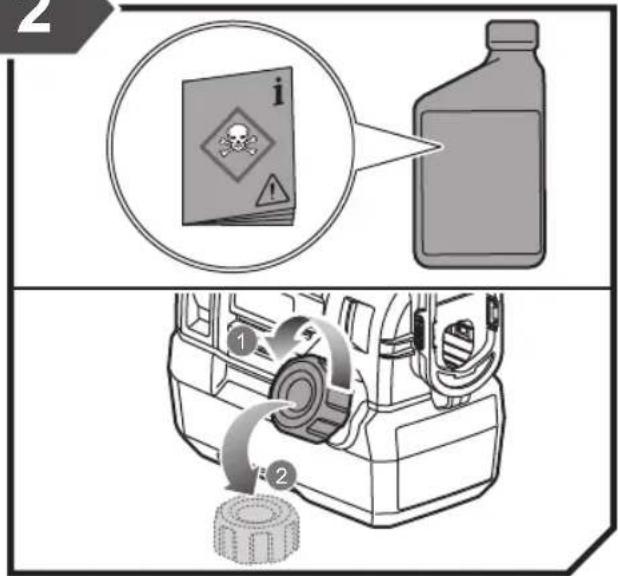
Read and follow the instructions provided by the chemical manufacturer for preparing the chemical solution.
5
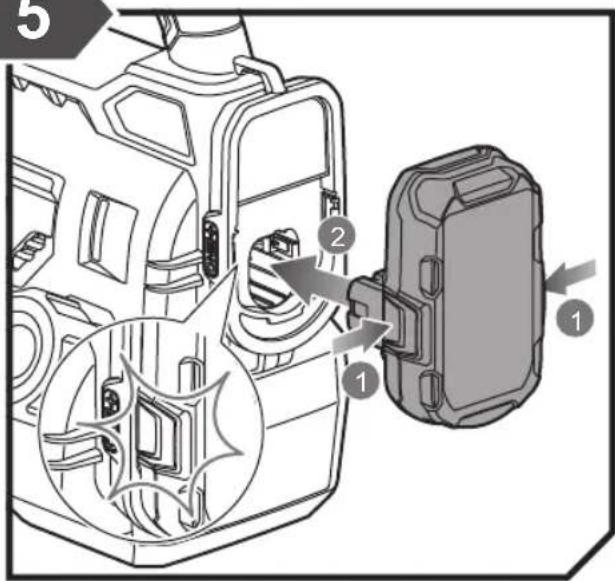
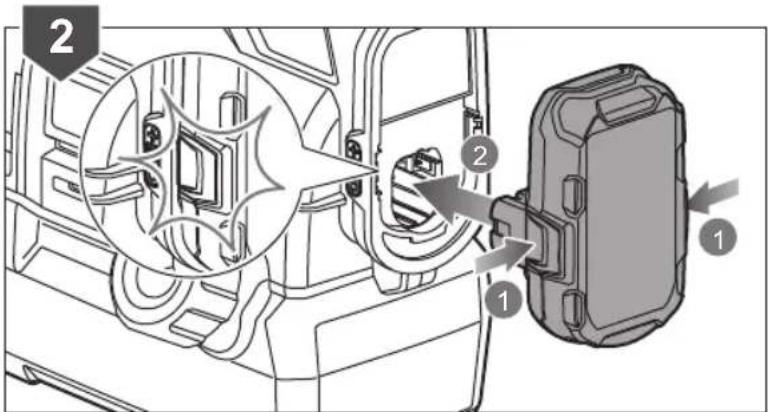
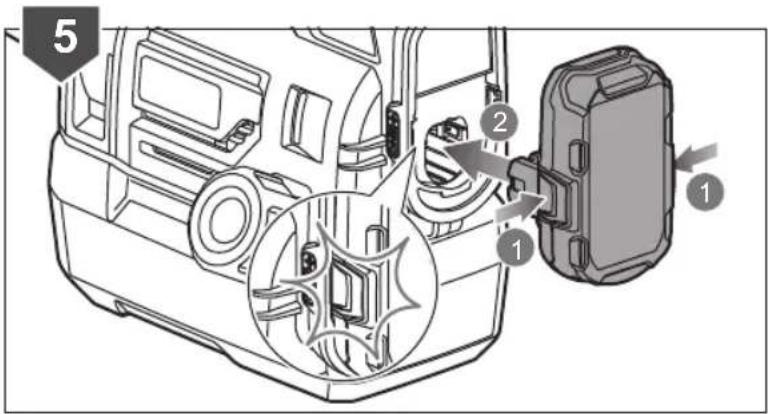
Install the battery pack. Make sure that the latches on the battery pack snap in place.
6
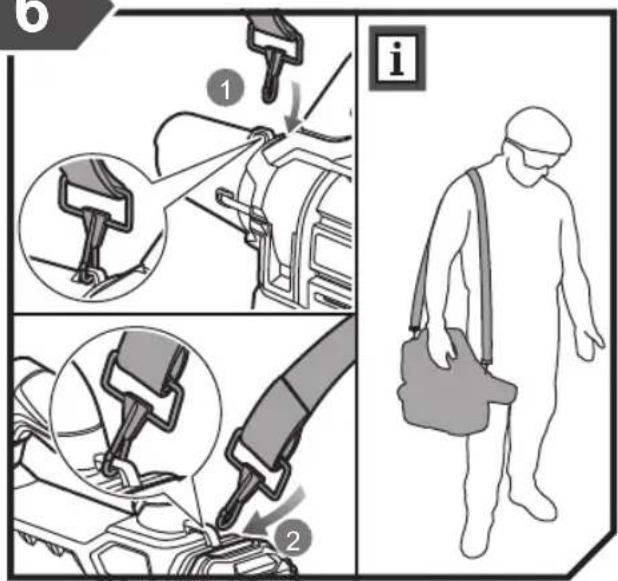
Install the harness on the product.
GETTING STARTED
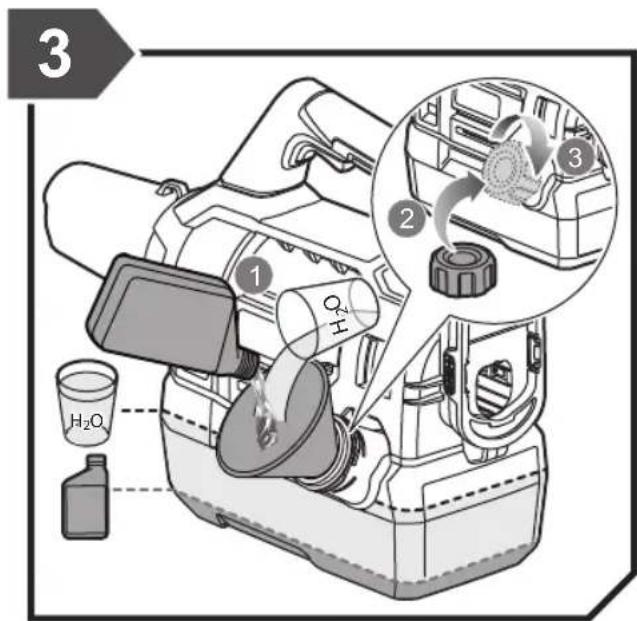
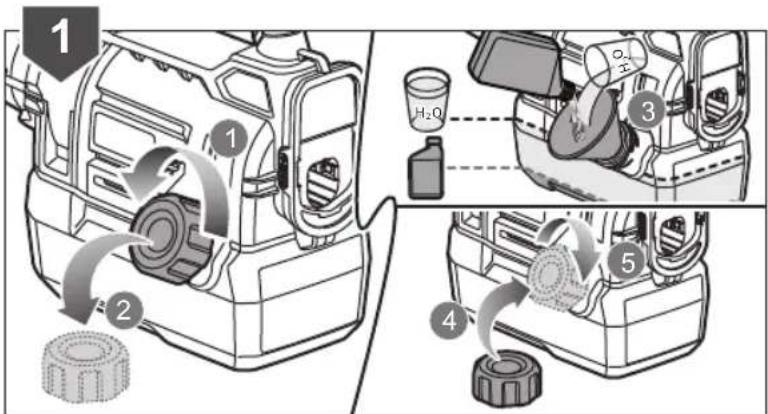
Turn the filler cap to open the refillable container. Fill up the refillable container with the chemical, and then with water to ensure an even mixture. Replace the filler cap.
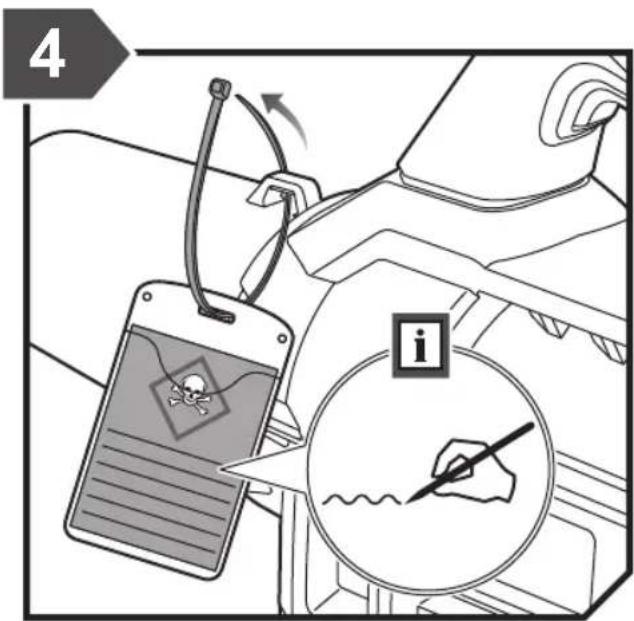
Hang a tag on the product to note the chemical that is being used.
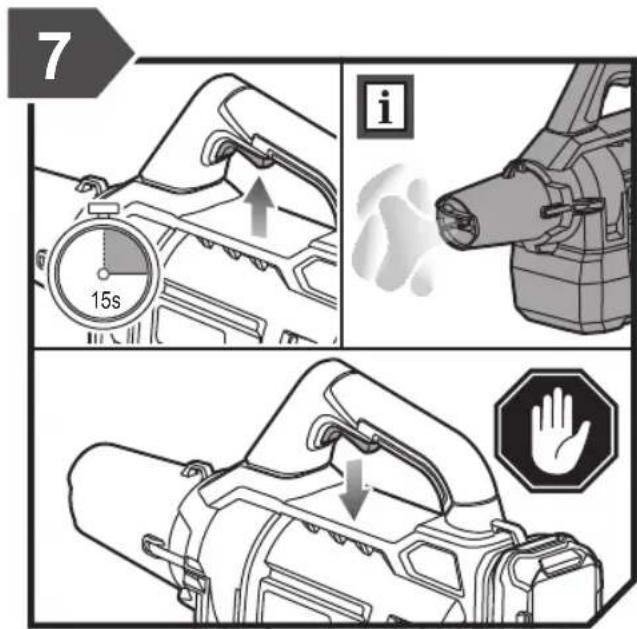
Press the trigger to build up pressure in the tank and release mist. Release the trigger to stop the product.
OVERVIEW
natural_image
Technical line drawing of a mechanical device with no visible text or symbols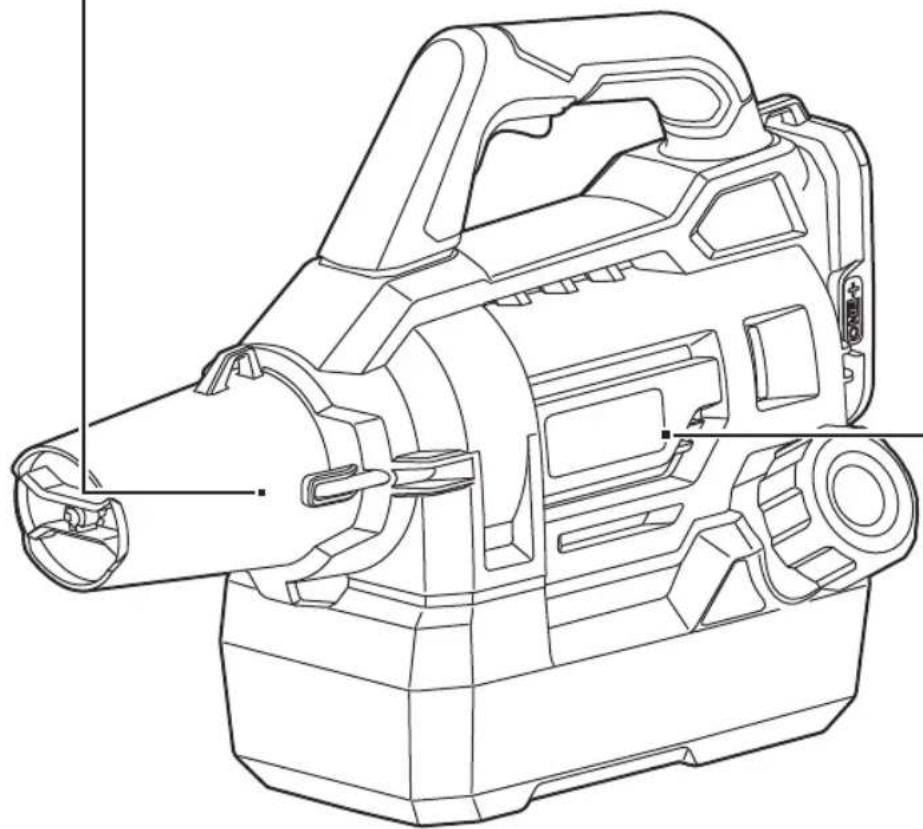
natural_image
Technical line drawing of a mechanical device with no visible text or symbols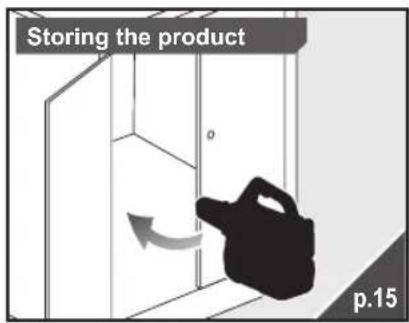
OPERATION
natural_image
Illustration of a video camera with antenna and control panel, set against a patterned background (no text or symbols)OPERATING THE PRODUCT
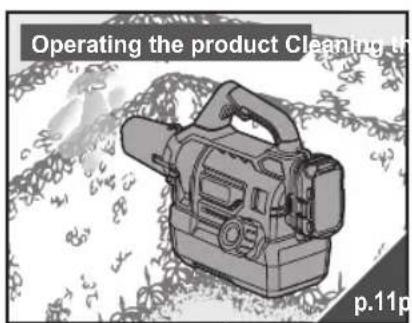
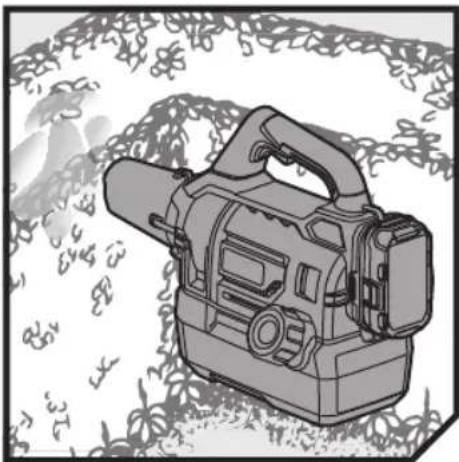
- Turn the filler cap to open the refillable container. Fill up the refillable container with chemical solution. Replace the filler cap. Make sure that the seal in the filler cap is in place.
- Install the battery pack into the battery port. Make sure that the latches on the battery pack snap in place.
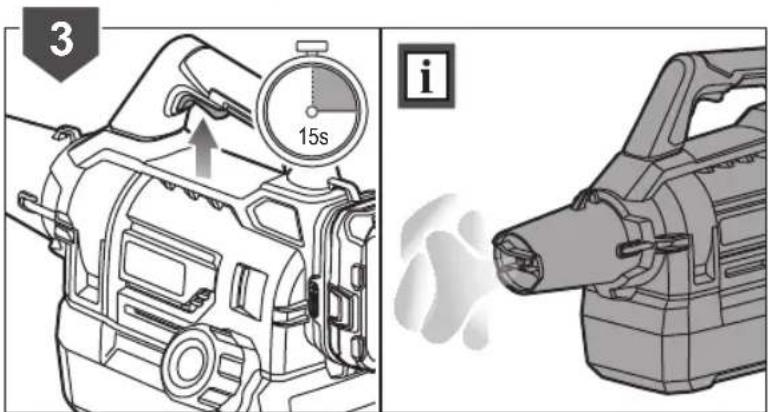
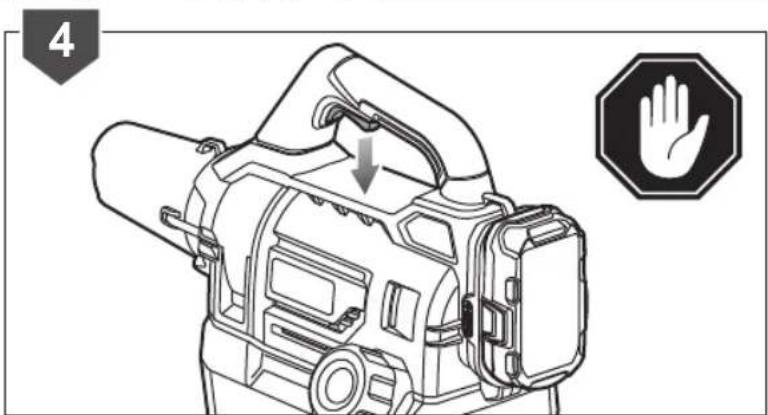
- Press the trigger to build up pressure and release mist.
- Release the trigger to stop the product.
NOTE: Depending on the chemical, the tank may take up to a minute to pressurise before releasing mist.
WARNING: Do not use corrosive fluids, conductive fluids, or chemicals that contain alcohol, such as alcohol-based sanitisers, sulfurs, bleach or bleach-based products, industrial chemicals, and seawater.
WARNING: Always check the instructions from the chemical manufacturer for recommended dilution ratios. Do not operate the product with undiluted chemicals.
MAINTENANCE
natural_image
Technical line drawing of a mechanical component with no visible text or symbolsCLEANING THE PRODUCT
- Press the latches on the battery pack to remove it from the product.
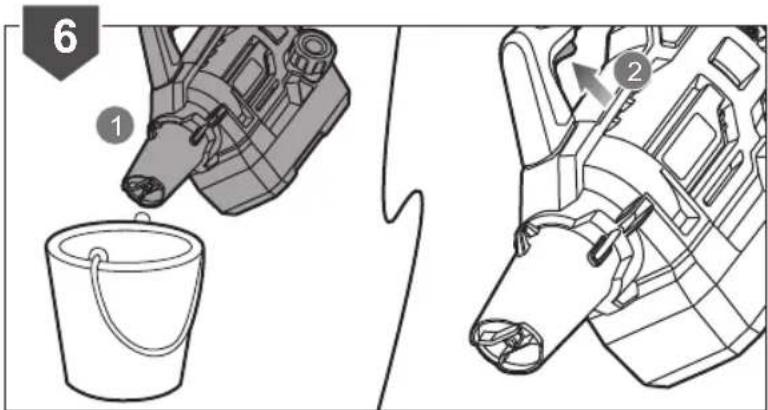
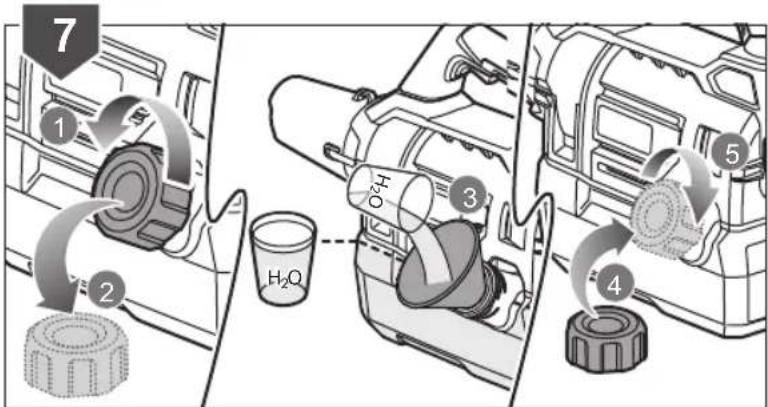
- Remove the filler cap. Make sure that the seal inside the filler cap is not dislodged.
- Drain the chemical solution into a suitable container.
- Fill the spray tank about one-third full with clean water. A small amount of mild household detergent may be added. Replace the filler cap. Make sure that the seal inside the filler cap is not dislodged.
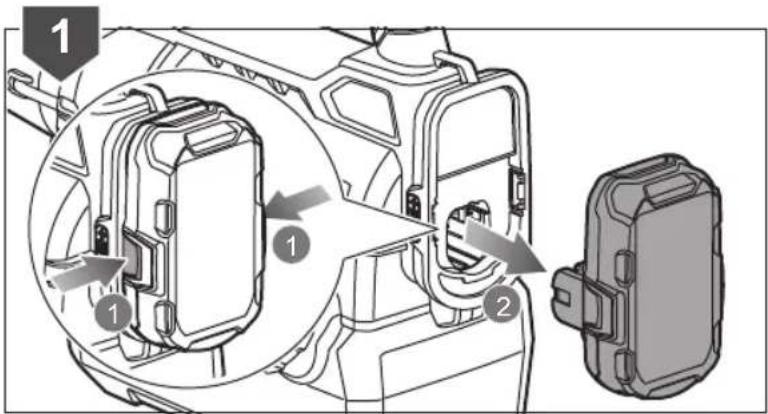
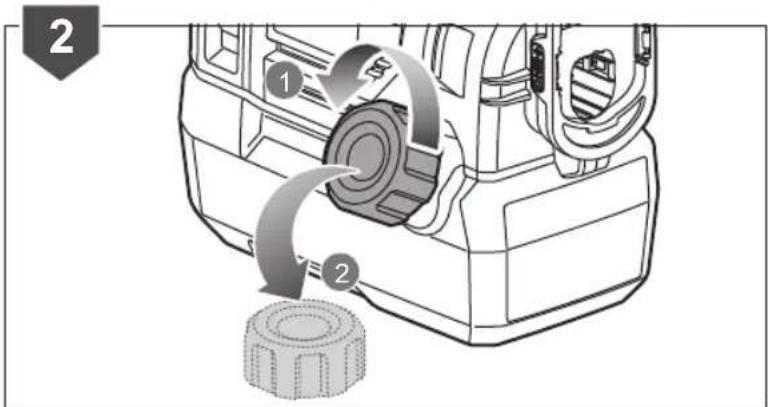
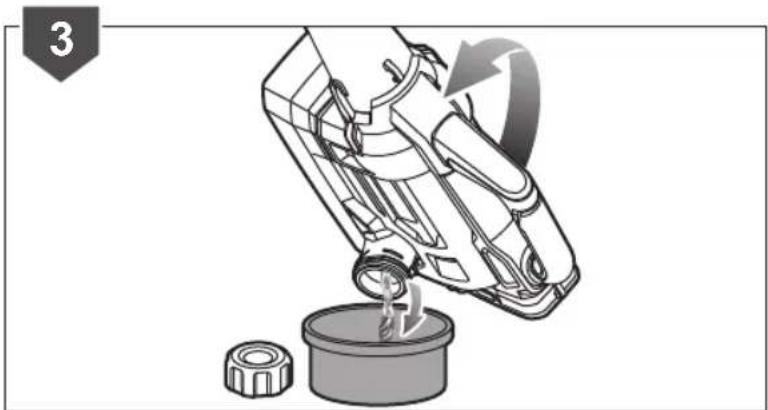
natural_image
Mechanical assembly diagram showing a robotic arm pouring liquid into a container with a ball nearby (no text or symbols)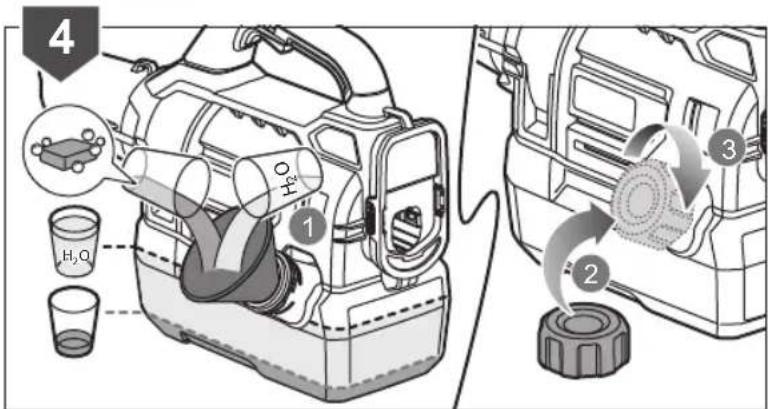
MAINTENANCE
- Reinstall the battery pack.
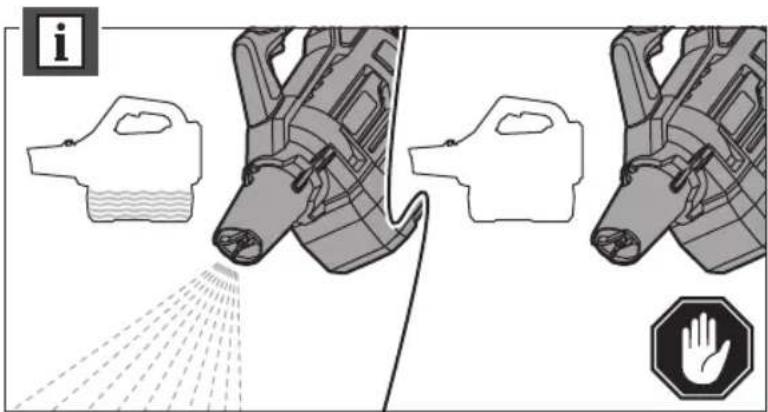
- Press the trigger to release the mist into a suitable container.
NOTE: Release the mist until the product is empty.
- Refill the product with clean water.
flowchart
graph TD
    A["1: Fuel Injection"] --> B["2: Fuel Discharge"]
    B --> C["3: Air Fan Out"]
    C --> D["4: Exhaust"]
    D --> E["5: Transport"]
    E --> F["7: Final Output"]
MAINTENANCE
NOTE: Release the mist until the product is empty.
- Allow all the parts to dry, then replace the filler cap. Wipe the outside of the product with a clean, dry cloth.
NOTE: Replace worn out filler caps and rubber seals.
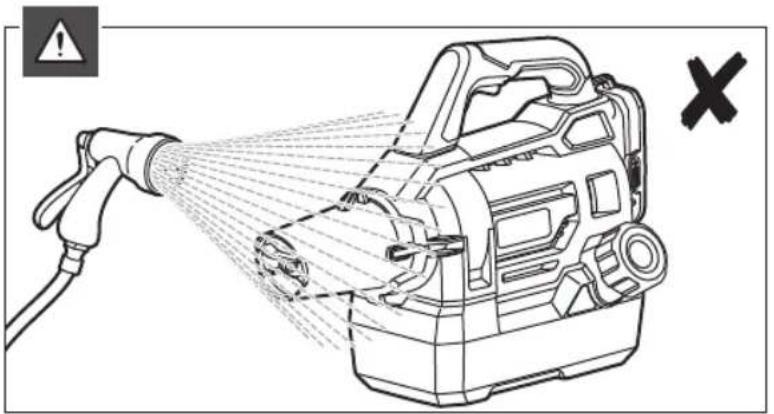
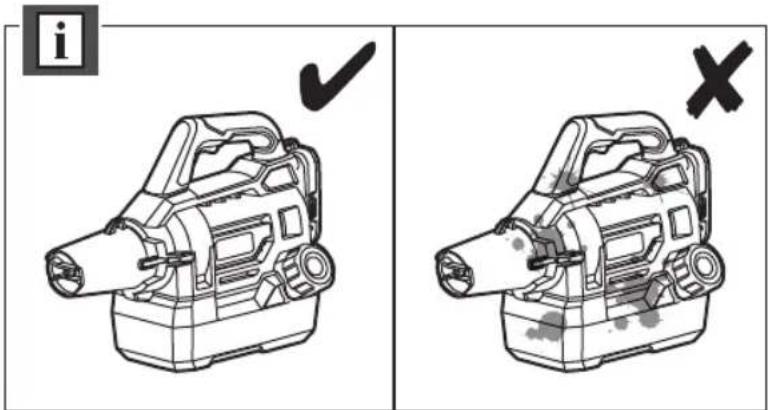
WARNING: Do not use water to clean the body of the product.
natural_image
Line drawing of a handheld electronic device with no visible text or symbols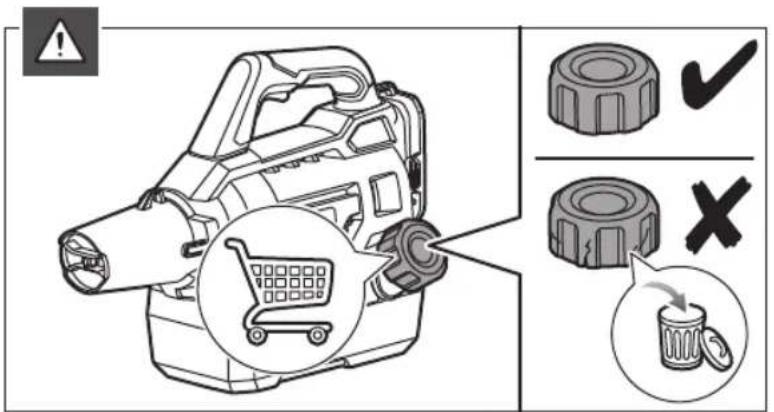
natural_image
Line drawing of a spray gun on a machine with warning symbol (no text or labels)STORAGE
natural_image
Simple line drawing of a bag hanging from a cabinet with an arrow indicating direction (no text or symbols)STORING THE PRODUCT
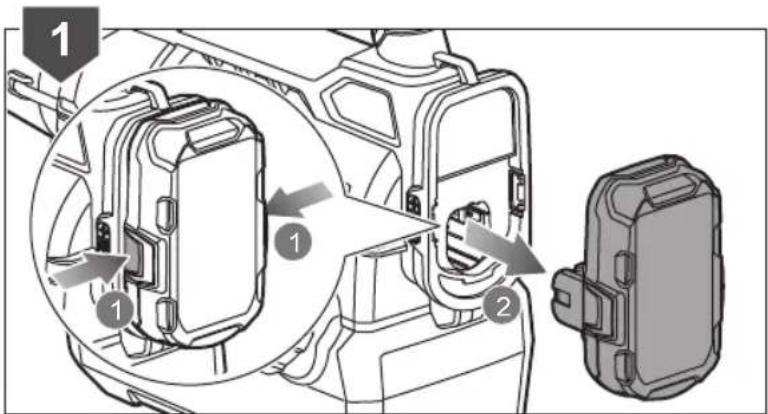
- Remove the battery pack. Press the latches to release the battery pack and remove it from the product.
NOTE: Make sure that all parts are clean and dry before storing the product.
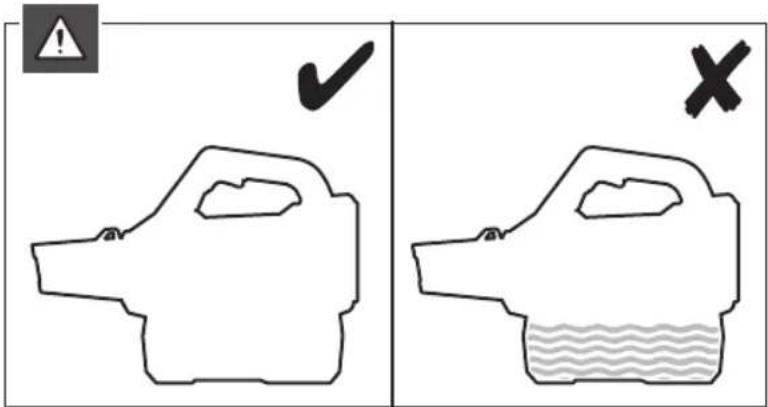
WARNING: Make sure that the refillable tank is empty and clean.
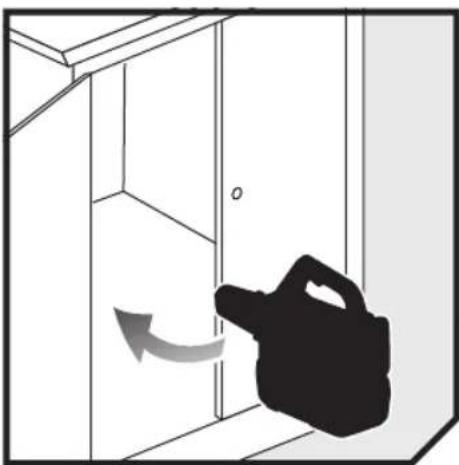
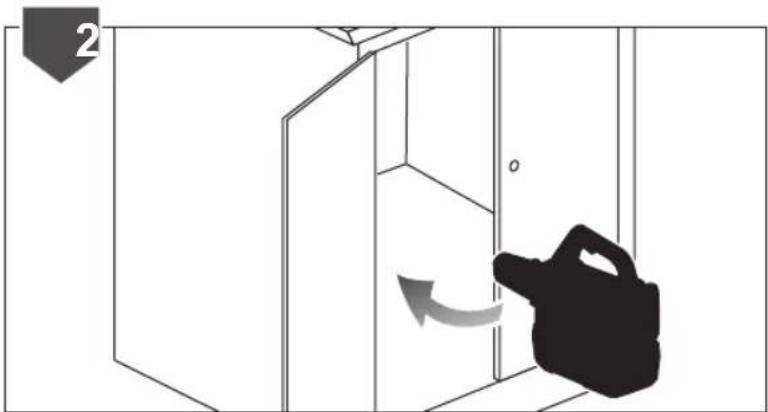
- Store the product in a cool, dry, and well-ventilated area that is inaccessible to children. Keep the product away from corrosive agents, such as garden chemicals and de-icing salts. Do not store the product outdoors.
natural_image
Diagram showing a black bag moving inside a cabinet with an arrow indicating rotation (no text or symbols)20200523v1d1
PRODUCT SPECIFICATIONS
Mister and Fogger
Model OFG1800
Input 18 V
Pump type Piston pump
Tank capacity 2 L
Spray valve Nozzle
Dimension (WxLxH) 323 mm x 446 mm x 196 mm
Flow rate 120 ml/min
Net weight 2.8 kg
Noise emission level (in accordance with AS/NZS 62841.1)
A-weighted sound pressure L_pA = 86 dB (A)
level at the operator's position
Uncertainty K = 3.0 dB
A-weighted sound power level L _wA = 97 dB (A)
Uncertainty K = 3.0 dB
Vibration level (in accordance with AS/NZS 62841.1)
Vibration total value a _n = 3.7 m/s ^2
Uncertainty K = 1.5 m/s ^2
BATTERY AND CHARGER
Model RFG18X20 OFG1800
Battery pack RB18L20 not included
Charger RC18115 not included
| Compatible battery packs | RB18L13, RB18L15, RB18L15A, RB18L15B, RB18L20, RB18L20A, RB18L25, RB18L25A, RB18L30, RB18L30A, RB18L40, RB18L40A, RB18L50, RB18L50A, RB18L60, RB18L60A, RB18L90, RB18L90A |
| Compatible chargers | BCS618, RC18627U, RC18150, RC18150U, RC18120, RC18115, RC18118C, BCL14181V |
REPLACEMENT PARTS
Filler cap with rubber seal 316674001
Rubber seal 564852001
NOTE: Visit your local special orders desk or contact RYOBI Customer Service for replacement parts
⚠ WARNING! The declared vibration total values and the declared noise emission values given in this instruction manual have been measured in accordance with a standardised test and may be used to compare one tool with another. They may be used for a preliminary assessment of exposure.
The declared vibration and noise emission values represent the main applications of the tool. However, if the tool is used for different applications, used with different accessories, or poorly maintained, the vibration and noise emission may differ. These conditions may significantly increase the exposure levels over the total working period. An estimation of the level of exposure to vibration and noise should take into account the times when the tool is turned off or when it is running idle. These conditions may significantly reduce the exposure level over the total working period.
Identify additional safety measures to protect the operator from the effects of vibration and noise, such as maintaining the tool and the accessories, keeping the hands warm (in case of vibration), and organising work patterns.


RYOBI®
RYOBI is a trade mark of Ryobi Limited, and is used under license.
© 2020 Techtronic Cordless GP
Imported by:
Techtronic Industries Australia Pty Ltd
31 Gilby Road, Mount Waverley, VIC 3149
Melbourne, Australia
Techtronic Industries N.Z. Limited
Unit C, 70 Business Parade South,
Highbrook, Auckland 2013, New Zealand
- Multi-Purpose Mister/Fogger
- Important!
- INTENDED USE
- GENERAL POWER TOOL SAFETY WARNINGS
- WORK AREA SAFETY
- ELECTRICAL SAFETY
- PERSONAL SAFETY
- POWER TOOL USE AND CARE
- BATTERY TOOL USE AND CARE
- SERVICE
- FOGGER SAFETY WARNINGS
- MIXING THE SOLUTION
- FILLING THE CONTAINER
- APPLICATION
- ADDITIONAL BATTERY SAFETY WARNINGS
- MAINTENANCE
- CLEANING THE REFILLABLE CONTAINER
- CLEANING THE PRODUCT
- DISPOSAL
- TRANSPORTATION AND STORAGE
- TRANSPORTING LITHIUM BATTERIES
- SAFETY DEVICES
- ON/OFF SWITCH
- PRESSURE PROTECT SWITCH
- BATTERY COVER
- WHAT'S IN THE BOX
- SYMBOLS ON THE PRODUCT
- SYMBOLS IN THIS MANUAL
- RFG18X20
- OFG1800
- KNOW YOUR PRODUCT
- GETTING STARTED
- OVERVIEW
- OPERATION
- OPERATING THE PRODUCT
- STORAGE
- STORING THE PRODUCT
- PRODUCT SPECIFICATIONS
- BATTERY AND CHARGER
- REPLACEMENT PARTS
Brand : RYOBI
Model : OFG1800
Category : Effects machine