ManualGo.com
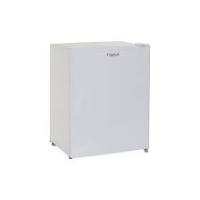
 CCO202BF - Freezer FRIGELUX - Free user manual and instructions
Find the device manual for free CCO202BF FRIGELUX in PDF.


Download the instructions for your Freezer in PDF format for free! Find your manual CCO202BF - FRIGELUX and take your electronic device back in hand. On this page are published all the documents necessary for the use of your device. CCO202BF by FRIGELUX.
USER MANUAL CCO202BF FRIGELUX
9. AVERTISSEMENT Dans un souci d’amélioration constante de nos produits, nous nous réservons la possibilité de modifier les caractéristiques techniques sans préavis. Les garanties des produits de la marque FRIGELUX sont exclusivement énoncées par les distributeurs que nous avons choisis. Aucun élément des présentes ne peut être interprété comme une garantie supplémentaire. La société FRIO ENTREPRISE ne peut être tenue responsable des erreurs ou des omissions techniques et de rédaction dans les présentes. Document non contractuel.
1. GENERAL SAFETY INSTRUCTIONS For your safety and correct usage, before installing and first using the appliance, read this user manual carefully, including its hints and warnings. To avoid unnecessary mistakes and accidents, it is important to make sure that all people using the appliance are thoroughly familiar with its operation and safety features. Save these instructions and be sure that they remain with the appliance if it is moved or sold, so that anyone using it throughout its life, will be properly informed on its usage and safety notices. For the safety of life and property, keep the precautions of these user's instructions as the manufacturer is not responsible for damages caused by omission. Safety of children and other vulnerable persons ▪ This appliance can be used by children aged from 8 years and above, and by persons with reduced physical, sensory or mental capabilities or lack of experience and knowledge if they have been given supervision or instruction concerning use of the appliance in a safe way and understand the hazards involved. ▪ User cleaning and servicing operations should not be carried out by children, unless they are more than 8 years old and are supervised. ▪ Keep all packaging away from children as there is risk of suffocation. ▪ Risk of child entrapment. Child entrapment and suffocation are not problems of the past. Junked or abandoned appliances are still dangerous, even if they will “just sit in the garage a few days”. ▪ If you are discarding the appliance, pull the plug out of the socket, cut the connection cable (as close to the appliance as you can) and remove the door to prevent children playing from suffering an electric shock or from closing themselves inside it. ▪ If this appliance, featuring a magnetic door seals, is to replace an older appliance having a spring lock (latch) on the door or lid, be sure to make the spring lock unusable before you discard the old appliance. This will prevent it from becoming a death trap for a child. ▪ Keep the appliance and its power cable out of reach of children less than 8 years old. ▪ Before you throw away your old wine cooler: take off the door. Leave the shelves in place so that children may not easily climb inside.
General safety WARNING — This appliance is intended to be used in household. WARNING — Do not store explosive substances such as aerosol cans with a flammable propellant in this appliance. WARNING — If the supply cord is damaged, it must be replaced by the manufacturer, its service agent or similarly qualified persons in order to avoid a hazard. WARNING — Keep ventilation openings, in the appliance enclosure or in the built-in structure, clear of obstruction. WARNING — Do not damage the refrigerant circuit. WARNING — Do not use electrical appliances inside the compartments of the appliance, unless they are of the type recommended by the manufacturer.
WARNING — The refrigerant and insulation blowing gas are flammable. When disposing of the appliance, do so only at an authorized waste disposal center. Do not expose to flame. Refrigerant The refrigerant isobutene (R600a) is contained within the refrigerant circuit of the appliance, a natural gas with a high level of environmental compatibility, which is nevertheless flammable. During transportation and installation of the appliance, ensure that none of the components of the refrigerant circuit becomes damaged. The refrigerant (R600a) is flammable.
Caution risk of fire If the refrigerant circuit should be damaged : ▪
Avoid opening flames and sources of ignition.
Thoroughly ventilate the room in which the appliance is situated.
It is dangerous to alter the specifications or modify this product in any way. Any damage to the cord may cause a short circuit, fire, and/or electric shock. Electrical safety ▪
We cannot be held responsible for any incident caused by poor electrical installation. The power cord must not be lengthened.
Make sure that the power plug is not crushed or damaged. A crushed or damaged power plug may overheat and cause a fire.
Make sure that you can access the main plug of the appliance.
Do not pull the main cable.
If the power plug socket is loose, do not insert the power plug. There is a risk of electric shock or fire.
You must not operate the appliance without the interior lighting lamp cover.
The appliance is only applied with power supply of single phase alternating current of 220~240V/50Hz. The device uses a wall socket earthed according to current recommendations.
If the power cable is damaged, do not proceed with his replacement but contact your aftersales service.
The socket must be readily accessible but out of reach of children. If unsure, contact your installer.
Do not store flammable gas or liquids in the appliance. There is a risk of an explosion.
Do not operate any electrical appliances in the appliance (e.g. electric ice cream makers, mixers etc.).
Never place bottles or jars containing liquids in the freezer unless they are filled at 2/3 of
their capacity, freezing expands liquids and the container may explode. ▪
When unplugging always pull the plug from the mains socket.do not pull on the cable.
Do not place the appliance in direct sunlight.
Keep burning candles jumps and other items with naked flames away from the appliance so that do not set the appliance on fire.
The appliance is intended for keeping food stuff.
The appliance is heavy. Care should be taken when moving it.
If your machine has wheels, remember that they are only used to facilitate small movements. Do not move it on longer journeys.
Never use the base, drawers, doors etc. to stand on or as supports.
To avoid items falling and causing injury or damage to the appliance, do not overload the door racks or put too much food in the crisper drawers.
This refrigerating appliance is not intended to be used as a built-in appliance
Caution! Care and cleaning ▪
Before maintenance, switch off the appliance and disconnect the mains plug from the mains socket.
Do not clean the appliance with metal objects, steam cleaner, ethereal oils, organic solvents or abrasive cleansers.
Do not use sharp objects to remove frost from the appliance. Use a plastic scraper.
Installation Important! ▪
For electrical connection, carefully, follow the instructions given in this manual.
Unpack the appliance and check if there are damages on it. Do not connect the appliance if it is damaged. Report possible damages immediately to the place you bought it. In this case retain packing.
It is advisable to wait at least 24 hours before connecting the appliance to allow the oil to flow back in the compressor.
Adequate air circulation should be around the appliance, lacking this leads to overheating. To achieve sufficient ventilation, follow the instructions relevant to installation.
This refrigerating appliance is not intended to be used as a built-in appliance
Wherever possible the back of the product should not be too close to a wall to avoid touching or catching warm parts (compressor, condenser) to prevent the risk of a fire, follow the instructions relevant to installation.
The appliance must not be located close to radiators or cookers.
Make sure that the mains plug is accessible after the installation of the appliance.
To reduce the power consumption of your device:
Install it in a suitable location (see "Installing your appliance").
Keep the doors open for as short time as possible.
Do not put hot food into your device.
Ensure the optimal functioning of your device by periodically cleaning the condenser (see "Routine maintenance of your appliance").
Ensure the optimal functioning of your device by not allowing too much frost accumulate in the freezer (defrost it when the frost thickness exceeds 5-6 mm).
Periodically check the door seals and make sure they always close effectively. If this is not the case, please contact your after-sales service.
Recommendation combination: The following combination of drawers, baskets, and shelves is recommended for energy to be used as efficiently as possible by the refrigeration unit.
Service and spare parts ▪
Any electrical work required to do the servicing of the appliance should be carried out by qualified electrician or competent person.
This product must be serviced by an authorized Service Center, and only genuine spare parts must be used.
This appliance is for domestic use only. The manufacturer cannot be held responsible for another use.
The following spare parts: door handles, door hinges, trays and trays, are available to professional repairers and final consumers for a minimum period of 7 years and door seals for a minimum period of 10 years from of the marketing of the last unit in the model. The list of spare parts and the procedure for ordering them (professional access / final consumer access) are available on the following website: www.interfroidservices.fr or by post to the following address: Interfroid Services, 143 Bd Pierre Lefaucheux - 72230 ARNAGE. All FRIGELUX refrigeration appliances benefit from a 1-year parts warranty.
R600a Safety regulation Warning: Do not use mechanical devices or other means to accelerate the defrosting process, other than those recommended by the manufacturer. Warning: Keep ventilation openings in the appliance enclosure or in the structure clear of obstruction. Do not store explosive substances such as aerosol cans with a flammable propellant in this appliance. Warning: Do not damage the refrigerant circuit. Refrigerating units operating on Isobutane (R600a) may not be placed in an area with sources of ignition (e.g. unsealed electrical contacts) or where the refrigerant could gather in the event of a leak. The type of refrigerant is indicated on the cabinet's type plate. Warning: Do not use electrical appliances inside the compartments of the appliance, unless they are of the type recommended by the manufacturer.
The appliance meets the requirements of all European Directives and their modifications.
2. PRODUCT DESCRIPTION To find out more about your product, consult the online EPREL database. As defined in Commission Delegated Regulation (EU) 2019/2016, all information relating to this refrigeration appliance is available on the EPREL Base (European Product Database for energy labeling). This database enables you to consult the information and technical documentation of your refrigeration appliance. You can access the EPREL Database by scanning the QR code on the energy label of your appliance or by going directly to: www.ec.europa.eu and searching the reference of your refrigeration appliance.
3. INSTALLATION INSTRUCTIONS Before Using Your Freezer ▪ ▪
Remove the exterior and interior packing. Before connecting the freezer to the power source, let it stand upright for approximately 4 hours. This will reduce the possibility of a malfunction in the cooling system from improper handling during transportation. Clean the interior surface with lukewarm water using a soft cloth.
Freezer location When selecting a position for your appliance, you should make sure that the floor is level and firm, and that the room is well ventilated. An average ambient temperature must be observed. This temperature is specific according to the climatic class of the device. This refrigeration appliance is intended for use in ambient temperatures between 16°C and 38°C.
Installing Your Freezer
This appliance is designed to be free standing only, and should not be recessed or built-in. ▪ Place your freezer on a floor that is strong enough to support the freezer when it is fully loaded. ▪ Allow 9 cm of space between the back and 20cm between sides of the freezer, which allows the proper air ventilation. Adjust the feet to keep the freezer level. ▪ Locate the freezer away from direct sunlight and sources of heat (stove, heater, radiator, etc.). Direct sunlight may affect the acrylic coating and heat sources may increase electrical consumption. Extreme cold ambient temperatures may also cause the freezer not to perform properly. This unit is not designed for use in a garage or any other outside installation. ▪ Avoid locating the freezer in moist areas. ▪ Plug the freezer into dedicated, properly installed-grounded wall outlet. Do not under any circumstances cut or remove the third (ground) prong from the power cord. Any questions concerning power and/or grounding should be directed toward a certified electrician or an authorized service center. This unit is not designed to be installed in an RV or used with an inverter. ▪ After plugging the appliance into a wall outlet, turn the unit on and allow the unit to cool down for 2~3 hours under before placing food in the freezer compartment. Make sure that sufficient room is provided around the appliance to ensure free air circulation. 4. OPERATING YOUR FREEZER Temperature Control Appliance thermostat has 7 settings. The appliance assures that temperature is maintained as long as it is in operation and that it is used in normal conditions of use. The temperature inside the appliance can be influenced by many factors : ambient temperature, sun exposure, number of door opening and amount of food stored… The slight changes in temperature are perfectly normal.
1: The appliance is running: the green light indicates that the compressor is working 2: The thermostat adjusts the temperature inside the device • • • • • •
Settings 0 : Device OFF Settings 1 : Freezer compartment average temperature -8 to -12°C Settings 2-3 : Freezer compartment average temperature -12 to -15°C Settings 4 : Freezer compartment average temperature -15 to -18°C Settings 5-6 : Freezer compartment average temperature -18 to -20°C Settings 7 : Freezer compartment average temperature -20 to -24°C NOTE: ▪ ▪ ▪ ▪ ▪
Turning the temperature control to "0" position stops the cooling cycle but does not shut off the power to the freezer. If the unit is unplugged, lost power, or turned off; you must wait 3 to 5 minutes before Restarting the unit. If you attempt to restart before this time delay, the freezer will not start. Large amounts of food will lower the cooling efficiency of the appliance. If you choose to change the thermostat setting, adjust thermostat control by one numerical increment at a time. Allow several hours for temperature to stabilize between adjustments.
Defrosting Your Freezer ▪ ▪
When? For the most efficient operation and minimum energy consumption, defrost the freezer when the frost on the freezer walls is excessive or 5 to 10 mm thick. Choose a time when the stock of frozen food is low.
CAUTION: Do not use boiling water because it may damage the plastic parts. In addition, never use a sharp or metallic instrument to remove frost as it may damage the cooling coils and will void the warranty. We recommend using the plastic scraper provided with your unit. ▪
Remove the frozen food from the freezer and place it in a cooler to protect the food.
▪ ▪ ▪ ▪ ▪ ▪ ▪ ▪ ▪ ▪ ▪
Turn the thermostat knob to “OFF”. Unplug the freezer. The Power Supply light should be off (green light out). During defrosting, the ice melts into the cabinet. Remove the drain plug on the inside floor of the freezer by pulling straight out. Place a shallow pan outside drain outlet. The defrost water will drain out. Check the pan occasionally so the water does not overflow. Clean the interior of the freezer. Replace the plug on the inside floor. Reset the thermostat to desired setting. Allow the cabinet to cool for one hour. Return food to the freezer.
Defrosting usually takes a few hours. Leaving the door open will help speed the process. Also, pouring warm water (not boiling) on the ice/frost will help speed melting. If you must use a scraper- please use caution - it is very easy to damage the freezer compartment and void your warranty. 5. FOOD CONSERVATION The storage of foodstuffs must comply with the regulatory conservation temperatures established by the National Agency for Food, Environmental and Occupational Health Safety (ANSES). Failure to comply with these storage temperatures involves risks of poisoning and food waste. Food preservation and storage. Under the recommended setting, the best shelf life is no more than 3 days in the refrigerator and 3 months in the freezer (4 stars); The better storage time may reduce other parameters.
Failure to comply with these storage temperatures involves risks of poisoning and food waste. For optimal conservation of foodstuffs, it is recommended to adjust the temperatures of the compartments as below:
FROZEN AND DEEP- FROZEN FOOD Your appliance enables you to freeze food, it lowers its core temperature rapidly and you can therefore keep it longer. Deep-freezing is an industrial process that is quicker and more intense that domestic freezing. The products you purchase from the shops are deep-frozen. PREPARING FOOD FOR FREEZING Freezing does not sterilize. It is therefore important to observe some simple hygiene rules when preparing your food for freezing: wash your hands before you touch the food and clean the kitchen tools you have just used before using them again. Only freeze fresh, good quality food. Refer to the table "Food Freezing Guide" to know which products you can freeze and how long you can keep them. Blanch fruit and vegetables before freezing them to preserve their color, smell, taste and vitamins: plunge them in boiling water for few moments. Divide the food you wish to freeze into small individual portions corresponding to one meal each. Small portions freeze quicker at their core. Pack the food hermetically so that they do not lose their flavor or dry up. Use plastic bags, polyethylene film, aluminum foil or special freezer containers for this. If you are using plastic
bags, compress them to eliminate the air before sealing them hermetically. Note on each package: -The freezing date -The consume-by date -The type of food contained -The number of portions contained If you are purchasing deep-frozen food, pick it up last when you are shopping. Check that: - The packaging isn't damaged - They are not covered in a layer of frost (which means that they have partially defrosted). Pack them in an isotherm bag or in newspaper. Transport them quickly and store them immediately. Comply with the maximum storage dates shown on the pack. Your appliance has a **** freezer compartment, this enables you to keep deep-frozen food in an optimal manner. ARRANGING FOOD IN YOUR FREEZER Do not put fresh food next to food that has already been frozen to avoid causing the frozen food to warm up. The maximum weight of food that you can freeze over 24 hours is shown on the information plate (inside your appliance near the bottom of the left-hand wall) under the heading: "CAPACITE DE CONGELATION/ FREEZING CAPACITY (kg/24h)". DEFROSTING FOOD You can defrost food in five different ways: - By putting them in your appliance's refrigerator section for several hours - By leaving them to defrost gently at ambient temperature - In a conventional oven at a very low temperature (40/50°C) - In a microwave oven - By cooking them immediately Defrosting them in the refrigerator is the slowest but safest method. Never refreeze food once it has defrosted, even partially, without cooking it first. We advise not to place any items you have just taken out of the freezer straight into your mouth (ice cream, ice cubes, etc.), they will be at a very low temperature and you risk frostbite. Avoid touching frozen or deep-frozen food with wet hands; your skin may stick to the food. We recommend that you only defrost food for immediate use. 6. CARE AND MAINTENANCE Cleaning Your Freezer ▪ ▪ ▪
Upon installation of your new appliance, it is recommended that it be cleaned thoroughly. Turn the temperature control to "OFF", unplug the freezer, remove the food and storage basket. Wash the inside with a damp warm cloth soaked in lukewarm water and baking soda solution. The solution should be about 2 tablespoons of baking soda to a quart of water. Wash the storage basket with a mild detergent solution.
Be sure to keep the door gasket (seal) clean to keep the unit running efficiently. The outside of the freezer should be cleaned with mild detergent and warm water. Dry the interior and exterior with a soft cloth. The condenser coils should be vacuumed when they are dusty or dirty. It is recommended that the unit be cleaned each time it is defrosted to help keep the unit odor free and running efficiently.
Vacation Time ▪ ▪ ▪ ▪
Remove all the food. Unplug the freezer. Clean the freezer. Leave the lid open slightly to avoid possible formation of condensation, mold, or odors. ▪ Use extreme caution in the case of children. The unit should not be accessible to child’s play. Short vacations: Leave the freezer operating during vacations of less than three weeks. Long vacations: If the appliance will not be used for several months, remove all food and unplug the power cord. Clean and dry the interior thoroughly. To prevent odor and mold growth, leave the door open slightly: blocking it open if necessary or have the door removed. Moving Your Freezer ▪ ▪ ▪ ▪ ▪ ▪
Unplug the freezer. Remove all the food. Securely tape down all loose items inside your freezer. Remove the rollers to prevent damage. Tape the doors shut. Be sure the freezer stays in the upright position during transportation.
Energy Saving Tips ▪ ▪
The freezer should be located in the coolest area of the room, away from heat producing appliances or heating ducts, and out of the direct sunlight. Let hot foods cool to room temperature before placing in the freezer. Overloading the freezer forces the compressor to run longer. Foods that freeze too slowly may lose quality, or spoil. Be sure to wrap foods properly, and wipe containers dry before placing them in the freezer. This cuts down on frost build-up inside the freezer. Freezer storage bin should not be lined with aluminum foil, wax paper, or paper toweling. Liners interfere with cold air circulation, making the freezer less efficient. Organize and label food to reduce door openings and extended searches. Remove as many items as needed at one time, and close the door as soon as possible.
7. TROUBLESHOOTING GUIDE You can solve many common freezer problems easily, saving you the cost of a possible service call. Try the suggestions below to see if you can solve the problem before calling for service.
PROBLEM POSSIBLE CAUSE Freezer does not operate.
Not plugged in. The circuit breaker tripped or a blown fuse.
Compressor turns on and off frequently.
The room temperature is hotter than normal. A large amount of food has been added to the freezer. The door is opened too often. The door is not closed completely. The temperature control is not set correctly. The door gasket does not seal properly. The freezer does not have the correct clearances. The freezer has recently been disconnected for a period of time. 4 hours are required for the freezer to cool down completely. Temperature control is set too warm. Turn the control to a cooler setting and allow several hours for the temperature to stabilize. Door is kept open too long or is opened too frequently. Warm air enters the freezer every time the door is opened. Open the door less often. The door is not closed completely. The door gasket does not seal properly. A large amount of warm or hot food might have been stored recently. Wait until the freezer has had a chance to reach its selected temperature. The freezer has recently been disconnected for a period of time. 4 hours are required for the freezer to cool down completely.
Temperature inside the freezer is too warm.
Temperature inside the freezer is too cold. Temperature of external freezer surface is warm. Popping or cracking sound when compressor comes on. Bubbling or gurgling sound, like water boiling.
Temperature control is set too cold. Turn the control to a warmer setting and allow several hours for the temperature to stabilize.
Check to assure that the freezer is on a level surface. Floor is uneven or weak. Freezer rocks on the floor when it is moved slightly. Be sure floor can adequately support freezer. Level the freezer by putting wood or metal shims under part of the freezer. The freezer is touching the wall. Re-level the freezer and move it from the wall. See “Installation Instructions”. Weather is hot and humid, which increases internal rate of frost build-up. This is normal. Door is slightly open. Door is kept open too long, or is opened too frequently. Open the door less often. The door is not sealed properly.
Moisture forms on inside freezer walls. Moisture forms on outside of freezer. The door will not close properly.
The exterior freezer walls can be as much as 30F warmer than room temperature. This is normal while the compressor works to transfer heat from inside the freezer cabinet. Metal parts undergo expansion and contraction, as in hot water pipes. This is normal. Sound will level off or disappear as freezer continues to run.
Refrigerant (used to cool freezer) is circulating throughout the system. This is normal.
Door is slightly open, causing cold air from inside the freezer to meet warm moist air from outside. The freezer is not on a level surface. The gasket is dirty. The storage basket is out of position.
8. ENVIRONMENT This appliance is marked according to the European directive 2012/19/CE on Waste Electrical and Electronic Equipment (WEEE). By ensuring this product is disposed of correctly, you will help prevent potential negative consequences for the environment and human health, which could otherwise be caused by inappropriate waste handling of this product. The symbol on the product, or on the documents accompanying the product, the Crossed Out Wheelie Bin, indicates that this appliance may not be treated as household waste. Instead it shall be handed over to the applicable collection point for the recycling of electrical and electronic equipment, or, if you are buying an equivalent product, to the retailer of the new product. The user is responsible for taking the appliance to the appropriate collection center at the end of its useful life. Selective and appropriate collection for the recycling of no longer used appliances and their disposal and destruction in an environmentally friendly manner, helps to prevent potential negative effects on the environment and health, and encourages the recycling of materials used to make the product. For more detailed information about treatment, recovery and recycling of this product, please contact your local authority, your household waste disposal service or the retailer where you purchased the product. 9. WARNING As we continuously improve our products for the benefit of our customers, we reserve the right to modify technical characteristics without notice. Warranties for FRIGELUX brand products are offered exclusively by selected retailers. No part of these instructions may be considered as a supplementary guarantee. FRIO ENTREPRISE cannot be held liable for errors or technical or editorial omissions in this document. Non-binding document.
1. ALLGEMEINE SICHERHEITSHINWEISE Lesen Sie die Bedienungsanleitung, einschließlich der darin enthaltenen Warnhinweise und nützlichen Tipps, zu Ihrer Sicherheit und zum korrekten Gebrauch des Geräts vor der Installation und Inbetriebnahme des Geräts aufmerksam durch. Um das Gerät nicht zu beschädigen und/oder unnötige Verletzungen zu vermeiden, ist es wichtig, dass die Personen, die das Gerät benutzen, seine Funktionsweise sowie seine Sicherheitsfunktionen gut kennen. Bewahren Sie die Bedienungsanleitung zum späteren Nachschlagen auf und verstauen Sie sie neben dem Gerät, damit sie beim Verkauf bzw. Umzug zusammen mit dem Gerät übergeben wird. So kann gewährleistet werden, dass das Gerät optimal funktioniert. Bewahren Sie die Bedienungsanleitung auf, um der Verletzungsgefahr vorzubeugen. Der Hersteller kann nicht für Schäden durch unsachgemäßen Umgang mit dem Gerät haftbar gemacht werden. Sicherheit von Kindern und hilfsbedürftigen Personen ▪