
Fallingwater® - Toys LEGO - Free user manual and instructions
Find the device manual for free Fallingwater® LEGO in PDF.


| Product Type | Building toy set (LEGO Architecture series) |
| Model Name | Fallingwater® (21005) |
| Number of Pieces | 811 |
| Recommended Age | 12+ |
| Product Dimensions (Assembled) | Approx. 10 in (25 cm) wide, 10 in (25 cm) deep, 5 in (12 cm) high |
| Weight | Approx. 1.5 lbs (0.7 kg) |
| Power Source | None (manual assembly required) |
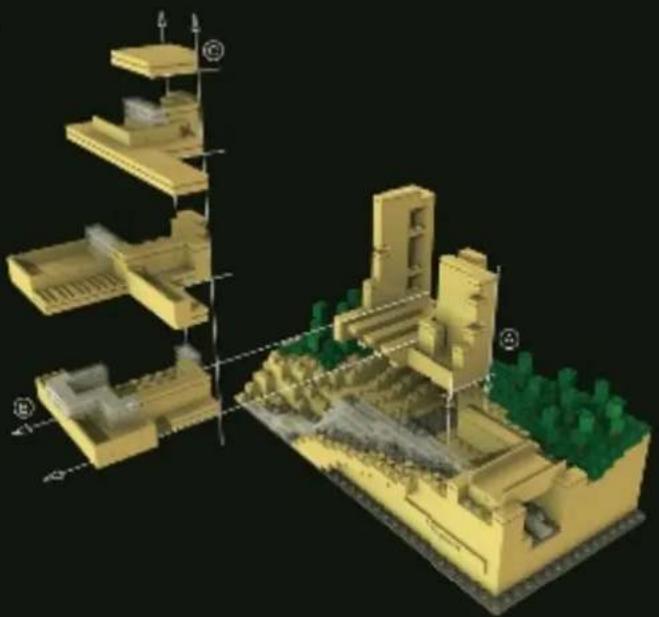
| Functions | Interactive pull-apart feature revealing interior; display model of Frank Lloyd Wright's Fallingwater |
| Materials | High-quality ABS plastic (LEGO bricks) |
| Care and Cleaning | Wipe clean with a dry or slightly damp cloth. Do not use solvents or detergents. |
| Safety Warnings | Contains small parts. Choking hazard for children under 3 years. Keep away from children under 3. |
| Spare Parts | Contact LEGO Customer Service or visit www.lego.com/service for replacement parts. |
| Country of Origin | Denmark, Czech Republic, Mexico, or China (varies by production batch) |
| Brand | LEGO |
| Year of Release | 2011 |
Frequently Asked Questions - Fallingwater® LEGO
User questions about Fallingwater® LEGO
0 question about this device. Answer the ones you know or ask your own.
Ask a new question about this device
Download the instructions for your Toys in PDF format for free! Find your manual Fallingwater® - LEGO and take your electronic device back in hand. On this page are published all the documents necessary for the use of your device. Fallingwater® by LEGO.
USER MANUAL Fallingwater® LEGO
Mill Run, Pennsylvania

Building Instructions
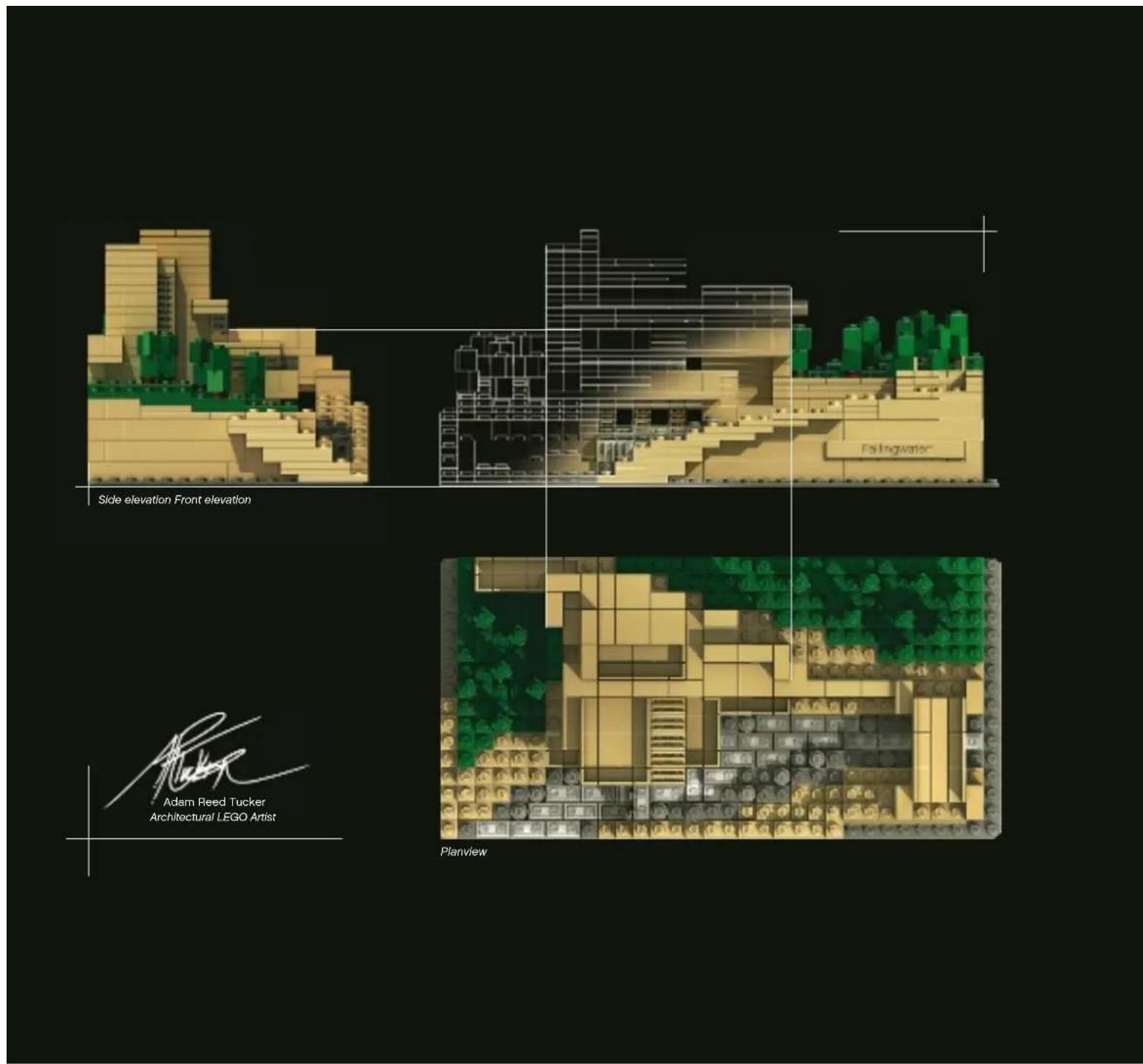
Architectural Drawings
The History of Fallingwater


Courtesy of Western Pennsylvania ConservancyFallingwater
Contents
Frank Lloyd Wright 5
History of Fallingwater ® 6
Facts from the Project 8
The Architect's Thoughts about the Building 9
Building Instructions ....11
A Word from the Artist ....104
LEGO® Architecture: Bringing two worlds together .....105
References....107

Frank Lloyd Wright
Frank Lloyd Wright, 1867–1959, is recognized worldwide as one of the greatest architects of the 20th century. His work heralded a new approach to architecture using innovations in design and engineering made possible by newly developed technology and materials.
No other American architect's work endures, or remains as compelling, as that of Frank Lloyd Wright. His was a unique style rooted in nature, that he called "organic architecture," emphasizing the harmonious relationship between a building and its landscape. It changed how we came to view our buildings, towns, and the land around us.

Photo: OBMA. © F.L. Wright Fdn.
From Lypo-Adiage

© F.L. Wright Fdn.
History of Fallingwater®
"He had the design totally in his head, as always, and as he recommended to the apprentices, if no whole idea, no architecture." John Lautner, letter of June 20, 1974. Lautner was an apprentice from 1933 to 1939.
"Mr. Wright was not at all disturbed by the fact that not one line had been drawn. As was normal, he asked me to bring him the topographical map of Bear Run to his draughting table in the sloping-roofed studio at Taliesin, a rustic but wondrous room in itself... I stood by, on his right side, keeping his colored pencils sharpened. Every line he drew, vertically and especially horizontally, I watched with complete fascination... Mr. Kaufmann arrived and Mr. Wright greeted him in his wondrously warm manner. In the studio, Mr. Wright explained the sketches to his client. Mr. Kaufmann, a very intelligent but practical gentleman, merely said... 'I thought you would place the house near the waterfall, not over it.' Mr. Wright said quietly, 'E.J. I want you to live with the waterfall, not just to look at it, but for it to become an integral part of your lives.' And it did just that." Bob Mosher, Letter of Jan. 20, 1974.
"In 1963, Edgar Kaufmann Jr. gave his home, Fallingwater, to the Western Pennsylvania Conservancy with the intent that it be open to the public for tours. His gift constitutes one of the most magnanimous acts in the annals of architectural and fine art history. This one building, undoubtedly the most famous private residence built in a free, democratic society, has been widely published the world over since its completion in 1939, and its influence continues to this day.[1]
"The famous view of the house, taken from downstream looking up to the water cascades and under the
balconies above it, emphasizes this element of projecting forms merging building and landscape. In most architecture of the world, balconies are smaller features of a larger, more stable mass. At Fallingwater, the entire house is composed of these projections from and above the rock ledges.
The rooms themselves, with their adjacent outdoor terraces, are all a part of broad-sweeping balconies reaching out to the branches of the surrounding trees, and over the stream and waterfalls below. [2]
"Fallingwater is a country home, and in the annals of so-called country homes it differs from any other ever built up to that time... Fallingwater achieves something that no country home successfully had before: it emphasizes, in every place and at every turn, the wonder and beauty of nature in this woodland setting. [3]"
"Fallingwater is that rare work which is composed of such delicate balancing of forces and counterforces, transformed into spaces thrusting horizontally, vertically and diagonally, that the whole achieves the serenity which marks all great works of art. [4]"

© F.L. Wright Fdn.


© F.L. Wright Fdn.
Left: Elevation and Floor Plan
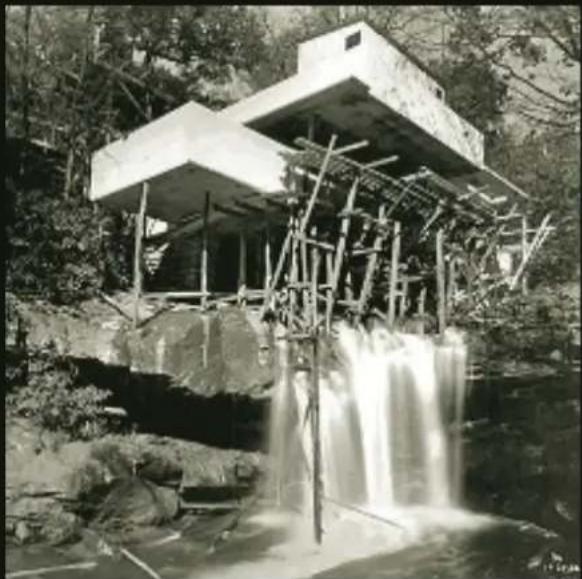
Above: Scaffolding
Facts from the Project
Architect: Frank Lloyd Wright
Classification: Vacation Home
Year: 1935
Construction Type: ....Reinforced Poured Concrete
with Limestone Fascia
Square Feet: 2,885 sq. ft. interior
Original Cost: \$ 155,000
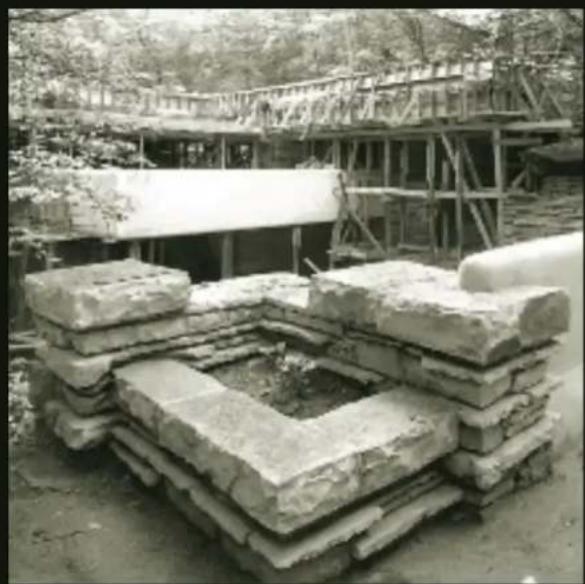
Top right: Scaffolding
Bottom left: Construction workers
Bottom right: Construction

The Architect's Thoughts about the Building
"The rock-ledges of a stone-quarry are a story and a longing to me. There is suggestion in the strata and character in the formations.
I like to sit and feel it, as it is. Often I have thought, were great monumental buildings ever given me to build, I would go to the Grand Canyon of Arizona to ponder them... For in the stony bone-work of the Earth, the principles that shaped stone as it lies, or as it rises and remains to be sculptured by winds and tide – there sleep forms and styles enough for all the ages for all of Man.[5]
"The visit to the waterfall in the woods stays with me and a domicile has taken vague shape in my mind to the music of the stream. When contours come you will see it. Meantime, to you my affection. [6]
"This structure might serve to indicate that the sense of shelter...has no limitations as to form except the materials used and the methods by which they are employed for what purpose.[7]
"Looking back years later at what he had created there, in this enchanted glen, Wright said, 'Fallingwater is a great blessing – one of the great blessings to be experienced here on earth. I think that nothing yet ever equaled the coordination, sympathetic expression of the great principle of repose, where forest and stream and rock and all the elements of structure are combined so quietly that really you listen not to any noise whatsoever, although the music of the stream is there. But you listen to Fallingwater the way you listen to the quiet of the country.'[8]
© Hedrich-Blessing

© Yukio Futagawa
Above: Desk and view Left: Living Room


Building Instructions
1

2

"Bring out the nature of the materials, let their nature intimately into your scheme ... Reveal the nature of the wood, plaster, brick or stone in your designs, they are all by nature friendly and beautiful."
– Frank Lloyd Wright, 1908

3
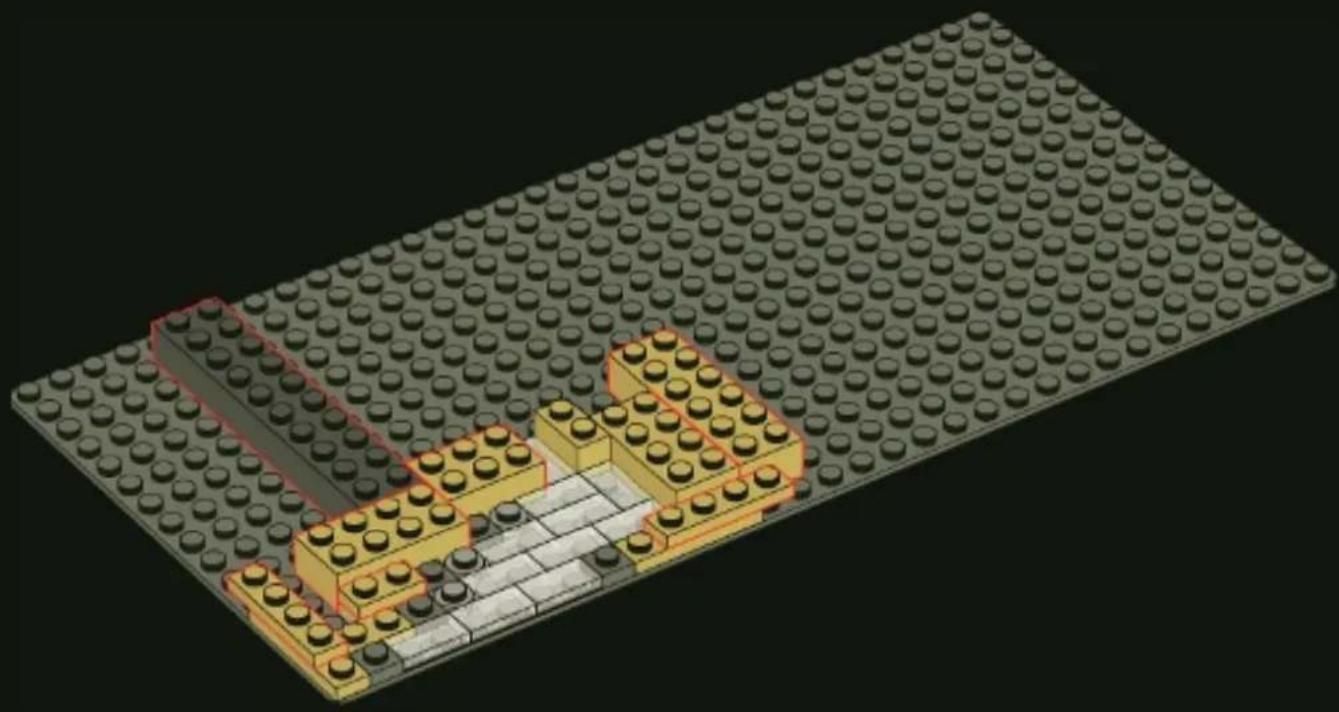

4


5


6


7

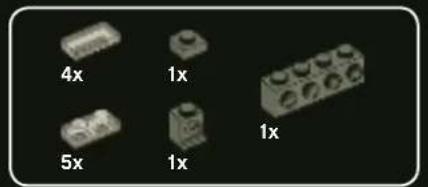
10


11


12

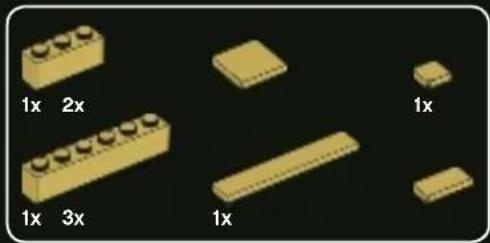
13


14

"By organic architecture I mean an architecture that develops from within outward in harmony with the conditions of its being, as distinguished from one that is applied from without."
– Frank Lloyd Wright, 1914


15
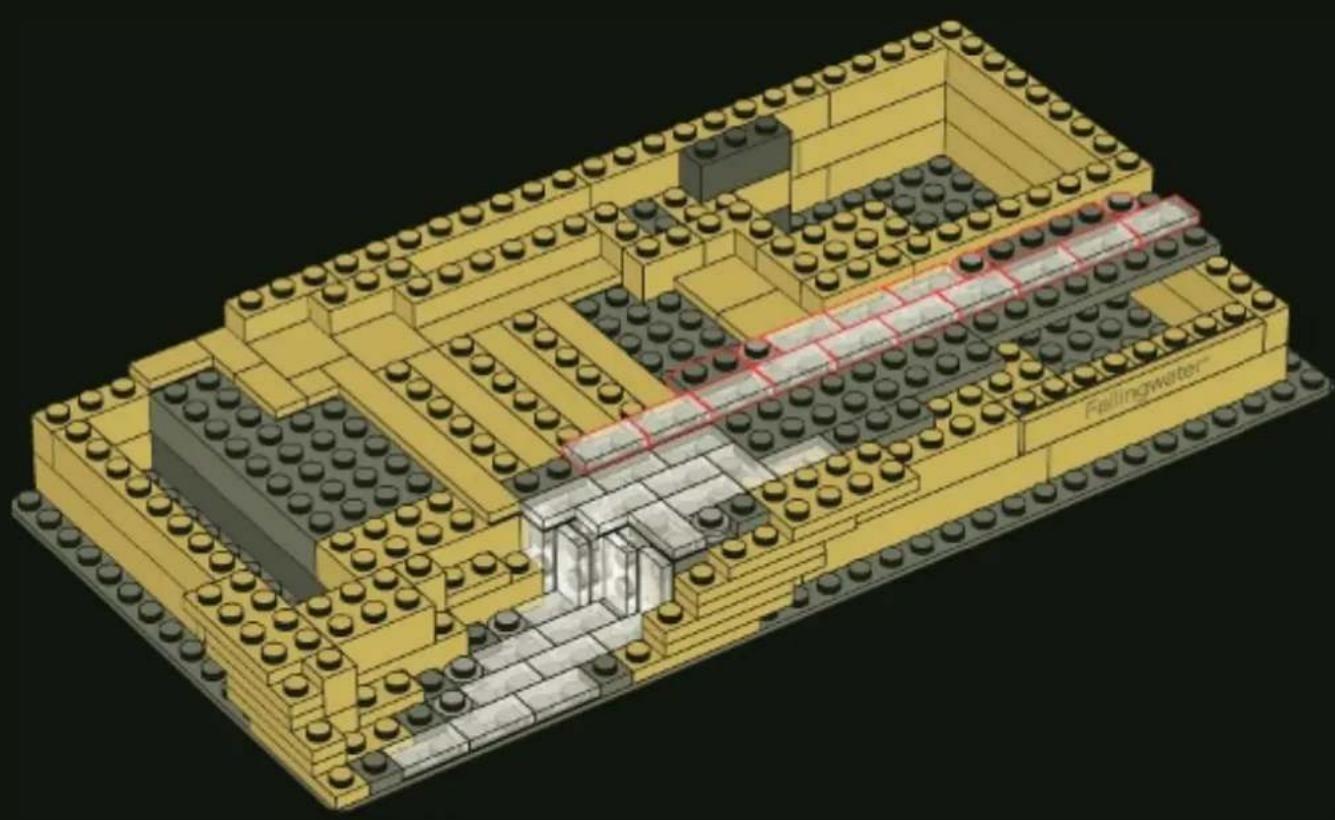

16


17


18
19

20
"Architecture is the triumph of Human imagination over materials, methods, and men to put man into possession of his own Earth."
– Frank Lloyd Wright, 1930


21


22

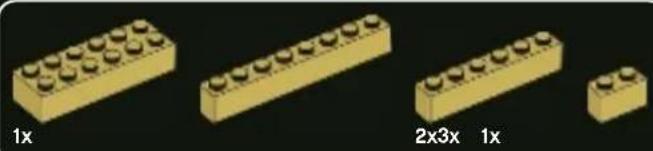
23
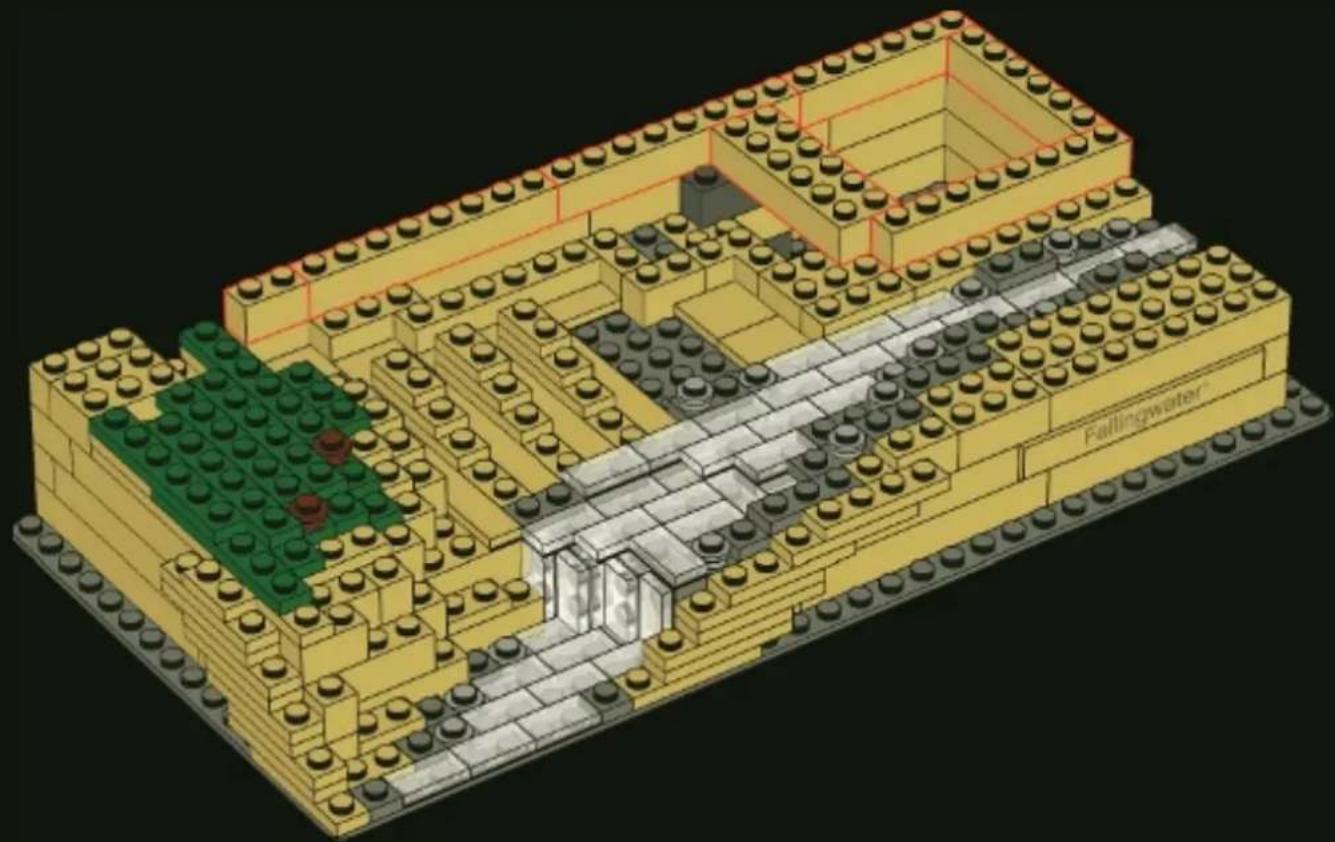
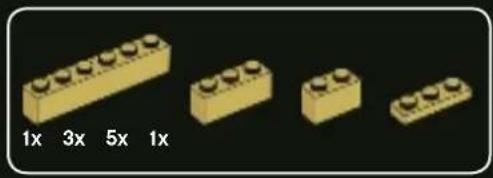
24


25


"Architecture is the scientific art of making structure express ideas."
– Frank Lloyd Wright, 1930

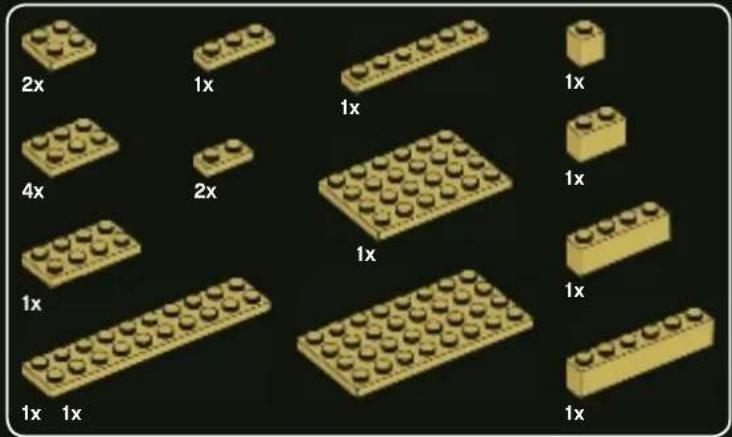
28


29


30


31

32
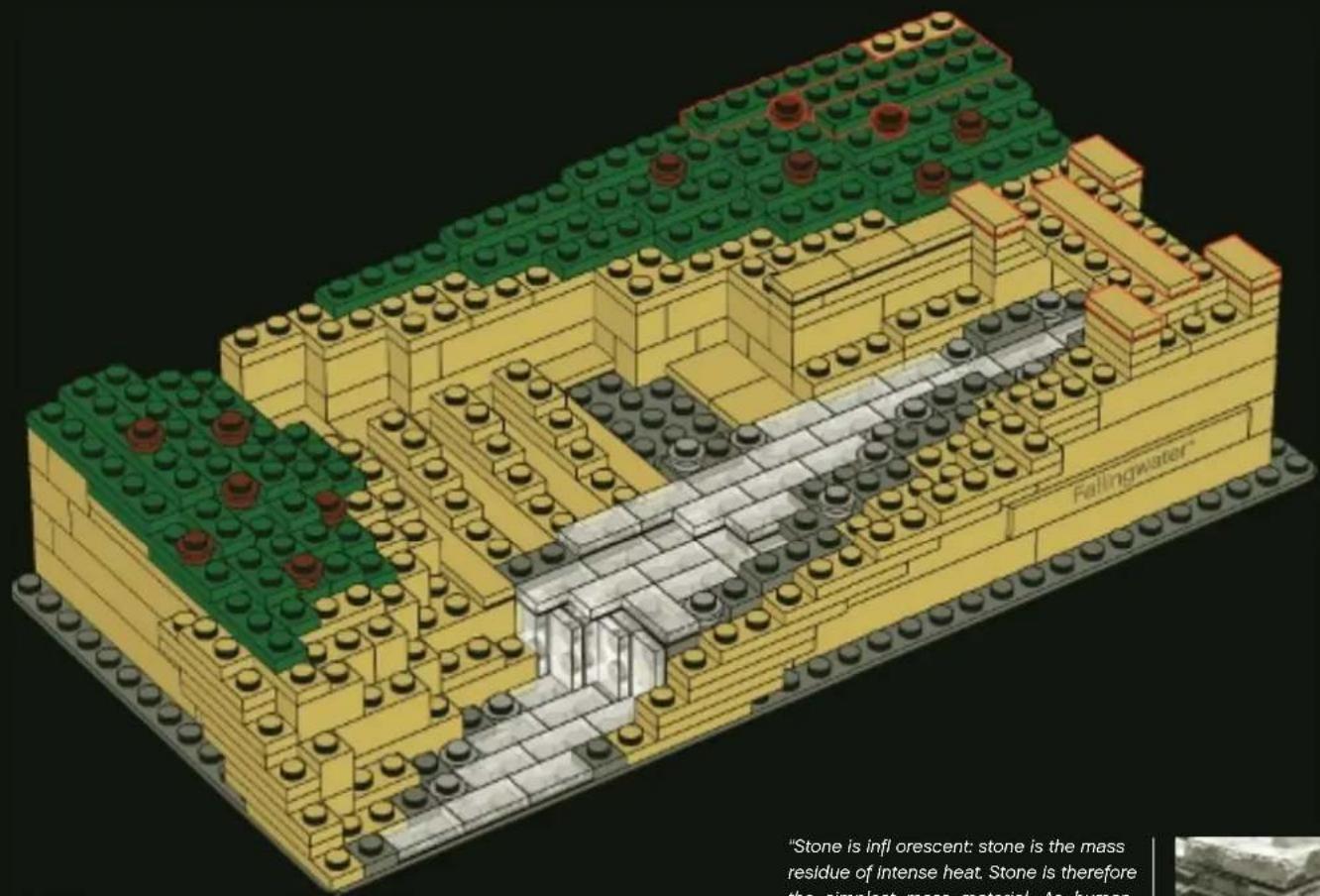
"Stone is infl orescent: stone is the mass residue of intense heat. Stone is therefore the simplest mass material. As human hands directed by the imagination begin upon it, it becomes a shapely block."
– Frank Lloyd Wright, 1937


33


1
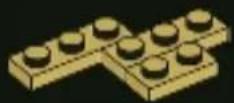

2
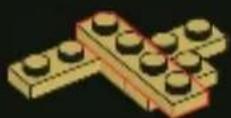

3
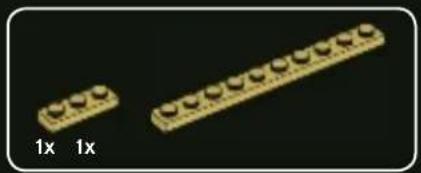
4


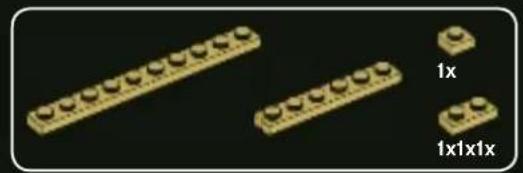
5

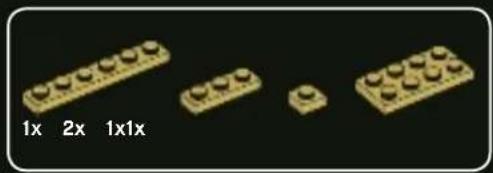
6

7


"Architecture is that great living creative spirit which from generation to generation, from age to age, proceeds, persists, creates, according to the nature of man, and his circumstances as they both change. That really is architecture."
– Frank Lloyd Wright, 1939

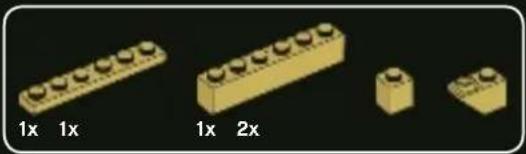
8
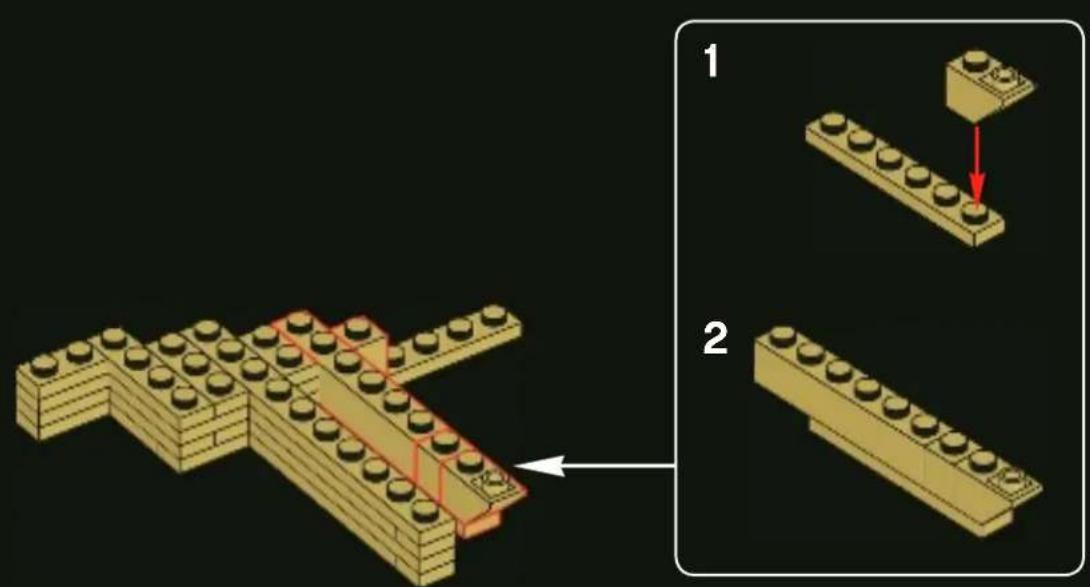
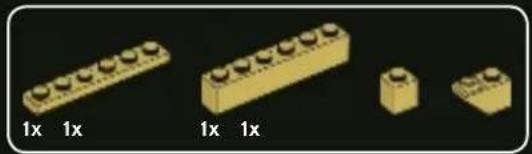
9

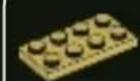
1x

1x

1x

2x

1A

2x
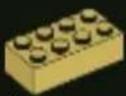
1x

1x

2x

2x

1x

1x
10
1

2

3

4

5

6


11

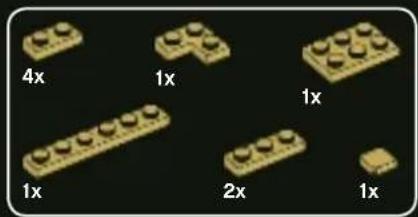
12

"I had an idea that the horizontal planes in buildings, those planes parallel to the earth, identify themselves with the ground – make the building belong to the ground. I began putting this idea to work."
– Frank Lloyd Wright, 1943


13
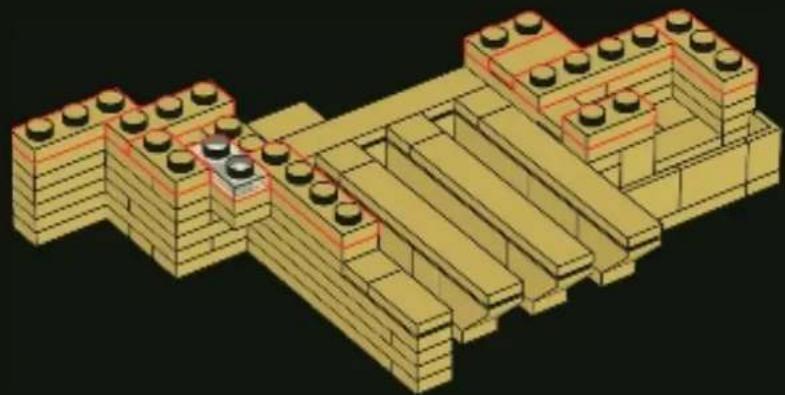

14
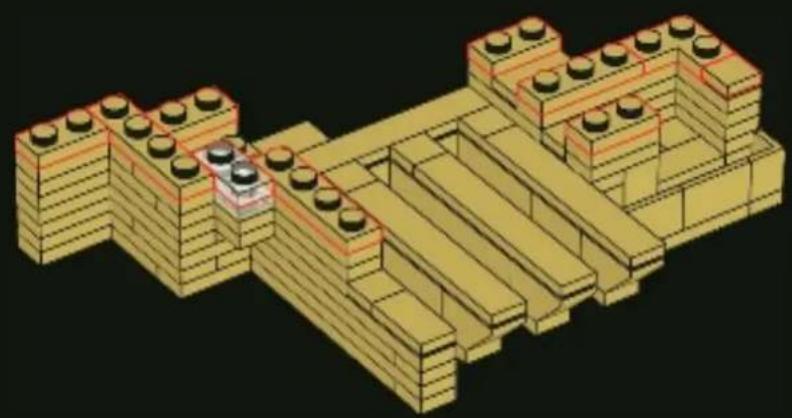

2x 3x 1x2x 1x


15
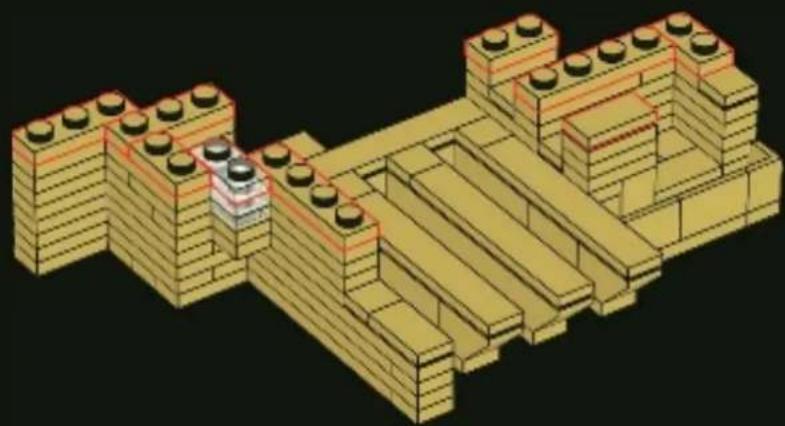

16


17

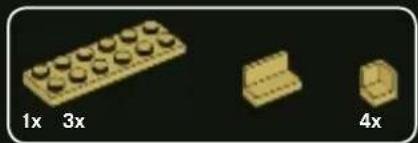
18

"In architecture, expressive changes of surface, emphasis of line & especially textures of material or imaginative pattern, may go to make facts more eloquent – forms more signifi cant."
– Frank Lloyd Wright, 1943


1x

3x

1x

1x
19
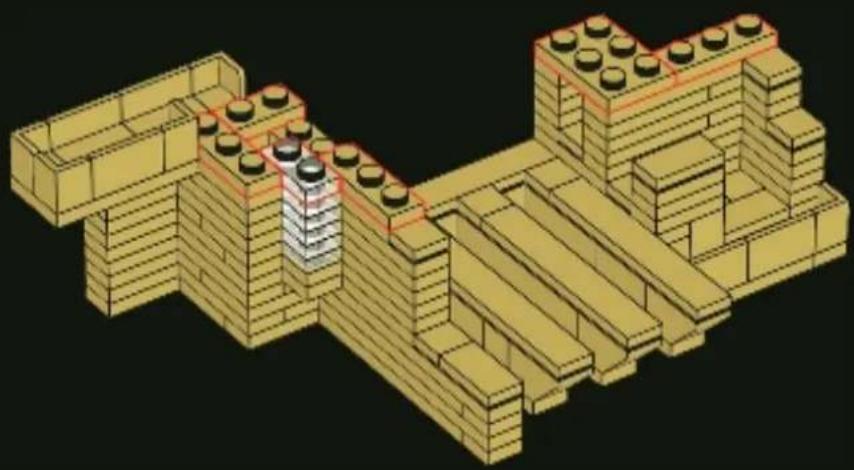

20
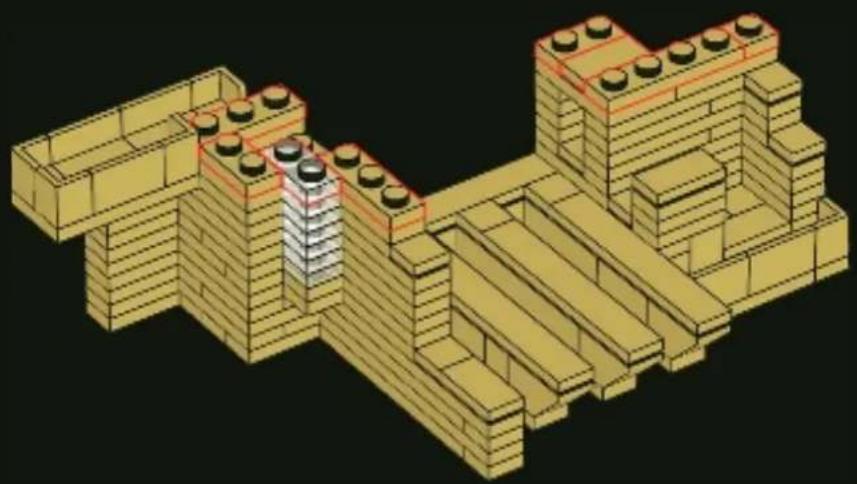

2x 1x 3x 1x

3x 1x


21


1x 3x2x 1x


22


2x 1x

3x 1x


23


1x
3x1x
2

1x 1x

∴ m = 3/11

∴ m = 3/11

∴ m = 3/11

24

"Organic architecture takes this thought from within the nature of the thing. It is a profound nature study."
– Frank Lloyd Wright, 1952


2x1x
2x 1x
25
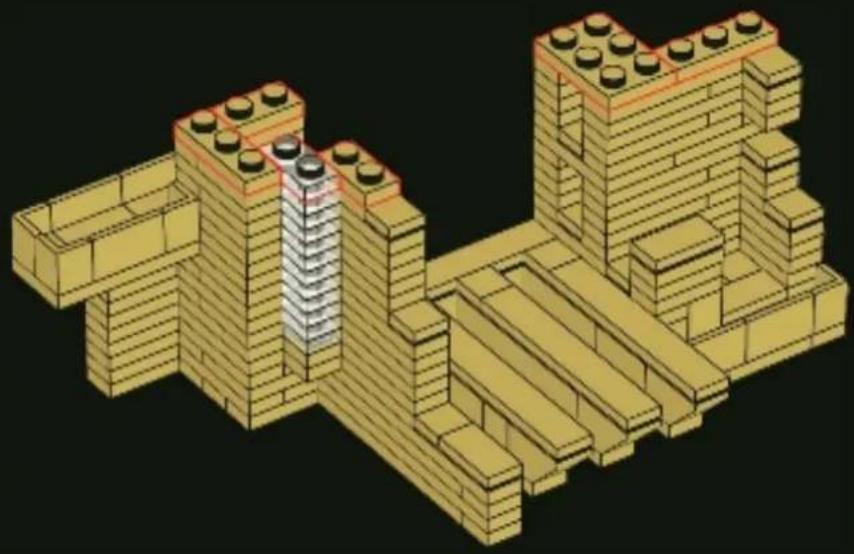

26


27


1x 4x

2x 1x


28


29


30
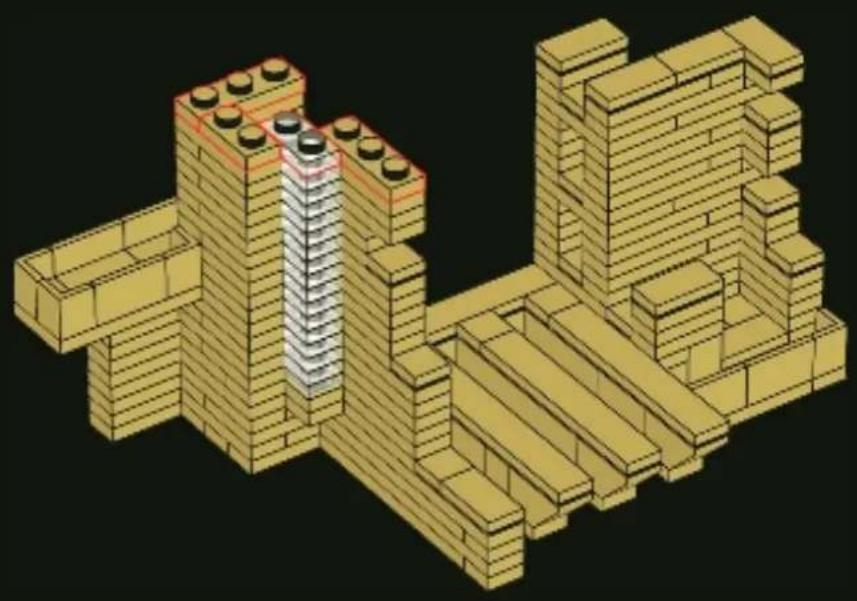
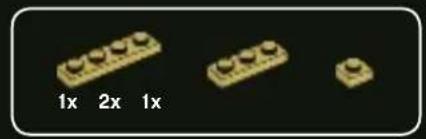
31


32
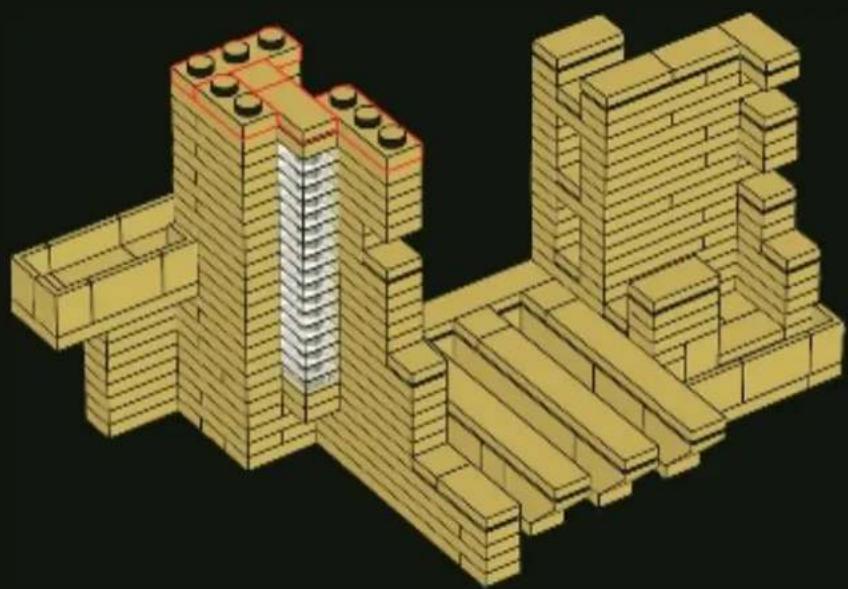

33
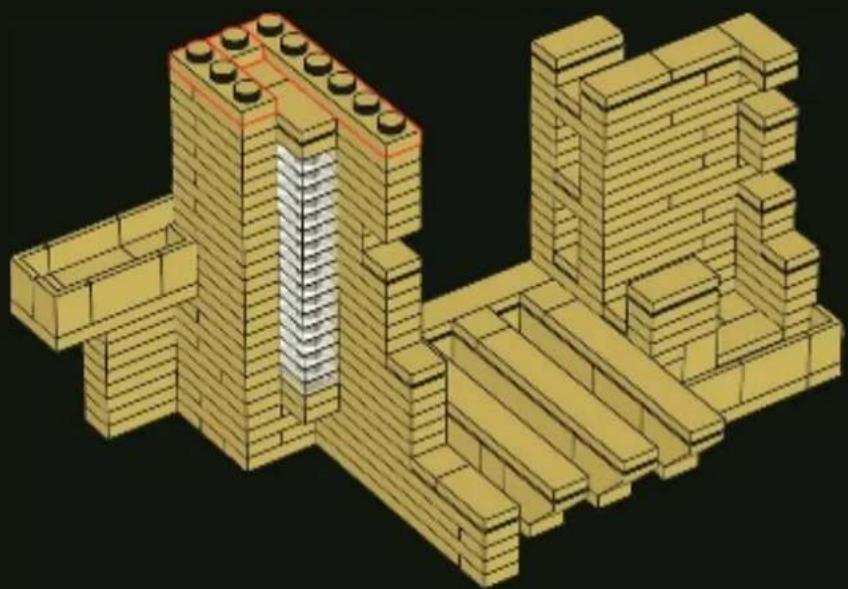

34


35


1


2

"Rhythm in a building is largely a question of the third dimension or the depth of the building. A thing is out of place when it is not in rhythm. And what is rhythm in a building? In music you listen to it, in painting you look at it, in a building you live with it."
– Frank Lloyd Wright, 1952


3


4


5

6


7

8


9


10

"I began to see a building primarily not as cave but as broad shelter in the open, related to vista; vista without vista within."
– Frank Lloyd Wright, 1954


1


2


3

4


5


6

7
8


9

10

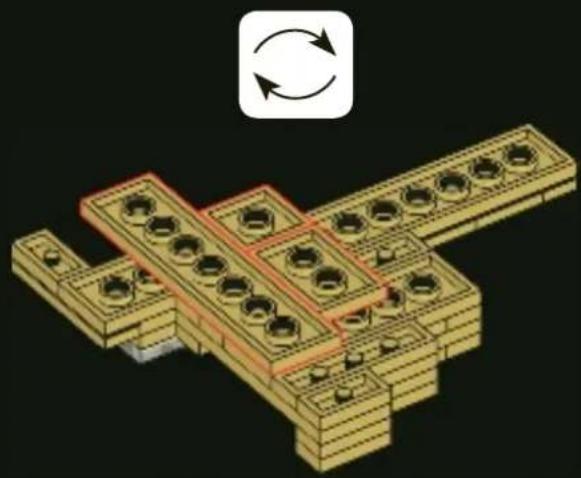

11
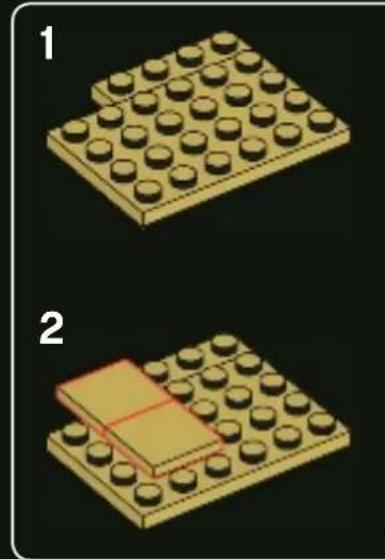



"A great architecture, a great building, must have a great concept. It must be born according to the depths of the human mind and nature."
– Frank Lloyd Wright, 1955

12

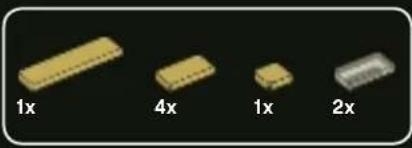
13

14
[NO TEXT]

"The cantilever is essentially steel at its most economical level of use. Construction lightened by means of cantilevered steel in tension, makes continuity a most valuable characteristic of architectural enlightenment."
– Frank Lloyd Wright, 1957

1


2


3
4

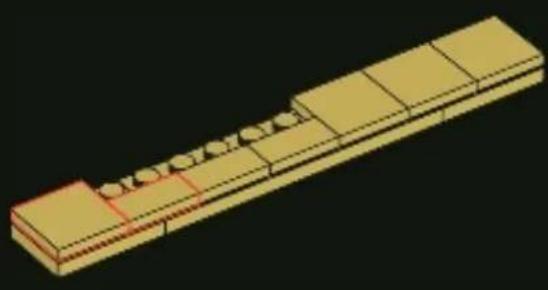

2

3


4

5


6
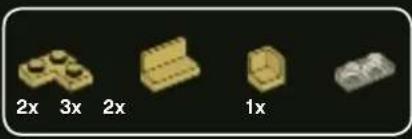
7
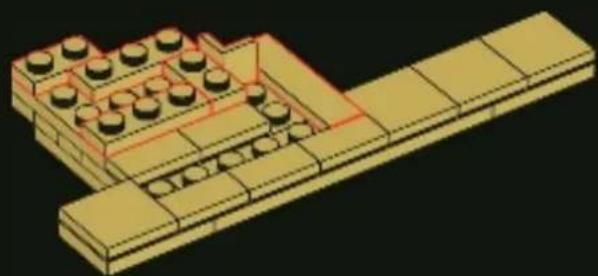


8

9


10

=



1
1

2

3
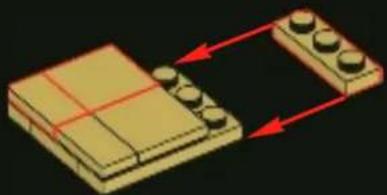
4


5
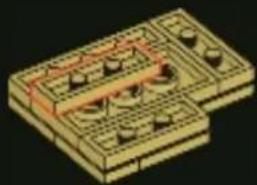
2
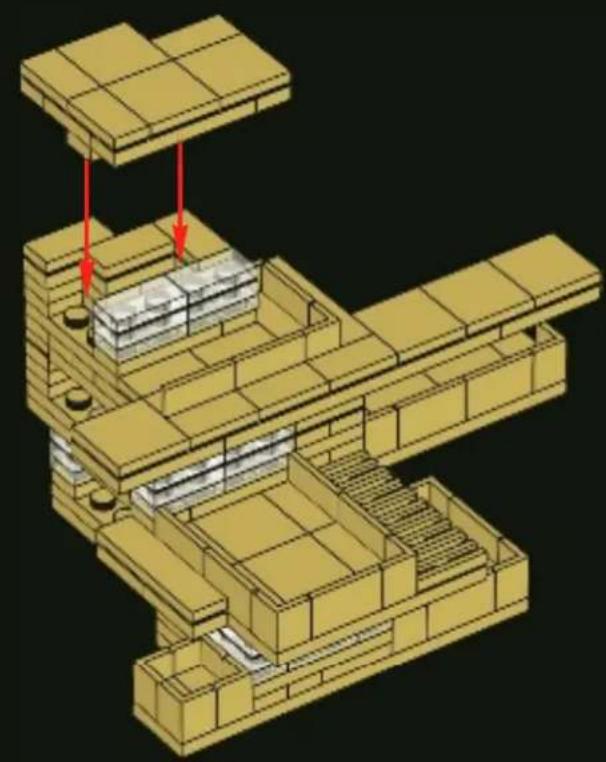
=

36
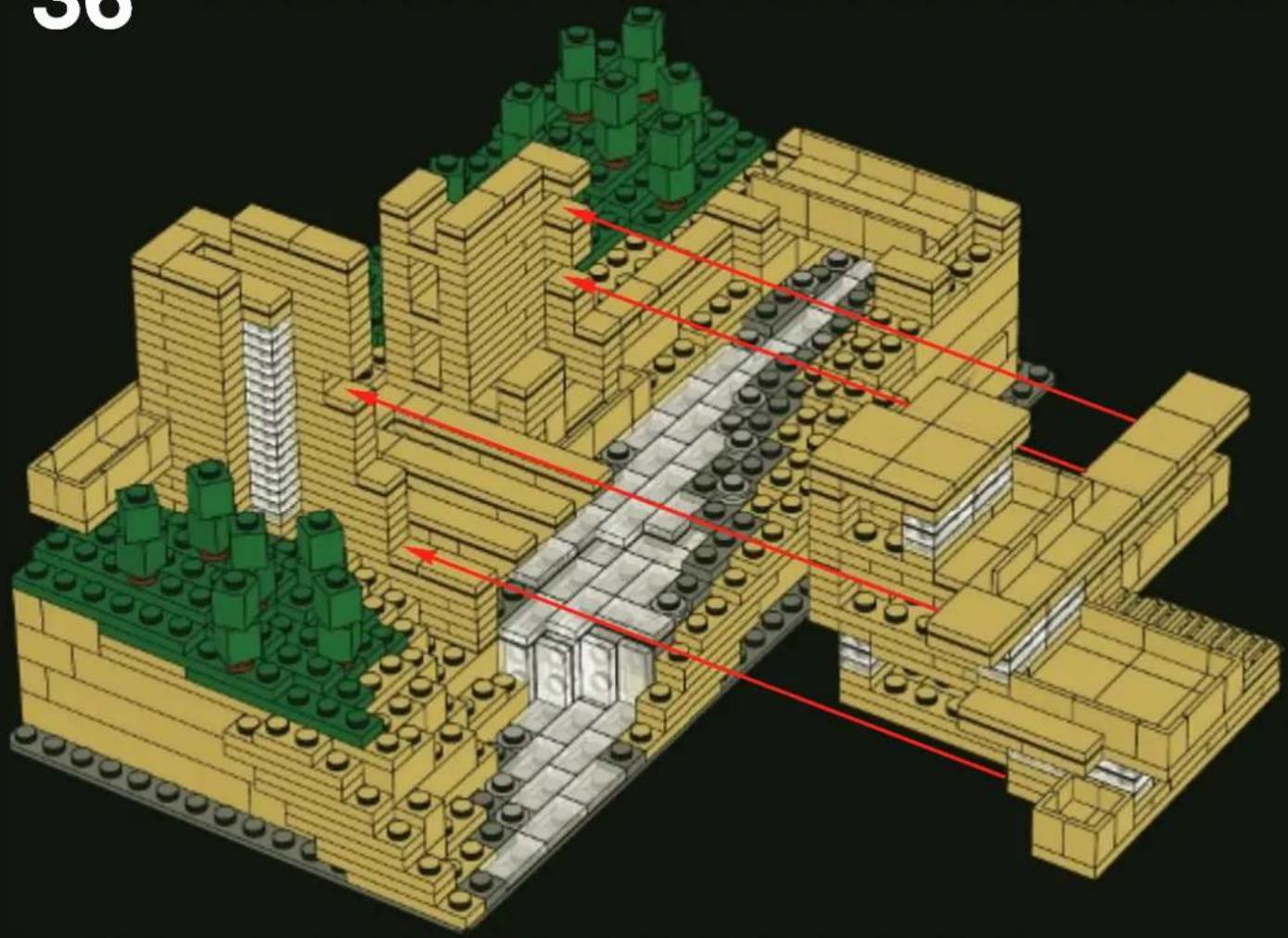
37

"Organic architecture sees the third dimension never as weight or mere thickness but always as depth. Depth an element of space; the third (or thickness) dimension transformed to a space dimension."
– Frank Lloyd Wright, 1957
A Word from the Artist
As an Architectural Artist my desire is to capture the essence of a particular architectural landmark into its pure sculptural form. I first and foremost do not view my models as literal replicas, but rather my own artistic interpretations through the use of LEGO® bricks as a medium. The LEGO brick is not initially thought of as a material typically used in creating art or used as an artist's medium. I quickly discovered the LEGO brick was lending itself as naturally to my applications as paint to a painter or metal to a blacksmith. As I explore how to capture these buildings with the basic shapes of the bricks and plates, I find the possibilities and challenges they offer almost magical.
21005 Fallingwater
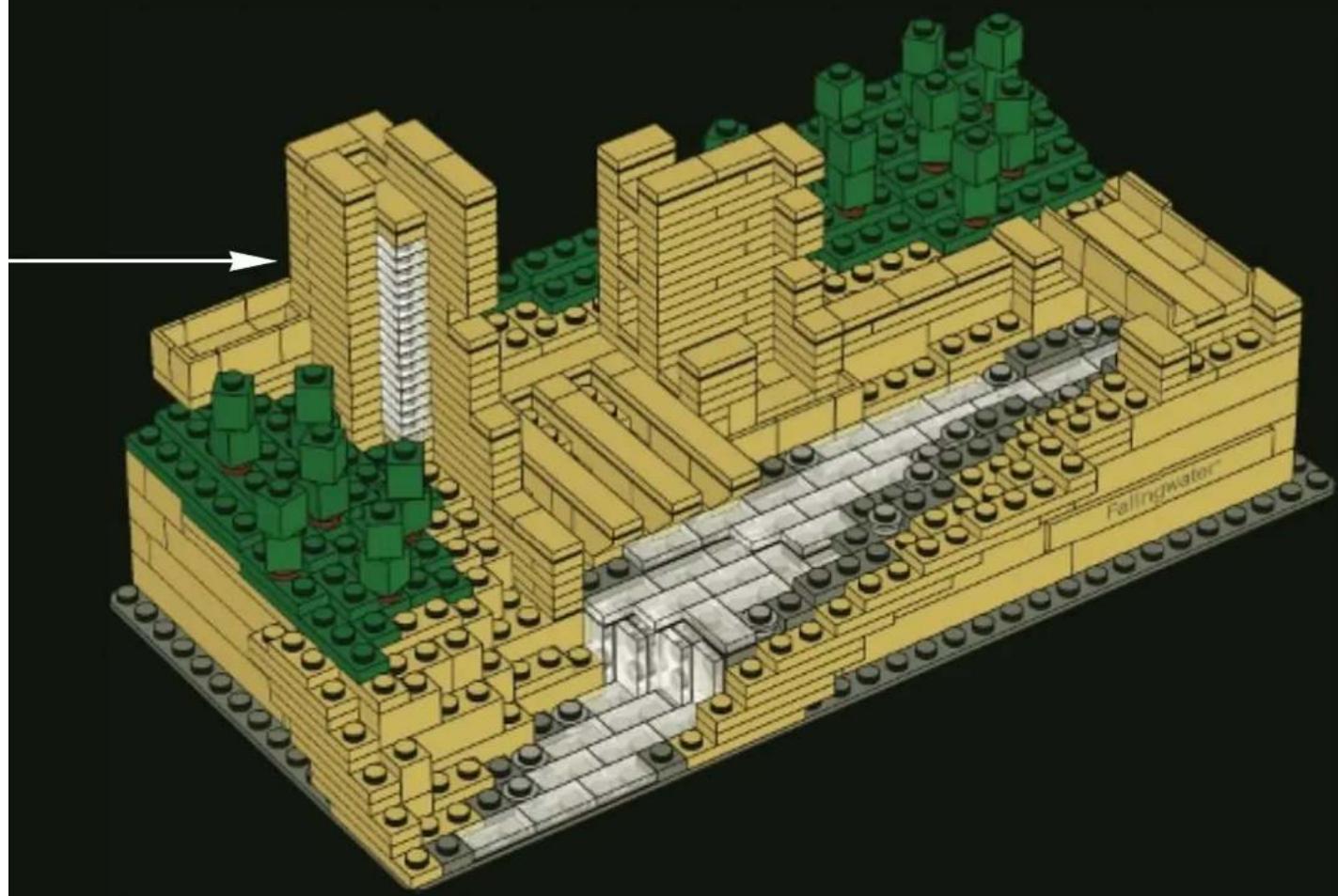
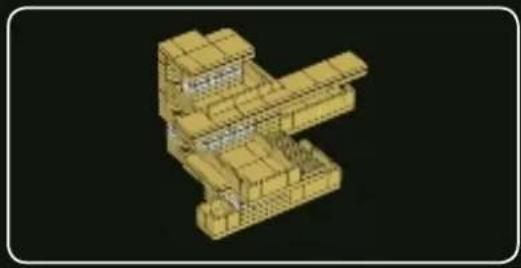
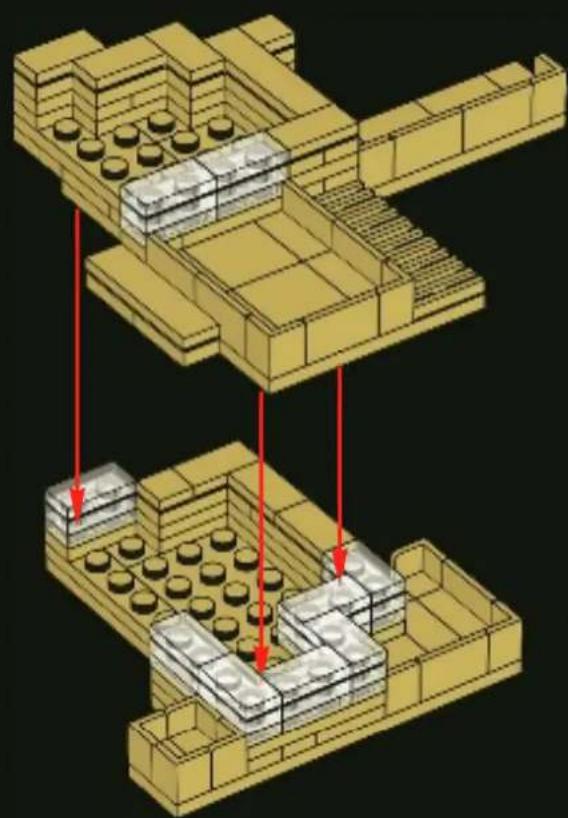
This model underwent a total of 14 design concepts as it delicately incorporates a unique “pull-apart” interactive feature. Unlike the fi rst 5 models in the LEGO Architecture series which are static by design, I wanted to explore the use of the LEGO Brick even further by expressing the dynamic nature of Fallingwater; with this in mind I was able to have sections of the model slide out. The design challenge was in fi guring out how to cleverly disguise, in an almost puzzle-like design where the model comes apart without distorting one of Mr. Wright's most recognizable achievements. Another design concern was how to carefully balance the playful nature of the river, waterfall, woods, and bridge that embrace and defi ne Fallingwater. These subtle details give Fallingwater context, without which it would not be possible to truly illustrate its beautiful, sensitive and thoughtful design.

Adam Reed Tucker
Architectural LEGO Artist
LEGO® Architecture: Bringing two worlds together
The LEGO Group and Adam Reed Tucker are excited to bring you LEGO Architecture, a new line of LEGO building sets that celebrates world-renowned architects, who continue to inspire the builders of tomorrow. Whether young and eager to learn or simply young at heart and intrigued by these modern day marvels, we hope the Architecture series inspires builders of all ages by celebrating the past, present and future of architecture through the LEGO brick. Through incredible products and exciting events, the Architecture series promotes awareness of the fascinating worlds of architecture, engineering and construction.
The launch of the LEGO Architecture series begins with a celebration of Frank Lloyd Wright, and one of the most famous buildings in the world, the Solomon R. Guggenheim Museum in New York City.
We hope to inspire future architects around the world with the LEGO brick as a medium. Enjoy this experience!


5x 4124456
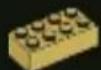
6x 4114319

1x 4544139

3x 4249019


8x 4118793

3x 4181134

1x 4590985

8x
4114084

4x 4114001

1x 4210998

9x 4113915

5x 4141533

13x 4185177

17x
4118790
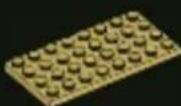
1x 4509897
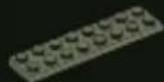
1x 4210997

13x 4109995

3x
4124455
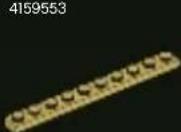
4x 4143409

10x 4114309
1x 4509897
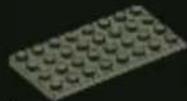
1x 4211061

9x 4162465

16x 4114077


90x 4113917

5x
4113993

3x 4159196

52x 4569297

3x

17x 4125253
90x 4113917
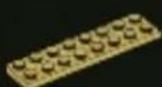
3x
4113988

18x
4568287

4167842
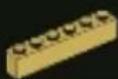
11x 4112982

54x 4114026

73x 4121921
4113988

23x 4124460
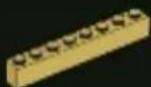
21x 4159774

3x 4550324

57x
4113233

2x
4243824

8x
4159739

9x 4157277

20x 4124067
1x 4269651

2x 300626

1x 4210725

4x 362226

2x 4211085

1x 4211044

6x 4210719

31x 4521915

7x 4211063

38x 4245566

4x 4211133

4211525

4x
4211001

14X 4216581

2x 4211056
References
The History of Fallingwater
[1] Bruce Brooks Pfeiffer, "Frank Lloyd Wright - Fallingwater," 2003, Pg. 6
[2] Bruce Brooks Pfeiffer, "Frank Lloyd Wright - Fallingwater," 2003, Pg. 10
[3] Bruce Brooks Pfeiffer, "Frank Lloyd Wright - Fallingwater," 2003, Pg. 20
[4] Paul M. Rudolph, 1970, "Global Architecture – Frank Lloyd Wright Kaufmann House, "Fallingwater," Opening Paragraph.
The Architects Thoughts about the Building
[5] Frank Lloyd Wright "In the Cause of Architecture: The Meaning of Materials – Stone."
Architectural Record, 63 (Apr. 1928), pp. 350, 356.
[6] Frank Lloyd Wright, "In the Cause of Architecture: The Meaning of Materials – Stone."
Architectural Record, 63 (Apr. 1928), pp. 350, 356.
[7] Frank Lloyd Wright, "Architectural Forum." 1938
[8] Frank Lloyd Wright, 1955 FLLW Tape Transcript No. 129, part 2, p. 11 Bruce Brooks Pfeiffer, "Frank Lloyd Wright - Fallingwater." 2003, Pg. 20.
For further information please visit: www.franklloydwright.org
The publicity rights to the name and likeness of Frank Lloyd Wright belong to the Frank Lloyd Wright Foundation, Taliesin West, Scottsdale, Arizona. Frank Lloyd Wright, the Frank Lloyd Wright signature, the Frank Lloyd Wright Collection logo, and the authorized product logo (rectangular logo box) are registered trademarks of the Frank Lloyd Wright Foundation. The drawings and designs of Frank Lloyd Wright are © copyright the Frank Lloyd Wright Foundation.
Customer Service
Kundenservice
www.lego.com/service or dial

LEGO
Architecture
This product is authorized by the Frank Lloyd Wright Foundation, Taliesin West, Scottsdale, Arizona.

LEGO and the LEGO logo are trademarks of the LEGO Group. ©2011 The LEGO Group. 4644799

www.LEGO.com




Brand : LEGO
Model : Fallingwater®
Category : Toys