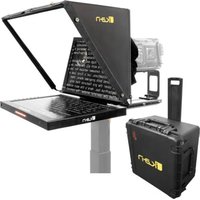
PT419W-TK - Teleprompter Ikan - Free user manual and instructions
Find the device manual for free PT419W-TK Ikan in PDF.


| Product Type | Professional 19" High-Bright Beam Splitter Teleprompter with Widescreen SDI Talent Monitor & Travel Kit |
| Brand | Ikan |
| Model | PT419W-TK |
| Monitor Size | 19 inches (widescreen) |
| Display Type | High-bright LCD with wide viewing angle |
| Video Inputs | 3G-SDI, HDMI, VGA |
| Power Input | 12-24V DC |
| Reflective Glass | 65/35 beam splitter |
| Construction | Lightweight aluminum with multiple 1/4-20" and 3/8-16" threads |
| Image Flip | Horizontal and vertical via menu-assignable button |
| Integrated Tally Light | Yes (pinout diagram provided in manual) |
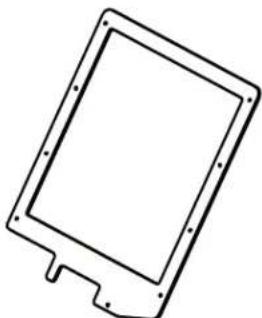
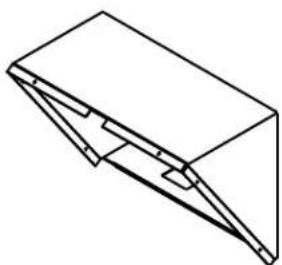
| Included Accessories | Widescreen monitor, tall riser, DSLR/mirrorless riser, short riser, sled, base, glass frame holder bracket with rod clamps, glass, hood attachment frame, glass holder hood, 15mm rod clamps, 15mm rods, large riser bracket, hex keys, screws/washers, foam case with wheels |
| Optional Accessories | PT4U-G replacement glass, M19W-V2 talent monitor add-on, PT-PEDAL foot control, PT-CONTROLLER rotary controller, PT-CASE-4U case |
| Warranty | 1 year free service for manufacturing errors |
| Support | Email: support@ikancorp.com, video tutorials at ikancorp.com |
| Assembly | Requires 15mm rods, multiple adjustment points for balance; safety note: ensure at least 2 inches of rods inside base |
| Foam Case | Reusable high-quality foam, do not discard |
Frequently Asked Questions - PT419W-TK Ikan
User questions about PT419W-TK Ikan
0 question about this device. Answer the ones you know or ask your own.
Ask a new question about this device
Download the instructions for your Teleprompter in PDF format for free! Find your manual PT419W-TK - Ikan and take your electronic device back in hand. On this page are published all the documents necessary for the use of your device. PT419W-TK by Ikan.
USER MANUAL PT419W-TK Ikan
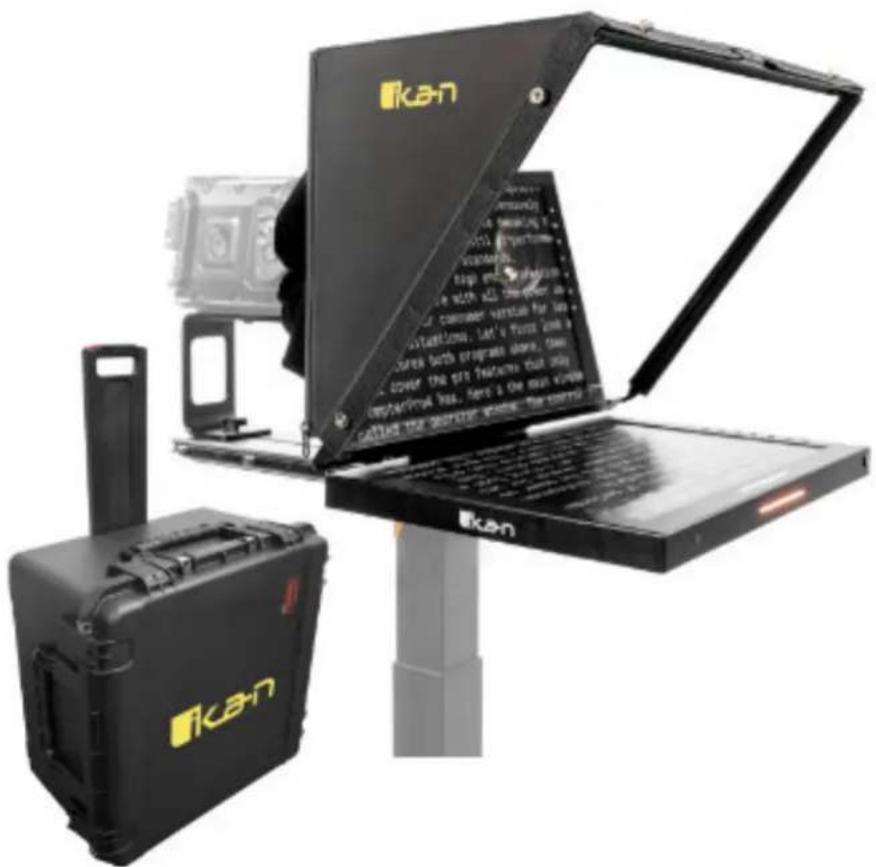
Professional 19" High-Bright Beam Splitter Teleprompter w/ Widescreen SDI Talent Monitor & Travel Kit
natural_image
Black Ikan device with a laptop and a compact case, no visible text or symbols on the device itself.OVERVIEW
Ikan's professional teleprompter series is designed for a quick and easy setup to work efficiently in studio or broadcast applications. The teleprompter includes a 65/35 reflective glass that makes the reflection easier to see for the presenter. The lightweight aluminum teleprompter has multiple 1/4-20" and 3/8-16" threads for mounting to a tripod or pedestal. The monitor includes SDI, HDMI, and VGA video inputs. Its high bright screen ensures clear visibility in any lighting condition. An intuitive image flip button allows for easy adjustment of the display orientation. The widescreen monitor also features a wide viewing angle. This teleprompter kit includes a durable hard case w/ wheels and custom cut foam.
What's Included

natural_image
Isometric line drawing of a rectangular frame with mounting holes (no text or symbols)Widescreen Monitor
natural_image
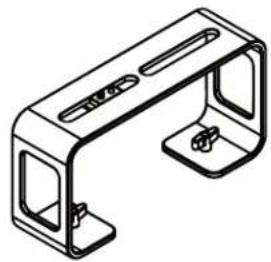
Line drawing of a metal bracket with cutouts and mounting holes (no text or symbols)Tall Riser
natural_image
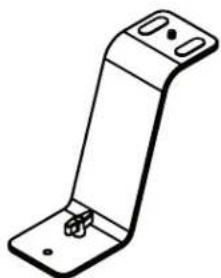
Technical line drawing of a metal bracket with mounting holes (no text or symbols)DSLR/Mirrorless Riser
natural_image
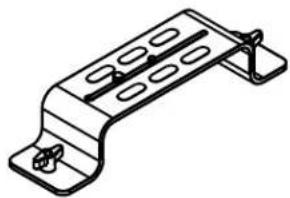
Technical line drawing of a metal plate with slots and mounting feet (no text or symbols)Short Riser
natural_image
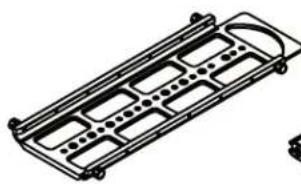
Technical line drawing of a mechanical component with slots and a curved end (no text or symbols)Sled
natural_image
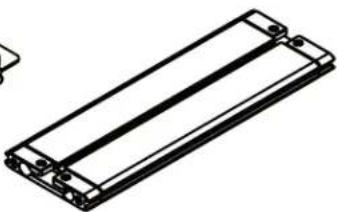
Technical line drawing of a rectangular electronic component or enclosure (no text or symbols)Base

natural_image
Technical line drawing of a mechanical component with no visible text or symbolsGlass Frame Holder Bracket w/ Rod Clamps

natural_image
Simple line drawing of a rectangular frame with vertical bars at corners (no text or symbols)Glass
natural_image
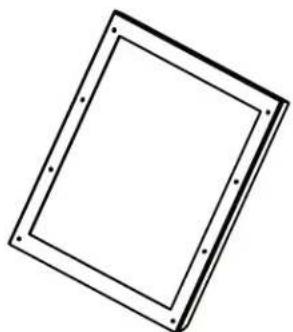
Simple line drawing of a rectangular frame with rounded corners and corner dots (no text or symbols)Hood Attachment Frame
natural_image
Simple line drawing of a rectangular electronic component with mounting holes (no text or symbols)Glass Holder Hood
natural_image
Line drawing of a mechanical bracket or clamp (no text or symbols)

natural_image
Technical line drawing of two mechanical bracket assemblies (no text or symbols)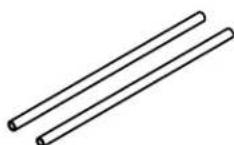
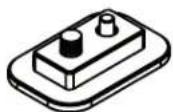
Glass Frame Screws 15mm Rod Clamps 15mm Rods Large Riser
Bracket
Teleprompter Assembly Setup
Step 1
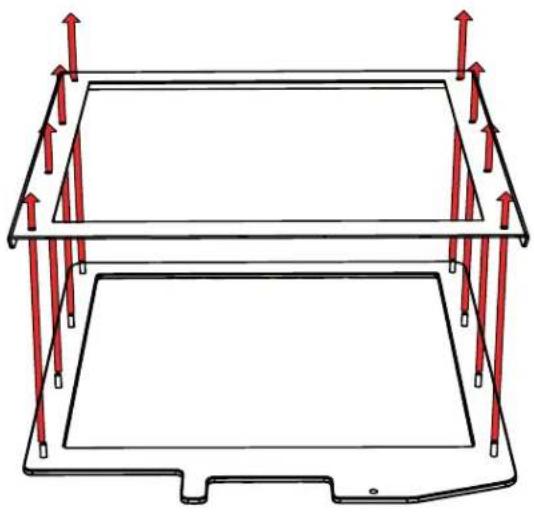
Place the Hood Attachment Frame over the Glass Holder. Then place the glass against the Glass Holder. Make sure the screws pass through the holes on the both the Hood Attachment Frame and the Glass Holder.
natural_image
Diagram of a device with red arrows indicating upward force or movement, no text or symbols presentStep 3
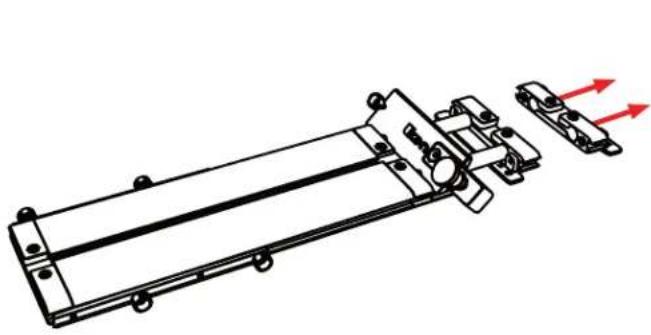
Remove the monitor mounts from the teleprompter base using the included larger 4mm hex key to loosen from the 15mm rods.
Step 2
Secure the Glass Holder by fastening the knurled nuts to the screws as pictured below.

natural_image
Pure diagram of a rectangular frame with vertical red arrows pointing downward, no text or symbols presentStep 4
Put the washers on before tightening the screws. The washers and 4 additional screws are inside a bag on the bottom foam.
natural_image
Technical line drawing of a mechanical assembly with two components and directional arrows indicating motion (no text or symbols)
natural_image
Technical line drawing of a device chassis with mounting brackets and red vertical pins (no text or symbols)Step 5
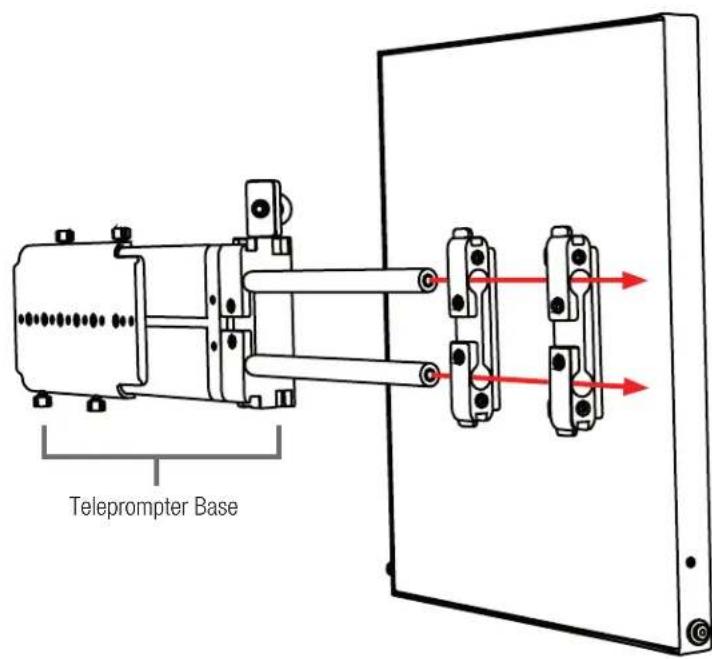
After the monitor mounts are attached, adjust the 15mm rods to accommodate the monitor. Leave about 1 inch of room for the teleprompter bracket. Make sure the 15mm rods go through both set of monitor mounts. Please ensure that all screws are properly tightened after inserting the monitor. *SAFETY NOTE* Make sure to leave at least 2 inches of the rods inside the teleprompter base.
Step 6
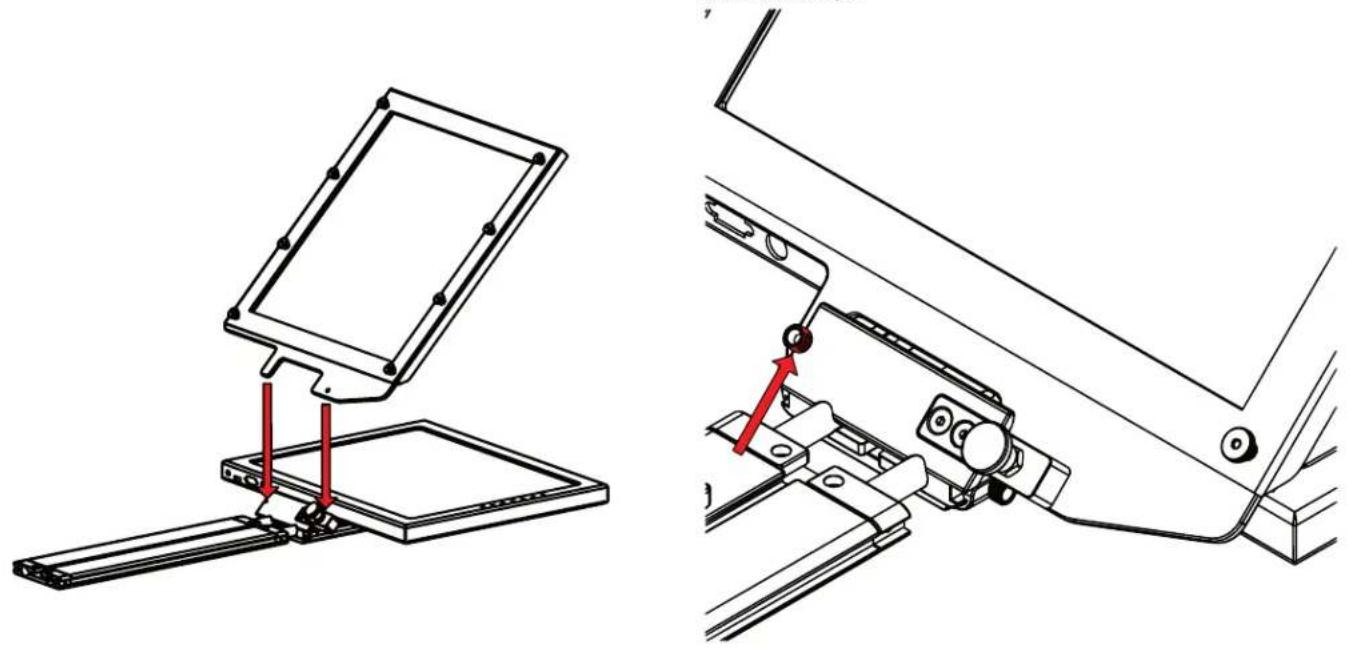
While sliding the teleprompter bracket into the slot of the Glass Frame Holder Bracket, pull on the red knob to allow the bracket to fully slide in.
natural_image
Technical line drawing showing two mechanical assembly steps: one with a flat panel and red arrows indicating movement, the other with a bracket and red arrow indicating force or adjustment (no text or symbols)Step 7
Once the bracket is in place, tighten the side screw to lock in place. Double check and make sure all the screws are tightened with the included hex keys.
Step 8
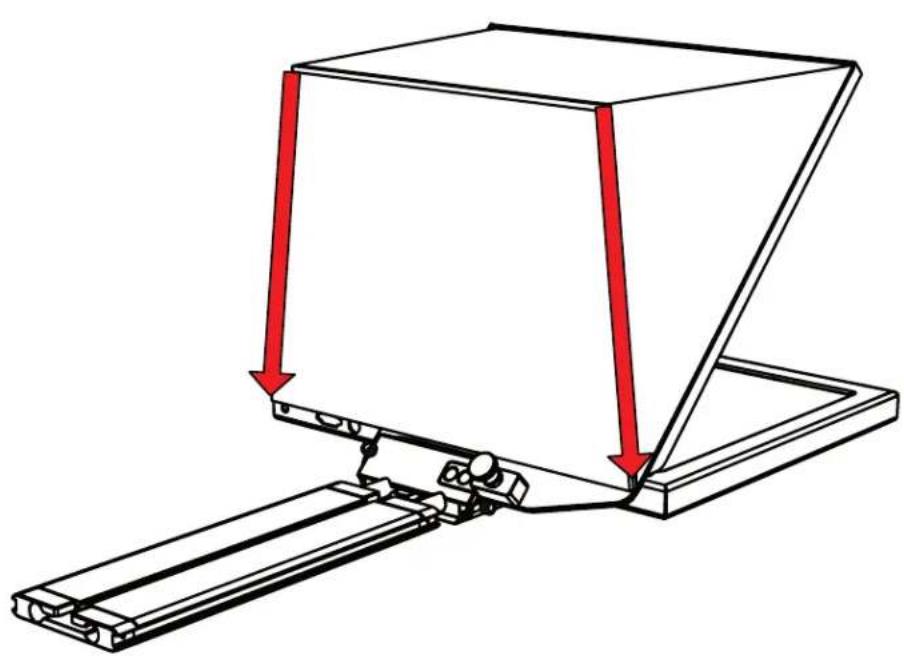
Fold the flaps of the Hood alongside the edges of the Hood Attachment Frame. The flaps of the Hood are magnetic so they will automatically attach.

natural_image
Technical line drawing of a mechanical assembly with red arrows indicating motion or force directions (no text or symbols present)Step 9
To prevent light from leaking through the hood, seal both zippers down.
natural_image
Diagram of a mechanical device with red arrows indicating assembly or force direction (no text or symbols present)Step 10
Fold the flaps of the Hood alongside the edges of the Hood Attachment Frame. The flaps of the Hood are magnetic so they will automatically attach.

Step 11
To prevent light from leaking through the hood, seal both zippers down.
natural_image
Technical line drawing of a mechanical assembly with no visible text or symbolsStep 14
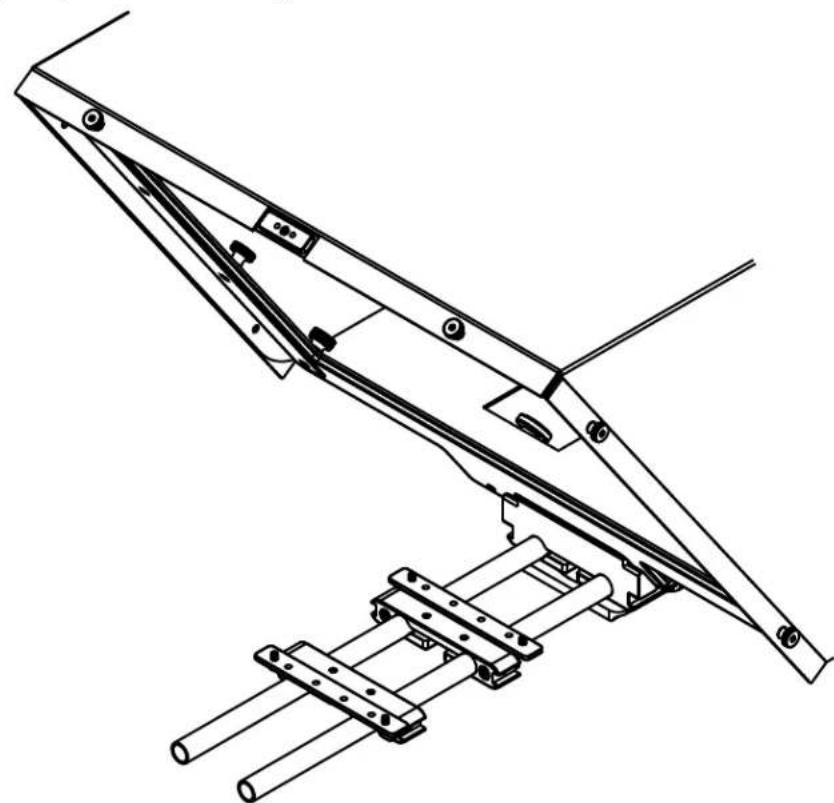
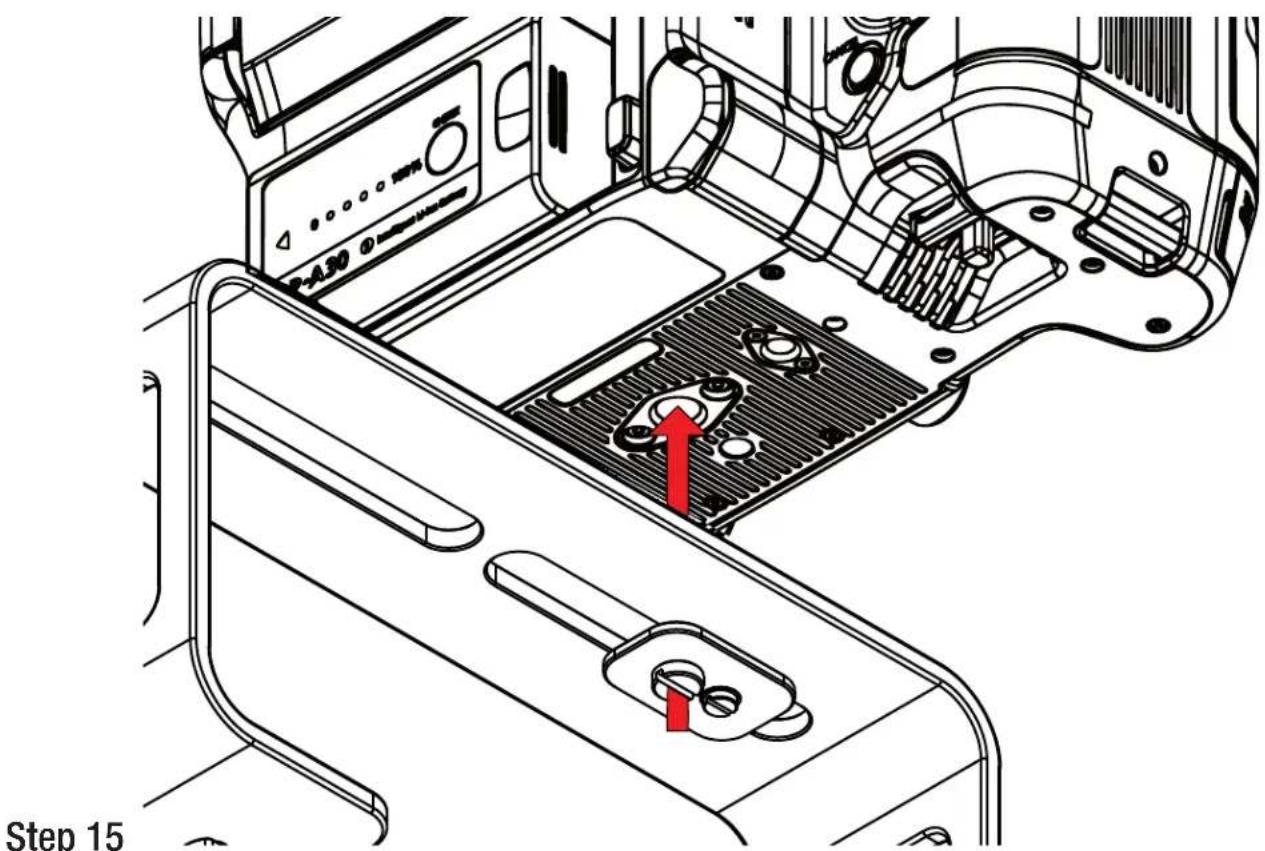
Place the riser below your camera and fasten the 1/4-20 camera screw to the bottom of your camera to secure it to the riser plate.
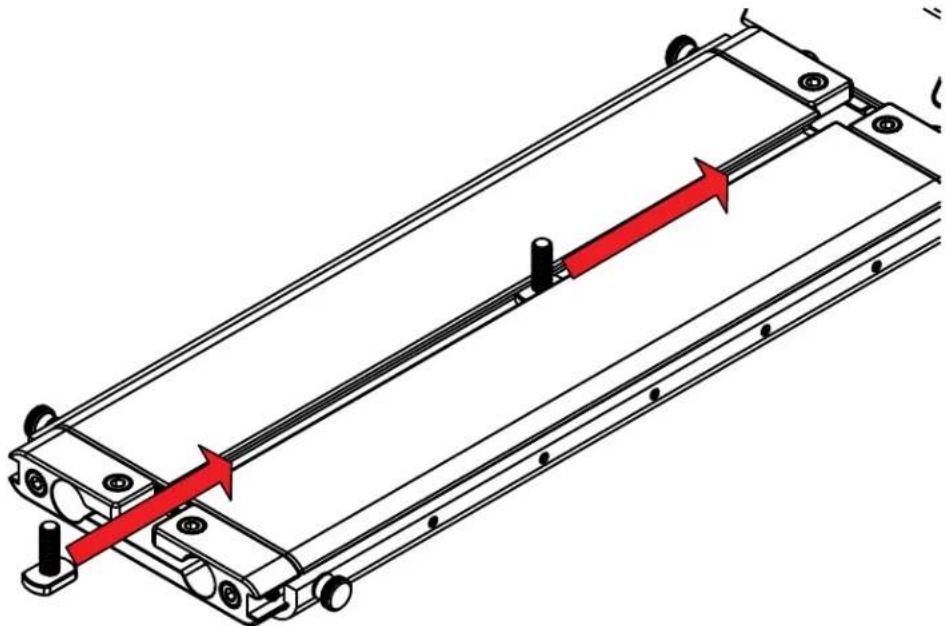
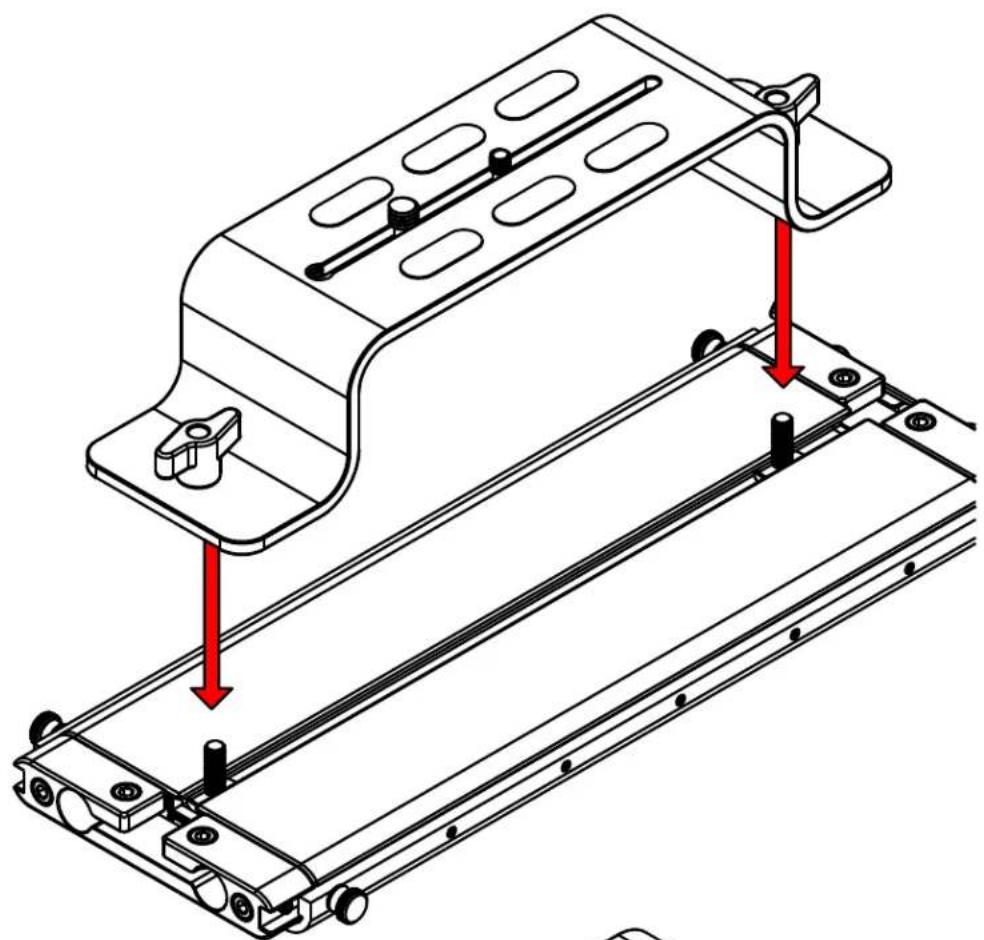
Slide the threaded studs into the channel of the base. Make sure they are aligned to the spacing of the holes on the riser plate.
natural_image
Mechanical assembly diagram showing a linear guide rail with red directional arrows indicating motion (no text or symbols)Step 12
If you need to use the Tall Riser Plate, you will need to use the Large Riser Bracket. Insert the Large Riser Bracket through the channel on the Tall Riser Plate The Large Riser Bracket includes a location pin for use with cameras that feature a location pin hole. If your camera does not feature a location pin, you can remove the location pin by unscrewing it.

natural_image
Technical line drawing of a mechanical component with a red arrow indicating direction (no text or symbols)Step 13
Once the Large Riser Bracket is inserted into the channel. Hold it in place and move on to Step 14.

natural_image
Technical line drawing of a mechanical component with a handle and mounting bracket (no text or symbols)Step 16
Once the threaded studs are aligned to the holes of the riser plate, put the threaded studs through the holes of the riser plate.
natural_image
Technical line drawing of a mechanical assembly with red arrows indicating assembly steps (no text or symbols present)Step 17
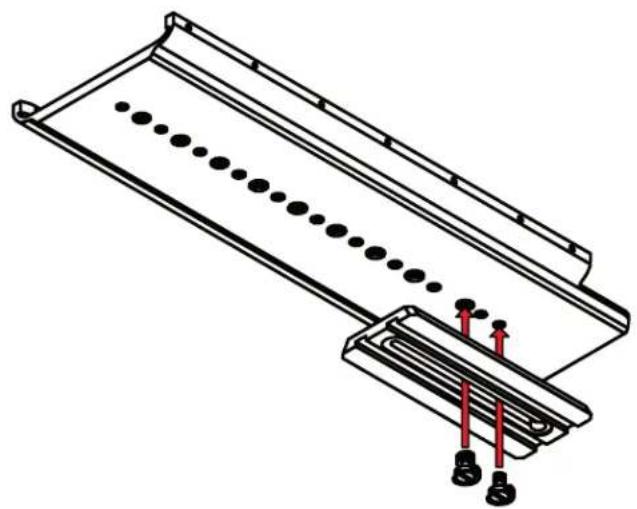
Fasten the screws to the threaded studs to secure the riser plate to the base.

Step 18
Mount your own tripod plate to the bottom plate by aligning the 1/4-20 and/or 3/8-16 screws and fastening them to the Sled. It is recommended that you connect your tripod plate to front of the Sled so that you can balance your teleprompter easier. Once your tripod plate is connected to the Sled, mount the tripod plate to your tripod head.
natural_image
Technical line drawing of a mechanical component with dotted lines and red arrows indicating motion or force (no text or symbols)
natural_image
Technical line drawing of a mechanical component with multiple slots and a central slot (no text or symbols)Step 19
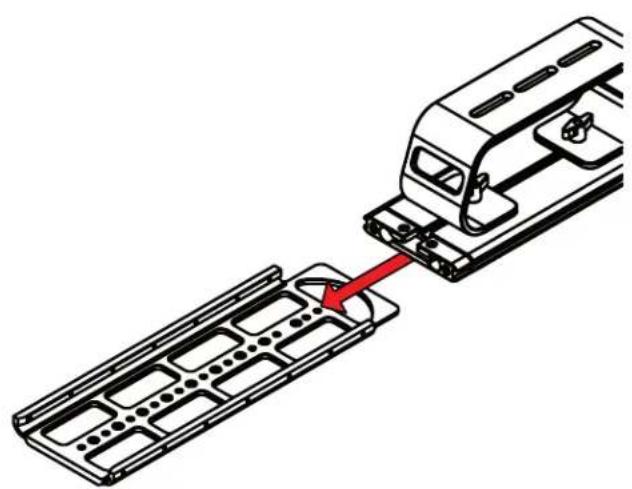
Slide the entire teleprompter system into the Sled. Once the teleprompter system is inserted, you can balance it by sliding it along the Sled until the center of gravity is determined.
Step 20
Once the center of gravity has been determined, tighten the thumb screws to keep the base from sliding.
natural_image
Mechanical assembly diagram showing a component being inserted into a grid-like structure with a red arrow indicating direction (no text or symbols present)
natural_image
Technical diagram of a vehicle chassis with red directional arrows indicating movement or force (no text or symbols present)Step 21
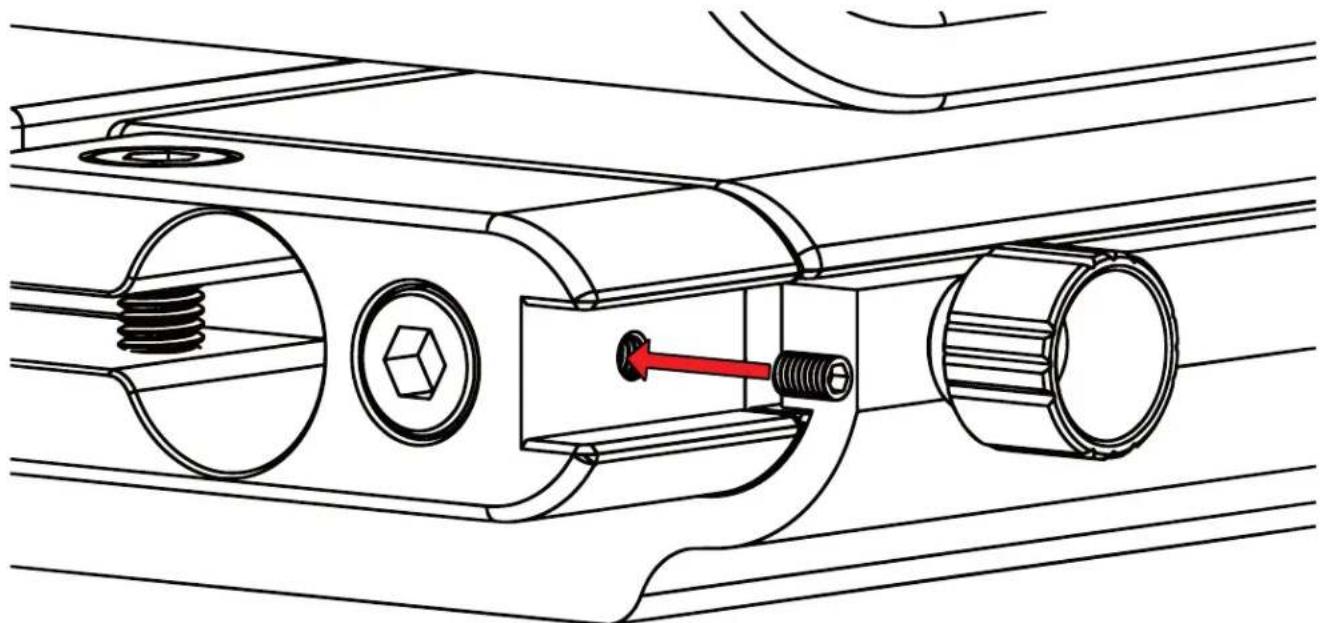
To secure your teleprompter system, insert the included headless screws into the threads behind and in front of the Base.
natural_image
Technical line drawing of a mechanical assembly with springs and shafts (no text or symbols)Step 22
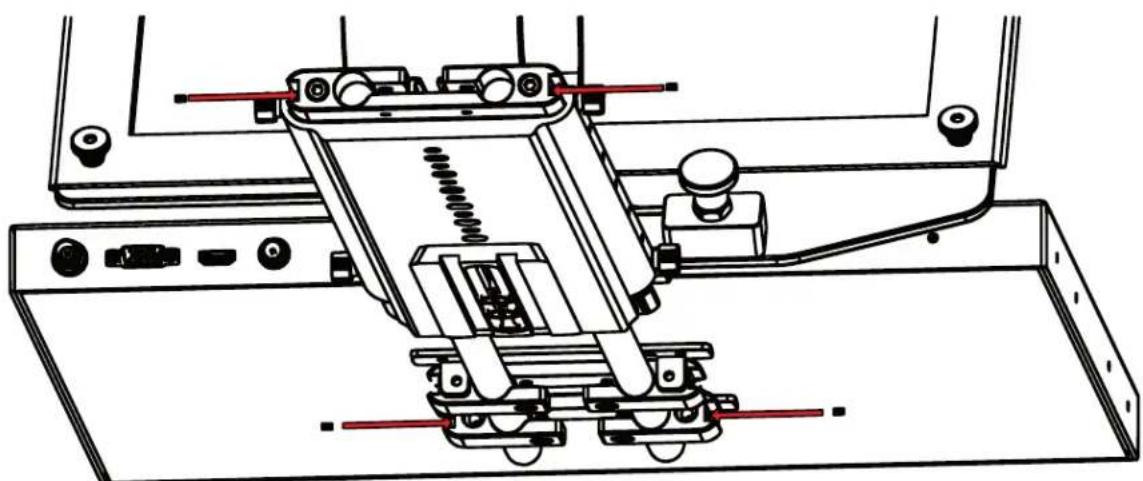
The headless screws should be inserted to the threads as pictured below.
natural_image
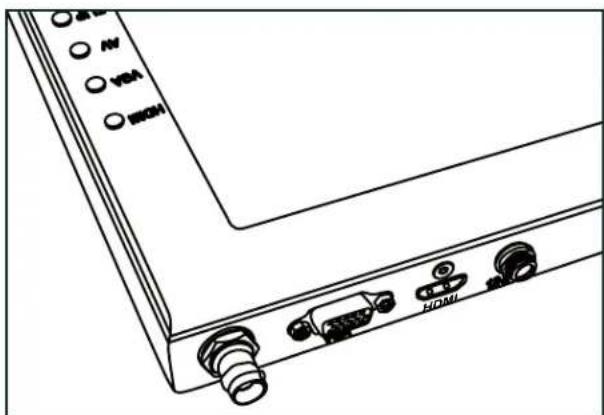
Technical line drawing of a mechanical assembly with no visible text or symbolsMonitor Ports
natural_image
Line drawing of a computer monitor rear panel with ports labeled (no text or symbols beyond labels)BNC - 3G-SDI Connection
VGA – Video Graphics Array DE15 Connection
HDMI – High-Definition Multimedia Interface Input Connection
Power Port - 12-24v Input

natural_image
Line drawing of a flat-screen monitor with control buttons (no text or symbols on the screen)HDMI – Switch HDMI input
VGA – Switch to VGA input
SDI – Switch to composite BNC SDI input
Flip - Toggle image flip
(Can be set to horizontal, vertical, or both via menu)
Up Arrow – Toggle up to adjust setting
Menu – Access to monitor settings
Down Arrow – Toggle down to adjust setting
Monitor Menu Settings
Video Config
Contrast (White Level)
Brightness (Black Level)
Tint (Chroma Hue)
Chroma (Chroma Saturation)
Sharpness (Detail)
RGB Setup – Manually configure RGB
Return
System Config
Menu Duration – Set duration of how long menu stays on screen
Video Ratio – Set screen aspect ratio 16:9 or 4:3 (4:3 is native resolution, 16:9 will create black bars)
Flip-H – Assign toggle button to flip image horizontally
Flip-V – Assign toggle button to flip image vertically
Reset – Factory reset
Return
PC Setup (Only available for VGA)
H-Position – Adjust horizontal position
V-Position – Adjust vertical position
Auto - Monitor automatically adjust position
Return
Exit
How to set-up FLIP button feature:
- Press MENU button
- Navigate to SYSTEM CONFIG.
- Navigate to FLIP-V or FLIP-H
- Change FLIP-V and/or FLIP-H to "ON"
- Exit MENU
- The FLIP button should now be activated and can be pressed to mirror the image Horizontally or Vertically
- When FLIP-H is ON, the image will flip Horizontally
- When FLIP-V is ON, the image will flip Vertically
- If both are ON, the FLIP button will toggle both Horizontal and Vertical flip
Pinout Diagram for Tally Light
Tally Pin Layout Diagram

Learn More
More dynamic information at official website :www.ikancorp.com
Support
Contact email: support@ikancorp.com
Watch our VIDEO TUTORIAL on how to assemble PT419W Teleprompters:
https://ikancorp.com/pt419-tutorial-videos/

Optional Accessories
PT4U-G Replacement Glass for PT419
M19W-V2 19" Talent Monitor Add On Kit for PT419
PT-PEDAL Teleprompter Foot Control Pedal
PT-CONTROLLER Teleprompter Rotary Controller
Foam Case
To make your teleprompter more portable, we packed it in a reusable, high-quality foam. The shape and size of the foam was designed to fit into Ikan's PT-CASE-4U

natural_image
Stacked cardboard and black plastic medical or testing equipment boxes, no visible text or symbols**DO NOT THROW AWAY FOAM CASE**
Learn More
More dynamic information at official website: www.ikancorp.com
Support
Contact email: support@ikancorp.com
CONDITIONS OF WARRANTY SERVICE
- Free service for one year from the day of purchase if the problem is caused by manufacturing errors.
- The components and maintenance service fee will be charged if the warranty period is expired.
Free Service will not be Provided in the Following Situations:(*Even if the product is still within the warranty period.)
- Damage caused by abuse or misuse, dismantling, or changes to the product not made by the company.
- Damage caused by natural disaster, abnormal voltage, and environmental factors, etc.
©2024 Ikan International. All rights reserved.


- OVERVIEW
- What's Included
- Teleprompter Assembly Setup
- Step 1
- Step 3
- Step 2
- Step 4
- Step 5
- Step 6
- Step 7
- Step 8
- Step 9
- Step 10
- Step 11
- Step 14
- Step 12
- Step 13
- Step 16
- Step 17
- Step 18
- Step 19
- Step 20
- Step 21
- Step 22
- Monitor Ports
- Monitor Menu Settings
- How to set-up FLIP button feature:
- Pinout Diagram for Tally Light
- Learn More
- Support
- Optional Accessories
- Foam Case
- CONDITIONS OF WARRANTY SERVICE
Brand : Ikan
Model : PT419W-TK
Category : Teleprompter