KAMSBSF573B - Refrigerator Kogan - Free user manual and instructions
Find the device manual for free KAMSBSF573B Kogan in PDF.


| Product Type | Side-by-Side Refrigerator with Ice & Water Dispenser |
| Model | KAMSBSF573B |
| Total Capacity | 573 L |
| Refrigerator Compartment Capacity | Not specified (approx. 350 L) |
| Freezer Compartment Capacity | Not specified (approx. 220 L) |
| Refrigerator Temperature Range | 2 to 8°C (adjustable in 1°C increments) |
| Freezer Temperature Range | -16 to -24°C (adjustable in 1°C increments) |
| Ice Maker | Built-in, automatic (Ice ON/OFF, cubes & crushed) |
| Water Dispenser | Built-in, cold water |
| Display Type | Digital display with touch controls |
| Control Panel Lock | Yes (press and hold 3 seconds) |
| Quick Cool / Quick Freeze | Yes (Quick REF and Quick FRZ modes) |
| Vacation Mode | Yes |
| Door Open Alarm | Yes (buzzer after 2 minutes) |
| Water Filter | Internal filter with replacement indicator (blinks after 150 days, resets at 180 days) |
| Defrost | Automatic (air-cooled) |
| Leveling Feet | Yes (adjustable) |
| Water Pressure Required | 147-834 kPa (1.5-8.5 kgf/cm²) |
| Shelves | Adjustable glass shelves |
| Door Bins | Adjustable door trays |
| Material | Stainless Steel or Black Stainless Steel |
| Power Supply | 220-240 V, 50 Hz (typical, not explicitly stated) |
| Energy Rating | Not specified |
Frequently Asked Questions - KAMSBSF573B Kogan
User questions about KAMSBSF573B Kogan
0 question about this device. Answer the ones you know or ask your own.
Ask a new question about this device
Download the instructions for your Refrigerator in PDF format for free! Find your manual KAMSBSF573B - Kogan and take your electronic device back in hand. On this page are published all the documents necessary for the use of your device. KAMSBSF573B by Kogan.
USER MANUAL KAMSBSF573B Kogan
natural_image
Exterior view of a modern stainless steel refrigerator with dual doors and a digital display (no visible text or symbols)573L SIDE BY SIDE FRIDGE WITH ICE & WATER DISPENSER
(STAINLESS STEEL / BLACK STAINLESS STEEL)
KAMSBSF573A & KAMSBSF573B
Warning: Risk of fire/flammable materials
- This appliance is intended to be used in household and similar applications such as staff kitchen areas in shops, offices and other working environments; farm houses and by clients in hotels, motels and other residential type environments; bed and breakfast type environments; catering and similar non-retail applications.
- Do not attempt to repair this product yourself. If the product or its power supply experiences any malfunction or damage, stop using it immediately and contact Kogan.com to arrange a repair.
- Do not store explosive substances such as aerosol cans with a flammable propellant in this appliance.
- The appliance has to be unplugged after use and before carrying out user maintenance.
- Keep ventilation openings, in the appliance enclosure or the built-in structure, dear of obstruction.
- Do not use mechanical devices or other means to accelerate the defrosting process, other than those recommended by the manufacturer.
• Do not damage the refrigerant circuit. - Do not use electrical appliances inside the food storage compartments of the appliance, unless they are of the type recommended by the manufacturer.
- When positioning the appliance, ensure the supply cord is not trapped or damaged.
- Do not locate multiple portable socket-outlets or portable power supplies at the rear of the appliance.
- Do not use extension cords or ungrounded (two-prong) adapters.
- DANGER: Risk of child entrapment. Before you throw away your old refrigerator or freezer:
-Take off the doors.
-Leave the shelves in place so that children may not easily climb inside. -
The refrigerator must be disconnected from the source of electrical supply before attempting the installation of any accessory.
-
Dispose of this product in a safe and environmentally-friendly way, following all local regulations and requirements, as refrigerant and cyclopentane foaming material used for the refrigerator are flammable. Keep it away from any fire source at all times.
- This appliance is not intended for use by persons (including children) with reduced physical, sensory or mental capabilities or lack of experience and knowledge, unless they have been given supervision or instruction concerning use of the appliance by a person responsible for their safety.)
• Children should be supervised to ensure that they do not play with the appliance.
To avoid contamination of food, respect the following instructions:
- Opening the door for long periods can cause a significant increase in the temperature in the compartments of the appliance.
- Clean regularly surfaces that can come in contact with food and accessible drainage systems.
- Clean water tanks if they have not been used for 48 h; flush the water system connected to a water supply if water has not been drawn for 5 days.
- Store raw meat and fish in suitable containers in the refrigerator, so that it is not in contact with or drip onto other food.
- The bottom freezer drawer is rated two stars ^** frozen-food compartments are suitable for storing pre-frozen food, storing or making ice-cream and making ice cubes.
- If the refrigerating appliance is left empty for long periods, switch off, defrost, clean, dry and leave the door open to prevent mould from developing within the appliance.
Meaning of safety warning symbols
 Prohibition Symbol Prohibition Symbol | This is a prohibition symbol.Any incompliance with instructions marked with this symbol may result in damage to the product or endanger the personal safety of the user. |
 Warning Symbol Warning Symbol | This is a warning symbol.It is required to operate in strict observance of instructions marked with this symbol or otherwise, damage to the product or personal injury may be caused. |
 Note Symbol Note Symbol | This is a cautioning symbol.Instructions marked with this symbol require special caution.Insufficient caution may result in slight or moderate injury or damage to the product. |
Electricity related warnings
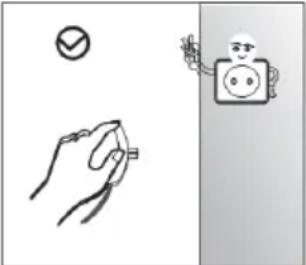 | Do not pull by the power cord when removing the power plug from the refrigerator. Firmly grasp the plug and pull out it from the socket directly.To ensure safe use, do not damage the power cord or use the power cord when it is damaged or worn. |
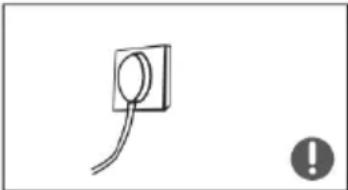 | Use a dedicated power socket and do not share the power socket with other electrical appliances. The power plug should be firmly contacted with the socket or it may pose a risk of fire.Ensure that the power socket is correctly and safely grounded. |
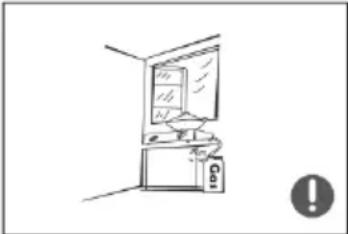 | Please turn off the valve of the leaking gas and then open the doors and windows in case of leakage of gas and other flammable gases. Do not unplug the refrigerator and other electrical appliances considering that spark may cause a fire. |
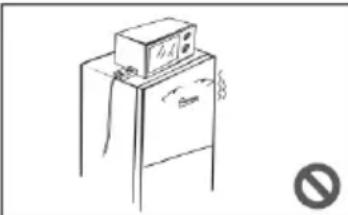 | Do not use electrical appliances on the top of the refrigerator. |
Warnings for use
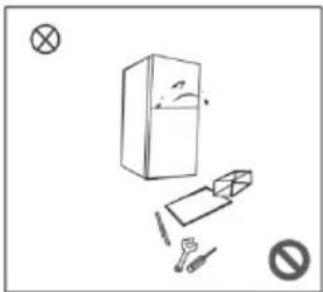 | Do not arbitrarily disassemble or reconstruct the refrigerator, nor damage the refrigerant circuit; maintenance of the appliance must be conducted by a specialistThe damaged power cord must be replaced by the manufacturer, its maintenance department or related professionals to avoid danger. |
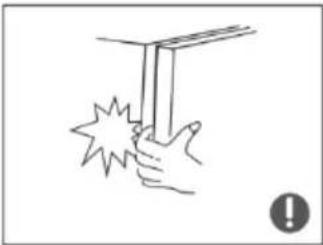 | The gaps between refrigerator doors and between doors and refrigerator body are small: do not put your hand in these areas or injury may occur. Be gentle when closing the refrigerator door to avoid falling articles.Do not place foods or containers with wet hands in the freezer compartment when the refrigerator is running, especially metal containers, or frostbite may occur. |
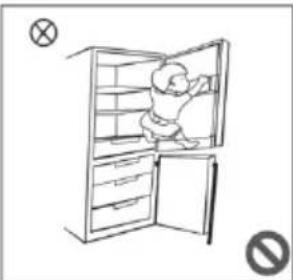 | Do not allow any child to get into or climb the refrigerator; otherwise, suffocation or injury of the child may be caused. |
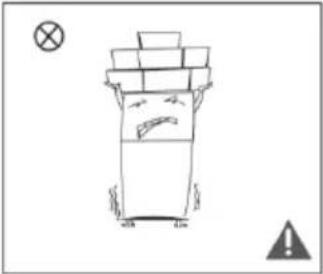 | Do not place heavy objects on the top of the refrigerator as such objects may fall when close or open the door and injuries might occur.Disconnect the power plug in case of power failure and while cleaning. Wait five minutes before reconnecting the refrigerator to the power supply to prevent damage to the compressor due to successive starts. |
Warnings for placement
natural_image
Illustration of hands holding a tray with a bottle, eraser, and product boxes (no text or symbols)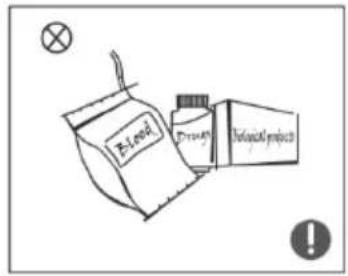
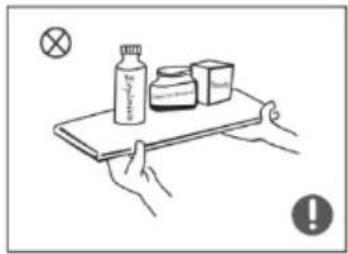
- Do not put flammable, explosive, volatile and highly corrosive items in the refrigerator to prevent damages to the product or fire accidents. - Do not place flammable items near the refrigerator to avoid fires.
- The refrigerator is intended for household use, such as storage of foods; it shall not be used for other purposes, such as storage of blood, drugs or biological products, etc.
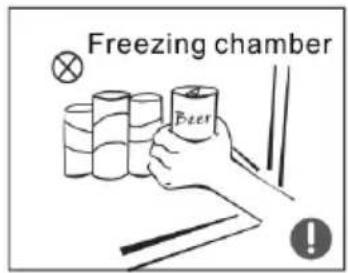
- Do not store beverages or other fluid contained in bottles or enclosed containers, especially carbonated ones, in the freezing chamber of the refrigerator; otherwise, the bottles or enclosed containers may crack due to expansion during freezing.
Warnings for energy
- Refrigerating appliances might not operate consistently (possibility of defrosting of contents or temperature becoming too warm in the frozen food compartment) when stored for an extended period below the cold end of the range of temperatures for which the refrigerating appliance is designed.
- Do not exceed the storage time(s) recommended by the food manufacturers.
- The precautions are necessary to prevent an undue rise in the temperature of the frozen food while defrosting the refrigerating appliance, such as wrapping the frozen food in several layers of newspaper.
- A rise in temperature of the frozen food during manual defrosting, maintenance or cleaning could shorten the storage life.
Disposal
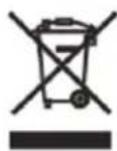
This marking indicates that this appliance should not be disposed with other house-hold wastes. To prevent possible harm to the environment or human health from uncontrolled waste disposal, recycle it responsibly to promote the sustainable reuse of material resources.
Key Components
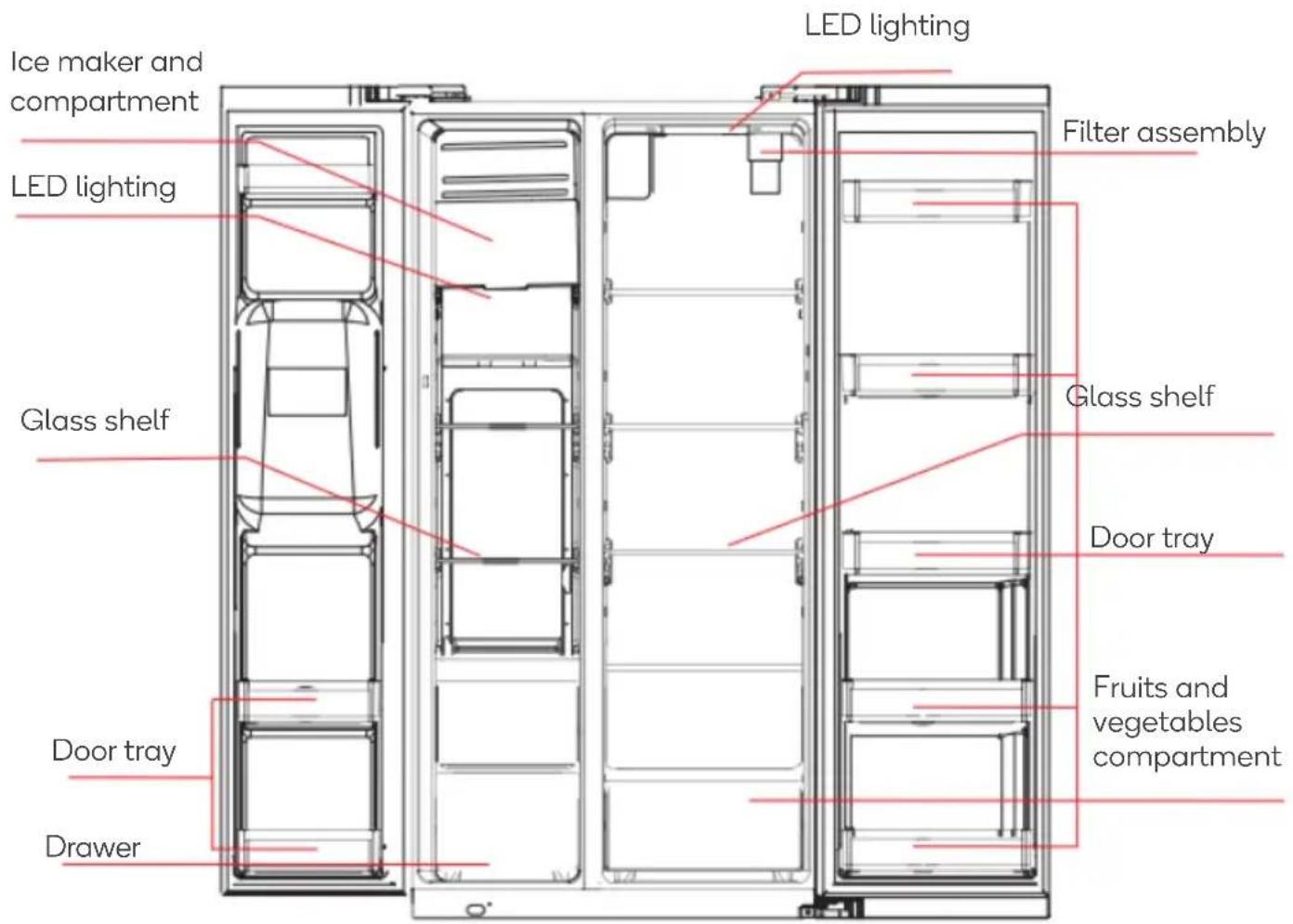
(Filter Internal)
Refrigerator compartment
- Suitable for storage of a variety of fruits, vegetables, beverages and other food intended for short-term consumption.
- Allow cooked food to cool to room temperature before storing.
- Seal food in airtight containers or with plastic wrap before storing.
• Shelves can be adjusted up or down as required.
Freezer compartment
- Suitable for storing frozen food and dispensing ice, the low-temperature freezer compartment may keep food suitable for a long time.
- The freezing chamber is suitable for storage of meat, fish, rice balls and other foods not to be consumed in the short term.
- Chunks of meat are preferable to be divided into small pieces for easy access. Please be noted food shall be consumed within the shelf time.
Note:
Storage of too much food during operation after the initial connection to power may adversely affect the freezing effect of the refrigerator. Foods stored shall not block the air outlet or otherwise, the freezing effect will also be adversely affected.
Display
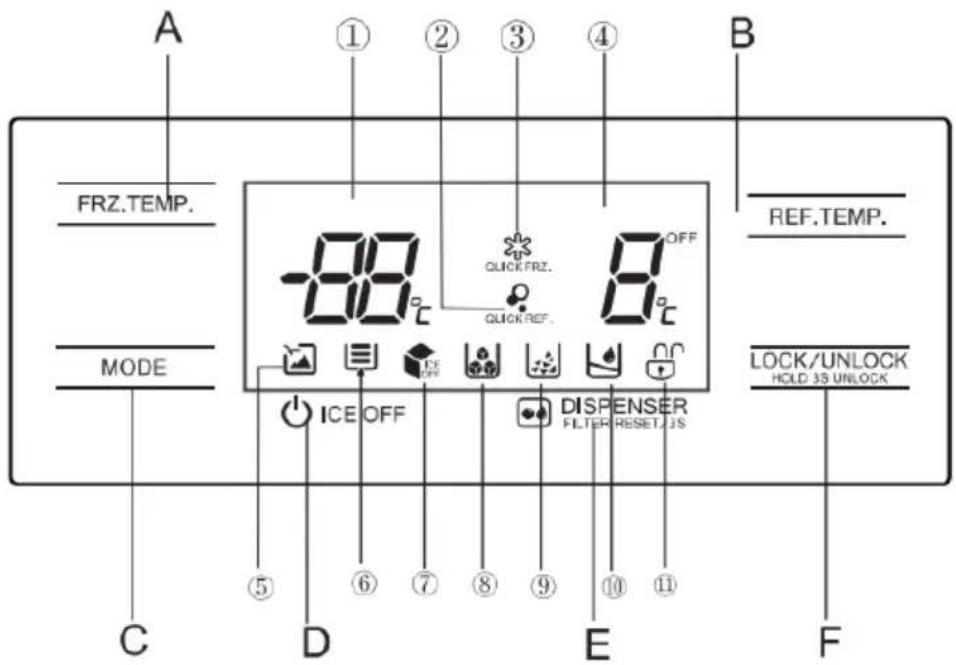
| 1 | Freezer compartment temperature | 7 | Ice off |
| 2 | Quick REF | 8 | Ice cube dispenser |
| 3 | Quick FRZ | 9 | Crushed ice dispenser |
| 4 | Refrigerate compartment temperature | 10 | Fetching cold water |
| 5 | Vacation icon | 11 | Lock/unlock icon |
| 6 | Water filter |
Button Operation
A. Freezer compartment temperature adjustment
B. Refrigerate compartment temperature adjustment
C. Mode setting
D. Ice OFF/ON button
E. Fetching ice/ Fetching water/Filter set
F. Lock/unlock controls
OPERATION
Before first use
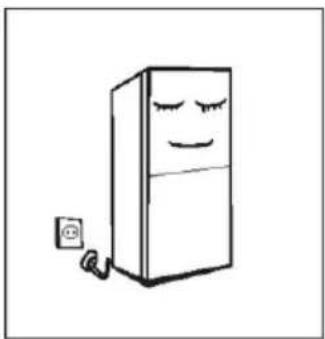 | Keep the refrigerator still for two hours before connecting it to the power supply.Run for 2-3 hours, or over 4 hours in summer when the ambient temperature is high, before first storing any fresh food. |
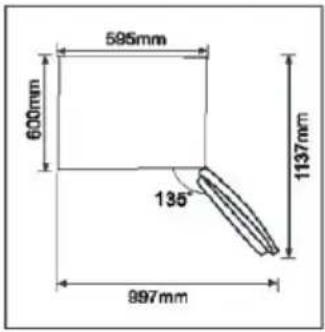 | Install with sufficient clearance for ventilation and opening of all doors and drawers. |
Energy saving tips
- Install in the coolest area of the room, away from heat-producing appliances or heating ducts and out of direct sunlight.
- Let hot foods cool to room temperature before placing in the appliance. Overloading the appliance forces the compressor to run longer. Foods that freeze too slowly may lose quality or spoil.
- Wrap foods properly and wipe containers dry before placing them in the appliance. This cuts down on frost buildup.
- Organise and label food to reduce door openings and extended searches. Remove as many items as needed at one time and close the door as soon as possible.
INSTALLATION
Placement
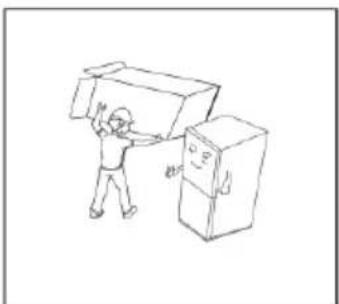 | Before use, remove all packing materials and remove the protective film from the doors and the refrigerator body. |
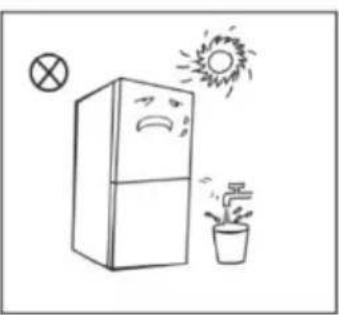 | Keep away from heat and avoid direct sunlight. Do not place the freezer in moist or watery areas, as this may cause rust or reduction of insulating effect or affect the electrical insulation properties of the refrigerator. |
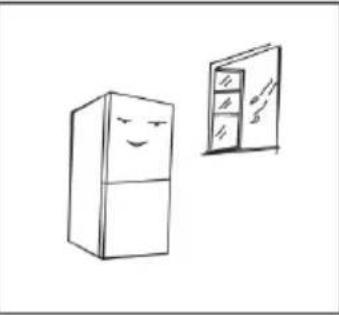 | Install in a well-ventilated indoor area on level ground. |
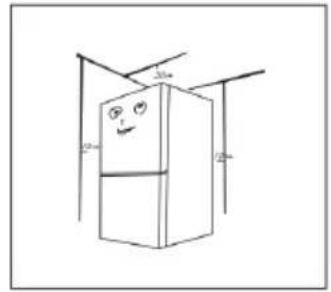 | Allow at least 30cm vertical space and 10cm horizontal around the refrigerator to facilitate heat dissipation. |
Levelling feet
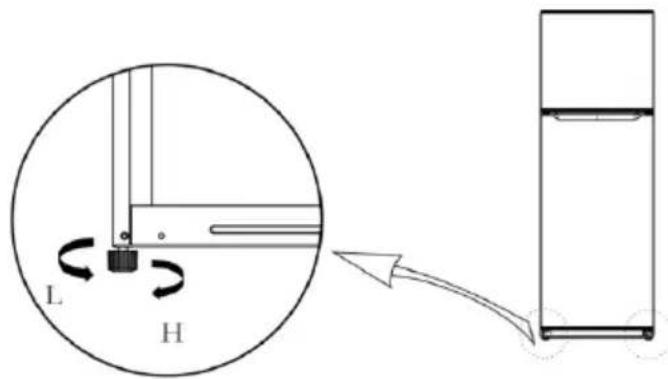
To adjust feet, turn clockwise to raise and anticlockwise to lower as required until the refrigerator is level.
Levelling door
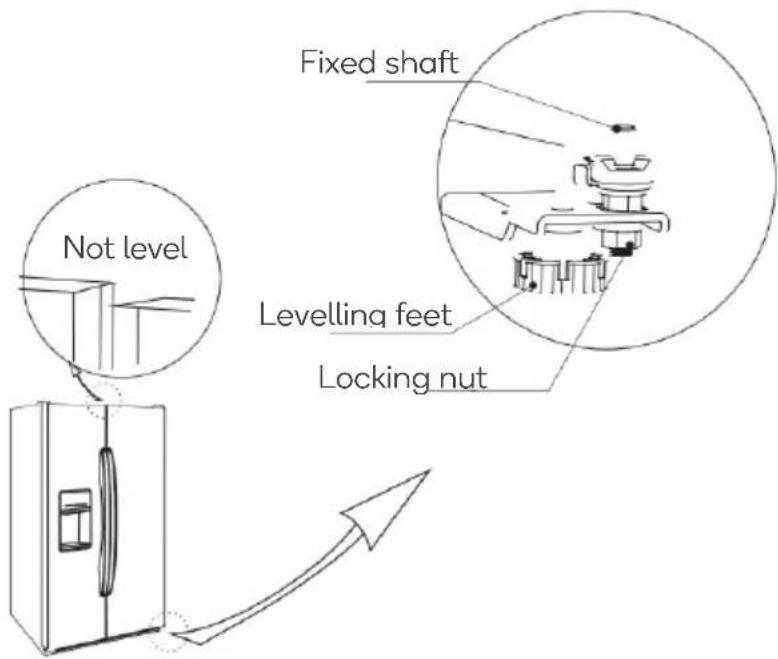
Open the door and use a wrench to loosen the locking nut.
Rotate the adjusting nut anticlockwise to raise the height of the door and clockwise to lower it. Once the doors are aligned, tighten the locking nut by rotating it anti-clockwise.
Note: M10 spanner and wrench required (not supplied)
Water Connection
Before beginning:
• Disconnect from power.
• Water hazards!
The water pressure of the appliance is 147-834KPa (1, 5-8.5kgf/cm). If the water pressure is too high, install a decompressor.
- Do not connect the appliance to a tap of the water heater.
Do not bend inlet pipes and drain-pipes during placement: carefully connect water pipes. - Do not use any old and used water pipes. Purchase the joint to connect the pipe and the water tap and install it according to the schematic diagram.
- After being used for 6 consecutive months, the icon (l=J) on the display panel will blink: this indicates the water filter should be replaced.
Connection of the Water Facility (Fig. 1)
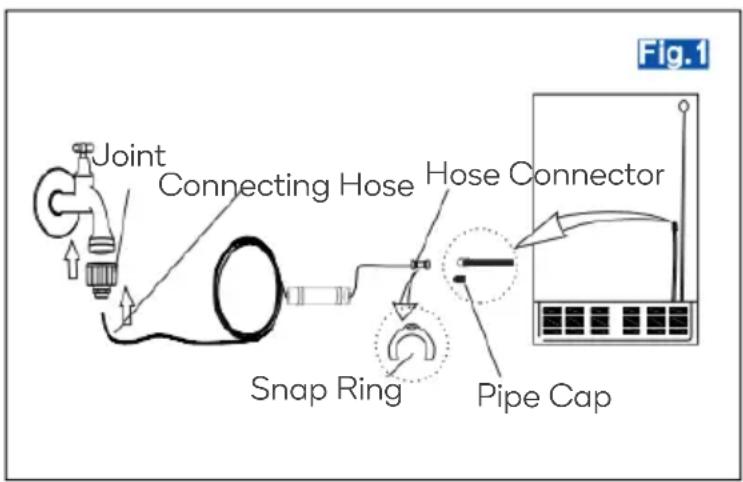
- Push the end of the connecting hose into the joint. Fasten the joint to the water tap.
- Remove the pipe cap from the white flexible hose.
Push the end of the white flexible hose into the hose connector, fastened with the snap ring. If necessary, rivet the flexible hose onto the wall.
- After the pipes are connected, carefully unscrew the water tap to ensure the pipeline is sealed.
Filter Assembly and Securing (Fig.2)
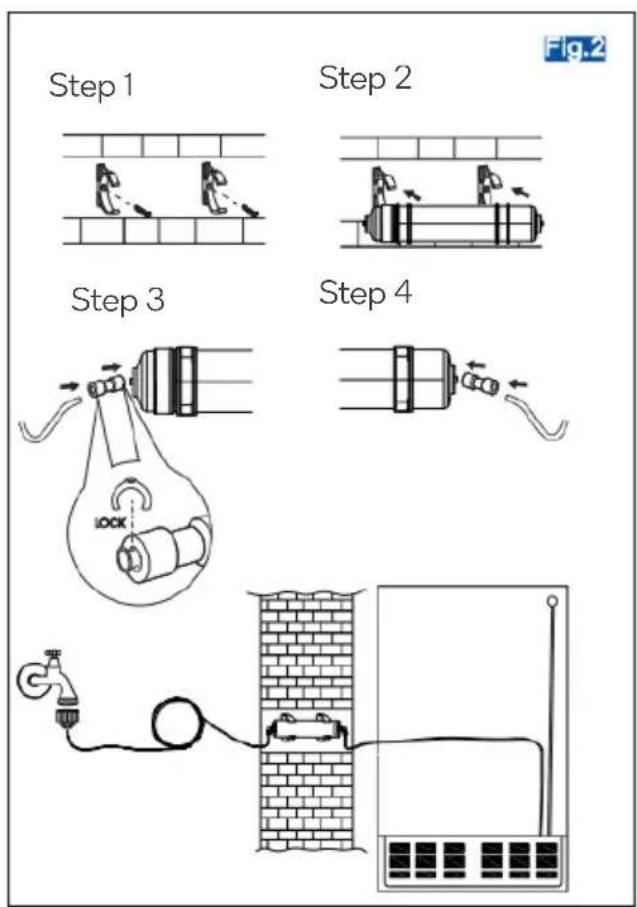
- Attach the two plastic clips on the wall by screws.
- Put the filter in the clips.
- Assemble the fast connector to one filter inlet and insert the water supply pipe into the other end of the fast connector, then use the snap ring to secure the connection.
- Assemble the fast connector and water pipe to outlet of the filter by the same method.
After installation, the assembly will be as per the illustration.
OPERATION
Display
The display will turn on for 3 seconds when first turned and a startup tone will sound, following which the screen will enter normal display. The first time for using the refrigerator, temperatures of the refrigerating chamber, temperature and freezing chamber should be set at 5°C/-18°C respectively.
If an error occurs, the display shows the error code in refrigerating temperature displaying area; during normal operation, the display shows the set temperature of the cooling compartment.
Under normal circumstances, the control panel will lock itself automatically and the display light will go out after 30 seconds.

Press and hold for 3 seconds to toggle the lock on or off.
2. Mode setting
Press to select different control modes.

Press to enter the vacation mode. The icon will light up and vacation mode will take effect when the panel is locked.
Press the RZ.TEMP. or REF.TEMP. buttons to exit vacation mode.
4. Quick REF. mode

Press to enter quick cooling mode. The corresponding icon will light up and the quick cooling mode will take effect when the panel is locked.
Press the REF.TEMP. button to exit quick cooling mode.
5. Quick FRZ. Mode

Press to enter quick freezing mode. The corresponding icon will light up and the quick freezing mode will take effect when the panel is locked.
Press the FRZ.TEMP. button to exit quick freezing mode.
6. Setting refrigerator temperature B_t
Press REF.TEMP button and the refrigerator temperature display will blink. Press again to set the temperature, between 2°C and 8°C in 1°C increments. After adjustment, the refrigerator temperature will blink for 5 seconds.
The new temperature setting will take effect when the panel is locked.
7. Setting freezer temperature -88t
Press FRZ.TEMP button and the freezer temperature display will blink. Press again to set the temperature, between -16^ and -24^ in 1^ increments. After adjustment, the freezer temperature will blink for 5 seconds.
The new temperature setting will take effect when the panel is locked.
8. Quick-freeze time setting
In quick-freeze mode, press and hold the FRZ.TEMP button for 3 seconds and the refrigerator temperature area will display the existing quick-freeze time. Press again to toggle the quick-freeze time between 26 and 48 hours. Lock the panel or press and hold for 3 seconds to exit the quick-freeze time setting.
The 48 hours quick- freeze time is mainly for testing and it is recommended to leave the setting at the default.
9. ICE OFF

Press the ICE OFF button to toggle the ice maker off or on.
10. Dispenser


Press button to enter the ice/water selection: "Fetching Ice cubes / Fetching crushed Ice/ Fetching water / none" will display and the corresponding Icon on the panel will illuminate.
The refrigerator will keep track of operation time. After 150 days, the water filter icon will shine; when it reaches 180 days, the water filter icon will blink. Press and hold for 3 seconds to reset the service time of the water filter.
11. Storage upon power failure
The current working state will be stored in case of power outage so the refrigerator can resume when power is restored.
12. Opening warning and alarm control
When the refrigerator door is open, the warning tone will sound. If the door is not closed within two minutes, the buzzer will sound once every second until the door is closed.
13. Error codes
Where possible, the refrigerator will maintain operation, but it is recommended to refer to the troubleshooting steps in this user guide, contacting Kogan.com if necessary, as soon as possible.
| Error code | Error description |
| E0 | Icemaker error |
| E1 | Refrigerator temperature sensor detection circuit error |
| E2 | Freezer temperature sensor detection circuit error |
| E5 | Freezing defrost sensor detection circuit error |
| E6 | Communication error |
| E7 | Circulation of ambient temperature sensor detection circuit error |
| EE | Icemaker sensor circuit error |
| EH | Moisture sensor error |
Water/ice dispenser
- Sounds will be produced by the mechanical equipment during ice cube and crushed ice production: this is normal and not a concern.
- If the ice in the container is stuck together, remove the ice container and break up the ice into pieces with a plastic or wooden spoon or other suitable implement.
- Do not run the ice maker more than every minute to avoid overheating. Freezing water in ice cube trays is recommended if large quantities are required.
• Clean the ice container regularly. - Ice and water can only be fetched when the door of the freezer compartment is closed. If the freezer door is opened, production will automatically stop.
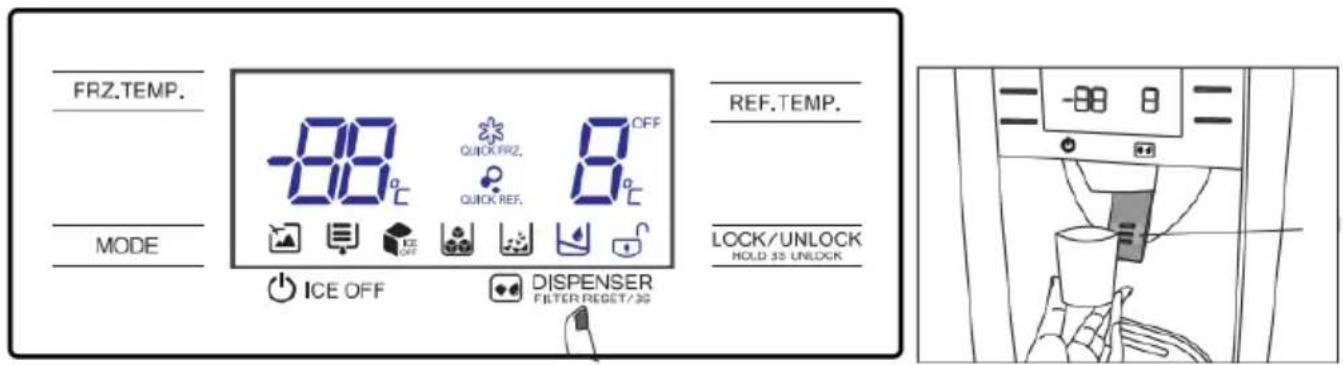
Press the DISPENSER button to select water 📁, crushed ice 📋 or ice cubes 📋 and use the cup to depress the tab to begin dispensing.
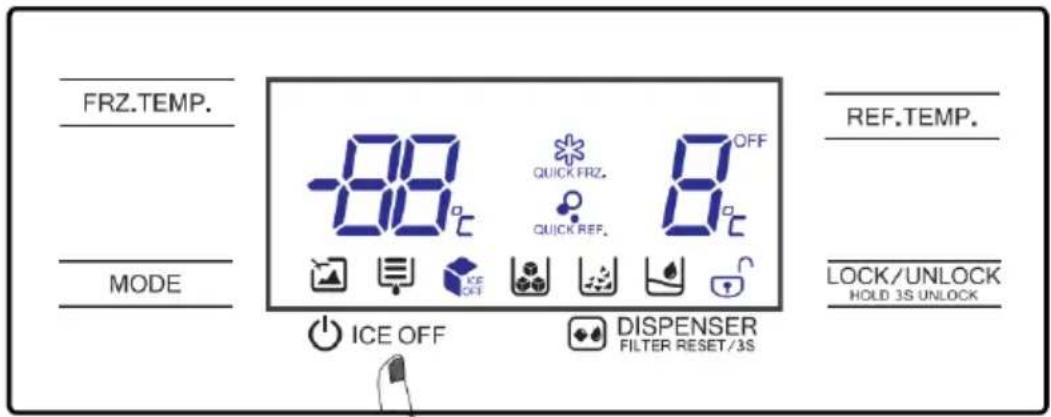
To cancel, press the button ICE OFF and the icon will turn on.

CLEANING & CARE
• Dust behind the refrigerator and on the ground.
- Check the door gasket regularly to make sure there is no debris. Clean the door gasket with a soft cloth dampened with soapy water or diluted detergent.
- Clean the interior of the refrigerator regularly to avoid odours.
- Turn off the power before cleaning the interior and remove all food, drinks, shelves, drawers, etc.
- Use a soft cloth or sponge to clean the inside of the refrigerator, with 2 tablespoons of baking soda dissolved into a litre warm water: rinse and wipe clean. After cleaning, open the door and let it dry naturally before turning on the power.
- For areas that are difficult to clean in the refrigerator, it is recommended to wipe them regularly with a soft cloth or thin brush to ensure there are no contaminants or bacterial accumulation.
- Do not use soap, detergent, scrub powder, spray cleaner, etc., as these may cause odours in the interior of the refrigerator or contaminate food.
- Clean the bottle frame, shelves and drawers with a soft cloth dampened with soapy water or diluted detergent. Dry with a soft cloth or dry naturally.
- Wipe the outer surface of the refrigerator with a soft cloth dampened with soapy water, detergent, etc. and then wipe dry.
- Do not use hard brushes, clean steel balls, wire brushes, abrasives (such as toothpaste) organic solvents (such as alcohol, acetone, banana oil, etc.), boiling water, acid or alkaline items as these which may damage the fridge surface and interior. Boiling water and organic solvents such as benzene may deform or damage plastic parts.
- Do not rinse directly with water or other liquids during cleaning to avoid short circuits or affect electrical insulation after immersion.
WARNING: Please unplug the refrigerator for defrost and cleaning.
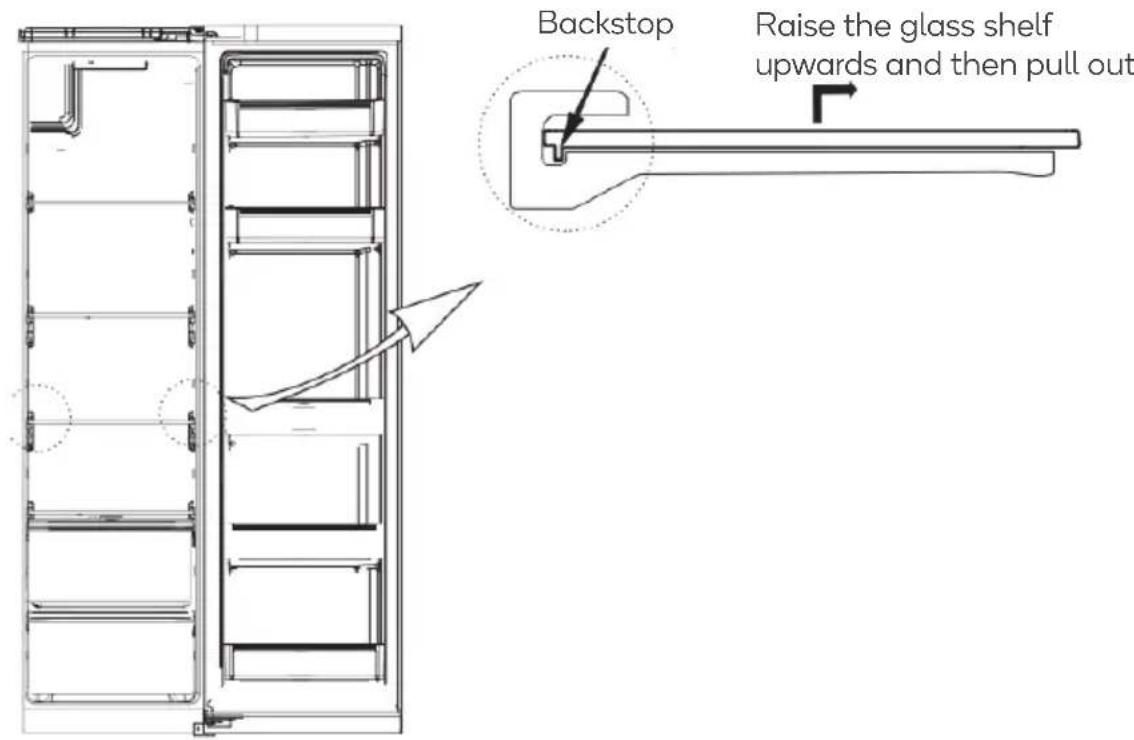
Glass shelf
- The shelves must be raised upward to remove them as illustrated below.
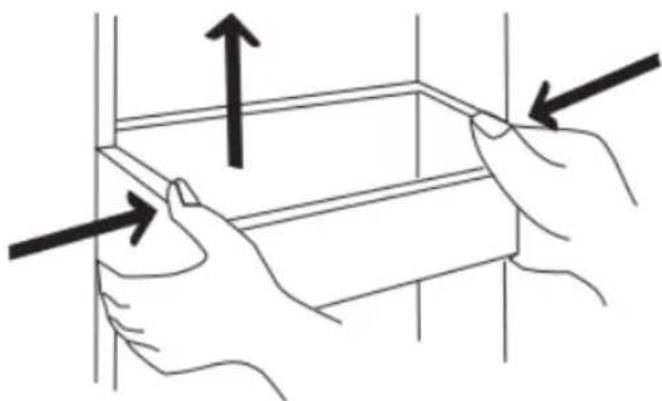
Door tray
- Use both hands to push the tray inward and then lift it up and out as illustrated below.
natural_image
Line drawing of two hands holding a rectangular object with arrows indicating upward and downward motion (no text or symbols)Ice Container
If ice is blocking the outlet, it should be cleared and the ice container may require cleaning.
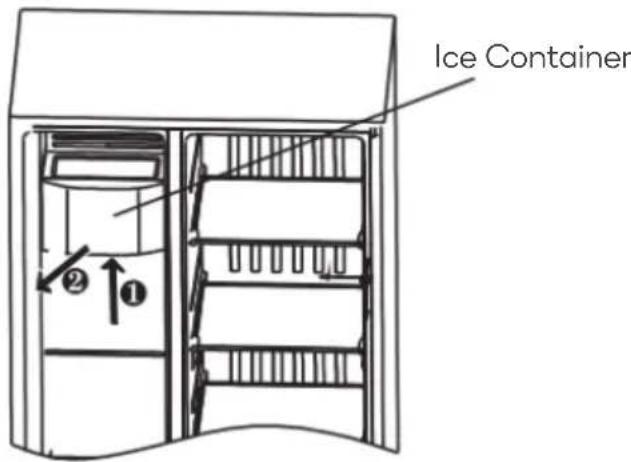
- Press the ICE OFF button to cancel the ice-function and power off the refrigerator. Hold the components of ice storage box with both hands and pull them upwards and outwards horizontally.
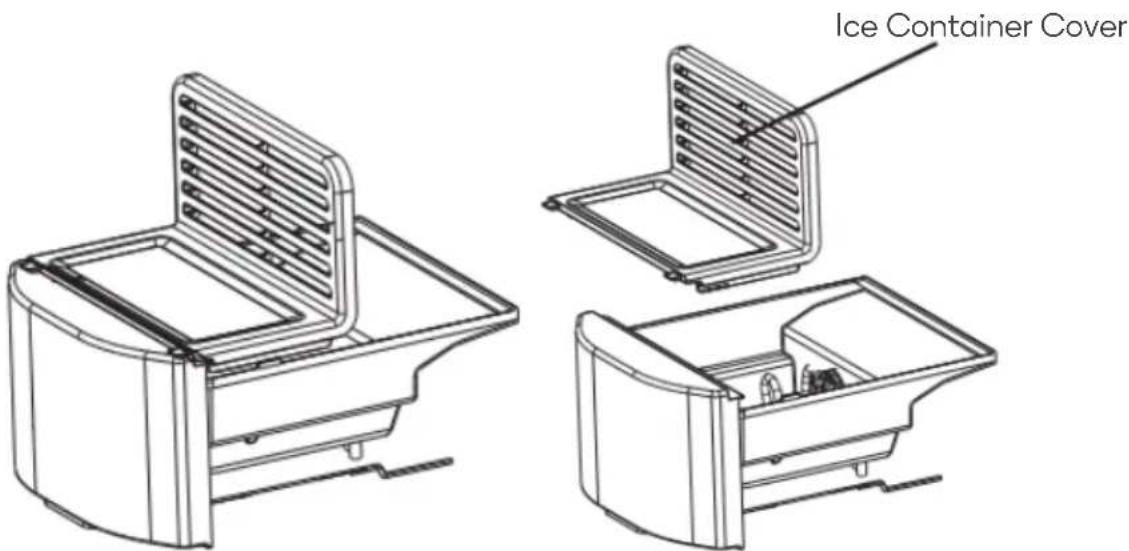
- Dismantle Ice Container cover and clean Ice Container with neutral cleaners, clean rags and water.
To reassemble, follow the same steps in reverse.
- Close the door of the freezer compartment, turn fridge on again and press the ICE OFF button to reenable the ice-making function.
Ice lattice and water pipe
- If the ice making function is not used for some time, empty the ice in the ice storage box, make half a box of ice (about 24h) and discard it before using it again.
- If the water dispensing function is not used for a while, dispense two litres of water and discard it before using it again.
Defrosting
- The refrigerator is made based on the air-cooling principle and thus has an automatic defrosting function. Frost formed due to change of season or temperature may also be manually removed by disconnection of the appliance from the power supply or by wiping with a dry towel.
Out of operation
- In case of power failure, food inside the appliance can be kept for several hours even in hot weather. TO ensure maximum longevity, do not store any more fresh food and minimise the number of times the door is opened.
- Before the refrigerator is moved, remove all objects inside and tape down the glass partitions, vegetable holder, freezing chamber drawers, etc. so they cannot move, tighten the feet and close and tape shut the doors.
During transportation, ensure the appliance is never lain upside down or horizontally or exposed to vibration. It should be inclined no more than 45^ .
WARNING: Allow the appliance to run continuously once it is started. Do not interrupt operation; otherwise, the service life may be impaired.
TROUBLESHOOTING
| Not turning on | ·Ensure the appliance is securely connected to power ·Check if the voltage is too low ·Check if there is a power failure or partial circuits have tripped |
| Odour | ·Wrap food tightly before storing ·Ensure there is no rotten food ·Clean the inside of the refrigerator |
| Compressor is slow to operate | ·This is normal when the ambient temperature is high, e.g. in summer ·Do not overstock ·Only store food once cooled ·Do not open doors too frequently |
| Light does not illuminate | ·Ensure refrigerator is connected to power light is not damaged ·Have the light replaced by a specialist |
| Doors cannot be properly closed | ·Ensure door is not obstructed ·Ensure refrigerator is not tilted |
| Loud noise | ·Ensure refrigerator is level and stable ·Check whether accessories are placed at proper locations. |
| Door seal not tight | ·Ensure door seal is clean ·Heat and cool the door seal e.g. with an electrical drier |
| Water pan overflows | ·Heavy defrosting resulting from too much food stored ·Doors are not closed properly |
| Housing is hot | ·This is expected due to the high-wattage operation of the appliance ·If this is occurring beyond what is standard, ensure refrigerator has adequate ventilation and is not overstocked |
| Surface condensation | ·This is normal when the ambient humidity is too high: wipe with a clean towel |
| Abnormal noise | ·Buzzing from operation is normal ·A creaking noise produced by refrigerant flowing inside the appliance is normal. |
If the above steps do not resolve an issue you are facing, contact Kogan.com.
NOTES
Need more information?
We hope that this user guide has given you the assistance needed for a simple set-up. For the most up-to-date guide for your product, as well as any additional assistance you may require, head online to help.kogan.com
kōgan
- 573L SIDE BY SIDE FRIDGE WITH ICE & WATER DISPENSER
- Meaning of safety warning symbols
- Electricity related warnings
- Warnings for use
- Warnings for placement
- Warnings for energy
- Disposal
- Refrigerator compartment
- Freezer compartment
- Note:
- Display
- Button Operation
- OPERATION
- Before first use
- Energy saving tips
- INSTALLATION
- Levelling feet
- Levelling door
- Water Connection
- Before beginning:
- Filter Assembly and Securing (Fig.2)
- Mode setting
- Quick REF. mode
- Quick FRZ. Mode
- Setting refrigerator temperature B_t
- Setting freezer temperature -88t
- Quick-freeze time setting
- ICE OFF
- Dispenser
- Storage upon power failure
- Opening warning and alarm control
- Error codes
- Water/ice dispenser
- CLEANING & CARE
- Glass shelf
- Door tray
- Ice Container
- Ice lattice and water pipe
- Defrosting
- Out of operation
- TROUBLESHOOTING
- NOTES
- Need more information?
Brand : Kogan
Model : KAMSBSF573B
Category : Refrigerator