
Lawson JNR - Barbecue Gasmate - Free user manual and instructions
Find the device manual for free Lawson JNR Gasmate in PDF.


| Product Type | Barbecue |
| Brand | Gasmate |
| Model | Lawson JNR |
| Fuel Type | Liquid Propane Gas (LPG) |
| Cooking Area | 1500 cm² |
| Number of Burners | 1 |
| Ignition Type | Piezo spark ignition |
| Dimensions (L x W x H) | 400 x 300 x 300 mm |
| Weight | 8 kg |
| Material | Stainless steel body, chromed cooking grate |
| Main Functions | Grilling, searing, roasting |
| Temperature Control | Adjustable gas regulator |
| Cleaning | Removable drip tray, easy-clean porcelain enamel firebox |
| Safety Features | Gas regulator with safety cut-off valve, stable leg design |
| Spare Parts Availability | Genuine parts available from Gasmate |
| Warranty | 1 year limited warranty |
| Assembly Required | Yes, simple assembly with included tools |
| Portability | Designed for camping and outdoor use |
Frequently Asked Questions - Lawson JNR Gasmate
User questions about Lawson JNR Gasmate
0 question about this device. Answer the ones you know or ask your own.
Ask a new question about this device
Download the instructions for your Barbecue in PDF format for free! Find your manual Lawson JNR - Gasmate and take your electronic device back in hand. On this page are published all the documents necessary for the use of your device. Lawson JNR by Gasmate.
USER MANUAL Lawson JNR Gasmate
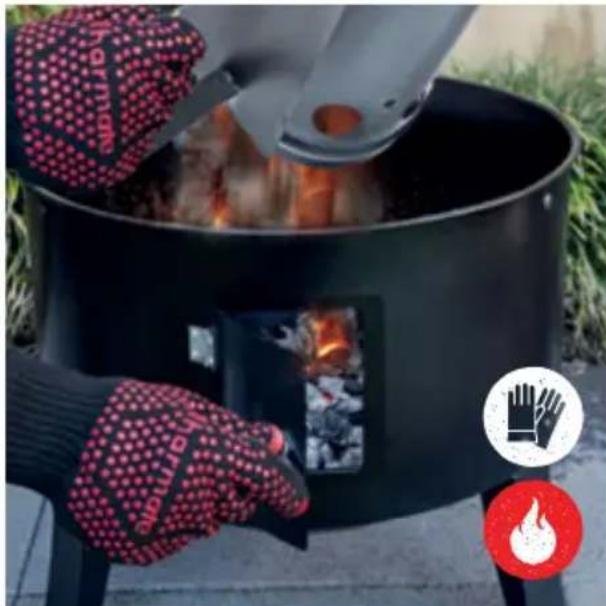
1 Lighting the charcoal in a charcoal chimney.
A charcoal chimney is a metal cylinder that is used to start the charcoal burning before adding it to a grill or smoker. Stuff the chimney from the bottom with 3-4 pages of dry newspaper. Add charcoal to the top. Light the newspaper and let it burn for about 15-20 minutes.
Alternatively the charcoal chimney will come with instructions on how to properly use the chimney to get the coals started.
If you don't want to use a charcoal chimney, it's important to prepare and light the charcoal using paper, kindling or fire starters in the smoker and let it reach the correct temperature before adding the smoking wood chips and food.

Place paper under here

CAUTION: BE SAFE AND WEAR GLOVES WHEN STARTING A FIRE, HANDLING HOT COALS OR TOUCHING HOT SURFACES!

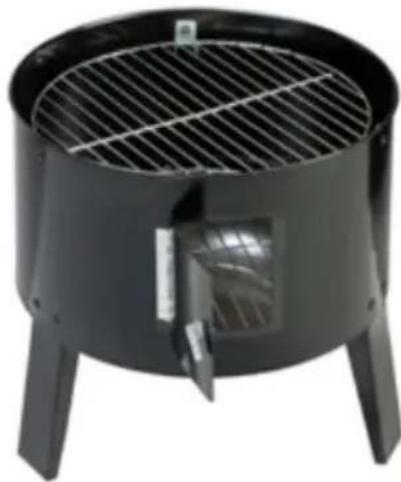
2 Adding hot charcoal to the smoker.
Make a thin layer of unlit charcoal or place unlit charcoal around the inside edge of the firebox. Slowly pour the hot charcoal on top of the unlit charcoal or in the middle of the circular ring of unlit charcoal. The unlit charcoal will slowly burn and help maintain an even cooking temperature.
3 Enhance the smoke with wood chunks.
Wood chunks and chips are used to give meat greater flavour. Chunks work better because they smoke for longer. Oak, cherry, apple and hickory woods are commonly used in smokers for their unique flavours. Use hardwood varieties only as softwoods can create a sooty smoke and will ruin the flavour of your food.
Note: When the required smoking temperature is reached and stabilised by using the air vents, the wood chunks can now be added.
4 Fill the water pan with cold water.
Smokers will include a water pan, but grills generally do not. Use a foil pan if you don't have a water pan. The water pan sits in the centre of the smoker. The water pan creates a water vapour when heated that helps to evenly cook your food.
Cold water is used to offset the higher temperature of the grill when first lit. The water regulates the temperature to where you want it for the best smoking results.
natural_image
Exterior view of a black outdoor grill with hot air and fire extinguisher, hands in pink protective gear (no signage)
natural_image
Close-up of wood shavings in a campfire with fire extinguisher and warning symbol (no text or symbols on main subject)
natural_image
Close-up of a white fan grille with a blue circular icon showing a water dispenser (no text or symbols on the fan itself)5 Place the food on the grill.
If your smoker has more than one grill, put the quicker cooking foods on the top grill. The top grill gets less heat than the lower one. Place the larger pieces of food, or longer cooking foods, on the lower grill.
6 Set the lid on the smoker.
Once the lid is on the smoker and by adjusting the vents, it starts to create a flow of air through the smoker. Set it up so the smoke is pulled through the smoker to waft over the food before it exits for evenly distributed smoke.
Pecan is similar to hickory but more subtle and ideal for poultry, beef, pork, and lamb.
Mesquite wood has a strong, bold, earthy flavour that adds a nice taste to most red and dark meats. It burns hotter than most other woods.

natural_image
Black portable stove with open lid and three legs, no visible text or symbolsLOWER GRILL
CLOSER TO THE HEAT
natural_image
Black cylindrical outdoor fire extinguisher with grating and side legs (no text or symbols visible)
natural_image
Gas stove burner with smoke rising, no visible text or symbolsMAINTAINING THE QUALITY OF SMOKE
1 Open the bottom and top vents.
Your smoker will have a lower vent to let fresh air into the chamber and a lid vent to let the spent smoke out.
Regulate the temperature with the lower vent, depending on what the smoker requires. If the temperature is becoming low, open up the lower vent. If the temperature is rising too high, close the vent a little but don't close it completely.
The lid (exhaust) vent should always be left open during the cooking process. Only close the lid vent off if adjusting the lower vent does not change the temperature of smoker.
2 Keeping a steady temperature.
The ideal smoking temperature is about 105^ , but don't let it exceed 130^ . You can increase the temperature by adding unlit coals to the firebox. Reduce the temperature by closing the lower vent a little. This allows less air to enter the smoker.
If your smoker doesn't have a temperature gauge, place a BBQ thermometer through a hole in the smoker's lid vent.

natural_image
Close-up of a black kerat with visible heat exchanger and warning symbols (no text or labels)
natural_image
Close-up of a hand wearing a red polka-dot glove, next to a black stove burner and fire symbol (no text or symbols on main subject)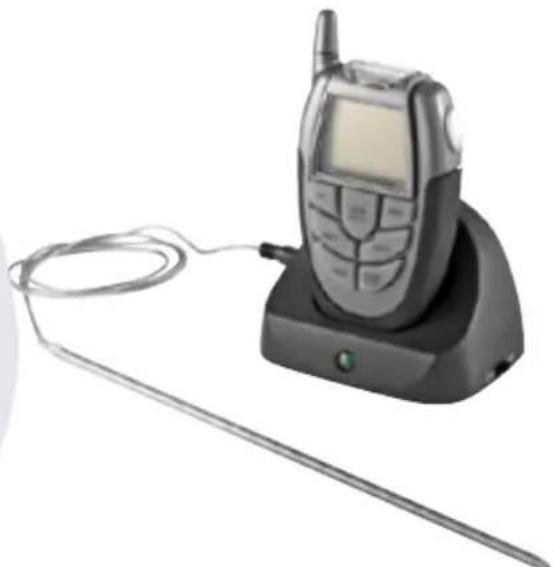
natural_image
Illustration of a portable mobile phone with a coiled cable and a metal rod, no text or symbols visible.Manuka has a broad, robust flavour producing a heavy smoke with a touch of sweetness. Works well with any meat, but particularly good with seafood.
3 The more you look, the less you cook.
Every time you take the lid off, smoke and heat escapes from the smoker. The best result comes from a smoker with an even, consistent temperature. Only remove the lid if you need to add charcoal or add water to the water pan. If adding charcoal, use the charcoal chimney to quickly pour the unlit charcoal into the firebox whilst you hold the lid in the other hand. Same with replacing water, use a jug so that you can quickly fill the water pan to minimise the loss of heat and smoke.
If you need to check the food, charcoal or water, keep it to hourly intervals to minimise the loss of heat and smoke, smoking foods is a slow and steady process. You will gain confidence in using your smoker once you have used it a couple of times.
4 If your coals have gone cold.
If the temperature inside the smoker has cooled below the required temperature after you have checked it with the BBQ thermometer, and adjusting the lower vent doesn't help revive the heat from the coals, use the charcoal chimney to burn and add more coals. It is helpful to keep an extra set of charcoal in the charcoal chimney in case you need to add them quickly to the smoker.
Alternately, you will need to repeat step one and prepare the smoker to reach the required temperature to continue smoking the food. As a safety precaution, if you let your smoker's heat drop below the recommend temperature for more than an hour, then discard the food and start again.
Hickory wood has a strong, sweet, almost bacon flavour. Because of it's strength it is perfect for pork and other game meat.

natural_image
Exterior view of a modern meat grater with open lid and side panel, showing raw meat and food (no text or symbols visible)
natural_image
Close-up of dark, irregularly shaped granular material with two circular icons showing hand and flame symbols (no readable text)
natural_image
Close-up of a pot with charred meat being heated, surrounded by flames and a red fire hydrant icon (no text or symbols on main subject)EXPERIMENTING WITH YOUR SMOKER
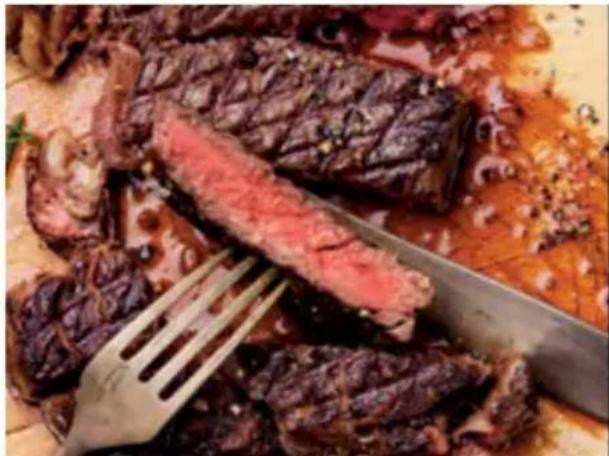
1 Cook most meats for 4 hours at 105°C.
Smoking is not an exact science. The amount of meat you're cooking, the type of meat, and other factors affect the time it will take to get the perfect cook. Longer times at lower temperatures generally makes the meat more tender. There is a point where you've smoked meat for too long. If it cooks so long that it becomes tough all the way through, you'll realise you've cooked it for too long.
2 Smoke seasoned barbecue pork chops for 1 hour at 130°C.
Rub some pork chops with salt, black pepper, brown sugar, thyme, onion powder and cayenne. Let them cure in the spices for a few hours. Then, with your smoker heated to about 135°C, smoke the chops for 1 hour and ten minutes. Intensify the flavour by adding applewood chips to the coals while you smoke the meat. Smother the pork chops in barbecue sauce before you serve them.
3 Cook beer can chicken from 1.5 to 3 hours at 105^ C .
Use a whole, raw chicken and smoke it with an open can of beer or soda inserted opening first into the chicken. Stand the chicken upright so the beer moistens it but doesn't spill. Smoke the chicken for 1.5 to 3 hours, depending on how much time you have. Add other seasonings like garlic, pepper and lemon juice to the can of beer.
4 Smoke BBQ ribs for 6 hours at 105°C.
Marinate the ribs in your favourite BBQ sauce. Smoke the ribs for about 3 hours at 105°C. Then wrap the ribs in foil and smoke them for another 2 hours. Unwrap the ribs and smoke for 1 more hour for delicious, pull-apart ribs.
natural_image
Close-up of a cut steel slice on a saut, with fork and knife in foreground (no visible text or symbols)
natural_image
Steamed pork cuts on a griddle grater (no text or symbols visible)
natural_image
A roasted chicken on a black pot with a grater in the background (no text or symbols visible)
natural_image
Close-up of a glossy, chocolate-coated fish fillet on a wooden surface with a fork nearby (no text or symbols visible)
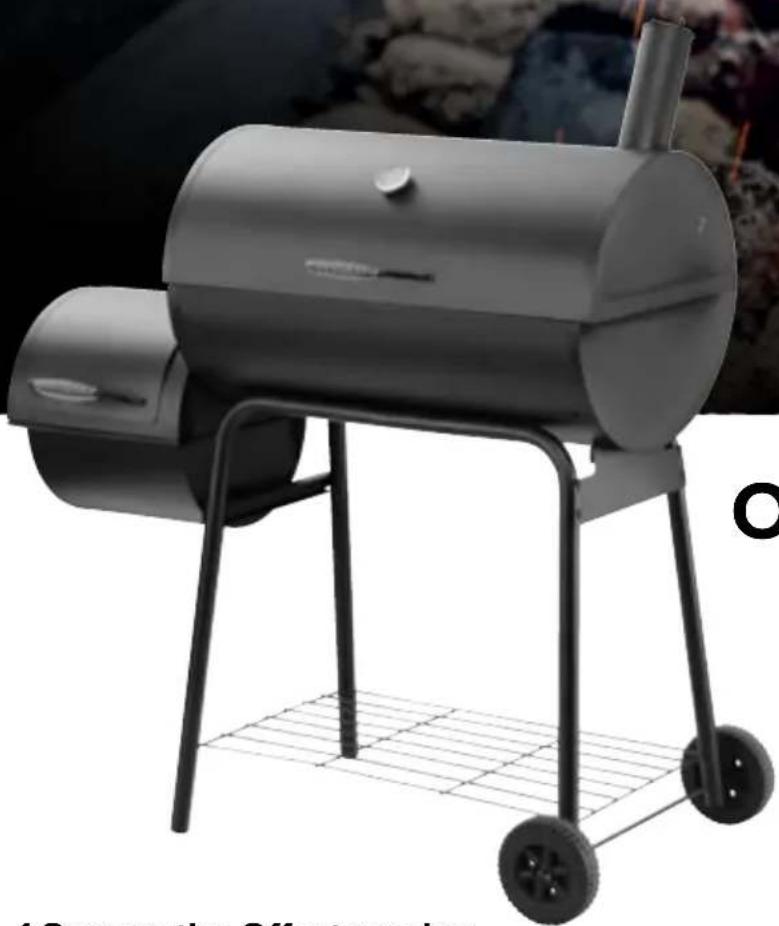
natural_image
Exterior view of a black outdoor grill with wheels and a chimney (no visible text or symbols)OFFSET SMOKER
GETTING STARTED
1 Season the Offset smoker.
Start by wiping down the entire smoker with soapy water. Rinse the smoker to wash away any dust, grease, or shavings left by the manufacturer. Let the smoker dry off and then spray vegetable oil over the inside of the cooking chamber. Open all of the vents on the smoker and light a fire in the firebox. Burn a fire for 30 minutes with the vents open. Allow to cool then the smoker is ready to use.


CAUTION: BE SAFE AND WEAR GLOVES WHEN STARTING A FIRE, HANDLING HOT COALS OR TOUCHING HOT SURFACES!

natural_image
Exterior view of a black rectangular grill with smoke and two red fire icons on the side (no text or symbols on main subject)2 Using temperature probes in the smoker.
The thermometer fitted to your smoker measures the temperature where it is fitted, not the space where the food is smoking. An option is to purchase digital thermometers to monitor the smoking area. Place each thermometer near your food at each end of the cooking chamber for the most accurate readings. Use probes attached to wires if you'd like to be able to move them, or mount the probes onto the grates of the cooking chamber.
3 Open the air intake vent and chimney vent.
Open the air intake vent on the side of the firebox. You'll also need to open the vent on the chimney, so smoke can be released. The vents can also be called dampers or baffles. You can adjust these during the smoking process to regulate heat and smoke.
4 Lighting the charcoal in a charcoal chimney.
Stuff the charcoal chimney from the bottom with 3-4 pages of dry newspaper. Add charcoal to the top. Light the newspaper and let it burn for about 15-20 minutes.
Alternatively the charcoal chimney will come with instructions on how to properly use the chimney to get the coals started.
If you don't want to use a charcoal chimney, it's important to prepare and light the charcoal using paper, kindling or fire starters in the smoker and let it reach the correct temperature before adding the smoking wood chips and food.
Apple wood has a subtle, sweet and fruity flavour that is ideal for poultry, beef, pork, game birds and some seafoods.

natural_image
Black-and-white photo of a portable mobile phone with a coiled cable and a metal rod, no visible text or symbols.
natural_image
Close-up of a hand pressing down on a black cylindrical object with steam rising, accompanied by two warning icons (hand and flame) in the background.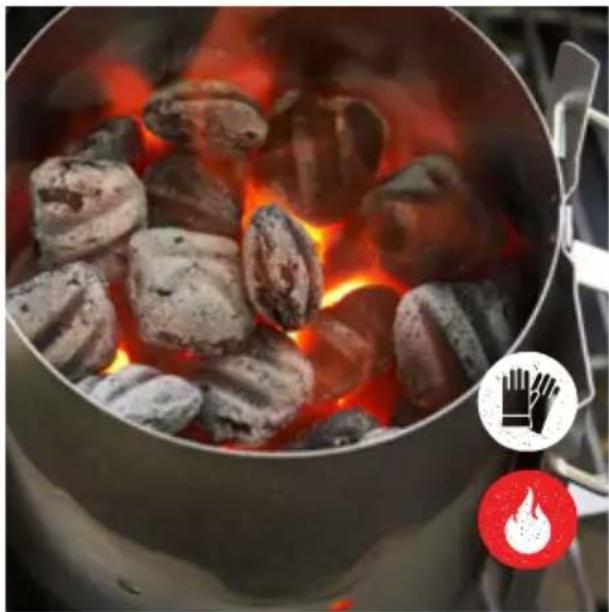
natural_image
Close-up of a pot with molten meat being heated, no visible text or symbols5 Spread the coals in the firebox and close the lid.
Once the coals are lightly ashy and hot, place them into the firebox. If you want to add flavour to the smoke, include some chunks of hardwood of your choosing. Some options include hickory, apple or maple. Close the lid on the firebox and cooking chamber. Avoid making the fire using only wood because it's hard to regulate and maintain over a long period of time.
6 Bring the smoker up to temperature.
Monitor the temperature inside the cooking chamber until it heats to the required temperature. For best results, smoke foods between 105°C and 130°C. Keep the firebox and cooking chamber doors closed while preheating the smoker.

natural_image
Exterior view of a campfire with molten material and red flames, no visible text or symbols
natural_image
Close-up of a car's hood with visible steam and a red fire symbol (no text or symbols on the main subject)Cherry wood has a mild, well-rounded sweetness and fruity flavour that goes well with all meats and vegetables.


natural_image
Exterior view of a smoky outdoor setup with visible smoke and fire icons (no text or symbols)ADDING FOOD AND ADJUSTING HEAT
1 Arrange your food on the grill.
Place food on the racks in the cooking chamber. If you like, put cold meat directly into the smoker without bringing it to room temperature first since it will absorb more smoke when it's cold. Close the lid of the cooking chamber.
2 Add charcoal to the firebox.
If you need to maintain the heat in the smoker or increase the temperature, add unlit charcoal to the firebox. Use a grill hoe to scoot the spent coals to one side to make room for half a chimney full of unlit charcoal on the other side. You'll need to check the temperature and firebox every 30 minutes or so to ensure that the fire is still burning.
3 Increase the heat in the smoker.
If the temperature inside the cooking chamber is dropping and you've added unlit charcoal, add a log of wood to the firebox. Open the air intake vent on the side of the firebox to increase the fire. For an extreme increase in temperature, you can also open the chimney vent. Close the vents as soon as the smoker is at the right temperature. Keep an eye on the smoker temperature while the vents are open. The temperature should increase substantially within 2 to 3 minutes.
4 Reduce the temperature in the smoker.
If the temperature inside the cooking chamber is getting too hot, ensure that the vents are closed. If the temperature is still high, open the cooking chamber lid for a minute. This will help drop the temperature quickly.

natural_image
Exterior view of a modern office building (no signage)
natural_image
Close-up of a burning stove with visible flames and smoke, emitting vapor, accompanied by two warning icons (hand and flame) in the corner.
natural_image
Person in protective gear spraying a car with visible smoke and safety icons (no text or symbols)SMOKING FOODS
1 Add a few wood chunks to the firebox.
Place 1 to 2 large chunks of hardwood for smoking into the firebox every hour or so. Set the wood beside the fire, so it smoulders instead of burns quickly. Avoid using wood chips because these will burn off too quickly. Use hardwoods, fruitwoods or nutwoods for best flavoured smoke results. You don't need to soak the wood since the moisture might cool off the coals in the firebox.
2 Rotate the food once every hour.
Every hour, open the cooking chamber lid and use tongs to check and turn the food. Turn the food so that pieces at the cooler side of the cooking chamber are moved nearer to the firebox. If you're smoking a single, large piece of meat, it's still important to rotate the meat so it smokes evenly.
3 Place a pan of water in the firebox.
If you're worried that your food will dry out over a long smoking period, introduce moisture into the firebox. Set a metal rack over the coals in the firebox. Fill a foil pan with water and set the foil pan on the rack. The smoke will become moist before it flows into the cooking chamber.
4 Spray the food to keep it moist.
Add moisture by spraying the food with apple juice, water or beer. Fill a clean spray bottle with your liquid and spray the food towards the end of the smoking session. Spray the food if it starts to look dry, also, for added flavour, spray the food every 15 minutes towards the end of the smoking session.

natural_image
Burnside scene with charred wood and flames, two circular icons showing hand and fire symbols (no text or labels)
natural_image
Close-up of grilled meat on a metal grater (no text or symbols visible)
natural_image
Close-up of a metallic baking tray with water droplets, placed on an outdoor griddle (no text or symbols visible)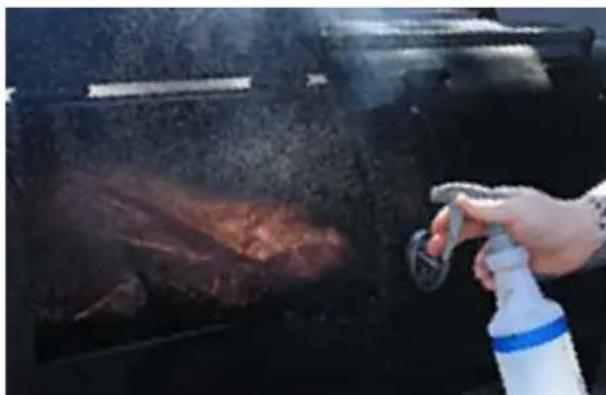
natural_image
Hand spraying a white spray bottle over a dark outdoor scene with visible smoke or vapor (no text or symbols)Due to continual product development, the product you purchase may differ slightly from the ones shown here. Charmate® is a registered trademark of Sitro Group Australia Pty. Ltd. www.gasmate.com.au and Aber Living, N.Z. www.charmate.co.nz

www.facebook.com/GasmateAustralia

www.instagram.com/gasmateaus
- Lighting the charcoal in a charcoal chimney.
- Adding hot charcoal to the smoker.
- Enhance the smoke with wood chunks.
- Fill the water pan with cold water.
- Place the food on the grill.
- Set the lid on the smoker.
- Pecan is similar to hickory but more subtle and ideal for poultry, beef, pork, and lamb.
- MAINTAINING THE QUALITY OF SMOKE
- Open the bottom and top vents.
- Keeping a steady temperature.
- The more you look, the less you cook.
- If your coals have gone cold.
- EXPERIMENTING WITH YOUR SMOKER
- Cook most meats for 4 hours at 105°C.
- Smoke seasoned barbecue pork chops for 1 hour at 130°C.
- Cook beer can chicken from 1.5 to 3 hours at 105° C .
- Smoke BBQ ribs for 6 hours at 105°C.
- OFFSET SMOKER
- GETTING STARTED
- Season the Offset smoker.
- Using temperature probes in the smoker.
- Open the air intake vent and chimney vent.
- Lighting the charcoal in a charcoal chimney.
- Apple wood has a subtle, sweet and fruity flavour that is ideal for poultry, beef, pork, game birds and some seafoods.
- Spread the coals in the firebox and close the lid.
- Bring the smoker up to temperature.
- ADDING FOOD AND ADJUSTING HEAT
- Arrange your food on the grill.
- Add charcoal to the firebox.
- Increase the heat in the smoker.
- Reduce the temperature in the smoker.
- SMOKING FOODS
- Add a few wood chunks to the firebox.
- Rotate the food once every hour.
- Place a pan of water in the firebox.
- Spray the food to keep it moist.
Brand : Gasmate
Model : Lawson JNR
Category : Barbecue