
RFP1801 - Flash Drive RYOBI - Free user manual and instructions
Find the device manual for free RFP1801 RYOBI in PDF.


| Product Type | Cordless Flashlight |
| Model | RFP1801 |
| Brand | RYOBI |
| Voltage | 18 V |
| Bulb Replacement | ALB02A, 18 V, 0.6 A |
| Battery Compatibility (Lithium-Ion) | BPL-1820, BPL-1815, BPL-18202PK |
| Battery Compatibility (NiCd) | ABP1801G, ABP1802G |
| Charger Compatibility (Lithium-Ion) | BCL14181H, BCL14183H, BCL1418, BCS618, BCL1800 |
| Charger Compatibility (NiCd) | ACR1800, ACR1800G, BCS618, BCL1418, BCL14181H, BCL14183H, BCL1800 |
| Weight (estimated) | 0.5 kg (1.1 lbs) |
| Dimensions (estimated) | 20 x 10 x 10 cm (7.9 x 3.9 x 3.9 in) |
| Light Output | 30% brighter than standard (stated on product) |
| Safety Features | Overheat protection, anti-slip grip, battery removal before maintenance |
| Maintenance | Use only identical Ryobi replacement parts; clean with dry cloth; avoid solvents |
| Environmental Protection | Recycle according to local regulations; do not dispose with household waste |
| Storage Temperature | Do not exceed 40°C (104°F) |
| Warranty | Standard Ryobi warranty applies; check manufacturer for details |
Frequently Asked Questions - RFP1801 RYOBI
User questions about RFP1801 RYOBI
0 question about this device. Answer the ones you know or ask your own.
Ask a new question about this device
Download the instructions for your Flash Drive in PDF format for free! Find your manual RFP1801 - RYOBI and take your electronic device back in hand. On this page are published all the documents necessary for the use of your device. RFP1801 by RYOBI.
USER MANUAL RFP1801 RYOBI
natural_image
Black and white photo of a RYOB1 flashlight with visible branding and '30% BRIGHTER' text, resting on a reflective surface (no other text or symbols)Important!
It is essential that you read the instructions in this manual before operating this machine.
Subject to technical modifications.
GENERAL POWER TOOL SAFETY WARNINGS
WARNING
Read all safety warnings and all instructions. Failure to follow the warnings and instructions may result in electric shock, fire and/or serious injury.
Save all warnings and instructions for future reference.
The term "power tool" in the warnings refers to your mains-operated (corded) power tool or battery-operated (cordless) power tool.
1. WORK AREA SAFETY
a. Keep work area clean and well lit. Cluttered or dark areas invite accidents.
b. Do not operate power tools in explosive atmospheres, such as in the presence of flammable liquids, gases or dust. Power tools create sparks which may ignite the dust or fumes.
c. Keep children and bystanders away while operating a power tool. Distractions can cause you to lose control.
2. ELECTRICAL SAFETY
a. Power tool plugs must match the outlet. Never modify the plug in any way. Do not use any adapter plugs with earthed (grounded) power tools. Unmodified plugs and matching outlets will reduce risk of electric shock.
b. Avoid body contact with earthed or grounded surfaces, such as pipes, radiators, ranges and refrigerators. There is an increased risk of electric shock if your body is earthed or grounded.
c. Do not expose power tools to rain or wet conditions. Water entering a power tool will increase the risk of electric shock.
d. Do not abuse the cord. Never use the cord for carrying, pulling or unplugging the power tool. Keep cord away from heat, oil, sharp edges or moving parts. Damaged or entangled cords increase the risk of electric shock.
e. When operating a power tool outdoors, use an extension cord suitable for outdoor use. Use of a cord suitable for outdoor use reduces the risk of electric shock.
f. If operating a power tool in a damp location is unavoidable, use a residual current device (RCD) protected supply. Use of an RCD reduces the risk of electric shock.
3. PERSONAL SAFETY
a. Stay alert, watch what you are doing and use common sense when operating a power tool. Do not use a power tool while you are tired or under the influence of drugs, alcohol or medication. A
moment of inattention while operating power tools may result in serious personal injury.
b. Use personal protective equipment. Always wear eye protection. Protective equipment such as dust mask, non-skid safety shoes, hard hat or hearing protection used for appropriate conditions will reduce personal injuries.
c. Prevent unintentional starting. Ensure the switch is in the off-position before connecting to power source and/or battery pack, picking up or carrying the tool. Carrying power tools with your finger on the switch or energising power tools that have the switch on invites accidents.
d. Remove any adjusting key or wrench before turning the power tool on. A wrench or a key left attached to a rotating part of the power tool may result in personal injury.
e. Do not overreach. Keep proper footing and balance at all times. This enables better control of the power tool in unexpected situations.
f. Dress properly. Do not wear loose clothing or jewellery. Keep your hair, clothing and gloves away from moving parts. Loose clothes, jewellery or long hair can be caught in moving parts.
g. If devices are provided for the connection of dust extraction and collection facilities, ensure these are connected and properly used. Use of dust collection can reduce dust-related hazards.
4. POWER TOOL USE AND CARE
a. Do not force the power tool. Use the correct power tool for your application. The correct power tool will do the job better and safer at the rate for which it was designed.
b. Do not use the power tool if the switch does not turn it on and off. Any power tool that cannot be controlled with the switch is dangerous and must be repaired.
c. Disconnect the plug from the power source and/or the battery pack from the power tool before making any adjustments, changing accessories or storing power tools. Such preventive safety measures reduce the risk of starting the power tool accidentally.
d. Store idle power tools out of the reach of children and do not allow persons unfamiliar with the power tool or these instructions to operate the power tool. Power tools are dangerous in the hands of untrained users.
e. Maintain power tools. Check for misalignment or binding of moving parts, breakage of parts and any other condition that may affect the power tool's operation. If damaged, have the power tool repaired before use. Many accidents are caused by poorly maintained power tools.
f. Keep cutting tools sharp and clean. Properly maintained cutting tools with sharp cutting edges
are less likely to bind and are easier to control.
g. Use the power tool, accessories and tool bits etc, in accordance with these instructions, taking into account the working conditions and the work to be performed. Use of the power tool for operations different from those intended could result in a hazardous situation.
5. BATTERY TOOL USE AND CARE
a. Recharge only with the charger specified by the manufacturer. A charger that is suitable for one type of battery pack may create a risk of fire when used with another battery pack.
b. Use power tools only with specifically designated battery packs. Use of any other battery packs may create a risk of injury and fire.
c. When battery pack is not in use, keep it away from other metal objects, like paper clips, coins, keys, nails, screws or other small metal objects that can make a connection from one terminal to another. Shorting the battery terminals together may cause burns or a fire.
d. Under abusive conditions, liquid may be ejected from the battery; avoid contact. If contact accidentally occurs, flush with water. If liquid contacts eyes, additionally seek medical help. Liquid ejected from the battery may cause irritation or burns.
6. SERVICE
a. Have your power tool serviced by a qualified repair person using only identical replacement parts. This will ensure that the safety of the power tool is maintained.
SPECIAL SAFETY RULES
- Know your flashlight. Read user's manual carefully. Learn its applications and limitations as well as the specific potential hazards related to this flashlight.
■ Use only with recommended battery pack and charger. Any attempt to use another battery pack will cause damage to your flashlight and could possibly explode, cause a fire, or personal injury.
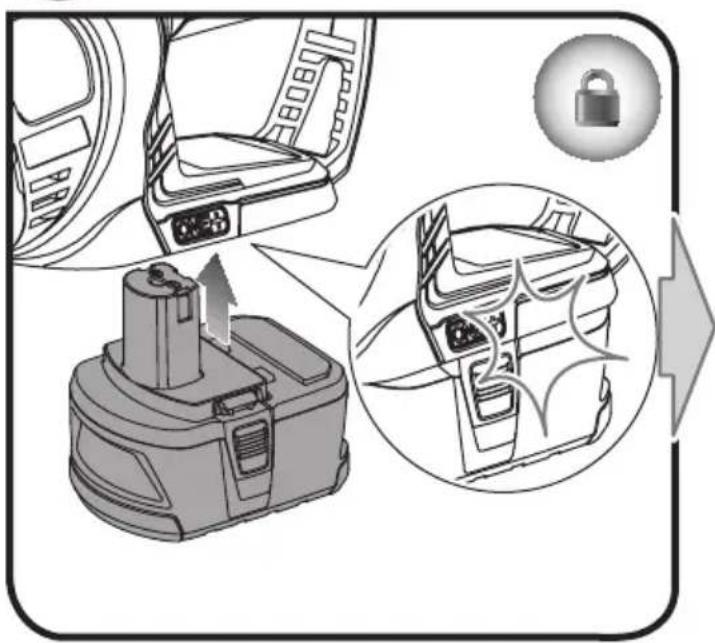
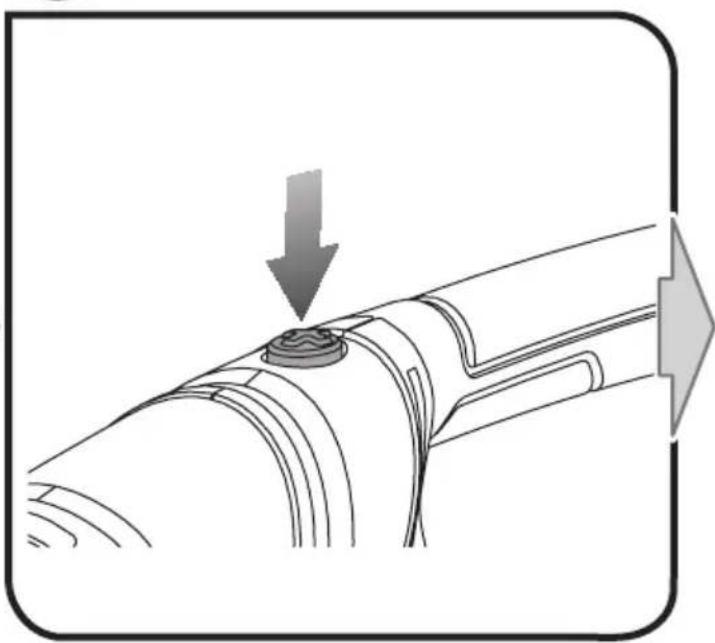
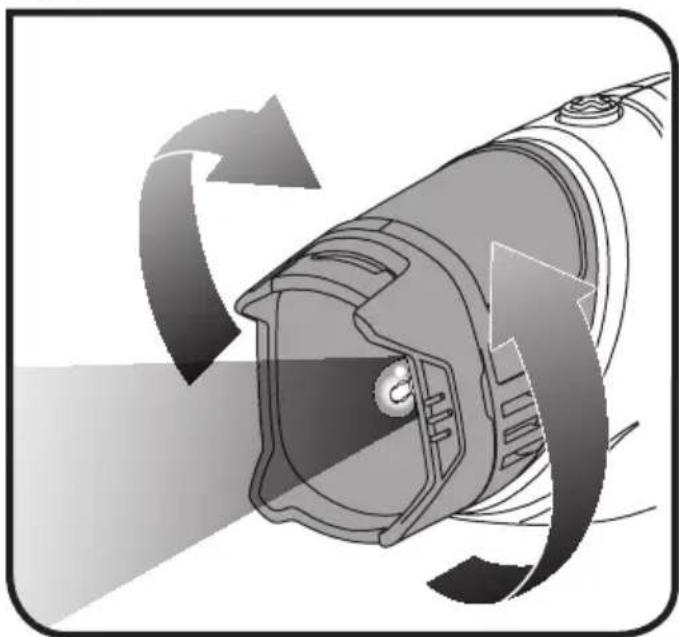
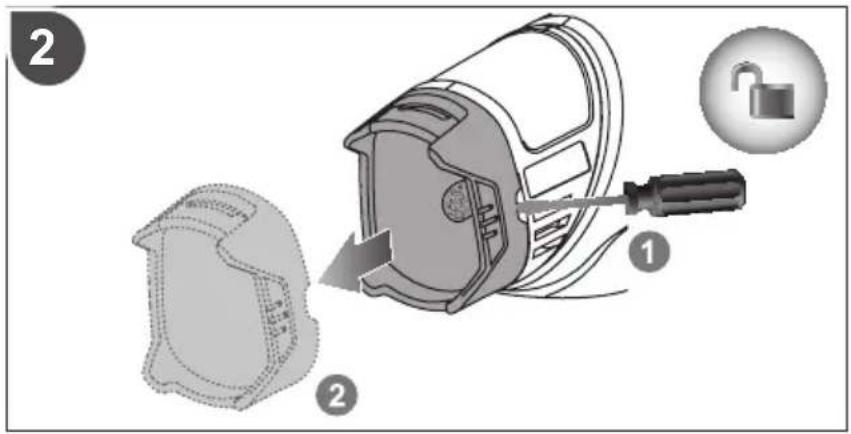
■ Remove battery pack from flashlight before replacing bulb or performing any routine maintenance or cleaning.
■ Do not disassemble your flashlight.
■ Do not place flashlight or battery pack near fire or heat. This will reduce the risk of explosion and possible injury. - Do not dispose of a worn out battery pack by incinerating. Do not incinerate the battery, even if it is severely damaged or completely worn out. The battery may explode in fire.
■ Do not store your flashlight in a damp or wet location. Also, do not store in location where the
temperature may reach or exceed 40^ C ( 104^ F). For example, inside sheds, vehicles, or metal buildings in the summer.
■ Do not permit children to use flashlight unsupervised. It is not a toy. The temperature of the bulb can become hot after being on for an extended period of time. This hot temperature may cause burn injury if touched.
- Keep work area clean. Cluttered areas and benches invite accidents.
■ Avoid dangerous environments. - Keep flashlight dry, clean, and free from oil and grease. Always use a clean cloth when cleaning. Never use brake fluids, gasoline, petroleum-based products or any strong solvent to clean your flashlight.
■ Stay alert. Watch what you are doing and use common sense. Do not rush. - Check damaged parts. Before further use of this flashlight, a part that is damaged should be carefully checked to determine that it will operate properly and perform its intended function. Do not use flashlight if it does not function properly.
■ Have your flashlight repaired by a qualified person. This tool is in accordance with the relevant safety requirements. Repairs should only be carried out by qualified person using original spare parts, otherwise this may result in considerable danger to the user.
■ Battery tools do not have to be plugged into an electrical outlet; therefore, they are always in operating condition. Be aware of possible hazards when not using your battery tool or when changing accessories.
If under abusive conditions, liquid is ejected from the battery, avoid contact. If this accidentally occurs, flush with water. If liquid contacts eyes, seek medical help.
MAINTENANCE
■ When servicing, use only identical Ryobi replacement parts. Use of any other parts may create a hazard or cause product damage.
■ Avoid using solvents when cleaning plastic parts. Most plastics are susceptible to damage from various types of commercial solvents and may be damaged by their use. Use clean cloths to remove dirt, dust, oil, grease, etc.
■ Do not attempt to modify this tool or create accessories not recommended for use with this tool.
ENVIRONMENTAL PROTECTION
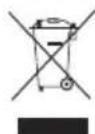
Recycle raw materials instead of disposing of as waste. The machine, accessories and packaging should be sorted for environmental-friendly recycling.
SYMBOL

Safety alert
V Volts
...
Direct current

Please read the instructions carefully before starting the machine.
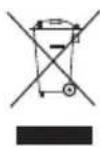
Waste electrical products should not be disposed of with household waste. Please recycle where facilities exist. Check with your Local Authority or retailer for recycling advice.
ICONS IN THIS MANUAL

Safety

Getting started

Information

Maintenance

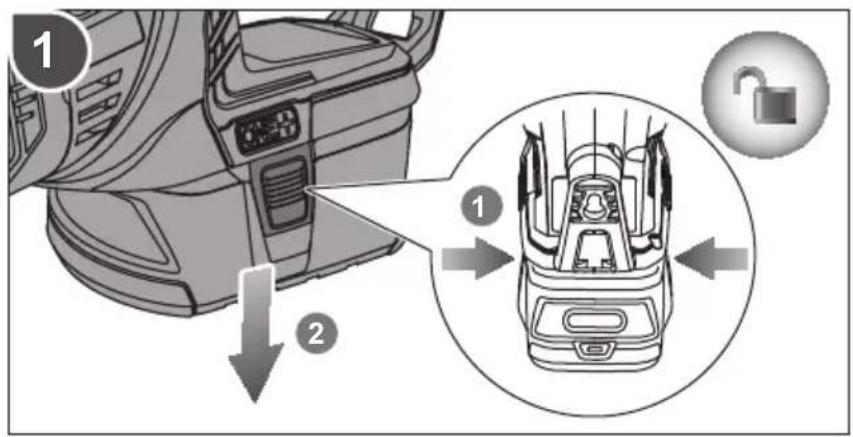
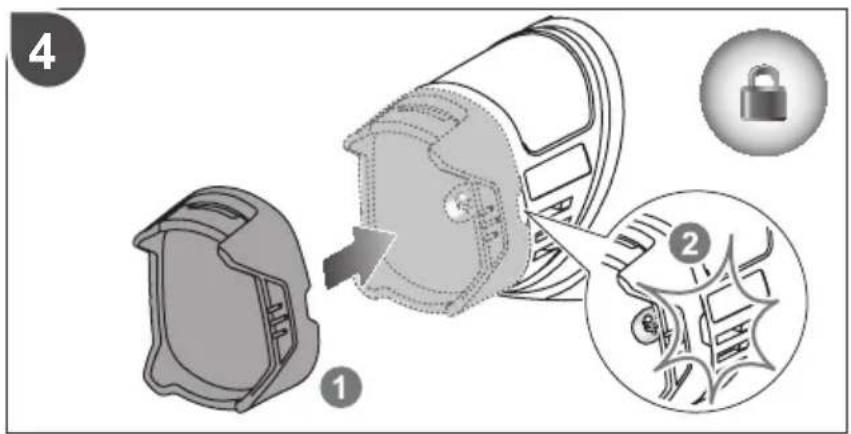
Lock

Unlock

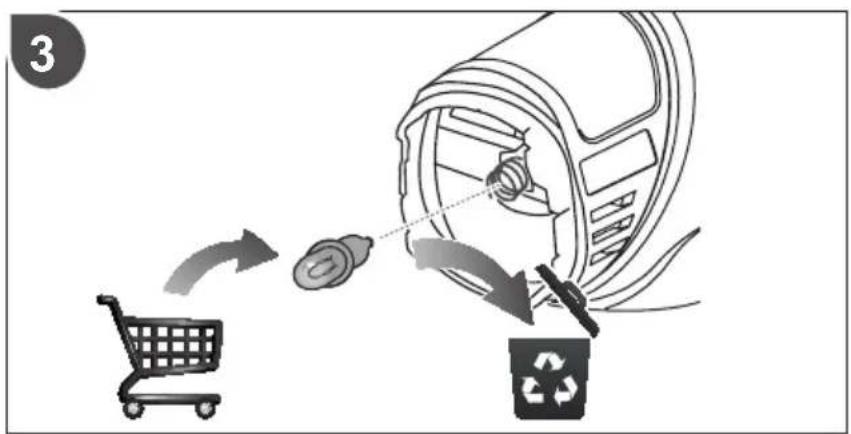
Purchase replacement part or accessory

Dispose of replaceable part or accessory
Disconnect battery
1
2
natural_image
Diagram of a pipe joint with a circular component and directional arrows indicating force or movement (no text or symbols)3
natural_image
Diagram of a mechanical device with rotating arrows indicating motion or rotation (no text or symbols)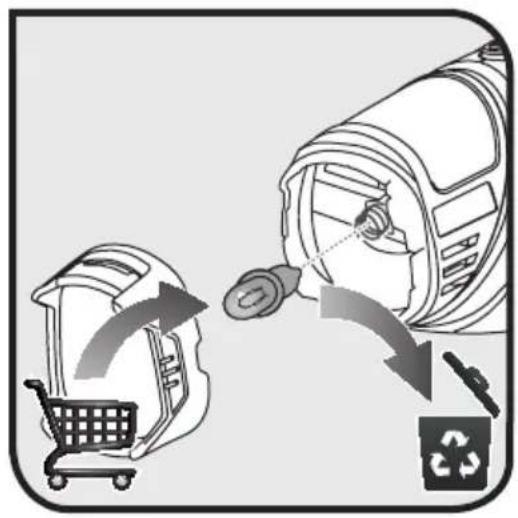
natural_image
Illustration of a recycling bin with a shopping cart and recycling symbol (no text or labels)

PRODUCT SPECIFICATIONS
| Motor 18 V | --- |
| Bulb replacement ALB02A | |
| Bulb replacement type rate 18 V, 0.6 Amp | |
BATTERY AND CHARGER
| Compatible battery pack (not included) | Compatible charger (not included) | |
| Lithium-Ion | BPL-1820 | BCL14181H |
| BPL-1815 | BCL14183H | |
| BPL-18202PK | BCL1418 | |
| BCS618 | ||
| BCL1800 | ||
| Nickel Cadmium | ABP1801G | ACR1800 |
| ABP1802G | ACR1800G | |
| BCS618 | ||
| BCL1418 | ||
| BCL14181H | ||
| BCL14183H | ||
| BCL1800 |
RYOBI®
- Important!
- GENERAL POWER TOOL SAFETY WARNINGS
- WARNING
- Save all warnings and instructions for future reference.
- WORK AREA SAFETY
- ELECTRICAL SAFETY
- PERSONAL SAFETY
- POWER TOOL USE AND CARE
- BATTERY TOOL USE AND CARE
- SERVICE
- SPECIAL SAFETY RULES
- MAINTENANCE
- ENVIRONMENTAL PROTECTION
- SYMBOL
- ICONS IN THIS MANUAL
Brand : RYOBI
Model : RFP1801
Category : Flash Drive