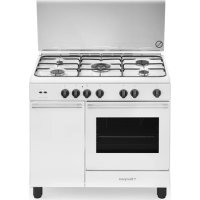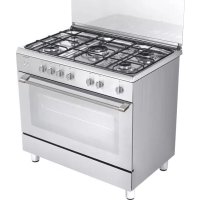
BO683YDN - Cooker BOMPANI - Free user manual and instructions
Find the device manual for free BO683YDN BOMPANI in PDF.


Frequently Asked Questions - BO683YDN BOMPANI
User questions about BO683YDN BOMPANI
0 question about this device. Answer the ones you know or ask your own.
Ask a new question about this device
Download the instructions for your Cooker in PDF format for free! Find your manual BO683YDN - BOMPANI and take your electronic device back in hand. On this page are published all the documents necessary for the use of your device. BO683YDN by BOMPANI.
USER MANUAL BO683YDN BOMPANI
ACCENSIONEL BRUCIATORE FORNO
USO ACCESSORI DEL FORNO
| GB | Index | Introduction |
| Technical data and specifications | 12 | - Thank you for choosing one of our quality products, capable of giving you the very best service. To make full use of its performance features, read the parts of this manual which refer to your appliance carefully. The Manufacturer declines all responsibility for injury or damage caused by poor installation or improper use of the appliance. |
| Installation | 13 - 14 | |
| Ventilation | 13 | |
| Positioning | 13 | |
| Fitting the feet | 13 | |
| Balancing the lid | 13 | |
| Fitting the oven door handle | 13 | - To ensure its appliances are always at the state of the art, and/or to allow constant improvement in quality, the manufacturer reserves the right to make modifications without notice, although without creating difficulties for users. |
| Gas connection | 13 | |
| Adapting to different types of gas | 13 | |
| Replacing the injectors | 13 | |
| Minimum setting | 13 | |
| Electrical connection | 14 | - When ordering spare parts, inform your dealer of the model number and serial number punched on your appliance's nameplate, visible inside the warming compartment (if present) or on the back of the cooker. |
| Electric ignition | 14 | |
| Safety device | 14 | |
| For the user | 15 - 19 | - APPLIANCE COMPLYING WITH THE FOLLOWING DIRECTIVES: |
| Ventilation | 15 | - EEC 2009/142/CE (ex 90/396) |
| Igniting the burners | 15 | - 2006/95/EC Low Voltage (replaces 73/23/EEC and subsequent amendments) |
| Igniting the gas oven | 15 | |
| Igniting the gas grill | 15 | - EEC 2004/108 (radio-frequency interference) |
| Safety device | 15 | - European Regulation 1935/2004 (materials in contact with food) |
| Electrical switch-on | 15 | |
| Using the gas hob | 15 | - European Regulation 1275/2008 |
| Using the gas oven | 15 | - EEC 40/2002 |
| Using the electric hotplates | 15 | - EEC 92/75 |
| Using the gas grill | 15 | - 2002/96/EC (WEEE) |
| Using the electrical grill oven gas | 16 | - 2005/32/CE (Energy-using Products) |
| Multifunction electric oven | 16 | |
| Using the multifunction electric oven with 6 cooking programs | 16 | FOREWORD |
| Using the electrical grill electric oven | 16 | - Refer only to the headings and sections covering accessories actually installed on your cooker. |
| Using the rotisserie | 16 | |
| Oven light / rotisserie switch | 16 | |
| Using the self-cleaning oven | 16 | |
| Multiple spit kit | 17 | |
| Fitting the multiple spit | 17 | |
| Using the spring clock | 17 | |
| Use of the electronic timer | 17 | |
| Using the oven accessories | 17 | |
| Using the ceramic hob | 18 | |
| Cleanin of the ceramic hob | 18 | |
| Advice and precautions | 18 | |
| Directive 2002/96/EC (WEEE) | 19 | |
| European Regulation 1935/2004 | 19 | |
| Figures | 58 - 60 |
GB
Technical data and specifications
| Nominal external dimensions Cookers | 90x60 |
| Height at hob | cm. 85 |
| Height with lid raised | cm. 141 |
| Depth with door closed | cm. 59 |
| Depth with door open | cm. 100 |
| Width | cm. 90 |
| Usable Dimensions oven with grill | multifunction |
| Width | cm. 75 |
| Depth | cm. 48 |
| Height | cm. 33 |
| Volume | l. 119 |
GAS BURNERS (injectors and flow-rates) 90x60
| Gas Bu | rner Injector low | flow-rate (kW) | nominal flow-rate (kW) | |
| G20 | auxiliar | 77 | 0,40 | 1,00 |
| 20 | semi-rapid | 97 | 0,58 | 1,65 |
| mbar | rapid | 123 | 0,80 | 2,80 |
| oven 5,0 kW | 170 | 1,20 | 5,00 | |
| oven 3,3 kW | 135 | 1,20 | 3,30 | |
| grill 3,8 kW | 155 | - | 3,80 | |
| grill 3,0 kW | 130 | - | 3,00 | |
| ultra-rapid ec. | 145 | 1,70 | 4,00 | |
| G30 | auxiliar | 50 | 0,40 | 1,00 |
| 28-30 | semi-rapid | 65 | 0,58 | 1,65 |
| mbar | rapid | 83 | 0,80 | 2,80 |
| G31 | oven 5,0 kW | 120 | 1,20 | 5,00 |
| 37 | oven 3,3 kW | 90 | 1,20 | 3,30 |
| mbar | grill 3,8 kW | 100 | - | 3,80 |
| grill 3,0 kW | 86 | - | 3,00 | |
| ultra-rapid ec. | 98 | 1,70 | 4,00 | |
| G110 | auxiliar | 150 | 0,40 | 1,00 |
| 8 | semi-rapid | 185 | 0,58 | 1,65 |
| mbar | rapid | 265 | 0,80 | 2,80 |
| oven 5,0 kW | 330 | 1,20 | 3,40 | |
| oven 3,3 kW | 310 | 1,20 | 3,30 | |
| grill 3,8 kW | 285 | - | 3,20 | |
| grill 3,0 kW | 290 | - | 3,00 | |
| ultra-rapidec. | 350 | 1,70 | 4,00 |
EQUIPMENT
All models are equipped with safety device for oven and grill burners.
Depending on the models, cooker may also have:
- Safety device for one or more hob burners
- Electric ignition on top burners
- Electric ignition on oven and grill burners
- Oven thermostat
- Electric oven lighting
- Rotisserie
- Grill burner
- Mechanical timer
- Electronic timer
For the LAYOUT OF HOB BURNERS see the models illustrated in figure 1 at the back of this manual.
For the ELECTRIC WIRING DIAGRAM see figure 2 at the back of this manual.
The electrical power is stated on the nameplate visible inside the warming compartment (if present) or on the back of the cooker.
A copy of the nameplate is glued to the cover of this manual.
Useful information concerning the energy consumption of electric ovens.
This information completes and expands on the figures provided on the technical data sticker supplied with the instruction manual.
| Cooker 96N Multifunction | |
| EU environmental quality mark No | |
| Time required to cook a normal load in conventional mode in minutes. | 61,6 |
| Time required to cook a normal load in fan mode in minutes | 81,6 |
| Power consumption in stand-by setting in Watts. ... | |
| Usable area of the dripping pan in cm2 | 2729 |
Cat.: see nameplate on cover; Class 1 or 2.1 - Type "X" cookers
HEATING ELEMENT POWERS
bottom element 1.65 kW
top element 1.15 kW
oven circular element 2.5 kW
grill 2.4 kW
fan 25W
oven light 15 W
ELECTRIC HOTPLATES
0 145 1,0 kW - Normal hotplate
1,2 kW - Normal hotplate
0180 1,5kW-Normal hotplate
1,7 kW - Normal hotplate
1,8 kW - Hight-Light hotplate
2,2-1,0 kW-Hight-Light hotplate
GB
Installation
INSTALLATION
The appliance must be installed by qualified staff working in accordance with the regulations in force. Before installing, ensure that the appliance is correctly preset for the local distribution conditions (gas type and pressure). The preset settings of this appliance are indicated on the nameplate shown on the cover. This appliance is not connected to a flue gas extractor device. It must be installed and connected in accordance with the regulations in force. This appliance may only be installed and may only operate in rooms permanently ventilated in accordance with national regulations in force.
VENTILATION
The rooms in which gas appliances are installed must be well ventilated in order to allow correct gas combustion and ventilation.
The air flow necessary for combustion is at least 2m^3 /h for each kW of rated power.
VENTILATION OF FOOD WARMER WITH GAS OVEN
Dripping pans, saucepans and other large items which may interfere with the ventilation required by the oven burner should not be placed in the food warming section
POSITIONING
Remove the packaging accessories, including the films covering the chrome-plated and stainless steel parts, from the cooker.
Position the cooker in a dry, convenient and draft-free place. Keep at an appropriate distance from walls which may be damaged by heat (wood, linoleum, paper, etc.).
The cooker may be installed alone or between two kitchen units; in this case, the sides of the units must withstand a temperature of 100 degrees C and they must not be higher than the cooker hob.
FITTING THE FEET (LEVELLING)
Cookers are equipped with adjustable feet to be screwed into their front and rear corners respectively. The feet allow the height of the appliance to be adjusted, in order to set it flush with the adjoining unit, to level it with other worktops and to ensure even distribution of the liquids in pans. See fig. 3.
BALANCING THE LID
Models equipped with plate glass lids are fitted with special balanced springs. These are fitted into the hinge to provide smooth, gentle lid closure.
FITTING OVEN DOOR HANDLE
- fully open the door.
- apply gentle leverage with the handle of a fork or spoon in the three recesses on the upper of the inside of the door, one at a time.
- once released from the three springs, the glass can be extracted from the lower seat of the inside of the door.
- Fix the handle using the 2 screws provided. See fig. 4.
After fitting oven door handle, repeat the same procedure in reverse order. - fit the glass into the lower seat of the inside of the door.
- press gently on the upper side of the glass so that the three pins, with silicone on the inside, fit into their holes.
- make sure that the door closes completely.
CONNECTING TO THE GAS SUPPLY
Before connecting the cooker, check that it is preset for the gas to be used. Otherwise, make the conversion as described in the section headed "Adapting to different gas types". The connection is on the right; if the pipe has to pass behind the cooker, it must be kept low down where the temperature is about 50 degrees C.
- Rigid connection (see Fig. 5, diagram D):
The connection to the mains gas supply may be made using a rigid
metal pipe (D). Remove the hose connector and screw the rigid union onto the threaded connection of the gas train. The union for rigid connection is amongst the cooker accessories.
- Connection using a rubber hose (see Fig. 5, diagrams B and C): Connect a rubber hose carrying the conformity mark currently in force to the hose connector. The hose must be replaced at the date indicated, and must be secured at both ends using standard hose clamps. It must be absolutely accessible to allow its condition to be checked along its entire length.
- Connection using a metal hose (see Fig. 5, diagram D): Make the connection using a hose which complies with national standards, screwing it onto the connector with a ring seal, which is delivered amongst the cooker accessories.
- After installation, check that all connections are airtight.
- For operation with butane/propane, check that the gas pressure is as indicated on the nameplate.
IMPORTANT:
- Use only standard rubber hoses. For LPG, use a hose which complies with the national regulations in force.
- Avoid sharp bends in the pipe and keep it well away from hot surfaces.
References to the regulations covering the gas connection to the appliance: ISO 7-1.
ADAPTING TO DIFFERENT TYPES OF GAS
If the cooker is not already preset to operate with the type of gas available, it must be converted. Proceed as follows:
- Replace the injectors (table on page 12);
- regulate the primary air flow;
- regulate the minimum settings.
N.B.: every time you change the type of gas, indicate the new type of gas on the serial number label.
REPLACING THE HOB BURNER INJECTORS (fig. 6)
- Remove the grid, the burner caps (A), and the burners (B);
- unscrew and remove the injector in the bottom of each injector holder (C);
- replace the injector in accordance with the table in page 12, using a 7mm socket wrench, tighten and screw right down;
- check that the system is gas-tight;
- replace the burners, the burner caps and the grid;
IMPORTANT:
- Never over-tighten the injectors;
- after replacing, check that all the injectors are airtight.
REPLACING THE OVEN BURNER INJECTOR (fig. 7a)
- Loose the screw securing the oven bottom;
- remove the oven bottom (push back and raise);
- remove the oven burner, after taking out its fixing screw;
- replace the injector, using a 7 mm socket wrench.
REPLACING THE GRILL BURNER INJECTOR (fig. 7b)
- Remove the burner after taking out the two screws which secure it;
- replace the injector using a 7 mm socket wrench.
IMPORTANT:
- Never over-tighten the injectors;
- after replacing, check that all the injectors are airtight.
SETTING HOB BURNER MINIMUM LEVELS
If the cooker is to work on bottled gas (butane/propane), the tap by-pass must be screwed right down. The cooker may be equipped with type A taps, with by-pass inside (accessed by inserting a small screwdriver into the rod) or type B taps, with by-pass on the outside on the right (accessed directly). See figure 8.
If the cooker is to work on natural gas, proceed as follows for both types of tap:
GB
Installation
- Ignite the burner at maximum flame;
- pull off the knob, without using a lever against the control panel, which might be damaged;
- access the by-pass with a small screwdriver and back off by about 3 turns (turning the screwdriver anti-clockwise);
- turn the tap rod anti-clockwise again until it stops: the burner will be at maximum flame;
- screw the by-pass slowly back in, without pushing the screwdriver, until the flame has apparently shrunk to 1/4 of the maximum size, checking that it is sufficiently stable even in quite strong draughts.
SETTING OVEN BURNER MINIMUM LEVELS
If the cooker is to work on bottled gas (butane/propane), the thermostat by-pass must be screwed right down.If the cooker is to work on natural gas, proceed as follows:
- Remove the oven bottom (push towards the back and raise);
- ignite the oven burner, turning the knob pointer to the maximum setting;
- shut the oven door;
- access the thermostat by-pass (fig. 9);
- back off the thermostat by-pass by about 3 turns;
- after 5 or 6 minutes, turn the knob pointer to the minimum setting;
- slowly re-tighten the by-pass, watching the flame decrease in size through the window in the closed oven door until the tongue of the flame is about 4mm long. Never keep the flame too low. It must be stable even when the oven door is opened or closed quickly;
- turn off the burner and replace the oven bottom.
CONNECTING TO THE ELECTRICAL MAINS
Before making the connection, check that:
- the mains voltage is as indicated on the nameplate;
- the earth connection is in good working order.
For direct connection to a power mains, a device that ensures disconnection from the mains must be installed, with a opening distance for the contacts that allows for a complete disconnection under conditions of category III electrical overload, in conformity with the installation instructions.
If the appliance power lead is not fitted with a plug, use an approved standard type, remembering that:
- the green-yellow wire must be used for the earth connection;
- the blue wire is the neutral;
- the brown wire is live;
- the lead must never touch hot surfaces over about 75 degrees C;
- replacement leads must be of type HO5RR-F of suitable size (see diagrams in fig. 2).
- if the appliance is supplied without lead, using type HO5RR-F cable of suitable size (see diagrams in fig. 2).
IMPORTANT: the manufacturer declines all liability for damage due to failure to comply with the regulations and standards in force. Check that the appliance is correctly connected to the earth (see diagrams in fig. 2 at the back of the manual).
FOR COOKERS WITH ELECTRIC IGNITION
The correct gaps between the electrode and the burner are shown in figures 7a,7b.
If no spark is generated, do not keep on trying as this might damage the generator.
Possible causes of malfunctions:
- spark plug damp, dirty or broken;
- electrode-burner gap not correct;
- spark plug wire broken or without sheathing;
- spark discharging to earth (to other parts of the cooker);
- generator or microswitch damaged;
- air has built up in the pipes (particularly if the cooker has been out
of use for a long time);
- air-gas mixture incorrect (poor fuel setting).
THE SAFETY DEVICE
The correct gap between the end of the thermocouple sensor and the burner is shown in figures 7a,7b.
To check that the valve is working properly, proceed as follows:
- ignite the burner and leave it to work for about 3 minutes;
- turn off the burner by returning the knob to off position () ;
- after 90 seconds for hob burners, 60 seconds for oven and grill burners, turn the knob pointer to the "on" position;
- release the knob in this position and move a burning match towards the burner; IT MUST NOT IGNITE.
Time needed to excite the magnet during ignition: 10 seconds approx. Automatic tripping time, after flame has been turned off: not more than 90 seconds for hob burners; not more than 60 seconds for oven and grill burners.
IMPORTANT:
- Before doing any work inside the cooker, disconnect the mains plug and shut the gas tap.
- Never use matches to check the gas circuit for leaks. If a specific control device is not available, foam or very soapy water can be used.
- When re-closing the hob, check that the electrical wires of the spark plugs (if present) are not close to the injectors, so that they cannot run across them.
GB
For the user
HOW TO USE THE COOKER
VENTILATION
All gas cooking appliances produce heat and moisture in the rooms where they are installed. Take care to ensure that the kitchen is well ventilated; keep the ventilation openings unobstructed or install an extractor hood with fan.
In case of intensive or prolonged use, additional ventilation may be required; open a window, or increase the extractor fan power.
IGNITING THE HOB BURNERS
- Press the knob and turn it anti-clockwise until it reaches the symbol on the control panel (maximum flame position);
- at the same time, move a burning match towards the burner head;
- to reduce the flame, turn the knob further in the same direction until its pointer is against the symbol (minimum flame position).
FOR HOB BURNERS EQUIPPED WITH SAFETY DEVICE
- Press the knob and turn it anti-clockwise until it reaches the symbol on the control panel (maximum flame position);
- move a burning match towards the burner, keeping the knob pressed right down for about 10 seconds;
- then release the knob and check that the burner remains on. Otherwise, repeat the operation.
IGNITING THE OVEN BURNER
- Open the oven door;
- press the knob and turn it anti-clockwise to the maximum flame position;
- move a burning match towards the hole in the centre of the oven bottom and press the knob right down (see fig. 10);
- look through the two holes in the sides of the bottom to check that the burner has ignited, keeping the knob pressed down;
- after about 10 seconds, release the knob and check that the burner remains on. Otherwise, repeat the operation.
IGNITING THE GRILL BURNER
- Fit the control knob guard as shown in fig. 13;
- press the oven knob and turn it to the right until it reaches the stop;
- move a burning match towards the perforated burner pipe and press the knob right down (see fig. 11);
- check that the burner has ignited, keeping the knob pressed down;
- after about 10 seconds, release the knob and check that the burner remains on. Otherwise, repeat the operation.
SAFETY DEVICE
Burners equipped with this device have the advantage that they are protected if they accidentally go out. If this occurs, the supply of gas to the burner concerned is automatically cut off, preventing the hazards deriving from a leak of unburnt gas. The gas supply must be cut off within no more than 60 seconds for the oven and grill burners or 90 seconds for the hob burners.
FOR COOKERS WITH ELECTRIC IGNITION
All the above applies, except that the match is no longer required; a spark is obtained by pressing the button on the control panel once or more, or by pressing the knob of the burner to be ignited. If electronic ignition is difficult with some types of gas, set the knob on the low (small flame) setting.
- For cookers with electric ignition of the oven and grill burners, ensure the oven door is completely open when these burners are ignited;
- Do not operate the ignition device for more than 10 seconds when
igniting the oven and grill burners. If the burner has not lit after these 10 seconds, stop using the device, leave the door open and wait one minute before trying again to ignite the burner. If the ignition device malfunctions again, light the burner with a match and call the after-sales service.
IMPORTANT:
- Difficulty in igniting burners is normal if the cooker has been out of use for some time. The air accumulated in the pipes will be expelled in a few seconds;
- Never allow too much unburnt gas to flow from the burners. If ignition is not achieved within a relatively short time, repeat the procedure after returning the knob to the off position () ;
- when the oven and grill are lit for the first time, a smell may be noticed and smoke may come out of the oven. This is because of the surface treatment and oily residues on the burners.
HOW TO USE THE HOB BURNERS
Use pans of diameter suitable for the burner type. The flames must not project beyond the base of the pan. Recommended sizes:
- for auxiliary burners = pans of at least 8 cm using the adjusting grid supplied with the cooker
- for semi-rapid burners = pans of at least 14 cm
- for rapid and triple flame burners = pan of at least 22 cm.
N.B.: Never keep the knob at settings between the maximum flame symbol and the off position (
IMPORTANT:
- Never leave hotplates on without pans, except when first used; leave for about 10 minutes to dry oil or moisture residues;
- if the hotplate is to be out of use for a long time, apply a little grease to its painted surface;
- do not allow spills to burn onto the hotplate, requiring the use of abrasive cleaners.
FOR COOKERS EQUIPPED WITH ELECTRIC HOTPLATES
The different heat settings are obtained as follows:
- 1 = minimum setting for all hotplates;
- 6 = maximum setting for normal and rapid hotplates (with red disc);
-0=off.
Pans must never be smaller in diameter than the hotplates and their bottoms must be as flat as possible (see fig. 12).
IMPORTANT:
- Never leave hotplates on without pans, except when first used; leave for about 10 minutes to dry oil or moisture residues;
- if the hotplate is to be out of use for a long time, apply a little grease to its painted surface;
- do not allow spills to burn onto the hotplate, requiring the use of abrasive cleaners.
- After igniting the burner, leave the oven to heat up for about 10 minutes;
- place the food for cooking in an ordinary oven dish and place it on the chrome-plated shelf;
- place in the oven on the highest possible runners, and turn the knob pointer to the setting required;
- cooking can be observed through the window in the door with the oven light on. This will avoid opening and closing the door frequently, unless oil or fat has to be added to the dish.
N.B.: For cookers without thermostat:
a) oven burner 5kW
- with the knob on the maximum setting = 280 degrees C
- with the knob on the minimum setting = 160 degrees C
GB
For the user
b) oven burner 3,3 kW:
- with the knob on the maximum setting = 275 degrees C
- with the knob on the minimum setting = 160 degrees C
Never leave the knob in positions between the maximum symbol
and the off setting ()
fit the knob guard (see fig. 13);
- light the burner and wait a few minutes to give the burner time to warm up;
- place the foods on the chrome-plated shelf;
- insert on the highest runner;
- insert the drip tray on the bottom runner;
- gently close the oven door, resting it against the knob guard;
- after a few minutes, turn the food to expose the other side to the infrared radiation (the cooking time depends on the type of food and personal taste). To see table "Food to be grilled".
| Food to be grilled Time (minutes) | ||
| 1st side | 2ndside | |
| Thin pieces of meat | 6 | 4 |
| Fairly thick pieces of meat | 8 | 5 |
| Thin fish or fish without scale | 10 | 8 |
| Fairly thick fish | 15 | 12 |
| Sausages | 12 | 10 |
| Toasted sandwiches | 5 | 2 |
| Small poultry | 20 | 15 |
N.B.: The first time the grill is used smoke will come out of the oven. Before inserting foods for cooking, wait until any oil residues on the burner have completely burnt away. The grill must only be used at its full rated heat. Accessible parts may be hot when the grill is in use! Keep children well away.
IMPORTANT: on some models of cooker without knob guard, the door has to be closed during grilling.
HOW TO USE THE ELECTRIC GRILL WITH GAS OVEN
- ignite the grill heating element;
- place the foods on the chrome-plated shelf;
- insert on the highest runner;
- insert the drip tray on the bottom runner;
- gently close the oven door;
- after a few minutes, turn the food to expose the other side to the infrared radiation (the cooking time depends on the type of food and personal taste).
To see table " Food to be grilled"
The grill element in the top of the oven is switched on by turning the thermostat knob clockwise to the grill symbol on the control panel.
The red light will come on to show the element is in operation.
CAUTION: The appliance becomes very hot during use. Care should be taken not to touch the heating elements inside the oven.
MULTI-FUNCTION ELECTRIC OVEN
With different heating elements controlled using a selector switch and regulated by a thermostat, this oven offers various cooking methods. There are three principle sources of heat:
a) Forced heat diffusion (fan oven)
b) Spontaneous heat diffusion (static oven)
c)Infra-red rays (grill)
Starting from the 0 (off) position and turning the selector knob clockwise, the following settings are obtained:
- symbol oven light and red light on, fan running.
-
symbol : conventional oven cooking without fan, the oven temperature is regulated by means of the thermostat knob.
-
symbol: fan oven cooking on one or two levels, the oven temperature is regulated by means of the thermostat knob.
- symbol: fan oven cooking on one or two levels, the oven temperature is regulated by means of the thermostat knob.
- symbol grill (in top of oven) on, the thermostat knob must be on the maximum temperature setting.
- symbol : grill (in top of oven) on, the thermostat knob must be on the maximum temperature setting. The roaster is in operation.
- symbol : fan oven cooking and grill (in top of oven) on, the oven temperature is regulated by means of the thermostat knob. The roaster is in operation.
In all positions except zero (0) the red warning light and the oven light are on. The yellow warning light comes on according to thermostat variations. Before putting food in to be cooked, the oven should be pre-heated for at least 10 minutes.
MULTIFUNCTION ELECTRIC OVEN WITH 6 COOKING PROGRAMS
With different heating elements controlled using a selector switch and regulated by a thermostat, starting from the 0 (off) position, the knob can be turned clockwise to the following settings:
symbol oven light and red warning light on
- symbol * : oven light and red warning light on, operation of fan.
- symbol :conventional "static" oven cooking, the oven temperature is controlled using the thermostat knob.
- symbol + : cooking with fan oven, on one or two levels, the oven temperature is controlled using the thermostat knob.
- symbol grill on (on oven top element), the thermostat knob must be set at maximum temperature.
- symbol quick cooking using the fan oven, the oven temperature is controlled using the thermostat knob. In all positions except zero (0) the red warning light and the oven light are on.
NOTE: The yellow warning light comes on according to thermostat variations. Before putting food in to be cooked, the oven should be pre-heated for at least 10 minutes.
HOW TO USE THE ELECTRIC GRILL WITH ELECTRIC OVEN For models with "Electric Oven" only, controlled by two knobs separately (selector-thermostat), grilling is permitted with the door closed, without using the front side. Temperatures above 200^ must not be used when grilling with the door closed.
HOW TO USE THE ROTISSERIE
a)Grilling with the door open.
- fit the knob guard as shown in fig. 13;
- impale the meat to be cooked on the spit and fix it in the centre using the two forks provided;
- insert the tip of the spit into the rotation hub on the frame (see fig. 14);
- take the handle off the spit;
- place the spit support frame in the central runner of the oven, at the same time inserting the rotation shaft into the motor hub (see fig. 15);
- place the drip tray on the bottom runner of the oven and pour a little water into it;
- light the grill burner;
- close the door gently, resting it on the knob guard;
- start the motor by pressing the switch on the control panel;
- baste the meat from time to time. When it is cooked, remove the frame from the motor hub and screw the handle back on to the spit.
b)Grilling with the door closed. - as above without using the knob protection as shown in fig.13
GB
For the user
CAUTION: The spit forks may have sharp points. Handle with care.
OVEN LIGHT/ROTISSERIE SWITCH
- Gas cooker models are fitted with a round switch;
- press this to turn on both the oven light and the rotisserie motor;
- gas-electric cookers (1 or 2 electric plates) are equipped with a round switch with a red pilot light;
- this light comes on while 1 or 2 electric plates are in operation.
OPTIONAL MULTIPLE SPIT KIT
- Your rotisserie (which has 2 forks) can be equipped with an additional multiple spit mechanism.
- This can be ordered from your dealer at an additional charge.
FITTING THE MULTIPLE SPIT
- Remove the standard forks;
- place and secure the flanges on the spit element as shown in figure 16;
- impale the foods on the spits;
- insert the spits on the flanges as shown in figure 16;
- CAUTION: the two identical flanges "A" must be placed at the ends.
FOR COOKERS WITH MECHANICAL SPRING CLOCK (fig.17)
The spring clock can be set for a maximum time of one hour by turning the regulator knob clockwise to the time required. After the pre-set time, a buzzer sounds and will stop automatically. When the buzzer sounds, the spring clock does not cut out operation of the oven.
USE OF THE ELECTRONIC TIMER (fig. 18)
This allows the start time and cooking duration time to be programmed. If food does not need to be watched, this timer can be selected even when the user is absent. Soon after installation and at any electrical supply cut-outs the display flashes; the clock must then be synchronized again to allow programming.
SETTING THE TIMER TO THE CURRENT TIME
- The current time is set by pressing the 2 buttons (COOKING TIME and STOP) and the "+" or "-" button at the same time. Any previous programmes are cancelled and the AUTO symbol flashes.
NOTE: when the AUTO symbol is flashing the oven cannot be used manually.
"+" AND "-" BUTTONS - Pressing the "+" or "-" buttons makes time go up or down at variable speed according to how long the button is pressed for.
MANUAL USE - Press the MANUAL button: the AUTO symbol goes out (if flashing or permanently on) the SAUCEPAN symbol lights up and the oven can be used by adjusting the thermostat knob and the selector switch according to the instructions given in the manual.
AUTOMATIC OPERATION WITH END OF COOKING AND DURATION TIMERS - Let's use an example: it is 9:25 am; you want the oven to switch on at 11 am and switch off at 12 pm (cooking time 1 hour).
- Press the COOKING DURATION button and within 5 seconds press "+" button until it shows 01.00, adjust using "-" button if necessary. The AUTO and PAN symbols come on permanently.
- Press the END OF COOKING button and within 5 seconds press "+" button until it shows 12.00. The PAN symbol goes out but the AUTO symbol remains permanently on.
- Move the oven thermostat knob to the desired temperature, and the selector switch to the required cooking method; the red warning light comes on the oven light comes on and the timer is ready to start: at 11am the oven will come on automatically and the PAN symbol will light up.
-
When cooking is over (12 am) the AUTO symbol flashes, the PAN symbol goes out and a buzzer sounds; to turn off the buzzer press any button.
-
Move the thermostat and selector knob to the OFF position.
SEMI-AUTOMATIC OPERATION WITH COOKING DURATION
Selection - Let's take an example: it is 11:35 am and you want the oven to stay on for 25 minutes from now on.
- Press the COOKING DURATION button and within 5 seconds press the "+" button until it shows 00.25, adjusting the time with the "-" button if necessary. The AUTO and PAN symbols light up permanently.
- Turn the oven thermostat knob to the desired temperature and the selector switch to the required cooking method; the red warning light comes on, the oven light comes on and the oven starts to operate.
- After 25 minutes the oven and the PAN symbol go out. The AUTO symbol flashes and the buzzer tells you that cooking is over: to turn off the buzzer press any button.
- Then move the oven thermostat knob and the selector switch to the OFF position.
MINUTE MINDER
- Press the MINUTE MINDER button and choose the desired time using the "+" or "-" button.
- The BELL symbol lights up when the minute minder is in use.
- When the pre-set time is over, the buzzer sounds and the BELL symbol goes out.
BUZZER
- The buzzer sounds at the end of a programme and lasts for a maximum of 7 minutes.
To turn it off, press any button.
- Pressing the "-" button without having previously selected a function the frequency of the signal changes. A selection from 3 possibilities can be made. The selected signal is audible as long as the "-" button is pressed.
STARTING AND CHECKING A PROGRAMME
d. The programme starts after about 4 seconds of it being set.
- The set programme can be checked at any point by pushing the corresponding buttons.
PROGRAMMING ERRORS
- Example: at 12:15 pm a COOKING DURATION time of 30 minutes is set and a END OF COOKING is programmed in at 12:30 pm.
- The programme error can be rectified by changing the duration or the end of cooking time, or by pressing the MANUAL button and programming again.
- If there is a programming error the oven will not come on.
ANNULLING A PROGRAMME
- A programme can be cancelled by pressing the COOKING DURATION button and then the "-" button until the display shows 0.00.
IMPORTANT:AT THE END OF EVERY PROGRAMMED COOKING OPERATION YOU ARE ADVISED TO PRESS THE BUTTON, OTHERWISE THE OVEN CANNOT BE OPERATED MANUALLY.
HOW TO USE OVEN ACCESSORIES
- The oven shelf is designed to take normal oven dishes for cooking sweets or roasts, or is used without a pan for cooking foods under the grill.
- The drip pan under the grill is used to collect juices, which drip from the food that is cooked directly on the grill. The drip pan can also be used for cooking
- Remember that cooking times may vary if food is cooked on two shelves at the same time.
HOW TO USE THE CERAMIC HOB
The hotplate power has a sequential control device which ensures excellent control of the cooking temperature.
The heat settings are from 1 to 6. The knob can be set in the required position by turning it to right or left.
On dual circuit plates, the knob only turns clockwise and the heat settings are from 1 to 6, for the central zones of the plates only. If the knob is turned forward another notch after the last heat setting, the other zones of the plates will switch on.
GB
For the user
When one of the cooking zones is hot, the warning light E (see fig. 1) comes on; it will not go off until the temperature of all the hotplates has dropped below about 60 degrees C).
The four cooking zones are indicated by the outlines screen-printed on the hob. For good efficiency and appropriate energy consumption, only use saucepans and utensils with thick, perfectly flat bottoms (see fig.12). The diameter of the base of the pan must be at least as large as the outline marked on the hob. If the bottom of the pan does not cover the heating area, energy will be wasted. Preferably, it should be slightly larger in diameter.
Pan bottoms and the cooking surface must be clean and dry. Otherwise heat, and thus energy, will be wasted.
Note:
- Never cook directly on the hotplates.
- To save time, cooking with the hotplates may be started at full heat (knob on 6), turning down to the ideal temperature once the contents of the pan have heated up.
- All the hotplates are equipped with a temperature limiter which prevents them from overheating, even if a hotplate is operated at the highest setting with no pan, or if pans with uneven bottoms are used.
The table below will serve as a guide, bearing in mind that cooking times and temperatures may vary depending on the type and amount of foods cooked and personal taste.
| Knob setting | Cooking process |
| 1 - 2 Keeping foods warm, bechamel sauce, custard | |
| 2 - 3 Reheating foods | |
| 3 - 4 Pasta, vegetable soups, ragout | |
| 4 - 5 Boiling, roasting | |
| 5 - 6 Steamed vegetables, steaks, fish | |
| 6 Grilling, omelettes, lamb chops | |
CAUTION
- Do not look directly at the halogen hotplates while they are on, as the light emitted from the hotplates may be harmful to your eyes.
- The ceramic glass surface is very tough but it is not shatterproof and it may not be used to place objects upon it.
- It may be damaged if struck violently by sharp or very hard objects.
- If breakages, crazing or cracks appear on its surface, stop using it and contact the after-sales service immediately.
- Do not place aluminium foil or plastic film wrappings on the hob while it is still hot.
- Soon after installation, the hob may give off a burnt smell; this will disappear after the first few times it is used.
IMPORTANT:
Because of their height, children may fail to see the residual heat warning light. Take care that they do not touch the hob, even if the heating elements are switched off.
CLEANING OF THE CERAMIC HOB
The ceramic hob is much easier to clean than a hob with conventional hotplates. Light dirt can be removed with a sheet of damp kitchen paper. To remove tougher dirt, use the same cleaning methods as for glass, with specific detergents. If a pan boils over onto the hob, use a spatula to remove the deposit formed. Sugar or syrup must be removed immediately before it forms caramel on the glass. Any residues of aluminium foil or plastic film wrappings accidentally placed on the hob while it is still hot must also be removed at once. Water marks and traces of scale can be removed with white wine vinegar. Always remember to rinse and dry the surface with kitchen paper after use. Never use abrasive or corrosive detergents,
such as oven sprays, degreasers, rust-removers, powder polishing detergents or abrasive sponges. Do not allow grains of sand to be left on the hob when cleaning vegetables, for example, as they may scratch the surface. Do not slide pans with rough bottoms over the hob; they may mark or even scratch the glass.
GENERAL PRECAUTIONS
- This appliance must not be used by those with reduced mental or motor capacities (including children), or by those who are not experienced or know how to work it, unless supervised or instructed on its use by safety personnel. Children must be supervised to ensure that they do not play with the appliance.
- Always disconnect the power supply before any work inside the oven or where live parts may be accessed.
- Never use the warming compartment for storing inflammable liquids or items which do not withstand heat, such as wood, paper, aerosol cans, matches, etc.
- Make frequent checks on the rubber connection hose, ensuring that it is well away from hot surfaces, that there are no sharp bends or kinks, and that it is in good condition. The hose must be replaced at the latest at the indicated date and must be secured at both ends using a standard hose clamp.
- If taps become stiff to operate over time, contact the After-Sales service.
- Wash enamelled or chrome-plated parts with soapy lukewarm water or non-abrasive detergents. A metal brush may be used to remove deposits from hob burners and flame caps. Dry thoroughly.
- Never use abrasives to clean enamelled or chrome-plated parts.
- Do not use too much water when washing the hob. Take care that no water or other substances enter the burner housing holes, as this may be dangerous.
- The spark plugs for electric ignition must be kept clean and dry; always check after use, particularly if there have been drips or overflows from pans.
- Never move the cooker by means of the handle.
- Never close glass lids until the hob burners or hotplates have cooled completely; it might shatter or crack.
- Never knock enamelled parts or ignition spark plugs (where present).
- The main or wall gas tap should be turned off when the cooker is not in use.
- Do not clean the glass doors of the oven with rough, abrasive materials or sharp metal scrapers, since they may scratch the surface and cause the glass to shatter.
- Do not use vapor jets to clean the appliance.
- The cooker does not have an installation stand.
CAUTION: The use of a gas cooking appliance results in the production of heat, moisture and products of combustion in the room in which it is installed. Ensure that the kitchen is well ventilated especially when the appliance is in use: keep natural ventilation holes open or install a mechanical ventilation device (mechanical extractor hood).
CAUTION: This appliance is for cooking purposes only. It must not be used for other purposes, for example room heating.
A number of fundamental precautions must be complied with when using household electrical appliances. In particular:
- The ceramic-glass hob has good mechanical strength and thus withstands small accidental knocks. If the knob is broken or cracked by a knock, do not use the appliance, disconnect the power supply and contact your dealer.
- WARNING: If the surface of the hob is cracked, switch the appliance off to avoid the risk of electric shocks.
GB
Advice in case of malfunctions
Before contacting your After-Sales Service, check that:
-
the plug is fitted properly into the mains socket;
-
the master pilot is on.
If the problem persists, consult a qualified, authorised technician capable of repairing the fault.
If the oven light does not work, proceed as follows:
- Disconnect the power supply. Remove the protective glass on the back of the oven and replace the bulb.
No liability is accepted for injury or damage caused by poor installation or improper use of the cooker.
In case of malfunctions, particularly gas leaks or short-circuits, contact your engineer without delay.
EUROPEAN DIRECTIVE 2002/96/EC (WEEE): Information for the
consumer.
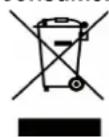
Fig.A
This information is strictly addressed to those who have a product showing the symbol below (Fig.A). This symbol is indicated on the technical data sticker (rating label) placed on the product itself.
This symbol indicates that the appliance is considered as Waste Electrical and Electronic Equipment and complies with the European directive 2002/96/EC (WEEE).
Therefore this product is not to be treated as household waste. Instead it shall be handed over to the applicable collection point for the recycling of electrical and electronic equipment or it can be handed back to the retailer when you want to purchase a new equivalent product.
The consumer is responsible for a correct disposal of the product towards an appropriate collection point.
Otherwise the consumer can be exposed to a penalty sanction by laws in force for waste disposal.
Appropriate separate waste collection followed by recycling the product, the treatment and compatible environmental disposal contributes to avoid negative effects towards the environment and health and helps to recycle material which the product is composed of.
For more detailed information regarding the available waste collection systems of this product please contact your local city office or contact the retailer where the product was purchased.
The manufacturers and importers will obey to their responsibility for recycling, treatment and compatible environmental disposal by participating directly and through a joint cooperative system.
EUROPEAN REGULATION No 1935/2004 - materials in contact with food.
Notice to users.

The symbol shown here, which appears on the packaging, indicates that the materials in this product which may come into contact with food are compliant with the requirements of European Regulation No 1935/2004.
Inside the oven chamber, food might come into contact with oven shelves, dripping pans, pastry trays, oven door glazing, rubber gaskets, rotisserie spits, and the sides of the oven itself.
On the hob, contact is possible with pan stands, burners and the hob skin.
In the food-warmer, contact may occur with the sides of the compartment.
RU
BcTyPJIeHne
TexHHueckne daHHbIe HxapaKTePnCTHKn. 21
YcTaHOBka 22-23
BeHTJIaIINI NOMEIIeHHN 22
Pa3meHne 22
MOHTaX HOKeK PJIHTbI 22
YpaBHOBeuHbAHne KpbIaKn 22
MOHTaKpyuKnIJIABePbIyXOBKn 22
IopKIOUeHNE K
ra3opacippeJnteJIbHOI cetn 22
HacpoIka Ha pa3JHbIe THIIb Ira3a 22
3aMeHa KHKJIepOB 22
PeryIInpOBA Ka IOnaun Bo3nyx
PeyJINPOBKa MHHMaJIbHO
IIaMeHH 22
IopKIOUeHHe K 3JIeKTPocetn 22
3Jektpnueckoe 3axnraHne 23
IpeoxpaHnteJbHoe ra3OKOHtpoJbHoc yCTpOHTBO 23
Hhopmaunn nn
noTpeBnteJIeI 24-28
Bentra nomee Hn 24
3aKnHaHne ropeJok 24
BkIIOueIIHe r3OBOH DyXOBKn 24
BkJIOUeHHe ra3OBOrO rpnIa 24
IpeoxpaHnteJbHoe ycTpoHCTBO
ra3OKoHTpoJ 24
3JIeKtpnueckoe 3axnraHne 24
HcnoJb3OBaHHe ra3OBbIX ropeJIOK
paoboyeIOBepxHOCTN IANTbI 24
HcnoB3OBAHHe 3JIeKTPHueckHX KOHΦopok 24
HcnoB3OBaHnEra3OBOrOrpna 24
HcnoJIb3OBAHNE 3JIKTPNueCKOFO TPNJRA 25
3JEKTPHECKA IIOIy HKUHOHAJBHAR DYXOBKA 25
HcnoJIb3OBAHHe BepTeJa 25
BbIKIOaTeJIb-KoHTPOJIbHaJaAMNoUka/BepTeJ. 26
DyXOBKa C TepMOperyJrTOpOM 26
HcnoJb3OBaHHe caMOOuHuaIOUeIcra DYXOBKn 26
KOMIIeKT HacaIok BepTeJa. 26
MOHTax HacaJok 26
HcnoIb3OBAHne TaMepa. 26
HcIOJIb3OBAHNE 3JEKTPOHHO
IPOFAMMHPYIOUIEFOYCTPOINCTBA 26
INCIOJIb3OBAHNE INPOIPTAMMIPYIOEFO
YCTPOICTBA"CTAPINHNAJyXOBKA" 27
PekomeHdauHH No TexHKe 6e3OnaHocTH. 27
Директува 2002/96/EC (WEEE):Инфорmaцьдя..
PnIb3OBaTeNei 291
EBPONEENCKN PEPNAEMT No 1935=2004 29
PncyHKn 58-60
-HaPMA6IaRoJapHT Bac 3a Bb6Op INoKyNkO yDnHO H3 HaHINX BbCOKOKaYeCTBHeHHx H3DeJIM. MblrpoH aHeemc, uTO B BaHINx pyKaX HAn N PHTb ByyT fYHKUHOHPOBaTb C MaKCHMaJIbHOI OTdAeH HAn LyuHmpeyJbTaTAM, ONpABdbBaBce BaHIN OxHaAHn. C ToTlEByIO pPeJaAeBam BHMaTeJBHO IpOuHTab HAcToIeepykoBDCTBO HnpDCpKHBaTcRc Ero yKa3aHn. TpeyH nET O npHbopax n ChTeMax, KOTOpBMn OchAHeHa BaaPiHTa. FAbpKhA H3rTOBHTeB CHHMaet c CeB BcKkyo OTBeCTBeHHOCb 3a NobpeckDeHH, HcncpaBHocTHn HecCaactThbcclyauH, Bb3BaHHbe Heco6IIOdeHEm peKomeHdaun No yCTaHoBke H3cKnIyatauHHn IITb.
-TOI TO, YTObbl BbHcyKaTb NINTbB COOTBcTCTBNC COBpeMCHHbIM TcXHOLOTHCCKHMN PcWHCHHMAH H/IN DIA NOCTOHNHOIOBBHHeHH KaeeCTBa HAHIX H3JeHH, qapnka OCTaJIaET 3a c0oB npabo BHeCEHH KaKHX-JH6o H3MeHeHH DaJx Be3 npDabapHTcIbHOro npdeynpcKdEHH, YTO, OHaKO, He Bbl3bIbAcT npobem HIN 3aTpPydHeHH pNkNpyaTuHH.
EcHBO3HHKHeHc06XoDHMOCTb3aKa3a3aNuaCTcHaHO CcEJAtb 3aIPOC Baaemy npOaBny, rIe cJeNyET yka3aTb HOMep MOJIHN HOMep CCpH NIIHTb, nPoWtAMNoBaHHbc Ha a6pHHOI ONO3HABATEbHO TaJIuYKe. 3Ta TaJIuYKa MoKeT 6bITb paIOJIOKeHa BHyTpH OTdeJIeHHa pa3OrpeBa TaPeJOK (ecJH ecTb) HJIH Na 3aDHCn CTOpOHc PNTbI.
-IIHNTa COOTBeTCTBYeT HOPMaTHBaM:
-CEE 2009/142/(ex-90/396)
-2006/95/CE no Hn3KOMy HanpJxKeHIO (3aMeHreT 73/23/EEC n NocneDyU
onpaKn)
- CEE 2004/108 (po urovn radiopomex)
-EBPONEENCKN PEGIAMEHT No 1935/2004 (kontaktirovanie s pi)evymi produ
tami)
-EBPONEENCKN PEGIAMEHT No 1275/2008
-CEE 40/2002
-CEE92/75
-2002/96/EC (WEEE)
- 2005/32/CE (Energy-using Products)
TORCHEHNE
-B HacToaIeM pyKOoCTBe pEoCTaBIAHOT HHTePec ToIbKO Te npaparpafo hnn pa3dcbl.1croBOOpHTbcra O npH6opax, KOTOpBMn Ochaueta BaHaPiTa.
Длгопрдения Даты Вьнусяа ппбора пpoьерьт e9-3нчьи CBepHbI HOMeP, yka3aHHbI Ha cepe6pntOТNTKeTKe,Ha pyKOBODCTBe no 3KcNpyatauHn Ha caMOM pnp6ope:
AABBCDDD
T A30BbIe FOPEJIKN (KHKJIcpeBIMOIOIOCTH)
BHTpeem cIyae He 3aTnHBaTb H3mHe HHKeKToPbI.
IPOH3BeJa 3aMeHy, IPOKOHtPoJIHpOBAbT bRePMeTHUHOCTb Ra3a. BcEx HKeKTopoB.
3AMEHA KIKLEPOB TOPEKIN YXOBKN(aHc.7 -OTkpyHTe BnHT KpeJIenHna dyxOBKn.
-CHMHTeHNOyXOBKN(CBnraerOHa3aHIOHNHMma)
paHOW -CHMHTe ropeKky dYXOBKn, PpeBaPHTeJIbHO OTKpyTHB KpeTnCC BnHT
-3aMeHHTe JHKJIep, HcNoIb3yra TopueBOI TpyuHa 7 MM.
RU
YCTAHOBKA
3AMEHA KHKJEPOB TOPEJKN PHJIA (pHc.7b)
- CHHMMTE RopeJky, INpeBaPHTeJbHO OTKpyTnB DBA KpeIaIne ee BnHTa
-3aMeHHTe JHKJep, HcnoJIb3yra TOpueBOH TpyuHaTbI KJIou Ha 7 MM.
PEKOMEHДAUIN
- pH yCTaHOBKe JHKJIePOB HNKOIa H3JIHIIHe He 3aTBAHTe NX KJIOYOM
- TocJle 3aMeHb Bcex XHKJIepOB IPOBepbTe Hx Ra3OHnPOHHuae-MOCTb.
PEYJNPOBKA MHHMMAJIbHOrO IJIAMEHN FOPEJOK PABOUENIOBEPXHOCTH IIITbI
B clyuae, ecnn nHnTa fynKnOHpyeHa CxNKeHHOM rase (I/II), perynnpouhbn BnHT doJnxHe 6bIt b3akpyueH Do ynopa.
IIHTaMOKcET6bITbOCHAeHa KpaHAMTHINA 一 _ A CycTaHOBJIeHHbIM BHYtPHpeRyJHPOBOUHbIM BHHTOM(peRyJHPOBaTB KOtOpbIM MOXHO npH NOMOHN MaJIeHbKOI OTBCpTKHcpe3 CTepKChb)HINTHINA 一 _ 日 C HApyKbHMpeRyJHPOBOUHbIM BHTOMC IIpaBOI CTOPOHb (eroMOxHO pcryJHPOBaTbHCIOpcDCTBEHHO),CMOTPH PH.8.
FJIHJYHKUHOUPOBAHNJIHTbIHCIOJIb3yETcHATypaJIbHBIra3TOHe3aBHCMOOTTHaKpaHaDeIECTBOBaTbCJeDyIOHMobpA-OM:
-3axrHTe ropeKy H yctaHOBHTe MaKcHMaJIbHOe PJaM.
CHHIMTCpykypcryIATOPa,NOTAHyBccHaCC6HcHAHMAHa nepeDHIOHOHeJIbIIHTbBOH36eKaHHe ee NOBpeKdHn.
Ipn NOMOHN MaJIChbKOI OTBCPTKNIOTKpyTHTC pCryJHpOBOuHbIN BnHT npH6JIH3HTeJIbHO Ha TPH O6Opota (BpaIIaONTBePTKy npOTNB YacOBON CTpeJKN).
IIOBCPHTC cie pa3 cTepeKHe KpaHa npOTHB acOBON CTpeKN Doero6JOKHPOBKn. B 3TOM clyae 6ydt MAkCMaJIbHOe IJaMa.
OCHb MCJCHHO 3aKpyTHTC pcryIINPOBOUHbBHT, HC HaxHMaHa OTBePfKy, Do Tex Nop, NOKa NJaMa He yMeHbHITc Ha 3/4. PnBTOM OpaTHTe OC6oe BHNMaHHe Ha To, YTObbl NJaMa 6bl Jo DOCTaTOuHO ycToHHbIM daKe pN yMepeHHOM NOToke BO3dyxa.
PEYJHPOBKA MHHIMAAJIbHOI POJIAMEHN TOPEIKN DXYXOBKN
B cIyuae, ecIII nIITa fyHKUHOHpyet Ha cKJxehHOM rae (5/1), perYInpOuHBn BHTIOJIXe6bItb 3aKpyueH Do yNopa. Ecln IJIy fHKUHOHPOBaHHI INIHTb HcNOJb3yeTc HATypaJIbHn Ra3, To He3aBHCMO OT THNa KpaHa peRyINHpOBKa MHHMaJbHOro IJaMeHN BblIOJIHHCTcA CcIcyUOHN Oba3OM:
-CHHMMTE DHO DYXOBKN (CDBHrae ero K 3aDHei CTeHKe H NODHIMAR).
-3axrnte ropeKy dyxOBn yctaHOBHe yka3aTeJb peRyHnpoBOuHOI pyKn BIOLOXKeHHe MaKcMaJIbHOI IIJaMeHH.
-3akpoHTeBepuyDyXOBKn.
-HaHnHTe peryIHHPOBOUHbIN BHHT TepMOperyJrTopa HIn KpaHa (pHc. 9)
-OTKpyTHTe peryIHHPOBOHbBnHT npH6JIH3HTeJbHO Ha TPh O60 pota.
-Yepe3 5-6 MHHyT yCtAHOBHTe yKa3aTeJIb pyKn B NOJIOKeHHe MHHMaJIbHOrO IIJaMeHH.
-MeJHeHNo 3aKpyTHTe peryIINPOBOUHbBnHT,Ha6IIOda yMeHbWeHHe IaMaChH Hepe3 CTeKIO B DBepeD yXOBKn (Dbepua 3aKpbItA) DO TEX NOp,IOKA KOHYC IaMaEHN He yMeHbWNTcRdo
4 MM. nPbH3nTcIbHO. Hc peKOMeHdyetc cIHHKOM yMeHbIaTb IIJAM. OHO IOJIJKHO 6bITcA6HJIbHbIM IaKe Ipn bICTPOM OTKpbIBAHIN 3aKpbIBAHIN DBeptb dyXOBKn.
BbIKIOHHTeROpeJkyHycTaHOHBHTeHOdyXOBKnHaMecTO.
IIOKJIIOUOHEHNEK3JEKTPOCETH
PpeKJde yem IOdkIOuOaTb IINTy K 3JIeKTPocetH, Heo6xOIMMO y6eHTbcra, YTO:
HaipxHHe BHeHHe Cetn COOTBeTCTByeI npaMetpam, yka3AHbIM Ha aOpHOn OTo3HaBaTeJbHO TaJIuKe
-po3cKa 3a3mJIeHHJyHKUHOHHPyCT
-Дя BbIIOJIHeHnI npMOrO NOKJIIOUeHnI K cETn Heo6xoDmE
IIOIROBnTb yCtPOINCTBO, KOToPoe 6yJeT oBeCeNeuBaTb OTKHIOUeHne
OT CETN, paCCTOARHNE OTKpbITINKoHTaKTOB B KOTOPOM
IIO3BOJrTb IONHOE OTKJIouHeHc B yCIOBnX nepeHaipjKe
KaTeOpn III N B COOTBeTCTBNN B npaBnJaM yCTaHOBkN
EclnIJIHTaYKOMIIIEKTOBaHa CTeBbIM IHHyPOM 6e3 BHNK,TO JIAI NOIKJIOUeHm MOxHO HcNOJIb3OBAt bCTAHdApTHyIO BHJky. PpN 3TOM HEoXODHMO yHTbIbTaCJeDyIOuee:
-KeJTO-3eJIeHbI INPOBOI IOJIkeH HcIOJIb3OBA TbCn 3a3EmJIeHH
-0ybo npoBdHnTpaH
- KOpuHHeBbI npoBOd JIA HanpJxHnCetN
Hyp He 0JKeH COPNPKacatbce co CTEHKamn IINrbl, HarpBaOuMmncs 6oee 75^
B C Lyuae 3aembbl ceteboro Hhypa HcnoJb30abTb Hhyp TnHa HO5RR-F NOxOJaIcero CeChHra (CMOTPH CXEMbHa pnc.2). CCIN NHTA NoCTaBHeHa 6e3 CETeBOrO hHpy, nPH NOKIOUcHHN HCNOJB3OBaTB hHyp TnHa HO5RR-F NOxOJaIeero CeeHnra (CMOTPH CXEMbHa pnc.2).
BHIMAHINE
IpoH3BOJHTeJIbHe HecET OTBeTcBHeHHocTH 3aIOBpeKJdeHHn, Bb3BaH HBIC HECO6JIIOEChHcEM BHIeYKa3aHHbIX Tp6OBaHHn H DeHCTByUHX IpaBnI NO TexHnke 6eONacHOCT NpN NOkJIIOueHHn PJIHTbI. O63aTCbHO IPOBcpeTc, YTO IPOBOID 3a3MlCHHHn PJIHTbI IpaBnJIbHO COeHNHe C cetb0 3a3eMeHHn (CMOTPH CXEmb Ha pHC.2).
IHTbOCHAIEHHBIE CNTTEMON 3JEKTP03AKNFGAHN
ToHbIe paCCToHHa MeKdy 3JIeKTPoDOM H RopeJIKOYka3aHbHa pnc.7a,76.
Ecn Hckpa He BbBbaeTc, He yIopCTByTe, T. K. MoKHO IOBpe- dHTb rCHcpaTOP. ChCTcMa 3aXHraHHa MOKCT HC cpaBaTBaTb IIO CJJeDyIOIHIM pNHHAM:
-BJaxHa,HeuCpPaBHAAHJ3aRpa3HeHHaCBeua.
HcnpaBnIbHO yCTaHOBIOHO paCToHHc Mckdy 3JckTpOdom H ropeikon.
TOKONPOBOODAHINIPOBODOKCBCHIOBPCXJCHNHOLOCH
-NCKPOBOI pa3PdI yXOHTB 3eMIIIO (BpyTHx HaCTx IINTbI). NOBPCXJCH TCHCPaTOP HIN MHKPOBbIKJIHOATcJIb.
-ckonJIeHHe BO3dyxaB TpyoNpOBoJax (ocobHIO nocJe JNTeJbHOrnpHOda HeHCNOJb3OBaHHn PHTbl).
HcnpaBnIbHO COCTaBJIcHa rA3OBO3dUHHa CMCCb (HCnpaBnIbHOC ropeHHe)
PPEIOXPAHHTIELHOE YCTPOICTBO FA3OKOHPTOJIAR
IpaBnJIbHOC paCCToHHc Mckdy KOHcAMN yyBCTBHTcJIbHOr OMeHTa TepMonapb H ropeKoH NOKa3aHo Ha pHc.7a,76.
JI KHTPOJIyHKUHHPoBAHHKJAnaHa ra3OKHTPOJIeI CTBOBaTb CJDyIOHM Opa3OM
3aKHTe RopeKy H OCTaBbTe ee BKIOueHHoI pHIOHN3HTeJbHO Ha 3 MHyTbI.
- BbIKIOHTe ropeKny H NOBepHITpe pyky peyIaTopa B NoIOKeHHE 3aKpbTO, O603HaueHHOE CHMBOJOM (
-Yepe3 90 ckyH B cnyae KOHTPOJRA ropeIOK paOoyen NOBepx-HocTH H Yepe3 60 ckyH B cnyae ropeIOK dYXOBKN H rPHJI
IOBCpHyTb pyKBy IOJIOXeHcEOTKpbTO
-0ctabBte pyky B 3TOM IOJIOKeHHH N pIbNHTb 3aXKeHHyIO CnHcy K ropeJIke: FOPEJKA HE JOJIKHHA 3AKEYbcra
Bo Bpem 3axnraHn Tpe6yioTc npnbHn3HeJbHo 10 cekyHd JIa Bo36yckHn MaHHTa.Klaan H ra3OKoHTpoJI cpaabTBbaeT ABOMaTHueckn NocLe BkIIIOuEHn PImMeHH He 6OJIee Yem Upe3 90 cekyHd JIra IopeLOK paOoey NOBepxHOCTN PInTb H uepe3 60 cekyHd JIra IopeLOK dyXOBKn rpnJIa
NPDEYIPKDEHNC
- Ipeepo onepaune no nctke HnTexobcyxHBHIO OTKJUaHTe PHTO 3akpbBaTe KpaH NoaHa ra3a.
Pn NOKJIHOUeHH NJIHTb K HCTOuHHky NOaHu Ra3a He npoBepaIte repMeTHuHOCTb CTbIOB Pn NOMou NJIaMeHH. EcJIN BBaIeM pacnopjEHH Het CneuaNbHbIX NpHbOpOB JIA KOHTPOJRA3OHENPOHNUdAeMOCTn, MOxHO NcNOJB3OBaTb NeHy JIN KOUHe
MpyuPOBaHHUoMbJIbHUYO BODY.
YcTaHaBnBaHa MecTo paOuyIO NOBepxHOCTb IINTbI y6Cm
OT cETn, pacCTOARHne OTKpbITNA KOHTaKTOB B KOTOPOM
IIO3BOJrTb IONHOE OTKJIouHeHc B yCIOBnX nepeHaipjKe
RU
HHΦOPMAUЯДЯ NOTPEBNTEJIEN
KAK HCIO/1b3OBA1b II/INTY
BEHTHJRAIINI NOMEIIEHH
3KcHlyaataHra3OBOHIIANTbCOIPOBOKdaCTCBdeJeHHEMTe IIOOTbN BLaXHOCTBNOMeHHeHH, rDe OHa ycTaHOBJIHe. NOrTOMy, HEOxOdHMO O6ecNEHTb BEHTJIAuHIO NOMEeHHeH NIODePJKHBAtb OTKpbITBM CECTCtBEHHbc BCHTHIAuHOHHc OTBCpCTn HIN YCTaHOBHb BBtJXHOH 3OH.
B cIyueae IINTEJIbHORO H INHTEHCIBHORO HcIOJIb3OBaHHN IIJITb BO3HNkaET HeoXoIMOCCTb DOnIOJIHNTeJIbHO BENTHJIaHH, KaK, HanpHMep,OTKpbITb OKHO JIN YBEJIHHTb MOUHOCTb BbHYKeHHOH BEHTNJLJIuHH N BbITJxHORO 3OHTa.
BKIOUOEHNE FOPEJOK PAOCHI NOBEPXHOCTN JINTbI
HaKMHTe H NOBepHHTe peryJHpOBOHyO pyky npOTHB acOBOH CTpeJIKN H yCTaHOBTb OTMeTKy HAIpOTNB CHMBOJI. 063HaeyH HOro Ha NepeDHeN NaHeJN NHTb (NOJOKeHne MaKCHMaJIbHORO nJaMeHH).
- 3aTeM NOHecHTe 3aXKeeHHyO cNHyk K ropeJke.
JyMeHbWeHHNIIaMeHHIOBOpaUNBaHTe pyKy B TOM JKe HApBJIeHHH, yCTaHaBJIbBaIOTMeTKy HaIPoTHB CHMBOJ (NOJOxKeHNEMHHMaJIbHOrO IIaMeHH).
BKJIOUeyHNE TOPEJOK PABOeyI IOBEPXHOCTN, OCHAUeHHbIX KJIATAHOM FA3OKOHPTPOJIA
HaKMHTe H NOBepHHTe peryJHPOBOHYO pyky npOTHB acOBOH CTpcJKN H yCTaHOBHTC OTMCTKY HAnpOTHB CHMBOL. Oo3HaCHHoro Ha NepeDHei NaHeJN NJIHTbI (NOJOKeHHe MaKCHMaJbHORO nJaMCHN).
-3aTeM IOJIHeCHTe 3aJKeHHyIO cHnUky K ropeJIke H NaKMnTe Ha pyKy Do ynpa H depKHTe ee npHkaToB TeueHHnpi6JIu3HTeJbHo 10 cekyHd.
OTnycHTHe pyuH y6eHTeCb. UTo rOpelka 3axrJaacb.B npOH BHOM Clyuea IOBTOPHTe BCE CHaHaJa.
BKIOUOUEHNE TOPEJKN DYXOBKN
-OTKpoHTeIbepuIyIyXOBKn
HaMHHe Ha pyky H NOBepHHe ee npOTHB uacBOH CTpeKN Do NOJOKeHH MaKcHMaJIbHOrO IJaMeHH.
3aTe MoHeCHe 3aKKeHHyO cHnHKy K IeHTpaIbHOMy OTBepCTHO Ha dHe DxyOBKn H aKaMnTe Ha pyKy Do yNopa (CMOTpu pnc.10).
-He OTnyckar pyuKy 6eHntecb B TOM, yTO ropeJka 3aXkTJaCb, HaIIOda IJIaMn Yepe3 DBA 6OKOBbIX OTBepCTN Ha dHe dYxo-BKN
Iipn6JIH3HTeJIbHO uepe3 10 cekyHOnTnyCHTe pyky H npOBepBe, He noTyXJa Jn ropeJka. B npOTNBOM cJyae NOBTOPTb BCE CHaHaJa.
BKIOUOHEHNE TOPEJIKI TPHJI (FA3OBbI I TPHJIb)
- YcTaHOBHTe PJIaHky DJIJI 3aIITb peYJIMPOBOUHbIX pyueK OT NO-TOKa Tropyero Bo3dyXa, Ka yKa3aHo Ha PHc.13.
HaKMHTe Ha peryIINPOBOUHyO pyIky dyXOBKn H IOBepHHTe ee BIIpaBOIO KOHua.
3aTeM NOHcHrTe 3aKxKCHHy CnHky K ncpfOpnpoBaHHoT py6e IopJI Hn HaxMtte Ha pyKy Do ynopa (CMOTpn Pnc.11).
-HeOTnyckarpyuKy y6eHITecb,TO TOrpeKka3aXrJAcB. - Pn6Jn3HTeJIbHo uepe3 10 cekyHd OTnyCTHe pyky H y6eINTecb, UTO ropeJa He notyxJa. B npOTHBOM cLyuae NOBtOpHTe BCE CHaHaJa.
IPEDOXPAHHTIELbHOE YCTPOHCTBOA3OKOHPOJIA
PpeMyIeCTBO OCHaIIeHHbIX 3THM yCTPOHCTBOM RopeJIOK COCTOHT B TOM, UTO B CJIyae HEnpOH3BOJbHOro RAWeHH NAmEH Cpa6aTbBAeT CHCTcMa 3aIHTb. DcNCTBHtCtBHO, B 3TOM CJIyAc ABOTMAuCECKN PpeKaIaeeTc NOdaYra3a K NotYxWen RopeJIke, No3BOJRA TaKM O6pa3OM H36ckTaB OnaCHOCTN YtcKr Ra3a. NocLc HEnpOH3BOJbHOro RAIeHH NJaMeHH KJIaNaH Ra3OKOHPTPOJIL cpa6aTbBAeT ABOTMAuCeCKn He 60JeE qEm qeep390cekyHd Jra RopeJIOK pa6ooye NOBepXHOCTN IIHTb Hpeep360 cekyHd Jra RopeJIOK dYXOBKN rPHJIA
IINITbI, OCHAJIEEHHBIE CNTTEM0N 3AXHIGAHNOROT 3JEKTPUeCKO INCKPbI
PnHnH 3aKHTA HnraTakOHKe KaONHcHo BbIe,3aNckJIOueHHem TOrO,TOBmecTo CnHcKn HcNOJIb3yeTCn HCKpa,NOJyuaMaJn PH HaxaTHn,daJe MHOROKpAHOM,pacnoJOKeHHoHa NpeJHe nHaHeJN KHOKN,HINKe HAXHMaj HA pyKOATKy rOpEJKn,KOTOPaJdoJXHa 6bItb BKIOUeHa.BcIyae,ccnTOpeJIka He 3aKHTaETCn,IIIOPO6OBaTB eIe pa3,yCTaHOBBpeYIpHOBOHyIOpykyBIOJOKeHHe MHHMaJIbHOr OIIaMeHN
- EcJH nIHTa OCHHeHa CnCTeMoN 3NeKTPo3aKTHraHHr OpeJOK DyXOBKn H pRJI, pHI X BKLIOHeHH NObB3aTeJIbHO DePkaTb DBepyDyXOBKn NOJINOCtBIO OTKpblTOH.
-Bo BpemB KJIIOHcHHr OpeJOK DXYOBKn H rphJIA, OCHaIeHHbIX CnCTeMOI 3JIeKTPo3aXHraHn, He HaXHMITe HA KHOKNy 3aXHraHn H6OJIeC Hm Ha 10 cekyHd. Ecln Upe3 10 cekyHd ropeJka He 3axRET C, OTNcyTHe KONKY, OTKPOHTe DBepuy DXYOBKn H NOOJNTe NkpaHHe Mepe MHyTu PpeJde Yem NoBTOpHTb BKJIOueHne. Ecln Xe TpeJKA He BKJIOUaETcNo IINPHNE HeHCIIpaBHOCTH CnCTeMbl 3JIeKTPo3aXHraHn, To 3aXHtTe TpeJky BpyHyIO pni NOMOHN CNHKn, a 3aTeM Bb3OBHTe CneHaJIHcTa No TEXO6cIyKHBAHNO. IIPEDYIPPEKdHHE
06bHNO NOCIE DHTCJbHOrO HcHcNOb3OBaHHn PINTb cpa3y He ydaetc 3aKeeyb ropeJIKN. Pepe 3aXHraHHem DOCTaTOUHO NOOXDaTb HeckoJIbKO CekyH, NOKa He BbIeT CKONHBUNCRB TpybONPOBDAx BO3dyx.
-CTapaHTecb, YTO6b BMEcTe C BbIpyCKaEMbIM H3 RopeJOK BO3DyXOM HC BblIIO MHOrO r3a. Ecln TROPcKa He 3aXrTcR B TeCHHHHeCKOJIbKHX CEkyH, NOBTOPHe 3aXHraHHe, IIpeBapNTeJbHO IOpBePHyB peryIHPoBOuHyIO pyky B NOJOKeHHe 3aKpbIBaHnA , a3aTEM BHOBb OTKpbIB ee.
-KordaIyXOBKa HIN rPHJb HcNOJIb3yIOCTBnepBbIE, H3 OTBepcTHaIyXOBKn MOxCT IIOABHTbcAdbIM HcnpHrTHbI 3aIax, BblBaHHbIpa3OrpeBaHHem 3MaJIHPOBaHHORO NOKpbITHcTeHOK dyXOBKnIOCTaTKOB MacJIHCHTO CMA3KN TOpCLOK.
HcIOJIb3OBAHNE KOHΦOPOK ΓA3OBONIHTBtI
CJeIyET NOJIb3OBAtBcK KyXOHHO NocyIOJ,INaMeTp INa KOTOpBX COOTBeTCTByET TnIy RopeJOK. DeIO B TOM, UTO IJaMaH He DOJIKHO BbCTYNaTb CO DA KaCTpOJIN. KaCTpOJIN C BbIyKJBIM HOM (BOHyTBIM INN BbIRHyTBM) HE DOnyCKAJOTCa. PeKOMEHdyTeTc:
JIABBCIOMORAeBHOITOPCIKH=CMKOCbCHaMCTPOMHC MCHCC 8cm;
-ДЯ He OueHb 6bICTpOIN TpeJKN = EMKOCb C DHaMeTpOM He MeHee 14 cm;
-ДЯбICPoH TOpEJIKN HJIN TpoHAnrTOpeJIKN = EMKocTb C DnAmETpOM HC MCHC 22 CM.
TpoHnra ropeIka npiroHa dny ncoNb3OBaHnKa cAtpoB Wok
IPMHUEAHHE HN B KOEM Cnyae He OCTaBnB pyky B IPO MExyTOUHbX NIOJOKeHHx MEJy CHMBOJOM MaKCHMaJIbHOrO IIaMeHH H NOJOKeHHem "3akpIto" ().
IPMHUEAHHE. nPH BkIOUcHn IprIyBnBpBbIC MoKHO 3aMCTHTb NOABJIeHHe DbMa H3 dyXOBKn. IpexJe yem pNCHTyNTb K npuroTOBJIeHHIO NIIIN, peKOMeHdyTeTcN IOOJaTaNb NOKa NJOHOCTbIO He CROPAT OCTaTK CMA3KN HCKOTOpBX DCtAJIeN.
Bo Bpem npHrTOBJIeHHI HnHn Ha rHJHe He NpeBbHaTb HOMHaJIbHyO yCTaHOBICIHHyIO TcMIncpaTyP.
BHIMAHNE:Пи ИпОЛьЗOBAHн ГИЯ НApуЖиьЧаСТДухВКМOTy CHIБНО HArpeBaTbC. He noDnyckaHTe DeTeN 6H3KO K JIyXOBKe.
KAK NOJb3OBATbCRA 3NEKTPUeCKM TPNIEM B 3NEKTPUeCKOJ DYXOBKE
-ПишТОЛьКОДЯМоDEнeС"3NeKTPnueckOДуXOBKOJ, ynpabNReMbIX DByMpa3dJIbHbIMn pyuKaMn (ceJIeKTOp - TepMoperyIaTOp),MOxHOrToTobITb Ha rPnne npn 3akpbIToI DBepue,He nonb3yrcb 3aunToIpyeK.
Pn roTOBKe Ha rPIne C 3aKpbIToN DBepcE HEnb3nCnONb3OBaTb TEMpepaTybl, npeBbIwaOuue 200^
-BoBpempa60bI np6Op cnHbHO HarpBaetc. HeoXoDIMO 6bpaTaB BHIMAHne Ha To, YTObI He KacaTbcr HarpBaTeNbHbIX 3JIeMeHTOB BHyTpN DxyOBKn.
HcnoJIb3OBAHNE BEPTEA
a)ДпяnpriroTOBNeHnHa rpnIe c OTKpbTOn DBepuei.
- YcTaHOBHTe IIaHky IJIa 3aIHTbpeIyIINPOBOUHbIX pyueK OT NOTOKA TROPqeyero BO3dyxa, KaK yKa3aHo Ha pHc. 13.
- TOMECTHTe KycOK MCA JIJI IIOJkaPbHaHH Ha BepTeJI, 3aKpeINB erO B cHTpe CneHnAJIbHbIMN BuJKaMn.
BCTaBBte ocTpe He BepTea B paCnoLoXeHyo B onOpHoi pame cTy Nnuy KOHTpnpBOda.
CHHMMTE C BcPTeLa cneuHaIbHyO pyKy. - YcTaHOBHTe ONOpHyIO paMy BepTeJa B CEHTp dyXOBKn, OJHOBpeMeHHO BCTaBJIra BAJI KOHTpPnHBOJa B CtyNtUy MmKpoDBHrTaTeJIa (CMOTPH PNC 15).
-ycTaHOBHTE PpOTHBHeB B CaMOM Hn3y DxyOBKn H He 3a6yTe HaJIHTb HA HcRO HcOJbIoo KOnHcCTBO BObl.
-3axrnte ropeKy rpuJ.
MraKo 3aKpOHTe DBepy DyXOBKn, PnHcIOHna CC K 3aunTHOH nJaHke.
-3anyctHte BepTe, HaxHMa Ha cneHaJIbHbI paCNOJoxeHHbI Ha nepeDHe NaHeJIb BkJIIOuATEJIb.
-BpemrOT BpemEH NIOJIbAHTe XHPOM MRCIO. IIO OKOHuaHHN PnHROTOBLOEHN CHHMTC ONOPHyO pamy CO CTyINuMb MHKPOdBHrAteJH 3aKpyTHTe Ha BePeTeI CneHaJIbHyIO pyKy.
b)Длгпр�тOBненHa rpnne c 3akpbITOn DBepceN.
- kak yka3aHO BbIe, 6e3 nCnOJIb3OBAHn 3aIHTbI py nOKa3aHO Ha pnc.13 BHIMAHNE: BnIKN BePTeJa MOryT HmET OCTpbIE KOHbI. ByIbTe OCTOPOKHbI.
BbIKIOUATEJIb KOHTPOJIbHA JAMIOUKA/BEPTEJI
Bce MoJeJHra3OBbIX JIHT HMeOT KpyROBBIKJIHOaTeJb.
PiH HaKaTHHa BblIOHaTcJb ODHOBPCMCHHO BKIOHAcOTcO BCsII
eHHe dyXOBKn IpnxOHTB JeHCTBHe MHKpOdBIRaTeJIb BEPeTeJa.
-ΠΠΤbKOMBHHHPOBAHHbIX MoJIeIe (c 1 HJN 2 JIeKTPoKOHΦopKaMH) OCHaIIeHb KpyTOBbIM BbIKIOuAteJIeM C KOHTPOJIbHOJ IaMIOUKOI KpaCHO TBeTa.
JaMnouka 3aropaeTcB BO Bpemy FyHKUHOHPOBAHHN HIN 2-X 3JKeKTPO KOHΦOPOK.
KOMIIJEKT DIOIO/INHTE/IbHbIX HACADOK IYIABEPTEA
-No 3aKa3y BaIb BepTeJI MoKeT bIb OChAIeH DOIOJIHTeJIbHbIMHaCaJkAMN, IIOBJOIAHOHM OHOBpeMeHHOE PnHrTOBJIeHHeHECKOJIbKHX KYCKOB Mca.
-3TOT KOMNIJEKT MOXHO 3aKa3aTb y BaUero IPOdaBua, CdeJaB ONIaTy, MOHTAK KOMNIJEKTA
- CHHMTe C BepTeJa CTHapTHbIe BHJKN.
- YcTaHOBHTe H 3aKpeHnTe Ha BepTeJIe aHJI, KaK NOKa3aHo Ha pHe16.
-HaH3aTe KcckMraHaIaMnpbI.
BcTaBbTe 1aMnpybHa aHcbl, KaK NOKa3aHO Ha pHc. 16.
-BHIMAHHE.1BaOINHaKOBbIX MEKdyco6oahuaA"doJXHbI 6bItyCTaHOBJIeHbI Ha KOHua BcTeJIa.
JIHTbIC MEXAHHUECKHM TAHMEPOMpuc.17
MaKcHMaJIbHoe BpemHa KOTOpOe MOxHO 3aBcCTn BaI TaHMepe, coCTaBJIeT 1 lac. IINr STOro NOBepHInTe peRyJINPOBOHyIO pyKy TaIMepa No YACOBON CTpcJIke DO NO.LyUChHg JcLAcMORO BpEMHN. IIO HCTeueHHN yCTaHOBJEHHORo BpEmEH IIPO3BeHNT 3BOHOK, KOTOpBI 3aTEM aBTOMaTHuEcKn BIKJIIOHTcR. B MOMENT IOJaH NByKOBOr OCHHaJIa TaHMepe He OTKJIIOHaET dyXOBky.
HcIOJIb3OBAHHE 3JEKTPOHHO IPOI PAMMHPYIOEYO YCTPOHCTBA (pnc. 18)
I03BOJHET npOrpAMMnPOBaHHe BpeMeHH HaayJa npHrTOBJIeHH H npOdoJXHTeJIbHOCTb npHrTOBJIeHH IINH. ECLH HeT Heo6xOHNMOCTH HABIOaTb 3a pOIOCCOM npHrTOBJIeHH, To NOCTaTOHH YcTAHOHTb BPCM, NHOCTeEHNN KOTOPORO DxyOBKa ABToMAthueCKN OTKJIOHTC.NocJe MOHTka HIN NOCLe BpeMeHHORO OTKIOUeHHN OT 3JKeKTPoCeTH 3JEKTPoHHN INCNJIe MHrACT. B TakOM CUYAc, DnI npAunblHoR O npOrpAMMnPOBaHH HCO6xOHNBOBtABNTb TOOHoe BPEM
HACTPOHKA HACOB
-HaKHMnOJHOBpeMeHHoHa 2 KhoHN (IPOIOJXHTJIbHOCTb IPIHOTOBIE HN, OKOHAAHNE IIPNTOOBJIEMH N HA KhoNky """ HIN -MOxHO yCTa HOBT Bpem. PTHTOMABTOMaTHueCKN CTnpAoiTcpaHee yCTaHOBJIeHbE IIporpaMMH MHraet HaIIhCB AUTO, O603Haiaioa4yHKUHOHPOBaHHe B ABOTMATHueCKOM PEKHMc
TPMMEAHHE:ccJHnHaINHCb AUTO MHract,pyHKUHOHHPOBAHNC dyXOBKN B pYHOM PCKHMc HBCO3MOKHO. KHOIKN " "
- HaKHMa KHOKN H MOXHO YBEJNUHBaTb H N yMeHbTaTb YCTaHO BJIeHHOC BpEM. CKOPoCTb H3MCHENH 3aBHCNT OT dINTeJIbHOCTH HaKaTHN KHONK.
ФУHKUHINHOBAHNE B PUYHOMPEKHM
HaKaTb Ha KOnKy PuyHON PEKHM:HaJnncb AUTO noracHet (ecnno H Odo 3TOrO MHRaIa HnH TOpEJa NOCTOBHHm CBeTOM) H aRopaeTc CHMBOL KACTPIOJI Tenepb MoXHO BkHOHTb DyXOBKY, NOBOPaHNBa B COOTBCTBHN C yka3AHNMpyKOBOCTBa pyKu TepMOperyJrTOPA n pyKny NepckIOUoateJeN BbIbOpa CNOOCba pnrTOBHeHH
ФИКИОНПОВАЕ В ABTOMATNHOCKOM PEXHME C IPOPTPAMMPOBAHHEM BPEMEHIIPOJOJIKHTIbHOCTN OKOHANINIIPHIOTOBJIEN
PaccmOTpHn pHmep. cHueac 9 4 25 MHH. BBy KcJAcTe, cyTObIyXOBKa BKIOUHJIacB 11 q. H OTKIOUHJIacb B 12 qJIHTeJIbHOCTb PnHrOToBJIeHHa I yac).
HaKaTb KONKy PPOJIOJKNTEJIbHOCTb PNPIOTOBJEHIN, 3aTeM B TcEHNN 5cekyHd HkaTaB KNONKY +' NOKa Ha DCNJIeE He NOBHTcB BPem01.00. B CNYae HaIO6HOCTn HCNOJB3OBA Tb KNONKY -'. HaDNHB AUTO H CHMBON KACTPLOJ 3aroprTcnoCToHHBM CBETOM.
HaKaTb KOnKy OKOHAHHE NIPHOTOBJIENH, 3aTeB TceHH5 cKeYnHa KaTb KOnKy +' Do Tex NOp, Ioka Ha dncJIe He nOraBBTC Bpem 12.00K HmRkKACTPNOJnORachET, a HAdnHcB AUTO OCTaHCTc rOpctb nocTo
- yCTAHOBHTe pyKy TepMoperyJITopa Ha JKeJaEMOM 3HaYeHHN TemIIePaTpyH nPn HOMOIN NpeKJIIOUaTeIa BbIbepHtce CnOCOB nPnroTOBJIeHHN IIHN IIpN 3OTM 3AROpAactcR KpaCHa IAMIOuKa, BKJIIOUACTcR 3JCKTPHCCKOC OCBCHEIHNC DYXOBKN H BXoINT B DeIcTBHe IporpaMMpyIOUee YcTPOIcTBO C 3aDaHHO INporpaMOH. B11 YacOB dyXOBKa aBTOMaTHueckn BKJIIOUaETcN 3AROpaETcN CHMBOI KACTPIOJI.
-No HCTeueHHBpeMeHHI pHrTOBJIeHHB (B 12 YacOB) HaIINc b AUTO 3aMHraET N CMBOJI KACTPLOJI IORachET. 3BOHOK H3BecHT BAC O6 OKOHauHHYcTaHOBJIeHHo IIporpaMMb.IIg BBKIOUeHHI 3BOHKA DocTaOuHO HaKaTbJIObky KIOHNKy.
RU
HHΦOPMAUJIЯДЛЯ NOTPEBNTEJIEN
POBcPHTE B HcyBoc NOJIOXCHNC peryTOp TmnpaTyb IyXOBH INpeekuOateJIb cnOCoBa npHrTOBJeHH.
ФИКИИОПОВАHМЕВIOЛТУАВТOMATUЧECKOMPEЖHMECПОГРAMMнрBAHEMBPEMEHHIPOJOJKHTIELBOHCTINIPRTOBOTJEHH
-PaccmOTpHm npHMep: ceyac 14 35 MHH, BbXeJaeTe. YTO6bl dyxOBka BKIOHJAacb Ha 25 MHHyT, HauHHa C 3TOrO MOMHTA.
-HaKaTb KHOKny IPOOJOJIKHTEJbHOCTb IIPHFOTOBJIENHn H B TeueHN 5 ceKYHaKaTb KHOKNy ^ NOKa HaIHCNJIe He NOBHTcB PEmr 002S.B Clyuac HaIOBIOCTH HcNOJB3OBaTB KHOKNY ^ .HaINCb AUTO H CHMBOI KACTPIOJ 3aropATc IOCTOIRHHbIM CBETOM.
YctahOBHTe pyky TepmoperyIaTopa Ha KcJaemom 3HaueHH TemnepaTybH npH NOMOIN NepeKIOUATEBbIbepHTe Cnocob npHrTOBHeHH INH pH 3Tom 3aropactc KaPCHa KOTPOJIbH JAMNOKA, BKLIOuACTcEJCKTPNCCKoe OcBeueHHe DYXOBKn H DYXOBKa HAUNHaET FyHKUHOHPoBaTb.
Yepe325MHHT dyXOBKa BIKIOHITcN CHMBONKACTPIOJIINORaCHET, a HAINHCb AUTO MHraeT. 3BOHOK H3BecTHT Bac 06 OKOHuaHH yCTaHOBJEHHO nporpaMMbl. DIA BIKIOHENH 3BOHKA IOCTaTOUHO HaKaTb JIObyo KHOIIky.
IIOBepHHTe B HnyEBoe noJoxKeHHe peryTApTeMnepaTypbI dYxOBKn I nepeKIOuHateJIb cnoCobpa nprirotOBJIeHH.
TANMEP
-HaKMHTe KHOIky TAHMEP H pH NOMOHN KHOIOK ** HIN **- BbCTaBHTe KeJaemoe BpeM.
BoBpemydyHKUHOHUPOBAHNAraMcpa3aropactcCNMBOJ 3BOHOK
-Ⅰ0HCTeueHHYcTaHOBJeHHOROBpeMeHHIOJaETC3ByKOBoCHrHaJI CHMBOJ 3BOHOKnorachet.
3BOHOK
-IOOKOHauHHIPOrpaMMHHaHHHaet3BeHeb3BOHOKBTeueHH7MHHT.
-ДЯ BBKIOHHeHH 3BOHKa HaKMHTe JIOByIO KHOIky.
HaKHMa KONky 6c3 BbOpapcKHMa FyHKUHOHPOBAAH,MOKHO H3MCHrTb YAcToTy 3ByKOBOrO CHHaJa MOKHO BbOpTaB OHN H3 TpEx TINOB CHHaJa. BbpaHHn 3ByKOBOI CHHaJI 6yDet 3BOHHTb Do TEX IOP, NOKa He OTNyCTHTe KHONKy
HAJIOIPOPGAMMBI KOHTPOJIb
- PpOpaMaBxOaHT B DeHCTBHe PnHbH3nteIbHO uepe3 4 cekyHbI NocJI ee YCTaHOBKN.
B JIO60I MOMCHIT, HAIKHMAR COOTBCTCTBYOIIYIO KHOIky, MOXIO IPOBCPHTb yCTaHOIBJIeHHyIO IPOrpaMMy.
OIIINKINPIHINPOIPOAMMPOBAHH
-HanpHmep.B12U.15MHN.BbYcTaHOBnI IPOOJDKHTIbHOCTbIPNFTO-BJIeHH30MHHy.TaBPMeKOKUHAAHINIIPIFOTOBJIHnB12U.30MH
OuH6Ky nporpaMMPOBaHH MoKHO HcnpaBHTb H3MeHn IpoDoJIkHTeJbHoCTb HIN BpEmo OKOHauHH npriTOBHeHH. HIn Jx He HaKaTb KOnKy PYHOI PEKM. IocJe STORO NOBtOPHe nporpaMMPOBaHHe
- PnHaJHnHnOuHbKnIporpamMmPoBaHHaYXOBKaHe BKIOHuaeTcH.
CPOC IIPOPTAMMBI
YctaHOJIeHHIO nporpammy MoKHO CTpeTb, HauKHMa Ha KONky IPOOJIKHTIbHObTb IIPII OTOBJIeHHa 3aTeM KOnKy"" Do Tex nop. NOKA HA INCNJCC Hc BbCBeTcra UINPb0.00.
BHIMAHHE
IO OKOHAHIN KAKJOH IPOI PAMMbI PEKOMEHUYETCH HAXATb KHONH, HAHAE PHYHKHOHHPOBAHNE DYXOBKH B PYHOMPEKHMHEBO3MOXHO.
IIHHAIEKHOCTN DYXOBKN
Ha peWETky dYXOBKN CTABTcH NMeOHNCCB B PPODAKe IPOTNHB HnIpyrTOBHeHHN CJaIKHX 6JIoJ, JApKOrO H3 Mca H T.I. MoCo moKHO paCNOIOXHTb IIpRAMo Ha peWETKE, TaKoi cNoocBaH3bBAeTcR MaCO Ha rPHJe.
- PpOtnBHeH pa3MeUaTcA NOd peWTeKoI clykntCTeKaIOUeRO COKa pNpRToABJINBaEMbIX npOdyKTOB HaPpOtnBHeH MoXHO NcONb3OaTb I nIra rOtOBKn 6JIou
ECJIH Bapka IPOHN3BODHTC B DXYOBK C CHCTCMOHN BCHTNIAHH, TO MOJHO ODNHOPEMEHNO NOMECTHB DEpe HETKN. PPH 3TOM HYXHO HMCTB BHNY, YTO CCJIN IPODYKTb OTJNAHOTc MCKdy CO60I NO KaueCTBy H KOJIHueCTBy, To: eCTeCTBeHHo, H CPOKI FOTOBHOCTH MORYT 6blbPA3HbIMH.
NCSIOJIb3OBAHNE CTEKJIOKEPAMUHECKOINOBEPXHOCTNIITbI
MoHcTb 3eKt pue cKx KO Hpo po K pe ryn np yet cR nocneobateIbHbIM ycTPOINCTBOM, o6ecnHnaOuim OTnHyIO perynipOBky TemnpaTybl npiroTOBHeNra.Pa3nHbIe ypOBn Tennla rpaynpObaHbIOT 1 do 6. Pyka moKet 6bIb yctaHOBNeHa Ha JekaemyO OTMeKy, nobopaunBa e BnpaBO nIN BNEBO. Ipn KaHcpok C DboHbIM KOHTypom pyka BpaAaETcJ NMb ToNbKO
No Yacobon CTpeNke; INTeHcNBHocTb Tenna rpaDynpoBaHa oT 1do6 JIMMb TOJIbKO DnIeHTpAlbHbIX 3OH KOHOpok.
Pn nocJeIyoUeM 电JyKe BnepeD nocne nocJeHero DeNeBKnIOuATcOCTaJIbHbIe 30HbIKOHOpOk.
Ioka oHa n3 3neKtpnuecknx KOHDPoK ropyA, CnHaJIbHaNnamna E (CMOTpu pnc.1) BKIOHTcN H He OTKJIOHTc DO Tex nop, Ioka tempepatya Bcex 30H pnproTOBHeH He ONyCTNTc HnKe 60^
YeIbe 30Hb npiroTOBHeHn 6O3HaueHb HaHeceHHbIMn Ha NOBepxHOCTn OTMeTkAMn.ДЯ HAnBbICWe n Odaun HCaPcOBAHOro pacXoJa 3JIeKTPo3Heprn Heo6xoDmO MCNoB3OBaTB ToIbKO KAcTpIOJn INpHaADNeKHOCTn CToTcBIMn COBepSeHHo POBbIM dHnUeM (CMOTPN PNC.12).DnaMeTp dHnua EMKocTN DOJXeH 6bITb He MeHee HaHeceHHbIX Ha NOBepxHOCTn OTMeTOK.EcnN DnHsJe EMKocTN He NOKpbBaet HarpeBaOuSyO 3OHy,TO 3Heprn paCXoYdTeCBnCyTu. JyUe Bcero,ecn DnHsJe HEMHOrO 60bnIe HArpeBaIOSe 30HbI.
HnIe EMKoCTe n paOchay NOBepxHOCTb DOJXHb6bHTcHbIMn CuyHMn. HecobIODeHne 3ToI peKOMeHaun BHeET 3a CO60I NOTepIO TEnla I, CLEIOBATeJIbHO, 3HEPmN.
PnmuMeaHnA:
- Hn B KOem Cnyae He rTOBNTb 6NIOda HenocpeCTBeHNO Ha 3JIeKTPnuecknx KOHOpkax.
- YTO6bI COKpaNTb Bpemr nprirotOBJIeHnHa N3nyaIOxN KOnfOpKax MoXHO HaayTaB nprirotOBJIeHnHa MaKcMaJbHOI OTMeTke 6, nocne yero CHOBa ycTAHOBt pykY B bblpaHoe dnn nprirotOBJIeHn pNOXKeHne.
-Bce 3neKtpnueeckne KOHOpKn O60pyoBaHbI orpaHnHTeNEM TemnepaTpybI, npedOTBpaaOuM IN nepepeB daKe B cnyae pa60tbl KOHOpKn Ha MaKcImaJbHoN OTMeTke 6e3 KAcTpOJb NIN B CNYaee pnpmeHeHra EMKOCTe C HEPOBHbIM dHnUeM.
Hnke npBBeHa opneHTnpOBOuHa Ta6nla pexkma npiroTOBHe Hpa3nHybIX 6nIOd. He 3a6bIbaIte, yTo 3TN npamaTpbl MoryT n3MeHrTbcra B 3aBNCIMOCtN OT KOJIueCTBa N Tnna npiroTOBnE moi nIuIN INHINBnDyAIBHO BKyCa.
Ipeed Bb3OBOM Cnyx6bl TexHnuecko nmoou peKomeHdyeTc npOBepntb,HTO:
-BVIIKA BCTaBHeHa HAdnEkaUIM 06pa3OM Bpo3eTKy
-CINHahhnaJamnoka pa60tbI pHTI rOpNT.
Ecn npo6nema He yctpaHareTc, BbI3OBHe KBAJIINpUPOBaHHoro n yIIOJHOMOeHHORO CneuAnCTa, KOtOpB MoKET yCTpaHITb HncnPaBHocTb.
EcIn OCBeueHne DyXOBKn He BKJIouaetcra, Heo6xOIMOBbIIOJHnTb CJeDyUouee:
-OTKNUOHTbIITyOT3NEKTPocetN.CHrTb3aUNTHoe cTeKNO, pacNoLOXKeHHoe B 3aJHeu Yactn BHYTpEHHe NIOCTN dyXOBKN, n 3aMeHHTb IamNoQky.
ΦaδpHka - H3ROTOBHTeIb He HeceT OTBeTCTBeHHOCTH 3a NOBpeKDeHn, HCHnPpABHOCTH N HcHAcTHeC lUyA, Bb3BaHHbIC HCCOBIOHChCM peKOMeHdaIIN No yCTaHOBKe n KcNJIyataIIN IINTbI.
B cIyuc HcHcnpaBHOCTH NIIITb, ObHApYckHH yTeKN rA3a HIN NOBpeKJENH NJIeKTPoPnPOBOIKN HeMeJIeHIO oBpaHTecb B IeHTp TexO6ClyKJBHaHH N BbI3OBHTe CneuaJIncTa.
INPEK T N BA 2002/96/EC (W E E): INHΦOPMAÇUÑДЛЯ NOJIb3OBATENELI
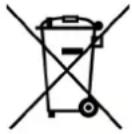

(pnc.A)
DaHHbIe CBeDeHnnaPpeHa3NaYeHbI NmB ToNkO nObnaTaTeNe Pnp6OpE
HMeHOxxCMBoN (pnc.A) Ha cAmOKNeJueCn 3TKeTke C TexHnuecknM
DaHHbIMn, HakneeHHoH Na3Denn (nacnopTHa TaBnUka).
3TOT CnmboI 0603HaaeT, YTO IPOdyKUIN KnaCcnFIOuPoBaHa DeNCTByHOUM HOpMaB KaeeCTBe 3NeKTPnueckoro INN 3NeO6OpyDobAHn, nTO OHa COOTBeCTByET DnpeKTnBE 2002/96/EC (WEEE).
CneIOBATEbHO, B KOHc e CBOero cpoKa 3KcNpyaTauMn OHa d nepepaSbBATbocr OTDeIbHOOTbTObIX OTXoOBo, nyTeM 6ecnPaTHOH cdaun BYNYC6opA 3NeKTPnueCKORIO N3NEKTPoHHORO 06OpyDobAHn, INN KcDaBaaEe DnCTPb6bToTpOBy B MOMENT NOKyKN HOBORO, 3KBBaJIeHTHOro 06OpyDobAHn.
NtB30BaTeIb Hecet OTBcTCTBeHHocTb 3a CyaNy npn6opa B KOHue BxKcnLnyataun B nyHKtbl c6opa BTOpcbipB, B npOTNBOM Cnyae K HeMy 6dyT npImMeHebl caHKuIN, npdeYCMOTpeHHble 3aKOHOaTeJIbCTBOM B6nactn OTXODB.
DnphiepenHpOBAHNbC6OpOTXoOBdIINocNeJyUeJe nepepa60TKN, 6pb60TKN yTIN3aUN, COBMCTIMbIX COKpykaIOSe cpeO, NO3BOJnE9 n36KxABy OTpNcAteNBHO B3DeICTBNA HApnpOdy N3DopOBBe, a TAKKe cncoo6CTBvET NOBTOPHOMY NCNOB3OBaHIO MaTePnaNoB, N3 KOToBbIX n3roTOBNEHa npOdykUn. DnI npOnyehn6BoeE DetalbHO IHΦopMaun 06 NmEOuXc CNCTeMx C6Op OTxOoB CneDuET oBaTaBcB MeCTHyO cny6y Nopepa60Te OTXoOB, INN Xe B MAra3IN, B KOTOpM 6bl KynIeH np6Op.
Ipn3B0DnteHn HMMOpTebl HeCyT OTBeTCTBeHHocTh 3a nepepa60Ky, O6pa60TKy N yTuJIN3aUIO, He 3aqr3HraUOuNe OkpyKaIOuYIO cpey, KaK HENOCpeDCTBeHHo, TAK n yUacTBBy B KOJIJIeKTUBHO CNTeMe.
EBPONECKN PEGJIAMEHT No 1935/2004 - MaTePnaJIbI, npeHa3NaYeHHbI dJa KOHTaKTa C NIIeBbIMn IpOdyKTaMn. HOpMaunr nonb3oBaTeJAM.

PnBBeDHHbHa pncyHKe CnMBOJ, KOtOpb IMeTcRa Ha yNaKOBKe, Yka3bIbAeT Ha To, YTO MaTePnaJIb 3TOTO N3DeJIINr, BO3 BCTynlOUINE B KOHTaKT C NIIuSeBbIMN IpOdyKTAMN, COOTBetCTBYOT
norpe6oBaHmEbponeeckoro perIamenta N935/2004.
Hpy np NOIOCTN DyXOBKn NIIeBbIe NPOdykTbI MOrY T B KOHTAKTC: PEWETKAMN DyXOBKn, POTUBHMy, NNITAMI
BbneKoHHTepCKnx H3deNn, CTeKNOM DBePcbl DyXOBpe3HOBbIMn yPiOTHeHnA Mn, BepTeNOM, CTeHKAMn DyXOBKn. Ha nIITe - c peWetkAmn, KOHΦopKaMn n MeTaJINuCeNOBepxHOCTbIO nnTbI.
Bnke npa3orpbea nui-cero cteHKam.
GR
Eioayomega
TexviKa xapaktnpiotika 31
Eykataoataon 32-33
Aepiooc Tou xpou 32
ToioeEtnon 32
Pioc va tooote noe te ta noaia 32
IooppoTnTou kaUmuatoc 32
Uvapuooyon xiepoaβnc npotac qoypou 32
Uvdsuypaepiou 32
AvikataaonTwv unek 32
Pouuivouu 32
Hεktpiok ouvδεση 33
Hεktpikn avapλεξη 33
△iatae naopaleiae 33
Tto xnoTn 34-39
Aepiooc Tou xwpou 34
AvaumaTwv KaountnpwV 34
Avμa Tou φούρvou uypεpiou 34
Avauma Tou grill uypaepiou 34
△Iatae naopaaiaac 34
XPHEH TON KEPAMIKQN EETION
H Ioxuc twv EotiwputhetaiEta ano mia diataen nou Eaopaaizui apiotn puoiion tnc eepokpaoic ayepaatoC. O diaopoptikec evtaeic eepotntac ivai diaaogoevc an to 1 ec6 to 6. O diaokontnc npoei va tonoetnei otnv enuumtn thcnpipotpvotc so poc ta deia n poc ta apotepa.
Tia TIC EOTIEC ME DITIA KUKWU, O DIAKOTNTG YUPA DEIIOPTOPOA,OI DIAPOPES EVTAOEIG 0EPmuTNTAC Kmuavovtai aTO 1EWC6MOVYIA TIC KEVTPIKEC ZWECS TUV EOTIW.To ETIOVEKIM IINTPOTA,ETA aTO TIV TEAEUTAI OA,0a avaei TIC UTLOAITES ZWECS TWW EOTIWOTAV MIA ano TIC EOTIEC Eiva ZOTn, n EVDEIKTKn Auxvia E (BALNE EIK.1) avaei kai dEV Tha 0Bnoe i av n EEPmuOKpOia 0AW TWV EOTIW DENV KAteBkATw anTOuC 60°C Nepinou.
Oi teoepic zwec mapeipepaotc kaBopictai ano ta
nepiypamata nou eival oxediaoeva oTo nlatw. Iia va exte
mu Kaan anoobon kai xanmkn katavalwon evpeyiac, eival
anapaitnto va xnpoiantoieite anokkeiotika oekun twv onoiwv
o natoC va eival nauckai vteawc enineboc.H diuetpoc
tou natoTou okeouc npenla va eival toulambdaotov ion me T
nepiypamata nou eival oxediaoeva oTo nlatw. Av o natoC tou
okeouc dev kaluntie tn thepaivovevn cwn, exoue anwlaia
evpeyiac. O nattav kalutepo va eival slambdaepc. O natoC twv okeuwv kai otietc mapeipepaotc npenlva eival
kathetapec kai orteyvc. H m npnon autwTwv ouubouwv mnoepi
va enuppepi anwlaia oepoontac kai enoEvwc evpeyiac.
\SHMEIΩsH
resistance sole 1,65 kW
resistance plafond 1,15 kW
resistance circulaire four 2,50 kW
grilloir 2,40 kW
ventilateur 25 W
eclairage electrique du four 15 W
PLAQUES ÉLECTRIQUES
1,0 kW - Plaque Normale
1,2 kW - Plaque Normale
1,5 kW - Plaque Normale
1,7 kW - Plaque Normale
1,8 kW - Plaque High-Light
2,2-1,0 kW - Plaque High-Light
EQUIPEMENT
RECOMMANDATIONS IMPORTANTES:
FUNCTIONNEMENT MANUEL
ANNULATION D'UN PROGRAMME
0 145 1,0 kW - Placa Normal
1,2 kW - Placa Normal
0180 1,5kW-Placa Normal
1,7 kW - Placa Normal
1,8 kW - Placa Hight Light
2,2-1,0kW-PlacaHight Light