
Pocket DV 5900 - Videokamera AIPTEK - Gratis brugsanvisning og manual
Find enhedens vejledning gratis Pocket DV 5900 AIPTEK i PDF-format.


Brugerspørgsmål om Pocket DV 5900 AIPTEK
0 spørgsmål om dette apparat. Besvar dem du kender, eller stil dit eget.
Stil et nyt spørgsmål om dette apparat
Download vejledningen til din Videokamera i PDF-format gratis! Find din vejledning Pocket DV 5900 - AIPTEK og tag din elektroniske enhed tilbage i hånden. På denne side er alle dokumenter nødvendige for brugen af din enhed offentliggjort. Pocket DV 5900 af mærket AIPTEK.
BRUGSANVISNING Pocket DV 5900 AIPTEK
Welcome
Dear user, thanks for purchasing this product.
Much investment in time and effort has gone into its development, and it is our hope that it will give you many years of trouble-free service.
Safety Notice
- Do not drop, puncture or disassemble the camera; otherwise the warranty will be voided.
- Avoid all contact with water, and dry hands before using.
- Do not expose the camera to high temperature or leave it in direct sunlight. Doing so may damage the camera.
- Use the camera with care. Avoid pressing hard on the camera body.
- For your own safety, avoid using the camera when there is a storm or lightning.
- Avoid using batteries of different brands or types at the same time. This may lead to the potential for serious damage.
- Remove batteries during long periods between usage, as deteriorated batteries may affect the functionality of the camera.
- Remove batteries if they show signs of leaking or distortion.
- Use only the accessories supplied by the manufacturer.
- Keep the camera out of the reach of infants.
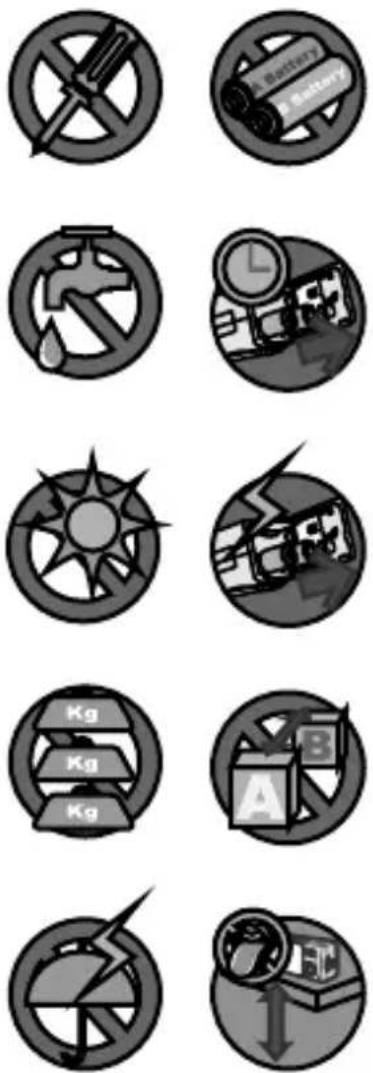
Table of Contents
Welcome 1
Safety Notice 1
Table of Contents 2
Camera Parts 5
Getting Started 6
Loading the batteries 6
Inserting the SD/MMC card (optional) 7
Attaching the wrist strap (optional) 8
How to hold your camera 9
How to open the connector cover 9
Using the tripod (optional) 10
Basic Operations 12
Turning on your camera 12
Turning off your camera 12
Setting the language 13
Recording a video clip 14
- How to record a video clip 14
- Setting the focus 15
- Zooming 15
- Selecting metering modes 16
Taking a still picture 17
- How to take a still picture 17
- Using flash strobe 18
- Zooming 18
- Selecting metering mode 18
Recording a voice clip 19
Playing back your recordings 20
- Full-screen view 20
- Thumbnail view 21
- Reviewing a still picture 22
- Playing back a video or audio clip 23
Switching on/off the OSD display 24
Connecting the camera to your TV 25
Table of Contents
Advanced Operations 26
Menu access and operations 26
Digital Video Camcorder menu 27
- Changing the video resolution 27
- Adjusting exposure compensation 28
- Applying special effects to video clips 29
Digital Still Camera menu 30
- Changing picture resolution 30
- Using the self-timer 31
- Adjusting the white balance 32
- Adjusting exposure compensation 33
- Applying special effects to still pictures 34
- Using the date stamp 35
Playback menu 36
- Deleting files 36
- Viewing file information 37
- Locking files 38
- Sorting files 39
Playing MP3 music 40
- Copying MP3 files to the camera 40
- Playing MP3 files 41
MP3 menu 42
- Repeat playing 42
- Setting 3D enhancement 43
- Setting BASS effect 44
- Viewing MP3 info 45
- Deleting MP3 files 46
- Holding button settings 47
Camera Settings 48
Switching to Settings mode 48
Setting the date and time 48
Setting the beep sound 49
Setting the flicker 49
Setting the language 50
Setting auto-off 50
Table of Contents
Formatting media 51
Restoring default settings 51
Copying Files to Your PC 52
Installing the DV 5900 Driver on your PC 52
Connecting the camera to your PC 54
Copying files to the PC 55
Viewing/Playing files on your PC 57
File location 58
Using PC Camera 60
Installing DV 5900 software 60
Starting the application 60
Using the DV 5900 PC Camera 63
- Recording an AVI movie 64
- Taking a snapshot 64
- Configuring Format options 64
- Configuring Properties options 65
- Configuring Flicker options 65
Addenda 66
Flicker Settings Table 66
LED Event Table 66
Storage Capacity Table 67
Battery Life Table 68
System Message Table 69
Specificatoins 70
Troubleshooting 71
Aiptek Service 74
Camera Parts
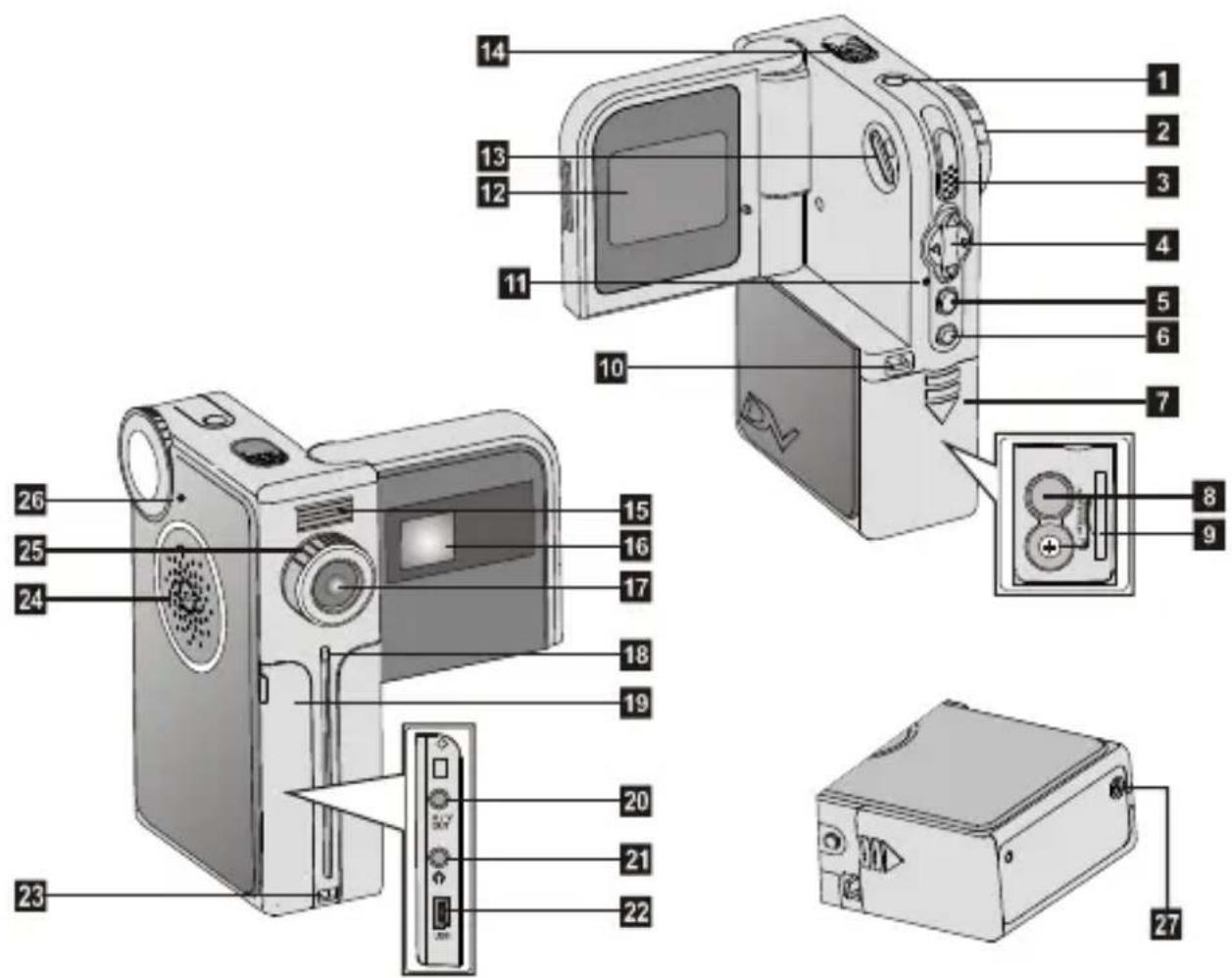
1 Power button
2 Mode Dial
3 Record/Shutter/Play/Pause button ( )
4 Direction buttons (a △ b)
5 Menu/OK button (目/ok)
6 INDEX button (INDEX)
7 Battery compartment cover
8 Battery compartment
9 Memory card slot
10 Strap hook (1)
11 Status LED
12 LCD panel
13 LCD display switch (I□I)
14 Microphone
15 Flash strobe
16 Mirror
17 Lens
18 Self-timer LED
19 Connector cover
20 A/V out connector
21 Earphone connector
22 USB connector
23 Strap hook (2)
24 Speaker
25 Focus switch
26 Mode Dial pointer
27 Tripod socket

Getting Started
Loading the batteries
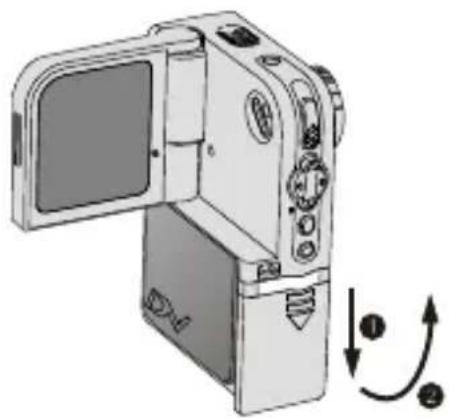
- Slide the battery compartment cover open in the direction as indicated.
natural_image
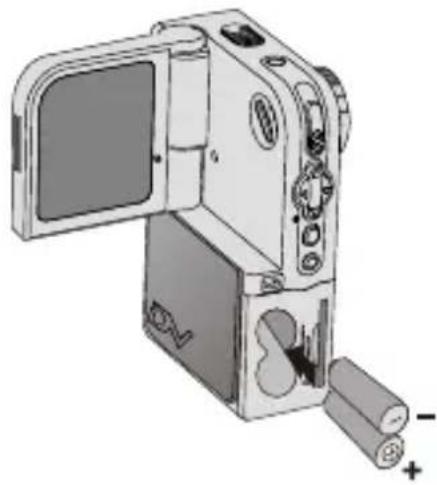
Illustration of a digital camera with open lid and control panel, showing directional arrows (no text or symbols)- Place the batteries into the compartment. Note that the positive(+) and negative(-) ends cannot be reversed.
natural_image
Technical line drawing of a digital camera module with no visible text or symbols- After the batteries are properly installed, replace the battery compartment cover.
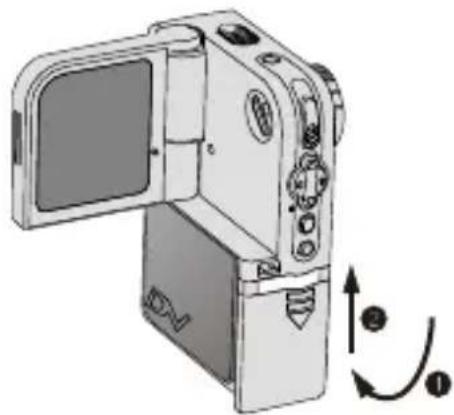
natural_image
Illustration of a digital camera with open lid and control panel, showing motion arrows (no text or symbols)Do not use different types or brands of batteries at the same time.
Alkaline batteries or rechargeable NiMH batteries are recommended for high performance.
Inserting the SD/MMC card (optional)
In addition to 16MB (128Mbits) of built-in flash memory, your camera can store data on a Secure Digital (SD) card or a MultiMedia card (MMC). The supported memory size ranges from 8MB to 1G.
To insert a SD/MMC card, gently push the card as indicated until the card reaches the end of the slot. To remove the card, first gently push the card. After the card pops up, pull the card out of the slot.
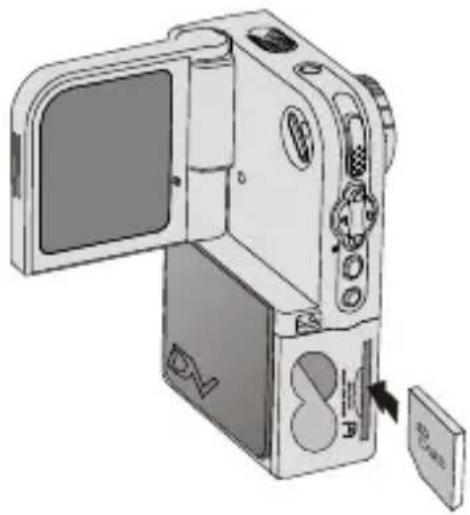
natural_image
Illustration of a digital camera with an open lid and internal components, showing no text or symbols.The SD card comes with a write-protect switch. When the write-protect switch is set to the Lock position, the card will become non-writable. To ensure that the camera can operate normally, you should set the write-protect switch to the Unlock position before inserting the SD card.
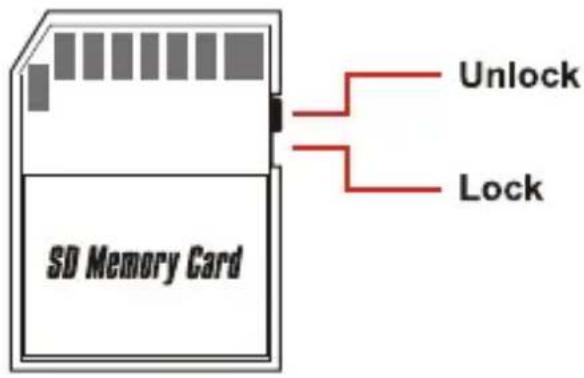
Do not remove the SD/MMC card while the camera is processing data (when the LED indicates red light).
When a SD/MMC card is inserted, the camera will use the card as the main storage media. Files stored in the camera's built-in memory will become inaccessible until the SD/MMC card is removed.
Attaching the wrist strap (optional)
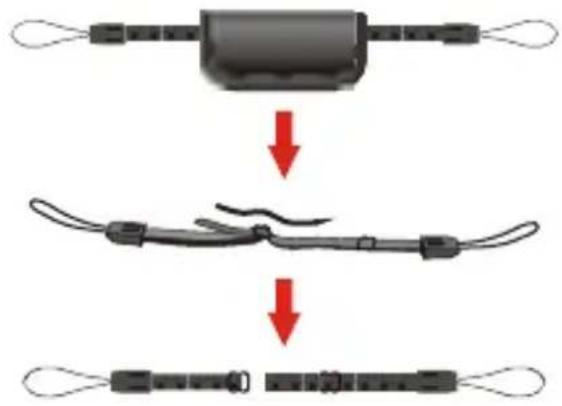
- Unfasten and separate the strap into two parts.
flowchart
graph TD
    A["Central Body"] --> B["Side Connector 1"]
    A --> C["Side Connector 2"]
    A --> D["Side Connector 3"]
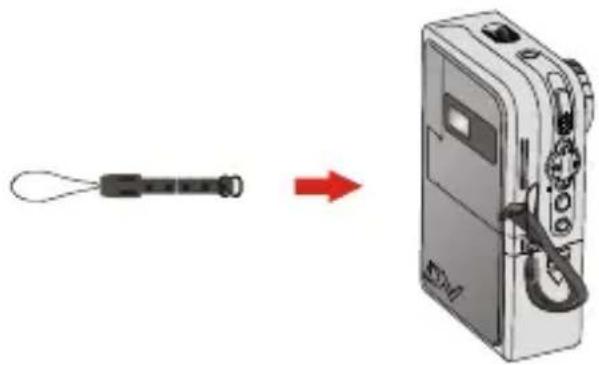
- Thread one part of the strap into the hook (1) on the back side of the camera.
natural_image
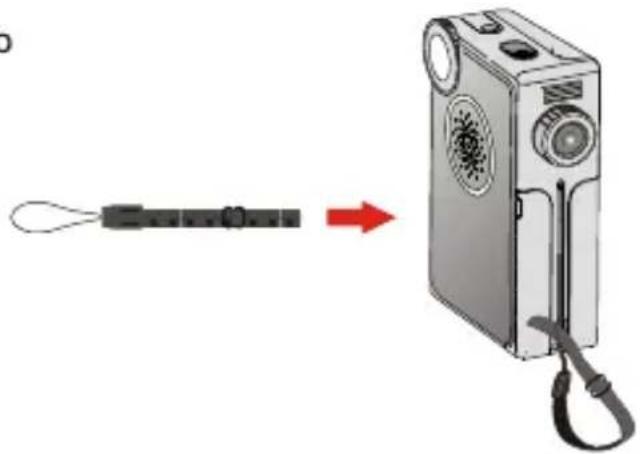
Illustration of a handheld device connected to a portable electronic device with a red arrow indicating direction (no text or symbols present)- Thread the other part of the strap into the hook (2) on the front side of the camera.
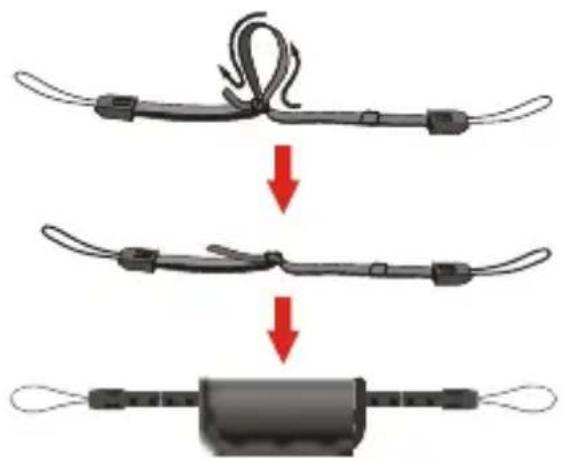
- Fasten the wrist strap as indicated. Moving the ring on the strap to the right will tighten the strap, and vice versa. Then use the leather wrap to hold the strap.
natural_image
Three-step diagram showing a cable being twisted, then wrapped in a container (no text or symbols)How to hold your camera
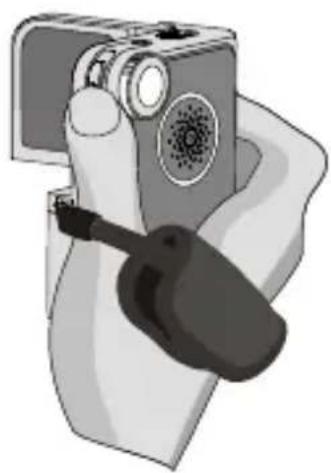
Please put your hand through the wrist strap and firmly hold the camera as illustrated. While taking still pictures or recording video clips, avoid blocking the lens to retain the best result.
natural_image
Illustration of a hand holding a handheld device with a circular sensor or lens (no text or symbols visible)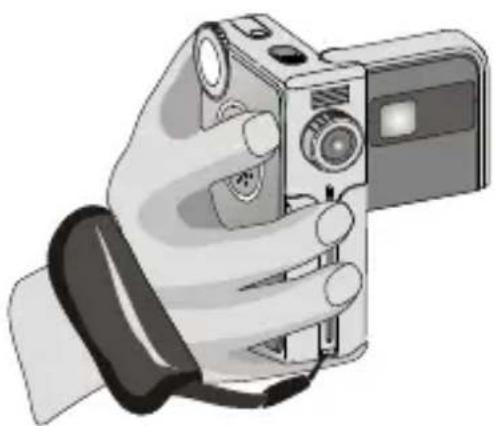
natural_image
Illustration of a hand holding a digital camera with lens and screen (no text or symbols)Avoid blocking the lens.
How to open the connector cover
When you want to connect the camera to your PC, TV or earphone, you need to open the connector cover. Please open the cover gently in the direction as illustrated below.
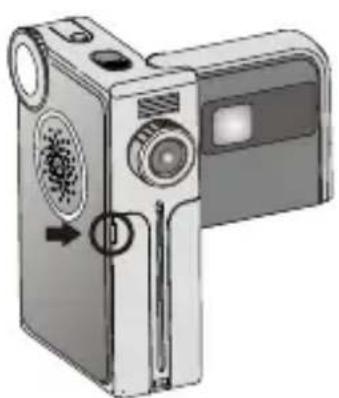
natural_image
Illustration of a digital camera with a rotary knob and control panel (no text or symbols)Gently pull up the cover.

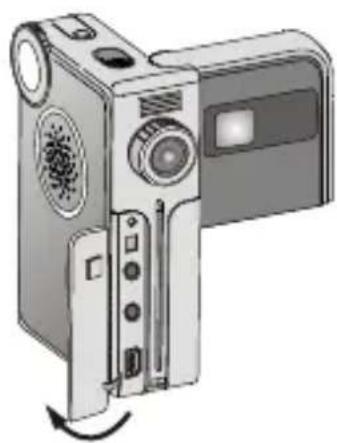
natural_image
Illustration of a digital camera with scroll wheel and control panel (no text or symbols)Open the connector cover.
Using the tripod (optional)
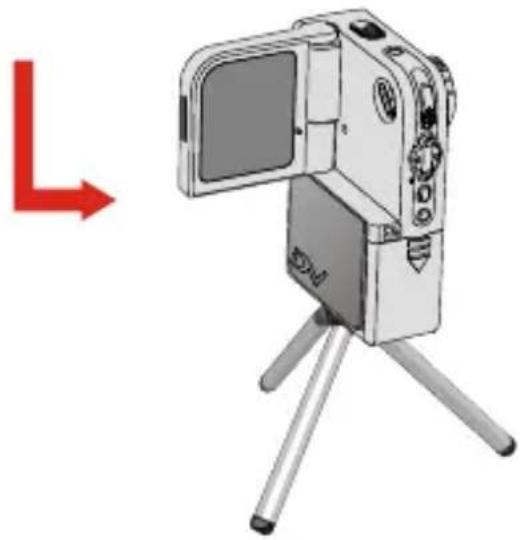
Use a tripod to minimize camera movement and ensure optimal image quality, especially while shooting self-portraits or video conferencing.
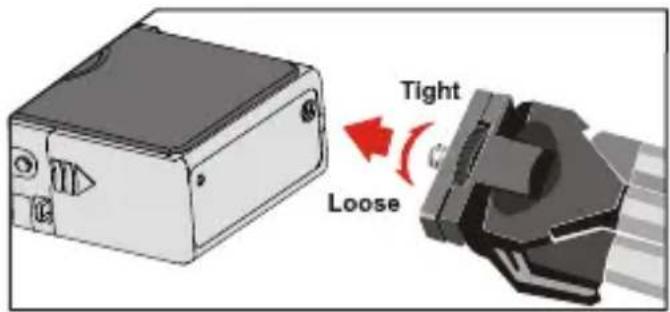
natural_image
Illustration of a digital camera with tripod base and screen, no text or symbols presentBasic Operations
Turning on your camera
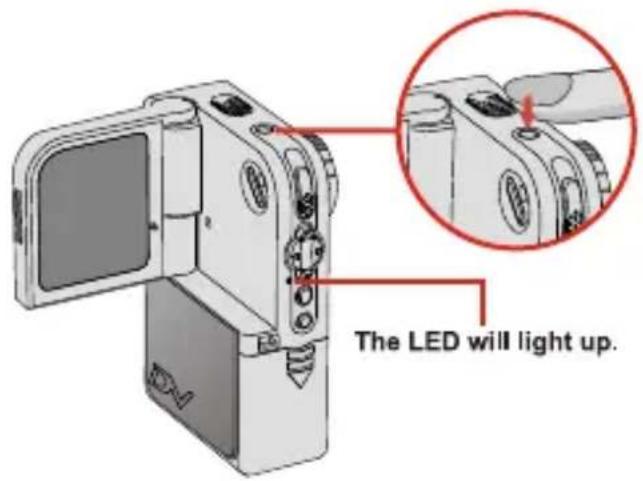
Press and hold down the power button for 1 second to turn on the camera.

If the camera is not turned on after pressing the power button, please check:
- There are two AA batteries installed in the camera.
- The batteries have enough power left.
- The polar(+ -) directions of the installed batteries are correct.
Turning off your camera
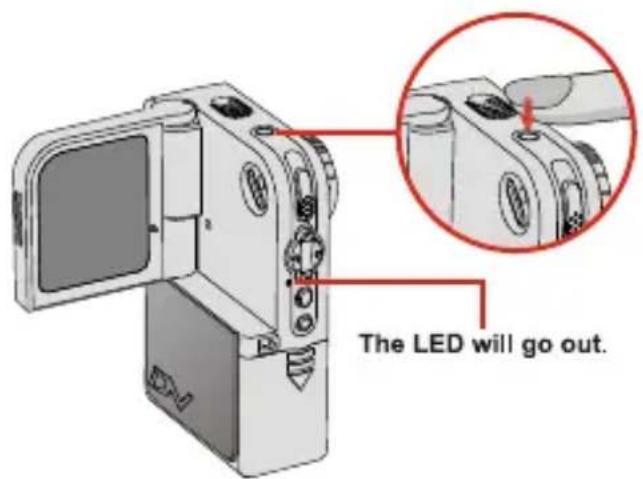
Press and hold down the power button for 1 second to turn off the camera.
Setting the language
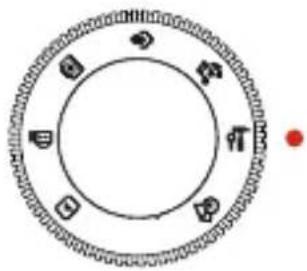
When you power on the camera for the first time, the LCD display may not be shown in your local language. You can set the LCD display language using the method below:
natural_image
Circular mechanical component diagram with teeth and central hub, no text or symbols present-
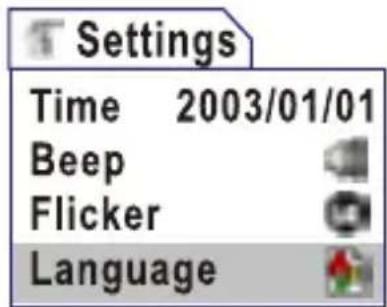
Set the Mode Dial to the Settings mode, and the Settings menu will display as illustrated.
-
Use the Up or Down (⇐) button to highlight the Language item.
-
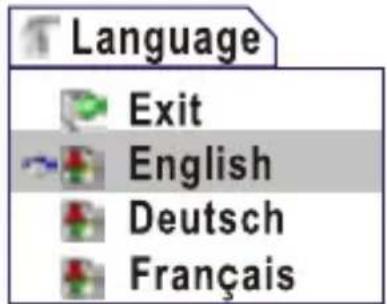
When the Language item is highlighted, press the Menu/OK (目/ok) button to enter the sub-menu. In the sub-menu, use the Up or Down ( ) button to select a suitable language, and then press the Menu/OK (目/ok) button to adopt.
- After all settings are done, you are ready to use the camera. Set the Mode Dial to other modes according to your purpose.
Recording a video clip
How to record a video clip
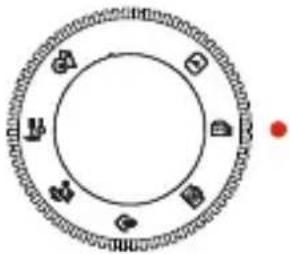
- Set the Mode Dial to Digital Video Camcorder mode. The LCD display will show the screen below:
natural_image
Circular diagram with six small icons arranged in rows around a central circle, no text or symbols present.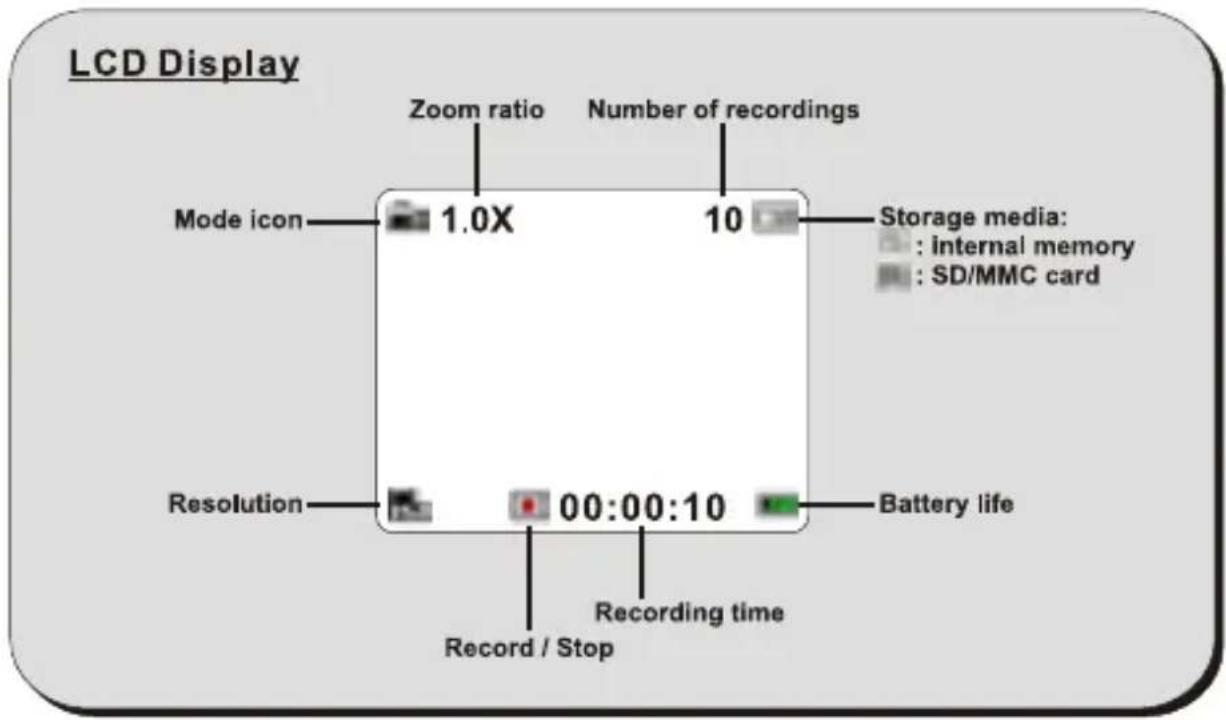
- Press the Record/Shutter ( 12 ) button to start recording.
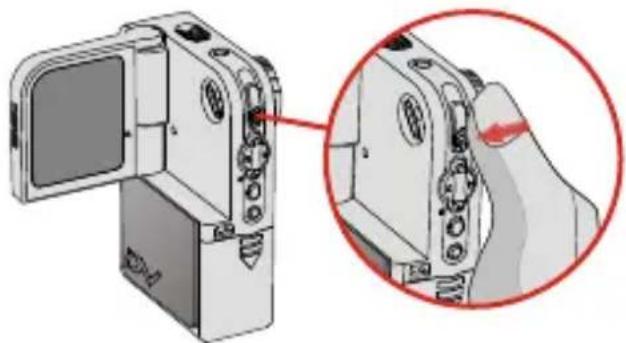
natural_image
Diagram of a digital camera module with an inset close-up showing the handle and lock mechanism (no text or symbols present)- Press the Record/Shutter ( 12 ) button again to stop recording.
Recording a video clip (continued)
Setting the focus
You can adjust the focus by setting the Focus Switch. Normally, you should set the focus to (▲) for most shooting conditions. Select (♥) only for close-ups. The focus is adjustable during recording.
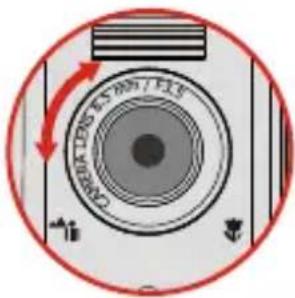
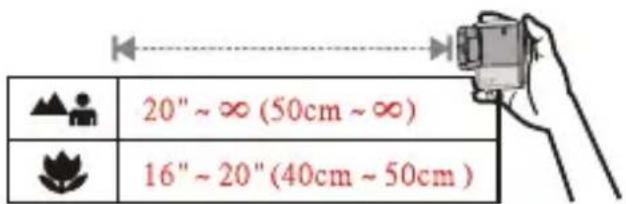
Zooming
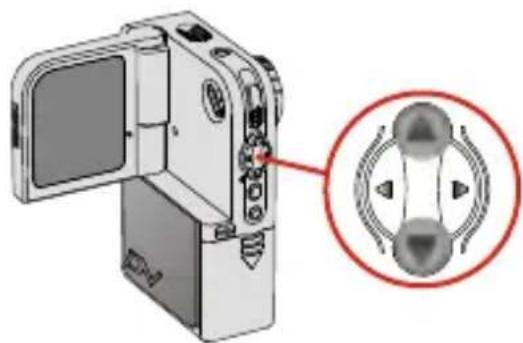
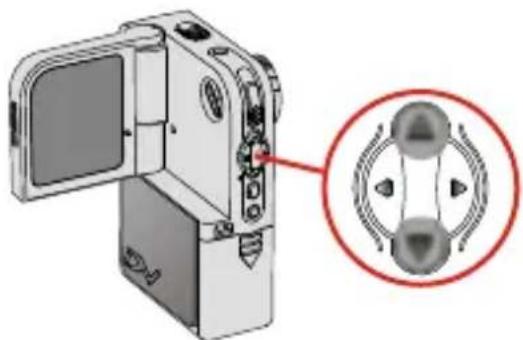
While recording, you can press the Up or Down (▲) button to zoom in or zoom out the picture.
natural_image
Diagram of a digital camera with an inset circular component highlighting a central body (no text or symbols present)Recording a video clip (continued)
Selecting metering modes
Under normal condition, the light is automatically measured based on overall lighting. If the subject of shooting appears too dark and the background too bright, you can manually select a proper metering mode according to the subject's position.
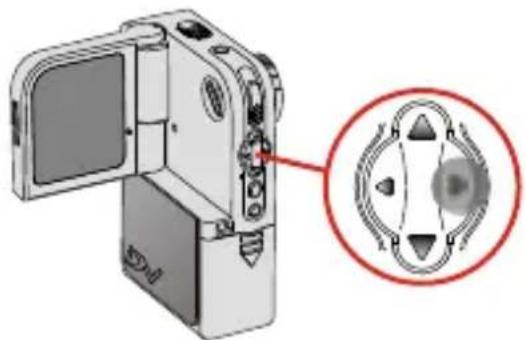
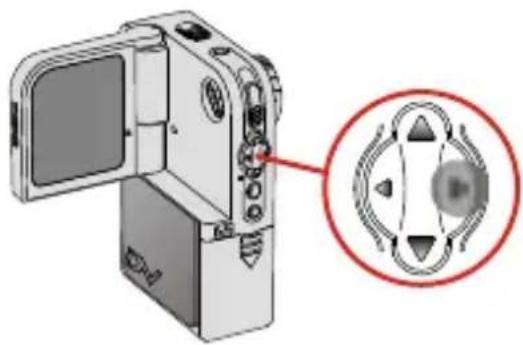
Pressing the Right (▶) button repeatedly will switch the metering mode in the following order:
Auto → Average → Center → Center-low → Auto.
natural_image
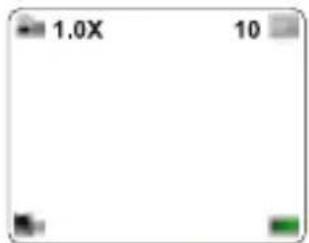
Diagram of a camera module with a close-up view of its internal components (no text or symbols)Auto mode (no indicator): When the camera is in Auto mode, the camera will automatically select the best metering method for the overall conditions.
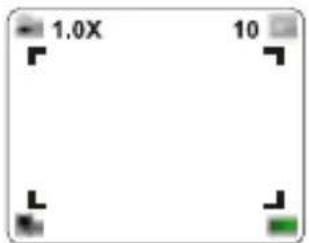
Average mode: When in Average mode, the camera will measure the lighting condition within the bracketed area.
Center mode: When under Center mode, the camera will measure the lighting condition within the central area.
Center-low mode: The camera will focus the metering on the center-low area.
natural_image
Blank white image with no visible text, symbols, or graphicsAuto Mode
natural_image
Blank white image with four corner markers: 1.0X and 10, no text or symbols present.Average Mode
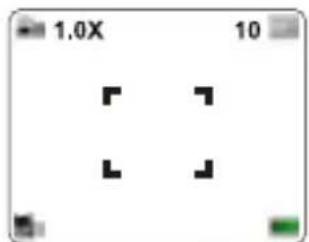
natural_image
Pixelated image with four corner squares and a 1.0X scale bar (no readable text or symbols)Center Mode
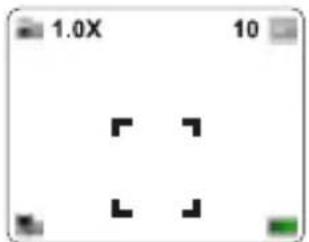
natural_image
Pixelated image with no discernible text, numbers, or symbolsCenter-low Mode
Taking a still picture
How to take a still picture
- Set the Mode Dial to Digital Still Camera mode. The LCD display will show the screen below:
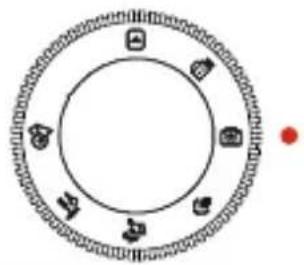
natural_image
Circular diagram with six small icons arranged around a central circle, no text or symbols present.
- Use the Focus Switch to set focus as appropriate.
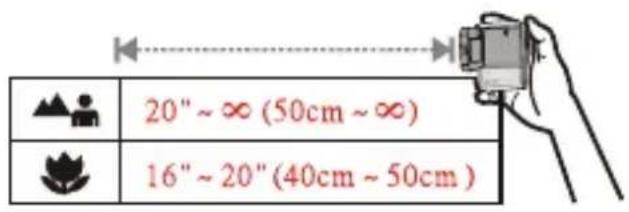
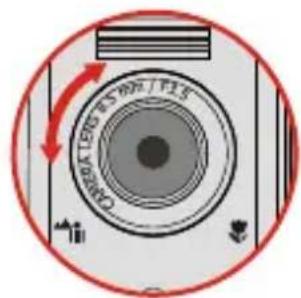
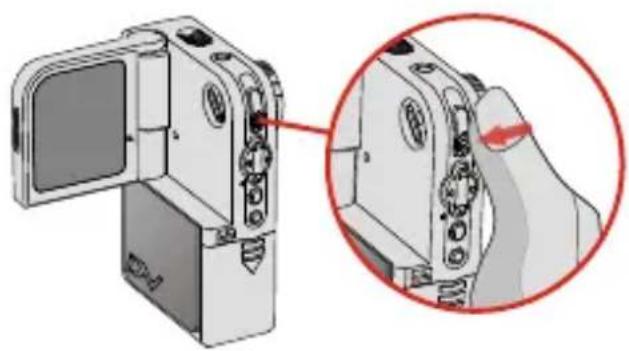
- Press the Record/Shutter ( ≤slant ) button to take a still picture.
natural_image
Diagram of a camera module with a magnified inset showing the internal components (no text or symbols)Taking a still picture (continued)

Using the flash strobe
Before taking a still picture, you can set to use the flash strobe if the lighting is not sufficient for your shooting environment.
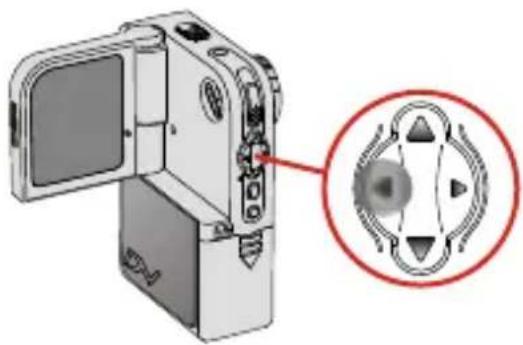
Pressing the Left (◀) button repeatedly will switch the flash mode in the following order: Off → Auto → Off.
Off

The flash is disabled.
Auto (☐): The flash automatically fires when the lighting is insufficient.
natural_image
Diagram of a digital camera with an inset circular view showing a speaker or audio device (no text or symbols present)
- If the battery life icon indicates ☐, the flash strobe may be disabled due to insufficient voltage. Please change batteries immediately.
- You cannot take pictures when the flash strobe is recharging.

Zooming
Before taking a still picture, you can press the Up or Down (◀) button to zoom in or zoom out the picture.
natural_image
Diagram of a device with a close-up view showing internal components (no text or symbols)
Selecting metering modes
Before taking a still, you can press the Right (▶) button to select a metering mode. The metering mode changes in the following order:
Auto → Average → Center → Center-low → Auto.
For a detailed description of each metering mode, please see page 16.
natural_image
Diagram of a digital camera with an inset circular view showing internal components (no text or symbols)Recording a voice clip
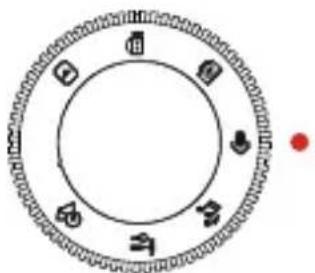
- Set the Mode Dial to Voice Recording mode. The LCD display will show the screen below:
natural_image
Circular mechanical component diagram with gear teeth and central hub, no text or symbols present
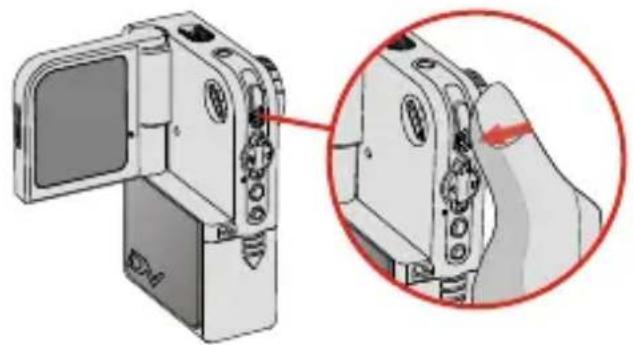
- Press the Record/Shutter ( ≤slant ) button to start recording.
natural_image
Diagram of a camera module with an inset close-up view showing internal components (no text or symbols)- Press the Record/Shutter ( 12 ) button again to stop recording.
Playing back your recordings

Full-screen view
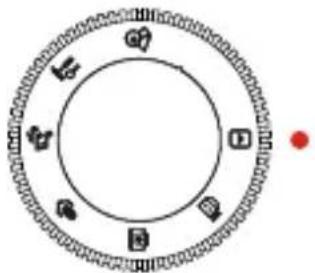
The Playback mode allows you to review the files stored in the SD/MMC card or internal memory.
natural_image
Circular diagram with six labeled components and a red dot at the bottom center (no text or symbols)- Set the Mode Dial to Playback mode.
-
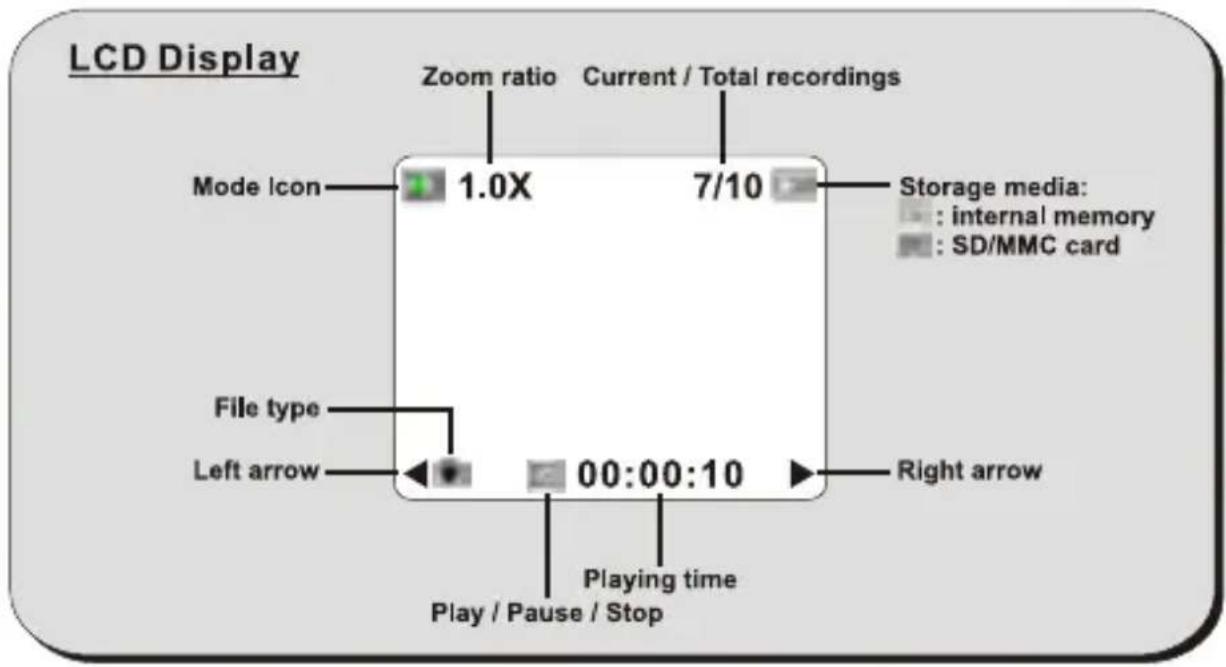
When you set the Mode Dial to Playback mode, the last recorded file will be automatically played.
-
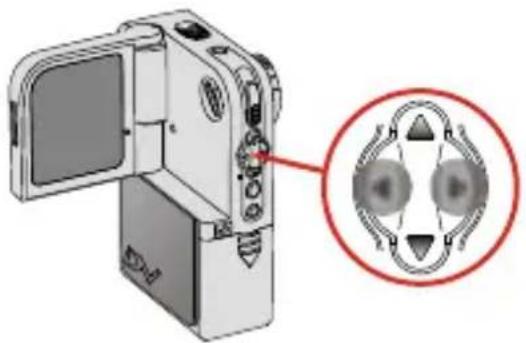
If you want to view other files stored in the camera, you can use the Right and Left buttons (◀▶) to shift between files.
natural_image
Diagram of a digital camera with an inset close-up showing two lenses (no text or symbols present)Playing back your recordings (continued)
Thumbnail view
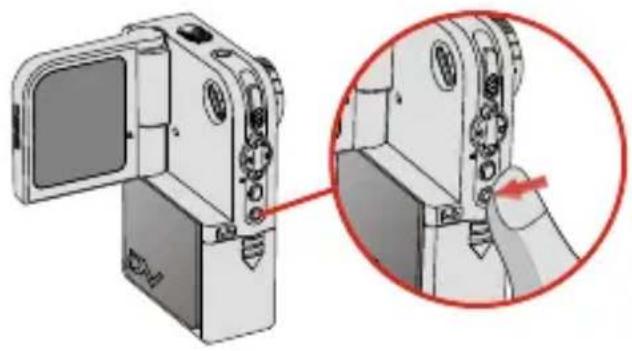
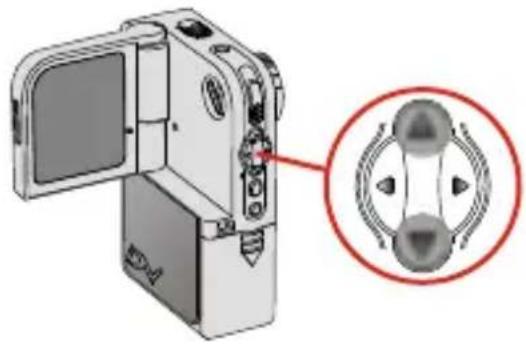
If you press the INDEX (INDEX) button under playback mode, the camera will be switched to thumbnail view. Then you can use the four direction (▲▼) buttons to select the file you want to view. Once you select the target file, press either the Record/Shutter (●) button or the INDEX (INDEX) button to view the file.
natural_image
Diagram of a digital camera module with an inset close-up showing the handle and control panel (no text or symbols present)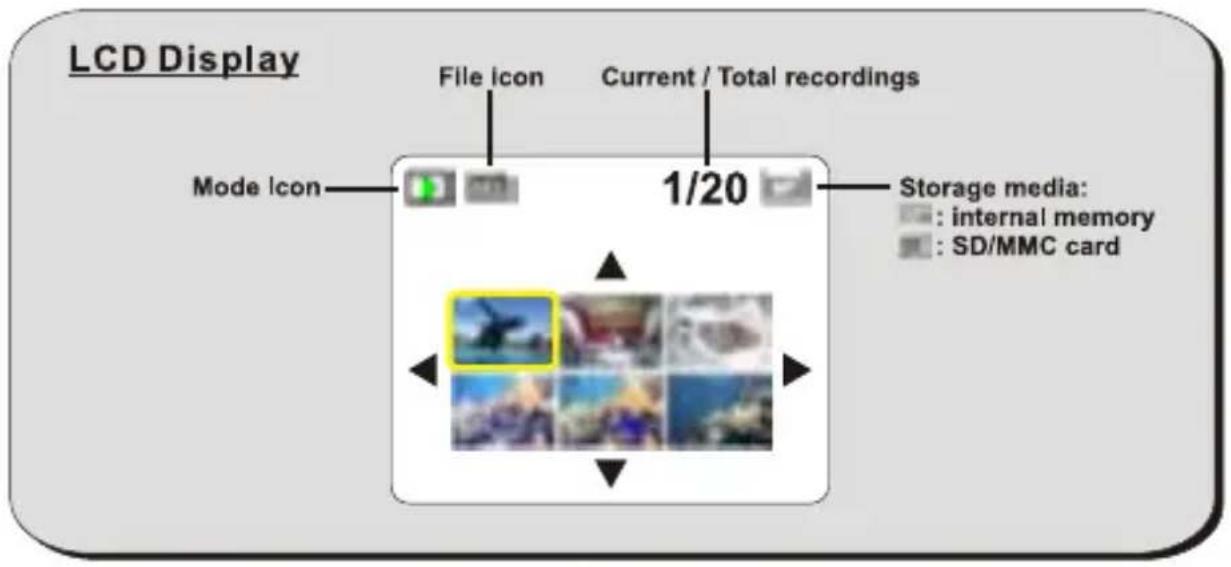
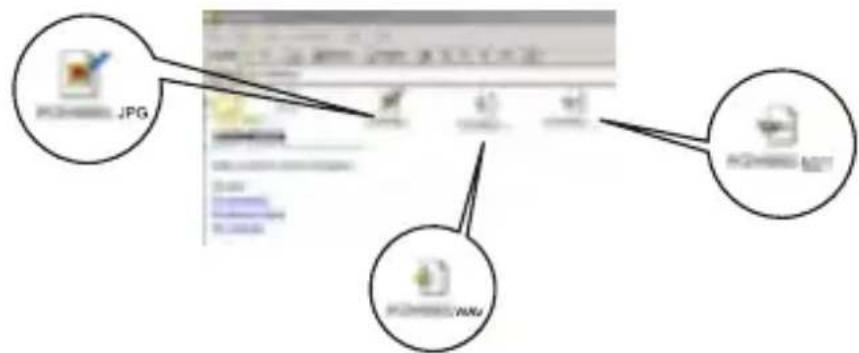
There are three file types that you can identify by the icons on the thumbnails:
: JPG format pictures
: ASF format video clips
: WAV format audio clips
For detailed operations on viewing a still picture, please see page 22. For detailed operations on playing a video or audio clip, please see page 23.
Playing back your recordings (continued)
Reviewing a still picture
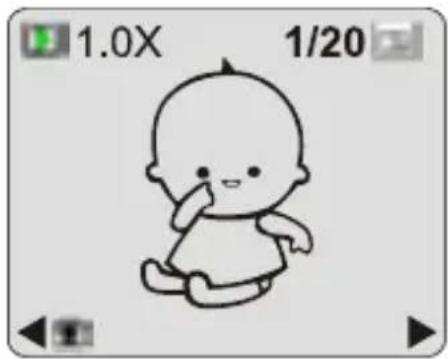
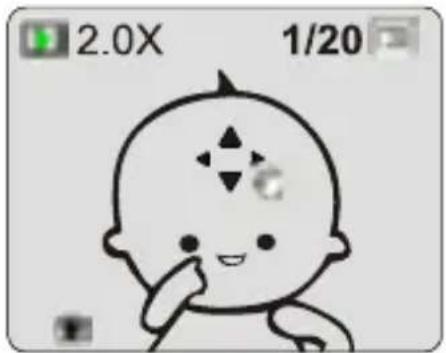
While viewing the picture in full-screen mode, you can use the Up or Down (◀) button to zoom in or zoom out the picture.
natural_image
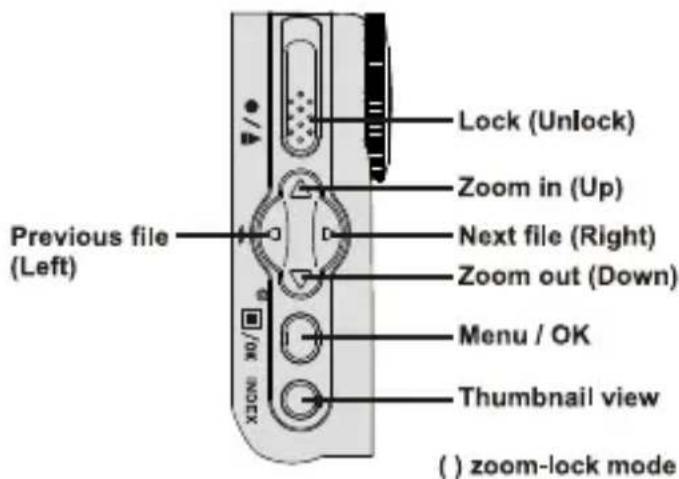
Diagram of a camera module with a magnified circular view showing internal components (no text or symbols)If you zoom in the picture and then press the Record/Shutter ( ) button, the zoom ratio will be locked. You can then browse the picture using the direction ( ) buttons. To unlock the zoom ratio, press the Record/Shutter ( ) button again.
natural_image
Simple line drawing of a baby with a smiling face, no text or symbols presentFull Screen
natural_image
Cartoon baby character with a smiling expression, no text or symbols presentZoom-lock Screen
While viewing a still picture, the available function buttons are as follows:
Playing back your recordings (continued)
Playing back a video or audio clip
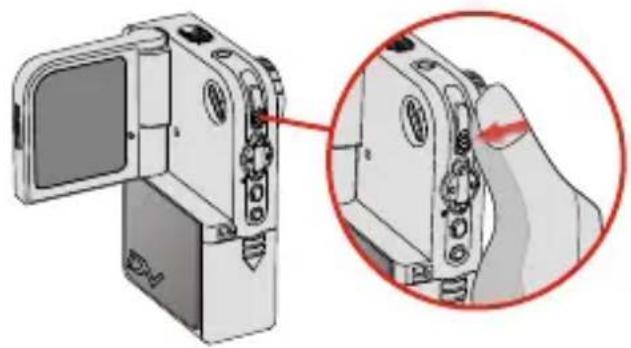
When playing back the video or audio clip, pressing the Record/Shutter ( 12 ) button can pause the playing. To resume playing, press the same button again.
natural_image
Diagram of a camera module with a magnified inset showing the adjustment of the component (no text or symbols present)While playing the file, pressing the Up or Down (◀) button can adjust the sound volume. If you press the Right or Left (◀▶) button during playing, you can fast wind or rewind the video or audio clip.
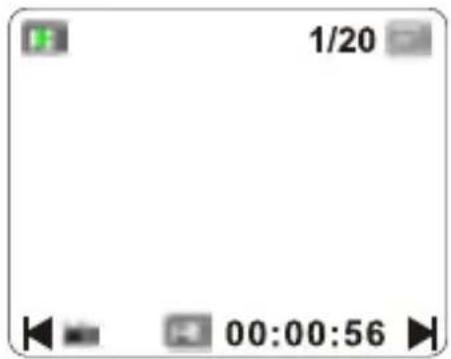
Playing a video clip
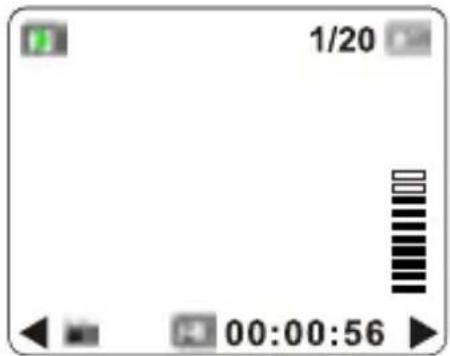
Adjusting volume
While playing a video or audio clip, the available function buttons are as follows:
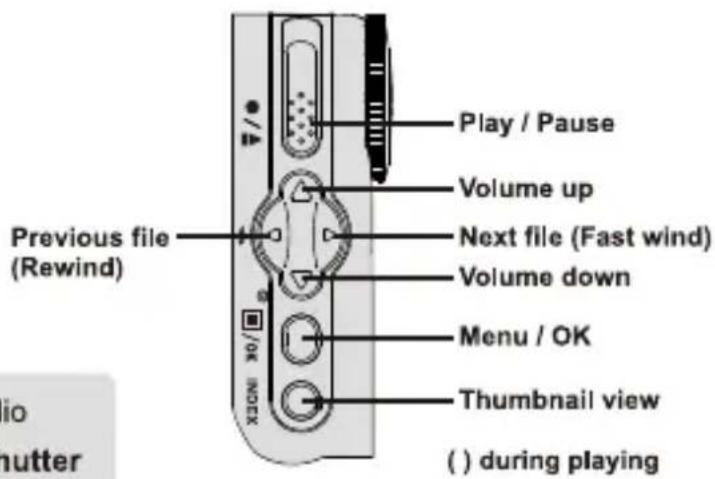
While playing back an video or audio clip, you must press the Record/Shutter (✗) button to pause or stop the playing. Then can you use the Right or Left (◀▶) button to shift between files.
Switching on/off the OSD display
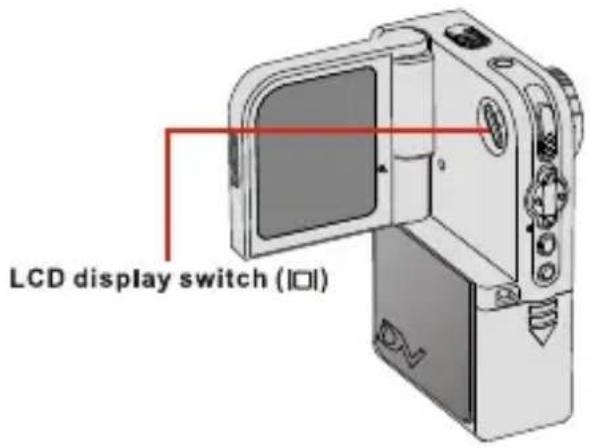
When playing back a video clip or reviewing a still picture, you can press the LCD display switch (☐☐) to disable the OSD display, thus gaining a clearer view for your display. Press the same button again will switch on the display.
Connecting the camera to your TV
Connect your camera and TV via an AV cable for real-time display. You can display your video clips, still pictures, audio recordings, as well as the MP3 files you uploaded, directly on your TV screen to share them with friends and family members.
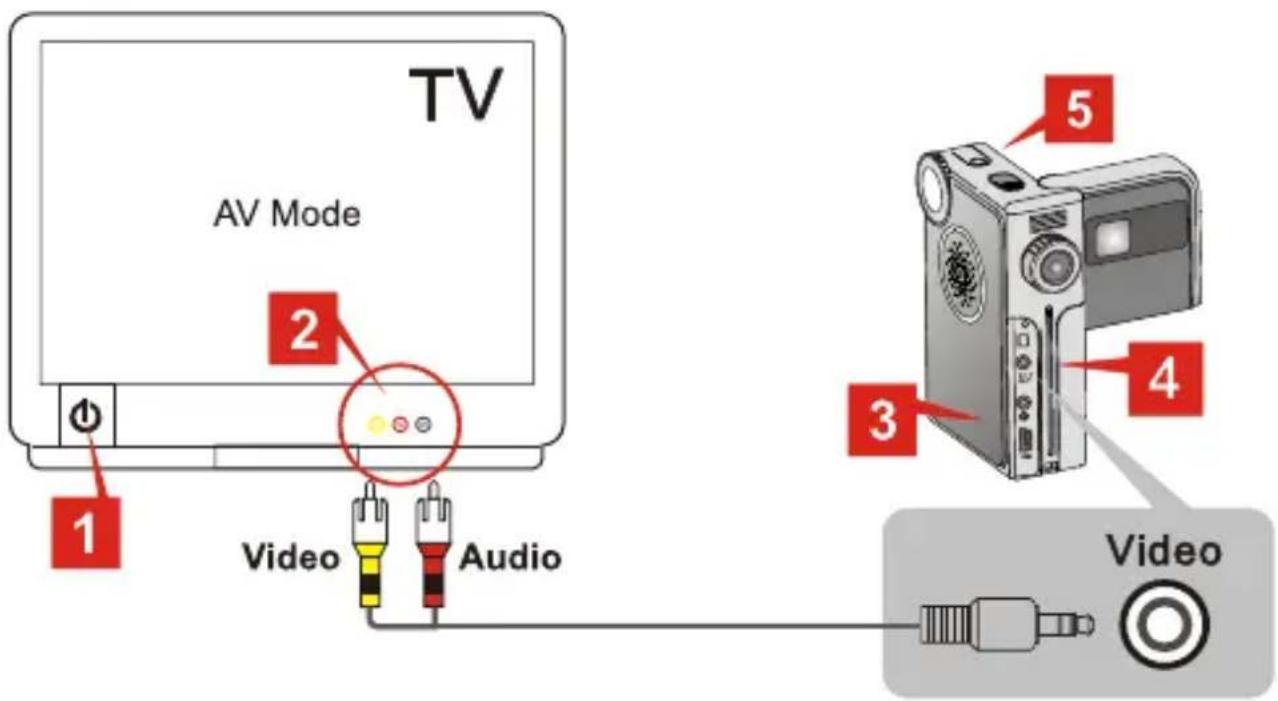
1 Turn on your TV and switch to AV mode.
2 Connect the audio and video ends of the AV cable to your TV.
3 Open the connector cover of your camera. (page 9)
4 Connect the other end of the video cable to your camera.
5 Turn on the camera.
Menu access and operations
In several modes, you can bring up the menu to fine tune the camera settings by changing the menu items. The following describes how you can bring up the menu and perform normal operations to complete an action:
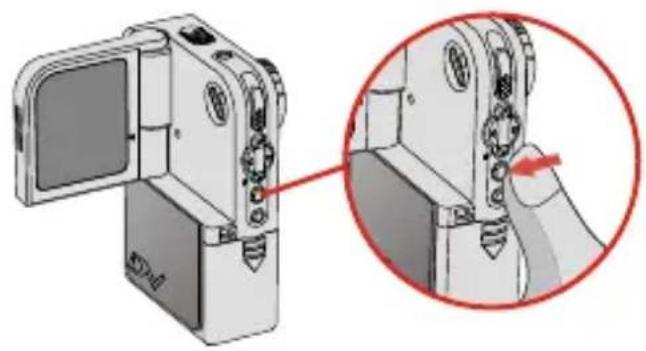
- Set the Mode Dial to your target mode. Press the Menu/OK (目/OK) button to bring up the menu.
natural_image
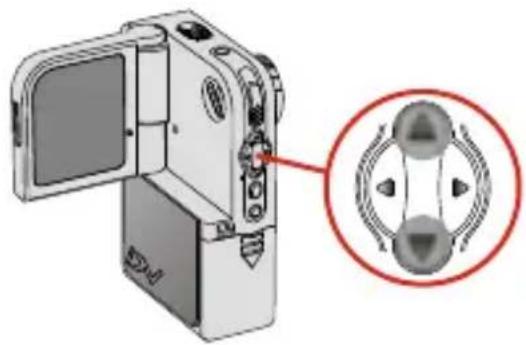
Technical illustration of a digital camera module with an inset close-up view showing internal components (no text or symbols)- Press the Up or Down (◀) button to select the target item. Once the target item is selected, press the Menu/OK (目/ok) button to confirm the selection.
natural_image
Diagram of a digital camera with an inset showing a circular device with directional arrows (no text or symbols present)- If you want to exit a menu screen, you can select the Exit (▶) item and press the Menu/OK (目/OK) button, or you can press the Record/Shutter (◀) button to quick-exit the menu.
In the Voice Recording mode, the Menu/OK (目/ok) button has no function.
Digital Video Camcorder menu
Changing the video resolution
Before recording a video clip, you can change the resolution to suit your viewing preferences.
To change the video resolution:
-
While in Digital Video Camcorder mode, press the Menu/OK (目/ok) button.
-
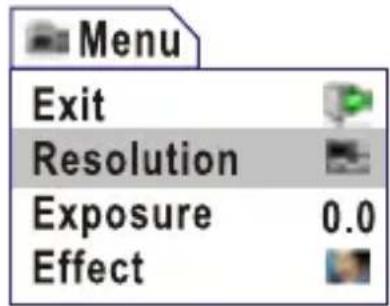
A menu as illustrated on the right will appear. Press the Up or Down (◀) button to highlight the Resolution item. Once the Resolution item is highlighted, press the Menu/OK (☐/OK) button.
-
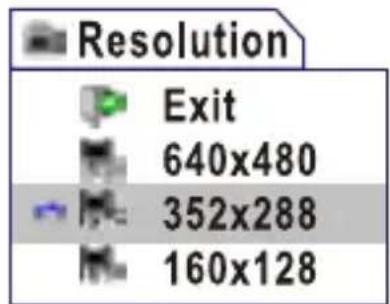
A sub-menu as illustrated on the right will appear. Press the Up or Down (◀) button to select a resolution setting, and then press the Menu/OK (目/ok) button to apply.
The three items you can choose from are:
640x480: best resolution, suitable for shooting stable subjects.
352x288: suitable for viewing on TV. The display quality is similar to VCD.
160x128: low resolution with the smoothest flow.
Digital Video Camcorder menu (continued)
Adjusting exposure compensation
You can manually adjust the exposure to gain better effect when the previewed image appears too bright or too dark.
To adjust exposure compensation:
- While in Digital Video Camcorder mode, press the Menu/OK (☐/OK) button.
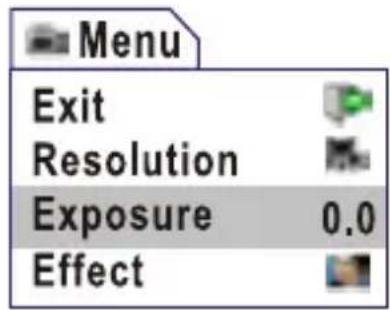
- A menu as illustrated on the right will appear. Press the Up or Down (◀) button to highlight the Exposure item. Once the Exposure item is highlighted, press the Menu/OK (☐/OK) button.
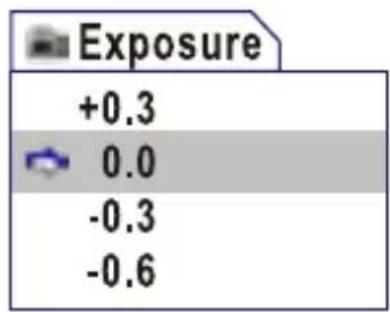
- A sub-menu as illustrated on the right will appear. Press the Up or Down (💡) button to select an item and then press the Menu/OK (目/ok) button to apply.
The applicable value ranges from -1.5 to +1.5. A positive value indicates the display will be brighter than usual; while a negative value makes the display dimmer. The default setting is 0.0.
Digital Video Camcorder menu (continued)
Applying special effects to movie clips
When recording a video clip, you can apply a special effect to the clip to add a personal touch.
To select a special effect:
-
While in Digital Video Camcorder mode, press the Menu/OK (目/ok) button.
-
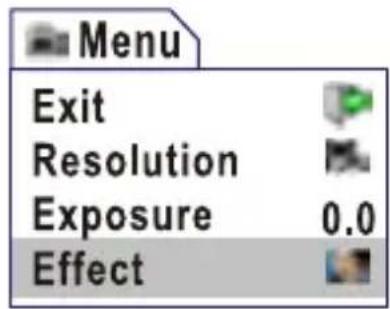
A menu as illustrated on the right will appear. Press the Up or Down (◀) button to highlight the Effect item. Once the Effect item is highlighted, press the Menu/OK (☐/ok) button.
-
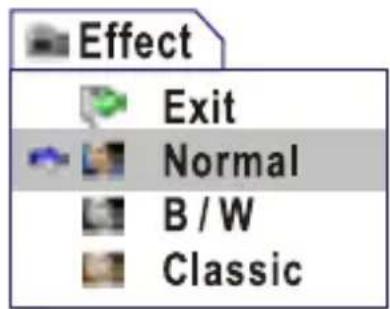
A sub-menu as illustrated on the right will appear. Press the Up or Down (⇐) button to highlight an item, and then press the Menu/OK (☐/ok) button to apply.
The three effects you can choose from are:
Normal: This option allows you to record the movie in natural color. It is also the default setting.
B / W: This option allows you to record the movie in black and white.
Classic: With this option selected, the movie will be sepia-toned, making the movie look like an old classic film.
Digital Still Camera menu
Changing picture resolution
Changing the resolution will affect the number of pictures that can be taken. The higher the resolution, the more memory-demanding the images will be. To change the video resolution:
-
While in Digital Still Camera mode, press the Menu/OK (☐/OK) button.
-
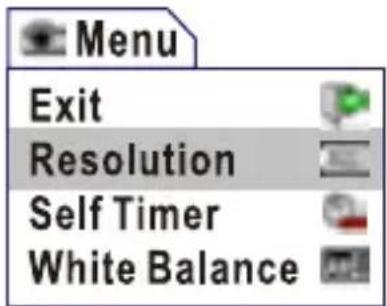
A menu as illustrated on the right will appear. Press the Up or Down (◀) button to highlight the Resolution item. Once the Resolution item is highlighted, press the Menu/OK (目/ok) button.
-
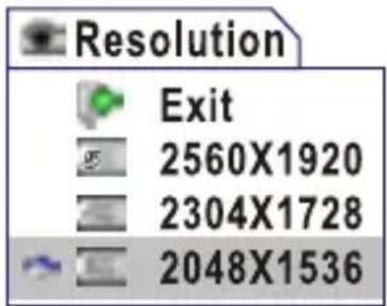
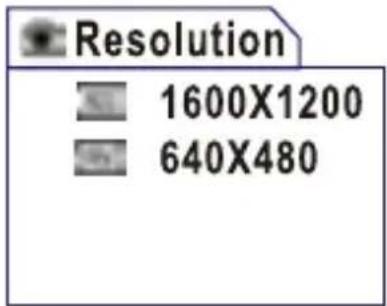
A sub-menu as illustrated on the right will appear. Press the Up or Down (◀) button to select an item and then press the Menu/OK (目/ok) button to apply. Images of greater resolution occupy more memory space.
The items are as the following.
2560X1920: This resolution is ideal for developing 5x7 or 6x8 in. pictures.
2304X1728: This resolution is ideal for developing 4x6 or 5x7 in. pictures.
2048X1536: This resolution is ideal for developing 3x5 or 4x6 in. pictures.
1600X1200: This resolution is also suitable for developing 3x5 or 4x6 in. pictures.
640X480: This resolution is suitable for viewing on the computer.
Digital Still Camera menu (continued)
Using the self-timer
This function comes in handy when you want to take a self-portrait picture. To enable the self timer:
-
While in Digital Still Camera mode, press the Menu/OK (☐/ok) button.
-
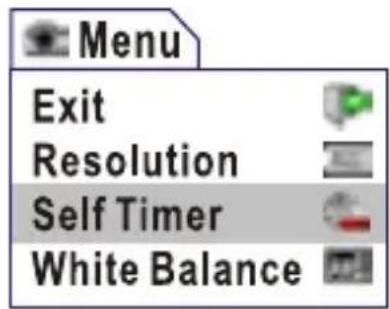
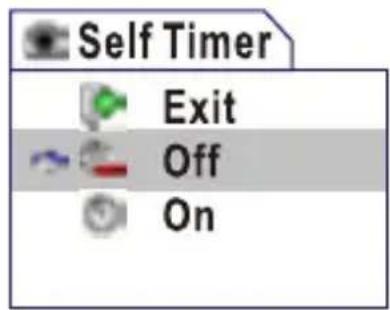
A menu as illustrated on the right will appear. Press the Up or Down (◀) button to highlight the Self Timer item. Once the Self Timer item is highlighted, press the Menu/OK (目/ok) button.
-
A sub-menu as illustrated on the right will appear. Press the Up or Down (◀) button to select On and press the Menu/OK (☐/OK) button to apply.
After the self timer is turned on, the camera will have ten seconds delay before taking a picture when the Record/Shutter ( ) button is pressed. After the shutter fires, the self timer will be automatically disabled.
Digital Still Camera menu (continued)
Adjusting the white balance
You can manually select the white balance setting to suit the shooting environment.
To select a white balance setting:
-
While in Digital Still Camera mode, press the Menu/OK (目/OK) button.
-
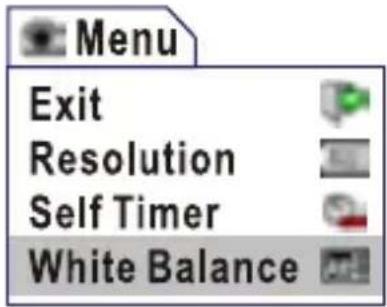
A menu will appear. Press the Up or Down (▲) button to highlight the White Balance item. Once the White Balance item is highlighted, press the Menu/OK (目/ok) button.
-
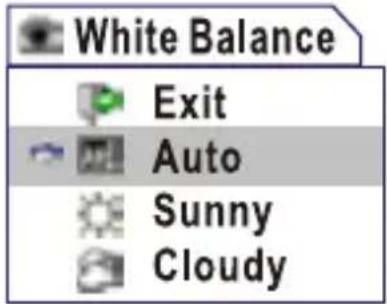
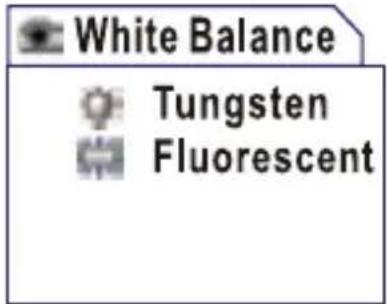
Press the Up or Down (◀) button to scroll page and select an item. Then press the Menu/OK (☐/OK) button to apply.
There are five effects you can choose from:
Auto: The camera will determine the best white balance setting for your shooting environment.
Sunny: suitable for normal outdoor shooting in sunny weather.
Cloudy: suitable for shooting under cloudy weather or shady environments.
Tungsten: suitable for indoor shooting with incandescent lamp lighting, or environments with low color temperature.
Fluorescent: suitable for indoor shooting with fluorescent lamp lighting, or environments with high color temperature.
Digital Still Camera menu (continued)
Adjusting exposure compensation
You can manually adjust the exposure to gain better effects when the previewed image appears too bright or too dark.
To adjust exposure compensation:
-
While in Digital Still Camera mode, press the Menu/OK (☐/OK) button.
-
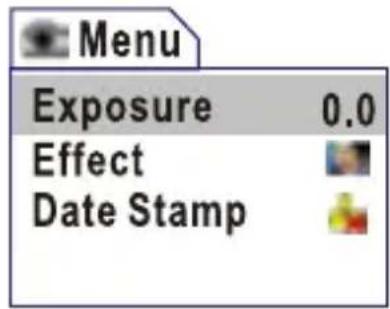
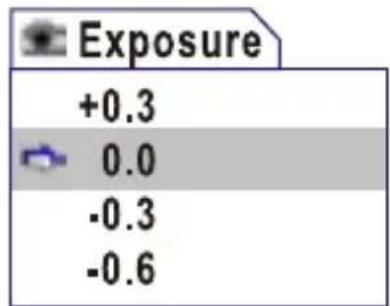
A menu will appear. Press the Up or Down (💡) button to scroll page and highlight the Exposure item. Once the Exposure item is highlighted, press the Menu/OK (目/ok) button.
-
A sub-menu as illustrated on the right will appear. Press the Up or Down (◀) button to select an item and then press the Menu/OK (目/ok) button to apply.
The applicable value ranges from -1.5 to +1.5. A positive value indicates the display will be brighter than usual; while a negative value makes the display dimmer. The default setting is 0.0.
Digital Still Camera menu (continued)
Applying special effects to still pictures
You can apply special effects to your pictures to add a personal touch.
To select a special effect:
-
While in Digital Still Camera mode, press the Menu/OK (目/OK) button.
-
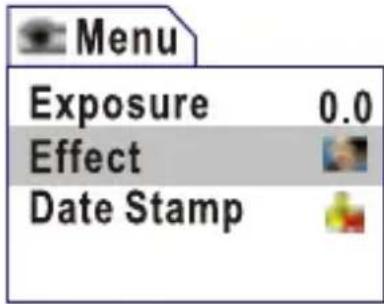
A menu will appear. Press the Up or Down (💡) button to scroll page and highlight the Effect item. Once the Effect item is highlighted, press the Menu/OK (目/ok) button.
-
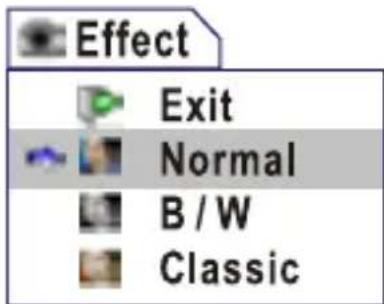
A sub-menu as illustrated on the right will appear. Press the Up or Down (◀) button to select an item and then press the Menu/OK (目/ok) button to apply.
The three effects you can choose from are:
Normal: This option allows you to take the picture in natural color. It is also the default setting.
B / W: This option allows you to take the picture in black and white.
Classic: With this option selected, the picture will be sepia-toned, making the image look like an old photo.
Digital Still Camera menu (continued)
Using the date stamp
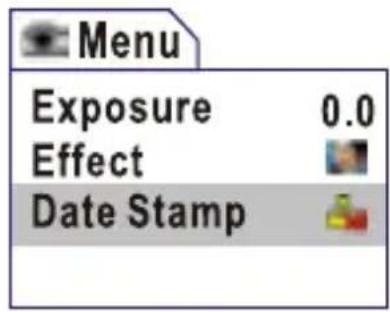
Enabling the date stamp will print the date of shooting on the picture. To enable the date stamp:
-
While in Digital Still Camera mode, press the Menu/OK (目/OK) button.
-
A menu as illustrated on the right will appear. Press the Up or Down (◀) button to highlight the Date Stamp item. Once the Date Stamp item is highlighted, press the Menu/OK (目/ok) button.
-
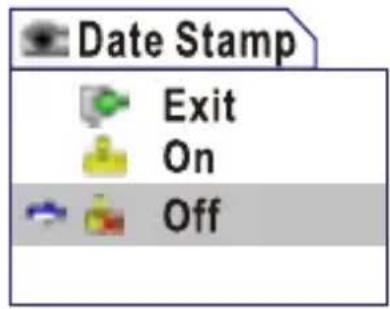
A sub-menu as illustrated on the right will appear. Press the Up or Down (◀) button to select On and press the Menu/OK (☐/OK) button to apply.
After the date stamp is turned on, a date mark will be printed on the pictures taken.
Before enabling this function, please make sure that the date and time are correctly set up. See page 48 for more information.
Playback menu
》Deleting files
While reviewing your recordings, you can delete the files that you do not want to preserve.
To delete a file or all files:
-
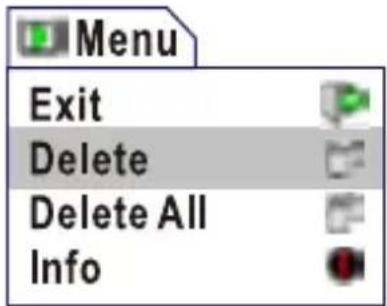
While in Playback mode, press the Menu/OK (目/OK) button.
-
A menu will appear. Press the Up or Down (◀) button to highlight the Delete or Del All item depending on your purpose. Once the desired item is selected, press the Menu/OK (目/ok) button.
-
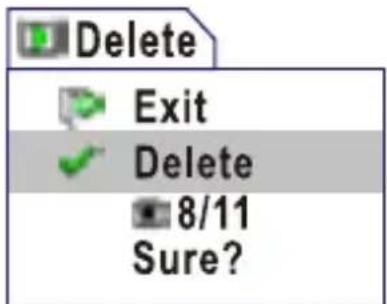
Depending on the item you select, the corresponding sub-menu will appear. If you select Delete to delete one file, you can use the Left or Right (◀▶) button to shift between files in the sub-menu. Press the Up or Down (◀) button to select the check mark and then press the Menu/OK (目/ok) button to confirm the deletion.
You can not delete a file that has been locked. Please see page 38 for more information.
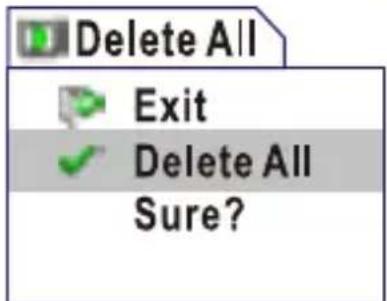
Delete all files?
Playback menu (continued)
Viewing file information
The file information provides you data such as date of recording, file size, and lock status.
To view the file information:
-
While in Playback mode, press the Menu/OK (☐/OK) button.
-
A menu will appear. Press the Up or Down (▲) button to highlight the Info item. Once the Info item is highlighted, press the Menu/OK (☐/OK) button.
-
An info page of the file will then appear. Note that the actual display shown depends on the file type. You can also press the Right or Left (◀▶) button to shift between files. When you want to exit, press the Menu/OK (目/ok) button.
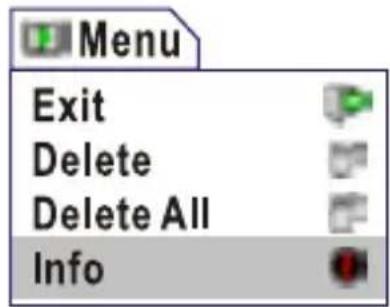
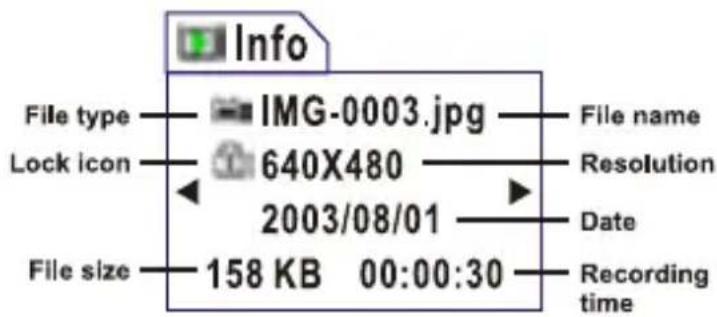
If there is a lock icon (☐) on the screen, it indicates the file has been locked.
Playback menu (continued)
Locking files
The locking file function can prevent files from being accidentally erased.
To lock a file or all files:
- While in Playback mode, press the Menu/OK (目/ok) button.
- A menu will appear. Press the Up or Down (💡) button to scroll page and highlight the Lock or Lock All item. Once the desired item is selected, press the Menu/OK (☐/OK) button.
- Depending on the item you select, the corresponding sub-menu will appear. If you select Lock to lock one file, you can use the Left or Right (◀▶) button to shift between files in the sub-menu. Press the Up or Down (◀) button to select the check mark and then press the Menu/OK (目/ok) button to confirm the lock action.
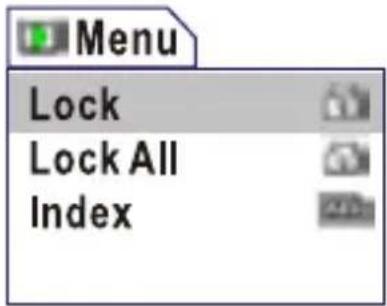
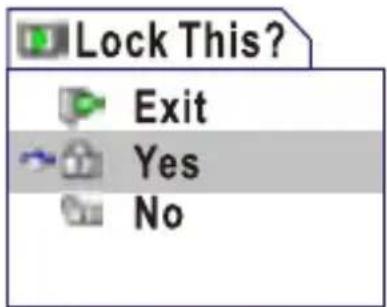
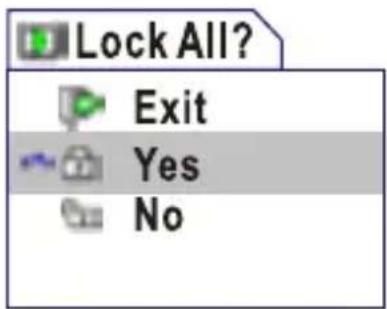
Lock all files?
Playback menu (continued)
Sorting files
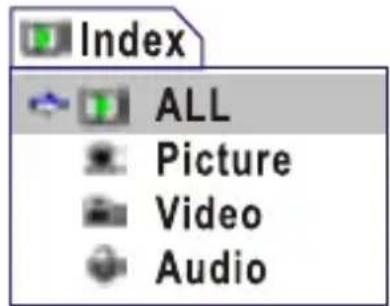
The sorting file function allows you to select the file type you want the camera to display in the thumbnail mode.
To enable the sorting file function:
-
While in Playback mode, press the Menu/OK (目/OK) button.
-
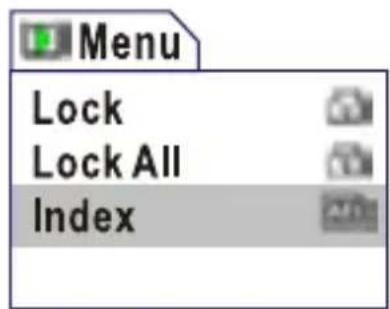
A menu will appear. Press the Up or Down (💡) button to scroll page and highlight the Index item. Once the Index item is selected, press the Menu/OK (☐/OK) button.
-
A sub-menu as illustrated on the right will appear. Press the Up or Down (◀) button to select a file type and then press the Menu/OK (☐/OK) button to confirm the selection. After the file type is determined, only files of the selected type will be displayed in the thumbnail mode.
Playing MP3 music
Copying MP3 files to the camera
Before you can play MP3 music, you need to copy MP3 files to the camera.
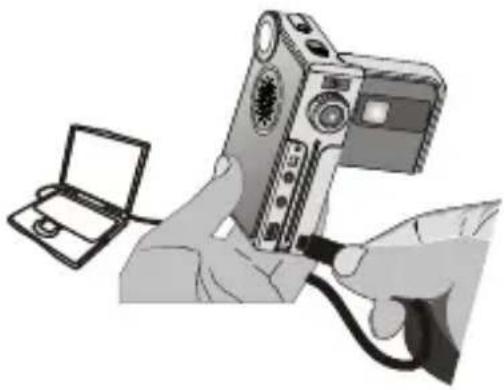
- To upload MP3 files to the camera, you need to connect the camera to a PC using the USB cable. For details on connecting the camera to your PC, please see page 54.
natural_image
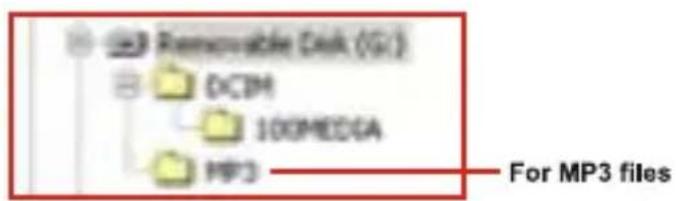
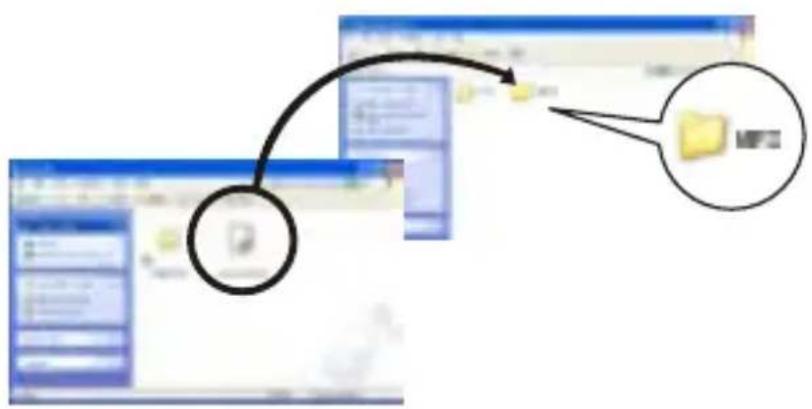
Illustration of hands connecting a laptop to a handheld digital camera (no text or symbols visible)- After the camera is connected to the PC, double-click on My Computer and you will find a removable disk. Inside the removable disk you can locate a MP3 folder. Then you can copy the desired MP3 files into the folder for playing.
flowchart
graph TD
    A["File Submission"] --> B["File Selection"]
    B --> C["Folder Icon"]
    C --> D["Final File"]
To take advantage of the removable disk function, Windows 98SE users may need to install the USB Mass Storage Driver. For details on the installation, please refer to page 52-53.
Playing MP3 music (continued)
Playing MP3 files
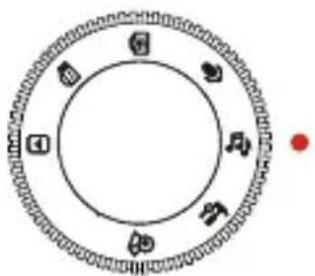
- Set the Mode Dial to MP3 mode, and you are ready to play MP3 music. The LCD display will show the screen as below:
natural_image
Circular diagram with six small icons arranged in a ring, no text or symbols present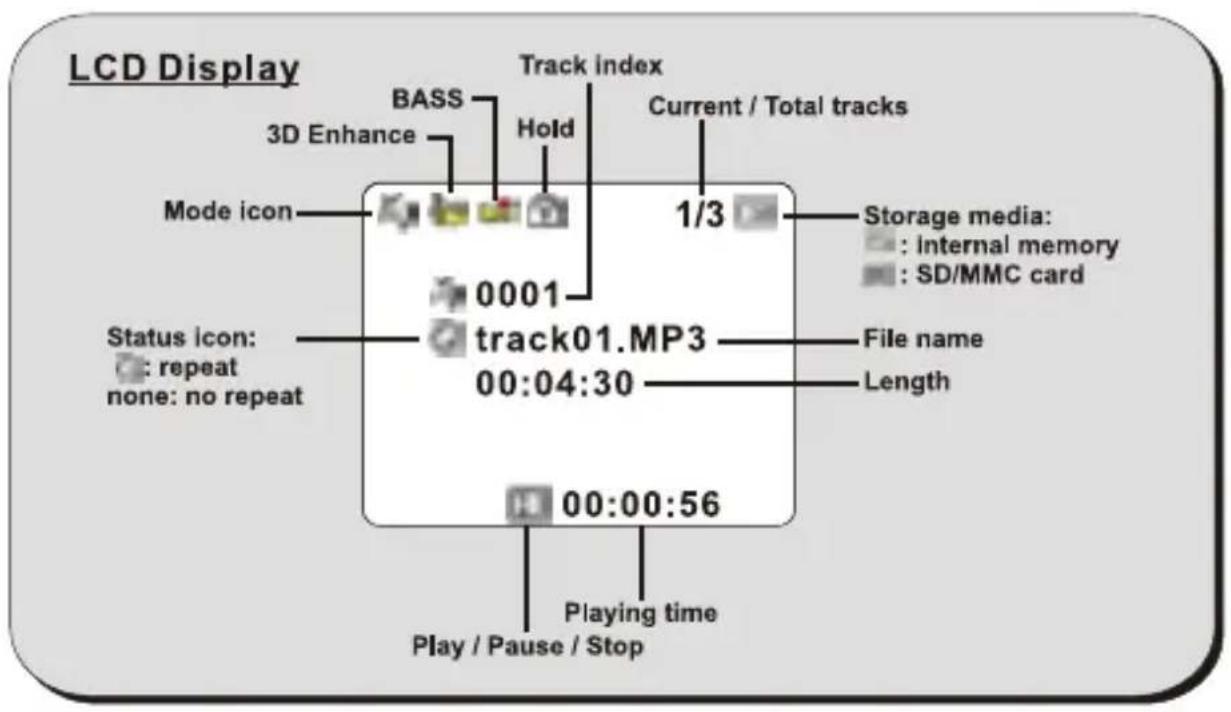
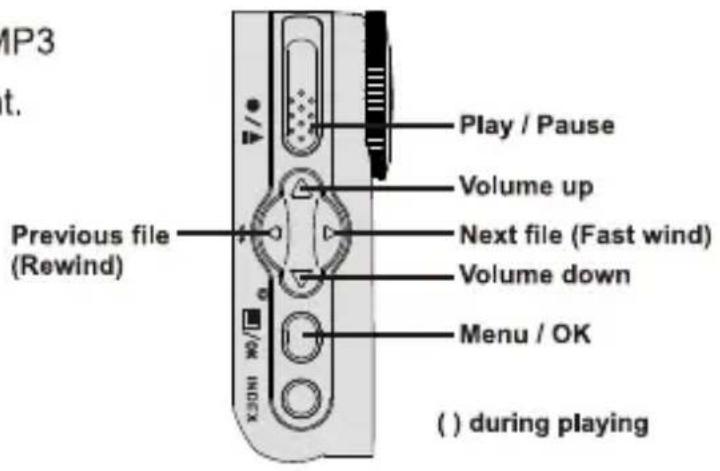
- The available function buttons in MP3 mode are as illustrated on the right.
MP3 menu
You can use several functions provided by the MP3 menu. Note that there are no MP3 files in the camera, the menu cannot be activated.
Repeat playing
You can repeat playing to save the trouble of pressing the play button. To repeat playing MP3 music:
-
While in MP3 mode, press the Menu/OK (目/ok) button.
-
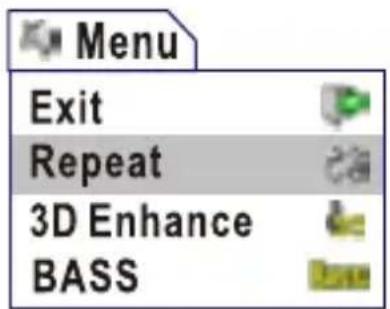
A menu as illustrated on the right will appear. Press the UP or Down (◀) button to select Repeat item. Once the Repeat item is selected, press the Menu/Ok (☐/ok) button.
-
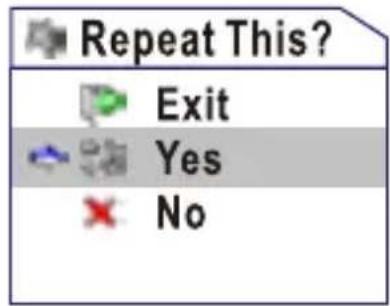
A sub-menu as illustrated on the right will appear. Press the Up or Down (💡) button to select Yes, and then press the Menu/OK (目/OK) button to confirm the selection.
MP3 menu (continued)
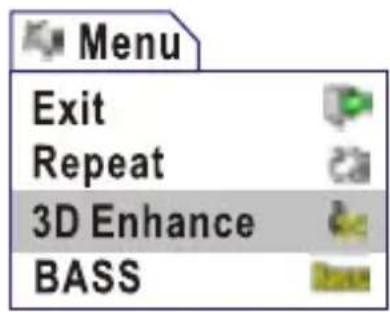
Setting 3D enhancement
You can enable the 3D enhancement effect to enrich the sound quality. To enable the 3D enhancement effect:
-
While in MP3 mode, press the Menu/OK (目/ok) button.
-
A menu as illustrated on the right will appear. Press the UP or Down (◀) button to select 3D Enhance item. Once the 3D Enhance item is selected, press the Menu/Ok (☐/ok) button.
-
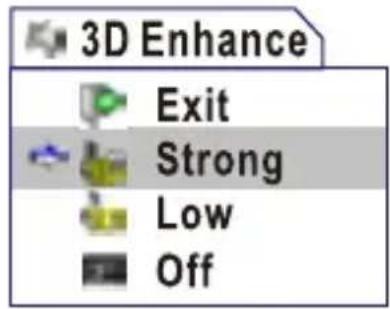
A sub-menu as illustrated on the right will appear. Press the Up or Down (◀) button to select a desired item, and then press the Menu/OK (目/ok) button to confirm the selection:
Strong: The 3D effect is the strongest. Low: The 3D effect is moderate. Off: The 3D effect is disabled.
MP3 menu (continued)
Setting BASS effect
You can enhance the sound quality by enabling the BASS effect.
To enable the BASS effect:
-
While in MP3 mode, press the Menu/OK (目/ok) button.
-
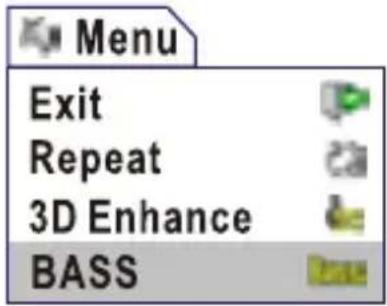
A menu will appear. Press the Up or Down (💡) button to highlight the BASS item. Once the BASS item is selected, press the Menu/OK (目/ok) button.
-
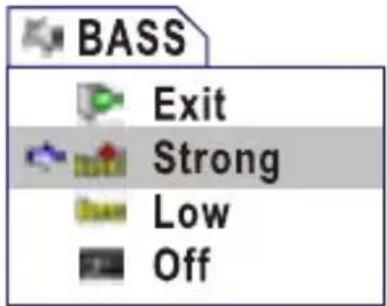
A sub-menu as illustrated on the right will appear. Press the Up or Down (⇐) button to select a desired item, and then press the Menu/OK (目/ok) button to confirm the selection:
Strong: The BASS effect is the strongest.
Low: The BASS effect is moderate.
Off: The BASS effect is disabled.
MP3 menu (continued)
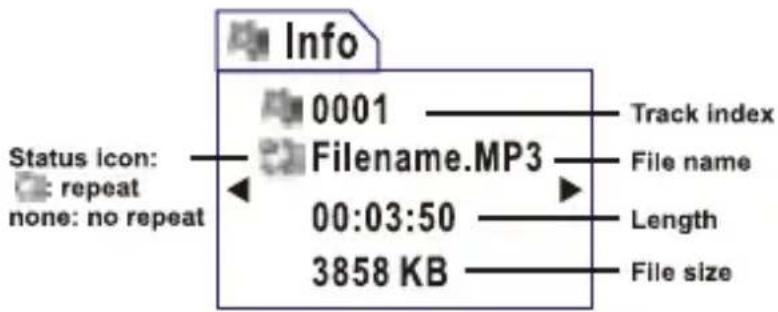
Viewing MP3 info
This item enables you to view the MP3 file information.
To enable the BASS effect:
-
While in MP3 mode, press the Menu/OK (目/ok) button.
-
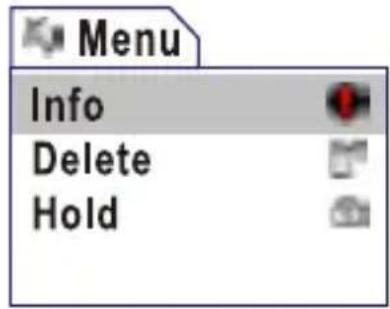
A menu will appear. Press the Up or Down (💡) button to scroll page and highlight the Info item. Once the Info item is selected, press the Menu/OK (目/ok) button.
-
A sub-menu as illustrated on the right will appear. The information of the selected file will be displayed on the screen. You can also press the Right or Left (◀▶) button to shift between files. When you want to exit, press the Menu/OK (目/OK) button.
MP3 menu (continued)
Deleting MP3 files
Deleting MP3 files can free some memory space for other purposes.
To delete MP3 files:
- While in MP3 mode, press the Menu/OK (目/ok) button.
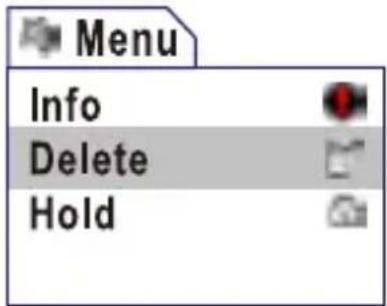
- A menu will appear. Press the Up or Down (⇐) button to scroll page and highlight the Delete item. Once the Delete item is selected, press the Menu/OK (目/ok) button.
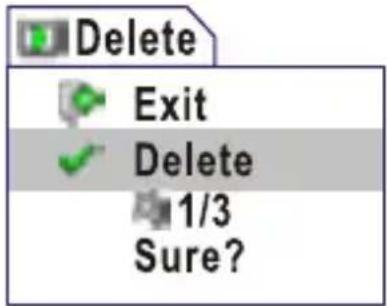
- A sub-menu as illustrated on the right will appear. Press the Up or Down (◀) button to select Delete, and then press the Menu/OK (目/ok) button to confirm the deletion.
MP3 menu (continued)
Holding button settings
Holding the button settings can prevent current status from being changed, so that you can carry the camera without worrying about the settings being changed. To hold button settings:
-
While in MP3 mode, press the Menu/OK (目/ok) button.
-
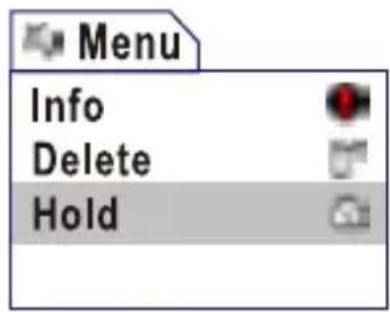
A menu will appear. Press the Up or Down (▲) button to scroll page and highlight the Hold item. Once the Hold item is selected, press the Menu/OK (目/ok) button.
-
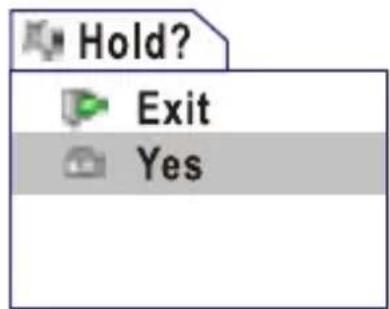
A sub-menu as illustrated on the right will appear. Press the Up or Down (⇐) button to select Yes, and then press the Menu/OK (目/ok) button to confirm the selection.
-
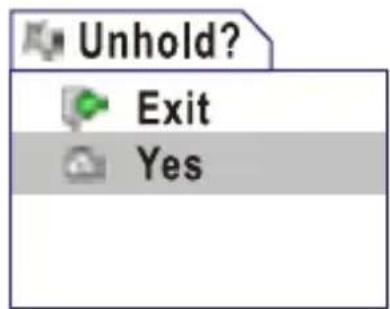
To unlock the status, press any button except the power button, and a menu will pop up as indicated. Press the Up or Down (◀) button to select Yes, and then press the Menu/OK (目/ok) button to confirm.
⚠ Make sure the settings are correctly configured before activating this function.
Switching to Settings mode
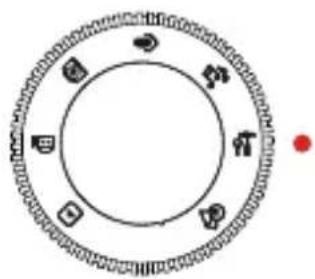
Set the Mode Dial to Settings mode, and you can fine tune several functions of the camera.
When you set the Mode Dial to the Settings mode, the menu as illustrated will display. For details on each setting, please refer to the corresponding page.
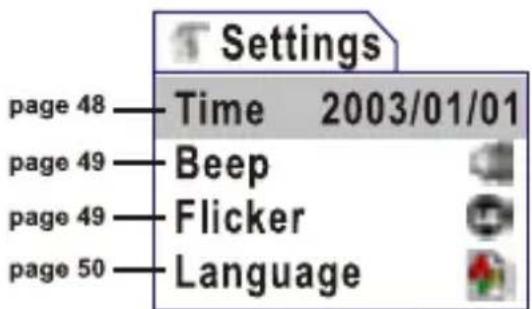
menu page 1
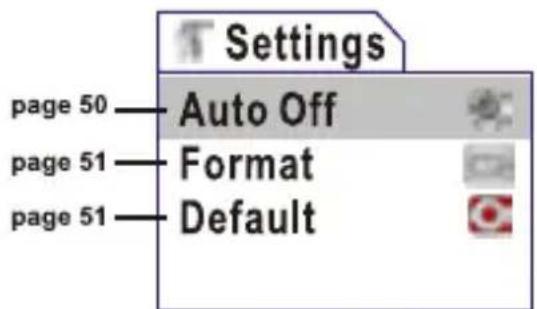
menu page 2
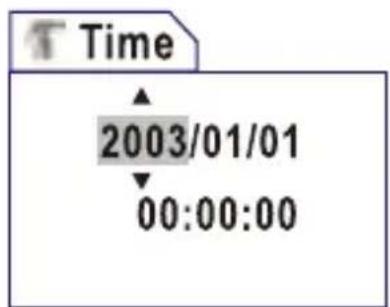
Setting the date and time
- While in Settings mode, use the Up and Down
( ≈ ) buttons to highlight the Time item, and then press the Menu/Ok (目/ok) button to enter the sub-menu.
- Use the Right and Left (◀▶) buttons to shift between items. Use the Up and Down (◀) buttons to adjust the value. When the settings are done, press the Menu/OK (目/ok) button to confirm.
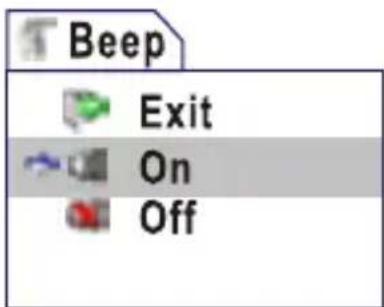
Setting the beep sound
-
While in Settings mode, use the Up and Down (💡) buttons to highlight the Beep item, and then press the Menu/Ok (目/ok) button to enter the sub-menu.
-
Use the Up and Down (💡) buttons to select On or Off. When the desired item is selected, press the Menu/OK (目/OK) button to confirm.
Setting the flicker
-
While in Settings mode, use the Up and Down (▲) buttons to highlight the Flicker item, and then press the Menu/Ok (目/ok) button to enter the sub-menu.
-
Use the Up and Down (💡) buttons to select the desired flicker setting. When the desired item is selected, press the Menu/OK (目/ok) button to confirm.
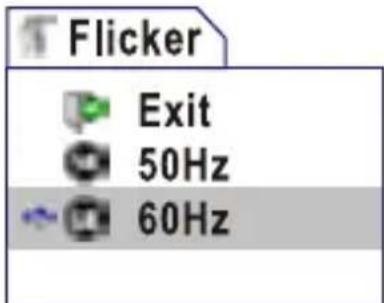
If you travel to another country, the flicker setting may not suit the country you are staying in. For more details on flicker settings, please refer to page 66.
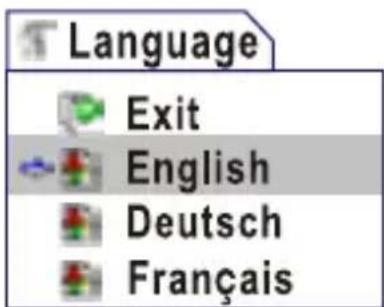
Setting the language
-
While in Settings mode, use the Up and Down (▲) buttons to highlight the Language item, and then press the Menu/Ok (目/ok) button to enter the sub-menu.
-
Use the Up and Down (💡) buttons to select a suitable language. When the desired item is selected, press the Menu/OK (☐/OK) button to confirm.
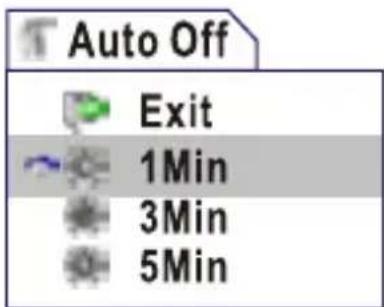
Setting auto-off
-
While in Settings mode, use the Up and Down (◀) buttons to highlight the Auto Off item, and then press the Menu/Ok (目/ok) button to enter the sub-menu.
-
Use the Up and Down ( ≈ ) buttons to select a desired item. When the desired item is selected, press the Menu/OK ( □/ok) button to confirm.
Formatting media
-
While in Settings mode, use the Up and Down (◀) buttons to highlight the Format item, and then press the Menu/Ok (☐/ok) button to enter the sub-menu.
-
Use the Up and Down ( ≈ ) buttons to select Yes, and then press the Menu/OK (目/ok) button to confirm.
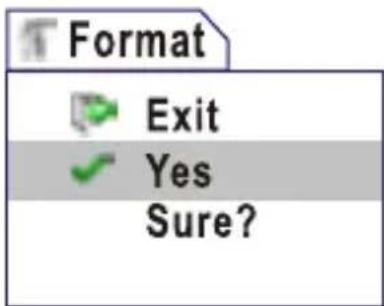
▲ Formatting the media will erase all files stored in the SD/MMC card or internal memory. Note that locked files will also be erased.
Restoring default settings
-
While in Settings mode, use the Up and Down ( ≈ ) buttons to highlight the Default item, and then press the Menu/Ok ( □/ok) button to enter the sub-menu.
-
Use the Up and Down ( ≈ ) buttons to select Yes, and then press the Menu/OK (目/ok) button to confirm.
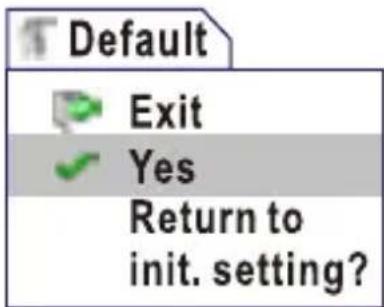
⚠️ Restoring default settings will override your current settings.
Installing the DV 5900 Driver on your PC
You need to install DV 5900 Driver to ensure that video clips can be played back on your PC. To install the software:
- Turn on your computer. Then place the accessory CD into the CD-ROM drive.
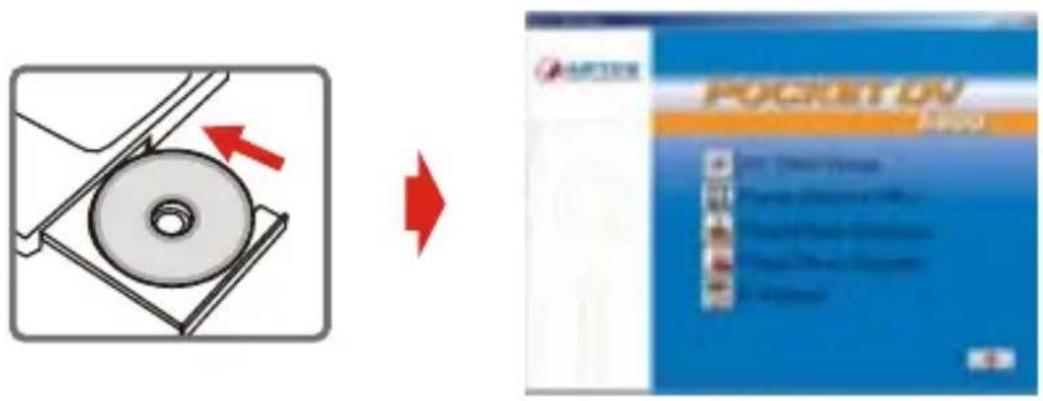
Do not connect the USB cable to your computer now.
⚠ Shut down all other applications running on your computer.
If the title screen does not appear automatically, please double-click on My Computer and then the CD-ROM drive. Then start the Setup.exe program manually.
- Click on the icon to launch the
installation of DV 5900 Driver.
⚠ Notice for Windows 2000 users:
During the installation process, the warning message regarding digital signature may appear twice or more. Please click Yes to continue the process. The software is fully compatible with Windows 2000 operation system.
Installing the DV 5900 Driver on your PC (continued)
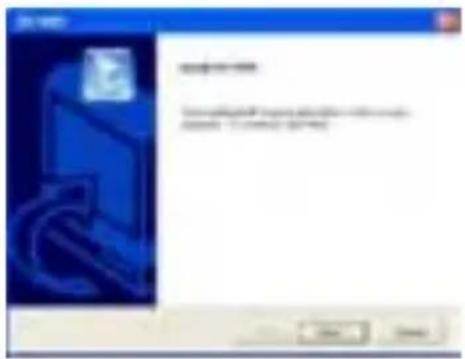
- The Install Shield Wizard will then appear and automatically install the program. Please click on Next and follow the on-screen instructions to complete the installation.
- After the driver installation is completed, the program will prompt you to install Windows Media Player Codecs. If you are not sure if the codec has been installed in your computer, please click Yes and follow the on-screen instructions to complete the installation.
- After the codec installation is completed, the program will prompt you to install Direct X 8.0 or above. If you are not sure if this program has been installed in your computer, please click Yes to continue.
Windows Media Player Codecs and Direct X 8.0 or above are necessary for viewing the video clips recorded by the camera.
- After the installation is completed, you may need to restart your computer for the driver to take effect.
Connecting the camera to your PC
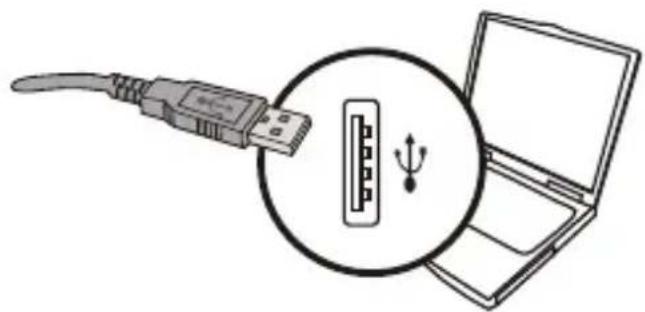
- Turn on your computer, and then connect the USB cable to the USB port of your computer. Make sure the cable and the port are correctly aligned.
natural_image
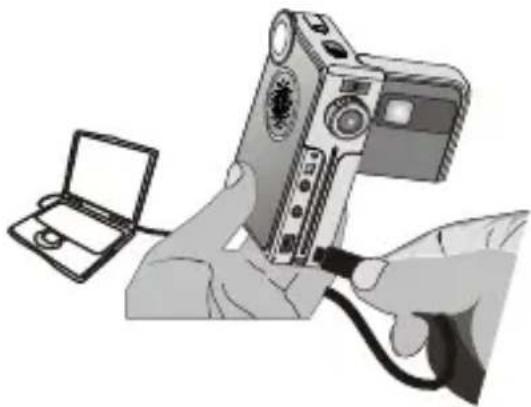
Illustration of a USB cable connected to a laptop via a thermometer and USB symbol (no text or labels)- Set the camera to any mode except Live (💡) mode, and then connect the other end of the USB cable to your camera.
natural_image
Illustration of hands inserting a laptop into a camera module (no text or symbols visible)⚠ Notice for Windows 2000/XP/ME users:
If you select DISK mode and then want to disconnect the camera from your computer, please follow these steps:
- Double-click on the system tray.
- Click (USB Disk), and then click Stop.
- Select the camera when the confirmation screen appears and click OK.
- Follow the on-screen instructions to safely disconnect the camera from your computer.
Copying files to the PC
- This step varies depending on your operation system:
For Windows XP users:
After the camera is connected to your computer, a dialogue window will appear automatically. Please select the item Open folder to view files using Windows Explorer and click OK.
![Microsoft Word 2.3 This image is not a chart or any other content that can be extracted or converted to it. If you want to switch the following: View all the settings at the computer Print key functions [ ] [ ] [ ] [ ] [ ] [ ] [ ] [ ] [ ] [ ] [ ] [ ] [ ] [ ] [ ] [ ] [ ] [ ] [ ] [ ] [ ] [ ] [ ] [ ] [ ] [ ] [ ] [ ] [ ] [ ] [ ] [ ] [ ] [ ] [ ] [ ] [ ] [ ] [ ] [ ] [ ] [ ] [ ] [ ] [ ] [ ] [ ] [ ] [ ] [ ] [ ] [ ] [ ] [ ] [ ] [ ] [ ] [ ] ( )](/content/2026/05/885718/images/f9223a5da95489aad1e22139027da2cdf3795c5c2f03d53029494242fef86bf2.jpg)
For Windows 2000/ME/98SE users:
Double-click on My Computer. Then double-click on the icon of the removable disk that has just appeared.
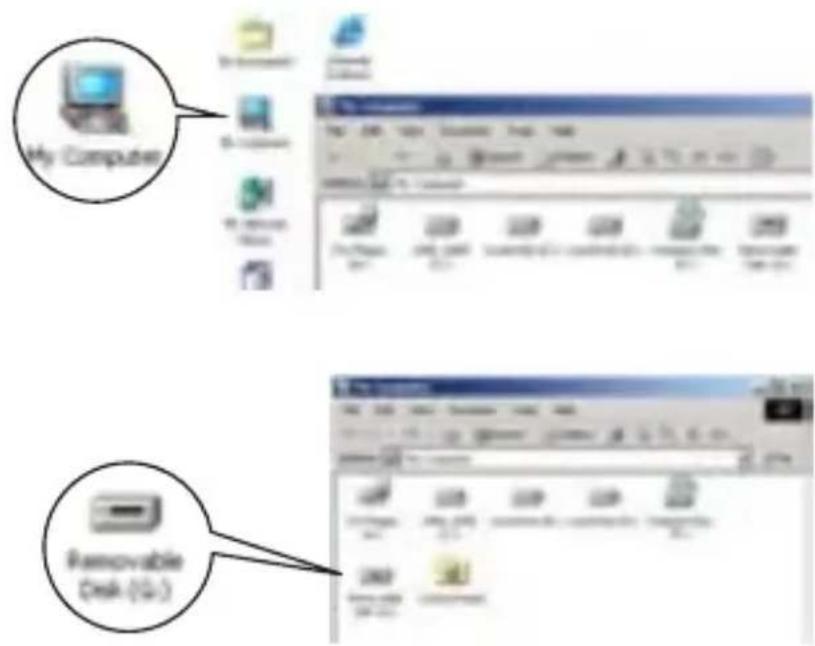
Some users may find two removable disks appear under My Computer, that is because the OS detects two storage media in the camera (the internal memory and the SD/MMC card). If you can not find your files in one of the disks, please try to find them in the other disk.
Copying files to the PC (continued)
2. Double-click on the DCIM file folder.
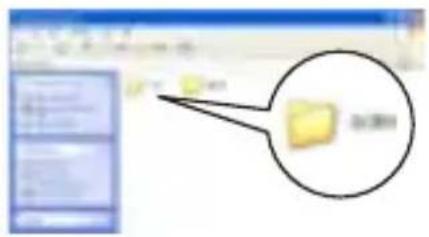
Windows XP
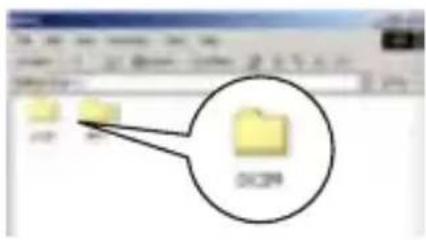
Windows 2000/ME/98 SE
3. Double-click on the 100MEDIA file folder.
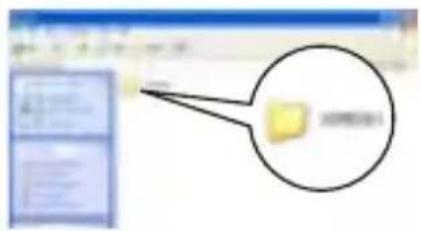
Windows XP
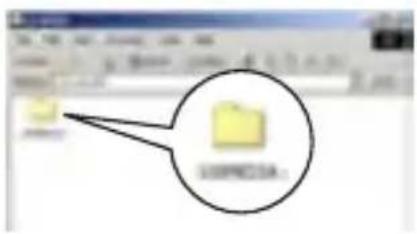
Windows 2000/ME/98 SE
4. Drag the target file into My Documents or the destination folder.
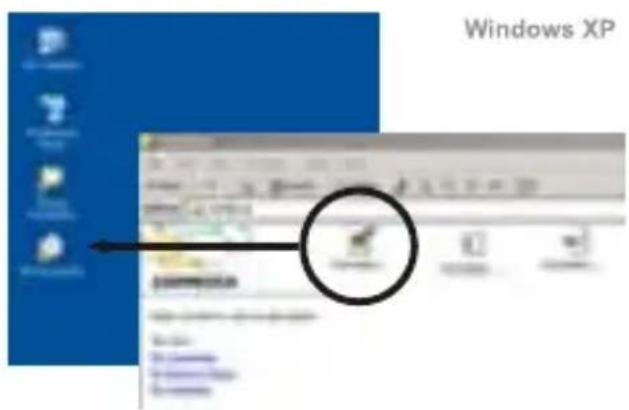
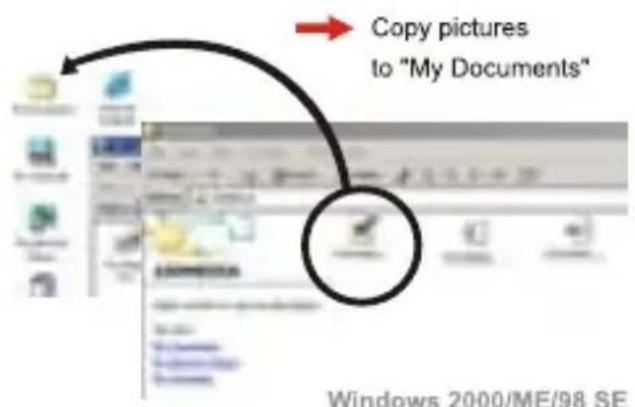
Viewing/Playing files on your PC
- Double-click on My Documents or any other folder that stores your files.
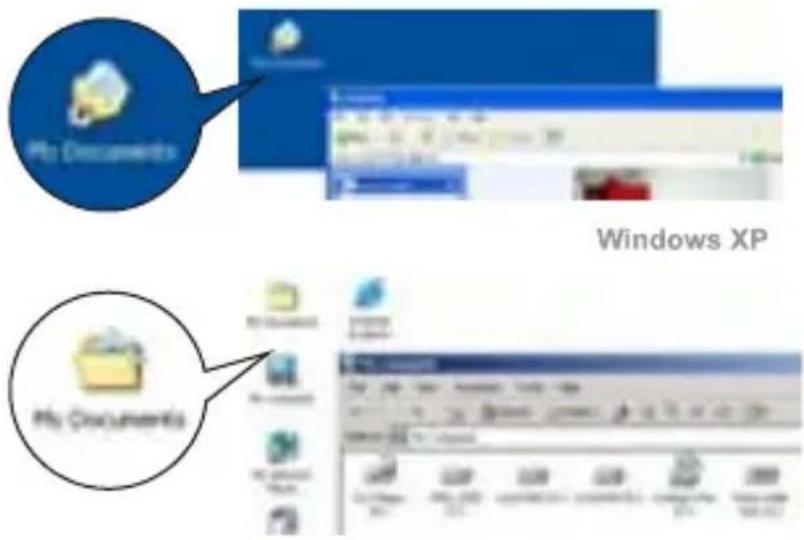
Windows 2000/ME/98 SE
- Double-click on the desired file, and the file will be opened by the program matching the file type.
Windows XP
Windows 2000/ME/98 SE
File location
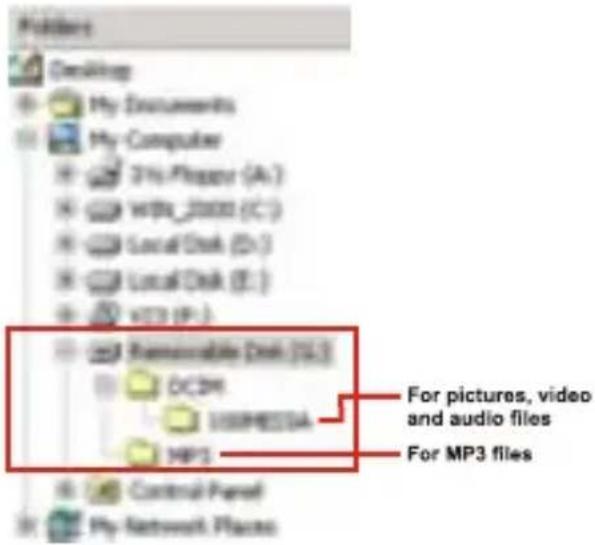
After connecting the camera to your computer, a removable disk will appear in your computer. Under the disk you can find all files stored in your camera. See the figure on the right to see where different types of files are located. Note that MP3 format files must be copied into the MP3 folder, or the camera will not be able to locate the MP3 files.
Using PC Camera 11
Installing DV 5900 software
You need to install DV 5900 software to take advantage of the PC camera function. If you have not yet installed the software, please refer to page 52 for details on installing the package.
Starting the application
- Set the Mode Dial to Live (💡) mode.
flowchart
graph TD
    A["Step 1"] --> B["Feedback"]
    B --> C{Decision}
    C -->|Yes| D["Step 2"]
    C -->|No| E["Step 3"]
    D --> F["End"]
    E --> F
    F --> G["Red Dot"]
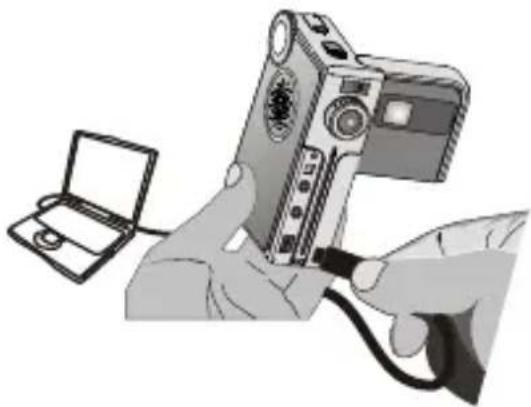
- Connect the camera to your computer.
natural_image
Illustration of hands inserting a digital camera into a laptop (no text or symbols present)⚠️ If you want to use the Video Conferencing function, please install programs such as Netmeeting to serve the purpose.
Notice for Windows ME users:
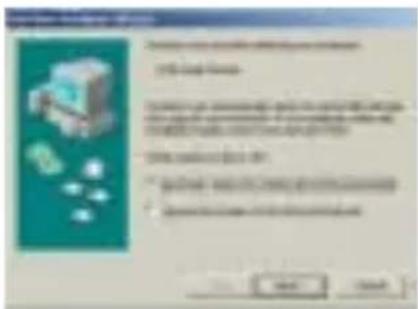
When the following screen appears, please select Automatic search for a better driver and click Next to continue.
Starting the application (continued)
Notice for Windows 98SE users:
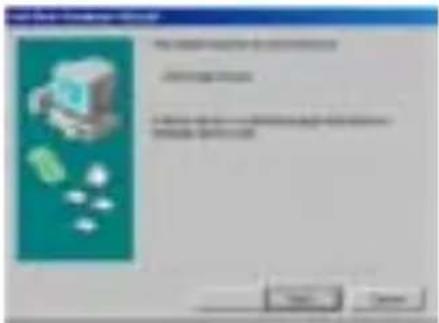
- Click Next when the following screen appears.
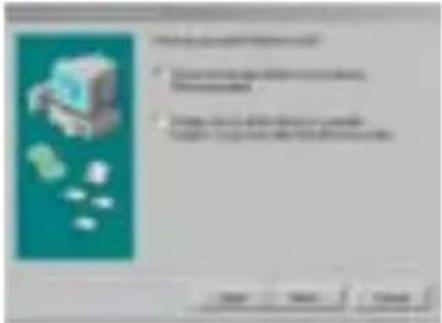
- When the following screen appears, please select Search for the best driver for your device and click Next to continue.
-
During the installation process, some users might be asked to insert a licensed 98SE CD into the CD-ROM drive to copy the needed files.
-
Follow the on-screen instructions to finish the installation.
Notice for Windows 2000 users:
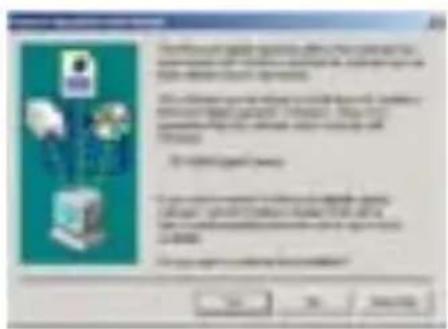
When using the PC camera function for the first time, the following warning message may appear twice or more. Please click Yes to continue the process. The camera is fully compatible with Windows 2000 operation system.
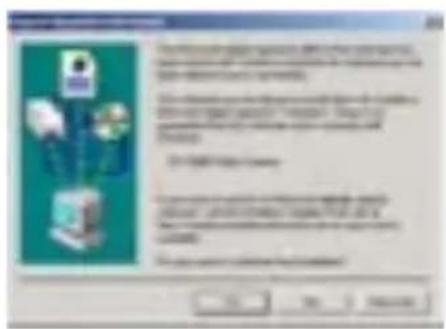
Starting the application (continued)
- Double-click the DV 5900 icon on the Desktop to start the program. After the program is started, you can begin to use the PC camera function.
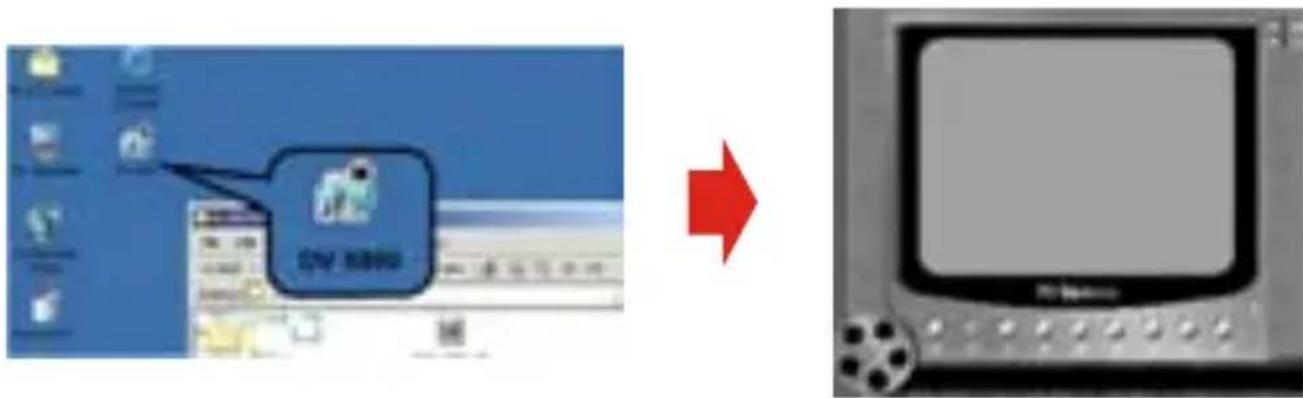
If you cannot find the program shortcut on the desktop, you can start the program from the Programs menu.
Using the DV 5900 PC Camera
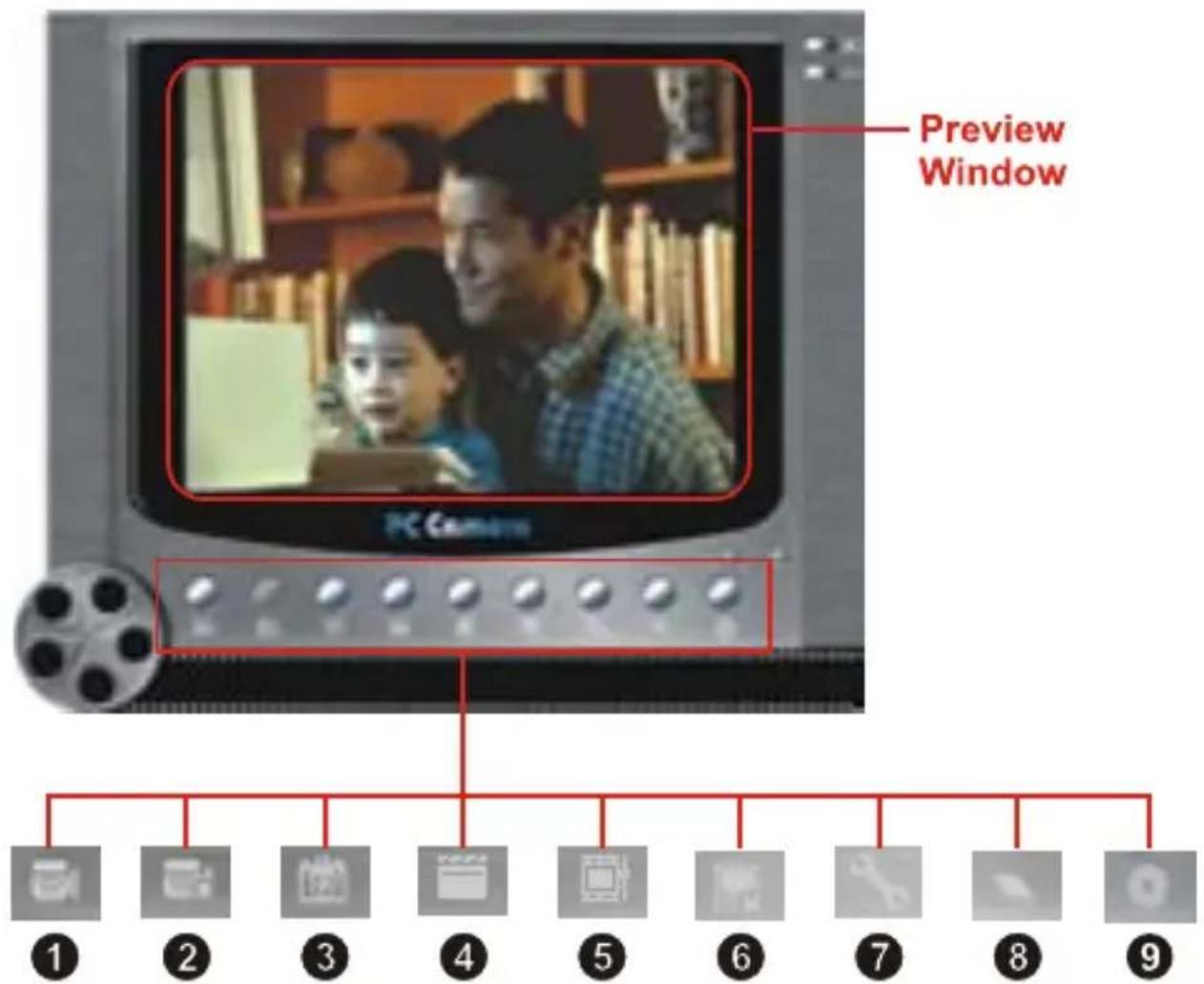
1 Start recording a video clip
② Stop recording
3 Snapshot
4 Format *
⑤ Properties *
6 Start/Stop preview window
⑦ Setting *
8 Open album (where files are stored)
9 Select video source
* Sub-menu is available.
To view pictures taken by DV 5900 PC Camera, please click on to open the photo album. Or, as an alternate option, go to the "Work Temp" folder to find files taken by the program. The full path is as following: C:\Program Files\DV 5900\Work Temp
Using the DV 5900 PC Camera (continued)
Recording an AVI movie
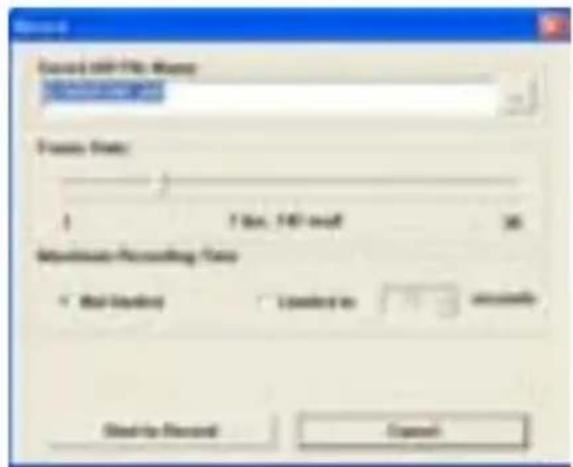
- Click on the icon.
- Press -- to specify the path and name of the AVI file.
- Set the frame rate and recording time according to your needs.
- Press the Start Record button to begin recording.
- To stop recording, click on the icon.
Taking a snapshot
Click on the

icon to take a snapshot.
Configuring Format options
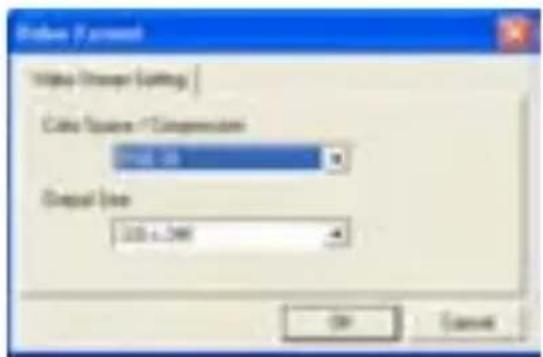
● Color Space:
Select one of the following functions according to your needs.
- RGB 24: This item is for retaining better quality.
- 1420: This item indicates the AVI movie will be more compressed to gain the advantage of faster processing speed.
● Output Size:
Set output size to change the size of the preview window. The default size is 320x240. Select larger pixels when you need a larger preview window.
Using the DV 5900 PC Camera (continued)
Configuring Properties options
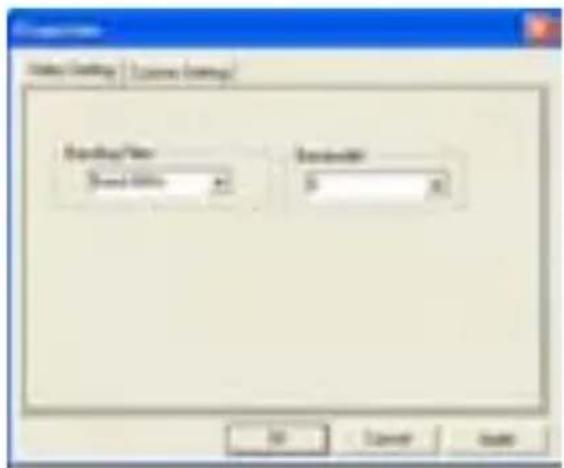
- Video setting:
- Banding Filter: If the screen of your computer flickers when using PC Camera function, change this setting to avoid noise.
- Bandwidth: If the network bandwidth is congested when using PC Camera, select a smaller value in the "Bandwidth" item to avoid this problem.
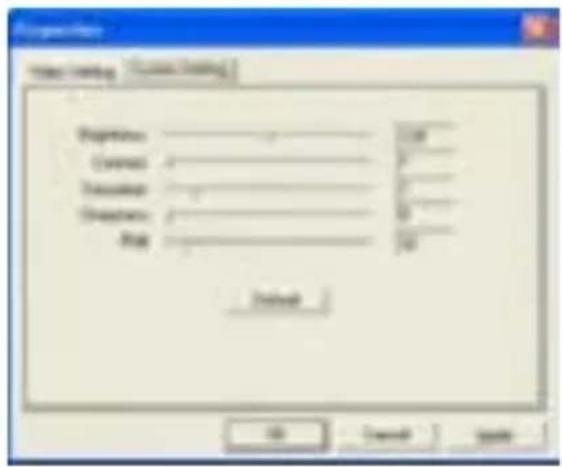
- Custom setting:
You can use the default settings, or change the settings (such as brightness, contrast, saturation, and sharpness) on your own.
Configuring Flicker options
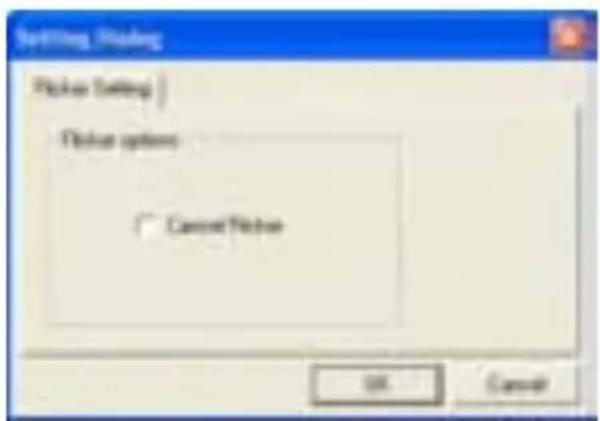
If you take your camera abroad, and find the screen of your computer flickers when using PC Camera function, please check the Cancel Flicker box to prevent noises from appearing on the screen. Or, you can refer to the Flicker Settings Table (p. 66) for proper flicker value that suits the country you are staying.
Addenda
Flicker Settings Table
| Country | England | Germany | France | Italy | Spain | Netherlands |
| Setting | 50Hz | 50Hz | 60Hz | 50Hz | 50Hz | 50Hz |
| Country | Portugal | America | Taiwan | China | Japan | Korea |
| Setting | 50Hz | 60Hz | 60Hz | 50Hz | 50/60Hz | 60Hz |
* The flicker setting is based on the frequency standard of your local power supply.
LED Event Table
| Condition | LED color | Meanings |
| Status(Status LED) | Red | Busy (storage, or capture) |
| Green | Ready (waiting for command) | |
| Flash(Status LED) | Red | Charging flash |
| Green | Ready (waiting for command) | |
| Data transformation(Status LED) | Red | Data transformation |
| Green | Ready (waiting for command) | |
| Self-Timer(Self-Timer LED) | Red (regularly) | Counting |
| Red (rapidly) | Capturing the picture |
Addenda
Storage Capacity Table
| Memory | Video Clip (min.) | Audio (min.) | ||
| 640x480 | 352x288 | 160x128 | Maximum | |
| Flash memory (13MB) | 1-2 | 2-3 | 10-15 | 50 |
| SD/MMC (128MB) | 8-12 | 16-24 | 80-120 | 480 |
| SD/MMC (256MB) | 16-24 | 32-48 | 160-240 | 960 |
| SD/MMC (512MB) | 32-48 | 64-96 | 320-480 | 1920 |
| SD/MMC (1GB) | 64-96 | 128-192 | 640-960 | 3840 |
| Memory | Still picture (pic.) | ||||
| 2560x1920 | 2304x1728 | 2048x1536 | 1600x1200 | 640x480 | |
| Flash memory (13MB) | 15 | 17 | 18 | 25 | 150 |
| SD/MMC (128MB) | 120 | 136 | 144 | 200 | 1200 |
| SD/MMC (256MB) | 240 | 272 | 288 | 400 | 2400 |
| SD/MMC (512MB) | 480 | 544 | 576 | 800 | 4800 |
| SD/MMC (1GB) | 960 | 1088 | 1152 | 1600 | 9600 |
* The actual number of pictures stored may vary (up to ± 30%) depending on the resolution and color saturation.
Addenda
Battery Life Table
Battery indicator status
| Icon | Description |
| Full battery life | |
| Moderate battery life | |
| Low battery life | |
| Empty battery life |
* To avoid sudden outage of power supply, you are recommended to replace batteries when the icon indicates low battery life.
Addenda
System Message Table
| Message | Description |
| Recording | The camera is recording a file. |
| Please Unlock SD Card | If you insert a SD card and the card is set to "Protected", this message will show up when the camera tries to write data into the card. |
| No Files To Play | When the camera is set to Playback or MP3 mode without any existing file to play, this message will show up. |
| Please Change Batteries | The camera is under the status of low power. You should change the batteries immediately. |
| Memory Full | The storage memory is full and can not store any more files. Please change the SD/MMC card or delete some files to free some memory space. |
| Card Error | The inserted card is not compatible with the camera. Please change the card or try formatting the card. |
| Memory Error | The camera can not access data in the internal memory. Please format the media to solve this problem. |
| Strobe Is Charging | The flash strobe is charging. |
| File Format Error | The file being played is not compatible with the camera. |
| Deleting | The camera is performing file deletion. |
| Formatting | The camera is formatting the storage media. |
| File Is Locked | The current file is locked and can not be deleted. |
| Locking | The current file is being locked to protect it from deletion. |
| Unlocking | The current file is being unlocked. |
| Setting | The camera is performing a setting action. |
Addenda
Specifications
| Sensor effective resolution | 3MP (2048x1536 pixels) |
| Interpolated resolution | 5MP (2560x1920 pixels) |
| Internal memory | 13 MB flash memory (storage) |
| External memory | Built-in SD/MMC slot (maximum: 1 GB) |
| Digital video camcorder | MPEG4 (.ASF) FormatVGA (640x480 pixels) / up to 11 fpsCIF (352x288 pixels) / up to 30 fps160x128 pixels / up to 30 fps |
| Digital still camera | JPEG (.JPG) Format5MP (2560x1920 pixels); 4MP (2304x1728 pixels)3.1MP (2048x1536 pixels); 2MP (1600x1200 pixels)VGA (640x480 pixels) |
| Digital voice recorder | WAVE (.WAV) Format with 13MB memoryRecording time: approximately 45 minutes |
| MP3 player | Support all kinds of sample rate |
| PC Camera | VGA (640x480 pixels) / up to 10 fpsQVGA (320x240 pixels) / up to 20 fps |
| LCD display | 1.5" Color TFT LCD |
| Digital zoom | 4X (real-time) |
| TV-out | Yes (NTSC system) |
| Built-in microphone | Yes |
| Built-in speakers | Yes |
| Built-in flash strobe | Yes |
| Built-in headset connector | Yes |
| Lens | F=2.8 |
| Self Timer | 10 seconds |
| Interface | USB 1.1 (USB 2.0 compatible) |
| Power saving | 1min/3min/5min (auto power-off if idle for over selected time) |
| Battery | AAx2 (alkaline recommended) |
| Dimension | 3.9"x2.8"x1.3" (99x72x33 mm) |
* 1. Specification is subject to change without notification.
Troubleshooting
When using the camera:
Q1 The camera can not be switched on normally.
A: 1) The batteries may be out of power. Please change the batteries.
2) Make sure the batteries are correctly installed.
Q2 The camera is still powered on, but the LCD screen does not display.
A: If the camera stays idle for over one minute, the LCD screen will automatically shut down to save power. You can press any button except the power button to reactivate the display.
Q3 Can not take pictures or video clips when pressing the Record/Shutter button.
A: 1) The storage media may be full. Please free some space from the SD/MMC card or the internal memory.
2) Check if the camera is recharging the flash strobe.
3) If you are using a SD card, check if the card is set to "protected".
4) If the LCD screen displays "MEMORY ERROR" or "CARD ERROR" message, please set the camera to Settings mode and format the storage media.
Q4 I did not delete the pictures and video clips, but can not find them in the memory.
A: 1) Check if you take pictures and video clips and then insert a SD/MMC card. The camera will use the card as the main storage media and files previously stored in the internal memory will be inaccessible until the card is removed.
2) Check if the "Index" option (see page 39) is set to displaying a particular file type. If yes, you can set the option to "All" or restart the camera to access other files.
Troubleshooting
Q5 I cannot use the flash strobe.
A: If the battery life icon indicates 📋, the flash strobe may be disabled due to insufficient voltage. Please change batteries immediately.
Q6 The pictures taken appear too blurred.
A: Please adjust the focus as appropriate.
Q7 The pictures or video clips taken appear too dark.
A: Make sure the environment of shooting or recording has adequate light. Or you may consider using flash strobe when taking pictures.
Q8 Noises occur when viewing images on the LCD screen or on the computer.
A: Check if the flicker setting matches the place you are staying. For more information, please refer to the "Flicker Settings Table" on page 66.
Q9 I cannot play MP3 and the title displays strange characters.
A: This problem is probably caused by double-byte characters (such as Chinese, Korean...etc.). Please rename these files before copying them to the camera.
Troubleshooting
When connecting the camera to the computer or TV:
Q1 I can not view the video clips on my computer.
A: Please install Direct X 8.0 or above and Windows Media 9.0 Codecs to solve this problem. See page 52 for details on installing the driver, or go to http://www.microsoft.com to download the required files.
Q2 The driver installation failed.
A: 1) Please remove the driver and other related programs. Follow the installation steps in the manual to reinstall the driver. 2) Make sure you install the driver before plugging in the USB cable.
Q3 The TV screen does not display after connecting the camera to the TV.
A: 1) Check if the camera is correctly connected to the TV. 2) Make sure the TV is switched to AV mode.
Q4 A conflict with other installed camera or capture device occurred.
A: If you have any other camera or capture device installed in your computer, please completely remove the camera and its driver from the computer to avoid the conflict.
Q5 Noises occur on my computer screen when using Video Conferencing.
A: Please set the flicker filter to match the place you are staying. See "Configuring Flicker options" on page 65 for more details.
Aiptek Service
If you have any problems about the product, please contact AIPTEK office located in the United States:
AIPTEK, Inc.
51 Discovery, Suite 100
Irvine, CA 92618, USA
TEL: 949-585-9600
FAX: 949-585-9345
http://www.aiptek.com
Online registration website:
Http://www.aiptek.com/registration/registration.htm
(Online registration entitles you to special services,
downloads, and promotions.)
- Welcome
- Safety Notice
- Table of Contents
- Advanced Operations 26
- Camera Settings 48
- Camera Parts
- Getting Started
- Loading the batteries
- Inserting the SD/MMC card (optional)
- Attaching the wrist strap (optional)
- How to hold your camera
- How to open the connector cover
- Using the tripod (optional)
- Basic Operations
- Turning on your camera
- Turning off your camera
- Setting the language
- Recording a video clip
- How to record a video clip
- Recording a video clip (continued)
- Setting the focus
- Zooming
- Selecting metering modes
- Taking a still picture
- How to take a still picture
- Taking a still picture (continued)
- Using the flash strobe
- Recording a voice clip
- Playing back your recordings
- Full-screen view
- Playing back your recordings (continued)
- Thumbnail view
- Reviewing a still picture
- Playing back a video or audio clip
- Switching on/off the OSD display
- Connecting the camera to your TV
- Menu access and operations
- Digital Video Camcorder menu
- Changing the video resolution
- Digital Video Camcorder menu (continued)
- Adjusting exposure compensation
- Applying special effects to movie clips
- Digital Still Camera menu
- Changing picture resolution
- Digital Still Camera menu (continued)
- Using the self-timer
- Adjusting the white balance
- Applying special effects to still pictures
- Using the date stamp
- Playback menu
- 》Deleting files
- Playback menu (continued)
- Viewing file information
- Locking files
- Sorting files
- Playing MP3 music
- Copying MP3 files to the camera
- Playing MP3 music (continued)
- Playing MP3 files
- MP3 menu
- Repeat playing
- MP3 menu (continued)
- Setting 3D enhancement
- Setting BASS effect
- Viewing MP3 info
- Deleting MP3 files
- Holding button settings
- Switching to Settings mode
- Setting the date and time
- Setting the beep sound
- Setting the flicker
- Setting auto-off
- Formatting media
- Restoring default settings
- Installing the DV 5900 Driver on your PC
- Installing the DV 5900 Driver on your PC (continued)
- Connecting the camera to your PC
- ⚠ Notice for Windows 2000/XP/ME users:
- Copying files to the PC
- For Windows XP users:
- For Windows 2000/ME/98SE users:
- Copying files to the PC (continued)
- Double-click on the DCIM file folder.
- Double-click on the 100MEDIA file folder.
- Drag the target file into My Documents or the destination folder.
- Viewing/Playing files on your PC
- File location
- Using PC Camera 11
- Installing DV 5900 software
- Starting the application
- Starting the application (continued)
- Notice for Windows 98SE users:
- Notice for Windows 2000 users:
- Using the DV 5900 PC Camera
- Using the DV 5900 PC Camera (continued)
- Recording an AVI movie
- Taking a snapshot
- Configuring Format options
- ● Color Space:
- ● Output Size:
- Configuring Properties options
- - Video setting:
- - Custom setting:
- Configuring Flicker options
- Addenda
- Battery Life Table
- Troubleshooting
- When using the camera:
- Q5 I cannot use the flash strobe.
- Q6 The pictures taken appear too blurred.
- Q7 The pictures or video clips taken appear too dark.
- Q8 Noises occur when viewing images on the LCD screen or on the computer.
- Q9 I cannot play MP3 and the title displays strange characters.
- When connecting the camera to the computer or TV:
- Q1 I can not view the video clips on my computer.
- Q2 The driver installation failed.
- Q3 The TV screen does not display after connecting the camera to the TV.
- Q4 A conflict with other installed camera or capture device occurred.
- Q5 Noises occur on my computer screen when using Video Conferencing.
- Aiptek Service
- AIPTEK, Inc.
Mærke : AIPTEK
Model : Pocket DV 5900
Kategori : Videokamera