1600 (1966) - Bil Datsun - Gratis brugsanvisning og manual
Find enhedens vejledning gratis 1600 (1966) Datsun i PDF-format.


Brugerspørgsmål om 1600 (1966) Datsun
0 spørgsmål om dette apparat. Besvar dem du kender, eller stil dit eget.
Stil et nyt spørgsmål om dette apparat
Download vejledningen til din Bil i PDF-format gratis! Find din vejledning 1600 (1966) - Datsun og tag din elektroniske enhed tilbage i hånden. På denne side er alle dokumenter nødvendige for brugen af din enhed offentliggjort. 1600 (1966) af mærket Datsun.
BRUGSANVISNING 1600 (1966) Datsun

DATSUN 1600
owner's manual
SportsCar
natural_image
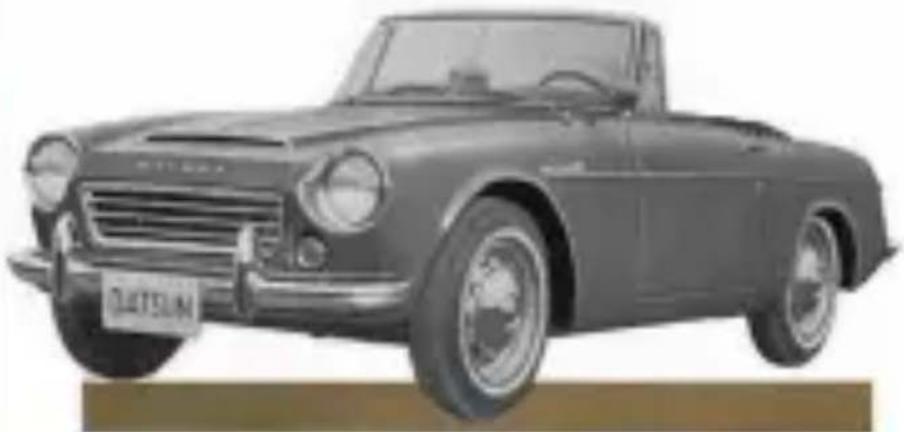
Black-and-white exterior view of a vintage convertible car (no visible text or symbols)NISSAN MOTOR CO., LTD.
TOKYO, JAPAN
PREFACE
The information contained in this manual will help you to get acquainted with your new car, easily and quickly.
As the life and reliability of the car depend to a large extent upon the care and attention it receives from the outset, the instructions given in this manual should be fully observed.
Keep this manual in the glove box of your car for future reference.
Whenever you have a question or problem concerning your new car, call on your DATSUN dealers. They are ready for meeting your needs.
TABLE of CONTENTS
JOB YOUR DIFFERENCE PLAN NUMBER
TECHNOICAL DATA 1
DENTILINENTS & CONTROLS
FOR THE EQUIPMENT WORKS.
BDE TO CONTROL THE CAVYARE TOP 31
YOU ENSERS COMPANY
ENUNC FAILS TO START
SUITABLE OR, MERCORTE FOR THE CONMERES 20
RECOMMENDED LUMERICANTS
ONE OF THE MAINTYLLANCE HARD BOOK
HOW TO CHECK A LEMONATE .... 24
INSTRUCTIONS FOR BALACING TWO SHITCH MID-01-W VARIABLE
VOCUM BEE BAFT CABBETON 16
METHODS
ESTADO (B)
METROG
COOLING SYSTEM
AIR CLEASER
NOTATIONS OF THIS
LUBICATION CHART
CHECKING CHART (Engine)
CHECKED CHAIT FOR HEAVES, (Note)
CHECKED AND ADJUSTING VALUES
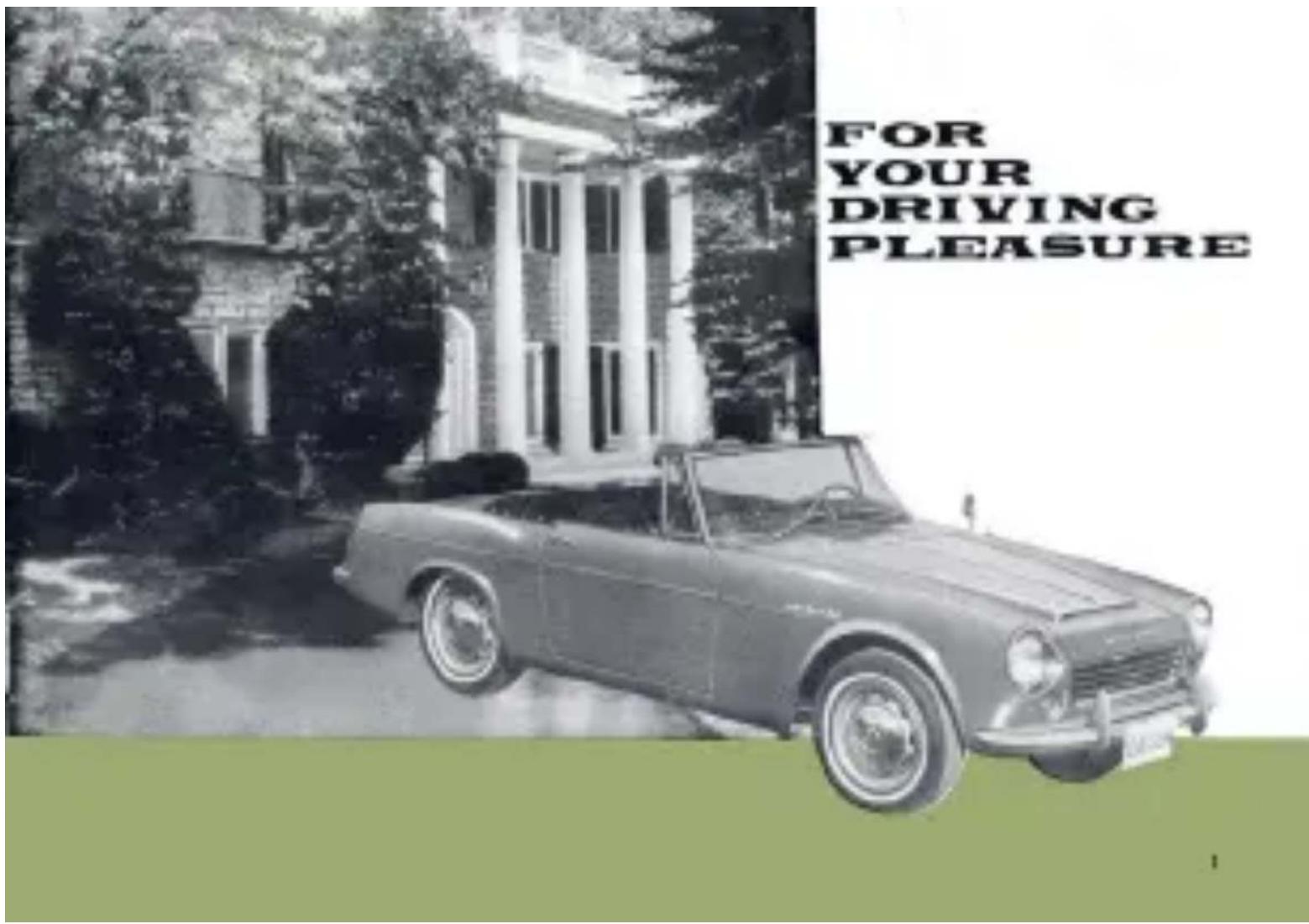
TECHNICAL DATA
SPECIFICATION
MODEL SPULF1-U DIMENSIONS AND WEIGHT
Overall length : 3,200 in (129.8 in.)
Overall width 1,495 mm (58.3 in.)
Overall height 1,200 mm (55,4 in.)
Wheel base 3,250 mm (88.8 lb.)
Tread front 1,270 mm (38.8 mm.)
Tread rear 1,100 nm (47.5 ls.)
Yielded weight 100 kg (3,028.3 lb.)
Seating capacity 2 Persons
Min. road clearance 183 mm (7.2 in.)
Gross vehicles weight: -1,019 kg (2,270,17 lb.)
PERFORMANCE
Max. speed = 170 km/h (106 miles)
Max. grade utility (in sb) 0.497
Min. farming radius 6.9 m (30.0 ft.)
Brake distance at 58 km/h — 12,5 m (44,3 ft.)
ENGINE
Model 1: Gasoline engine; Water-cooled four cycle O.B.V.: Four cylinder in line; Iboe 97.2 mHg-602 mL; Strike 98.8 mm (2.620 mL); Displacement 1,500 mL; Max. brake horsepower (WBP at 6,000 r.p.m.; R.A.E.); Max. torque 11.3 m·kg(183 R-8s) at 4,000 r.p.m. (R.A.K.) Compression ratio 9.9 : h.
FUEL SYSTEM
87 TWIS - 3 n 2; Variable venturi, side draft type run carlaretors. Mechanical type diaphragm pump. Paper element type air cleanser; Fuel tank capacity 43.F (11:36 U.S.gd.)
LUBRIFICATION SYSTEM
Pressure load with full flow type oil filter; Gear type pumps: Oil pen oxoocity 4.1/1 (1.282 U.S.gml.)
IGNITION SYSTEM
Cell and distribution with automatic mechanical and vacuum controls.
COOLING SYSTEM
Presorized radiator: Centrifugal pump; Pellet type thermostat and fan; Cooling water capacity (F) [2, 13] U.S. gal.
ELECTRIC SYSTEM
12 vol 40A,8, rapidly battery; 300 nul alternative with TmRIL's voltage regulator. 1.4 HP magnetic shift starter.
CLUTCH
Single dry dust with dispersion spring Door da, x Inner da, x Thickness (mm) 200 x 200 x 2.5
TRANSMISSION
1 speed forward and 1 reverse; All synthromeshed, on forward gear; Gear ratios; 1st 5.352; 2nd 2.632; 3rd 5.312, 4th 1.800, reverse 3.363; Floor gear shift.
REAR AXLE
Bemi floating sale: Hypold level gear, ratio 2.880 (Option 0.315)
FRONT SUSPENSION
Independent stiffness, coil springs with hydraulic double action type shock absorbers.
REAR SUSPENSION
bents-chipatic heat type springs. 4 leaves with hydraulics double action shock absorbers.
STEERING
Corn and lever type gear, ratio 14.8:1 Steering wheel 3 spikes 400 mm (35.7 in.) diameter, Steering angle in and out 36°18', 28°20'
自然人承诺
Hydrustes: Dina brakes at front; Leasing and trailing shoes at rear; Dia brakes order dia, 254 cm-31.18 in.10 on front; Brake drums dia, 229.8 min otons.] on rear wheels. Parading brakes mechanically operated on rear sheets only.
WHEELS AND TRES
Beral disc wheels: 1.58=14=47 tires.
LAMPB
Two head lamps (peak load heads). Two front parking and turn signal lamps; Two rail lamps and stop lamps; Two rear turn signal lamps; Rear license lamp; Hay lamp; Reverse lamp, Reflectors.
INSTRUMENTS
Speedometer with mileage recorder; Tacho meter with main beam warning lamp; Fuel gauge; Clock; Asemeier; Oil pressure gauge; Thermometer; Turn signal joint lamp; de inscience panel; ignition and starter switch, lighting switch, windshield two-speed viper switch; Fog lamp switch.
FRAME
Prewed steel box section with X member.
BODY WORK
Two door 2 seat, open-type with canvas top; all steel body fully updo-stressed with vinyl leather; Floor carpet; Safety glass sheet/ceil; Rell cap type door glass; Adjustable bucket type seat;
Archerages for fitting safety belt, Ash tray and glove box on instrument panel. Fresh air overtire; Door lock with key, Ranger over rider, Front and rear; Space wheel housed in trunk room; Mid point side judding.
EQUIPMENTS
Windshield two-speed siper; Windshield washer: Cigarette lighter: Double horn, Inside and outside back mirrors; Tension cover
OPTIONAL & EQUIPMENTS
Homer, Audio, & Plastic hard top (fiber glass rail slercoat,.)
natural_image
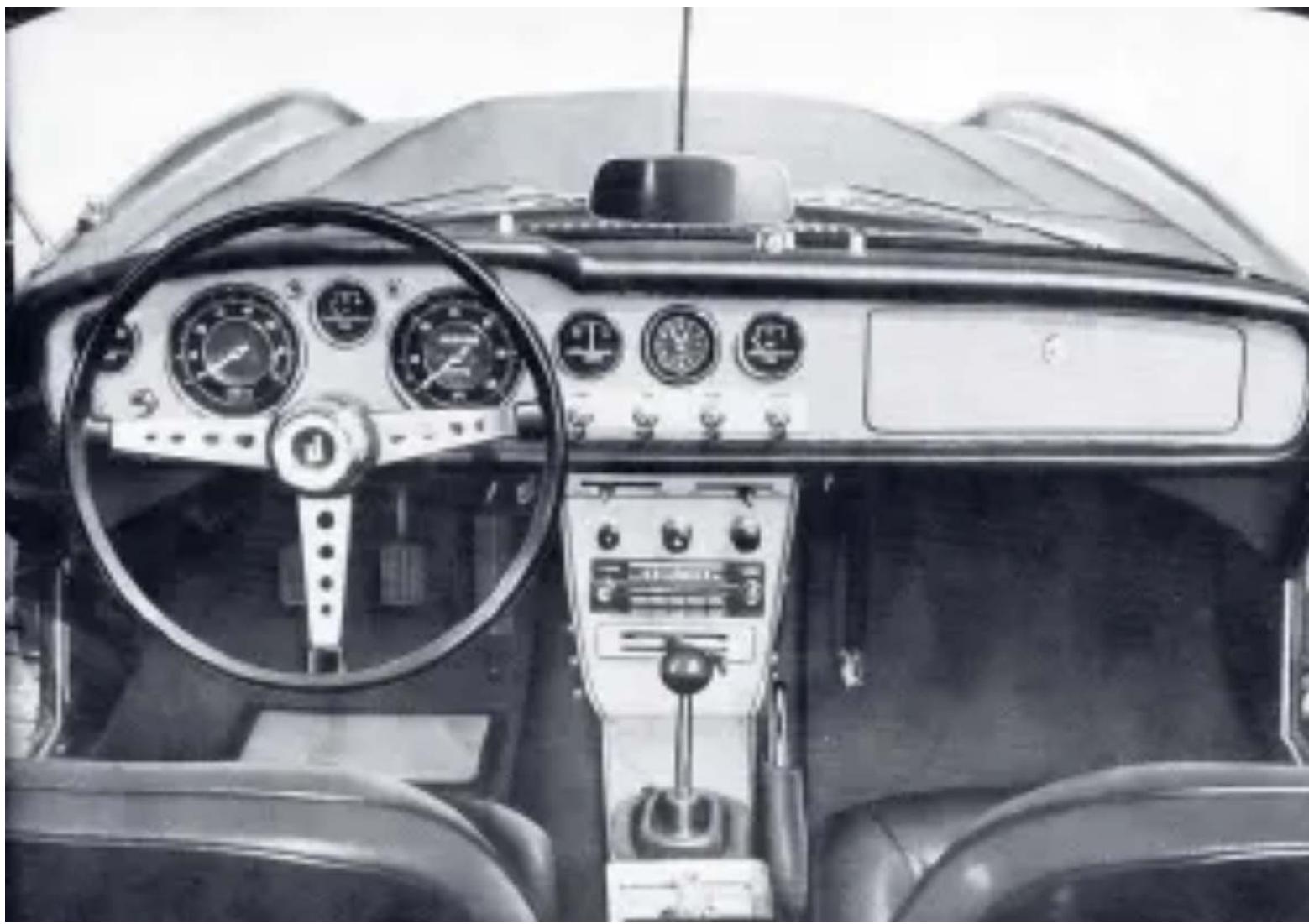
Interior view of a vintage car cockpit with steering wheel, dashboard, and instrument gauges (no visible text or symbols)INSTRUMENTS & CONTROLS
PANEL MOUNTED INSTRUMENT
natural_image
Close-up of a circular mechanical gauge or dial with no visible text or symbols
natural_image
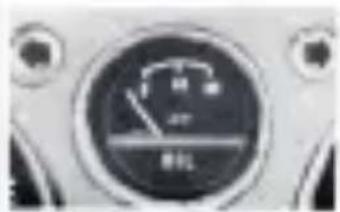
Close-up of mechanical components including bolts and a housing (no visible text or symbols)OIL PRESSURE GUAGE
SPEZIGMETER
natural_image
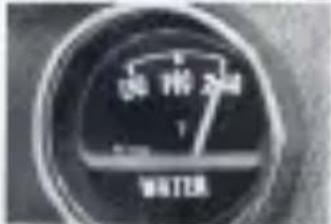
Close-up of a circular gauge or dial with measurement markings (no readable text or symbols)TEMPERATURE GUAGE
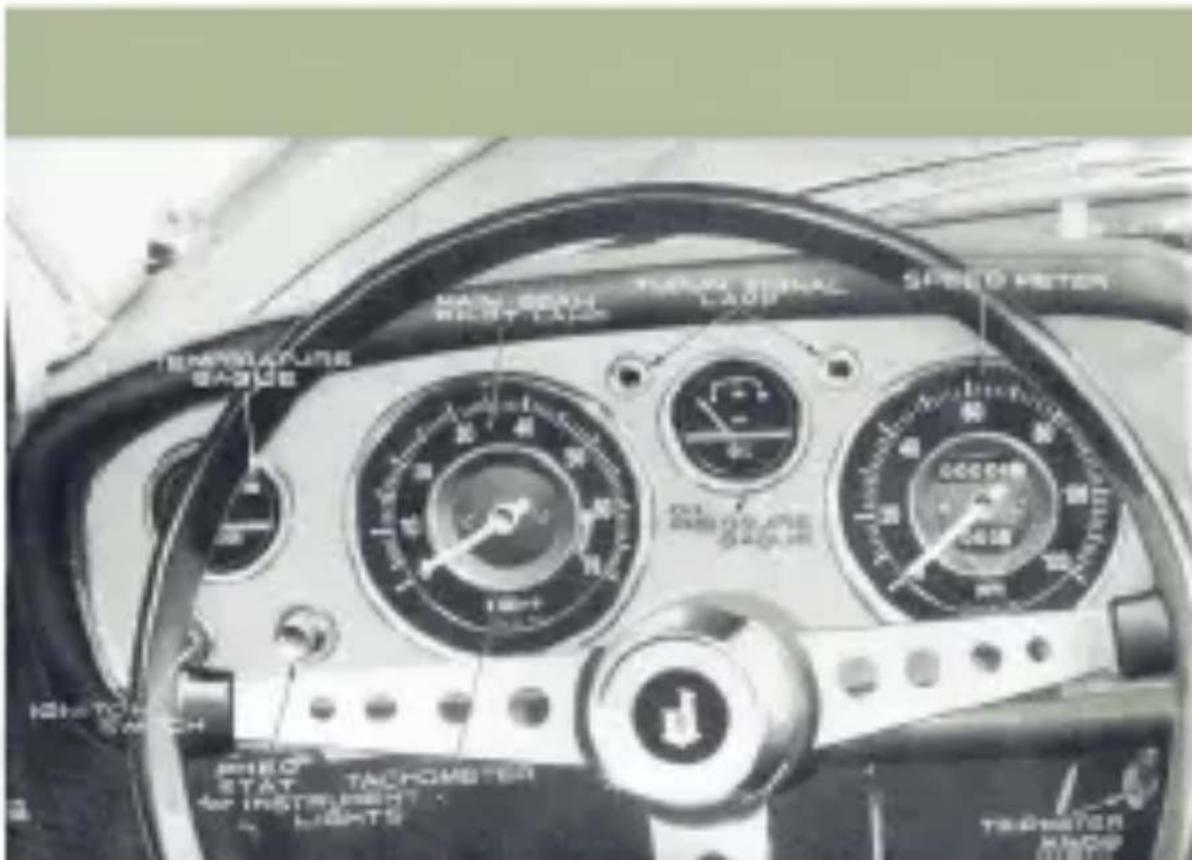
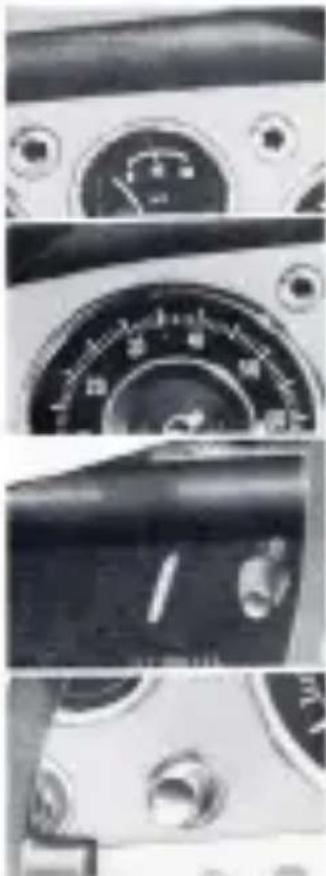
When the ignition is on, the pointier will grow up and show the water temperature at that time.
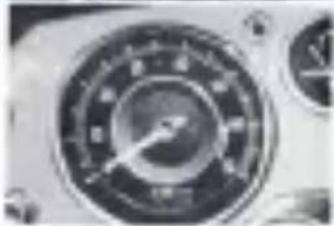
TACWORFETER
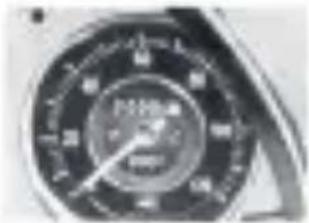
When ignition is on and the engine started, the pointer still shows the revolution of per minute for running engine; (to multiply this shading number by 300).
IGNITION SWITCH
The switch is linked to the combination meter, heater, windshield, vipers, horn signal lamps, warning and pilot lights, but free from the horn, radio and the other lamps.
natural_image
Close-up of a vintage car dashboard with gauges and control knobs (no visible text or symbols)TURN SAGALL LAMP
This rather light takes action spontaneously along with the turn signal jump.
MAIN BEAM PILOT LAMP
While the head lamps are lighting straight ahead, this red light is on, but when the head lamp begins, are directed downward by depressing switch the pilot light goes off.
TRAP METER ENOD
REPOSTAT OF INSTRUMENT LIGHTS
Adjustable for dim or bright.
natural_image
Circular gauge or dial with a white needle pointing upward, no visible text or symbols
AMPERE MATER
FUEL GAUGE
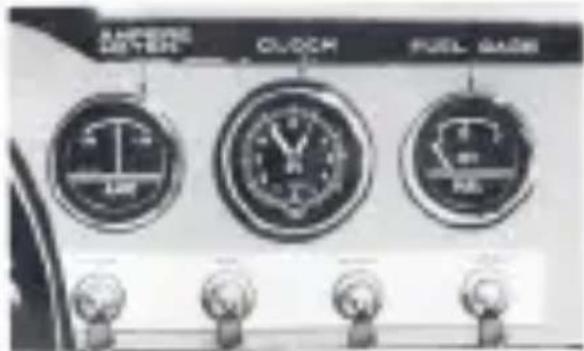
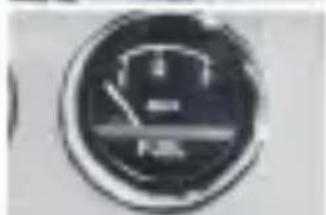
At the time the tank is full, capacity 11.0 U.S.gal. (40 ltr.) the pointer stands at "P" when the ignition is on.
CLOCK
To correct the time, push the lock at low position of center and set the hand to the correct time by turning it clockwise if possible. The clock is lighted from inside when the lighting switch is pulled out.
HOW THE EQUIPMENT WORKS
natural_image
Close-up of a car's front wheel with a globe icon, no visible text or symbolsLIGHT SWITCH
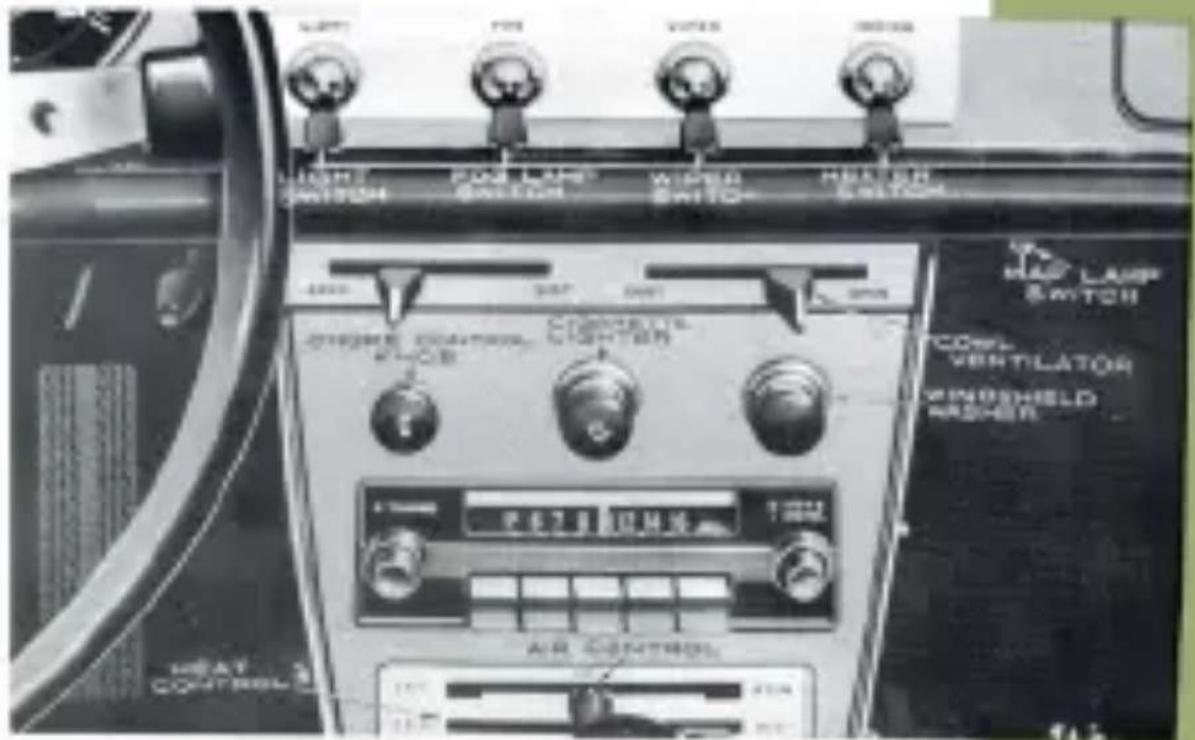
This is a vambler switch of two steps operation. The first step works to turn on the instrument panel light, and the parking, tire, license, lamp, and second step to turn on the head lamp.
natural_image
Simple line drawing of a person standing on a bench with a globe-like object above (no text or symbols)POG LAMP SWITCH
natural_image
Simple line drawing of a light bulb with a circular top, resting on a horizontal surface (no text or symbols)FAPER SWITCH
The windshield wipers can be operated at two kind spots by the tambler switch.
When it is fine and the windshield is flatly, do not turn on the vipers in recklessly it would make scratches on glass surface.
natural_image
Simple line drawing of a sphere with a small figure at the base (no text or symbols)HEATER SWITCH

natural_image
Close-up of a black circular button labeled 'C' on a white background (no additional text or symbols visible)CHASE CONTROL ENJO
The choke control knob is located at the left hand of the group of knobs.
natural_image
Close-up of a black industrial push-button switch with a circular head (no visible text or symbols)CIGARETTE LIGHTER
WINDSMIELD WASHER
natural_image
Close-up of a glossy, spherical object with concentric rings, possibly a droplet or lens (no text or symbols visible)
natural_image
Close-up of a mechanical component with no visible text or symbolsMAP LAMP SWITCH
This is located at the seat of con- oscillator knob under the panel of instrument.
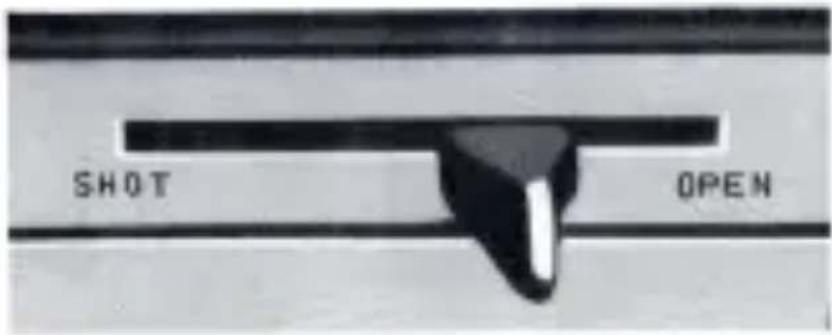
COWL VENTILATOR
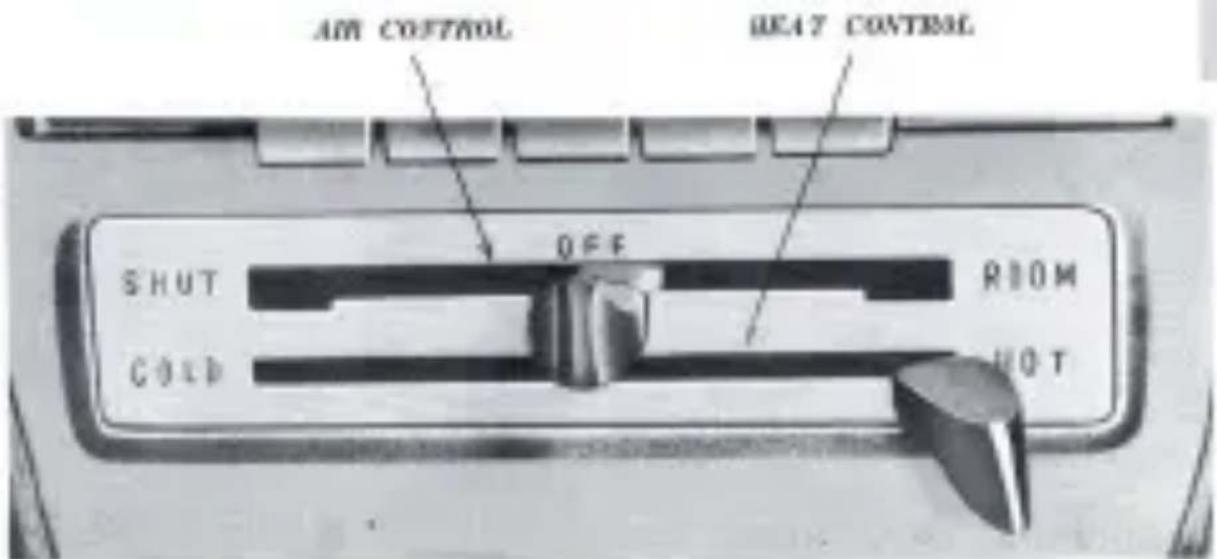
STARTING ENGINE
First, you make sure that the gear-shift lever is in neutral position and the side brake is applied. There on the ignition switch and see if the oil pressure and the ignition pilot ismpure it. Then, there the key-more to start the engine, and release as soon as if areas.
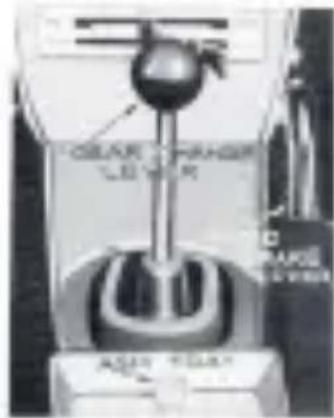
GEAR CHANGE LETER
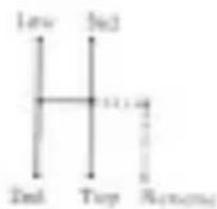
Position of gears
Ignition Switch

(2) 5 inch off
(3) 5 inch on
(4) Starting
Your car is equipped with a 4-speed transmission. This means that there are four forward speed positions and reverse.
The shift from one gear to another is made as follows:
Depress the clutch pedal and move the gear shift lever into the position desired.
Make sure the hard brake is released before starting to drive.
The reverse position is indicated by the dotted line.
Break in Period
You know all the one which should be taken for breaking in a new car the most important point is to limit its speed until all our components are perfectly worn-in.
| MAX. SPEED LIMIT FOR NEW CAR | |||||
| 120N | 250D | 3RD | 920F | ||
| FIRST 800 km | 20 | 30 | 50 | 70 | 8/4 |
| 500 m/s | 12 | 22 | 34 | 45 | M/H |
| SECOND 800 km | 10 | 20 | 61 | 112 | 8/9 |
| 500 m/s | 22 | 34 | 53 | 72 | M/H |
| 50 | 60 | 130 | 170(Min-40) | 8/4 | |
| OFTER BREAKING IN PERSON | 30 | 53 | 80 | 100(Min-20) | 61/4 |
natural_image
Close-up of a metallic spherical object mounted on a stand, possibly a knob or dial, with no visible text or symbols.
natural_image
Close-up of a car's front wheel and side arm (no visible text or symbols)RAND BRAKE LEVER
Band brake lever is on the seat side. Pulling up the lever effects braking mechanically on the rear wheels. To release brake, pull up the lever, push the button on the top of 8 and then fold down.
BATTER'S SEAT ADJUSTMENT
If you want to move your seat forward or backward, turn the adjusting lever located at the front of the seat as shown.
Move your seat forward or backward until you reach the desired position. Then release lever and the seat will be looked.
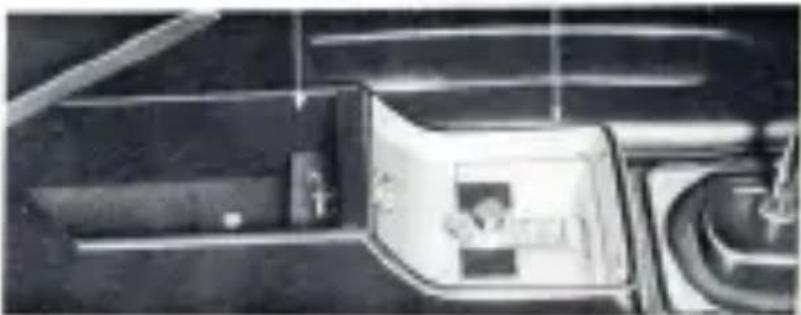
FLOOR GLOVE BOT ASV TRAV
natural_image
Interior view of a vehicle showing a driver inside a cabin (no visible text or symbols)
TOOLS
will to the floor with andily removed. The placed on the trunk
BODY JACK
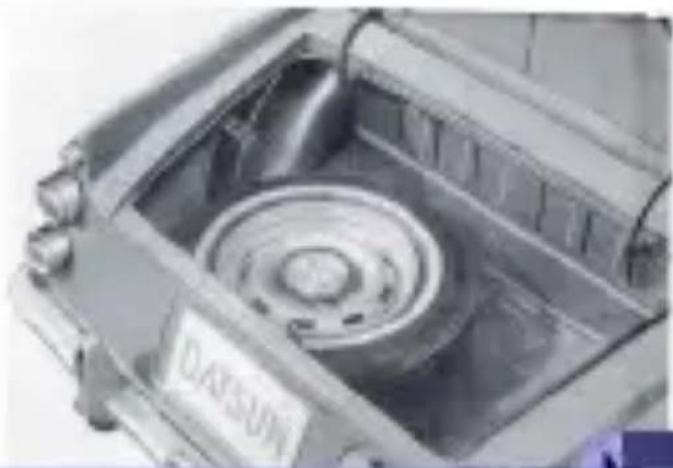
It is stored in the trunk. To jack up the car, see the clamp plate of spare tire for the jack stand and put the jack one into the jacking hole below the center of the body sill, insert the jack handle taken out of the jack columns into its lower arm and move the lever up and down. To jack down, move the handle to the upper arm and move gently, then the body comes down with its own weight.
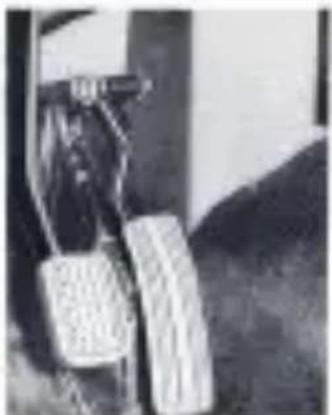
Under the instrument panel, three foot pedina:
The clutch pedal on the left.
The accelerator on the right.
SPARE WHEEL &
Spure wheel is fixed to the wing set so no to be too tool bag and jack are also loose.
natural_image
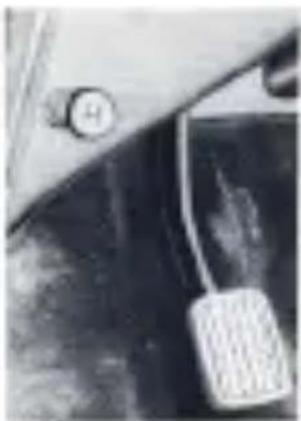
Close-up of a mechanical component with a textured surface and a metallic clip attached (no visible text or symbols)GOOD LOCK KJOB
CLUTCM PEDAL
BRANE PEGAL
ACCELERATOR
PEDAL
natural_image
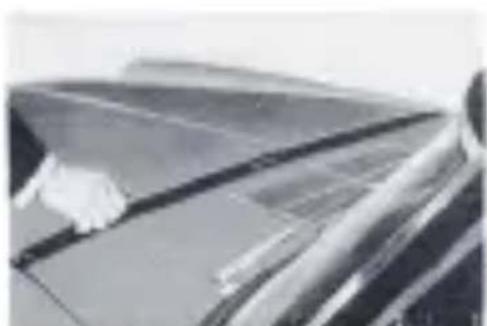
Close-up of a car's dashboard and steering wheel (no visible text or symbols)For safety purposes the hood is fitted with a lock. To release the safety catch, pull the lock lever ① located at the left side (or the right side for the right handle drive).
natural_image
Close-up of a hand holding a flat surface with layered materials (no visible text or symbols)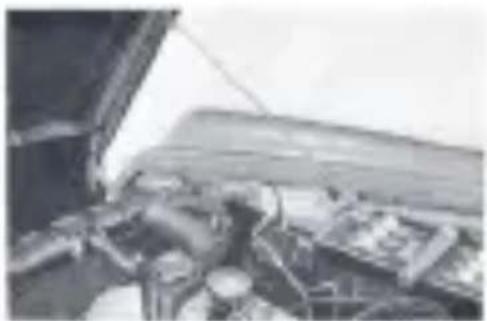
natural_image
Close-up of an open car hood with visible engine compartment and dashboard (no text or symbols)To close, press down firmly to engage lock and catch.
natural_image
Close-up of a mechanical component with a cylindrical gauge and handle (no visible text or symbols)
natural_image
Close-up of a metallic curved object with a looped edge, possibly a tool or component (no visible text or symbols)
natural_image
Close-up of a mechanical component with a lever and handle (no visible text or symbols)OPENING THE DOORS
- From outside :
To unlock press in the button then pull the door handle.
- From inside:
Pull the hostile backwards.
TO LOCK THE DOORS
The doors lack with ties. However it is possible to open the left or the right door froms outside.
In pulling the handle forward the doors are located.
Side Window
It can be opened by pulling the catcher to back way pushing out the window.
KEYS AND LOCKS
Two duplicate keys are supplied with the car:
The coloured key materials the ignition switch, the doors, the glove box, the luggage compartment and the gasoline filler cap.
The colourless key controls only the doors, the ignition switch and the gasoline filler cup.
One set keys are for your spare and should be kept in a handy place for use in the event of loss of your using keys.
LUGGAGE COMPARTMENT
Look for the lay hole which is apparent.
Tum the key clock wise.
The trunk lid will raise up and stay open under spring action. To elose just press on the lid, the boy being removed.

SPARE WHEELS & TOOLS
natural_image
Close-up of a mechanical component with a circular recess and label 'DAISUN' visible (no other text or symbols)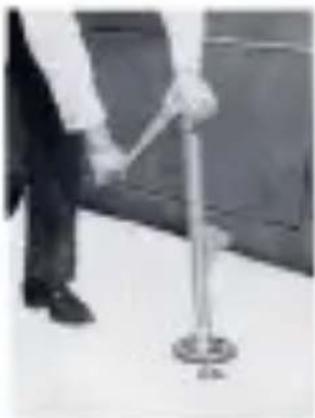
natural_image
Person standing beside a vertical metal stand with a circular base (no visible text or symbols)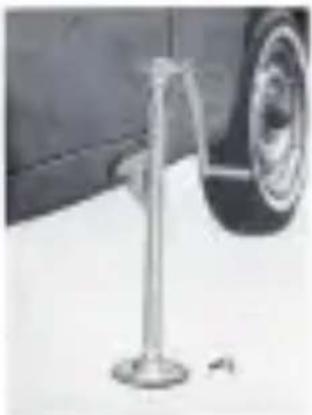
natural_image
Close-up of a metallic vertical stand next to a car tire, with no visible text or symbols.(7) lack hardware
universified
which is a server

natural_image
Illustration of a mechanical component with a wheel and shaft, next to a dark rectangular object (no text or symbols visible)For the jack stand
(1) Bodily Jash
(1) Wheel and
(4) 3 park play
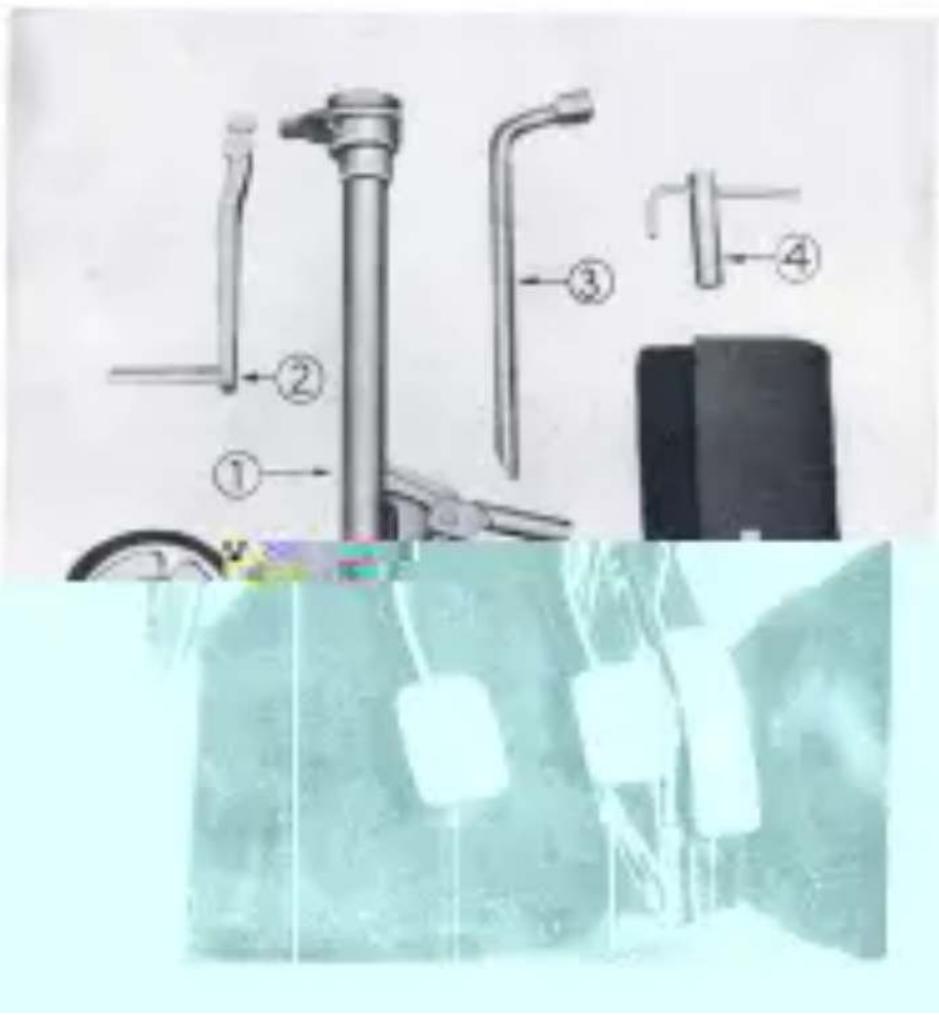
STANDARD TOOL KIT
A tool bag is also stored in the trunk.
ALL WEATHER EQUIPMENT
HOW TO CONTROL THE CANVASS TOP
①
natural_image
Close-up of a window with a small object and a diagonal line, possibly part of a mechanical or architectural component (no visible text or symbols)⑧

natural_image
Close-up of a mechanical joint or bracket with no visible text or symbols③
natural_image
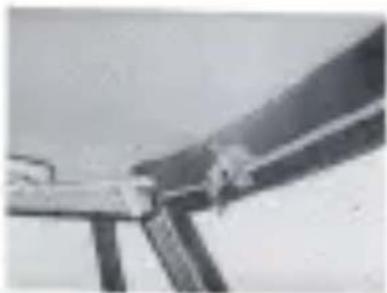
Close-up of a metal bracket with clamps and bolts (no visible text or symbols)Pull out of the catcher at the top of canvas.
④
natural_image
Close-up of a person's hand holding a small object, possibly a tool or device, in a dark environment (no visible text or symbols)⑤
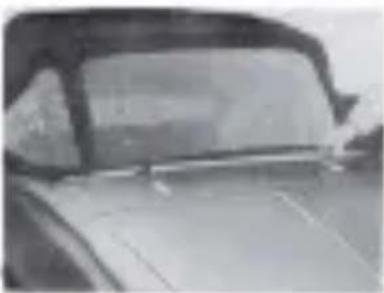
natural_image
Close-up of a car's front window and side rim (no visible text or symbols)⑥
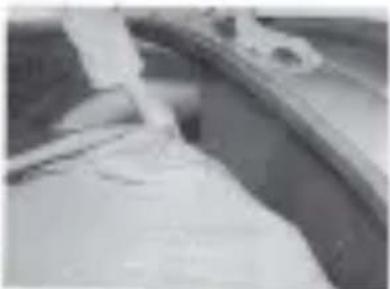
natural_image
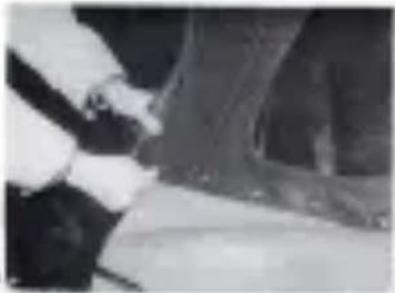
Close-up of a person's leg and arm, possibly a wrist or wrist, with no visible text or symbols.Take off the snap at the edge of canvas from front side by turns.
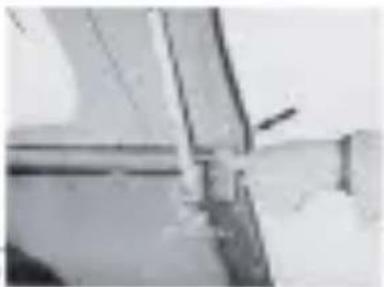
To draw out the solid frame of the castane red where is inserted at two points.
Before falling down the one- vase tap, spread the outer on the back of room and fix it at the three positions as shown.
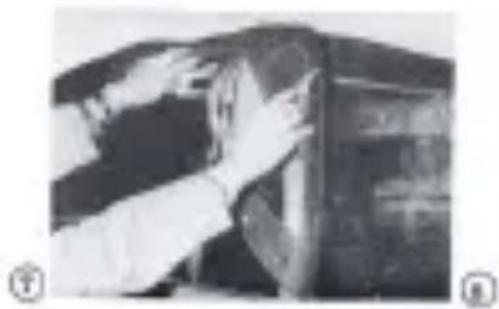
natural_image
Person handling a dark object with a handle, possibly a container or machine (no visible text or symbols)Turn over sufficiently the edge of canvas on the top of frame as shown in this figure and fall into the back way.
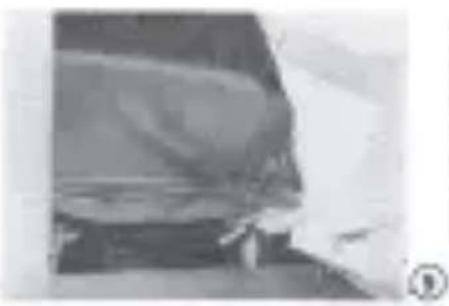
natural_image
Close-up of a car's front wheel and side wheel (no visible text or symbols)Press down the frame assembly of canvas top holding the corner of top as shown in the figure.
natural_image
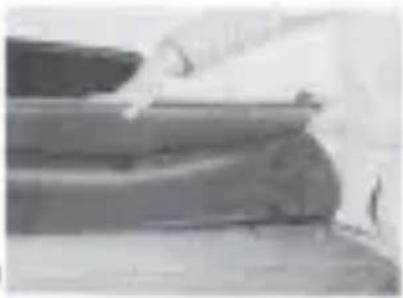
Close-up of a hand holding a tool over a textured surface (no visible text or symbols)Press down the frame assembly of canvas top evenly.
natural_image
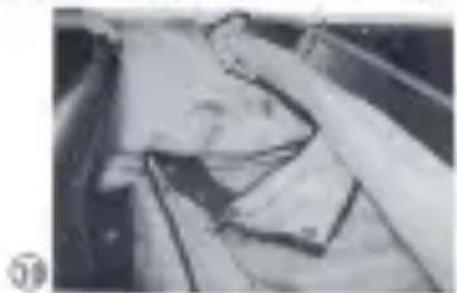
Black-and-white photo of a person lying on a bench with a cloth, no visible text or symbolsThen, average the edge of airpass preventing from harm for the sinuses by the pushing plates.
natural_image
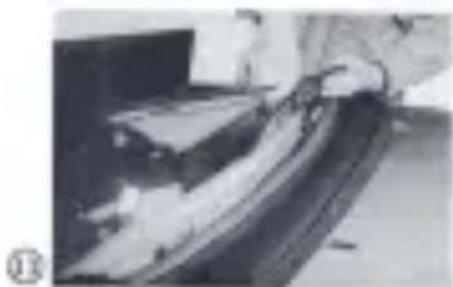
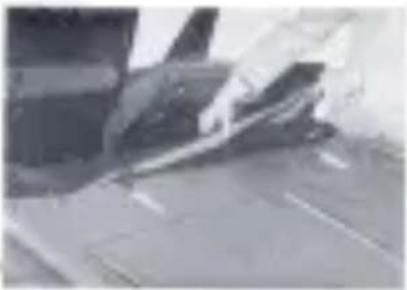
Close-up of a person operating a curved mechanical device (no visible text or symbols)Roll up the rear canvas by holding the solid portion of it.
natural_image
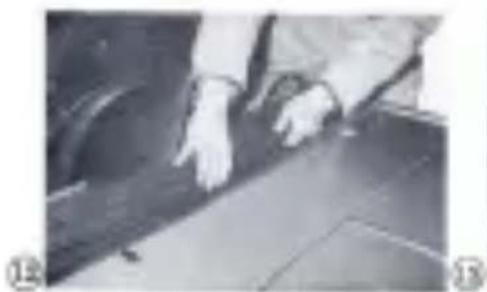
Close-up of hands operating a mechanical component (no visible text or symbols)Insert the edge of solid portion as above is this figure.
natural_image
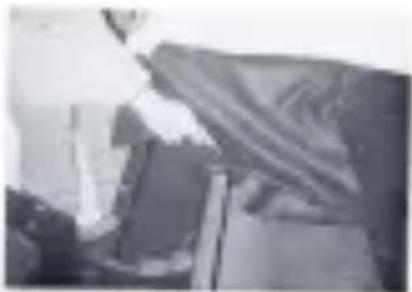
Close-up of a jet aircraft wing with visible tracks and landing gear (no text or symbols)Put the rolled canvass in order to keep in good cane and then insert the edge of canvass over to the catcher as shown in this figure.
natural_image
Black and white photo of a person bending over a fabric or cloth, no visible text or symbols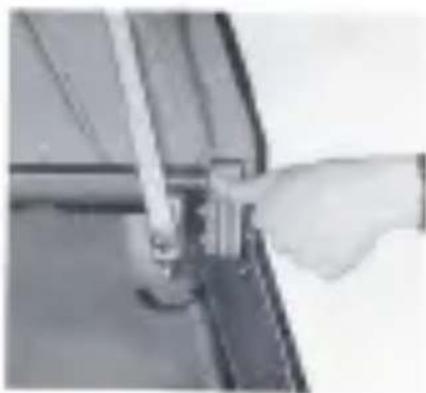
natural_image
Close-up of a hand holding a tool near a metal bracket (no visible text or symbols)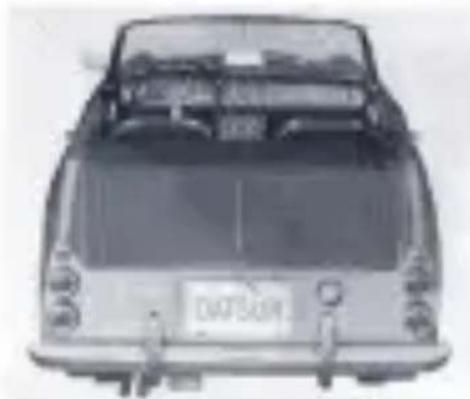
natural_image
Front view of a car with visible engine compartment and license plate (no text or symbols)TO STRETCH THE CANFASS TOP
YOUR ENGINE COMPARTMENT
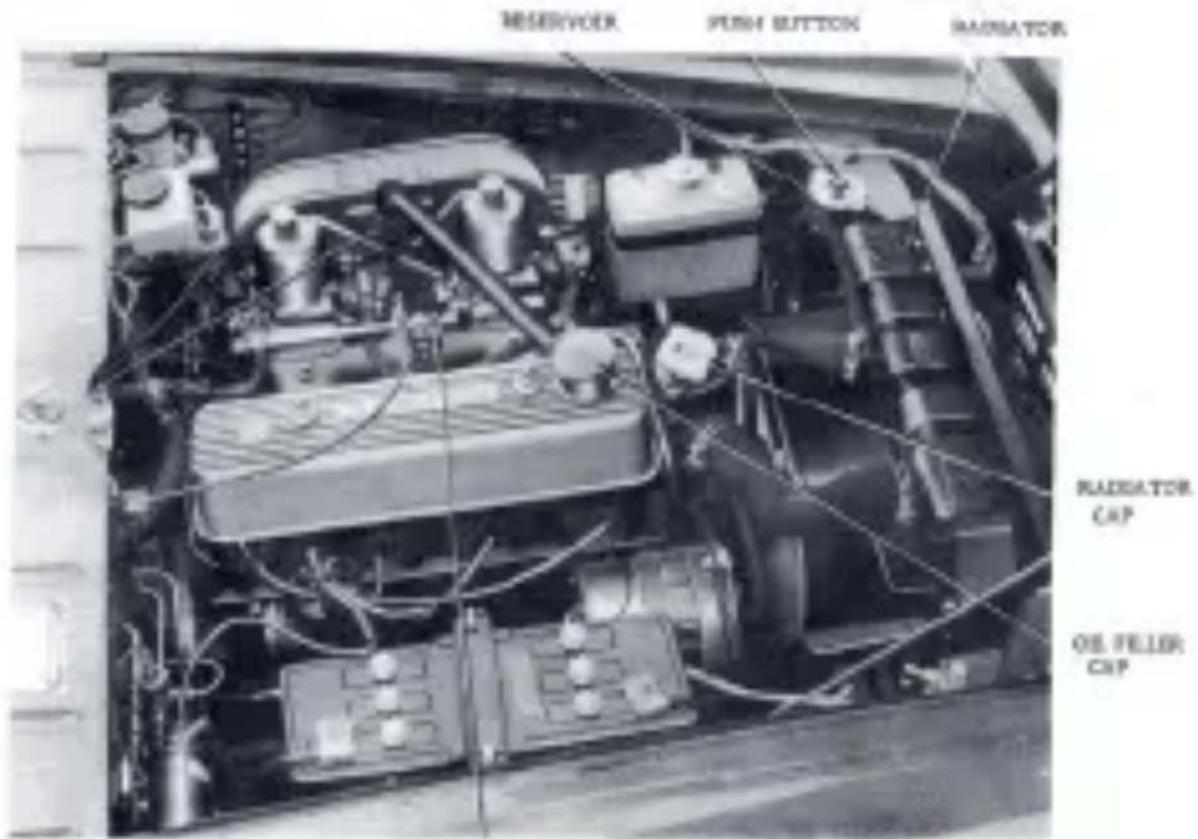
EDING ADJEST SCREEN
Yes will find on the above detailed view of engine compartment showing the main components.
IN HOT WEATHER
CHECK UP:
See to the following: Amount of the cooling water any linkages in the whole cooling system, the function of pressure type catalyst cap and amount and specific gravity of battery electrolyte.
REPLACING THE LUBRICANT
In summer when the temperature always stays over 20^ F ( 32^ C), the lubricating oil is to be replaced.
IN COLD WEATHER
STARTING ENGINE:
Pull the choke control knob out fully and do not suppress the oscillator pedal. As soon as the engine starts, release the key and gradually push the choke in. When the engine is warm, the choke is not necessary. For a little after the engine is started keep the revolution at slow for "warning-up," in winter, those considerations are especially important. The water becomes warm in about five minutes and all is ready to start driving.
| OIL VISCOSITY SUITABLE FOR THE CLIMATE | ||||
| Temperature | Engine D-C (API-ANS) | Gross Oil | ||
| ^2 | F^ | Indoor - Fixtures | Propulsar | Milk - Pulp |
| Over 32°C | [Cover 80°F] | SAE 100N-30 | SAE 50 | SAE 140 |
| 40C-10°C | [50°F-90°F] | SAE 100N-30 | SAE 20-30W | SAE 90 |
| -10°C-40°C | [10°F-127°F] | SAE 100N-30 | SAE 150° | SAE 90 |
| Under -12°C | (Under 10°F) | SAE 100N-30 | SAE 150° | SAE 80 |
REPLACING LURRICANT:
When the temperature goes down below 10^(-12^) , the lubrication oil is recommended to be replaced.
ANTIFREEZE:
In winter when the temperature is anticipated to go down below 32^ F (9–5), apply anti-freeze to the cooling water. For the mixing rate of anti-freeze with water, refer to "Direction of Use" of the anti-freeze.
COOLING WATER
Whole amount of the cooling water is 2.1 gm, (8 hr.). Add water properly when the cooling water becomes low.
RADIATOR SHUTTER:
In winter when the thermometer would not get up to 176^ (10^+C) , apply a suitable cover over the radiator to adjust passage of the cold air.
BATTERY:
Under extremely low temperature, the efficiency of battery falls markedly down and causes battery to undergo possible freezing and damage. Always check the electrolyte level and its specific gravity. There might be necessity for charging. See under-mentioned table.
| BATTERY FLUID SPECIFIC GRAVITY | ||
| Formable Range | Full Charge Value (at 60V, 20°C) | |
| Frigid Climate | Over 1.25 | 1.25 |
| Tropical Climate | Over 1.25 | 1.25 |
| Other Climate | Over 1.25 | 1.25 |
SUITABLE OIL VISCOSITY FOR THE CONDITION
The SAE (Society of Automotive Engineers) viscosity numbers fix a classification of lubricants in terms of viscosity or fluidity, but with no reference to any other characteristics or properties.
We recommend you to use the oil roll by reputable oil companies, which are above in the table of next page.
It is also important to choose right grade and viscosity of engine and gear oil suitable for the climate conditions you expect during the period the oil is in engine, transmission and rear sale.
Choose the suitable all according to the following table:
| OIL VISCOSITY SUITABLE FOR THE CLIMATE | ||||
| Temperature | Engine ESI (API-MS) | Over 20 Multi-Purpose | ||
| C° | P° | Main-Vancouver | Regular | |
| Over 30°C | (Over 90°F) | SAE 10K-30 | SAE 30 | SAE 180 |
| 60°C~120°C | (30°F~90°F) | SAE 10K-50 | SAE28-100V | SAE 90 |
| -120°C~90°C | (120°F~120°F) | SAE 90V-30 | SAE 90V | SAE 90 |
| Under -120°C | (Under 120°F) | SAE 120V-30 | SAE 90V | SAE 90 |
RECOMMENDED LUBRICANTS
The below table shows recommended lubricants. You can drive more enjoyable performance and economy as you use the proper lubricants which are sold by reputable all company.
As to the grade of lubricants and suitable oil for the climatic conditions, as shown below.
RECOMMENDED LUBRICANTS
| S.12.10.2003 | Standard Transit. (mm) | Mol. P. Co. | Mol. 2013 (L) | Sun 17-19 | A.A. | ||
| Transit. (m) | Calltime (hours) | ||||||
| 18/15/2004 | New, New | New: 1000 gm | New: 1000 gm | New: 1000 gm | —— | —— | —— |
| New, New | New: 1000 gm | New: 1000 gm | New: 1000 gm | —— | —— | —— | |
| New, New | New: 1000 gm | New: 1000 gm | New: 1000 gm | —— | —— | —— | |
| New 18 | New | New: 1000 gm | New: 1000 gm | New: 1000 gm | —— | —— | —— |
| New New | New | New: 1000 gm | New: 1000 gm | New: 1000 gm | —— | —— | —— |
| New New | New | New: 1000 gm | New: 1000 gm | New: 1000 gm | —— | —— | —— |
| New New | New | New: 1000 gm | New: 1000gm | New: 1000gm | —— | —— | —— |
| New New | New | New: 1000 gm | New: 1000gm | New: 1000gm | —— | —— | —— |
| New New | New | New: 1000 gm | New: 1000gm | New: 1000gm | —— | —— | —— |
BRAKE OIL
8AE 70R-1 or 20R-2 rating should be used.
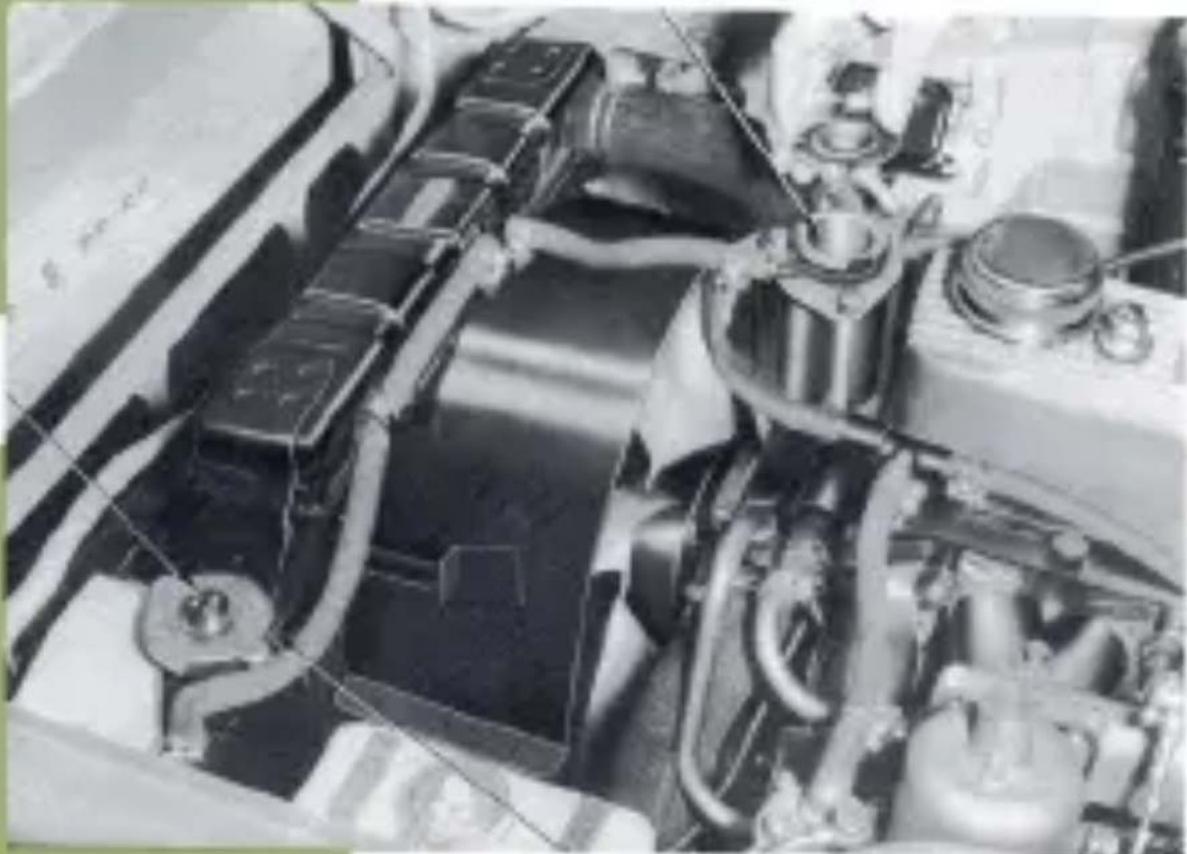
RELEASE BUTTON FOR PRESSURE
COOLANT TILLER
natural_image
Close-up of a mechanical engine compartment with visible hoses and components (no text or symbols)COOLAST RESERVOIR
With the general maintenance, the most important you can do yourself in DAILY CARE. Before driving every morning or each time you go to the gas station, do not fail to check the following:
Turn on the ignition key and see to the feel amount at the page.
When the engine is cold, the level of the coolant is the radiator should be slightly below the lower end of the filler neck.
To remove skin coolant temperature is high, push the lattes of coolant reservoir until pressure is relieved. Then, remove the cap of radiator slowly.
CHECKING FOR—
—THE OIL LEVEL
Pull out the oil level gauge provided in front of the discritator on the right hand of the engine, wiping it with rags. Then reinsert it, and pull out again and check the oil level with the wet portion of the gauge. The oil level should stand between the marks MAX and MIN on the gauge. Checking must be done with the air positioned on level as possible and a while after the engine comes to a stop. When the oil is added, check the level a while thereafter. In addition, when you pull out the gauge, it is necessary to see to the extent of contamination or consistency of the oil on the gauge.
—THE PRESSURE OF TIRES
Check the pressure of tirax including the spare tire. Remove oil stains or metal sticking to the tires, if any.
—LIGHTS
Make sure the functioning of all lights, the turn signals and the diameter switch is proper.
—SHARES
Check the play and stroke of the brake pedal. Ensure proper functioning of the brakes just after the car starts running.
Use of the Maintenance Hand Book
In order to assure satisfactory performance of your car still times, please do not fail to carry out the periodical check at the shop designated by Nissan, the distributor or dealer. However, the Hard Book of Maintenance is provided for your own interests.
You should have the service shops authorized by this company check your car and consult with them concerning any defects noticed.
It is recommended that you will contact your DATSUN Dealer to serve your DATSUN at any time.
HOW TO CHECK & LUBRICATE
FAN BELT & ALTERNATION
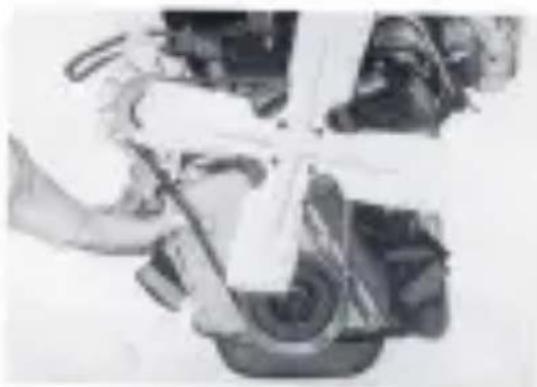
Push the belt between the generator and the crank pulley, and check the current slackness of 10 to 15 mm.
1) Always make absolutely sure that the grand polarity is correct when installing a new battery, connecting a charger to the battery, or when using a slave battery. (Mius earth)
2) Do not short across or ground any of the terminals on the alternator or the regulator.
3) Always disconnect the battery ground strip before replacing any electrical unit.
4) Never operate the alternator on open circuit. Make sure all leads are connected and tightened securely.
3) In the case of using the steam washing machine, keep it from an injury by the best of it.
6) When the battery is charged quickly with the quick charger, an extraordinary voltage is loaded as the silicon rectifier, so the battery must be removed from the car or the circuit of alternator output terminal must be disconnected.
7) Do not make the megger test on any parts of alternator and the regulator becomes any abnormal voltage threatens to break the silicon rectifier down.
natural_image
Close-up of a mechanical assembly with visible gears and levers (no text or symbols)INSTRUCTIONS FOR BALANCING TWIN HITACHI HJB-38-W
VARIABLE VENTURI SIDE DRAFT CARBURETOR
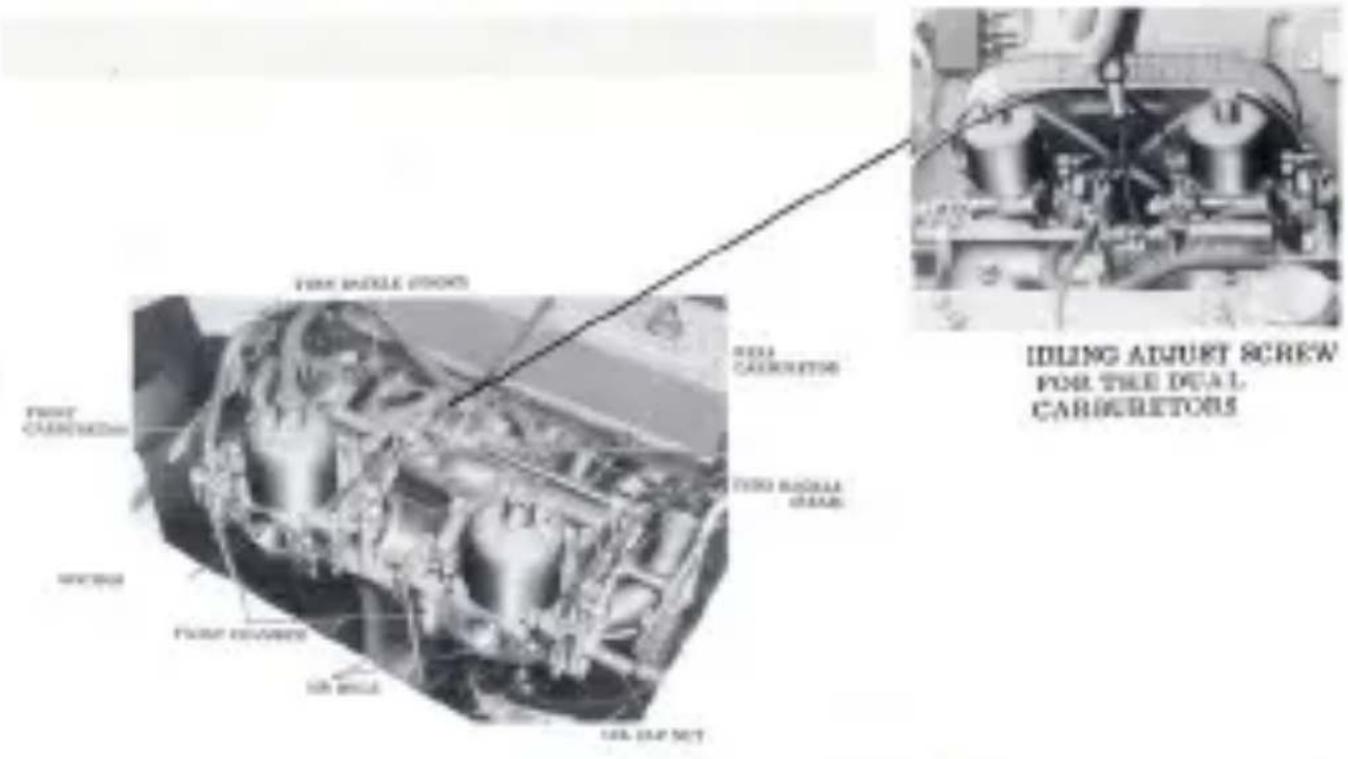
Method (A)
1) Remove air cleaner,
2) Disconnect throttle connections of both carbureps.
3) On the front carbaretor (nearest radiator) set idle screw so that ischoeseter reading is 500 BPM. If you do not have an instrument for balancing multiple carbaretors, use a length of plastic base, 1/2 inch diameter, and place at open horn of carbaretor, and at your ear. Listen to sound of air entering carbaretor.
4) Move to second carburetor and follow same procedure of listening to air entering this carburetor. If the sound is exactly the same as the front carburetor, then they are synchronized. If not, then adjust the title screw until they have the same sound.
4) Now if reading of the tachometer has changed, you must move both idle screws until you have both carburetors kissing the same tone and the RPM is not more than 650. You have now synchronized the throttle opening of dual carburetors.
(1) We will now proceed to adjust and synchronize the fuel flow of both earbarstors. Start with the front carburetor adjustment.
With the engine running at 608 RPM, lift the piston of the back carburetor 1/2 inch. (This will make the carburetor inoperative.)
If engine stalls, then you must richen the front carburetor until it will keep the engine ranging as if it were firing only two cylinders, rough but a steady heat.
Now repeat this same procedure of lifting the piston on the front carburetor, and adjust the mixture of the back carburetor.
- You have new synchronized your air fuel ratio in both carburetors.
You may find when this step is completed that RPM has increased on your tachometer; if so, go back to step and correct that idle to 600 RPM. - Next, adjust your throttle linkage connecting the barbarators with the throttle shaft mounted on the intake manifold.
Adjust the length of throttle link so that it will snap in place without charging RPM on the frost carbaretate.
Do this same operation with the link to the lack carluretor.
You non adjust idling by the union adjust screw as the connecting rod of the dual carburetors.
Your engine should now run smoothly, providing the rest at your engine in properly tuned, such as valves, paints, plugs, condensor, and ignition timing properly set.
Method
3) Warm engine to normal operating temperatures.
2) Turn the idle adjusting screw clockwise until closed, then turn the screw about three tars.
31. Tama the front carboretor throttle adjusting screw clockwise 2 or 3 turns.
Back off on the rear carboretor adjusting screw so it is off the stop.
4) Then start engine.
26. Turn the front throttle adjusting screen anti-clockwise until engine weather about 180KPM.
63. Turn the idle adjusting screw turns either left or right until engine runs evenly.
7) If the rotation of engine is too fast, slightly adjust the front throttle adjusting screw until engine about 400 BPM.
8) Normally a slight alteration of the idle adjust screw is again necessary.
- Set the rear carburetor throttle adjusting screw so it is on the tap.
Method[C]
If you have an instrument for balancing multiple carbonylors.
1) Warm engine in normal operating temperature.
2) Remove air cleaner; disconnect lincage,
3) Place an instrument for balancing over front of one carburetor. (Adjust the screw of air flow control.)
6) With the adjusting screw in open position, gradually turn down until float is transparent tube rises to, or near, any graduating mark line. (Tube to be kept vertical while in operation.)
5) Without changing position of the adjust screw, place the same on remaining carburetor, adjusting each carburetor "throttle-stop-screw" to bring float to approximately same level as the above.
If the idling speed is too fast, back off the throttle step screw on one carburetor adjust an instrument for balancing to that carburetor, then rebalance the other carburetors. Then carefully reconnect linkage.
Then the engine speed is increased just enough so the carburetor control arms do not touch the stop across, then locking the accelerating control at a point that will not affect the leakage to the carburetor.
The linkage may then be checked and adjusted by using an instrument for balancing multiple exchangers in the same manner as for adjusting the idling removal.
COOLING SYSTEM
slightly non-freezing, rust-inhibiting SISSAN LONG LIFE COOLAST is added into the cooling system. This coolant can be siedthrough out the seasons of the year, and the exchange period is every two years or a total running mileage of 40,000 km (24,000 Mio). Cooling system pressure is 1.9 kg/cm (12.5 h/la).
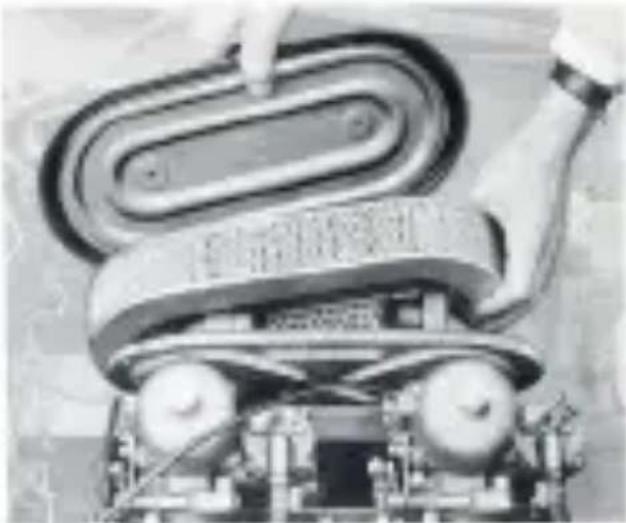
AIR CLEANER
The element is of paper filter type and can be easily taken out by removing wing nut.
Clean the element every 10,000cm[6,000lb] by giving vibration or blowing dry pressure air from inside, and change new one every 50,000cm [24,000 M].
Cure must be taken not to injure filter paper.
natural_image
Close-up of a mechanical device with rollers and a curved top component (no visible text or symbols)ROTATION OF TIRES
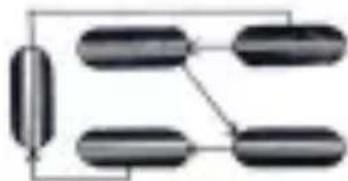
Change Alternately
flowchart
graph TD
    A[" "] --> B[" "]
    A --> C[" "]
    A --> D[" "]
    B --> E[" "]
    C --> F[" "]
    D --> G[" "]
If the tires are used for long at the same position, they are apt to be worn and damaged only in their particular portions and shorten their lives. For instance, the front tires are unevenly worn generally, and the rear tires of the wear running a mountain district are worn and got cuts at their outside edges. Therefore, check the tires periodically and rotate them every 2,000 miles (0,000 km). The spare tire also must be included in the rotation.
Pressure for tire
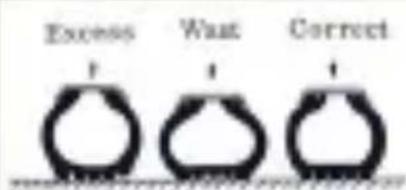
The wheel is made of pruned stool sheet and the wheel cap is fitted into the pegs of the dian wheel. Check cracks of the wheels, tightness of the wheel nuts and also air pressure of the tires. Tire must always have a proper air pressure according to the head. Tire with the correst air pressure will bear evenly on the ground. If the pressure is too low the tire touches the ground with its both edges, and if too high, it touches the ground with its center portion. In such cases above, the tire will be uneously worn and have a shortened lift.
The tire pressure should be checked while it is mild. Otherwise an allowance must be made for the increase in pressure due to the boat generated during running. Pressure should not be reduced when it is raised by the boat.
Checking and maintenance should be done for not only tires in use, but spare tire. If air pressure of tire reduces more than 7 lb (0.4 kg/cm²) in a week, this can be regarded as having air leaks somewhere. In this case, first make sure whether or not there are air leaks at the air valve.
| SALADIS TAKKONN EVELAR | LLIMRICATION | TANTITULARS FOR SALADIS | ||||||||||||||
| 100 | 100 | 100 | 100 | 100 | 100 | 100 | 100 | 100 | 100 | 100 | 100 | 100 | 100 | 100 | ||
| 100 | Check questions for items, not on the following: | 0 | ||||||||||||||
| 0 | Change in price of | ● | ● | ● | ● | ● | ● | ● | ● | ● | ● | |||||
| 0 | Check expenditure up, except a loss | 0 | 0 | 0 | 0 | 0 | 0 | 0 | 0 | 0 | ||||||
| 0 | Losses and complications damage | 0 | 0 | 0 | 0 | 0 | 0 | 0 | 0 | 0 | ||||||
| 0 | Indicate costs, which dip these projects budgets | 0 | 0 | 0 | 0 | 0 | ||||||||||
| 0 | Indicate level of cost change | 0 | 0 | 0 | 0 | 0 | ||||||||||
| 0 | Indicate revenue increase | 0 | 0 | 0 | 0 | 0 | ||||||||||
| 0 | Indicate costs, multiple units sold (not at sales) | 0 | 0 | 0 | 0 | |||||||||||
| 0 | 100 | Stock depreciation of stock, beginning of compensation | 0 | 0 | 0 | 0 | 0 | 0 | 0 | 0 | ||||||
| 0 | 0 | Change in stock price of | ● | ● | ||||||||||||
| 0 | Change from stock price, beginning of compensation | 0 | 0 | 0 | 0 | 0 | 0 | 0 | 0 | |||||||
| 0 | Estimate value of | ● | ● | |||||||||||||
| 0 | Average closing price to stock price, beginning of compensation | 0 | 0 | 0 | 0 | |||||||||||
| 0 | 100 | Change in stock price of | 0 | 0 | 0 | 0 | 0 | 0 | 0 | 0 | ||||||
| 0 | Change in stock price at market prices | 0 | 0 | 0 | 0 | |||||||||||
| 0 | Change in stock price at market prices | 0 | 0 | 0 | 0 | |||||||||||
| 0 | Estimate with shares delivered | 0 | 0 | |||||||||||||
| 0 | Change in shares at market share | 0 | 0 | 0 | 0 | 0 | 0 | 0 | 0 | |||||||
| 0 | Estimate amount recognized & used adjusted | 0 | 0 | |||||||||||||
| 0 | Change after having prices | ● | ||||||||||||||
| 0 | Change in shares held above price | ● | ||||||||||||||
| 0 | Estimate share after selling prices | 0 | 0 | |||||||||||||
| 0 | 100 | Stock trading volume | 0 | 0 | 0 | 0 | 0 | |||||||||
| 0 | Change in trading volume | ● | ||||||||||||||
| 0 | Change in shares outstanding volume | 0 | ||||||||||||||
| 0 | Change in shares trading volume at home outstanding | 0 | 0 | 0 | 0 | 0 | 0 | 0 | 0 | |||||||
| 0 | Change in shares outstanding quantity | 0 | 0 | 0 | 0 | 0 | 0 | 0 | 0 | 0 | ||||||
交于网站表决结果的
B. 1984
| 1月20日 | 2月20日 | 3月20日 | 4月20日 | 5月20日 | CHECK POINT ENGINE | |||||||||||||||||||||||||||||||||||||||||||||||||||||||||||||||||||||||||||||||||||||||||||||||||||||||||||||||||||||||||||||||||||||||||||||||||||||||||||||||||||||||||||||||||||||||||||||||||||||||||||||||||||||||||||||||||||||||||||||||||||||||||||||||||||||||||||||||||||||||||||||||||||||||||||||||||||||||||||||||||||||||||||||||||||||||||||||||||||||||||||||||||||||||||||||||||||||||||||||||||||||||||||||||||||||||||||||||||||||||||||||||||||||||||||||||||||||||||||||||||||||||||||||||||||||||||||||||||||||||||||||||||||||||||||||||||||||||||||||||||||||||||||||||||||||||||||||||||||||||||||||||||||||||||||||||||||||||||||||||||||||||||||||||||||||||||||||||||||||||||||||||||||||||||||||||||||||||||||||||||||||||||||||||||||||||||||||||||||||||||||||||||||||||||||||||||||||||||||||||||||||||||||||||||||||||||||||||||||||||||||||||||||||||||||||||||||
| D | Reconciliation, INCHANGES, CHARACTERIMATES, PAGES, EQUITY | |||||||||||||||||||||||||||||||||||||||||||||||||||||||||||||||||||||||||||||||||||||||||||||||||||||||||||||||||||||||||||||||||||||||||||||||||||||||||||||||||||||||||||||||||||||||||||||||||||||||||||||||||||||||||||||||||||||||||||||||||||||||||||||||||||||||||||||||||||||||||||||||||||||||||||||||||||||||||||||||||||||||||||||||||||||||||||||||||||||||||||||||||||||||||||||||||||||||||||||||||||||||||||||||||||||||||||||||||||||||||||||||||||||||||||||||||||||||||||||||||||||||||||||||||||||||||||||||||||||||||||||||||||||||||||||||||||||||||||||||||||||||||||||||||||||||||||||||||||||||||||||||||||||||||||||||||||||||||||||||||||||||||||||||||||||||||||||||||||||||||||||||||||||||||||||||||||||||||||||||||||||||||||||||||||||||||||||||||||||||||||||||||||||||||||||||||||||||||||||||||||||||||||||||||||||||||||||||||||||||||||||||||||||||||||||||||||||||
| D | Adjustments to the same | D | D | |||||||||||||||||||||||||||||||||||||||||||||||||||||||||||||||||||||||||||||||||||||||||||||||||||||||||||||||||||||||||||||||||||||||||||||||||||||||||||||||||||||||||||||||||||||||||||||||||||||||||||||||||||||||||||||||||||||||||||||||||||||||||||||||||||||||||||||||||||||||||||||||||||||||||||||||||||||||||||||||||||||||||||||||||||||||||||||||||||||||||||||||||||||||||||||||||||||||||||||||||||||||||||||||||||||||||||||||||||||||||||||||||||||||||||||||||||||||||||||||||||||||||||||||||||||||||||||||||||||||||||||||||||||||||||||||||||||||||||||||||||||||||||||||||||||||||||||||||||||||||||||||||||||||||||||||||||||||||||||||||||||||||||||||||||||||||||||||||||||||||||||||||||||||||||||||||||||||||||||||||||||||||||||||||||||||||||||||||||||||||||||||||||||||||||||||||||||||||||||||||||||||||||||||||||||||||||||||||||||||||||||||||||||||||||||||||||||
| Check for the same. | D | D | D | D | D | D | D | D | D | D | D | D | D | D | D | D | D | D | D | D | D | D | D | D | D | D | D | D | D | D | D | D | D | D | D | D | D | D | D | D | D | D | D | D | D | D | D | D | D | D | D | |||||||||||||||||||||||||||||||||||||||||||||||||||||||||||||||||||||||||||||||||||||||||||||||||||||||||||||||||||||||||||||||||||||||||||||||||||||||||||||||||||||||||||||||||||||||||||||||||||||||||||||||||||||||||||||||||||||||||||||||||||||||||||||||||||||||||||||||||||||||||||||||||||||||||||||||||||||||||||||||||||||||||||||||||||||||||||||||||||||||||||||||||||||||||||||||||||||||||||||||||||||||||||||||||||||||||||||||||||||||||||||||||||||||||||||||||||||||||||||||||||||||||||||||||||||||||||||||||||||||||||||||||||||||||||||||||||||||||||||||||||||||||||||||||||||||||||||||||||||||||||||||||||||||||||||||||||||||||||||||||||||||||||||||||||||||||||||||||||||||||||||||||||||||||||||||||||||||||||||||||||||||||||||||||||||||||||||||||||||||||||||||||||||||||||||||||||||||||||||||||||||||||||||||||||||
| Check for the same. | D | D | ||||||||||||||||||||||||||||||||||||||||||||||||||||||||||||||||||||||||||||||||||||||||||||||||||||||||||||||||||||||||||||||||||||||||||||||||||||||||||||||||||||||||||||||||||||||||||||||||||||||||||||||||||||||||||||||||||||||||||||||||||||||||||||||||||||||||||||||||||||||||||||||||||||||||||||||||||||||||||||||||||||||||||||||||||||||||||||||||||||||||||||||||||||||||||||||||||||||||||||||||||||||||||||||||||||||||||||||||||||||||||||||||||||||||||||||||||||||||||||||||||||||||||||||||||||||||||||||||||||||||||||||||||||||||||||||||||||||||||||||||||||||||||||||||||||||||||||||||||||||||||||||||||||||||||||||||||||||||||||||||||||||||||||||||||||||||||||||||||||||||||||||||||||||||||||||||||||||||||||||||||||||||||||||||||||||||||||||||||||||||||||||||||||||||||||||||||||||||||||||||||||||||||||||||||||||||||||||||||||||||||||||||||||||||||||||||||||||
| Check for the same. | D | D | ||||||||||||||||||||||||||||||||||||||||||||||||||||||||||||||||||||||||||||||||||||||||||||||||||||||||||||||||||||||||||||||||||||||||||||||||||||||||||||||||||||||||||||||||||||||||||||||||||||||||||||||||||||||||||||||||||||||||||||||||||||||||||||||||||||||||||||||||||||||||||||||||||||||||||||||||||||||||||||||||||||||||||||||||||||||||||||||||||||||||||||||||||||||||||||||||||||||||||||||||||||||||||||||||||||||||||||||||||||||||||||||||||||||||||||||||||||||||||||||||||||||||||||||||||||||||||||||||||||||||||||||||||||||||||||||||||||||||||||||||||||||||||||||||||||||||||||||||||||||||||||||||||||||||||||||||||||||||||||||||||||||||||||||||||||||||||||||||||||||||||||||||||||||||||||||||||||||||||||||||||||||||||||||||||||||||||||||||||||||||||||||||||||||||||||||||||||||||||||||||||||||||||||||||||||||||||||||||||||||||||||||||||||||||||||||||||||||
| Check for the same. | Check for the same. | D | D | |||||||||||||||||||||||||||||||||||||||||||||||||||||||||||||||||||||||||||||||||||||||||||||||||||||||||||||||||||||||||||||||||||||||||||||||||||||||||||||||||||||||||||||||||||||||||||||||||||||||||||||||||||||||||||||||||||||||||||||||||||||||||||||||||||||||||||||||||||||||||||||||||||||||||||||||||||||||||||||||||||||||||||||||||||||||||||||||||||||||||||||||||||||||||||||||||||||||||||||||||||||||||||||||||||||||||||||||||||||||||||||||||||||||||||||||||||||||||||||||||||||||||||||||||||||||||||||||||||||||||||||||||||||||||||||||||||||||||||||||||||||||||||||||||||||||||||||||||||||||||||||||||||||||||||||||||||||||||||||||||||||||||||||||||||||||||||||||||||||||||||||||||||||||||||||||||||||||||||||||||||||||||||||||||||||||||||||||||||||||||||||||||||||||||||||||||||||||||||||||||||||||||||||||||||||||||||||||||||||||||||||||||||||||||||||||||||||
| Check for the same. | Check for the same. | Check for the same. | Check for the same. | Check for the same. | Check for the same. | Check for the same. | Check for the same. | Check for the same. | Check for the same. | Check for the same. | D | |||||||||||||||||||||||||||||||||||||||||||||||||||||||||||||||||||||||||||||||||||||||||||||||||||||||||||||||||||||||||||||||||||||||||||||||||||||||||||||||||||||||||||||||||||||||||||||||||||||||||||||||||||||||||||||||||||||||||||||||||||||||||||||||||||||||||||||||||||||||||||||||||||||||||||||||||||||||||||||||||||||||||||||||||||||||||||||||||||||||||||||||||||||||||||||||||||||||||||||||||||||||||||||||||||||||||||||||||||||||||||||||||||||||||||||||||||||||||||||||||||||||||||||||||||||||||||||||||||||||||||||||||||||||||||||||||||||||||||||||||||||||||||||||||||||||||||||||||||||||||||||||||||||||||||||||||||||||||||||||||||||||||||||||||||||||||||||||||||||||||||||||||||||||||||||||||||||||||||||||||||||||||||||||||||||||||||||||||||||||||||||||||||||||||||||||||||||||||||||||||||||||||||||||||||||||||||||||||||||||||||||||||||||||||||||
| D | D | D | D | Check for the same. | Check for the same. | Check for the same. | Check for the same. | Check for the same. | Check for the same. | D | D | D | D | D | D | D | D | D | D | D | D | D | D | D | D | D | D | D | D | D | D | D | D | D | D | D | D | D | D | D | D | D | D | D | D | D | D | D | D | D | D | D | D | D | D | D | D | D | Q | D | D | D | D | D | D | D | D | D | D | D | D | D | D | D | D | D | D | D | D | D | D | D | D | D | D | D | D | D | D | D | D | D | D | D | D | D | D | D | D | D | D | D | D | D | D | D | D | D | C | D | D | D | D | D | D | D | D | D | D | D | D | D | D | D | D | D | D | D | D | D | D | D | D | D | D | D | D | D | D | D | D | D | D | D | D | D | D | D | D | D | D | D | D | D | D | D | D | D | B | D | D | D | D | D | D | D | D | D | D | D | D | D | D | D | D | D | D | D | D | D | D | D | D | D | D | D | D | D | D | D | D | D | D | D | D | D | D | D | D | D | D | D | D | D | D | D | D | D | O | D | D | D | D | D | D | D | D | D | D | D | D | D | D | D | D | D | D | D | D | D | D | D | D | D | D | D | D | D | D | D | D | D | D | D | D | D | D | D | D | D | D | D | D | D | D | D | D | D | E | D | D | D | D | D | D | D | D | D | D | D | D | D | D | D | D | D | D | D | D | D | D | D | D | D | D | D | D | D | D | D | D | D | D | D | D | D | D | D | D | D | D | D | D | D | D | D | D | D | F | D | D | D | D | D | D | D | D | D | D | D | D | D | D | D | D | D | D | D | D | D | D | D | D | D | D | D | D | D | D | D | D | D | D | D | D | D | D | D | D | D | D | D | D | D | D | D | D | D | T | D | D | D | D | D | D | D | D | D | D | D | D | D | D | D | D | D | D | D | D | D | D | D | D | D | D | D | D | D | D | D | D | D | D | D | D | D | D | D | D | D | D | D | D | D | D | D | D | D | H | D | D | D | D | D | D | D | D | D | D | D | D | D | D | D | D | D | D | D | D | D | D | D | D | D | D | D | D | D | D | D | D | D | D | D | D | D | D | D | D | D | D | D | D | D | D | D | D | D | G | D | D | D | D | D | D | D | D | D | D | D | D | D | D | D | D | D | D | D | D | D | D | D | D | D | D | D | D | D | D | D | D | D | D | D | D | D | D | D | D | D | D | D | D | D | D | D | D | D | S | D | D | D | D | D | D | D | D | D | D | D | D | D | D | D | D | D | D | D | D | D | D | D | D | D | D | D | D | D | D | D | D | D | D | D | D | D | D | D | D | D | D | D | D | D | D | D | D | D | R | D | D | D | D | D | D | D | D | D | D | D | D | D | D | D | D | D | D | D | D | D | D | D | D | D | D | D | D | D | D | D | D | D | D | D | D | D | D | D | D | D | D | D | D | D | D | D | D | D | M | D | D | D | D | D | D | D | D | D | D | D | D | D | D | D | D | D | D | D | D | D | D | D | D | D | D | D | D | D | D | D | D | D | D | D | D | D | D | D | D | D | D | D | D | D | D | D | D | D | W | D | D | D | D | D | D | D | D | D | D | D | D | D | D | D | D | D | D | D | D | D | D | D | D | D | D | D | D | D | D | D | D | D | D | D | D | D | D | D | D | D | D | D | D | D | D | D | D | D | V | D | D | D | D | D | D | D | D | D | D | D | D | D | D | D | D | D | D | D | D | D | D | D | D | D | D | D | D | D | D | D | D | D | D | D | D | D | D | D | D | D | D | D | D | D | D | D | D | D | U | D | D | D | D | D | D | D | D | D | D | D | D | D | D | D | D | D | D | D | D | D | D | D | D | D | D | D | D | D | D | D | D | D | D | D | D | D | D | D | D | D | D | D | D | D | D | D | D | D | L | D | D | D | D | D | D | D | D | D | D | D | D | D | D | D | D | D | D | D | D | D | D | D | D | D | D | D | D | D | D | D | D | D | D | D | D | D | D | D | D | D | D | |||||||||||||||||||||
B.(签字:____)项目编号
| CHECKING POINTS CHASSIG. BODY | SUNTERIANCE CLASSIFICATION | |||||||||||||||||
| DATE | STOCK | R.QTY | BALANCE | ORDER | DESCRIPTION | |||||||||||||
| 1 | ||||||||||||||||||
| 2 | ||||||||||||||||||
| 0 | 3 | |||||||||||||||||
| 4 | ||||||||||||||||||
| 5 | ||||||||||||||||||
| 6 | ||||||||||||||||||
| 0 | 7 | |||||||||||||||||
| 8 | ||||||||||||||||||
| 9 | ||||||||||||||||||
| 10 | ||||||||||||||||||
| 11 | ||||||||||||||||||
| 12 | ||||||||||||||||||
| 13 | ||||||||||||||||||
| 14 | ||||||||||||||||||
| 15 | ||||||||||||||||||
| 16 | ||||||||||||||||||
| 17 | ||||||||||||||||||
| 18 | ||||||||||||||||||
| 19 | ||||||||||||||||||
| 20 | ||||||||||||||||||
| 21 | ||||||||||||||||||
| 22 | ||||||||||||||||||
| 23 | ||||||||||||||||||
| 24 | ||||||||||||||||||
| 25 | ||||||||||||||||||
| 26 | ||||||||||||||||||
| 27 | ||||||||||||||||||
| 28 | ||||||||||||||||||
| 29 | ||||||||||||||||||
| 30 | ||||||||||||||||||
| 31 | ||||||||||||||||||
| 32 | ||||||||||||||||||
| 33 | ||||||||||||||||||
| 34 | ||||||||||||||||||
| 35 | ||||||||||||||||||
| 36 | ||||||||||||||||||
| 37 | ||||||||||||||||||
| 38 | ||||||||||||||||||
| 39 | ||||||||||||||||||
| 40 | ||||||||||||||||||
| 41 | ||||||||||||||||||
| 42 | ||||||||||||||||||
CHECKING AND ADJUSTING VALUES
ENGINE
Cylinder compression pressure: 12.7kg/min, (100 lb/in.)
gevondelkelt rotated at 320 m.p.c.m. by winsteri
Valve clearance 0.43 mm. (Pilot and extens) (0.027 m.)
Carbureide
Diameter of gasoline valve, 35 mm (1.5 m.)
character of remark variable
Throttle valve.... automatic system
Fan belt slack 15 20 mm. (Transverse direction) (3.6 8.8 in.)
Cylinder head nut tightening torque 8.2 1.5 kg-in (HS) 50 ft-lb.)
Rocker bracket mounting 4.15 4.84 kg/m nut torque (20) 13 ft-fb.)
ELECTRIC EQUIPMENT
Polarity - minus earth
Firing order 1-3-4-2
ignition timing...approx: 16 deg. before top deal center when idling 800 r.p.m.
Distillator bracket point
(1) 0.43 0.58 mm. (2) 0.018 0.022 in.)
Spark plug gap 0.7 0.6 mm.
- 015 小,082 in.
A.C. 2013/126 B
Regulator ....Tirrill RL-2B
Specific gravity of battery electrolyte (changed) ..... 1,280 (u1 23 C)
Battery electrolyte level: ..... appro. 10 mm above plating school through fillar opening
Polarity generator ....... - minus earth generator
図しは
Hotel in my closest home
TP40 22V-31/48W x 2
Parking lamp 225-88 n 3
Torr signal lamp 127-258 x 4
License lamp 11W=5W x 1
Step: 31 mg
Bovetno laug....12Y-15W x 1
Warning http
Turn signal 12V-L.58 n f
Blade hansen 105°1.55E n 1
Tail lamp.... 22F-WE x 2
fop lamp 12E-25W x 1
instrument lamp 32V-56 x 1 (5V/T gauge, anterior tachometer (2) clock 0/P gauge fuel gauge speed- meter (2)
CHASSIS
Slowering wheel play 18 30 mm. (61 shool (prepberry) 40.8 1.2 in.) Front wheel too-in 3 5 mm. Front wheel camlar 1 20 ^2 (incladen) Front wheel castar 1 30 ^2 Kingpin incitination 6 50 ^2 Brake pool play 8 12 mm. (9,85) 6,05 (in.)
Brake pedal height above floor when fully disuspended .... 20 mm. or more (1.2 in.) Glench pedal play .... 43 50 mm. (1.50 - 2.69 in.) Brakes shoe clearance .... Turn adjuster right-handedly until drums will not turn, then return adjuster 2 or 3 not clear so that shoes may net rub drum.
Tighteness of front wheel bearing
Tighten until bearing resistance to rotation in felt (standard torque 21 - 25 ft-16.) Then uncrew nut approx. 60 deg. & lock with cutter pin.
Bricka elise illustration
Front: Disc brake with self-adjusting hydraulic equipment. Bear: After releasing hand brake, cars the adjuster to screw direction tightly and then tars back screw 2-3 soches until the wheel drum turns by hands just free from the chair.
CAPACITY
Tire pressure
Frost 22 lb. Rear 30 lb lower 50 mph Gasoline tank 40 (11.9 U.S. gal.) Cooling water 9 (2.1 U.S. gal.) Oil pin 4.1 (1.1 U.S. gal.) Transmission 8.2 (0.58 U.S. gal.) Differential cooling 0.00 (0.25 U.S. gal.) Steering box 8.25 (0.00 U.S. gal.)

natural_image
Abstract geometric shape with black and beige triangular forms (no text or symbols)ISSAN MOTOR CO., LTD.
Printed in Japan Sambahan, Sr. 4218 (2023)

ISSAN MOTOR CO., LTD.
Printed in Japan Publication No. 16131 (010330)